} Crítica Retrô: Carolyn Jones

Tradutor / Translator / Traductor / Übersetzer / Traduttore / Traducteur / 翻訳者 / переводчик

Showing posts with label Carolyn Jones. Show all posts

Friday, March 22, 2024

Série Retrô: A Família Addams


Retro Series: The Addams Family


Você já deve ter ouvido falar do bloco de programação Nick at Nite, do canal de TV Nickelodeon, que exibia coisas retrô. O bloco foi criado nos EUA em 1985, mas chegou aqui ao Brasil somente em 2006 – exatamente quando eu era uma jovenzinha em busca de algo mais antigo para assistir. Eu passei todas as minhas férias assistindo ao Nick at Nite, onde eu conheci alguns dos meus programas de televisão favoritos, como “Mork & Mindy”. Eu também gostava das outras séries, entre elas aquela de que falaremos hoje: a série clássica da “Família Addams”, dos anos 60.


You might have heard about the programming block Nick at Nite, at the TV channel Nickelodeon, that exhibited retro attractions. The block was created in the US in 1985, but arrived here in Brazil only in 2006 – exactly when I was a wee teenager looking for older content to watch. I spent my whole vacation watching Nick at Nite, where I got to know some of my favorite TV shows, like “Mork & Mindy”. I also enjoyed the other shows, among them the one we’re talking about today: the classic series “The Addams Family”, from the 1960s.

Esta família de arrepiar foi criada pelo cartunista Charles Addams, mas nas tirinhas eles não tinham nomes. Os personagens foram batizados por Addams em 1964, quando uma série de TV sobre eles estreou. A série duraria apenas dois anos, com 64 episódios no total, mas a influência dos Addams no mundo do entretenimento estava apenas começando.


This spooky family was created by cartoonist Charles Addams, but in the cartoons they didn’t have names. The characters were named by Addams in 1964, when a TV show about them premiered. The show would run for only two years, having 64 episodes total, but their influence in the entertainment world was just starting.
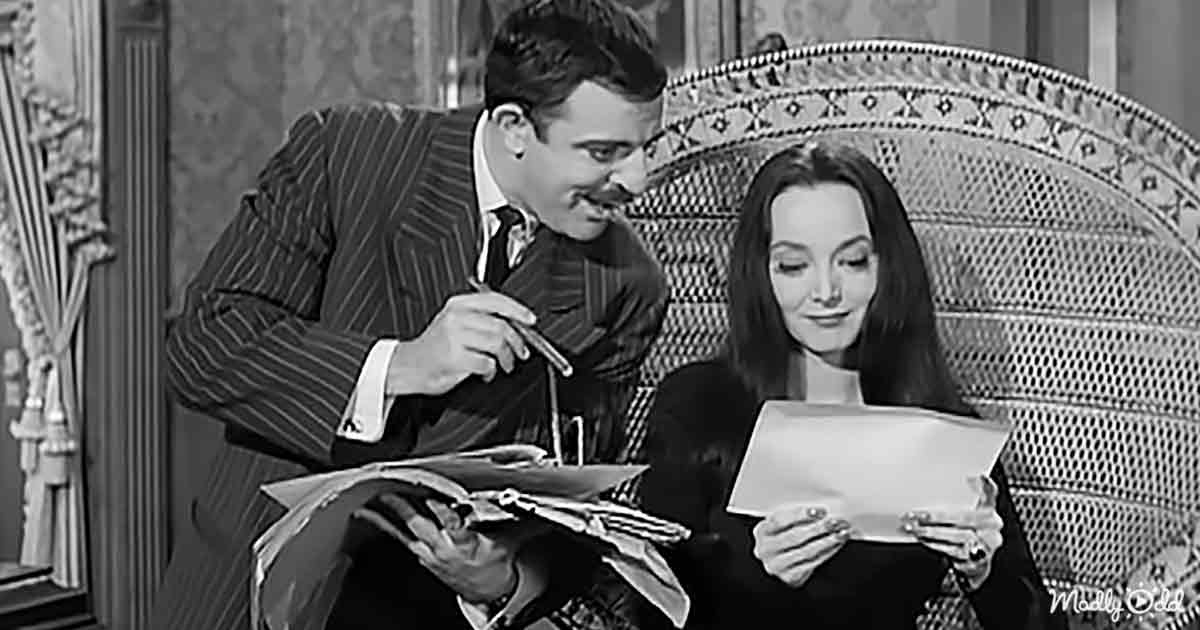
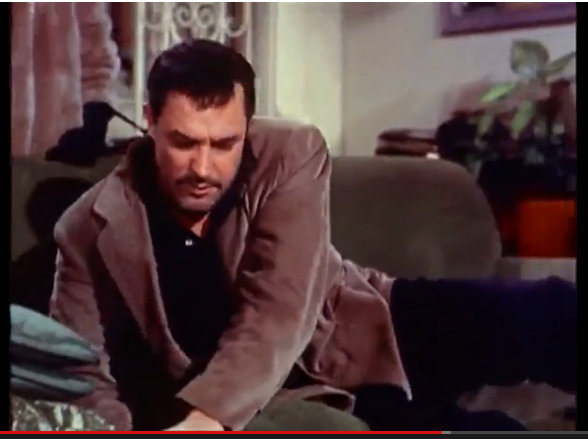
O patriarca é Gomez Addams (interpretado por John Astin), um milionário excêntrico cuja aparência e maneirismos foram baseados em Groucho Marx. A matriarca é a sensual Mortícia (Carolyn Jones), que enlouquece o marido com seu charme e beleza. Eles têm dois filhos: Feioso (Ken Weatherwax) e Wandinha (Lisa Loring) e dividem a casa com, entre outros, Tio Chico (Jackie Coogan – sim, o menininho do filme de Chaplin “O Garoto”). Completando o rol de moradores da casa temos Mãozinha, uma mão sem corpo que ajuda a todos, e Tropeço (Ted Cassidy), o mordomo que viveu um sucesso musical assim como Wandinha viveria anos mais tarde – mas já chegamos lá.


The patriarch is Gomez Addams (played by John Astin), an eccentric millionaire whose appearance and manners were based on Groucho Marx. The matriarch is the sexy Morticia (Carolyn Jones), who makes her husband crazy with her good looks and charm. They have two children: Pugsley (Ken Weatherwax) and Wednesday (Lisa Loring) and share the house, among others, with Uncle Fester (Jackie Coogan – yes, the little boy from Chaplin’s “The Kid”). Completing the household are Thing, a helpful disembodied hand, and Lurch (Ted Cassidy), the butler who even had a musical hit just like Wednesday would have years later – but we’ll get there.

A família Addams se tornou tamanha sensação com o passar dos anos que, além da série dos anos 60, foi assunto de mais filmes, desenhos animados, espetáculos da Broadway e vídeo-games. A atração mais recente à família da Família Addams foi a série da Netflix “Wandinha”. Nela, a filha adolescente dos Addams (interpretada por Jenna Ortega) frequenta uma escola especial para encantados e poderosos. Lá, ela faz amigos e inimigos, e se torna sensação com sua dança no baile da escola.


The Addams Family became such a sensation over the years that, besides the 1960s series, it was the subject for more movies, animated shows, Broadway shows and video games. The most recent addition to The Addams Family family was the Netflix show “Wednesday”. In it, the teenage daughter of the Addams (played by Jenna Ortega) attends a special school for the enchanted and powerful. There, she makes friends and enemies, and becomes a sensation with her dance at the local ball.

Ao me preparar para assistir a “Wandinha”, eu revisitei alguns episódios desta série que me divertiu tanto na adolescência. Um episódio em consonância com a série de 2022 da Netflix é o piloto, “The Addams Femily Goes to School”. Nele, um oficial da educação força Wandinha e Feioso a frequentar uma escola pela primeira vez na vida, com consequências hilárias. 


In preparation to watch “Wednesday”, I revisited some episodes of this series that entertained me so much when I was a teenager. An episode in consonance with the 2022 Netflix series is the pilot, “The Addams Family Goes to School”. In it, a school office forces Wednesday and Pugsley to attend school for the first time in their lives, with hilarious consequences.

O episódio apresenta para nós todas as estranhezas familiares ao fazer com que os personagens percorram a casa em companhia do Sr Hilliard (Allyn Joslyn). Gomez apoia o ensino domiciliar – como ele diz para Hilliard “por que ter filhos só para nos livrarmos deles?” – e quem dá as lições é a Vovó (interpretada por Blossom Rock). Quando as crianças finalmente começam a frequentar a escola, Wandinha volta para casa chateada porque, num conto de fadas, o dragão é morto!


The episode introduces all the familiar oddities to us by having the characters show around the house to the officer Mr Hilliard (Allyn Joslyn). Gomez is a supporter of homeschooling – as he says to Hilliard, “why to have children just to get rid of them?” – and the one in charge of the lessons is Grandmama (played by Blossom Rock). When the kids finally start attending school, Wednesday comes back home upset because, in the fairy tale, the dragon gets killed!

Este episódio foi dirigido por Arthur Hiller. Ele tem 76 créditos como diretor no IMDb, sendo o mais importante o bem-sucedido “Love Story” (1970). Ele começou sua carreira na televisão em 1954, mas só dirigiu este episódio para “A Família Addams”.


This episode was directed by Arthur Hiller. He gets 76 directing credits on IMDb, being the most important the sensation “Love Story” (1970). He started his career on television in 1954, but for “The Addams Family” this was the only episode he directed.

Eu sempre gostei de todos os personagens de A Família Addams, mas tinha uma pequena preferência por Wandinha, por ser uma garota como eu, uma pequena estranha. Fico feliz que Wandinha seja o foco do segundo filme de animação dos Addams, que estreou em 2021. Também gostei muito da série da Netflix. Eu estava esperando ver mais da personagem neste episódio da série dos anos 60, mas eu entendo que ele sirva mais como uma apresentação da família do que qualquer outra coisa.


I’ve always liked all the characters from the Addams Family, but had a small preference for Wednesday, being a girl myself and thinking I was odd growing up. I’m glad Wednesday was the focus of the second animated “The Addams Family” movie, released in 2021. The Netflix series also pleased me a lot. I was expecting to see m0re of her in this episode of the 1960s series, but I know it was more of an introduction to the family than anything else.

Ao colocar o público no lugar do Sr Hilliard, o primeiro episódio da série nos oferece um vislumbre de todas as excentricidades que nos fariam amar os Addams nos anos vindouros, um amor que ainda hoje prevalece.


By putting the audience in the place of Mr Hilliard, the first episode of the series offers us a glimpse of all the eccentricities that would make we love the Addams in the years to come, a love that hasn’t diminished today.


This is my contribution to the 10th Annual Favourite TV Show Episode blogathon, hosted by Terence at A Shroud of Thoughts.

Saturday, October 20, 2018

King Creole (1958): musical noir


Há muitos debates sobre o que é noir. O noir é um movimento ou um gênero? Sendo movimento, significa que filmes de qualquer gênero podem ser considerados noir? Sendo gênero, o noir pode coexistir com outros gêneros? O que eu quero dizer é: pode haver comédia noir? E que tal musical noir? Bem, eu não consigo pensar em uma só comédia noir que não seja “Cliente Morto Não Paga” (1982), mas eu posso citar dois musicais que têm elementos noir.

There is a lot of debate about what is noir. Is noir a movement or a genre? As a movement, does this mean that films from any genre can be noir? As a genre, can noir co-exist with other genres? What I want to say is: can a comedy be noir? What about a musical? Well, I can’t think about a noir comedy other than the spoof “Dead Men Don’t Wear Plaid”, from 1982, but I can think of two musicals that have noir elements in them.


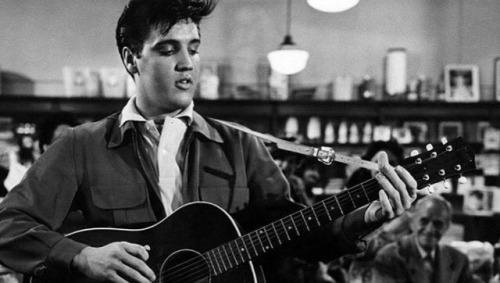
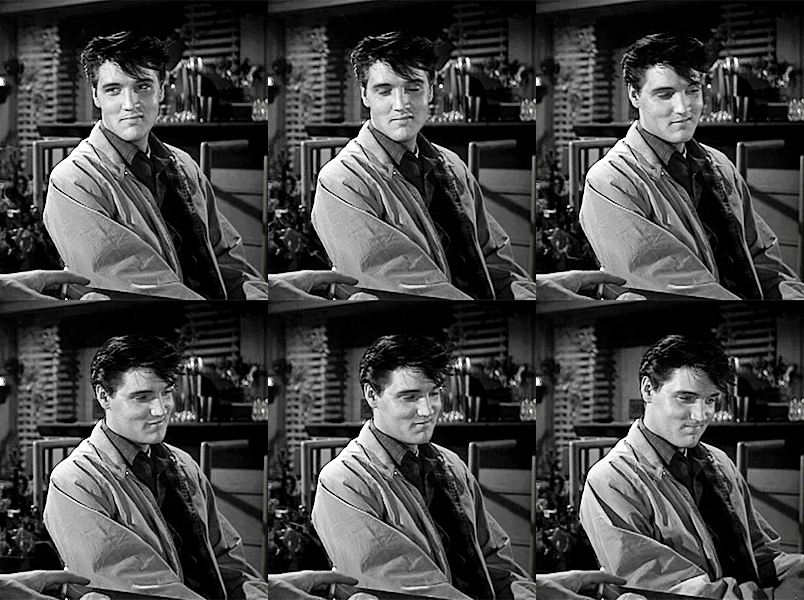
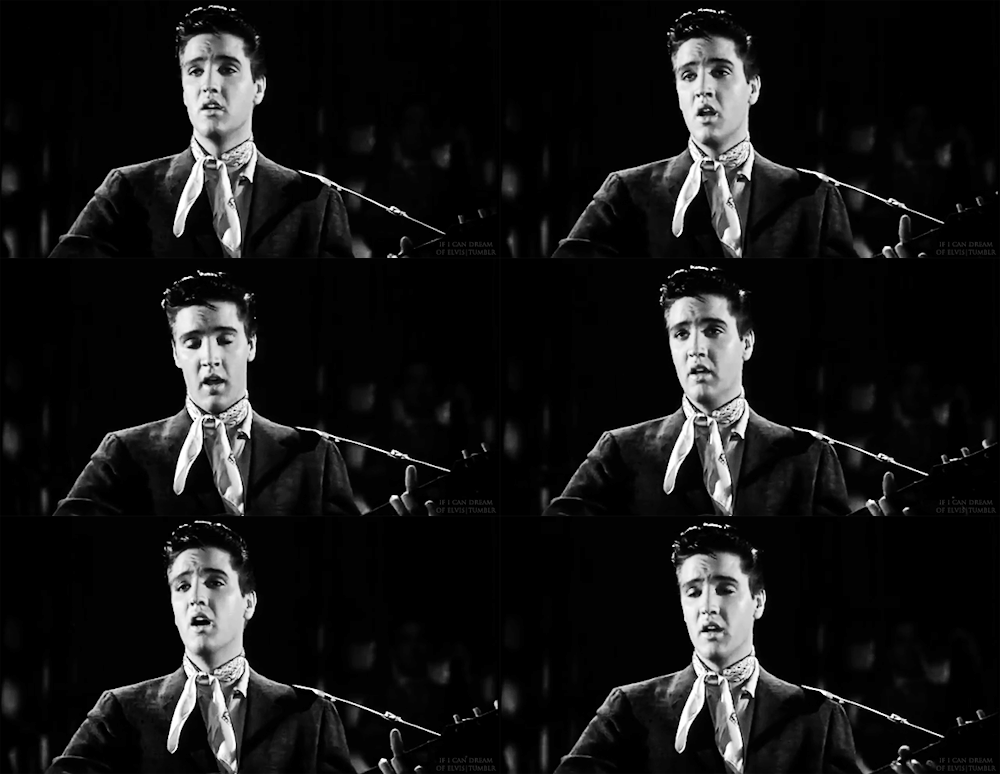
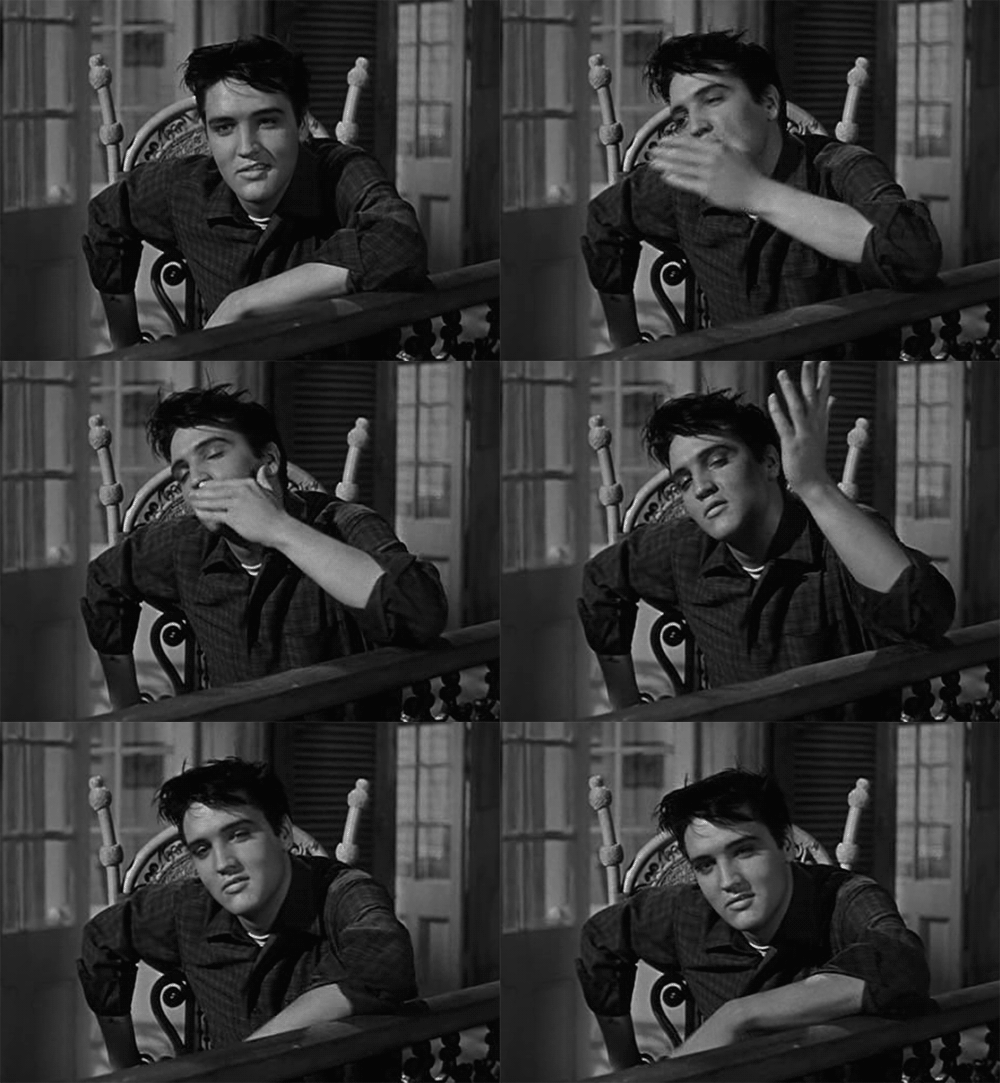
O musical com mais elementos noir tem como estrelas uma garota que deixou Hollywood para se tornar freira, uma atriz que interpretaria Morticia Adams na TV e ninguém menos que Elvis Presley. “Balada Sangrenta” nos traz Danny Fisher (Elvis), um jovem com um grande problema: ele precisa trabalhar antes e depois da escola para sustentar a família. Seu pai, interpretado por Dean Jagger, perdeu o emprego após ficar viúvo, e há tem também uma irmã, Mimi (Jan Shepard), que Danny precisa sustentar.

The musical with the most noir elements stars a girl that would leave Hollywood to become a nun, an actress that would play Morticia Adams on TV and Elvis Presley himself. “King Creole” brings us Danny Fisher (Elvis), a young man with a big problem: he has to work before and after school hours in order to support his family. His father, played by Dean Jagger, has lost his job after becoming a widow, and there is also a sister, Mimi (Jan Shepard), that Danny has to help support.


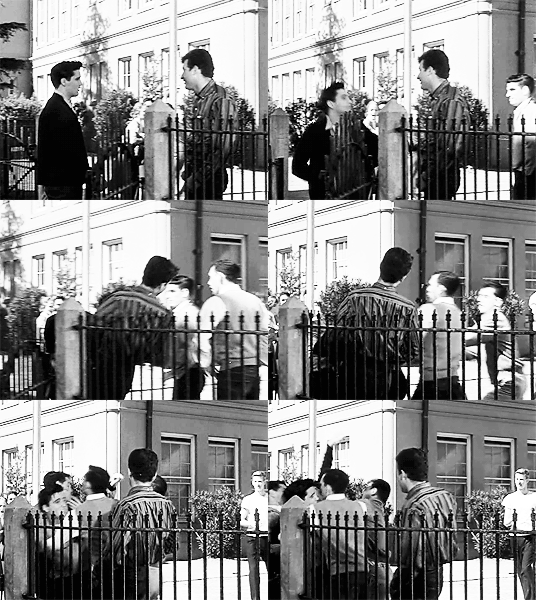
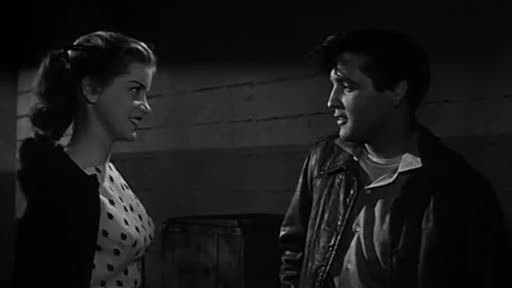
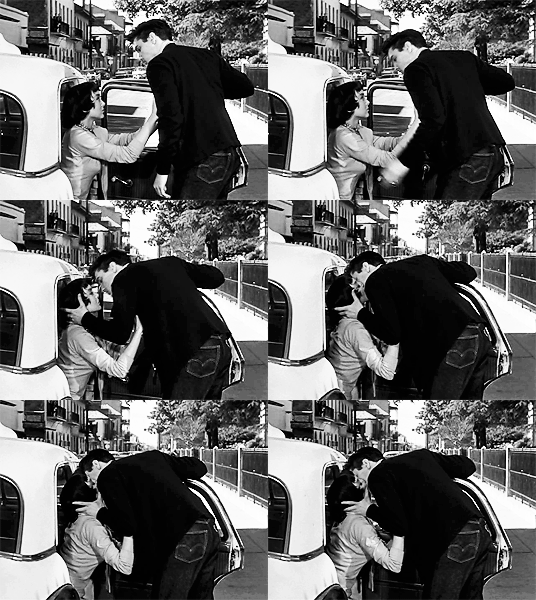
Uma manhã, em um bar, ele salva uma mulher, Ronnie (Carolyn Jones), de um namorado abusivo. Ronnie e Danny vão de táxi até a escola de Danny, e antes de entrar na classe Danny briga com um colega. Depois da briga, a professora decide que a punição de Danny será não receber o diploma. Danny decide abandonar a escola.

One morning, at a bar, he saves a woman, Ronnie (Carolyn Jones), from an abusive date. Ronnie and Danny ride to Danny’s school, and before entering class Danny has a fight with a schoolmate. After this fight, his teacher decides that Danny won’t get his diploma as a punishment. Danny then drops out from school.


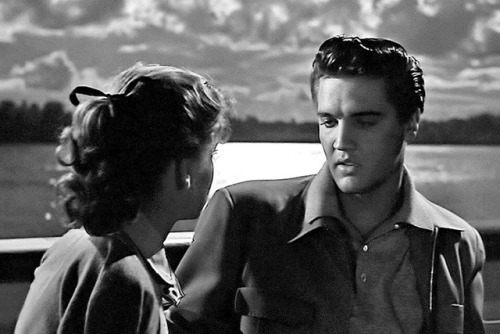
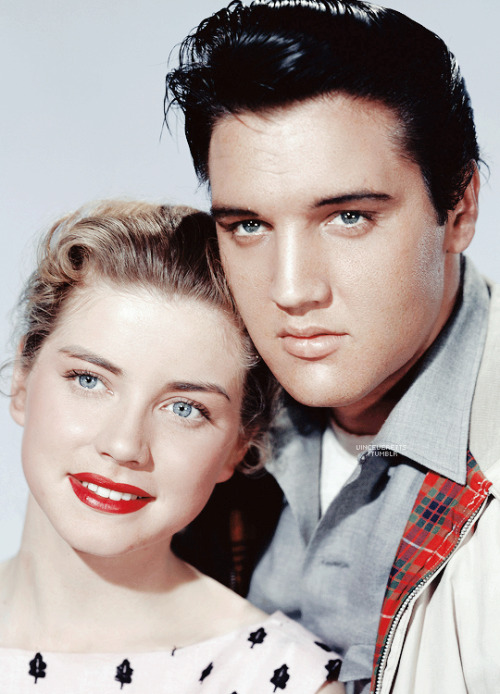
Depois disso, Danny se junta a uma gangue! O líder da gangue, Shark (Vic Morrow), manda Danny distrair os clientes enquanto a gangue rouba uma lanchonete. Danny os distrai cantando, e chama a atenção da garçonete Nellie (Dolores Hart), que percebe que ele é cúmplice do roubo. Eles começam a conversar e se dão bem. Uma noite, Danny leva Nellie a um quarto de hotel para transar, o que ela refusa, mas diz que ainda gostaria de vê-lo em circunstâncias diferentes. É a velha Hollywood sendo ousada!

Next, Danny joins a gang! The gang leader, Shark (Vic Morrow), orders Danny to distract customers while the gang robs a bar. Danny distracts by singing, and calls the attention of the waitress Nellie (Dolores Hart), who realizes he is accomplice in the robbery. They start chatting and hit it off. One night, Danny takes Nellie to a hotel room to have sex, which she refuses, but saying that she would still like to see him again, under different circumstances. Daring old Hollywood at its best.


Logo Danny é descoberto por Charlie LeGrand (Paul Stewart), que o convida para cantar em sua boate, chamada King Creole. Esta é uma das poucas boates na cidade que não pertencem ao perigoso Maxie Fields (Walter Mathau), o novo namorado de Ronnie. Danny se torna cantor contra a vontade do pai – o senhor Fisher agora trabalha como farmacêutico.

Soon Danny is discovered by Charlie LeGrand (Paul Stewart), who invites him to sing at his nightclub, the King Creole. The King Creole is one of the few clubs in the city not owned by dangerous Maxie Fields (Walter Matthau), Ronnie’s current boyfriend. Danny becomes a singer against his father wishes – Mr. Fisher is now working as a pharmacist.


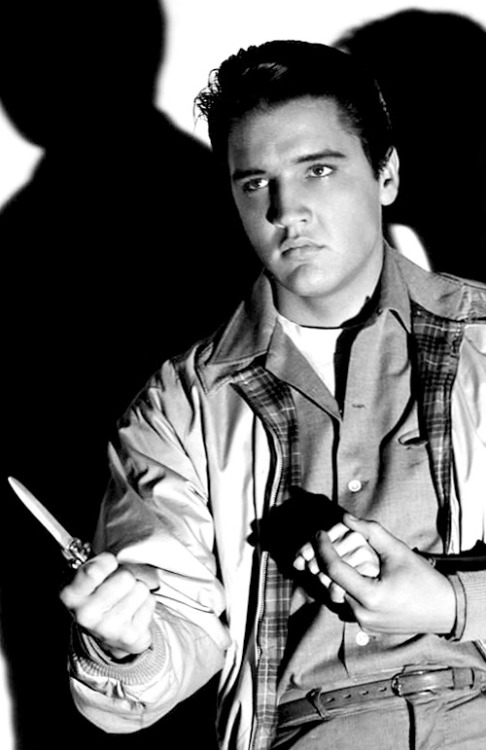
E muitas outras coisas acontecem no filme: traição, chantagem, espancamentos por gangues, tiros, brigas com faca, triângulos amorosos. Danny percebe que está dividido entre a angelical Nellie e a sensual Ronnie. Ele também tem problemas em viver sabendo que seu pai não aprova sua carreira como cantor.

Much more happens in the movie: betrayal, blackmail, gang beatings, shootings, knife fights, love triangles. Danny finds himself torn between angelic Nellie and sexy Ronnie. He also has trouble living with his father’s disapproval of his singing career.


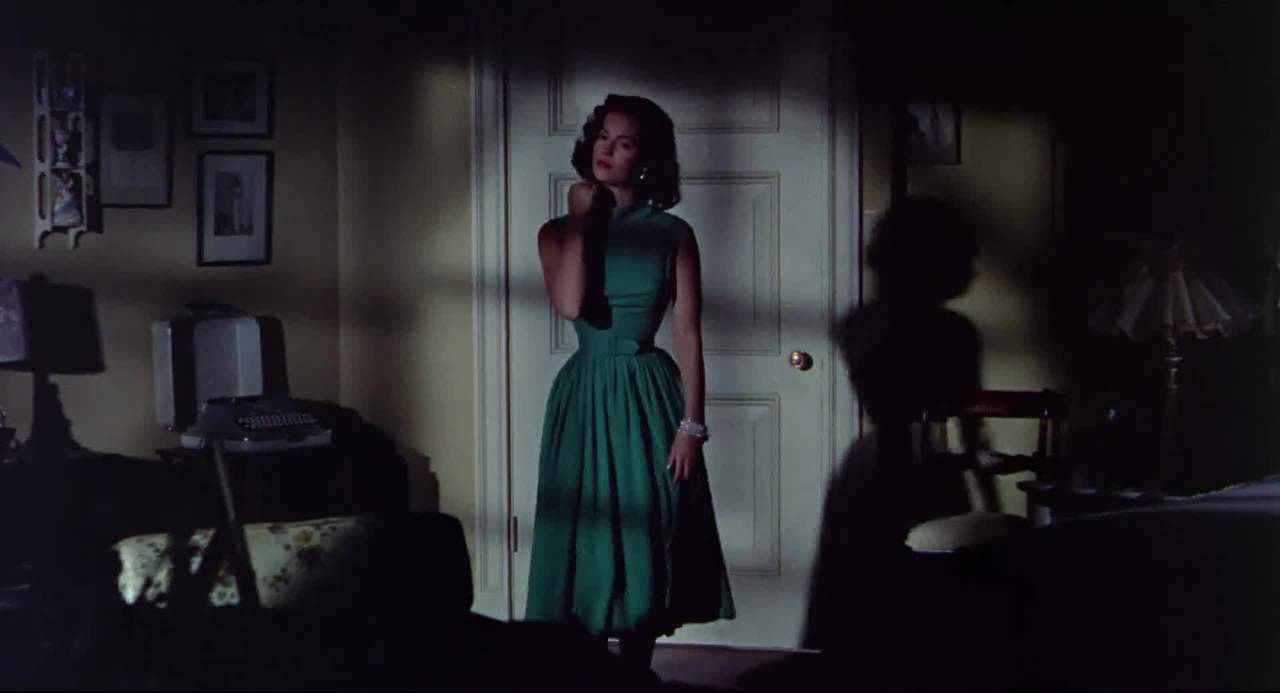
Vemos muitos traços noir no filme. Um dos mais óbvios e que eu aprendi no curso “Investigating Film Noir” do TCM são as fontes de iluminação visíveis – como lâmpadas que são incluídas nas tomadas. É óbvio que muitas lâmpadas e lustres apareceriam na boate, mas também temos as lâmpadas da casa de Danny incluídas nas tomadas. As cenas na casa dele, aliás, são cheias de sombras, assim como as cenas nos becos.

We see many noir traits in the film. One obvious one that I learned at the Investigating Film Noir course from TCM is the visible sources of lighting – like lamps included in the shots. It’s clear that many lamps and chandeliers would be featured in the club, but we also have the lamps in Danny’s house included in the shots. The scenes in his house, by the way, are full of shadows, just like scenes in the alleys.


Danny está dividido entre dois mundos, representados pelas duas mulheres: o mundo caseiro que Nellie representa, e o selvagem mundo do show business que Ronnie representa. Mas Ronnie não é uma femme fatale: ela não é a vamp sedutora responsável pela desgraça do protagonista. Ela é uma mulher que precisa ser salva de seus namorados abusivos e que apenas timidamente implora pelo amor de Danny, em vez de tomá-lo ferozmente.

Danny is torn between two worlds, represented by the two women: the homely world that Nellie represents, and the wild show business world that Ronnie represents. But Ronnie isn’t a femme fatale: she is not a seductive vamp responsible for the leading man’s disgrace. She is a woman who needs to be rescued from abusive relationships and only timidly begs for Danny’s love instead of going ferociously for it.


O director Michael Curtiz trabalhou em diversos filmes, dos anos 1910 até os anos 60. Seu maior título noir é “Alma em Suplício / Mildred Pierce”, de 1945. Ele definitivamente quis que “Balada Sangrenta” tivesse características noir – ele insistiu para que o filme fosse filmado em preto e branco. O diretor de fotografia Russel Haran tinha ainda mais experiência noir: trabalhou no icônico “Mortalmente Perigosa / Gun Crazy” (1950).

Director Michael Curtiz worked in many productions, from the 1910s to the 1960s. His most nourish title is “Mildred Pierce”, from 1945. He definitely wanted “King Creole” to have noir qualities – he was the one who decided to shoot it in black and white. Cinematographer Russel Harlan was even more experienced in noir: he had worked in the iconic “Gun Crazy” (1950).


Conforme os créditos rolam, e antes disso, quando o povo canta, descobrimos que o filme se passa em New Orleans. A cidade também foi cenário de filmes noir como “Férias de Natal” (1944), “A Aranha” (1945) e principalmente “Pânico nas Ruas” (1950). Estamos acostumados a ver filmes noir ambientados em Nova York ou, mais comumente, em San Francisco, mas New Orleans também é um ambiente perfeito para o noir. Nas poucas locações e nos muitos cenários construídos em estúdio, podemos ver a iluminação noir – com as cenas externas tendo um look bem natural.

While the credits role, and even before, when some people sing, we know the film is set in New Orleans. This city was also the set of noir like “Christmas Holiday” (1944), “The Spider” (1945) and mainly “Panic in the Streets” (1950). We are used to seeing noir movies set in New York or, more often, San Francisco, but New Orleans is also a perfect setting for noir. At the few location shootings and the many studio sets, we can see the noir lighting both– with the outside scenes looking very natural.


Danny foi o personagem que Elvis gostou mais de interpretar. De fato, “Balada Sangrenta” foi o filme em que Elvis mais mostrou suas habilidades de atuação. Seu talento e comportamento no set foram elogiados pelo diretor Michael Curtiz, que o chamou de “garoto adorável”, e pelo colega Walter Matthau, que disse “ele era muito elegante, contido, e refinado, e sofisticado”.

Danny was the character that Elvis liked the most to play. Indeed, “King Creole” is the film in which Elvis showcases the most of his acting abilities. His talent and behavior on set were praised by his director Michael Curtiz, who said Elvis was “a lovely boy”, and co-star Walter Matthau, who said “he was very elegant, sedate, and refined, and sophisticated”.


Michael Curtiz trabalharia novamente com Dolores Hart cinco anos mais tarde, em “Francisco de Assis” (1961). Ela fez mais quatro filmes nos anos 60 e deixou Hollywood para se tornar freira – o que faz da Irmã Dolores provavelmente a única freira a ter beijado Elvis. Ela tinha dúvidas sobre sua vocação religiosa desde 1959, quando visitou a Abadia Regina Laudis, e seu encontro com o Papa João XXIII durante as filmagens de “Francisco de Assis” confirmou sua vocação. Dolores nunca se arrependeu da decisão.

Michael Curtiz would work with Dolores Hart again five years later, in “Francis of Assisi” (1961). She did four more films in the 1960s and left Hollywood to become a nun – which probably makes Sister Dolores the only nun to have kissed Elvis. She had doubts about her religious vocation since 1959, when she visited the Regina Laudis Abbey, and her meeting with Pope XXIII during the shooting of “Francis of Assisi” sealed it. Dolores never regretted her decision.


Eu gosto de defender a tese de que, não importa se noir é um gênero ou um movimento, qualquer filme pode ter toques noir. “Balada Sangrenta” definitivamente tem estes toques. Além de uma trama incrivelmente complexa e emocionante, o filme trata de crime, amor, corrupção, gangues... e quem disse que não poderia haver música no meio disso tudo?

I like to defend the thesis that, no matter if noir is a genre or a movement, any film can have noir touches. “King Creole” definitely has those touches. Besides its incredibly complex and surprising plot, the film deals with crime, love, corruption, gangs… and who said there couldn’t be music in the middle of all this?

This is my contribution to the Dolores Hart blogathon, hosted by Virginie at The wonderful World of Cinema.


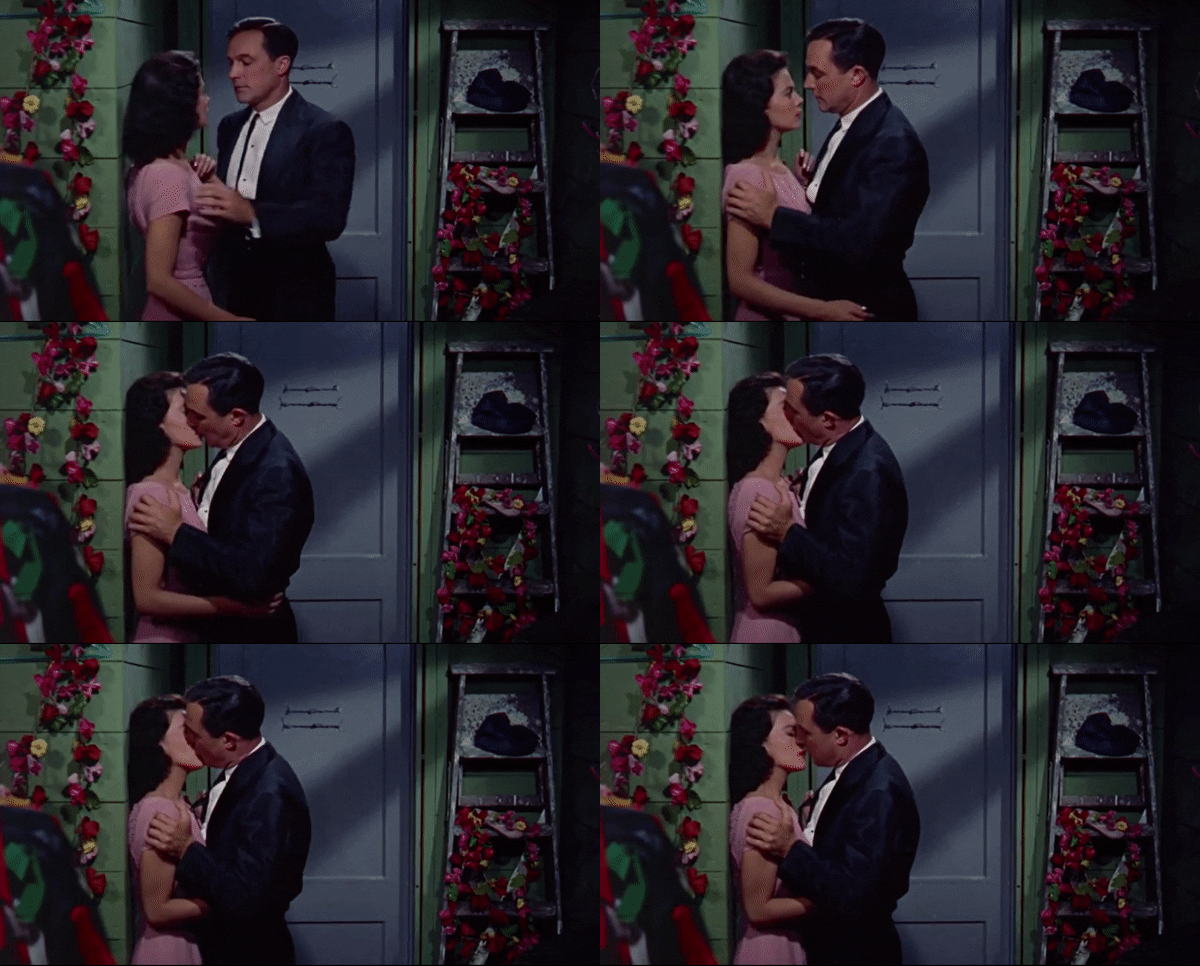
P.S.: Que outro musical eu consider noir? Vocês devem estar se perguntando, e eu responderei: eu considero que um número musical em particular em “A Roda da Fortuna” (1953) seja noir: o balé The Girl Hunt. Tudo de noir está ali: o detetive, a femme fatale, o crime, o amor fracassado... é um roteiro noir em forma de música.

P.S.: Which other musical do I consider noir? You may be making this question, and I’ll answer: I consider a particular musical sequence in “The Band Wagon” (1953) to be noir: the Girl Hunt ballet. Everything noir is there: the detective, the femme fatale, the crime, the doomed love… It’s a noir screenplay put into a song.  

Friday, July 20, 2018

Até o Último Alento (1958) / Marjorie Morningstar (1958)


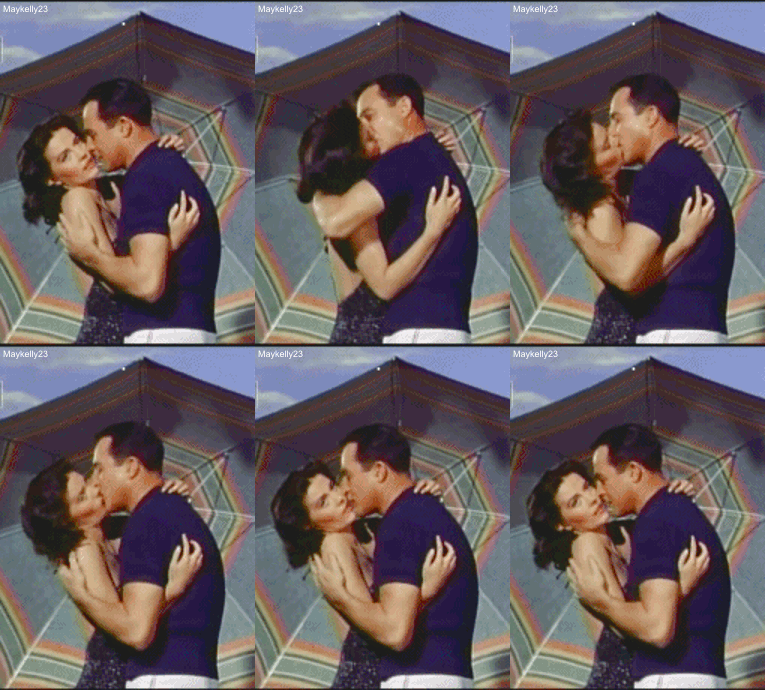
Algumas vezes, a Hollywood clássica criava casais estranhos. Podia ser por causa de uma mistura estranha de estilos, como aconteceu ao juntar Fred Astaire e Betty Hutton. Ou podia ser por causa de uma mistura de dois mundos diferentes, como foi ao juntar Gene Kelly e Natalie Wood. Hoje estou aqui para falar do último caso, em “Até o Último Alento”, um filme bem estranho.

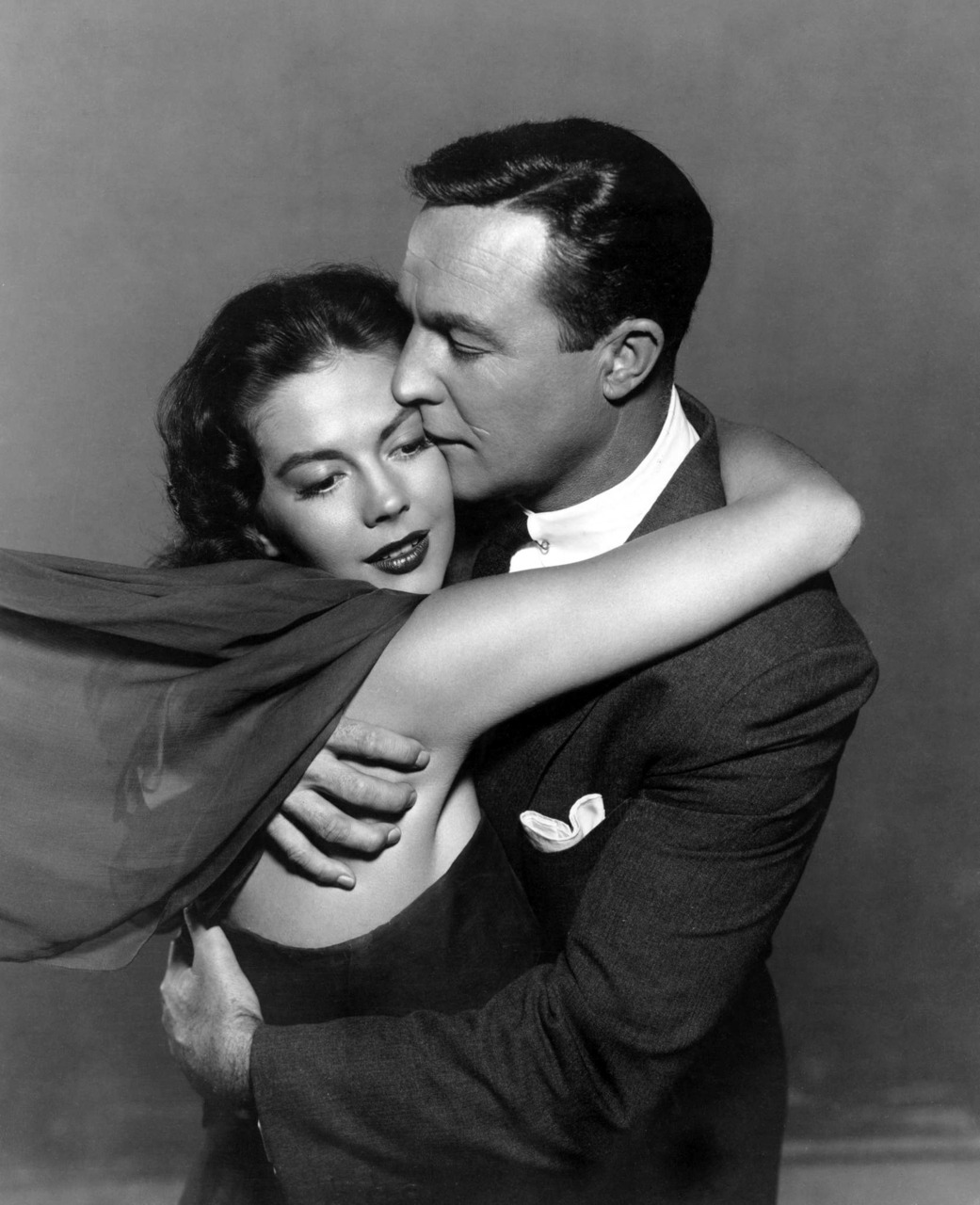
Some Old Hollywood pairings were odd. It could be because of an odd mix of styles, like pairing Fred Astaire and Betty Hutton. Or it could be a mix of worlds, like pairing Gene Kelly and Natalie Wood. Both these pairings happened – I watched both this week – and I'm here today to talk about when Kelly met Wood and they made “Marjorie Morningstar”… an odd film.


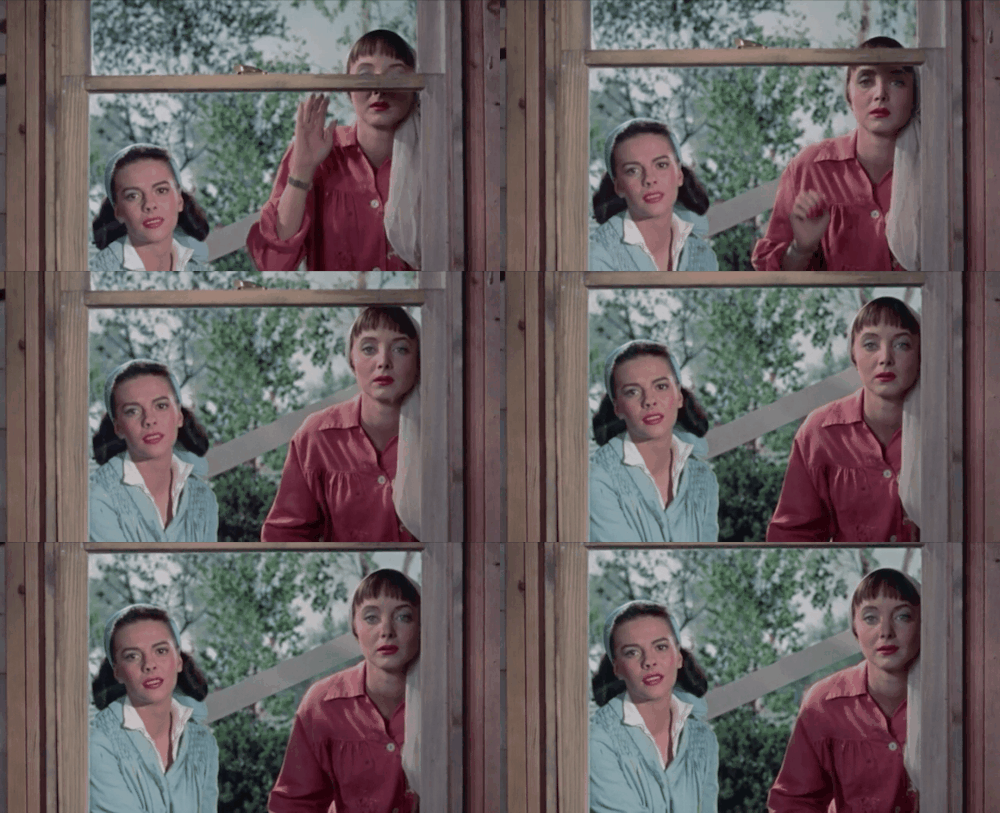
O tio Samson (Ed Wynn) é aquele tio divertido que todo mundo ama. Ele é uma figura e está sempre visitando a família Morgenstern. A filha dos Morgenstern, Marjorie (Natalie Wood) está no final da adolescência e, seguindo o conselho de sua melhor amiga Marsha (Carolyn Jones), ela decide não se casar com seu namorado e em vez disso vai trabalhar como ajudante de professora de teatro em um acampamento de verão.

Uncle Samson (Ed Wynn) is the funny uncle everybody loves. He is a frequent figure visiting the family Morgenstern. The family's daughter Marjorie (Natalie Wood) is in her late teens and, following an advice given by her best friend Marsha (Carolyn Jones), decides not to marry her boyfriend and instead she goes to work as an assistant drama coach in a summer camp.


Ensaiando em um hotel do outro lado do lago está o dínamo musical Noel Airman (Gene Kelly). Ele e Marjorie se apaixonam assim que se veem. Outra pessoa que gosta dela é Wally (Martin Milner), pupilo de Noel.

Rehearsing in a hotel on the other side of the lake is the musical dynamo Noel Airman (Gene Kelly). He and Marjorie are hooked the moment they see each other. Another one who likes her is Wally (Martin Milner), Noel’s pupil.


Marsha e Marjorie trocam de emprego e passam a trabalhar mais perto de Noel. Os pais de Marjorie não gostam do fato de ela estar apaixonada por ele, porque, mesmo sendo de família importante, ele escolheu uma carreira incerta como compositor. Os pais dela ficam tão preocupados que mandam o tio Samson trabalhar na cozinha do hotel só para vigiar Marjorie!

Marsha and Marjorie change jobs and start working nearer Noel. Her parents don't approve her being in love with him, because even though he was from a prominent family, he preferred an uncertain career as a songwriter. Marjorie's parents are so worried that they send uncle Samson to work in the hotel's kitchen just to have him keep an eye on Marjorie!


Apesar de tudo, Noel e Marjorie começam uma relação complicada que dura vários anos. Com o passar do tempo, Wally se torna um famoso dramaturgo, Marsha tira a sorte grande ao se casar com um homem rico e Noel continua sendo atormentado pelo musical que ele não consegue terminar – o que significa que não, não há números musicais com Gene Kelly neste filme. Nem o autossacrifício de Marjorie Morningstar (um apelido que Noel dá a ela, e que é a tradução exata de seu sobrenome alemão) parece ajudar.

Despite everything, Noel and Marjorie start an on-and-off relationship that goes through the years. As time goes by, Wally becomes a famous playwright, Marsha hits the jackpot getting married to a rich man and Noel is still tormented by the musical he can't finish – which means that no, there won't be any musical number with Kelly in this movie. Not even the self-sacrificing Marjorie Morningstar (a nickname Noel has given to her, that is an exact translation of her German last name) seems to help.


Gene Kelly foi um dançarino fabuloso e também um bom ator – você sabia que ele foi indicado ao Oscar de Melhor Ator por “Marujos do Amor” (1945)? “Até o Último Alento”, o livro, foi comprado pela Warner com a intenção de ter Elizabeth Taylor e Marlon Brando nos papéis principais. Mais tarde, tanto Paul Newman quanto Danny Kaye recusaram o papel de Noel. Gene Kelly se saiu bem no papel – e, se você já se perguntou como Gene fica com a barba por fazer, aqui você vai descobrir.

Gene Kelly was a fabulous dancer and also a good actor – did you know he was nominated for a Best Actor Oscar for “Anchors Aweigh” (1945)? “Marjorie Morningstar”, the book, was bought by Warner with the intention of casting Elizabeth Taylor and Marlon Brando in the leading roles. Later, both Paul Newman and Danny Kaye refused the role of Noel. Gene Kelly did well in the role – and if you ever wondered how Gene looks with an unshaved face, here you'll find out.


O que é de errado com “Até o Último Alento”? O filme tenta lidar com muitos temas de uma vez – e falha. Claro, essa estratégia pode funcionar em um livro, mas o roteiro não teve muito êxito ao traduzir a história para as telas. Há muitos conflitos ao mesmo tempo. Noel terminará seu musical? Seu relacionamento com Marjorie está ameaçado por seus hábitos, seu comportamento, preconceitos de classe ou o quê? Marjorie quer ser uma estrela ou musa de Noel? É por essas e outras que o filme tem mais de duas horas de duração!

What is wrong with “Marjorie Morningstar”? The film tries to deal with many themes at once – and it fails. Of course, it can work in a book, but the screenplay wasn't very successful in translating the story to the screen. There are many conflicts at the same time. Will Noel ever finish his musical? Is his relationship with Marjorie menaced by his habits, his behavior, class prejudice or what? Does Marjorie want to be a star on her own or support Noel? No wonder the film is more than two hours long!


Além disso, há pouca química entre Gene Kelly e Natalie Wood, e os 26 anos de diferença entre eles são evidentes. Por Deus, Natalie tinha apenas 20 anos quando o filme foi feito! Nenhum dos dois tem uma má interpretação, eles apenas não combinam como casal. Talvez Paul Newman fosse a escolha mais sábia – e mais jovem.

Furthermore, there is little chemistry between Gene Kelly and Natalie Wood, and the 26-year difference between them is evident. For God's sake, Natalie was only 20 when the film was made! None of them delivers a bad performance, but it just doesn’t work. Maybe Paul Newman would have been the wiser – and younger – choice.


Há algumas coisas boas: Carolyn Jones – uma atriz fantástica e subestimada – como a amiga esperta, e o final. Eu não estou sendo sarcástica, o final é pouco convencional e nos deixa com algumas ótimas questões para refletir. Isso inclui questões sobre persistência, genialidade, apoiar quem você ama e a existência de um “lugar certo” para cada pessoa. Estes são temas interessantes, que poderiam ter sido mais bem desenvolvidos em uma história diferente.

There are some good things: Carolyn Jones – a fantastic and underrated actress – as the witty friend, and the ending. I'm not being sarcastic, the ending is unconventional and leaves us with some great thoughts to reflect upon. This includes thoughts about persistence, geniality, supporting the ones you love and the existence of a “right place” for everyone. These are interesting themes, but they could be better developed in a different story.

This is my contribution to the Natalie Wood blogathon, hosted by Samantha at Musings of a Classic Film Addict.

Related Posts Plugin for WordPress, Blogger...