Eight reasons to admire Anthony Perkins
O que a maioria das pessoas sabe sobre Anthony Perkins é que ele interpretou Norman Bates na obra-prima “Psicose” (1960) e em três sequências esquecíveis. De fato, quando buscamos por seu nome no Tumblr, a maior parte dos resultados são GIFs de Psicose.
What most people know
about Anthony Perkins is that he played Norman Bates in the masterpiece
“Psycho” (1960) and in three other not-so-good sequels. Indeed, when we look
for his name on Tumblr, most of the content is about Psycho.

Outras pessoas, interessadas em tanatologia ou
fofocas, devem saber que ele morreu de AIDS em 1992. E eu acho incrivelmente
triste que este grande homem seja lembrado por estas duas coisas. Por isso fiz
uma lista com oito razões para admirar meu crush alto, magro e fofo Anthony
Perkins:
Other people, who are
interested in thanatology or gossip, may know that he died of AIDS in 1992. And
I think it's incredibly sad that this great guy is remembered by these two
things. That's why I made this list with eight reasons to admire the tall, thin
and cute man who I have a crush on, Anthony Perkins:

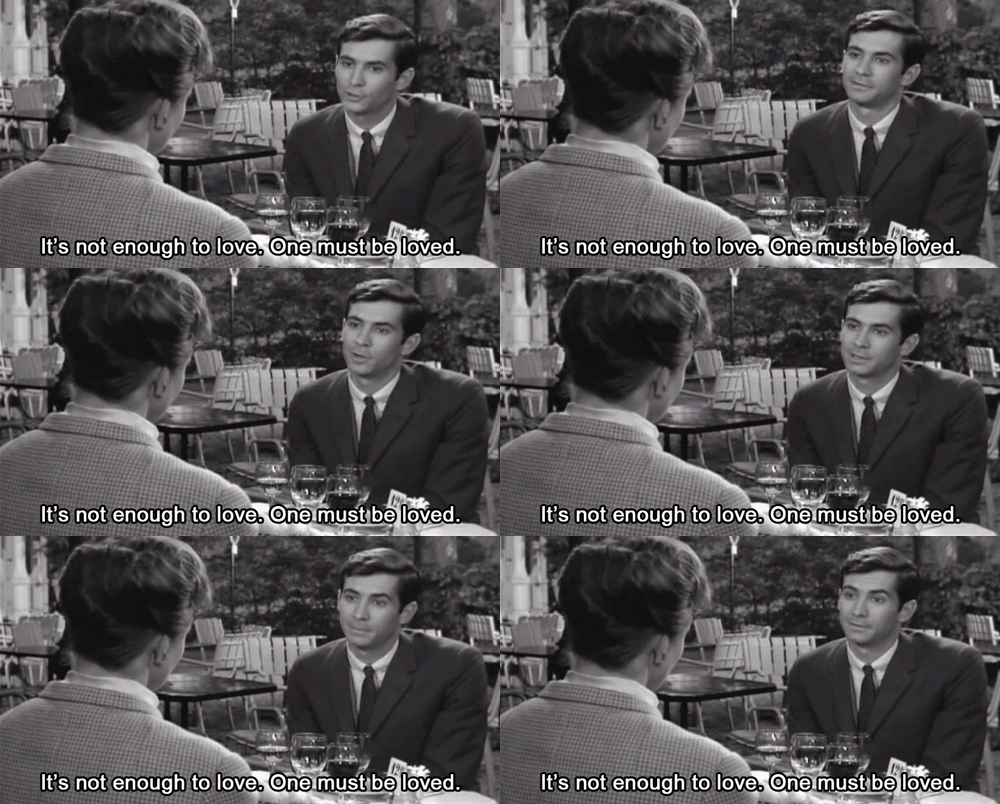
1- O sorriso: Fala sério, olha para essa coisinha
fofa. Quando Tony sorri, você pode perceber um tom de brincadeira e timidez em
seu rosto – como se ele tivesse vergonha de demonstrar sua felicidade. Eu
considero timidez algo fofo, mas entendo que deve ter sido um problema para ele
durante toda a vida – em especial em Hollywood.
1- His SMILE: Come on,
look at that cuteness. When Tony smiles, you can see some goofiness and shyness
in his face – as if he was ashamed to be showing happiness. I find his shyness
cute, but I understand it must have been a problem for him during his life –
especially in Hollywood.
:format(jpeg):mode_rgb():quality(40)/discogs-images/A-1248060-1416709628-1384.jpeg.jpg)
2- Um grande talento para atuar: Anthony Perkins
fez dramas, westerns, filmes românticos e, claro, filmes de terror. Ele trouxe
humanidade a todos os personagens que interpretou, e fez todos críveis. Bem,
ele até fez o público se importar com um psicopata!
2- The man had a great
acting range: Anthony Perkins did dramas, westerns, romantic movies and, of
course, horror films. He brought warmth to all the characters he played, and
made them believable. Well, he even made the public care for a psycopath!
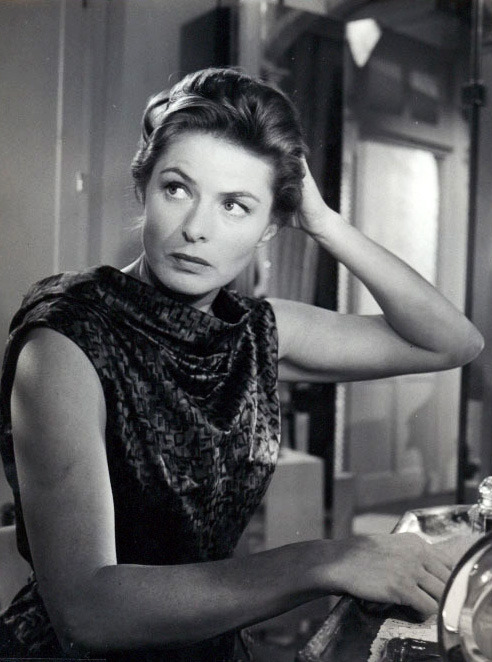
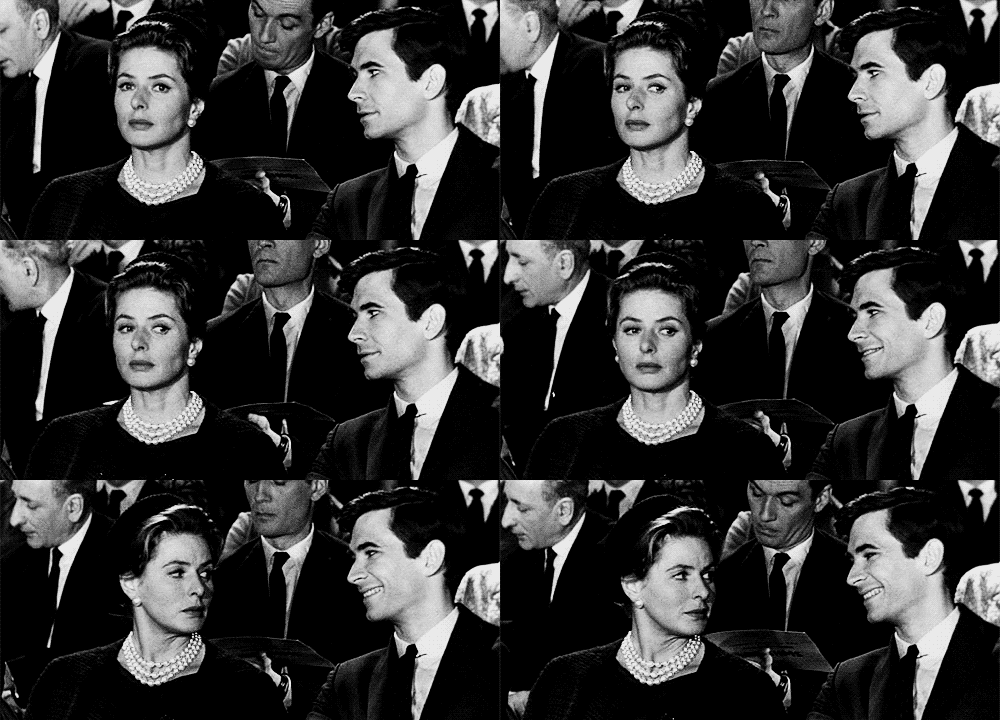
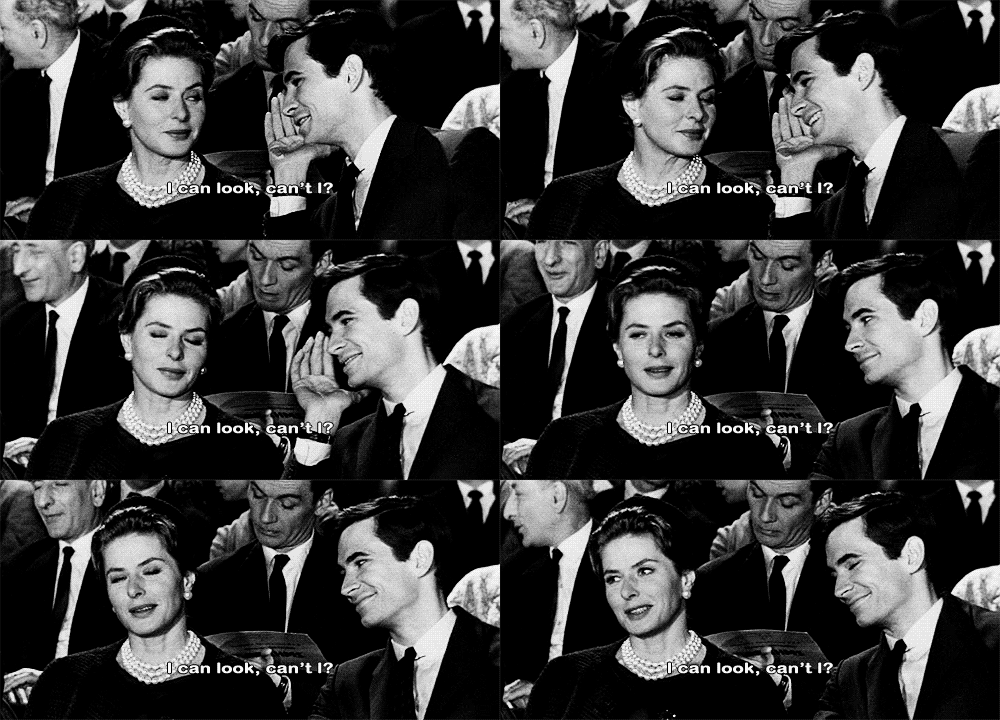
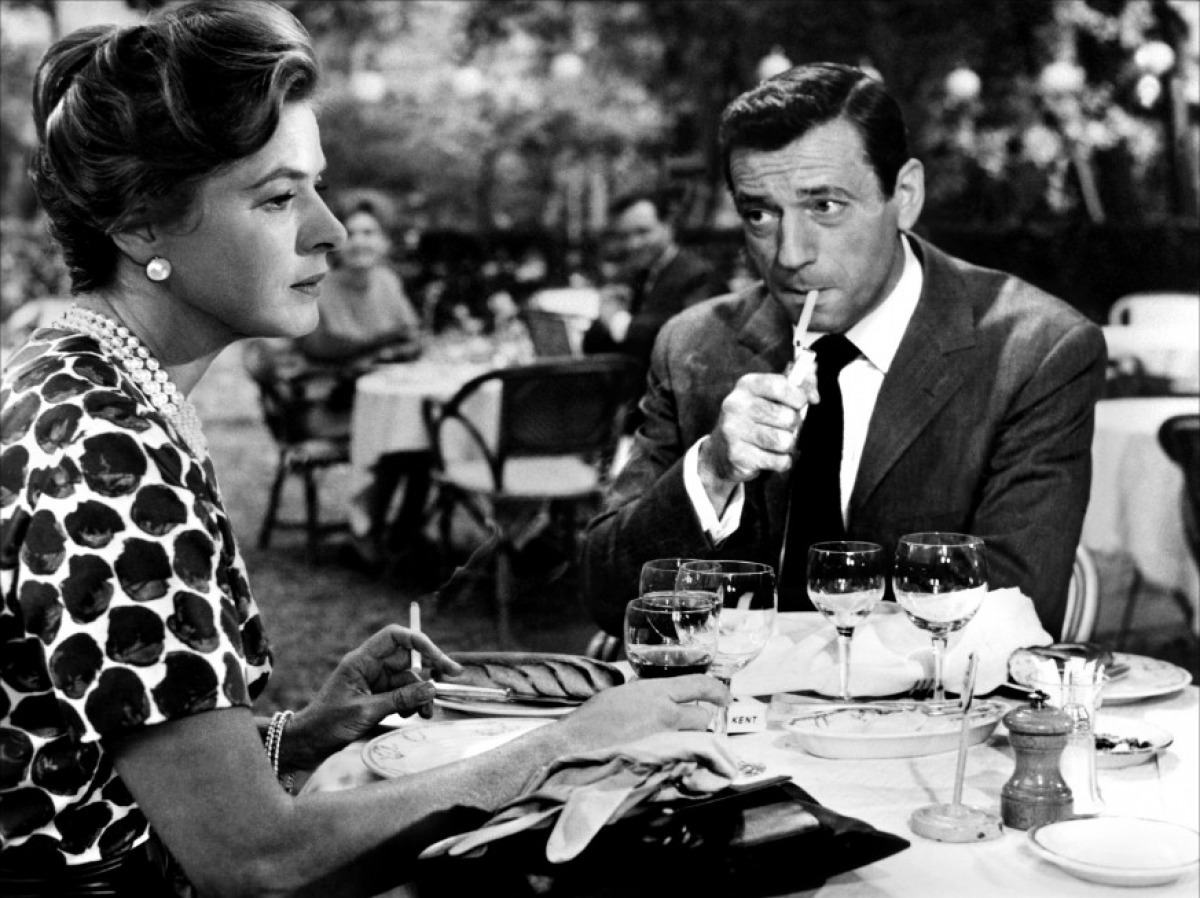
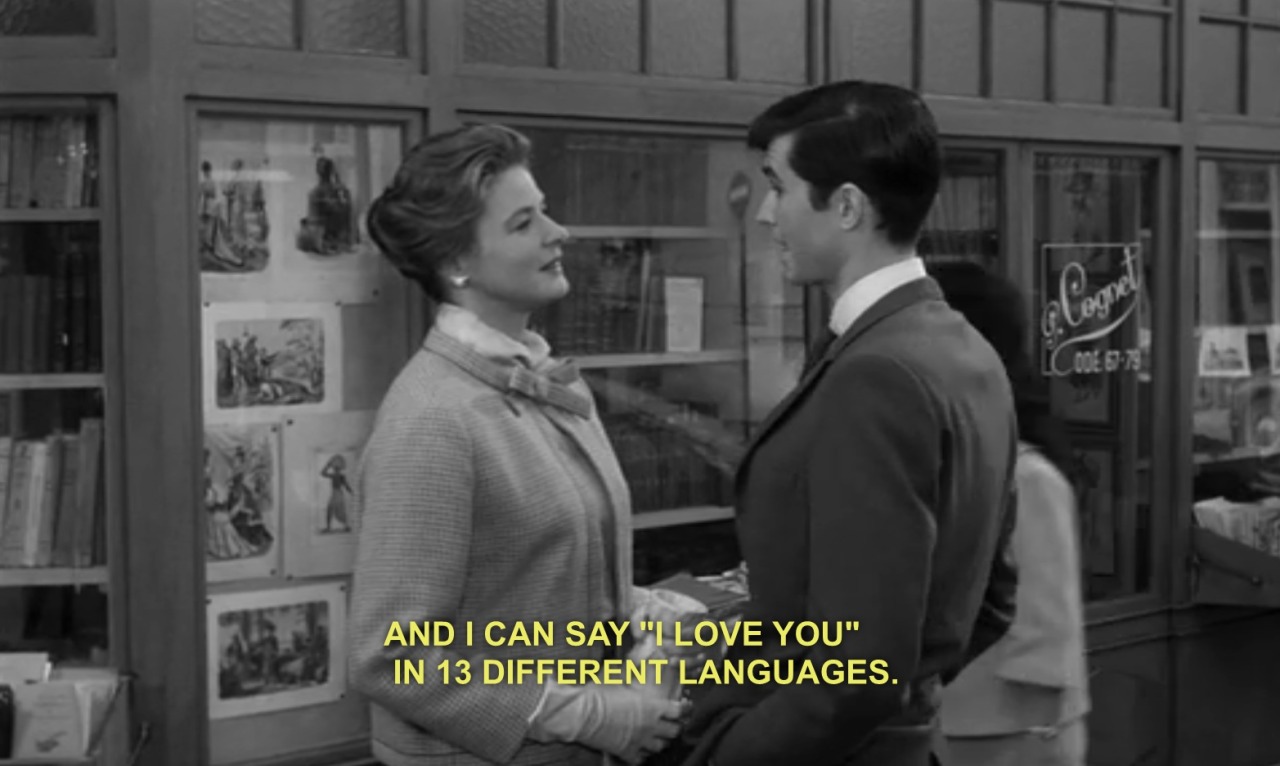
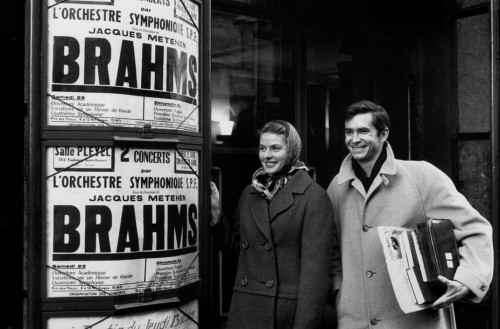
Ele trabalhava bem ao lado de atores já famosos,
como Henry Fonda e Ingrid Bergman, sem ser obscurecido por eles. Ele até ganhou
o prêmio de melhor ator em Cannes por “Mais uma vez, adeus”, um filme
maravilhoso de 1961 em que contracena com Bergman.
He could hold up well
next to established actors, like Henry Fonda and Ingird Bergman, without being
overshadowed by them. He even won the best actor award at Cannes for “Goodbye Again”, a marvelous 1961 film in which he acts with Bergman.
3- Ele também trabalhou como diretor: Seguindo os
passos de Orsons Welles, quem ele admirava imensamente, Perkins também
trabalhou como diretor. Infelizmente, ele dirigiu apenas dois filmes: “Psicose
III” (1986) e “Lucky Stiff” (1988). Eu fico imaginando que outros filmes ele
poderia ter dirigido se tivesse vivido mais!
3- He also worked as a
director: Following the footsteps of Orson Welles, who he great admired,
Perkins also worked as a director. Unfortunately, he only directed two movies:
“Psycho III” (1986) and “Lucky Stiff” (1988). I wonder what else he could have done
if he had lived longer!

4- Ele também foi roteirista: Perkins e o amigo
Stephen Sondheim escreveram o roteiro que se tornou o filme “O Fim de Sheila”
(1973). Herbert Ross, o diretor, foi quem convenceu a dupla a transformar os
“jogos de mistério e assassinatos” que eles jogavam em uma história.
4- He ALSO wrote a
screenplay: Perkins and his friend Stephen Sondheim wrote a screenplay that
became the 1973 film “The Last of Sheila”. Herbert Ross, who directed the film,
was the one who encouraged the duo to turn their usual “murder mystery parlor
games” into a story for the screen.

5- Ele falava francês: Você deve saber, por
experiência própria ou pelas sábias palavras de Maurice Chevalier, que francês
é a língua da paixão – l'amour!
5- He spoke French: You must
know, through your own experience or through the wise words of Maurice
Chevalier, that French is the language of romance – l'amour!
Nos anos 60, Perkins fez alguns fimes na Europa,
deu entrevistas em Cannes e gravou algumas músicas em francês.
In the 1960s, Perkins
made a few films in Europe, gave interviews while in Cannes and recorded some
songs in French.
6- Ele lutou contra os estereótipos: Ele
conseguiu apenas papéis estereotipados, ao estilo Norman Bates, depois de
“Psicose”, mas ele procurou maneiras de mostrar seu talento em outros trabalhos
que não fossem dentro do gênero horror.
6- He fought typecasting:
He was forever typecast in movies after “Psycho”, but he looked for ways to
show his talent in other works that did not belong to the horror genre.
Perkins foi o protagonista de duas comédias da
Broadway nos anos 60, e na década seguinte esteve na montagem original de Equus
substituindo Anthony Hopkins no papel principal. Seu trabalho na Europa também
foi uma tentativa de escapar dos estereótipos.
Perkins was the lead in
two Broadway comedies in the 1960s, and on the following decade he was on the
original production of Equus replacing Anthony Hopkins as the lead. His work in
Europe was also an attempt to escape typecasting.
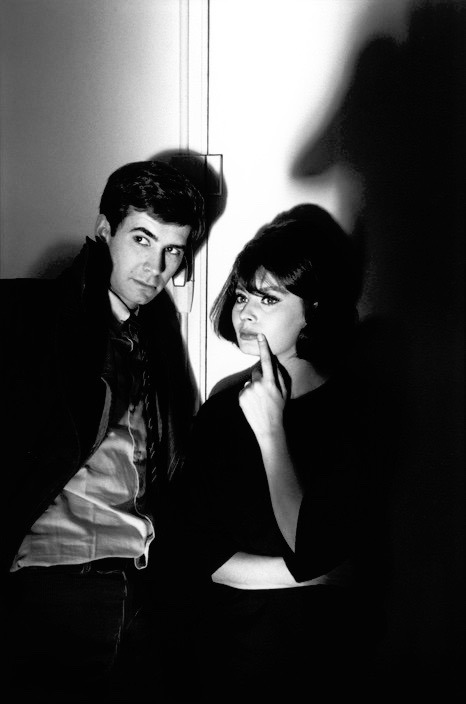 |
| With Sophia Loren in 1962 |
7- Ele sabia cantar: Nem todo mundo sabe disso,
mas Anthony Perkins amava música e até gravou alguns CDs! Ele não era nenhum
Sinatra, mas acho que era um cantor muito bom. Ouça:
7- He could SING: Not
everybody knows about this, but Anthony Perkins loved music and even recorded a
few CDs! He was no Sinatra, but I think his singing was pretty decent. Listen:
8- Ele lutou corajosamente contra a AIDS: A mídia
não é nojenta? O preconceito não é horrível? Nos anos 50, Perkins não podia se
assumir homossexual e tinha de ir a encontros arranjados com jovens atrizes
para convencer os tabloides de que ele era hétero – esta prática, inclusive,
ainda é comum entre as estrelas de TV brasileiras.
8- He fought AIDS with
courage: Isn't the media disgusting? Isn't prejudice horrible? In the 1950s,
Perkins couldn't be his true homosexual self and had to go on arranged dates
with starlets to make tabloids convinced that he was straight – this practice
is still common with Brazilian television stars now.
Perkins começou a se odiar e tentou encontrar uma
cura para sua “doença”. Ele acabou se casando com Berry Berenson, e com ela
teve dois filhos. Mas não seriam felizes para sempre: em 1990, um tabloide teve
acesso a um exame de sangue de Perkins e publicou que o ator tinha AIDS. Sim,
Tony e a família ficaram sabendo do diagnóstico através de um jornal.
Perkins went on to hate
himself and try to find a cure for his “disease”. He ultimately married Berry
Berenson and had two sons with her. But there would be no happily ever after:
in 1990, a tabloid got access to his blood exam records and published that he
had AIDS. Yes, Tony and his family found out through a newspaper.

Dali em diante, os jornalistas cercavam a casa
deles o tempo todo, e seguiam os funcionários da família para tentar descobrir
mais sobre a doença de Tony. Apesar deste inferno, Perkins continuou
trabalhando até sua morte, em 12 de setembro de 1992.
From them on, journalists
would be in front of their house 24/7 and follow their employees, wanting to
know details about Tony's disease. Nevertheless, Perkins kept on working until
his death, on September 12th, 1992.
Não posso deixar de pensar em quantas outras
coisas Anthony Perkins poderia ter feito com seu talento se o mundo tivesse
sido mais bondoso com ele. E eu imagino quantas pessoas como Tony não conseguem
atingir seu potencial e têm de viver atormentados porque, todos os dias, o
mundo não é bondoso com eles.
I can't avoid but wonder
how much more Anthony Perkins could have accomplished if the world had been
kinder to him. And I wonder how many people like Tony can't fulfill their
potential and have to live tormented lives because the world isn't kind to them
every day.
This is my contribution
to the Reel Infatuation blogathon, hosted by Silver Screenings and Font and Frock.