ESTA CRÍTICA TEM SPOILERS
THIS ARTICLE HAS SPOILERS
Um dos episódios mais curiosos da História do Oscar aconteceu em 1934, quando “Frank” foi chamado ao palco pelo apresentador Will Rogers para receber a estatueta de Melhor Diretor. Frank Capra caminhava alegremente até o palco, quando percebeu que o vencedor na verdade era Frank Lloyd. O filme pelo qual o hoje quase esquecido Lloyd ganhou o prêmio é nosso foco de hoje: o épico “Cavalgada”.
One of the most curious episodes in Oscar history happened in 1934, when
“Frank” was called to the stage by presenter Will Rogers to receive the Best Director award. Frank Capra was happily walking to the stage, when he realized the real winner was Frank Lloyd. The film for which the now almost forgotten Lloyd won the award is our focus today: the epic “Cavalcade”.

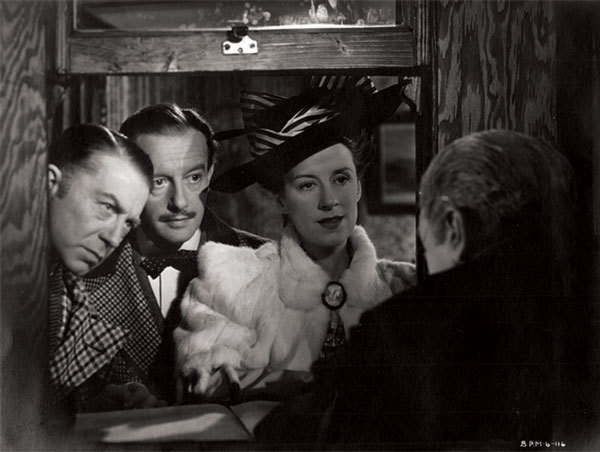
É véspera de Ano Novo, em 1899. O ano de 1900 e um novo século projetam uma sombra sobre a casa dos Marryot. Robert (Clive Brook) e seu empregado Alfred Bridges (Herbert Mundin) devem ir para a África do Sul lutar na Segunda Guerra dos Bôeres assim que o dia raiar. De repente, as brincadeiras das crianças passam a envolver soldados e guerras, e a nova atividade de Jane Marryot (Diana Wynyard) é procurar o nome do marido na lista de vítimas.
It’s New Year’s Eve, 1899. The year 1900 and a new century cast a dark shadow upon the Marryot house. The master Robert (Clive Owen) and his employee Alfred Bridges (Herbert Mundin) must go to South Africa to fight in the Second Boer War the first thing in the morning. Suddenly, the kids’ play becomes all about soldiers and wars, and Jane Marryot’s (Diana Wynyard) new activity is checking if her husband’s name is in the casualty list.

Robert e Alfred voltam ilesos da guerra. A Rainha Vitória morre. Alfred passa a administrar um bar ao lado da esposa Ellen (Una O’Connor) - e também começa a beber em demasia. Os meninos dos Marryot, Edward e Joey, crescem, assim como a menina dos Bridges, Fanny. Em seu caminho eles encontram tragédias, guerra, pesares e têm alguns encontros fortuitos.
Robert and Alfred return safely from the war. Queen Victoria dies. Alfred starts running a pub alongside his wife Ellen (Una O’Connor) - and he also starts overdrinking. The Marryot boys, Edward and Joey, grow up, as does the Bridges girl, Fanny. In their way through life, they meet with tragedy, war, sorrows and a few chance encounters.

A sequência do Titanic foi sem dúvida na época mais chocante do que é agora. Meros 20 anos após o acontecimento, a tragédia ainda estava fresca na memória das pessoas - é a mesma coisa que hoje fazer filmes contendo o ataque às Torres Gêmeas. Edward (John Warburton) e sua esposa Edith (Margaret Lindsay) passam a lua-de-mel em um cruzeiro, e ela diz palavras que soam como adivinhos, como que ela não se importaria se eles morressem naquela noite, e que ela não tinha medo do que o futuro lhes reservava. É o fato de nós sabermos o que acontece em seguida que nos causa angústia - a mesma sensação causada quando Robert diz que uma guerra mundial em 1914 duraria apenas três meses.
The Titanic sequence was without a doubt at the time more shocking than it is now. A mere 20 years after it happened, the tragedy was still fresh in people’s minds - it’s the same as movies with the World Trade Center attacks for us. Edward (John Warburton) and his new wife Edith (Margaret Lindsay) are spending their honeymoon on a cruise, and she says foretelling words, such as that she wouldn’t mind if they died that night, and that she wasn’t afraid of the future. It’s us knowing what happens next that causes anguish - the same thing when Robert says that a world war in 1914 would last only for three months.


As mulheres da família Bridges, Ellen e Fanny, são dignas de nota. Ellen é interpretada por Una O’Connor, amada atriz coadjuvante. O papel foi escrito especialmente para ela, que interpretou a personagem nos palcos e nas telas. Ela é mais lembrada por seus papéis como mulheres nervosas e histéricas em filmes de monstros, como em “A Noiva de Frankenstein” (1935), mesmo tendo feito 91 filmes.
The Bridges women, Ellen and Fanny, are worth highlighting. Ellen is played by Una O’Connor, a beloved character actress. The role was written specifically for her, who played the character both on stage and on screen. She is best remembered for her roles of nervous screaming women in monster movies, such as “The Bride of Frankenstein” (1935), even though she appeared in 91 films.

Quando criança, Fanny é interpretada por Bonita Granville, uma garota com um nome auspicioso. Nascida em 1923 e tendo começado sua carreira nos palcos ao lado dos pais, artistas do vaudeville, ela fez 81 filmes entre 1932 e 1981. Foi indicada ao Oscar com apenas 14 anos. Tendo se casado com um milionário em 1947, ela passou a atuar como produtora e filantropa.
As a kid, Fanny is played by Bonita Granville, a girl with an auspicious name - Bonita means “pretty” in Portuguese. Born in 1923 and starting her stage career alongside her vaudevillian parents when she was three, she appeared in 81 movies between 1932 and 1981. She was nominated for an Oscar at only 14. Married to a millionaire in 1947, she became a producer and philanthropist.

No começo de “Cavalgada”, não pude deixar de pensar nas semelhanças com a série “A Idade Dourada”, pois ambas mostram os problemas privados de pessoas da alta sociedade e de seus empregados como igualmente importantes. Tanto o filme quanto a série já foram comparados com outra série, mais famosa: “Downton Abbey”, que eu confesso nunca ter visto.
In the beginning of “Cavalcade”, I couldn’t stop thinking about its similarities with the series “The Gilded Age”, as both show the private affairs of rich people and their servants as equally interesting. Both the movie and the series have been compared to another, more hyped and famous series: “Downton Abbey”, which I confess I never watched.

Outro filme relacionado é o obscuro porém muito bom “E o Mundo Marcha”, de 1934. Feito pelo grande diretor John Ford, aqui acompanhamos as sagas de famílias de diferentes países, dos dias das plantações de algodão até os perigos que o mundo enfrentava no começo dos anos 1930.
Another connection I made is with the obscure but very good “The World Moves On”, from 1934. Made by the great director John Ford, here we accompany the sagas of families from different countries, from the days of cotton plantations until the dangers the world was facing in the early 1930s.

Por que um filme sobre o começo do século XX para um bando de ingleses seria tão bem-sucedido nos EUA, ganhando até mesmo o Oscar de Melhor Filme? É porque este filme é uma rara oportunidade de ver na frente dos nossos olhos o declínio de um império. Ver o seu passado é, como no discurso de Jane ao final, desejar que um dia o país reencontre sua dignidade, grandeza e paz.
Why would a movie about the early 1900s for a bunch of English people be so successful in the USA, winning even the Best Picture Oscar? It’s because this movie is a rare opportunity of seeing in front of your eyes the decline of an empire. Seeing its past is, like in Jane’s speech at the very ending, wishing that one day the country finds its dignity, greatness and peace again.

“Cavalgada” é também um triunfo da técnica, meros seis anos após a chegada do som sincronizado nos cinemas. Como preparação para as filmagens, o departamento de newsreels dos estúdios Fox gravou a peça montada em Londres e escrita pelo grande Noël Coward. Os cenários brilhantemente decorados deram ao filme, além dos prêmios de Melhor Filme e Melhor Diretor, o Oscar de Melhor Direção de Arte.
“Cavalcade” is also a triumph of technique, a mere six years after synchronized sound arrived in movies. As a preparation for shooting, the Fox studios newsreels recorded the live play staged in London, written by the great Noël Coward. The impressively decorated sets gave the film, besides the Best Picture and Director awards, the Oscar for Best Art Direction.

Frank Lloyd
O responsável pelas cenas de guerra foi o diretor de arte William Cameron Menzies. Sua sequência da Primeira Guerra Mundial é uma elaborada montagem de bombas explodindo e soldados marchando e caindo. A sequência é dinâmica, emocionante e uma ótima maneira de apresentar a passagem do tempo.
The person responsible for the war scenes was art director William Cameron Menzies. His World War I sequence is an elaborate montage of bombs exploding and soldiers marching and falling. The sequence is dynamic, thrilling and a great way to present the passage of time.

No Instagram outro dia, quando o assunto eram filmes difíceis de assistir até o final, um usuário comentou que “todos os ganhadores de Melhor Filme antes de 1950” eram assim. Eu discordo totalmente. Eles são uma janela para o passado, para os gostos das pessoas do passado e, neste caso, o passado comentando sobre um passado ainda mais remoto. “Cavalgada” não é o pior ganhador do Oscar de Melhor Filme, nem o mais chato nem o mais obscuro. Pode ser um filme para completistas, mas dar uma chance a ele é uma maneira melhor de aprender História do que enfiar a cara nos livros.
On Instagram the other day, when the topic was films difficult to watch through, an user commented that “all Best Picture winners before 1950” were like this. I completely disagree. They are a window to the past, to the tastes of people from the past and, in this case, the past talking about a further past. “Cavalcade” isn’t the worst Best Picture winner, the most boring or the most obscure. It may be a film for completists, but checking it out is a better way to learn History than staring at textbooks.
This is my contribution to the Titanic in Pop Culture blogathon, hosted by Rebecca at Taking Up Room.