} Crítica Retrô: nazismo

Tradutor / Translator / Traductor / Übersetzer / Traduttore / Traducteur / 翻訳者 / переводчик

Showing posts with label nazismo. Show all posts

Thursday, September 5, 2019

A Besta de Berlim (1939) / Hitler – Beast of Berlin (1939)


Alguns dias atrás lembramos os 80 anos desde o começo da Segunda Guerra Mundial. O filme de baixo orçamento “A Besta de Berlim” estreou um mês após o início da guerra. Trata-se de um artefato histórico muito curioso, e é também interessante por trazer Alan Ladd em um papel secundário. A história por trás do filme também mostra como simpatizantes do nazismo agiam nos EUA – não no sentido de colaboração total com o nazismo, mas, mesmo assim, como pessoas que representavam algum perigo para a liberdade de expressão.

A few days ago we remembered the 80 years since World War II began. The B-movie “Hitler – Beast of Berlin” was released a month after the war started. It’s a very curious historical artifact, and it’s also of interest because it brings Alan Ladd in a secondary role. The film’s background also shows how Nazi sympathizers have walked in America – not in the sense of full-on collaboration with Nazism, but as dangerous people nonetheless.


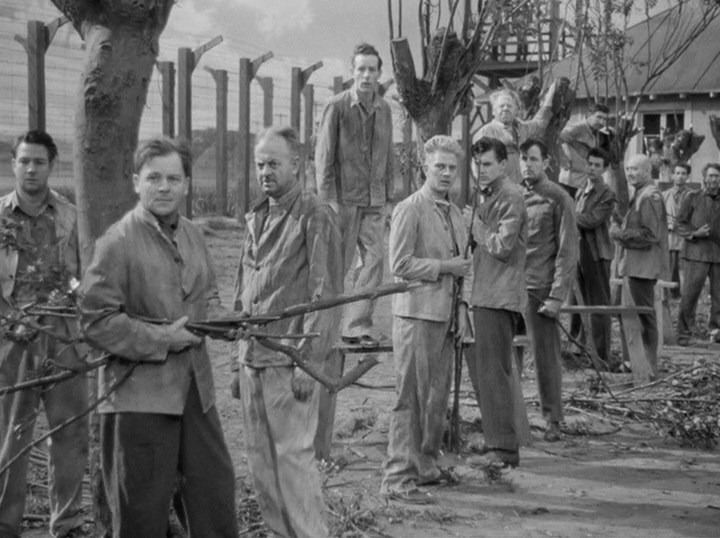
“A Besta de Berlim” – por vezes exibido com o título “Hell’s Devils” – é a história de um grupo da Resistência na Alemanha. O filme começa com imagens reais de desfiles dos nazistas e corta para um desfile encenado, no qual o povo faz a saudação nazista e, quando o desfile acaba, balança a cabeça, consternado – o povo não concorda com a ideologia que está no poder, mas fingir obediência é a única coisa que o povo pode fazer para sobreviver.

“Hitler – Beast of Berlin” - sometimes also presented as “Hell's Devils” - is the story of a Resistance group in Germany. The film starts with real footage of Nazi parades and cuts to a staged parade, in which the people give the Nazi salute and shake their heads in disbelief once the parade is over – they do not agree with the ideology in power, but pretending to obey is what they can do to survive.


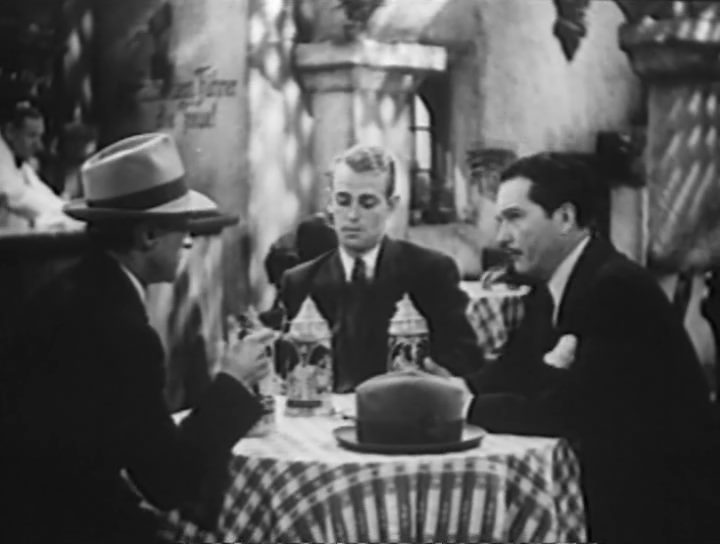
Karl (Alan Ladd) e dois amigos fazem a saudação nazista para dois oficiais da SS que entram no restaurante em que eles estão. Um dos amigos inclusive fala alto sobre “queimar museus”, o que agrada aos dois oficiais. Mas não se engane: os três amigos são parte de um movimento pacifista de resistência.

Karl (Alan Ladd) and his two fellows also give the Nazi salute when two SS officers enter the restaurant they're in. One of the friends even talks out loud about “burning museums”, which delights the two officers. But don't be mistaken: the three friends are part of an underground pacifistic movement.

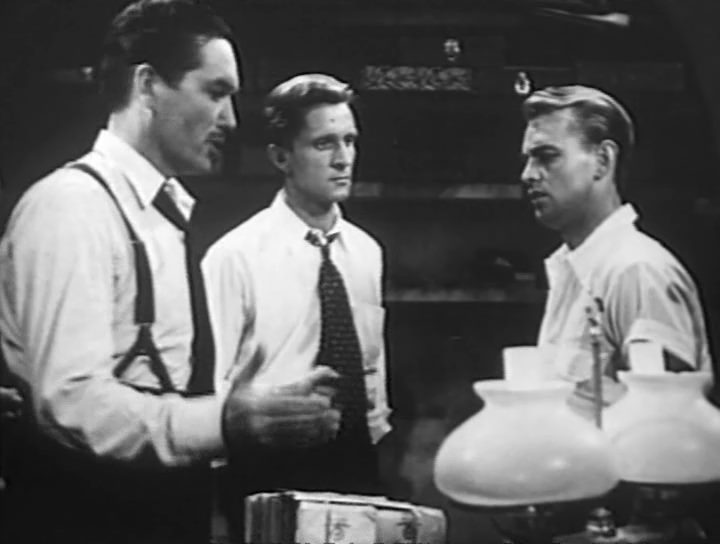
Karl é o mais novo membro do movimento – e está com medo. Ele acredita que Hitler é perigoso e um dia irá começar uma guerra, mas ele olha para o passado e percebe que nenhum reinado de terror durou muito, então se pergunta: por que eles devem arriscar suas vidas distribuindo propaganda antinazista? Hitler cairá um dia, ele diz. Ele tem de ser lembrado de que seus amigos não estão sozinhos combatendo o bom combate – há muitos núcleos de resistência que, juntos, podem fazer a diferença.

Karl is the newest member in the movement – and he's afraid. He believes that Hitler is dangerous and will eventually initiate a war, but he looks at the past and sees that no reign of horror lasted forever, so why risk their lives distributing propaganda? Hitler will fall some day, he says. He has to be reminded that they are not alone in this good fight – there are many underground groups that, together, can make a difference.

Eles imprimem um folheto dizendo que “o mundo inteiro está horrorizado com as brutalidades que vêm acontecendo nessa nação que já foi civilizada”. Bem, a palavra certa não é “horrorizado”: na verdade, os outros países eram ou coniventes ou indiferentes com as atrocidades que já aconteciam na Alemanha, com poucos grupos de pessoas preocupados de fato.
 
They print a leaflet saying that “the entire world is horrified by the brutalities that have been visited upon our once civilized nation.” Well, the word here is not “horrified”: in fact, the other countries were either accomplice or indifferent to the atrocities already going on in German, with few groups of people really concerned.


A técnica do grupo é usar o vento para distribuir o panfleto, mas dois oficiais da SS percebem e confiscam os panfletos de todos os cidadãos que porventura os acham no chão. Mas eles não podem censurar tudo: em lojas e ferrovias, as pessoas estão reclamando da inflação e das condições de trabalho, no rádio e na igreja as pessoas estão ouvindo mensagens pacifistas.

The group's technique is to use the wind to distribute the leaflet, but two SS officers see it and start confiscating the leaflet from all citizens that catch one from the floor. But they can't censor everything: in shops and railroads, people are complaining about the inflation and the work conditions, in the radio and in church people are listening to pacifist messages.


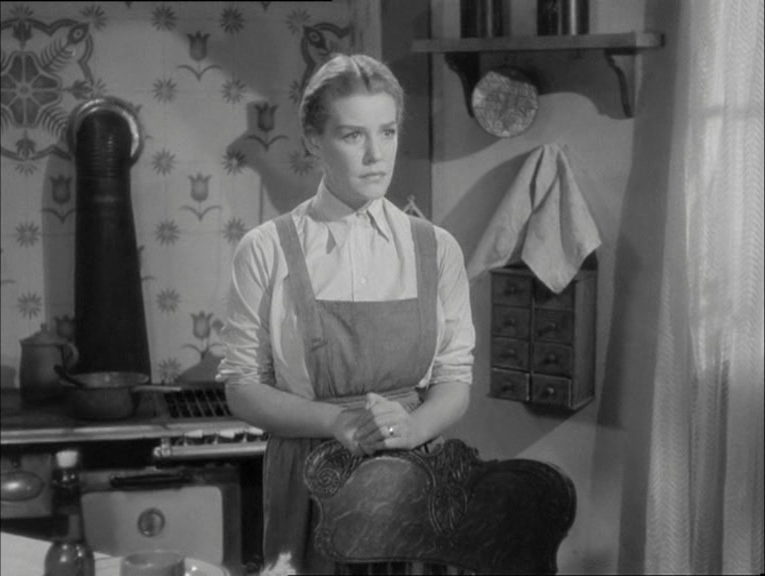
Na resistência há homens de todas as idades, uma mulher, Anna (Greta Granstedt) e até mesmo um padre. Puxa, um dos membros do grupo está infiltrado na Gestapo! Anna é uma mulher esperta: mesmo namorando Karl, ele se recusa a se casar porque “na nova Alemanha, é para isso que as mulheres servem: para ter filhos”, e ela sabe que pode muito mais que isso atuando na resistência. Hans (Roland Drew), o líder do grupo, vive um dilema: ele está dividido entre o trabalho com a resistência e a possibilidade de sair do país com a esposa grávida, Elsa (Steffi Duna).

In the underground there are men of all ages, one woman, Anna (Greta Granstedt) and even a priest. Damn, one of the members of the group is infiltrated in the Gestapo! Anna is a smart woman: even though she dates Karl, she refuses to marry because “in the new Germany, that's what women are for: having children” and she knows she can do much more working with the resistance. Hans (Roland Drew), the leader of the group, lives a dilemma: he is torn between working with the resistance and leaving the country with his pregnant wife, Elsa (Steffi Duna).
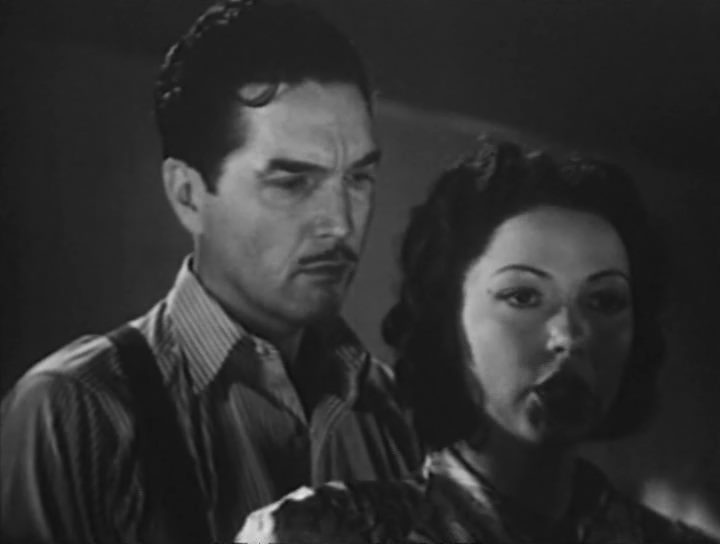

Schultz (John Ellis), outro membro da resistência, diz: “campos de concentração estão cheios de pessoas como nós”, e nós somos lembrados de que os primeiros campos de concentração foram construídos em 1933 para presos políticos. E, ao contrário do que se acredita, o mundo já sabia dos campos de concentração antes do final da guerra, porque aqui temos um filme norte-americano de 1939 falando sobre eles e recriando o interior de um deles.

Schultz (John Ellis), another resistance member, says: “concentration camps are full of people like us”, and we're reminded that the first concentration camps were built in 1933 for political prisoners. And, contrary to popular belief, the world did know about concentration camps before the end of the war, because here it is a 1939 American film talking about them and recreating the interiors of one.


Oficiais da SS e da Gestapo são retratados como pessoas rudes, sádicas e depravadas – como eram de fato. Eles torturam os presos para que eles confessem que são “comunistas”, e riem dos homens que são largados quase sem vida nas prisões. Um deles diz ao Padre Pommer (Friederick Giermann) que não há Deus, é Hitler quem toma conta deles.

SS and Gestapo officers are shown as rude, sadistic and depraved – as it should be. They torture the people they arrest, in order to make them confess that they're “communists”, and laugh at the men who are left nearly lifeless in prison cells. One of them says to Father Pommer (Friederick Giermann) that there is no God, Hitler is the one taking care of them.
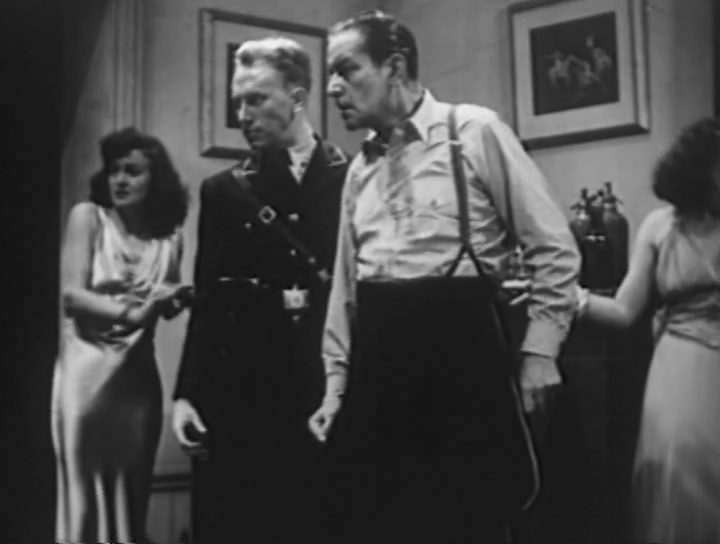

Foram necessários 10 anos para que Alan Ladd estourasse em Hollywood: ele começou como figurante em 1932, e conseguiu notoriedade apenas em 1942 com “Capitulou Sorrindo”. Antes disso, ele ficou muitos anos fazendo papéis sem receber créditos e até interpretou um animador da Disney na parte em live-action de “O Dragão Relutante” (1941). Em “A Besta de Berlim”, Ladd tem um papel coadjuvante, mas seu personagem é quem faz a coisa mais ousada.

It took 10 years for Alan Ladd to get his big break in Hollywood: he started as an extra in films in 1932, and only got notoriety in 1942 with “The Glass Key”. Before that, he spent many years playing uncredited roles and even acted as a Disney animator in the live-action part of “The Reluctant Dragon” (1941). In “Hitler – Beast of Berlin”, Ladd plays a supporting role, but his character is the one who does the most daring act of them all.
 
"O Dragão Relutante" / "The Reluctant Dragon"
Você deve estar se perguntando: se este filme “A Besta de Berlim” é tão ousado, por que eu nunca ouvi falar dele? Há muitas razões. A mais óbvia é que este não é um filme feito por um grande estúdio, por isso foi facilmente esquecido com o tempo. O filme foi feito por um produtor independente com objetivos de explorar o tema – não com o objetivo mais humano de denunciar os nazistas. Há uma razão ainda pior: quando o filme estreou, muitos cinemas que apoiavam a Alemanha nazista se recusaram a exibir o filme. Muitos estados proibiram sua exibição e a Associação dos Produtores e o escritório do Código Hays se recusaram a dar o selo de aprovação para o filme. Foram os simpatizantes do nazismo que impediram que o filme ficasse mais conhecido.

You must be wondering: if this film “Hitler – Beast of Berlin” is so daring, why haven't I heard of it yet? There are a few reasons. The most obvious one is that this is not a movie made by a big studio, so it was easily forgotten with time. The film was made by an independent producer for exploitation purposes – not the more human purpose of denouncing Nazis. There is an even uglier reason: when the film premiered, many movie theaters that supported Nazi German refuse to screen the film. Many state boards prohibited the film and the MPPA and the Hays office refused to give it a seal of approval. The Nazi sympathizers were the ones that prevented the movie from getting a wide release.


Mesmo tendo sido feito com um orçamento mínimo – o que se nota facilmente – “A Besta de Berlim” consegue alertar, surpreender e inspirar. O filme mostra que ficar de cabeça erguida ao enfrentar o mal é uma virtude, e que todos podem fazer a diferença, onde quer que estejam, na luta do bem contra o mal.

Although made with a minimum budget – and it shows – and not with the best intentions, “Hitler – Beast of Berlin” manages to alert, surprise and inspire. It shows that standing still when facing evil is a virtue and that everybody can make a difference, wherever they are, in the fight of good versus evil.

"Hitler - Beast of Berlin" is avbailable on YouTube.

This is my contribution to The Man who Would Be Shane: The Alan Ladd Blogathon, hosted by Gabriela at Pale Writer.


Saturday, August 31, 2019

A Sétima Cruz (1944) / The Seventh Cross (1944)


ESTA CRÍTICA TEM SPOILERS

THIS ARTICLE HAS SPOILERS

A guerra mais violenta, degradante e mortal de todas começou em 1939, mas os horrores já estavam acontecendo há anos na terra de Hitler. Os nazistas chegaram ao poder na Alemanha em 1932, quando se tornaram o partido majoritário do Reichstag - o Congresso alemão. No ano seguinte, 1933, o primeiro campo de concentração foi aberto. Dachau serviu como local para enviar presos políticos antes de os judeus serem escolhidos como principal alvo do ódio nazista. Mesmo que campos de concentração já existissem desde o século XIX - quando colonizadores europeus construíram campos na África para eliminar a população local - estes lugares de extermínio são comumente associados à Segunda Guerra Mundial.

The most violent, degrading and mortal war of them all started in 1939, but the horrors were already happening for years in Hitler’s land. The Nazis came to power in Germany in 1932, when they became the largest party in the Reichstag - the German Congress. The following year, 1933, the first concentration camp opened. Dachau served as a place to keep political prisoners before Jews were chosen as the main target for the Nazis’ hate. Even though concentration camps existed since the nineteenth century - when European colonizers built those camps in Africa to kill the locals - these places for extermination are often associated with World War II.


“A Sétima Cruz” é a história de sete prisioneiros que, em 1936, fogem do campo de concentração fictício de Westhofen. Entre eles está George Heisler (Spencer Tracy), que quer reencontrar sua amada Leni (Kaaren Verne). No campo, o comandante ordena que os outros prisioneiros ergam sete cruzes, nas quais ele pretende crucificado cada fugitivo - depois de torturá-los, obviamente.

“The Seventh Cross” is the story of seven prisoners who, in 1936, escape from the fictional concentration camp of Westhofen. Among them there is George Heisler (Spencer Tracy), who wants to be reunited with his beloved girl, Leni (Kaaren Verne). Back at the camp, the commander orders the other prisoners to build seven crosses, where he intends to crucify each fugitive - after torturing them, of course.


Enquanto isso, na cidade vizinha de Mainz, um amigo de George está preocupado com ele. Franz Marnet (Herbert Rudley) procura pelo líder da Resistência na cidade, e juntos eles conseguem passaportes falsos para George - o único problema é que George acredita que Franz está em Berlim, e Franz não faz ideia de onde George pode estar escondido.

Meanwhile, in the neighboring city of Mainz, a friend of George’s is worried about him. Franz Marnet (Herbert Rudley) looks for the leader of the Resistance in town, and together they get fake passports to give George - the only problem is that George believes Franz is in Berlin, and Franz has no idea where George could be hiding.


George encontra Leni em Mainz - a mesma Leni que prometeu esperar por ele para sempre agora está casada e ameaça contar para seu marido que ela viu o fugitivo. George não pode confiar em mais ninguém. Ele começa, assim como Blanche Dubois, a depender da bondade de estranhos - primeiro uma costureira (Agnes Moorehead) que é amiga de outro fugitivo, depois um médico judeu que cuida de um ferimento de George e decide não entregá-lo às autoridades. Sim, há oprimidos contribuindo com os opressores, mas ainda pode haver algumas pessoas decentes entre os oprimidos, que sabem o tanto que sofrem e que não desejam o mesmo destino para ninguém.

George finds Leni in Mainz - the same Leni who promised to wait for him forever is now married and threatens to tell her husband that she saw the fugitive. George can’t trust anybody anymore. He starts, like Blanche DuBois, depending on the kindness of strangers - first a dressmaker (Agnes Moorehead) who is friends with another fugitive, then a Jewish doctor who treats George’s wound and decides not to report him to authorities. Yes, there are oppressed people siding with the oppressors, but there may still be a few decent ones among the oppressed, who know what they’ve been through and won’t want the same fate to anybody.


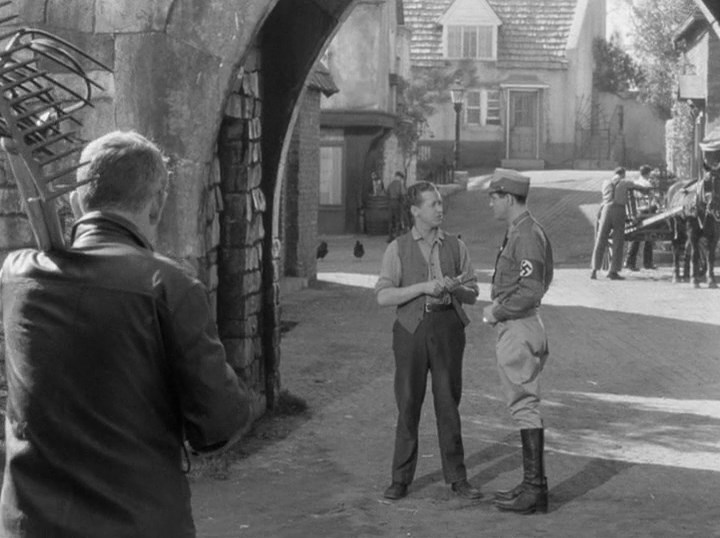
Membros histéricos da Juventude Hitlerista tomam uma vila e invadem casas em busca de um fugitivo. Para algumas pessoas, ver um homem ser caçado por nazistas é como ver um evento esportivo. O povo comemora e um homem faz piada quando o fugitivo - que felizmente não é George - é preso. Numa realidade nazista, as melhores pessoas são os indiferentes: pelo menos eles não contribuem para a desgraça de ninguém.

Hysterical members of the Hitler Youth go through the village and invade houses looking for a fugitive. Watching a man being hunted by Nazis is like watching a sports event for these people. The people cheer and a man makes a joke when the fugitive - luckily, not our George - is arrested. In a Nazi reality, the best people are the indifferent ones: at least they don’t contribute to someone’s misery.


George tem de procurar por Rudolf Schenck no número 46 da Morgenstrasse em Mainz. Quando ele chega ao endereço, uma vizinha o informa, com um sorriso debochado, que Rudolf e a esposa haviam sido presos pela Gestapo. Essa vizinha certamente informará à Gestapo sobre George - não há pessoas piores que as que são como esta vizinha, incapazes de cuidar somente de suas próprias vidas e que se enchem de prazer ao destruir os outros.

George has to look for Rudolf Schenck at 46 Morgenstrasse in Mainz. When he arrives at the address, a neighbor informs him, with a mocked smile, that Rudolf and his wife had been arrested by the Gestapo. This neighbor will certainly talk to the Gestapo about seeing George - there are no people worse than this neighbor kind, who can’t mind only their own business and feel pleasure in destroying others.


George, perturbado, procura pelo velho amigo Paul Roeder (Hume Cronyn) e sua esposa Liesel (Jessica Tandy). Paul é um cidadão comum: ele está feliz que seu salário aumentou e obedece ao Führer quando ele ordena que as famílias alemãs - só as famílias arianas, obviamente- tenham mais filhos. Ele está preocupado com os fins, não com os meios. E daí que o país está produzindo muito armamento e as minorias estão sendo sistematicamente eliminadas? A vida dele melhorou, e isso é tudo que parece importar para ele. Felizmente, Paul aceita ajudar o velho amigo - e eu posso estar sendo pessimista, mas não vejo essas pessoas que preferem os fins aos meios ajudando os outros.

A disturbed George then looks for his old friend Paul Roeder (Hume Cronyn) and his wife Liesel (Jessica Tandy). Paul is a common citizen: he is happy that his wage increased and obeys the Führer when he says German families - only the Arian ones, obviously - must make babies. He’s worried about the ends, not the means. So what that the country is producing a lot of guns and minorities are being systematically erased? His life got better, and that’s all that seems to matter to him. Fortunately, Paul agrees to help his old friend - I may be a pessimist now, but I don’t see those ends-over-means people helping anyone.


Outro amigo de George, Bruno Sauer (George Macready), em um primeiro momento se mostra demasiado covarde para ajudar, mas então se redime. Assim como muitos outros, Bruno tem uma vida confortável - seu banheiro cheio de espelhos é quase labiríntico- e aceita a situação porque ele tem medo de arriscar tudo para fazer a coisa certa. George mais uma vez terá de depender de estranhos, como o operário Fiedler (Paul Guilfoyle), o padeiro Poldi Schlamm (Felix Bressart) e a garçonete Toni (Signe Hasso).

Another friend of George’s, Bruno Sauer (George Macready), is at first too coward to help, but then redeems himself. Like many people, Bruno lives a comfortable life - his bathroom full of mirrors is almost a labyrinth- and compromises with the situation because he’s afraid to risk everything to do something right. George once again will have to rely on strangers, like factory work Fiedler (Paul Guilfoyle), baker Poldi Schlamm (Felix Bressart) and waitress Toni (Signe Hasso).


Mesmo que a saga de George se pareça com um suspense, ficamos enojados e alarmado com a história: afinal, é real, muitas pessoas passaram por dificuldades inenarráveis depois de fugirem de um campo de concentração, não é uma história inventada de detetive. E o mais terrível disso tudo é que você fica tão acostumado com o mal que não consegue mais confiar em ninguém- eu não conseguia confiar em nenhum personagem assim que ele aparecia, e por causa dessa desconfiança a situação de George fica mais difícil.

As much as George’s saga looks like a thriller, we are more disgusted and alarmed by the story: after all, it’s real, some people have been through hell after escaping a concentration camp, it is not an invented detective story. And the most awful thing in this whole tale is that you get so used with seeing evil that you start trusting nobody - I couldn’t trust any character at first, and because of these mistrust issues George’s situation gets harder.


A principal característica de um campo de concentração é que ele não é uma prisão: as pessoas não precisam ser condenadas por um crime para serem presas em um - elas apenas precisam ser consideradas perigosas ou repulsivas por aqueles que detêm o poder para serem mandadas para um campo de concentração. Eu não quero parecer demasiado dramática ou alarmista, mas todas essas coisas não foram deixadas em um passado sombrio - elas estão acontecendo novamente, agora. Imigrantes estão sendo separados de suas famílias em campos na fronteira dos EUA. As pessoas estão comemorando a desgraça alheia. Empatia está se tornando algo raro - porque quem não é alvo de discurso de ódio não consegue se colocar no lugar de pessoas que são, e por isso nada é feito contra o discurso de ódio. A esperança é cada dia mais difícil de ser mantida - mas “A Sétima Cruz” nos mostra que uma centelha de esperança é suficiente para iniciar a mudança. Ou, como escreveu uma menina naquela época:

“É difícil em tempos como estes: ideais, sonhos e esperanças permanecerem dentro de nós, sendo esmagados pela dura realidade. É um milagre eu não ter abandonado todos os meus ideais, eles parecem tão absurdos e impraticáveis. No entanto, eu me apego a eles, porque eu ainda acredito, apesar de tudo, que as pessoas são realmente boas de coração”. 
Anne Frank


The main characteristic of a concentration camp is that it’s not a prison: people don’t have to be found guilty of something to be imprisoned there - they just need to be found as dangerous or repulsive by those in power in order to be sent to a concentration camp. I don’t want to sound overly dramatic or alarmist, but all those things weren’t left in a somber past - they are happening again, now. Immigrants are being separated from their families in camps at the US border. People are cheering at someone’s disgrace. Empathy is becoming rare - because people who are not target of hate speech can’t put themselves in the places of people who are, therefore they do nothing against the hate speech. Hope is harder and harder to maintain - but “The Seventh Cross” shows us that one spark of hope is enough to start change. Or, as a girl wrote back then:

“It's difficult in times like these: ideals, dreams and cherished hopes rise within us, only to be crushed by grim reality. It's a wonder I haven't abandoned all my ideals, they seem so absurd and impractical. Yet I cling to them because I still believe, in spite of everything, that people are truly good at heart.” 
 Anne Frank
This is my contribution to the World War II blogathon, hosted by Maddy and Jay at Maddy Loves Her Classic Films and Cinema Essentials.


Tuesday, February 3, 2015

Um perfil de Emil Jannings

A profile of Emil Jannings

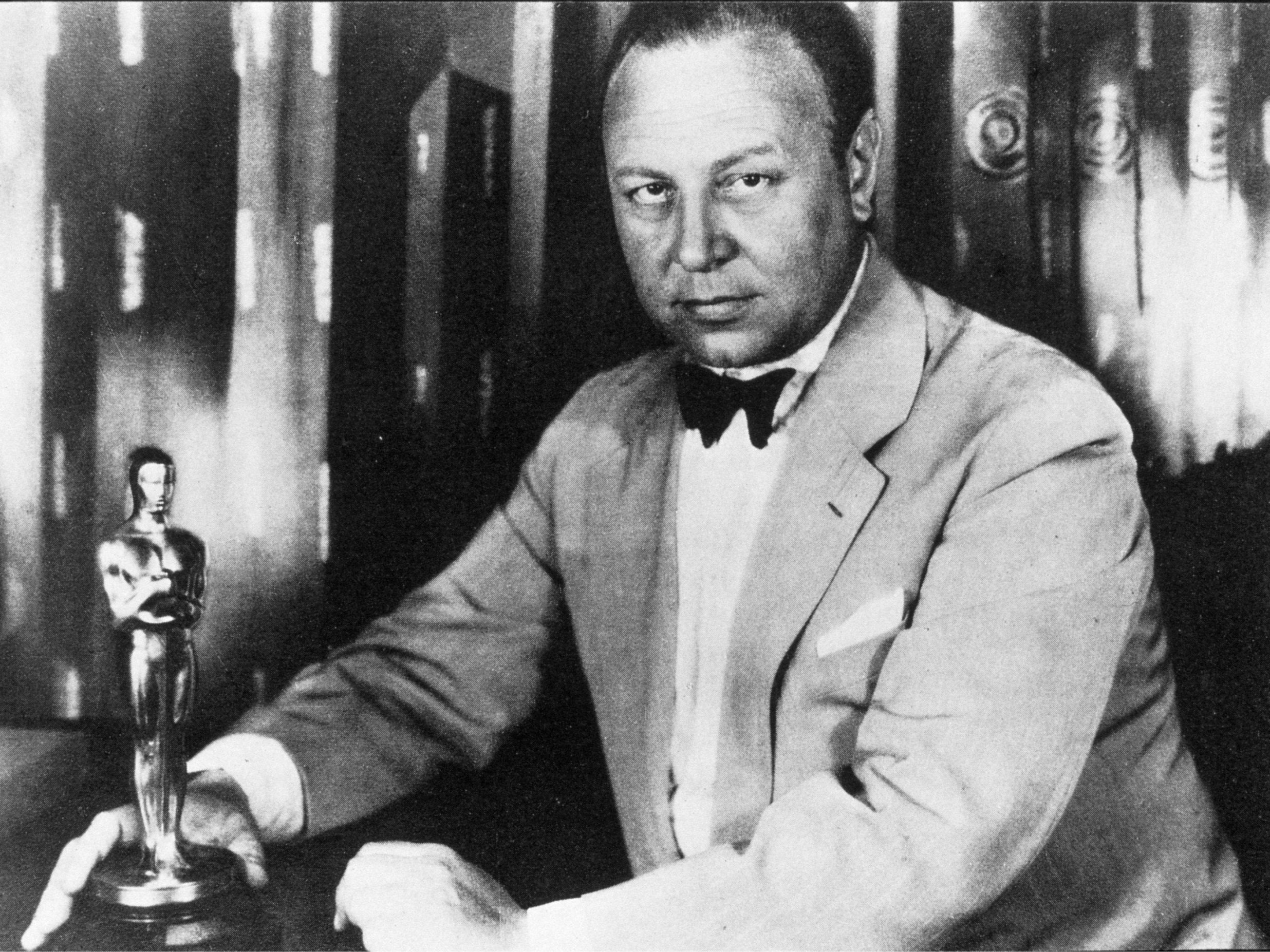
Hoje Emil Jannings é mais lembrado por ter sido o primeiro ganhador do Oscar de Melhor Ator, em 1929. Mas Jannings foi um homem de muitas honras: contracenou com Pola Negri, Marlene Dietrich, Conrad Veidt e Lya De Putti. Foi dirigido por Josef von Sternberg, Ernst Lubitsch, Paul Leni, King Vidor e F. W. Murnau. Chegou a ser considerado o melhor intérprete do mundo. Sua queda foi vertiginosa e muito triste por ter se ligado à pior política do século XX. Mas os verdadeiros fãs do bom cinema saberão apreciar o talento deste homem inconfundível. 

Today Emil Jannings is better remembered as the first winner of the Best Actor Oscar, in 1929. But Jannings was a man of many honors: he worked alongside Pola Negri, Marlene Dietrich, Conrad Veidt and Lya De Putti. He was directed by Josef von Sternberg, Ernst Lubitsch, Paul Leni, King Vidor and F.W. Murnau. He was even considered the best actor of the world. But his fall was huge and sad because he chose the side of the worst force of the 20th century. But the true fans of good cinema will know how to talk about the talents of this remarkable man.

Começamos destruindo um mito: Jannings não era alemão. Theodor Friedrich Emil Janenz nasceu na Suíça em 1884. Pouco encontrei sobre sua infância e juventude, a não ser a informação de que seu pai era americano. Aos 30 anos, em 1914, estreou no cinema e em 1918 já estava com Pola Negri e Ernst Lubitsch trabalhando em “Olhos da Múmia”, em que interpreta um árabe vingativo. Sua carreira oscilou entre papéis de vítima e de vilão.

We start by destroying a myth: Jannings wasn’t German. Theodor Friedrich Emil Janenz was born in Switzerland in 1884. I could not find much about his early years, except the fact that his father was American. At age 30, in 1914, hem ade his film debut and in 1918 he was already with Pola Negri and Ernst Lubitsch working on “The Eyes of the Mummy”, in which he plays a vindictive Arab man. His career alternated roles as a villain and a victim.

Fausto, 1926

Com “A Última Gargalhada” (1924), F. W. Murnau provou que o bom cinema não dispensava apenas diálogos, mas toda e qualquer palavra. Porque os únicos escritos em quase 90 minutos de projeção são o título do filme, o nome do diretor e do ator principal. É um filme psicodélico e cheio de significado, que parte da simples figura de um porteiro de hotel cuja profissão, única glória e alegria, lhe é tirada.

With “The Last Laugh” (1924), F.W. Murnau proved that good cinema didn’t need dialogues nor any written world. Because the only words in almost 90 minutes are the title of the film and the names of the director ando f the main actor. This is a psychodelic movie full of meaning, that brings the journey of a hotel clerk whose profession, his only glory and joy, is taken from him.    

A biógrafa de Rin Tin Tin (porque, sim, o astro canino tinha uma biógrafa) afirma que foi Rin Tin Tin o ganhador do primeiro Oscar de Melhor Ator, em 1929. A maioria dos votos era do cachorro mais popular das telas. Entretanto, receando que, se o prêmio recém-criado fosse entregue a um astro de quatro patas, o Oscar nunca seria levado a sério, a Academia entregou o troféu ao segundo colocado, este humano: Emil Jannings. Para Rin Tin Tin sobrou a honra de morrer no colo de Jean Harlow (quem não iria querer morrer naquele colo?).

Rin Tin Tin’s biographer (because, yes, the dog star had a biographer) claims that Rin Tin Tin was the winner of the Best Actor Oscar, in 1929. Most votes were for the most popular dog on the screen. However, feeling that, if the brand new award was given to a four-legged star, the Oscar would never be taken seriously, the Academy gave the award to the second place, a human: Emil Jannings. For Rin Tin Tin the glory that was left was to die on Jean Harlow’s lap (and who wouldn’t want to that on that lap?).  

Mas Jannings mereceu o Oscar. Posso ser parcial ao falar isso, porque “A Última Ordem / The Last Command” (1928) é um dos meus filmes mudos favoritos, mas a atuação de Jannings é ESPETACULAR. Uma imagem vale mais que mil palavras, e nem três trilhões de artigos como este seriam suficientes para descrever o real valor deste filme e da atuação de seu protagonista. Um ex-guarda do czar, agora radicado em Hollywood, tem a oportunidade de reviver seu passado ao trabalhar como extra em um filme sobre a Rússia.

But Jannings deserved the award. I may be biased to say that, because “The Last Command” (1928) is one of my favorite silente movies, but Jannings’s performance in SPECTACULAR. An image is worth more than a thousand words, but not even three trillions of articles like this one would be enough to describe the real value of this film and its lead’s performance. A former Czarist guard, now in Hollywood, has the chance to relive his past while working as an extra in a film about Russia.

Entretanto, Jannings não ganhou o Oscar apenas por sua atuação primorosa em “A Última Ordem”. No primeiro ano do prêmio, a Academia permitiu que a indicação fosse feita considerando o trabalho do ator / atriz em múltiplos filmes do ano anterior. E aqui entra uma curiosidade triste: Jannings é o único ator já indicado ao Oscar cujo filme que lhe valeu a indicação (e a vitória) está perdido: “Tortura da Carne / The Way of All Flesh” (1927). Mas há quem dê esperanças de existir uma cópia dele por aí.

However, Jannings didn’t win the Oscar only for his great performance in “The Last Command”. In the first year of the award, the Academy allowed the nomination to be made considering the perfomer’s work in multiple films from the previous year. And here comes a sad curiosity: Jannings is the only actor nominated for an Oscar whose nominated film is lost: “The Way of All Flesh” (1927). But there are those who give us hope that a copy still exists somewhere.

Falando em filmes perdidos, Jannings também foi a estrela de “O Patriota” (1928), dirigido por King Vidor e só pelo trailer que sobrou dá para perceber que era maravilhoso. Tomara que seja encontrada alguma cópia dele nos porões de algum lugar do mundo!

Since we’re talking about lost movies, Jannings was also the star of “The Patriot” (1928), directed by King Vidor and whose trailer is enough to let us know that it was great. We can only hope that a copy of it is found in a basement somewhere!

A era do cinema mudo acabava e Jannings já colecionava glórias e elogios. Ainda viria seu filme mais famoso, e sua ainda mais famosa derrocada. Com a chegada do som em Hollywood, ele voltou para a Alemanha. Ele e Von Sternberg, diretor de “A Última Ordem”, se reuniram para mais uma obra-prima: “O Anjo Azul”, de 1930, em que Jannings interpreta o professor Rath, que se apaixona pela cantora Lola Lola (Marlene Dietrich), uma femme fatale primitiva.

The silent movie era was ending and Jannings already collected glories and compliments. His most famous film was yet to come, and his even more famous downfall. With sound coming to Hollywood, he went back to Germany. He and Vn Sternberg, the director of “The Last Command”, reunited for another masterpiece: “The Blue Angel”, from 1930, in which Jannings plays professor Rath, who falls in love with the singer Lola Lola (Marlene Dietrich), a primitive femme fatale.  

O Anjo Azul” foi proibido quando os nazistas chegaram ao poderem 1933. Marlene Dietrich sairia definitivamente da Alemanha. Josef von Sternberg, nascido na Áustria, também não mais pisaria em solo alemão. E aqui Jannings cometeu seu grande erro: seguiu trabalhando para o cinema de propaganda nazista, tendo a seu lado, por exemplo, a ex-esposa de Fritz Lang, Thea von Harbou.

“The Blue Angel” was banned when the Nazis came to power in 1933. Marlen Dietrich would once and for all leave Germany. Josef von Sternberg, born in Austria, also would never again set foot in German soil. And here Jannings made his big mistake: kept working for Nazi propaganda films, having alongside him, for instance, Fritz Lang’s ex, The von Harbou.

Emil Jannings morreu em 2 de janeiro de 1950. Nunca conseguiu se livrar da mácula que foi ter trabalhado para o Terceiro Reich. Entretanto, seus filmes estão aí (os que sobraram) para provar que o talento de Emil Jannings foi muito maior que seu maior erro.

Emil Jannings died on January 2nd, 1950. He would never see himself free of the mark gained when he worked for the Third Reich. Nevertheless, his films are there (some of them) to prove that Emil Jannings’s talento was bigger than his biggest mistake.

This is my first contribution to the 31 Days of Oscar Blogathon, hosted by mighty trio Aurora, Kellee and Paula at Once Upon a Screen, Outspoken & Freckled and Paula’s Cinema Club.

Monday, June 2, 2014

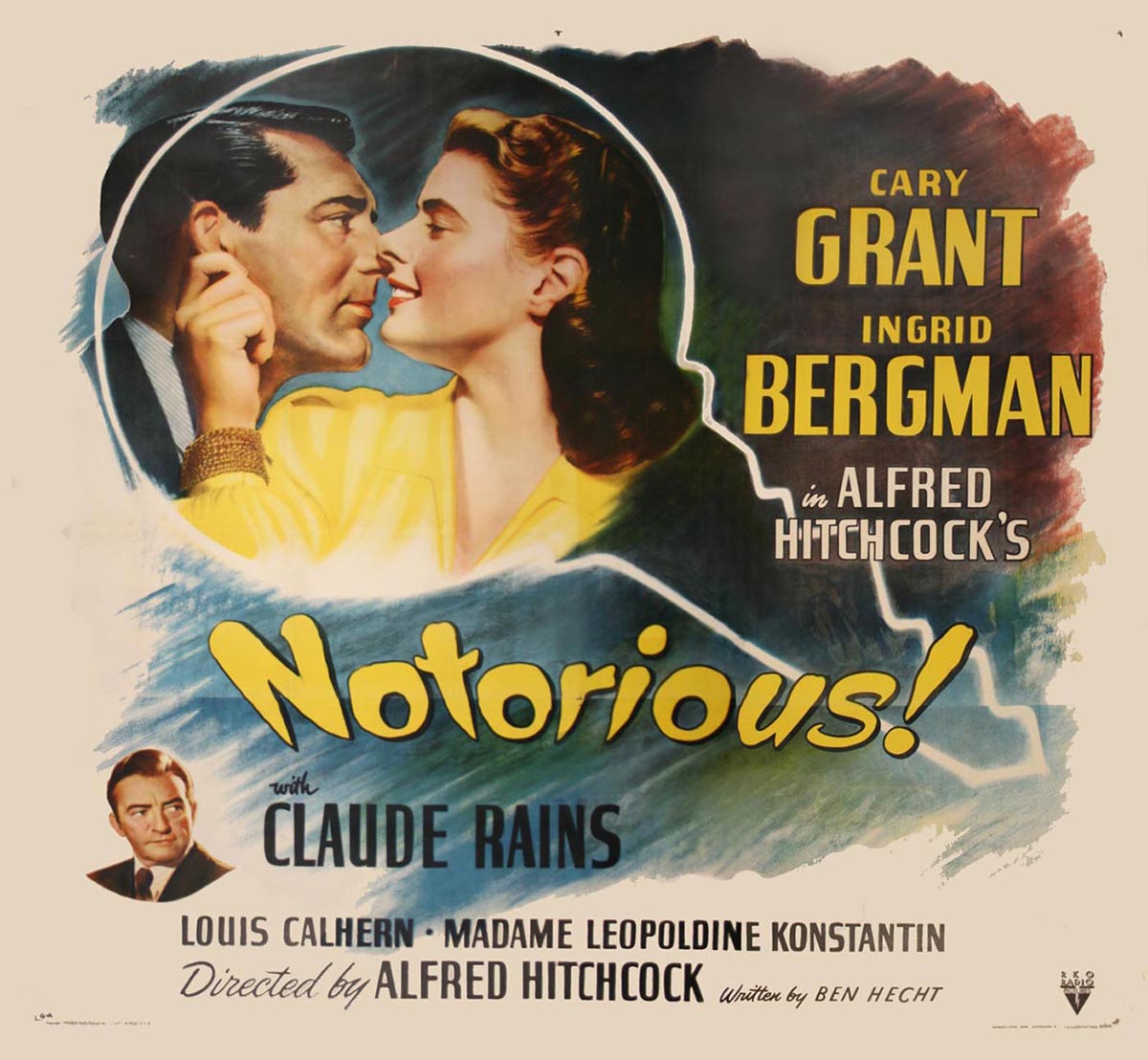
Interlúdio (1946) / Notorious (1946)

O mestre do suspense. Dois dos melhores e mais charmosos atores da época: uma pérola sueca e um diamante inglês. Um beijo provocante e quente. Um coadjuvante brilhante. A cidade maravilhosa. Essa combinação só poderia resultar em uma obra-prima.

The Master of Suspense. Two of the Best and most charming performers from the time: a Swedish pearl and an English diamond. A provocative hot kiss. A brilliant supporting player. The Marvelous City. This mix could only generate a masterpiece.


Alicia Huberman (Ingrid Bergman) sofreu um duro golpe familiar: seu pai foi considerado traidor do país e condenado à prisão. Depois de ser convencida de que seu desprezo pelo pai traidor é uma prova de amor à América, Alicia aceita a proposta de T. R. Devlin (Cary Grant) e se torna uma caçadora de nazistas no Rio de Janeiro. A missão parece ser levada longe demais quando Alicia se casa com Alexander Sebastian (Claude Rains), prova viva de que por trás de um grande vilão há sempre uma mãe insuportável (Madame Konstantin).

Alicia Huberman (Ingrid Bergman) suffered a hard familiar disappointment: her father was considered a traitor to his country and arrested. After being convinced that despising her father is a way to prove she loves America, Alicia accepts and offer from T.R Devlin (Cary Grant) and becomes a Nazi hunter in Rio de Janeiro. Her mission goes too far when she married Alexander Sebastian (Claude Rains), the living proof that behind a great villain there is always a horrible mother (Madame Konstantin).


Alicia e Devlin continuam se encontrando. Ela está apaixonada, apesar do casamento com Alexander, mas Devlin esconde seus sentimentos. Juntos em uma festa na luxuosa mansão Sebastian, eles vão revistar a adega em uma das cenas mais angustiantes do filme. Logo antes de Alicia e Devlin descerem à adega, temos o famoso travelling em que Hitchcock começa do topo das escadas e termina focalizando a chave na mão de Alicia. Após as filmagens, Grant ficou com a chave e, anos depois, deu-a para Ingrid Bergman, desejando que o objeto lhe servisse de amuleto.

Alicia and Devlin still meet. She is in love with him, no matter if she is married to Alexander, but Devlin hides his feelings. Together in a party in the sumptuous Sebastian house, they visit the wine cellar in one of the most suspenseful scenes in the movie. Right before Alicia ands Devlin go to the wine cellar, we have the famous travelling starting in the top of the staris and ending in a close-up of the key in Alicia’s hand. When shooting wrapped, Grant got the key and years later gave it to Bergman, wishing it could work as a good luck charm for her.


Embora o projeto do filme tenha sido iniciado por David O. Selznick, no meio do caminho ele vendeu todo o pacote para a RKO (o diretor / produtor estava tendo problemas com “Duelo ao Sol”) e lá se foi, feliz da vida, Hitchcock filmar com liberdade, livre dos memorandos contínuos do patrão Selznick.

Although David O. Selznick started the film project, he ended up selling the whole package to RKO – because of his problems in the making of Duel in the Sun – and there Hitchcock went, happy for the first time in the US: he could finally have creative freedom over his films, and wouldn’t have to be ruled by Selznick’s memoranduns. 


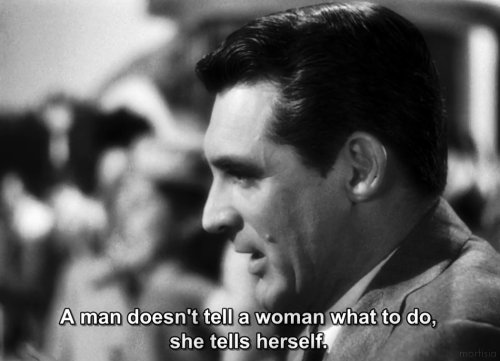
E essa liberdade ficou óbvia na cena mais ousada do filme, quiçá da década: o demorado beijo entre Cary Grant e Ingrid Bergman no apartamento de frente para o mar. Se na época do Código Hays a duração máxima de um beijo era de três segundos, Hitchcock contornou a regra ao juntar vários beijos de três segundos, entrecortados por uma conversa simples e caseira, em uma cena de três minutos de pura luxúria tropical.

And this creative freedom is better seen at the most daring scene of the film – and maybe even of the decade: the long, long kiss between Cary Grant and Ingrid Bergman in the apartment. Under the Hays Code, the maximum duration of screen kiss was three seconds, and Hitchcock worked wisely in order to not break the rule: he put together several three-second kisses, cut by an irrelevant conversation, in a scene of pure tropical luxury.


O elenco do filme é primoroso. Mesmo assim, algumas brigas ocorreram até que todos fossem escalados. Hitchcock queria Grant para o papel de Devlin. Selznick queria Joseph Cotten. Hitchcock queria Clifton Webb para interpretar Alexander. A opção de Selznick sempre foi Claude Rains. Hitchcock e Selznick tentaram contratar Ethel Barrymore para o papel da Madame Anna Sebastian. Com o fracasso veio a indicação da atriz alemã Leopoldine Konstantin, que teve em “Interlúdio” seu único trabalho em Hollywood. Mas que grande trabalho foi esse! 

The cast is just fabulous. But there were still troubles in assembling them. Hitchcock wanted Grant for the role of Devlin. Selznick wanted Joseph Cotton. Hitchcock wanted Clifton Webb to play Alexander. Selznick always insisted on casting Claude Rains. Both Hitchcock and Selznick tried to hire Ethel Barrymore to play Madame Anna Sebastian. With the negative they were introduced to German actress Leopoldine Konstantin, who only made “Notorious” in Hollywood. But what an impression she left!


Embora a maioria dos filmes sobre espionagem seja protagonizada por homens, “Interlúdio” mostra a bravura das mulheres em tempos de guerra. De fato, a maioria das espiãs agiu em meio à guerra (alô, alô Mata Hari), e muitas não sobreviveram para contar suas várias histórias. Essas moças corajosas muitas vezes usavam como principal arma a sedução, o que acontece também aqui com Alicia. E ela também corre o risco de ser eliminada. Mas, no caso de Alicia, ela não deve temer um pelotão de fuzilamento, mas sim sua própria xícara de chá envenenado!

Even though most spy films have male leads, “Notorious” shows how brave women are in war. Indeed, most female spies worked during wars (cof, cof, Mata Hari), and so many of them didn’t survive to tell their missions. These bold women often used seduction as their main weapon, and Alicia does it, too. And she is also risking to be killed. But, in Alicia’s case, she must not fear a firing squad, but a cup of poisoned tea!


Não podemos nos esquecer de que a maior parte da ação se passa no Brasil! O erro de geografia foi pequeno, pois muitos nazistas de fato vieram para a América do Sul, mas o destino deles foi majoritariamente a Argentina. Mesmo assim, há um fato sinistro envolvendo nazistas: Josef Mengele passou os últimos anos da vida no Brasil, morrendo afogado em uma praia de Bertioga. Aliás, associar nazistas com o Brasil foi um ato também do novelista Ira Levin, autor de “Os meninos do Brasil”. 

We can’t forget that most of the action happens in Brazil! The geographical mistake was no so big, because many Nazis came to Latin America, but most of them went to the neighboring country of Argentina. But there is still a chilling fact connecting Brazil and the Nazis: Josef Mengele spent the last years of his life in Brazil, and his cause of death was drowning in a beach in Bertioga. By the way, another person who associated Nazis with Brazil was novelist Ira Levin, the author of “The Boys from Brazil”. 


O sempre talentoso roteirista Ben Hecht mais uma vez trabalhou com Hitchcock em uma história tão explosiva quanto o urânio que aparece em um possível plano de Alexander Sebastian e seus camaradas nazistas criarem uma bomba atômica. Depois de lidar com o tema do urânio no filme, Hitchcock ficou alguns meses sendo vigiado pelo FBI. Mas o que realmente é explosivo é o elenco. O nanico Claude Rains mostra seu talento gigante. E só uma coisa pode ser dita sobre Grant e Bergman: que pena que não fizeram mais filmes juntos!

Ben Hecht, always a talented screenwriter, once more worked with Hitchcock to develop a story as explosive as the uranium we find in a plan Alexander Sebastian and his fellow Nazis have to create an atomic bomb. After dealing with uranium in the film, Hitchcock was followed by FBI for months. But the most flammable thing here is the cast. Short man Claude Rains shows his gigantic talent. And only one thing can be said about Grant and Bergman: too bad they only worked together in two films!

This is my contribution to the Snoopathon, a classic detective blogathon hosted by Fritzi at Movies, Silently.  

Related Posts Plugin for WordPress, Blogger...