} Crítica Retrô: Stan and Ollie

Tradutor / Translator / Traductor / Übersetzer / Traduttore / Traducteur / 翻訳者 / переводчик

Showing posts with label Stan and Ollie. Show all posts

Monday, May 4, 2026

Toureiros (1945) / The Bullfighters (1945)


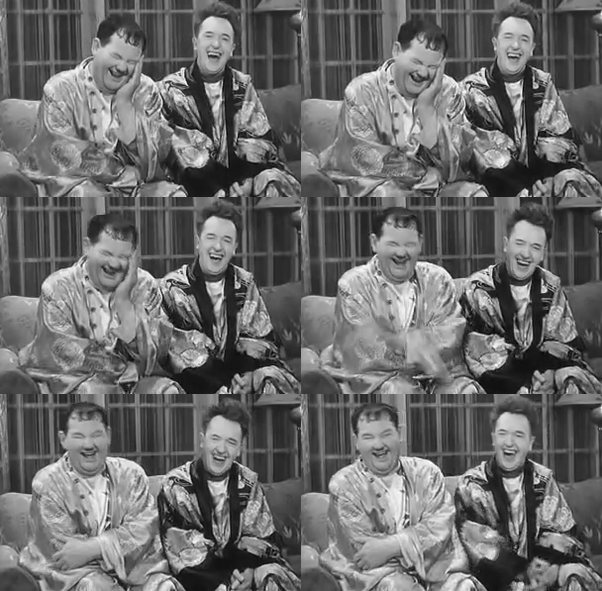
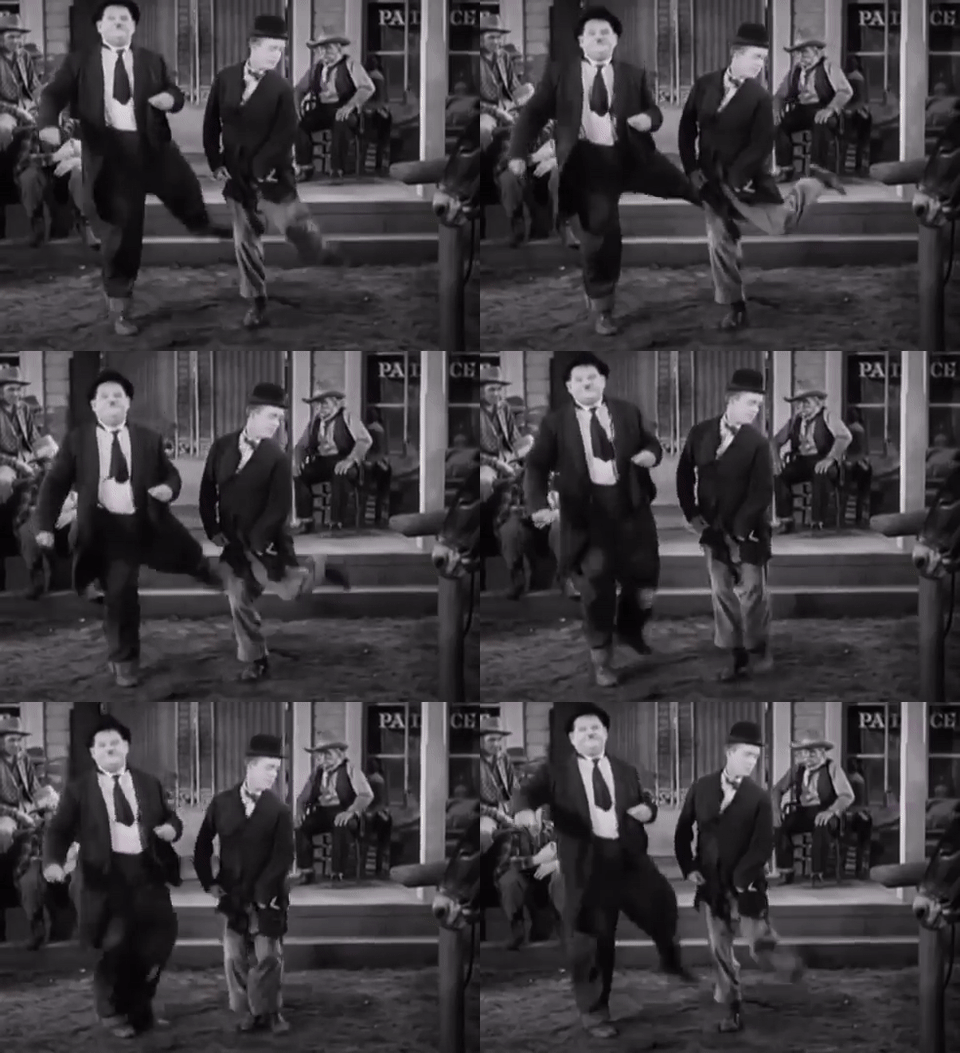
Stan Laurel e Oliver Hardy, a dupla conhecida aqui no Brasil como O Gordo e o Magro, fizeram 107 filmes como dupla, entre 1927 e 1951. Do começo da parceria, vale ser destacado “The Battle of the Century” (1927), sobre o qual escrevi no meu blog Lost and Found Films (eminglês). Da fase final de suas carreiras, escolhi destacar “Toureiros”, um filme que, muitos anos atrás, me recusei a assistir dublado durante uma madrugada e fico feliz com essa decisão - ou não estaria agora escrevendo sobre essa experiência divertida.

Stan Laurel and Oliver Hardy made 107 movies as a duo, between 1927 and 1951. From the beginning of their partnership, it’s worth highlighting “The Battle of the Century” (1927), about which I wrote for my blog Lost and Found Films. From the final phase of the duo, I chose to highlight “The Bullfighters”, a movie that many years ago I decided not to watch dubbed on TV in the wee hours of the night and I’m happy I made this decision - or else I wouldn’t be here writing about this funny flick.

O Gordo e o Magro estão num avião pousando na Cidade do México. O Gordo está interessado nas señoritas mexicanas, o Magro nos tamales mexicanos. Mas eles têm uma missão: são detetives particulares investigando a senhorita Blake (Carol Andrews em seu primeiro filme). Mas acontece que o Magro é um sósia do famoso toureiro Don Sebastian de Barcelona, Espanha. Outra complicação: na cidade podemos encontrar Richard K. Muldoon (Ralph Sanford), um homem que a dupla mandou por engano para a prisão cinco anos antes - e ele quer vingança! Por causa de problemas com o passaporte de Don Sebastian, o Magro terá de ficar no lugar do toureiro sem ser reconhecido pelo Sr Muldoon.

Stan and Ollie are on a plane to Mexico City. Ollie is interested in the Mexican señoritas, Stan in the Mexican tamales. But they are on a mission: they are private detectives investigating Miss Blake (Carol Andrews in her film debut). But it happens that Stan is the doppelgänger of famous bullfighter Don Sebastian from Barcelona, Spain. Another complication: in the town we can find Richard K. Muldoon (Ralph Sanford), a man Stan and Ollie wrongly sent to jail five years prior - and he’s crazy for revenge! Due to problems with Don Sebastian’s passport, Stan will have to impersonate the bullfighter without being recognized by Mr Muldoon.

Chegando na década de 1940, o Gordo e o Magro já tinham estado por toda parte - incluindo numa convenção num dos melhores filmes da dupla, “Filhos do Deserto” (1933). Uma década depois, uma nova dupla ganhava popularidade nas telas: Bud Abbott e Lou Costello, também transformados em dupla por seus diferentes estilos de comédia e características físicas. Abbott e Costello haviam feito filmes para os estúdios Universal e MGM, enquanto em sua já longa carreira o Gordo e o Magro trabalharam para Hal Roach, MGM e estavam agora na 20th Century Fox.

By the 1940s, Stan and Ollie had been nearly everywhere - including in a convention meeting in one of the best movies of the duo, “Sons of the Desert” (1933). A decade later, a new duo gained popularity on screen: Bud Abbott and Lou Costello, also paired for their different approaches to comedy and physical characteristics. Abbott and Costello had made films for Universal Studios and MGM, while in their already long career Stan and Ollie worked for Hal Roach, MGM and were now on 20th Century Fox.

Quando eu falo em “diferentes estilos de comédia” estou falando das duplas dinâmicas em que um é sério e o outro é o encrenqueiro, o alívio cômico. Também nos anos 1940 havia nesta categoria Bing Crosby e Bob Hope e nos anos 1950 outra dupla com essa característica dominou as telas: Dean Martin e Jerry Lewis. N’ O Gordo e o Magro, ambos eram veteranos da comédia, mas o Gordo era o mais próximo que chegavam de ter alguém “sério” na dupla, mesmo com muitas situações cômicas construídas a partir e em volta dele.

When I talk about “approaches to comedy” I’m thinking about the dynamic duos in which one is the straight man and the other is the troublemaker, the main source of comedy. Also in the 1940s there were in this category Bing Crosby and Bob Hope and in the 1950s another duo built this way dominated the screens: Dean Martin and Jerry Lewis. In Laurel and Hardy, both were seasoned funny men, but Hardy was the closest to “serious” that the duo got, even though there were many gags built around him.

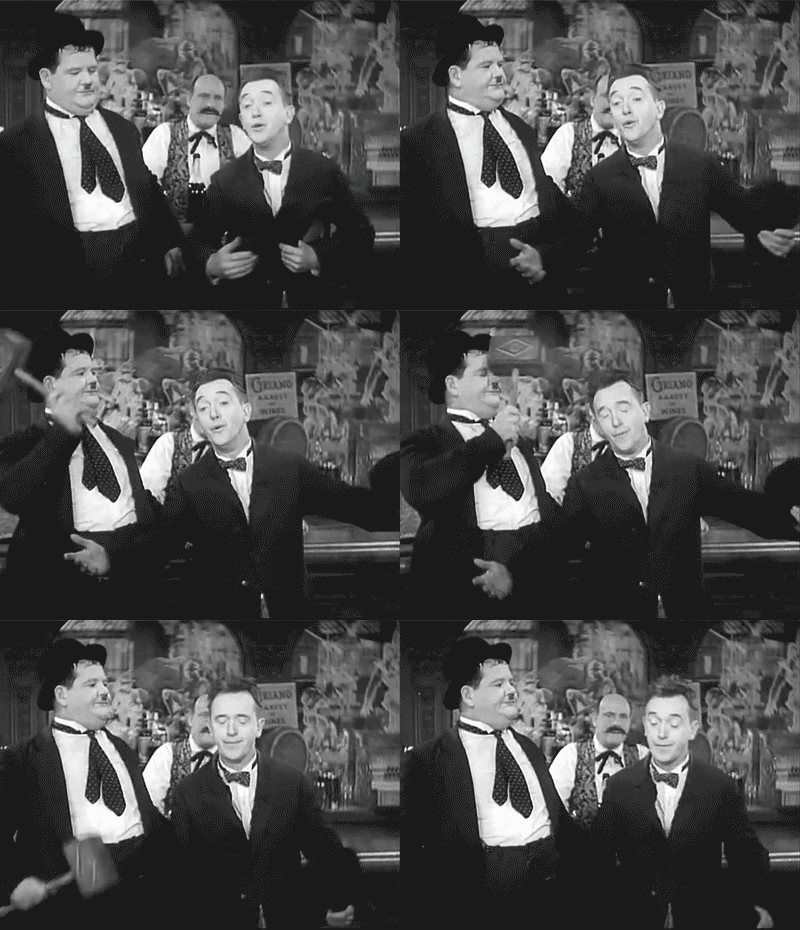
Como é de se esperar, há muitas situações cômicas (gags) em “Toureiros”. Há gags envolvendo fontes de água, ovos sendo quebrados com efeitos sonoros galináceos e muitas outras que funcionariam bem tanto em filmes mudos quanto falados. Na verdade, há no filme muitas gags visuais e quase nenhuma que dependa das palavras - uma prova que o Gordo e o Magro nunca abandonaram suas origens. 

As you can expect, there are gags galore in “The Bullfighters”. There are gags involving water fountains, the breaking of eggs completed with chicken sound effects and many others that worked well in both silents and talkies. In fact, there are in the picture many visual gags and close to zero funny one-liners in this movie - proof that Laurel and Hardy never abandoned their origins.

O diretor de “Toureiros” foi Mal St. Clair, com algumas sequências dirigidas por Stan Laurel, sem receber créditos. Mal é apelido de Malcolm. Bem, Malcolm St. Clair foi um cartunista que virou pianista e figurante em 1915. Depois de servir na Primeira Guerra Mundial, ele se tornou diretor. Tendo dirigido dois filmes de Buster Keaton, ele se inspirou no comediante para escrever suas próprias gags. Ele sofreu um bocado com a chegada do som mas continuou na ativa, trabalhando em diversos estúdios até que chegou na 20th Century Fox em 1936 e lá ficou por 12 anos. Malcolm St. Clair faleceu aos 55 anos em 1952.

The director of “The Bullfighters” was Mal St. Clair, with a few sequences directed by an uncredited Stan Laurel. Mal is short for Malcolm. So, Malcolm St. Clair was a cartoonist turned piano player and bit player in 1915. After serving in World War I, he became a director. Having directed two Buster Keaton films, he was inspired by the Great Stone Face in his own gag-writing process. He suffered a bit with the arrival of sound in movies but remained active, working for several studios until he got to 20th Century Fox in 1936, where he remained for 12 years. Malcolm St. Clair died at age 55 in 1952.   

A atriz que interpreta a namorada de Muldoon e cantora de cabaré Conchita é Diosa Costello - lembrando que “diosa” em espanhol significa “deusa”. Ela mostra seus talentos cantando e dançando rumba. Nascida em 1913 em Porto Rico, ela já havia aparecido no musical da RKO de 1941 “Conheceram-se na Argentina”. Ela estava visitando alguém nos estúdios da Fox quando foi avistada e escalada para “Toureiros”. Seu mais famoso papel viria em 1950, quando interpretou Bloody Mary na peça “South Pacific”. Ela viveu até os 90 anos.

The actress portraying Muldoon’s girlfriend and cabaret artist Conchita is Diosa Costello - being “diosa” Spanish for “goddess”. She gets to show her talents singing and dancing the rumba. Born in 1913 in Puerto Rico, she had already appeared in the RKO musical “They Met in Argentina” in 1941. She was visiting someone on the 20th Century Fox lot when she was spotted and cast in “The Bullfighters”. Her most famous role would come in 1950, when she played Bloody Mary in “South Pacific” on the stage. She lived to be 90. 

“Toureiros” foi o último filme d’ O Gordo e o Magro feito em Hollywood. A sessão de filmes B da Fox estava fechando, por isso a dupla teve mais liberdade criativa para fazer este filme. Eles se recusaram a continuar na Fox depois disso e fizeram seu último filme juntos em 1951: a co-produção ítalo-francesa “A Ilha da Bagunça”.

“The Bullfighters” was the last Laurel and Hardy movie made in Hollywood. The B-movie unit on Fox was closing, so the duo had more artistic freedom to do this movie. They refused to stay at Fox afterwards and made their final film together in 1951: the French-Italian co-production “Atoll K”.

“Toureiros” quase acaba em puro caos, mas há uma gag visual final icônica. Durando pouco menos de uma hora, é cheio de boas risadas e é um ótimo exemplo do que o Gordo normalmente diz para o Magro: “mais uma bela bagunça na qual você me meteu”!

“The Bullfighters” almost ends in pure chaos, but there is a final iconic visual gag. Less than one hour long, it’s packed with good laughs and is a great example of what Ollie often tells Stan: “Another nice mess you’ve got me into”!

This is my contribution to the Make ‘Em Laugh blogathon, hosted by the Classic Movie Blog Association.


Friday, May 24, 2024

Filhos do Deserto (1933) / Sons of the Desert (1933)

 Sempre que eu ouço falar de Honolulu, a primeira coisa que me vem à mentee é a canção “Honolulu Baby”, presente na comédia de 1933 d’O Gordo e o Magro “Filhos do Deserto”. Considerado, com razão, um dos melhores filmes da dupla, esta película de apenas 68 minutos de duração é muito divertida, com uma miríade de gags verbais e visuais.


Whenever I hear about Honolulu, the first thing that comes to my mind is the song “Honolulu Baby”, featured in the 1933 Laurel and Hardy comedy “Sons of the Desert”. Considered, with reason, one of the biggest achievements of the duo, this film that is only 68 minutes long is a lot of fun, packed with visual and verbal gags.

A história é bem simples: o Gordo e o Magro são vizinhos e amigos que querem participar de uma convenção da sociedade secreta da qual participam, chamada “Filhos do Deserto”. Só há uma coisa no caminho deles: suas esposas. Ollie finge estar doente e Stanley chama um médico - um veterinário! - para dizer a eles que precisam ir a Honolulu para curar Ollie, mas em vez disso eles vão para a convenção em Chicago. Eles não imaginavam que um navio fosse afundar em Honolulu, levando as esposas pensarem que ficaram viúvas.


The story is pretty simple: Laurel and Hardy are neighbors and also friends who want to attend a convention of the secret society they belong to, called “Sons of the Desert”. There is only one thing that comes in their way: their wives. Ollie fakes an illness and Stan calls a doctor - a veterinarian! - to tell them that they must go to Honolulu to cure Ollie, but instead they go to Chicago to the convention. They didn’t count on a ship sinking in Honolulu, what makes the wives think they perished.

Algumas piadas são previsíveis, enquanto outras nos pegam desprevenidas. Assim como na era muda do cinema, eles tomam o tempo necessário para construir as gags - como aquela de Stanley comendo uma fruta de cera. A gag que mais me surpreendeu não poderia existir na era muda, pois consiste em Stanley falando palavras muito difíceis, o que surpreende também a Ollie!


Some jokes are predictable, while others catch us off guard. Like in silent cinema, they take time to build the gags - like the one with Stanley eating the wax fruit. What surprised me the most is a gag that couldn’t have been done in the silent era: Stanley speaking very difficult words, surprising also Hardy while he spoke!

Tanto a Sra Laurel, Betty (Dorothy Christy), quanto a sra Hardy, Lottie, são ameaçadoras, mas a Sra Hardy tem mais tempo em tela. Ela é interpretada por Mae Busch, que fez 131 filmes entre 1912 e 1947. Ela nasceu na Austrália e era filha de estrelas do vaudeville. Ela fez 13 filmes d’O Gordo e o Magro, e para além das comédias pode ser vista em “Esposas Ingênuas” (1922), de Erich von Stroheim. Mae Busch faleceu aos 54 anos em 1946.


Both Mrs Laurel, Betty (Dorothy Christy), and Mrs Hardy, Lottie, are menacing, but Mrs Hardy is given more screen time. She is played by Mae Busch, who appeared in 131 films from 1912 to 1947. She was born in Australia and was the daughter of vaudevillians. She appeared in 13 Laurel and Hardy comedies, and outside of comedy she can be seen in Erich von Stroheim’s “Foolish Wives” (1922). Mae Busch passed away aged 54 in 1946.

Como um membro ultra-excitado dos “Filhos do Deserto” vindo do Texas, temos um velho amigo nosso, que somos fãs de comédia muda: Charley Chase. Pregando peças em todos ao seu redor, seu personagem ri o tempo todo em que está em cena. Mas aqueles não eram os tempos mais felizes para Chase, mesmo que estivesse tendo sucesso com comédias de curta-metragem. Seu problema com a bebida já era aparente e ele não estava gostando do personagem que interpretava. Em 1939, a morte prematura de seu irmão James Parrott representou um duro golpe para Chase, que começou a beber mais e trabalhar demais, o que levou à sua própria morte um ano depois.


As the overtly excited “Sons of the Desert” member from Texas we have an old friend of us, silent comedy fans: Charley Chase. Pranking everyone around him, Chase’s character laughs all the time he was on screen. But those weren’t the happiest of times for Chase, even though he was enjoying success in short comedies. His drinking problem was already appearing and he didn’t like the character he was playing. In 1939, the premature death of his brother James Parrott was a hard blow for Chase, who started drinking more and overworking, which led to his own death one year later.


“Filhos do Deserto” foi filmado em 21 dias e arrecadou um milhão de dólares na bilheteria. Foi votado como um dos filmes mais divertidos de Hollywood pelo Instituto de Cinema Americano e entrou na lista do Registro de Filmes da Biblioteca do Congresso em 2012. Mais do que isso, deu nome à Sociedade Internacional de Fãs d’O Gordo e o Magro. É um filme icônico de uma dupla icônica: é simplesmente impossível não acertar com “Filhos do Deserto”!


“Sons of the Desert” was shot in 21 days and went on to make a million dollars at the box-office. It was voted one of Hollywood’s funniest movies by the AFI and entered the National Film Registry from the Library of Congress in 2012. Moreover, it provided the name for the Internationl Laurel and Hardy appreciation society. It’s an iconic film from an iconic duo: you simply cannot go wrong with “Sons of the Desert”!


This is my contribution to the Neighbors Blogathon, hosted by Rebecca and Quiggy at Taking Up Room and The Midnite Drive-In.


Wednesday, October 28, 2020

39ª Giornate del Cinema Muto – 39th Pordenone Silent Film Festival


Por muito tempo, eu tinha como desejo ir um dia ao paraíso dos amantes de cinema mudo, a Giornate del Cinema Muto em Pordenone, Itália. Neste ano, por causa da pandemia, o evento foi realizado virtualmente... e eu não apenas tive a oportunidade de assistir aos filmes, mas também tive a imensa honra de participar do Collegium, uma experiência quase indescritível que reuniu 12 jovens de várias partes do mundo para discutir sobre os filmes e ouvir especialistas falando sobre restauração de filmes. Foi uma experiência enriquecedora – muito melhor do que eu poderia ter imaginado – que me fez aproveitar ainda mais este festival que, pude perceber, foi construído com contrastes este ano.

For a long time, I had in my bucket list the dream of one day attending the silent film nerd heaven aka the Giornate del Cinema Muto in Pordenone, Italy. This year, because of the pandemic, the event had to go online... and I had the opportunity not only to watch the films but also the amazing honor of being part of the Collegium, a nearly undescribable experience that reunited 12 young people from around the world to discuss the films and listen to experts on topics about film restoration. It was an enriching experience – much better than I could ever have imagined – that made me enjoy even more this festival that, I came to realize, was built with contrasts this year.

O primeiro contraste é bastante óbvio: estamos assistindo a filmes mudos, muitos deles feitos há mais de 100 anos, em telas de computadores, smartphones e Smart TVs. As pessoas que fizeram estes filmes jamais imaginaram este tipo de tecnologia que hoje estamos usando para vê-los de qualquer lugar do mundo e para nos conectar com outros fãs de cinema mudo.

The first contrast is pretty obvious: we're watching silent movies, many of them released over 100 years ago, on computer screens, smartphones and Smart TVs. The people who made these movies could never imagine this kind of technology we're now using to see them from anywhere in the world and to connect to other silent film fans.

Lady the dog in "Toodles, Tom and Trouble" (1916) 

Começamos com um sentimento compartilhado: a vontade de viajar, explorada numa série de nove travelogues, ou filmes de viagens. Os filmes datam de 1911 a 1939, indo de um giro por Nova York até um verão em Trieste com gente feliz aproveitando o tempo livre, sem saber que uma guerra terrível estava para começar. Nós, os espectadores, temos o benefício do tempo e sabemos o que estava por vir. Neste ponto do catálogo, o diretor artístico do festival, Jay Weissberg, destaca algo que eu sempre procuro ter em mente quando vejo e pesquiso sobre filmes antigos: os perigos da nostalgia quando destacada da memória histórica. Se queremos ter uma visão completa do mundo, a história é a nossa arma.

We started with a shared feeling: the urge to travel, explored in a series of nine travelogues. The travelogues date from 1911 to 1939, going from a tour around New York to a summer in Trieste with happy people enjoying their time off, not knowing that a terrible war was about to start. We, the viewers, have the benefit of time and know what was about to happen. At this point in the catalogue, the festival's artistic director, Jay Weissberg, highlights something I always have in mind while watching and researching old films: the dangers of nostalgia when unaccompanied by historical memory. If we want a complete view of the world, history is our best weapon. 

O magnífico travelogue / desfile de moda em Pathécolor “Un Voyage au Caire” (“Uma Viagem ao Cairo”), de 1928, é outro curta-metragem de contrastes: na viagem ao Cairo, dois artistas da Comédie-Française se hospedam em um hotel chique que hoje é a residência presidencial e um símbolo da terrível ditadura de Mubarack. No deserto, eles descem de um carro moderno e a mulher mostra um talento natural para andar de camelo, mesmo estando com roupas bem inadequadas para a aventura.

The magnificent travelogue / fashion show in Pathécolor “A Trip to Cairo”, from 1928, is another little film of contrasts: in their trip to Cairo, two French performers from the Comédie-Française stay at a fancy hotel that now is the presidential residence and a symbol of Mubarack's terrible dicatorship. In the desert, they get off their modern car and the woman shows her natural talent to ride a camel, even though her clothes couldn’t be more inadequate for the adventure.

O filme “As Aventuras de Chiquinho / Penrod and Sam”, de William Beaudine, traz três pré-adolescentes bem diferentes: o protagonista Penrod, o garoto nerd George que deve passar por uma humilhante “iniciação” para entrar no clube de Penrod, e o rico e mimado Roddy, cujo pai compra o lote de terra em que Penrod e seus amigos brincam. Um contraste que poderíamos esperar considerando a época, felizmente, não existe: os dois meninos negros não são tratados de um jeito diferente pelos outros meninos e nem são usados para piadas estúpidas baseadas em estereótipos.

William Beaudine's “Penrod and Sam” brings three very different pre-teen boys: the lead Penrod, the nerd boy George who must go through a humiliating “initiation” to enter Penrod’s club, and the rich and spoiled boy Roddy, whose father buys the lot where Penrod and his friends play. A contrast we could expect from the time period, luckily, is not there: the two African-American boys are not treated differently by the other boys and are not used for cheap, stereotype-based laughs.

O contraste entre Oriente e Ocidente é central para dois filmes: a produção de Hollywood de 1921, “Onde as Luzes são Baixas / Where Lights are Low”, e o filme chinês de 1935 “Costumes Nacionais / Guofeng”. Obviamente, a maneira como as diferenças são exploradas são únicas em cada filme.

The contrast between East and West is central in two films: the 1921 Hollywood production “Where Lights are Low” and the 1935 Chinese film “National Customs”. Obviously, the way the differences are explored are unique in each one.

Em “Onde as Luzes são Baixas”, o príncipe chinês Tsu Wong, interpretado pela então superestrela internacional Sessue Hayakawa, já havia adotado alguns valores ocidentais quando entra em conflito com o tio ao falarem sobre casamento: enquanto Wong quer se casar com alguém que ele ama, o tio quer que ele se case com alguém escolhido pela família. Depois deste conflito, Wong deixa a China para ir para a faculdade nos EUA. O protagonista nos é simpático, assim como era para o público dos anos 1920, por causa de sua adoção de valores ocidentais desde o começo do filme.

In “Where Lights are Low”, Chinese prince Tsu Wong, played by then international superstar Sessue Hayakawa, had already adopted some Western values when he clashes with his uncle about marriage issues: while Wong wants to marry someone he loves, the uncle wants him to marry someone appointed by the family. After this clash, Wong leaves China to attend university in the United States. The lead is sympathetic to us, as he was for early 1920s audiences, because of this adoption of Western values since the beginning.

Quatro anos depois, já formado, vemos Wong novamente, completamente americanizado: de terno e cartola, ele está jogando dados com os amigos quando seu tio chega. O tio já está horrorizado após entrar na festa de graduação e alucinar com a banda de jazz, imaginando-os como músicos chineses vestindo roupas tradicionais e tocando canções modernas. Mesmo depois de ficar pobre e começar a trabalhar em Chinatown, Wong não se veste com roupas chinesas: estas são exclusivas do vilão, que é apenas americanizado no chapéu Fedora que usa.

Four years later, already graduated, we see Wong again, completely Americanized: in a suit and top hat, he's playing dice with his friends when his uncle arrives. The uncle is already horrified after entering the graduation party and hallucinating with the jazz band, imagining them as Chinese musicians dressed in traditional clothes and blasting modern tunes. Even after becoming poor and starting working in Chinatown, Wong doesn't dress in Chinese clothes: those are worn by the villain, Americanized only in his Fedoras.

O elenco do filme também tem grandes contrastes, com atores em sua maioria japoneses interpretando personagens chineses, e uma atriz claramente branca interpretando a namorada do protagonista. Na época, miscigenação era tão mal vista na tela quanto na vida real, mas Hollywood não viu problema em colocar uma atriz branca fazendo “yellowface” para viver uma donzela raptada.

The casting of the film also has high contrasts, with mostly Japanese actors playing Chinese characters, and a clearly white actress playing the Chinese love interest. At the time, miscigenation was frowned upon as much on screen as it was in real life, but Hollywood saw no problem in putting a white actress in yellowface to be a kidnapped damsel in distress.

Costumes Nacionais” apresenta, obviamente, um ponto de vista diferente. As irmãs Lan (Ruan Lingyu) e Tao (Li Lili) são, na maior parte do filme, completos opostos: Lan é responsável, simples e sempre busca a verdade, enquanto Tao é despreocupada, mesquinha e, de acordo com a irmã, segue o caminho da destruição. Lan representa a China rural, a China “real”, e Tao representa a China cosmopolita, influenciada por valores ocidentais. A crítica à modernização fica clara na sequência com os pais do personagem Xu Boyang. Como alívio cômico do filme, eles satirizam o povo chinês seguindo modas ocidentais, mudando sua maneira de vestir e as mulheres usando maquiagem e aparelhos para criar novos penteados.

National Customs” presents, obviously, a different point of view. Sisters Lan (Ruan Lingyu) and Tao (Li Lili) are, for most of the picture, complete opposites: Lan is responsible, frugal and always seeks the truth, while Tao is carefree, greedy and, according to her sister, on the path of destruction. Lan represents rural China, the “real” China, and Tao represents cosmopolitan China, influenced by Western values. The criticism of modernization is clear in a sequence with Xu Boyang's parents. As the comic relief in the film, they satirize Chinese people adopting Western fashions, changing their way of dressing and, for women, using make-up and bobbing their hair with ironing curls.

Make-up as futility in "National Customs" (1935)

Ser infeliz quando se tem tudo parece algo contrastante, não? Mas é exatamente isso que acontece com o protagonista de “Tempestade em um Crânio”, uma deliciosa comédia italiana de 1922. Renato De-Ortis, interpretado pelo diretor do filme, Carlo Campogalliani, acredita que enlouquecerá, tal como seus ancestrais. Para provar que ele está errado, seus amigos e sua namorada Liana (Letizia Quaranta) criam uma complexa sequência de sonho, que servirá também como psicoterapia.

Being unhappy when you have everything sounds contrasting, doesn't it? But this is exactly what happens to the lead of “La Tempesta in un Cranio”, a delightful 1922 Italian comedy. Renato De-Ortis, played by the director of the film, Carlo Campogalliani, believes he'll become mad like his ancestors. To prove him wrong, his friends and his girlfriend Liana (Letizia Quaranta) stage an ellaborate dream sequence that will also serve as psychotherapy.

Nenhum dos filmes havia apresentado o contraste entre classes sociais – até o quinto dia, quando a restauração do filme grego “Os Apaches de Atenas” foi exibida. O filme começa com cenas da vida diária em um bairro pobre de Atenas, cenas que poderiam ter sido filmadas por qualquer mestre do Neorrealismo Italiano. Nas ruas, frequentadores de cafés – os Apaches do título – lutam para sobreviver mas ainda encontram tempo para amar e se divertir. Enquanto a diversão deles é jogar pedras uns nos outros com estilingues, os – novos – ricos da cidade andam a cavalo e compram livros apenas para decorar as estantes, pois não têm interesse na leitura. O contraste é mais palpável quando um dos ricos contrata os três amigos pobres para pregar uma peça. O dinheiro que o homem rico gasta sem pensar duas vezes é usado pelos homens pobres para uma atividade de luxo: um passeio de táxi por Atenas.

None of the films had presented the contrast between social classes – until the fifth day, when the restoration of the Greek film “The Apaches of Athens” was presented. The film starts with scenes from daily life in a poor neighborhood in Athens that could have been filmed by any master of Italian Neorrealism. On these streets, café-goers – the Apaches from the title – struggle to make ends meet but still find time for love and fun. While their fun is throwing stones at each other with slingshots, the – newly – rich people in the city ride horses for fun and buy books only to decorate their houses, as they are not interested in reading. The contrast is more palpable as one of the rich people contracts the three poor friends for an ellaborate prank. The money the rich man spends without second thought is used by the poor men to afford a luxury: a taxi ride through Athens.

De Atenas nós vamos para Berlim em “Crise” de G.W. Pabst, de 1928, um filme sobre um casamento em crise. Uma pessoa que ajuda a criar esta crise é Liane (a maravilhosa e subestimada Hertha von Walther), amiga da protagonista, Irene (Brigitte Helm), que o marido de Irene considera ser uma má influência para a esposa. Liane é despreocupada e leva Irene para uma noite revolucionária num clube, onde Liane usa um ousado vestido sem costas, dois anos antes de Jean Harlow usar uma peça semelhante em “Anjos do Inferno”.

From Athens we go to Berlin in G.W. Pabst's “A Devious Path / Abwege”, from 1928, a film about a marriage in crisis. One person helping this crisis is Liane (the wonderful and underrated Hertha von Walther), a friend of the lead, Irene (Brigitte Helm), and someone Irene's husband considers to be a bad influence for his wife. Liane is carefree and takes Irene to a life-changing night on a nightclub, where Liane wears a risky backless dress, two years before a similar piece was worn by blonde bombshell Jean Harlow in “Hell's Angels”.

Hertha von Walther

De volta a Hollywood para “Romance of the Redwoods” (1917) de Cecil B. DeMille, no qual Mary Pickford e Elliott Dexter se apaixonam em circunstâncias estranhas. A cena deles na mesa, tomando café da manhã, tem uma forte marca de “A Bela e a Fera”, com a garota ficando horrorizada com a falta de etiqueta do homem que a tem como hóspede / refém.

Back to Hollywood for Cecil B. DeMille’s “Romance of the Redwoods” (1917), in which Mary Pickford and Elliott Dexter fall in love under weird circumstances. Their scene on the table, having breakfast, has a strong “Beauty and the Beast” feeling, with the girl becoming horrified by the lack of manners of the man who has her as a guest / hostage.
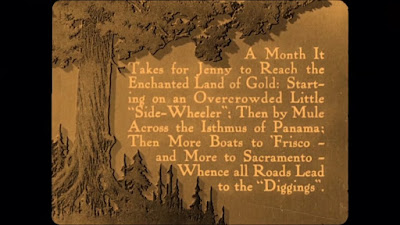
Mary Pickford had to travel a whole month!

O filme dinamarquês de 1913 “Filha do Balé / Ballettens Datter” me apresentou Rita Sacchetto, a protagonista do filme e uma das maiores bailarinas do mundo na época. Rita interpreta Odette, uma mulher dividida entre o casamento e sua profissão de bailarina, pois seu marido, um conde, exigiu que ela parasse de dançar quando eles se casaram, mas ela sente muita falta dos palcos. É possível ver, numa sequência em particular, quão triste ela está, e como ela fica feliz ao visitar sua antiga companhia de balé.

The 1913 Danish film “Unjustly Accused / Ballettens Datter” introduced me to Rita Sacchetto, the film's lead and one of the biggest dancers of the world at the time. Rita plays Odette, a woman torn between marriage and her profession as a dancer, as her husband, a count, demanded her to stop dancing when they got married, but she really misses the stage. You can see, in a particular sequence, how sad she is, and how happy she becomes once she visits her old ballet company.

E do que são feitas boas duplas cômicas se não de contraste? Quando pensamos em duplas visualmente contrastantes no cinema, logo nos lembramos de Stan Laurel e Oliver Hardy. Eles não eram apenas um cara magro e um homem gordo – Stan e Ollie eram opostos e complementares de muitas formas. Laurel aprendeu seu ofício nos palcos ingleses. Hardy era gerente de um cinema e se tornou ator. Laurel fez muitas paródias e também interpretou personagens ingênuos. Hardy foi, de início, escalado como vilão. Laurel era o cérebro, em geral escrevendo e dirigindo os filmes da dupla. Hardy era o coração. Juntos, eles foram icônicos, mas o festival escolheu focar nos dois individualmente, em curtas que eles fizeram antes de se tornarem parceiros – e esta seleção foi incrível, com destaque para o segundo rolo da hilária paródia “When Knights Were Old”.

And what are good comedy duos made of if not contrast? When we think about visually contrasting onscreen duos, we quickly remember Stan Laurel and Oliver Hardy. They were not only a thin man and a chubby guy – Stan and Ollie were opposites and complimentary in many ways. Laurel's background was music hall. Hardy was a theater manager turned screen actor. Laurel did many parodies and also played naïve characters. Hardy was at first cast as a heavy. Laurel was the brain, often writing and directing the films of the duo. Hardy was the heart. Together, they were iconic, but the festival chose to highlight the two individually, in shorts they made before being paired – and this selection was amazing, with the highlight being the second reel of the hilarious parody “When Knights Were Old”.

Mas nem tudo foi contrastante. De volta ao segundo dia da jornada, encontramos “The Brilliant Biograph”, uma compilação de 46 curtas gravados em 68mm e feitos entre 1897 e 1902 por toda a Europa. Vamos dar uma olhada na última parte desta compilação, chamada de “Corpo em Movimento”. Pense na família de malabaristas de 1898 ou nos boxeadores de ponta-cabeça de 1899: eles ainda são divertidos, não? Se eles tivessem sido filmados hoje, o vídeo não viralizaria? O público moderno não fica intrigado e maravilhado com muitas das mesmas coisas que intrigavam e maravilhavam o público da Era Vitoriana? No final, como o festival mostrou, só os séculos mudaram: nós, o público, somos o mesmo. Somos um só.

But not everything was contrasting. Going back to the second day of the journey, we find “The Brilliant Biograph”, a compilation of 46 68-mm short films made between 1897 and 1902 all around Europe. Let's take a look in the last sessionof this compilation, called “Body in Movement”. Think about the Agoust family of jugglers from 1898, or the upside-down boxers from 1899: aren't they still amusing? If they were filmed today, wouldn't the video go viral? Aren't modern audiences intrigued and marvelled by many of the same things Victoran-era audiences were? In the end, as the festival showed, only the centuries have changed: we, the public, are one and the same.


Sunday, May 20, 2018

Laurel & Hardy


Em 13 de março de 1927, um curta-metragem chamado “Duck Soup” estreou e mudou as carreiras de Stan Laurel e Oliver Hardy para sempre. Ambos já eram comediantes estabelecidos, embora algo desiludidos, mas estavam prestes a se tornar não apenas ídolos do público, mas lendas do cinema.

On March 13th, 1927, a short film called “Duck Soup” was released and it changed the careers of Stan Laurel and Oliver Hardy forever. Both were already established comedians, yet a little sour with their little success, but they were about to become not only movie idols, but also film legends.


Ollie antes de Stan / Hardy before Laurel

Norvell Hardy nasceu na Georgia em 1892. Em 1913, já usando o nome Oliver, que era o primeiro nome do seu pai, Hardy entrou no cinema por trás das câmeras. Primeiro, ele abriu sua própria sala de cinema - Hardy foi o mais jovem gerente de sala de cinema nos Estados Unidos!
Mudando-se para a Florida, para os estúdios Lubin, Hardy se tornou responsável por varias coisas, como objetos de cena e iluminação. Ele apareceu em seu primeiro filme em 1914.
De 1914 a 1926, Hardy fez centenas de filmes, geralmente como coadjuvante e quase sempre como valentão, vilão ou personagem muito nervoso.


Norvell Hardy was born in Georgia in 1892. In 1913, already using the name Oliver, that was his father’s first name, Hardy entered the movie business behind the cameras. First, he opened his own movie theater - Hardy was the youngest movie theater manager in the United States!
Moving to the Lubin studio in Florida, Hardy became responsible for several things, like props and lighting. He appeared in his first film in 1914.
From 1914 until 1926, Hardy made hundreds of films, often as a supporting character and usually as a bully, villain or really nervous character.

Stan antes de Ollie / Laurel before Hardy

Arthur Stanley Jefferson nasceu em Lancashire, Inglaterra, em 1890. Ele veio de uma família do teatro, foi uma criança tímida, fez sua estreia nos palcos quando tinha quase 16 anos e, aos 19, foi contratado pela companhia de Fred Karno como substituto de um cara chamado Charles Chaplin.
Em 1912 a companhia fez um tour pelos EUA, e Stan decidiu ficar por lá - Chaplin só migraria para os EUA dois anos depois. Stan trabalhou no teatro por cinco anos, e em 1917 fez sua primeira aparição no cinema.
Stan normalmente era “escada” para as piadas de outros comediantes - como Larry Semon - e em seus filmes de meados dos anos 1920 já é possível vê-lo interpretando personagens ingênuos.


Arthur Stanley Jefferson was born in Lancashire, England, in 1890. He came from a theater family, was a shy kid, made his stage debut when he was about to turn 16 and, at 19, was employed by Fred Karno’s company as an understudy for a little fella called Charles Chaplin.
In 1912 the company toured the US, and Stan decided to stay - Chaplin would only migrate to the US two years later. Stan worked in theater the five following years, and in 1917 he made his first film appearance.
Stan often played second fiddle to other comedians - such as Larry Semon - and in films from the mid-1920s it’s already possible to see him playing naïve characters.

O primeiro encontro: The Lucky Dog (1921) / The first meeting: The Lucky Dog (1921)

Algumas coisas são questão de timing, não de ocasião. Por exemplo: no primeiro filme juntos, “The Lucky Dog” (1921): Oliver Hardy roubou, espancou e ameaçou Stan Laurel com uma arma. Neste filme. “Stanley Laurel” era um homem que havia sido recém-despejado de uma hospedaria, e encontrava um vira-lata que o ajudava a conquistar uma jovem rica. “Babe Hardy” era um ladrão.
“The Lucky Dog” foi filmado alguns anos antes, provavelmente em 191. Podemos afirmar isso por causa da maquiagem nos olhos de Stan - tendência chamada de “kohl eyes” - algo que ele usava apenas nos seus primeiros filmes na década de 1910.
O segundo filme deles foi “45 Minutes From Hollywood” (1926), mas eles não tinham cenas juntos.


Some things are a matter of timing, not chance. For instance: in their first screen appearance together, in “The Lucky Dog” (1921), Oliver Hardy robbed, punched and threatened Stan Laurel with a gun. In this film, “Stanley Laurel” was a man who had just been expelled from a boarding house, and found a stray dog that helped him conquer a young heiress. “Babe Hardy” was a thief.
“The Lucky Dog” was shot a few years earlier, probably in 1919. We can say that because of Stan’s strong eye makeup- “kohl eyes” -, something he used only in his earlier movies of the 1910s.
Their second film was “45 Minutes From Hollywood” (1926), but they didn’t appear in scenes together.

A dupla e o legado / The duo and the legacy 

Em 1926, tanto Laurel quanto Hardy foram contratados por Hal Roach - Laurel como roteirista, Hardy como coadjuvante. Normalmente se diz que quem sugeriu que eles formassem uma dupla foi Leo McCarey, então funcionário de Hal Roach. Roach preferia dizer que foi ele mesmo que juntos os extremos para fazer rir. Não importa quem foi. A parceria funcionou. E como!

In 1926, both Laurel and Hardy were hired by Hal Roach - Laurel as a screenwriter, Hardy as a supporting player. It’s often said that their pairing was suggested by Leo McCarey, then a Hal Roach employee. Roach preferred to say it was him that brought the extremes together for laughs. No matter who did it, the partnership worked. And how!


Laurel e Hardy fizeram tanto curtas quanto longas-metragens, tanto filmes mudos quanto filmes falados, e trabalharam em vários estúdios, como o de Roach, MGM e Fox. “Caixa de Música” (1932), feito nos estúdios de Roach e distribuído pela MGM, é um curta-metragem maravilhoso dirigido por James Parrott - irmão de Charley Chase - com gags diversas, variadas e fugindo do óbvio. “Caixa de Música” ganhou o primeiríssimo Oscar de Melhor Curta-metragem.

Laurel and Hardy did both short and feature films, both silents and talkies, and worked in several studios, like Roach’s, MGM and Fox. “The Music Box” (1932), made at Hal Roach studios and distributed by MGM, is a superior short film directed by James Parrott - Charley Chase’s brother - with several varied, not so obvious, gags. “The Music Box” went to win the first ever Oscar for Best Short Film.


No cinema eles amavam comédia física e slapstick, e também experimentaram com trocadilhos e humor verbal nos longas-metragens. As histórias de Laurel e Hardy se expandiram para outros meios, como histórias em quadrinhos e, mais tarde, desenhos animados - aliás, Walt Disney gostava muito deles. Eles também eram favoritos nas redes de televisão e nas reprises, e em alguns lugares ainda é possível encontrar filmes deles sendo exibidos. Desta maneira, muitas gerações cresceram com Laurel e Hardy.

In movies they loved physical comedy and slapstick, and also experimented with puns and verbal humor in feature films. Laurel and Hardy’s stories expanded to other media, such as comic books and, later, cartoons- by the way, Walt Disney liked them very much. They were also favorites for reruns on television and syndication, and in some places they are exhibited until today. This way, many generations grew up with Laurel and Hardy.

Laurel and Hardy cartoon from the 1960s
Mas há muitos de nós que não os conhecemos como “Stan e Ollie”. Aqui no Brasil a duplo foi batizada de “O Gordo e o Magro”, o mesmo nome dos países que falam espanhol (“El Gordo y El Flaco”). Na Alemanha, eles eram “Dick und Doof” (“o Gordo e o Bobo”) e em Portugal, “Bucha e Estica”.

But there are many of us who don’t know them as “Stan and Ollie”. Here in Brazil the duo was baptized as “O Gordo e o Magro”, the same as it was in Spanish-speaking countries (“El Gordo y El Flaco”). In Germany, they were “Dick und Doof” (“Fat and Dumb”) and in Portugal they were “Bucha e Estica” (slangs for someone fat and someone slim).

Brazilian cartoonist Angelo France transformed Timon and Pumbaa in Laurel and Hardy 

Não importa como você os chama, você não pode negar que eles eram uma grande dupla. Não importa onde você vá, lá você vai encontrar lembrancinhas, estátuas e muitas, muitas pessoas que têm doces memórias envolvendo Laurel e Hardy.

No matter how you call then, you can’t deny they were a great duo. No matter where you go, you can find memorabilia, statues and many, many people with tender memories involving Laurel e Hardy.


Disney artist Hank Porter drew Laurel, Hardy and the Three Little Pigs in the early 1930s

This is my contribution to the Dynamic Duos in Classic Film blogathon, hosted by Aurora and Annmarie at Once upon a Screen and Classic Movie Hub.
Related Posts Plugin for WordPress, Blogger...