“Nasce uma Estrela / A Star is Born” (1937) é meu filme favorito. Talvez tê-lo visto primeiro tirou um pouco a graça da versão de 1954, mas esta refilmagem conta com a interpretação artística e musical de Judy Garland como grande trunfo.
Já que estamos falando sobre mim, vamos à grande notícia: a publicação de meu livro “Escritos de Garota – Contos, Crônicas e Poemas dos 7 aos 17”. Através de uma ferramenta de divulgação de novos autores, o per se, vejo as portas se abrirem não só para mim, mas também para outros talentos que têm dificuldade de começar uma carreira literária enfrentando a burocracia das grandes editoras. Há vários filmes sobre esse tema, aliás.
Com o apoio editorial do per se, fui à luta e reuni o que foi escrito de melhor por mim em 10 anos de formação como escritora. Tem de tudo, para todas as idades e gostos. Devo ter sido a primeira escritora a começar a carreira lançando uma antologia, mas fiquei satisfeita com o resultado e espero que meus leitores também fiquem.
Enfim, terminando esta nota curta e parafraseando “Casablanca” (1942): Espero que seja o começo de uma bela carreira literária!
O ano é 1936. Em pouco mais de 10 minutos de projeção, uma mágica acontece. Mágica que nunca mais voltaria a ocorrer. “Every Sunday” é o único encontro de duas das maiores vozes que a Hollywood do sistema de estúdios conheceria. Pasmem: são vozes de duas adolescentes, mas que soam como as mais experientes cantoras. E elas se formaram sem aulas de música: são dois talentos natos.
Trata-se de Judy Garland, de 14 anos, e Deanna Durbin, de 15. Todo o enredo é apenas um pretexto para fazê-las cantar ao final. O avô de Deanna (aqui chamada por seu verdadeiro nome, Edna). É um regente de orquestra de coreto que não tem tido muito sucesso. Suas apresentações “todos os domingos” estão geralmente vazias. Perto de desistir de tocar, ele é convencido pelas garotas de tentar mais uma vez, deixando-as cantar e convidar uma multidão para ouvi-las.
Judy toma a dianteira na empreitada, sendo ela a responsável por todas as ideias postas em prática. Como não sorrir quando ela diz: “você liga para todos os Jones e Brown e eu ligarei para todos os Smith!”. Ela é, de longe, a estrela do curta, carismática e talentosa em seu primeiro trabalho sem as irmãs mais velhas, que se apresentavam sob o nome “The Gumm Sisters”.
O que se segue é uma saudável competição musical. As meninas cantam cada uma seu ritmo preferido e a seguir se juntam em um duelo (ou dueto?) de ritmos. Deanna canta ópera (a ária “Il Bacio”) e Judy interpreta um jazz chamado “Americana”.
As duas estrelas nunca mais se encontraram. Quando “Every Sunday” chegou aos cinemas, Deanna já tinha assinado contrato com a Universal, que nunca a liberou para fazer um musical de longa-metragem com Judy Garland. Deanna alcançaria sucesso rápido naquele mesmo ano, com “Three Smart Girls” (que devolveu a tranqüilidade ao ameaçado estúdio), porém largou o cinema cedo, aos 27 anos. Judy ficou mundialmente famosa em 1939, como Dorothy em “O Mágico de Oz”, e nunca mais abandonou o show business, por mais cruel que este fosse com ela.
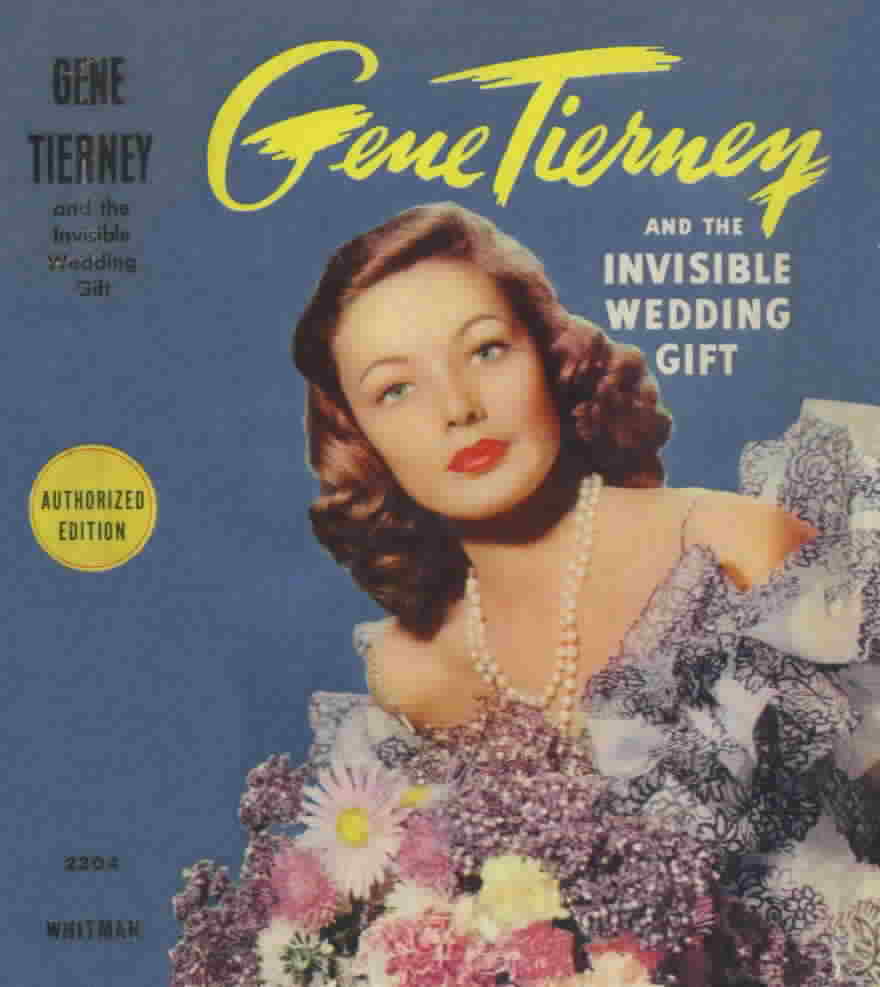
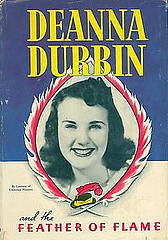
O caminho natural é levar as histórias dos livros para as telas do cinema. Mas não é disso que se trata este post. Outro fenômeno pode ser observado: a transformação de estrelas de cinema em personagens de livros. Um exemplo claro e curioso foi uma série de 16 livros escritos na década de 1940, chamada “Whitman Authorized Editions for Girls”.
Todas as histórias tinham alguma atriz clássica no título. Em alguns, ficava claro que era a própia atriz a protagonista da aventura, baseada em imensa licença poética. Em outros, é esclarecido que a heroína é apenas uma garota comum homônima à atriz. Em apenas duas obras nada disso é esclarecido.
O contexto da Segunda Guerra Mundial está muito presente tanto nas histórias quanto nas ações das heroínas, que podiam servir de exemplo para as moças americanas. As protagonistas normalmente vivem sozinhas com a mãe, uma vez que os homens da família estariam lutando na Europa e na Ásia. Elas devem combater vilões que estão contra o país inteiro (espionando, por exemplo). Outra atitude heroica em tempos de guerra não é largar tudo e tornar-se enfermeira, mas sim entreter os soldados e levar-lhes alegria.
Os livros têm qualidade variável segundo a crítica americana. Em 12 deles, todos escritos por Kathryn Heisenfelt, há um clima de mistério tolamente solucionado ao final. Todas as personagens parecem ser medrosas, inclusive a protagonista. Os dois livros de Eleanor Packer são considerados excelentes e “Ginger Rogers and the Riddle of Scarlet Cloak”, escrito por Lela, mãe de Ginger, é o mais emotivo e bem-sucedido da coleção. Os três piores, citados abaixo, possuem enredos e situações que não fazem muito sentido. Em “Bonita Granville and the Mystery of Star Island”, a atriz ouve uma estranha voz interior a todo momento e, apesar de negar que é a famosa Bonita Granville, pede que todos a chamem por Bonita!
Acima da Média
Deanna Durbin and the Feather of Flame Ann Rutherford and the Key to Nightmare Hall Jane Withers and the Hidden Room Ginger Rogers and the Riddle of the Scarlet Cloak Betty Grable and the House of Cobwebs Dorothy Lamour and the Haunted Lighthouse
Na Média
Deanna Durbin and the Adventure of Blue Valley Betty Grable and the House with the Iron Shutters Ann Sheridan and the Sign of the Sphinx Judy Garland and the Hoodoo Costume Shirley Temple and the Spirit of Dragonwood Shirley Temple and the Screaming Specter Gene Tierney and the Invisible Wedding Gift
Abaixo da Média
Bonita Granville and the Mystery of Star Island Jane Withers and the Phantom Violin Jane Withers and the Swamp Wizard
Essa coleção não foi traduzida para o português. Os livros só podem ser encontrados em sebos americanos. Ainda assim, as publicações de 1947 são muito raras.
Além desse caso, outros astros entraram de tal maneira para a cultura popular que acabaram citados em livros. Temos como exemplo a predileção do protagonista de “To be with her” (do autor Syed Afzal Hayder) por Gregory Peck e de uma personagem de “The Moviegoer” (escrito por Walker Percy) que idolatra William Holden. Isso é que é diálogo entre as artes!
15 de agosto é dia do solteiro. Parabéns para mim. E para muitas outras pessoas que mostram que é possível ser feliz sozinho. Um cumprimento especial a duas moças que desafiaram as expectativas da sociedade da época do cinema mudo e permaneceram sem aliança na mão esquerda, trocando um perecível casamento pelo sucesso e admiração que permanecem ainda hoje.
A primeira delas é Lillian Gish. A donzela sofredora das décadas de 1910 e 1920 é um curioso amálgama de conservadorismo e modernidade. Tradicional na defesa de que não havia racismo em “O Nascimento de uma Nação / The Birth of a Nation” (1915) e na referência a “Mr. Griffith” até a velhice, mesmo que o diretor a considerasse sua amiga próxima. E moderna no pioneirismo como diretora ainda em 1920, além da interferência direta e pessoal junto a William Hays para que ele não censurasse nada em “A Letra Escarlate / The Scarlet Letter” (1926).
"Oh, não! Vou ficar para a titia!"
Embora sua vida amorosa seja pouco conhecida, sabe-se que ela namorou o crítico e editor George Jean Nathan e terminou seu relacionamento com ele ao descobrir que ele era judeu. Ela não considerou nem mesmo o fato de a futura sogra ser católica e de o namorado ter a mesma visão conservadora que ela. Outro namorado, o produtor Charles Duell, envolveu-a num escândalo revelando detalhes da relação à imprensa.
Aos 90 anos de idade, em uma entrevista, Gish disse que nunca se casou porque jamais seria uma boa esposa e dona-de-casa trabalhando como trabalhava, 12 horas por dia, 7 dias por semana, tendo sua mãe como grande modelo de esposa dedicada. Isso não impediu que ela colecionasse admiradores, famosos e anônimos. John Gilbert foi um deles. Além de ela considerá-lo um belo ator e bom amigo, ele próprio estava caidinho por ela. Tanto é que, durante as filmagens de “La Bohème” (1926), ele sempre errava alguma coisa na gravação de cenas de romance para que eles pudessem se beijar de novo. E de novo. E de novo...
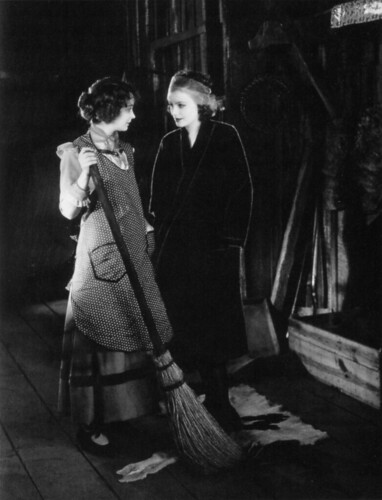
Gish e Garbo no set de "The Wind"
A outra é Greta Garbo. A divina sueca, modelada por Hollywood tanto na aparência quanto no comportamento. Ingênua e acessível aos jornalistas ao chegar, reclusa e misteriosa ao sair de cena. Esta, sim, completamente moderna: usava roupas masculinizantes e desejava ardentemente fazer personagens masculinos no cinema.
Seu visual e seus modos andróginos fizeram surgir boatos de realções com homens e mulheres. Um dos mais conhecidos é a amizade com Mercedes de Acosta, poetisa com quem ela não teve nenhum envolvimento amoroso, como mostrou a correspondência trocada entre elas. A atriz Louise Brooks chegou a alegar que ela e Garbo tiveram uma breve ligação em 1928. Outras fofocas, estas heterossexuais, incluem o ator George Brent, o compositor Leopold Stokowsky e o fotógrafo Cecil Beaton.
Um romance sério foi com,surpresa (!), John Gilbert. Seu par romântico em “A Carne e o Diabo / Flesh and the Devil” (1926) e “Rainha Christina / Queen Christina” (1933), entre outros, foi quase esposo de Garbo. Ela deixou-o plantado no altar em 1927. Mais tarde ela diria que “Não é preciso estar casada para ter um bom amigo como parceiro na vida”. Gilbert se casou quatro vezes, sendo a terceira, em 1929, com Ina Claire, coadjuvante de Greta em “Ninotchcka” (1939). Garbo ficou arrasada com o matrimônio.
Coincidentemente (ou não) Garbo recebeu conselhos de Gish no início de carreira. O estúdio mandou-a assistir às filmagens de “A Letra Escarlate” para que aprendesse a atuar com Lillian. A veterana fez mais do que isso: ensinou-lhe também a escolher os melhores papeis e não ser tão aberta com a imprensa. Depois do fracasso de “O Vento / The Wind” (1928), Lillian Gish foi demitida da MGM. Greta Garbo foi colocada em seu lugar. Não apenas na tela, uma sucedeu a outra no posto de mulher forte, que tem o mundo a seus pés e, talvez por causa disso, nenhum homem que se atreva a propor-lhe casamento.
Gosto de pessoas polivalentes. Que se desdobram. Multitarefa. São muitos os termos, recentes ou já empoierados pelo uso, que podem descrever algumas das grandes personalidades do cinema; personalidades que não se contentaram em causar sensação apenas à frente das câmeras, mas também demonstraram garra e talento para a direção e a criação de roteiros – e muito mais o que a imaginação deixava.
George Méliès: Não é de se espantar que no começo do cinema um homem desempenhasse tantas funções. Sem divisão de tarefas, Méliès conseguiu dirigir mais de 600 filmes, atuar, escrever, produzir, editar, fazer efeitos especiais e até mesmo compor música e ser maquiador. Prestidigitador antes de tudo isso, ele foi responsável por “Viagem à Lua / Voyage dans la Lune” (1902), em que também atua como o professor que idealiza a aventura.
Erich Von Stroheim: O astro austríaco fez muito em terras americanas. Ainda no cinema mudo, foi ator, diretor, roteirista, produtor, editor e até figurinista. Entre seus sucessos estão “Esposas Ingênuas / Foolish Wives” (1922), “Ouro e Maldição / Greed” (1924) e “aquele papel do mordomo” em “Crepúsculo dos Deuses / Sunset Boulevard” (1951).
Charles Chaplin: Hoje Chaplin é sucesso garantido e talento indiscutível. Mas para chegar a esse patamar ele teve de suar a camisa. Diferente de seu mais famoso personagem, ele não foi nada vagabundo e deu duro como roteirista, ator, diretor e compositor. Mesmo sem saber teoria musical, acabou compondo uma das mais belas melodias do século, “Smile”, presente em “Tempos Modernos / Modern Times” (1936). Nada mal para o pobre menino inglês que passou a infância em orfanatos.
Buster Keaton: A expressão em seu rosto era imutável, mas Buster vivia mudando de função. Ele escreveu, produziu, dirigiu e protagonizou várias comédias memoráveis dos anos 1920. Entre elas podemos destacar “Sherlock Jr.” (1924), “Sete Oportunidades / Seven Chances” (1925) e “A General / The General” (1926). Ajudou a criar situações cômicas também em “Uma Noite na Ópera / A Night at the Opera” (1935) e “A Bela Ditadora / Take me out to the Ballgame” (1949). “Buster” é uma gíria para valente na língua inglesa. Keaton provou que podia ser também polivalente.
Laurence Olivier : O ator shakesperiano por excelência também se aventurou como diretor e produtor. Ganhou o Oscar como Melhor Ator e também Melhor Diretor por “Hamlet” (1948). Outros de seus sucessos incluem “Henrique V / Henry V” (1944), “O Príncipe Encantado / The Prince and the Showgirl” (1953) e várias peças de teatro. Além de fazer isso tudo, foi casado com Vivien Leigh, uma das poucas coisas em que não atingiu sucesso absoluto.
Orson Welles: Em seu primeiro filme, Welles foi indicado ao Oscar de Melhor Ator, Diretor e Roteiro. Levou o último. Mas seu trabalho não parou por aí. Ele também foi responsável pela iluminação de “Cidadão Kane / Citizen Kane” (1941) e assinou outras grandes obras como “O Estranho / The Stranger” (1946), “A Dama de Xangai / The Lady from Shangai” (1947) e “A Marca da Maldade / Touch of Evil” (1958). Foi também narrador, figurinista, editor (não em todos os filmes, infelizmente), produtor e, mesmo obeso com o passer dos anos, soube usar bem seu sobrepeso para construir personagens interessantíssimos.
Vittorio de Sica: Ele inaugurou o neorrealismo italiano com “Ladrões de Bicicleta / Ladri di Biciclette” (1948), filme que escreveu e dirigiu. E ele não parou (ou não começou) por aí. De Sica foi também produtor e ator, começando adolescente no cinema mudo. Em “Começou em Nápoles / It started in Naples” (1960), ele rouba a cena de um nédio Clark Gable.
François Truffaut: O pai da Nouvelle Vague foi ator, roteirista, produtor e diretor, mas começou como crítico na famosa revista Cahiers du Cinéma. Sua meta era dirigir 30 filmes e depois se aposentar para escrever livros. Não deu tempo: dirigiu apenas 25, entre eles as obras-primas “Os Incompreendidos / Les quatre cents coups” (1959), “Jules e Jim / Jules et Jim” (1961) e “A Noite Americana / La Nuit Américaine” (1973) e atuou em “Contatos Imediatos do Terceiro Grau / Close Encounters of the Third Kind” (1977).
Ida Lupino: A representante dos dois cromossomos X nessa lista é mais conhecida como atriz, mas também foi produtora, roteirista e diretora. Dirigiu e estrelou o filme “O Bígamo / The Bigamist” (1953) e esteve no comando de episódios de célebres séries de TV, como “A Feiticeira”, “Alfred Hitchcock Apresenta”, “Além da Imaginação”, “A Ilha dos Birutas” e “Dr. Kildare”.
Woody Allen: Woody escreveu e dirigiu comédias que inevitavelmente são consideradas novos clássicos. Além disso, o protagonista normalmente é seu alter ego. Em alguns casos, ele mesmo se encarrega de dar vida a esse outro eu cinematográfico. Suas mais famosas produções são “Noivo Neurótico, Noiva Nervosa / Annie Hall” (1977), “Manhattan” (1979), “Hannah e suas Irmãs / Hannah and her Sisters” (1986) e “Vicky Cristina Barcelona” (2005).
Clint Eastwood: Este homem durão é um bem sucedido ator, diretor, produtor e, vejam só, compositor. O ganhador de quatro Oscars pôs suas mãozinhas em sucessos como “Três Homens em Conflito / Il buono, il brutto, il cattivo” (1966), “Josey Wales, o fora da lei / Josey Wales, the outlaw” (1976), “Os Imperdoáveis / The Unforgiven” (1992) e “Menina de Ouro / Million Dollar Baby” (2004). E, para aumentar minha admiração por ele, seu ator favorito é o mesmo que o meu: James Cagney.
Warren Beatty: Além de irmão da Shirley MacLaine e intérprete de Clyde em “Bonnie & Clyde, uma rajada de balas” (1967), Warren aventura-se como produtor, diretor, roteirista e andou até escrevendo músicas. Ele mostrou sua versatilidade em filmes como “Shampoo” (1975), “O Céu pode Esperar / Heaven can Wait” (1978) e “Segredos do Coração /Love Affair” (1994).
Menção honrosa para Alfred Hitchcock, que dirigiu, produziu, escreveu muitos clássicos e, mesmo não sendo ator, rouba a atenção do público com suas aparições como extra.
Menção mais do que honrosa para Lillian Gish, que, do que eu tenho notícia, foi a primeira mulher a dirigir e escrever um filme, “Remodeling her Husband” (1920), estrelando sua irmã Dorothy Gish. Isso é que é garra e pioneirismo.
Estou em dívida com o western. Embora seja um gênero masculino por excelência, tais filmes me agradam bastante. Um dos motivos é o uso das cores, fato observado apenas no cinema clássico. A paisagem árida e bege do Oeste americano faz contraste com o azul do céu sem nuvens (não consigo me lembrar de um faroeste em que chova), os tons vibrantes das roupas de cowboys e, é claro, o sangue derramado em tiroteios e duelos. Também é um gênero recheado de clichês: o mocinho, o bandido, o saloon, a bebedeira, a donzela indefesa...
“Johnny Guitar” subverte todos esses clichês. Para começar, é protagonizado por duas mulheres fortes, a determinada Vienna (Joan Crawford) e a mal-amada Emma (Mercedes McCambridge). Apesar disso, o próprio título é um nome masculino. Johnny Guitar (Sterling Hayden) é um antigo namorado de Vienna que está de volta à cidade e promete ajudá-la a impedir a construção de uma ferrovia que iria destruir seu saloon. Emma, além de apoiar a construção da ferrovia, quer enforcar o homem por quem era apaixonada, que a recusou e, para completar, participou da morte do irmão da moça. Este homem, Dancin´Kid (Scotty Brady), envolve-se em um assalto a banco que é o estopim para a perseguição generalizada (e liderada por Emma) a Vienna.
Escrito por um redator na lista negra americana, Ben Maddow, a história pode ser lida como uma crítica ao macarthismo: Emma seria responsável pela caça às bruxas, porém ela própria é hipócrita e frustrada (no quesito romance). Se esse viés poílitco está um pouco oculto, o lado feminista está escancarado. Óbvio, pois o faoreste é estrelado por duas mulheres. O que não poderíamos esperar é um embate antológico entre elas ao final, com tamanho estilo que as deixa no mesmo patamar de caubói de John Wayne. Além do duelo, muitas das falas demonstram um feminismo impensável para a época das ferrovias e xerifes.
A sempre ótima Mercedes McCambridge e a imponente Joan Crawford brigavam feio mesmo quando as câmeras estavam desligadas. Joan queria Claire trevor para o papel de Emma, mas teve de se contentar com Mercedes, mais jovem do que ela. Crawford chegou a rasgar e espalhar o figurino da colega pelo set após uma discussão. Por causa disso, Mercedes passou a chegar mais cedo e gravar o que progamou para o dia antes de Joan aparecer.
Nicholas Ray, diretor de clássicos como “Juventude Transviada / Rebel without a Cause” (1955) e “55 Dais em Pequim / 55 Days in Peking” (1963), além de assinar o roteiro, faz aqui mais um grande trabalho, sobretudo com relação às cores. O uso da tecnologia Trucolor ajudou a criar um efeito barroco peculiar neste faroeste. A solteirona Emma veste-se sempre de preto. Vienna usa preto quando é a mulher forte e decidida, branco quando se passa por vítima e vermelho (camisa vermelha e calça de brim) quando está fugindo ao lado de Johnny. Mais uma vez Ray veste seu protagonista de vermelho para destacar sua luta íntima (quem não se lembra da jaqueta vermelha de James Dean em “Juventude Transviada”?). E assim como no filme sobre delinquência juvenil, neste vemos também personagens maltratados pela vida, marginalizados à sua maneira, mas sem toques psicanalíticos que culpam e mostram traumas do passado. São os personagens de Ray um bando de perdidos, sem passado, mas mesmo assim interessantes aos olhos do diretor e do público.
Apesar das atuações, das cores e da famosa música cantada por Peggy Lee, “Johnny Guitar” chamou pouca atenção ao ser lançado. Não repercutiu no Oscar e foi considerado mediano pelos críticos americanos. Ficou de lado até os europeus o descobrirem e elogiarem. Grandes diretores escreveram críticas positivas e confessaram que o filme serviu-lhes de inspiração. Truffaut disse que se tratava de “A Bela e a Fera dos westerns”. Financiado pelos pequenos estúdios Republic, “Johny Guitar” é mais um filme à frente de seu tempo, que só ganhou o merecido recconhecimento ao ser analisado por novas e mais tolerantes gerações, mantendo-se fresco e franco apesar da (ou por causa da) passagem do tempo.
Em pesquisa feita pela imprensa americana, Lucille Ball foi a celebridade morta mais lembrada e elogiada pelo público. Tal honraria se deve, em grande parte, por ter estrelado a primeira sitcom da história, “I Love Lucy”, e várias séries dela derivadas. Outro bom motivo é o carisma e a irreverência dessa ruiva determinada que começou em musicais e descobriu na comédia seu porto seguro.
Nascida Lucille Desiree Ball em 06/08/1911, pisou o palco pela primeira vez aos 12 anos. Aos 15 matriculou-se em uma escola de interpretação, estudando com Bette Davis. Foi recusada por não ter talento. Tornou-se modelo e teve a breve carreira interrompida por uma crise súbita de artrite reumatoide. Recuperada, voltou a fazer algumas propagandas, pequenos shows e uma curta turnê do espetáculo “Rio Rita” como Ziegfeld Girl.
Foi então que a sorte aparentemente sorriu para ela: foi contratada pela RKO, estúdio em que trabalhou por dez anos. Em um de seus primeiros trabalhos para o cinema,”Roman Scandals”(1933), a morena natural teve os cabelos pintados de louro e as sobrancelhas raspadas. O que se seguiram foram papeis como extra em musicais de Fred e Ginger, um filme dos Três Patetas e outro dos Irmãos Marx. Seu maior papel foi em “Stage Door”(1937), ao lado de Katharine Hepburn e Ginger Rogers. Quando chegou o seu momento de brilhar, restaram-lhe apenas protagonistas de filmes de baixo orçamento, o que lhe garantiu o apelido de “Rainha dos Filmes B”, antes atribuído à Fay Wray (King Kong, 1933).
A ida para a MGM traria pequenas, mas significativas mudanças. Logo em “Du Barry was a Lady”(1943), tingiu o cabelo de ruivo, tornando-o sua marca registrada. Teve a oportunidade de trabalhar com astros como Bob Hope e Gene Kelly. Mas ainda não viam nela potencial para uma grande estrela.
Sua salvação estava no rádio. A exemplo do que fizera em outros momentos da carreira, correu para a rádio CBS. Seu programa “My Favorite Husband” era sucesso de público e de crítica, despertando a atenção de um meio de comunicação recém-nascido, mas já muito esperto: a televisão. A proposta era criar um programa em que Lucille repetisse o papel de dona-de-casa divertida. Ela aceitou, com algumas condições: que seu marido Desi Arnaz fosse seu protagonista e que a série fosse gravada em Hollywood com a tecnologia usada no cinema. Embora relutantes, os executivos da rede CBS aceitaram.
Não poderiam ter feito melhor: tinham nas mãos uma pérola, um show que inventaria todo um método de se fazer televisão. “I Love Lucy” durou seis temporadas (1951-1957) e lançou as hoje tão comuns gravações com plateias e utilizando três câmeras, técnica trazida pelo diretor de fotografia Karl Freund, que já havia trabalhado com Fritz Lang (Metropolis, 1927) e F. W. Murnau (Aurora / Sunrise, 1927).
Lucy Ricardo era uma dona-de-casa comum que virava e mexia sonhava com o estrelato e tentava alcançá-lo. Depois de várias confusões, cabia a seu marido músico Rick trazê-la de volta ao conforto do lar, ao qual ela realmente pertencia e do qual nunca devia ter saído. Essa é a moral de “I Love Lucy”. Misógina, sim, mas ao mesmo tempo um modo de não alimentar as esperanças das moças americanas. Na década de 1930 era o star-system que tornava as estrelas intocáveis e acima das pessoas comuns, na década de 1950 era Lucy que mostrava e aprendia que o sonho hollywoodiano não era alternativa para qualquer uma.
Mas o sonho era real para Lucille: naquela década teve seus dois filhos (com mais de 40 anos!) após sofrer três abortos, lucros astronômicos com a série, viu o sucesso de sua produtora Desilu, ganhou quatro prêmios Emmy. Alguns percalços surgiram também, como a investigação junto ao comitê anticomunista que descobrira seu envolvimento, incentivada pelo avô, com o Partido Comunista. Ao contrário de outros casos, o depoimento da agora grande estrela correu sigiloso e em nada resultou.
Depois do fim da sitcom no auge, seu formato foi modificado para que os episódios tivessem uma hora de duração. “The Lucy-Desi Comedy Hour” sobreviveu por mais três anos, acabando junto com o casamento de vinte anos dos atores. Ela faria mais três investidas: “The Lucy Show” (1962-1968), “Here’s Lucy” (1968-1974) e “Life with Lucy” (1986). Todas com atrapalhadas protagonistas de mesmo nome e sobrenome com as letras AR juntas (Ricardo, Barker, Carmichael e Carter), por superstição. Trabalharia ainda na Broadway e em alguns filmes de razoável sucesso, falecendo em 1989.
Carismática e empreendedora, a rainha das segundas-feiras na CBS continua parecendo a mulher comum, ou “the girl next door”. Lucille hesitou antes de aceitar a ideia de “I Love Lucy”. Querendo dar mais estabilidade ao casamento, aceitou-a. Mas disse em uma entrevista que o motivo de ter topado foi que Carole Lombard apareceu em seu sonho e disse para ela dar uma chance ao programa. Verdade ou mentira, mais uma vez Lucy mostrou-se insuperável na sagacidade.
O ano é 64 d. C. Nero governa o império romano, que vive seus últimos suspiros de glória. Em meio ao luxo dos palácios, há a miséria e o regime de escravidão em que vivem aqueles que trabalham para sustentar Roma. Atraídos pelo conceito de igualdade, eles se convertem e se organizam na religião católica. Para controlar as massas, há um poderoso exército e leões famintos no porão do Coliseu.
Nesse contexto surge um amor proibido quase shakespeariano entre o general Marcus Vinicius (Robert Taylor) e a plebeia Lygia (Deborah Kerr), o que desagrada o desequilibrado Nero (Peter Ustinov, insuperável). Durante quase três horas de projeção, o casal frequenta cerimônias religiosas então banidas, conhecendo São Pedro (Finlay Currie), enfrentando o imperador, escapando de um incêndio e ficando muito perto de virar comida de leões.
O projeto foi concebido para ser estrelado por Elizabeth Taylor e Gregory Peck em 1949. Ele acabou sendo deixado de lado por dois anos até que fosse realizado. Com os dois astros indisponíveis, Clark Gable foi procurado para o papel principal. Aos 50 anos, Gable recusou-o por considerar ridícula a sainha do uniforme de soldado romano. Elizabeth Taylor foi chamada para fazer uma ponta como extra. Outra figurante famosa no filme é Sophia Loren, ainda no início da carreira. Por ser uma longa produção com cenários gigantescos e 30000 extras, é quase impossível identificar as duas mulheres em meio à multidão, o que causa controvérsia sobre quando e mesmo se elas realmente participaram do filme.
A recusa de Gable foi de extrema sorte para Robert Taylor, galã que viu sua carreira renascer das cinzas após “Quo Vadis” e hoje, infelizmente, está um pouco esquecido. Par romântico de mulheres talentosíssimas como Greta Garbo em “A Dama das Camélias / Camille” (1936) e Vivien Leigh em “A Ponte de Waterloo / Waterloo Bridge” (1940), ele normalmente era ofuscado por suas parceiras ou coadjuvantes. Aqui, quem rouba a cena é o polivalente Peter Ustinov, interpretando com perfeição o louco imperador megalomaníaco.
Nero entediado
O título em latim vem da frase de São Pedro: “Quo Vadis, Domine?” (“Aonde vai, Senhor?”). Trata-se, acima de tudo, de um filme bíblico que mostra como os cristãos resistiram bravamente às perseguições durante o Império Romano. É de impressionante beleza a sequência de torturas mortais aos quais, sadicamente, os grupos de cristãos são submetidos e, inevitavelmente, a eles sucumbem: lutas com leões, crucificação, queima na fogueira. Ao mesmo tempo em que nos comovem, essas cenas fazem o espectador mais sagaz lembrar o que, séculos mais tarde, os próprios cristãos, aqui vítimas, fariam com os hereges durante a Inquisição.
Com direção de Mervin LeRoy, substituindo John Huston, e música de Miklós Rózsa, “Quo Vadis” é puro entretenimento em tons vibrantes de Technicolor, que deixam a cena do incêndio ainda mais grandiosa (sinceramente, não tem graça filmar um incêndio em preto-e-branco). O compositor assinou as trilhas de outros grandes épicos, a exemplo de “Rei dos Reis / King of Kings” (1963) e “Ben-Hur” (1959). Mais um grande nome é Walter Pidgeon, responsável pela narração. E é nisso que poderia dar uma reunião de tantas estrelas: um grande filme (em todos os sentidos).
Vários filmes em um. Vários destinos ligados por um fraque. Quando essa
elegante peça do vestuário masculino entra na vida dos mais diferentes
moradores de Nova York, seus rumos mudam – para o bem e para o mal...
Several films in one. Several
destinies connected by a dinner jacket. When this elegant piece of men’s
clothing enters the lives of a variety of New Yorkers, their paths change—for
better or for worse...
O alfaiate responsável pelo fraque colocou uma maldição na peça após
desentender-se com o chefe da confecção. Será seu primeiro proprietário
(Charles Boyer) o único a pagar o pato: ele é um ator de teatro que vive um
caso com uma bela mulher (Rita Hayworth) casada com um magnata (Thomas
Mitchell). Um triângulo amoroso cheio de suspense e surpresas em meio a uma
sala decorada com cabeças de animais empalhados.
The tailor responsible for the
dinner jacket puts a curse on it after falling out with the head of the garment
factory. Its first owner (Charles Boyer) will be the only one to pay the price.
He is a stage actor having an affair with a beautiful woman (Rita Hayworth) who
is married to a tycoon (Thomas Mitchell). It is a love triangle full of
suspense and surprises, set in a room decorated with stuffed animal heads.
Em seguida, o fraque vai parar num apartamento em que o noivo (Cesar Romero) se
recupera após sua despedida de solteiro. Sua futura esposa (Ginger Rogers)
chega para visitá-lo e encontra uma carta de amor no bolso do terno dele. É aí
que entra em cena o melhor amigo do noivo (Henry Fonda), disposto a assumir-se
como o destinatário da correspondência. Uma reviravolta acontece durante as
explicações.
Next, the dinner jacket ends up in
an apartment where a groom (Cesar Romero) is recovering from his bachelor
party. His future wife (Ginger Rogers) comes to visit him and finds a love
letter in the pocket of his suit. Enter the groom’s best friend (Henry Fonda),
who is more than willing to claim that he is the intended recipient of the
letter. A twist unfolds as the two men try to explain themselves.
O próximo a vestir o traje de gala é um músico promovido a maestro (Charles
Laughton), naquela que é, em minha humilde opinião, a melhor e mais
surpreendente sequência. Em sua noite de estreia como regente ele precisa se
adaptar à elegância dos colegas e do público, tendo como única opção o apertado
fraque.
The next person to wear the formal
attire is a musician who has just been promoted to conductor (Charles
Laughton), in what is, in my humble opinion, the best and most surprising
sequence of the film. On his debut night as a conductor, he must adapt to the
elegance of his colleagues and the audience, with the ill-fitting dinner jacket
as his only option.
Em um albergue, o fraque é emprestado para um miserável Edward G. Robinson
vestir na reunião de 25 anos de formatura. Mas será preciso bem mais do que boa
aparência para o morador de rua enfrentar os ex-colegas bem-sucedidos.
At a boarding house, the dinner
jacket is lent to a destitute Edward G. Robinson to wear at his 25th college
reunion. But it will take much more than good looks for the homeless man to
face his successful former classmates.
Finalmente, depois de um roubo mal-sucedido, o fraque, cheio de dinheiro, cai
em uma empobrecida região rural. O religioso e ético casal (Paul Robeson e
Ethel Waters) que encontra a veste e o montante terá a árdua, porém nobre,
tarefa de dividir a grana entre as pessoas do local. O próprio Paul Robeson,
que também era cantor, foi responsável pela trilha sonora deste episódio. Mas
nem tudo foi feliz para ele: esse foi o último filme de sua carreira, pois ele
se sentiu muito mal com relação ao estereótipo do negro mostrado na película,
que de certa forma era compartilhado por Hollywood como um todo.
Finally, after a botched robbery,
the dinner jacket, stuffed with money, ends up in an impoverished rural area.
The religious and ethical couple (Paul Robeson and Ethel Waters) who find the
garment and the money will have the arduous yet noble task of distributing the
cash among the local people. Paul Robeson himself, who was also a singer, was responsible
for the soundtrack of this episode. But not everything went well for him: this
was the last film of his career, as he felt deeply uncomfortable with the
stereotypical portrayal of black people in the movie, a stereotype that was, to
some extent, shared by Hollywood as a whole.
Para quem não acompanhou a matemática dos tradutores: há uma sexta história,
excluída da versão conhecida e comercializada no Brasil (a qual eu assisti).
Neste outro esquete, um vigarista (W. C. Fields) compra o fraque por achar que
há dinheiro escondido nele. Vestindo-o, ele vai dar uma palestra sobre
abstinência alcoólica na casa de uma rica senhora (Margaret Dumont). O que
ninguém esperava era que o leite de coco servido estivesse batizado... E isso
torna a festa muito divertida!
For those who missed the
translators’ math: there is a sixth story, omitted from the version known and
commercially released in Brazil (which is the one I watched). In this other
vignette, a con man (W. C. Fields) buys the dinner jacket because he believes
there is money hidden inside it. Wearing it, he goes to give a lecture on
temperance at the home of a wealthy woman (Margaret Dumont). What no one
expected was that the coconut milk being served had been spiked with alcohol...
And that makes the party a lot of fun!
Controvérsias e cortes à parte, “Seis Destinos” é um delicioso filme que
oscila entre drama e comédia, celebrando o talento de cada um de seus
protagonistas. Um “all-star movie” recheado de boas surpresas. Você nunca mais
vai olhar para as roupas usadas da mesma maneira!
Controversies
and cuts aside, Tales of
Manhattan is a delightful film that shifts between drama and
comedy, celebrating the talent of each of its actors. An “all-star movie”
packed with pleasant surprises. You will never look at second-hand clothes the
same way again!
Além
do melhor musical de todos os tempos, “Cantando na Chuva” é uma música
composta, pasmem, em 1927 por Arthur Freed (letra) e Nacio Herb Brown
(melodia), responsáveis por todas as outras canções apresentadas no filme de
1952. É parte da cultura popular norte-americana e (por que não?) mundial.
Talvez o filme estrelado por um lânguido Gene Kelly tenha sido o veículo
principal para tamanha popularidade, mas “Cantando na Chuva” faz ponto no
cinema há muito tempo. São versões diferentes na velocidade, no tom e no
intérprete, porém com uma música inconfundível.
Besides
being the name of the best musical ever, “Singin’ in the Rain” is a song
composed, mind you, in 1927 by Arthur Freed (lyrics) and Nacio Herb Brown
(song), the musicians responsible for all the other songs presented in the 1952
film. The song is part of pop culture in the USA and (why not?) all over the
world. Maybe the film starring a languid Gene Kelly was the main vehicle for
the popularity of the song, but “Singin’ in the Rain” has been part of cinema
for many years. There are different versions with different speeds, tone and
singer, but the song is unmistakable.
1 -
Doris Eaton Travis, a Ziegfeld Girl que mais tempo viveu, foi a primeira a
gravar a música, em 1929, no espetáculo musical “The Hollywood Music Box
Revue”. Talvez o fato de que tivesse um romance com Nacio Herb Brown a tenha
ajudado nessa empreitada.
1- Doris
Eaton Travis, the Ziegfeld girl who lived the longest, was the first person to
record the song, in 1929, in the musical show “The Hollywood Music Box Revue”.
Maybe the fact that she was dating Nacio Herb Brown has helped her to do this
feat.
2 -
No mesmo ano, naquela que talvez seja a primeira extravaganza da
história do cinema, “Cantando na Chuva” estava presente. O cantor Ukelele Ike
apresentou-a tocando no instrumento havaiano que lhe rendeu o apelido. No final
do filme “Hollywood Revue”, feito em Technicolor, todos cantam a música,
vestidos com capas de chuva. Estrelas como Joan Crawford e Buster Keaton estão
na multidão e é fácil reconhecê-los.
2- The
same year, in what can be considered the first extravaganza in cinema history,
“Singin’ in the Rain” was there. Singer Ukelele Ike introduced it playing the
Hawaiian instrument that gave him his nickname. In the end of the film “The Hollywood Revue of 1929”, made in Technicolor, everybody sings the song,
dressed in raincoats. Stars like Joan Crawford and Buster Keaton are in the
crowd and it’s easy to point them out.
3
- Um ano depois, a versão instrumental pode ser ouvida no início de “A
Divorciada”, que rendeu um Oscar de Melhor Atriz a Norma Shearer.
3- One
year later, the instrumental version can be heard in the beginning of “The
Divorcee”, the film that gave Norma Shearer a Best Actress Oscar.
4 -
Em 1932, Jimmy Durante senta em um piano e toca a música no filme “Pernas dePerfil”.
4- In
1931, Jimmy Durante sits by a piano and plays the song in the movie “Speak Easily”.
5 -
Oito anos depois foi a vez de Judy Garland entoar a canção em ritmo acelerado
em “Um Amor de Pequena”, o trabalho em que ela desvencilhou-se da imagem de
garotinha dando seu primeiro beijo.
5- Eight
years later, it was time for Judy Garland to sing the song in an accelerated
rhythm in “Little Nellie Kelly”, the movie in which she parted from the little
girl image by giving her first kiss.
6 -
No mais famoso musical metalingüístico, Gene Kelly, ardendo em febre e com um
terno de lã que encolhia com a umidade, literalmente cantou sob uma chuva feita
de água e leite. Devidamente equipados com capas amarelas, Donald O’Connor e
Debbie Reynolds se juntam a Gene em um coro para a abertura do filme.
6- In the
most famous metalinguistic musical, Gene Kelly, running a fever and wearing a
wool suit that got tighter with humidity, literally sang under a rain made of a
mix of water and milk. Wearing yellow raincoats, Donald O’Connor and Debbie
Reynolds join Gene to sing the song together in the film’s opening.
7 -
Em 1959 “Cantando na Chuva” já aparecia como uma melodia casual, fácil de
assobiar ou cantarolar. É isso que Cary Grant faz num quarto de hotel ao
preparar-se para um banho em “Intriga Internacional”
7- In
1959 “Singin’ in the Rain” already appeared as a casual melody, easy to whistle
or hum. This is what Cary Grant does in a hotel room while getting ready for a shower in “North by Northwest”.
8-
No drama baseado no romance de F. Scott Fitzgerald, “Suave é a Noite”, de 1962,
perto do final do filme, a música é tocada em uma vitrola a bordo de um iate,
quando Dick (Jason Robards) está esquiando na água, deixando sua esposa Nicole
(Jennifer Jones) apreensiva.
8- In the
drama based on a F. Scott Fitzgerald novel, “Tender is the Night”, from 1962,
near the end of the movie, the song is played in a record player on board of a
yacht, when Dick (Jason Robards) is doing water skiing, leaving his wife Nicole
(Jennifer Jones) apprehensive.
9 -
Quem disse que a canção só embala momentos alegres? Mais de quarenta anos
depois de surgir, ela foi a trilha sonora para o horror: o ataque e estupro
provocados pela gangue de “Laranja Mecânica”(1971). Nos créditos finais ela
também é tocada.
9- Who
said that the song is only for happy moments? More than forty years after it
appeared, the song was chosen as soundtrack for horror: the attack and rape by
the gang in “A Clockwork Orange” (1971). The song is played again in the
closing credits.
10 -
Finalmente, na recente animação “Robôs” (2005), o robozinho Fender canta sua
versão denominada “Singin’ in the Oil”, na mesma melodia de “Singin’ in the
Rain”.
10-
Finally, in the recent animation “Robots” (2005), Fender, the little robot,
sings his version called “Singing in the Oil”, using the same tune as “Singin’ in
the Rain”.
Além
de todas essas interpretações na tela grande, “Cantando na Chuva” virou musical
na década de 80 e esteve presente em incontáveis séries televisivas, provando
que clássicos nunca são esquecidos.
Besides all those
interpretations on the big screen, “Singing in the Rain” became a stage musical
in the 1980s and could be heard in innumerable TV shows, proving that classics
are never forgotten.






.png&f=1&nofb=1&ipt=c4e1576235f7bb8653c95bf6ae8ed042e5dfa837db9487ac544f5d2693200afa)


