} Crítica Retrô: Raul Roulien

Tradutor / Translator / Traductor / Übersetzer / Traduttore / Traducteur / 翻訳者 / переводчик

Showing posts with label Raul Roulien. Show all posts

Saturday, February 4, 2017

É de família: os Huston / It runs in the family: the Hustons

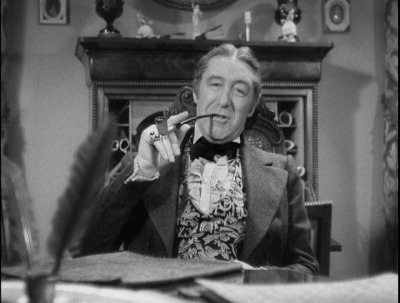
Algumas famílias têm tradições estranhas. Os Huston, por exemplo, têm três gerações de ganhadores do Oscar (um recorde apenas igualado pela família Coppola). E tudo começou com um imigrante canadense.

Some families have weird traditions. Others have golden traditions. The Hustons, for instance, have three generations of Oscar winners (a record only shared with the Coppolas). And it all started with a Canadian immigrant.


Walter Thomas Huston nasceu em Toronto, Canadá, em 1883. Ele estudou engenharia, mas sua verdadeira paixão era a atuação. Mesmo assim, em 1904, quando ele se casou com a jornalista Rhea Gore, ele decidiu se dedicar apenas à engenharia. Sua carreira como engenheiro durou quase cinco anos, até que um erro de Walter ao consertar um reservatório quase deixou uma cidade debaixo d’água. Em 1909, ele se divorciou de Rhea e passou a apenas atuar.

Walter Thomas Huston was born in Toronto, Canada, in 1883. He studied engineering, but his passion was acting. Yet, in 1904, when he got married to journalist Rhea Gore, he dedicated himself only to engineering. His career as an engineer lasted nearly five years, until a mistake made by Walter in a town’s reservoir nearly caused a flood. In 1909, he divorced Rhea and became a full-time actor.


Ele precisaria de mais de uma década para encontrar sucesso na Broadway. Walter estava também entre os atores de teatro que foram para Hollywood com a popularização do cinema falado. Huston fez seu primeiro filme em 1929.

He would need more than a decade to find success on Broadway. Walter was also among the stage actors who went to Hollywood when talkies came. Huston debuted in movies in 1929. 

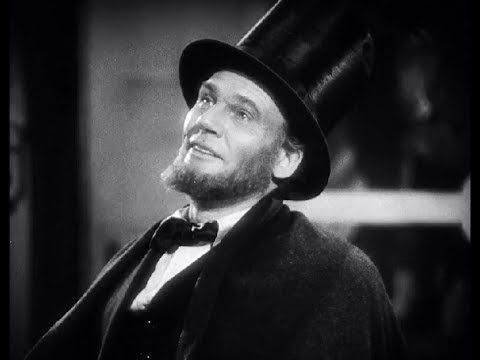
No ano seguinte ele interpretou o mais amado presidente norte-americano, Abraham Lincoln, no filme homônimo dirigido por D.W. Griffith. Walter mais uma vez interpretaria um ícone estadunidense em 1943, quando ele fez o papel do Tio Sam em “O Ataque a Pearl Harbor”, um filme de propaganda feito durante a Segunda Guerra Mundial.

The following year he played the most beloved American president, Abraham Lincoln, in the homonym film directed by D.W. Griffith. Walter would once again play an American icon in 1943, when he portrayed Uncle Sam in “December 7th: The Movie”, a film to boost the country’s moral during WWII.

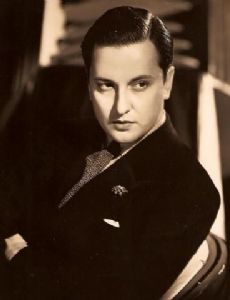
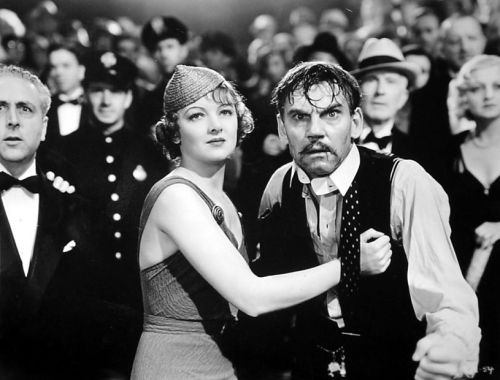
Walter fazia sucesso nas telas no começo dos anos 30 quando seu único filho, o futuro diretor John Huston, se envolveu em um acidente automobilístico. John estava dirigindo bêbado e acabou atropelando e matando a atriz e bailarina brasileira de 23 anos Diva Tosca. Diva era casada com o ator brasileiro Raul Roulien (o cara que sugeriu colocar Fred Astaire e Ginger Rogers para dançarem juntos pela primeira vez!), que tinha uma carreira de sucesso no cinema e na música... até que os Huston cruzaram seu caminho. Raul processou o motorista bêbado que fez dele um viúvo, mas o poderoso e superprotetor Walter Huston quis proteger seu filho e usou sua influência para que o júri inocentasse John. Mesmo assim, ele pagou uma indenização ao pobre Raul. Por causa deste pequeno escândalo, Raul Roulien não conseguiu mais trabalho em Hollywood e voltou para o Brasil, onde morreu em 2000.

Walter was enjoying screen success in the early 1930s when his only son, future director John Huston, got involved in a car accident. John was drunk and ended up hitting and killing 23-year-old Brazilian actress and ballerina Diva Tosca. Diva was married to Brazilian actor Raul Roulien (aka the man who put together Fred Astaire and Ginger Rogers), who had been enjoying a career in film and music… until the Hustons got in his way. Raul sued the drunk driver who made him a widow, but powerful and overprotective Walter Huston protected his son and bribed the jury to make John be proclaimed innocent, but paid an amount of money to grieving Roulien. Because of the small scandal, Raul Roulien couldn’t find work in Hollywood anymore and went back to Brazil, where he died in 2000.   

Diva Tosca / Young John Huston
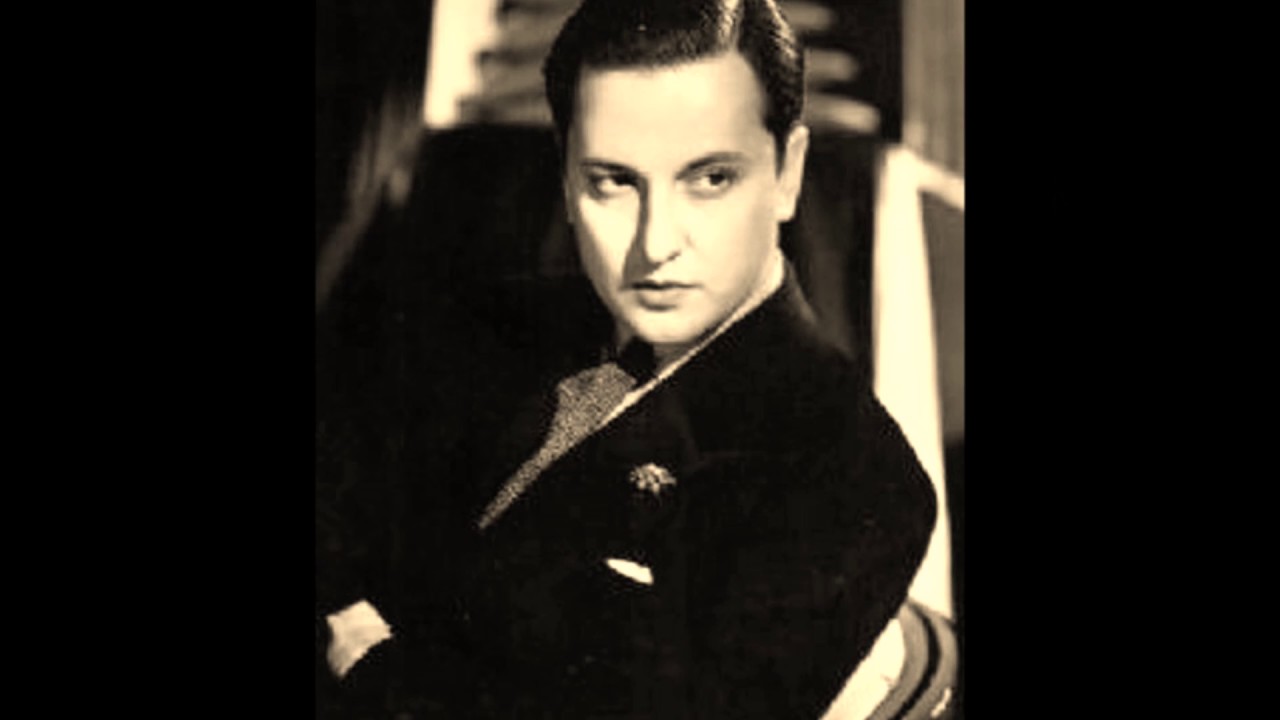
Raul Roulien
Naquela época John tinha vinte e poucos anos, já havia aparecido em minúsculos papéis no cinema e estava então escrevendo diálogos e roteiros. Seu grande salto para a fama viria quando ele adaptou e dirigiu “O Falcão Maltês” em 1941. Ele dirigiu muitos outros filmes inesquecíveis em sua carreira, e viveu uma vida conturbada, se casando cinco vezes e tendo cinco filhos.

By then John Huston was in his 20s, and had already done bit parts and was writing scenarios and dialogues. His big break would come when he adapted and directed “The Maltese Falcon” in 1941. He directed many unforgettable films and lived an erratic life, marrying five times and having five kids.

Walter and John
Anjelica Huston, filha de John, nasceu quando ele estava no Congo Belga filmando “Uma Aventura na África” (1952). Ela fecha a trindade de ganhadores do Oscar na família. Anjelica ganhou o Oscar de Melhor Atriz Coadjuvante por “A Honra do Poderoso Prizzi” (1984), filme dirigido por seu pai. John ganhou dois Oscars por “O Tesouro de Sierra Madre” (1948): Melhor Diretor e Roteiro Adaptado. Este mesmo filme deu a Walter Huston seu único Oscar, de Melhor Ator Coadjuvante.

John’s daughter Anjelica Huston was born when he was in the Belgian Congo shooting “The African Queen” (1952). She closes the trinity of Oscar winners in the family. Anjelica won the Oscar as a Supporting Actress for “Prizzi’s Honor” (1984), directed by her father. John won two Oscars for “The Treasure of Sierra Madre” (1948): best Director and Adapted Screenplay. This same movie gave Walter Huston his only actor, for a Supporting Role.

John and Anjelica
O filho mais velho de John, Tony Huston, já escreveu roteiros para o cinema. Tony é pai do ator Jack Huston, que protagonizou o muito criticado remake de Ben-Hur de 2016. Danny, também filho de John, é um ator que já participou de vários filmes, entre eles “Grandes Olhos” (2014).

John’s oldest son, Tony Huston, did some writing for the screen. Tony is the father of actor Jack Huston, who starred in the much criticized 2016 version of Ben-Hur. John’s son Danny is also an actor, and appeared in such films as “Big Eyes” (2014).

Click to enlarge
Entre todos os Huston, Walter é meu favorito. Ele é ótimo mesmo em papéis pequenos e emocionalmente exigentes, como em “A Canção da Vitória” (1942). Mas seu melhor trabalho é, em minha opinião, como o protagonista de “Fogo de Outono” (1936). Para os Huston, tudo começou com Walter.

Of all the Hustons, Walter is my favorite. He is great in small but heavily emotional roles, like in “Yankee Doodle Dandy” (1942). But his best work is, in my opinion, as the lead in “Dodsworth” (1936). For the Hustons, everything started with Walter.

This is my contribution to the 2017 O Canada Blogathon, hosted by Ruth and Kristina at Silver Screenings and Speakeasy.

Friday, February 27, 2015

E o Mundo Marcha (1934) / The World Moves On (1934)

*Atenção: No IMDb o título do filme é “A Marcha dos Séculos”. Entretanto, ele foi exibido na televisão como “E o Mundo Marcha”*
Vez ou outra encontro um filme em preto e branco na TV a cabo e, não importa seu enredo ou seus protagonistas, sempre o assisto. E vez ou outra este filme surpresa se transforma, em frente aos meus olhos, em uma obra-prima desconhecida e menosprezada. “E o Mundo Marcha” só é lembrado por ter sido o primeiro filme aprovado pelo Código Hays (está lá o selo número 1 no começo da película), mas este belo trabalho de John Ford merece muito mais reconhecimento.

Every now and then, I find a black and white film on cable TV and, no matter the story or the leads, I watch it. And every now and then this surprise film becomes, in front of my eyes, in an unknown and underrated masterpiece. “The World Moves On” is only rememberd as the first film approved by the Hays Office (the seal with the number 1 is there in the beginning of the film”, but this beautiful film by John Ford deserves a lot more recognition.


Só o nome de John Ford já anuncia que estamos prestes a ver algo muito bom. E a história dividida em fases não decepciona. No início do século XIX, as famílias Warburton e Girard se unem no negócio do algodão. O marido de Mary Warburton (Madeleine Carroll) se torna sócio de Richard Girard (Franchot Tone), mas Mary e Richard se apaixonam. Quase um século se passa até que esse amor possa ser consumado através dos bisnetos de Mary e Richard, que “por acaso” têm o mesmo nome dos antepassados e são interpretados pelos mesmos atores. Até então o negócio do algodão foi um sucesso total, mas tempos tempestuosos estão por vir.

John Ford’s name alone announces that we’re about to see something very good. And the story that is divided in phases does not disappoint. In the beginning of the 19th century, the families Warburton and Girard make a partnership to sell cotton. Mary Warburton’s (Madeleine Carroll) husband becomes partners with Richard Girard (Franchot Tone), but Mary and Richard fall in love. Almost a century goes by until this love can be consummated through Mary’s and Richard’s great-grandkids, who “by chance” have the same name as them and are played by the same actors. Until then the cotton business had been going well, but bad times are coming.


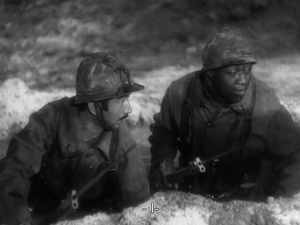
Um fortuito detalhe do enredo: o negócio de algodão é comandado por diversos herdeiros, cada um vivendo em um país afetado pela Primeira Guerra Mundial. Temos percepções diferentes dos campos de batalha e da luta dentro dos exércitos francês, inglês, americano e alemão. O ator que interpreta Henri Girard, aliás, é o brasileiro Raul Roulien, que John Ford considerava “meu amigo e grande ator”.

An interesting detail in the plot: the cotton business is managed by several heirs, each one living in a country affected by World War I. Because of this we have different perceptions of the battle field and the fights inside the French, English, American and German armies. The actor who plays Henri Girard, by the way, is the Brazilian Raul Roulien, who John Ford considered “my friend and great actor”.


Todo e qualquer espectador fica boquiaberto nos minutos finais do filme, quando John Ford prevê a Segunda Guerra Mundial – com uma marcha de suásticas e tudo o mais. Serão tempos difíceis, prevê a personagem de Madeleine Carroll.

Each and all viewers become speechless in the final minutes of the film, when John Ford predicts World War II – with a march full of swastikas. These will be difficult times, and Madeleine Carroll’s character predicts.


Há, sim, um detalhe que mancha o filme, e não posso deixar de citá-lo: o tratamento do personagem Dixie (Stepin Fetchit) é muito, muito racista. O pobre negro não é nada inteligente, e por isso sempre está envolvido em confusões. Obviamente, a intenção original era usar o personagem como contraponto cômico em meio ao drama, mas aqui John Ford cometeu um grande erro. Em 1934 o personagem poderia ter sido engraçado (e ele até é divertido ainda hoje, porém causa mais vergonha que riso), mas o tempo e as novas ideias de igualdade e respeito mancharam este aspecto do enredo. Só que Stepin Fetchit pouco importava com as reações contra sua persona cinematográfica: parceiro constante de John Ford, foi o primeiro ator negro de cinema a ficar milionário.

There is a negative detail in the film, and I have to mention it: the treatment of the character Dixie (Stepin Fetchit) is very, very racist. The poor black man is not intelligent, and gets involved in many troubles because of it. Obviously, the original intention was to use the character as a comic relief in the middle of so much drama, but John Ford made a huge mistake. In 1934 the character could have been funny (and he is kinda funny even today, but now he generates more shame than laugh), but time and new widespread ideas of equality and respect stained this detail of the film. But Stepin Fetchit didn’t really care about the reactions against his film persona: a constant in John Ford’s stock company, he was the first black actor to become a millionaire.

Raul Roulien e Stepin Fetchit
É o melhor filme de algum dos envolvidos? Definitivamente não. Madeleine Carroll fez “Os 39 Degraus / The 39 Steps” em 1935, mesmo ano em que Franchot Tone esteve em “O Grande Motim / Mutiny on the Bounty” e “Perigosa / Dangerous”. John Ford esteve envolvido na confecção de uma dúzia de clássicos, e por isso é até compreensível a mínima atenção dada a este filme.

Is this the best film of any of the involved cast? Not at all. Madeleine Carroll did “The 39 Steps” in 1935, the same year when Franchot Tone did “Mutiny on the Bounty” and “Dangerous”. John Ford was involved in the making of a dozen classics, and that’s why we can understand the little attention given to this film.


Para Peter Bogdanovich, John Ford confessou que gostaria de esquecer que fez “E o Mundo Marcha”. Ele não queria dirigir o filme. Brigou, discutiu, ganhou a fama de durão, e não escapou. A Fox o obrigou a dirigir a película, pois a intenção era repetir o sucesso de “Cavalgada / Cavalcade”, Oscar de Melhor Filme de 1933 que também contava a saga de uma família durante muitas gerações e vários conflitos. Não havia sobrado criatividade para o roteirista Reginald Berkeley, e o resultado são diálogos e situações que não ficam muito tempo na nossa memória.

To Peter Bogdanovich, John Ford confessed that he’d like to forget that he did “The World Moves On”. He didn’t want to direct the movie. He fought, argued, became known as a tough guy, and had to do it anyway. Fox made him direct the film, because they wanted to repeat the success of “Cavalcade”, the 1933 Best Picture Winner that also told the story of a family through several generations and many conflicts. There was not much creativity left for screenwriter Reginald Berkeley, and the result are dialogs and a situations that don’t stay long in our memories.


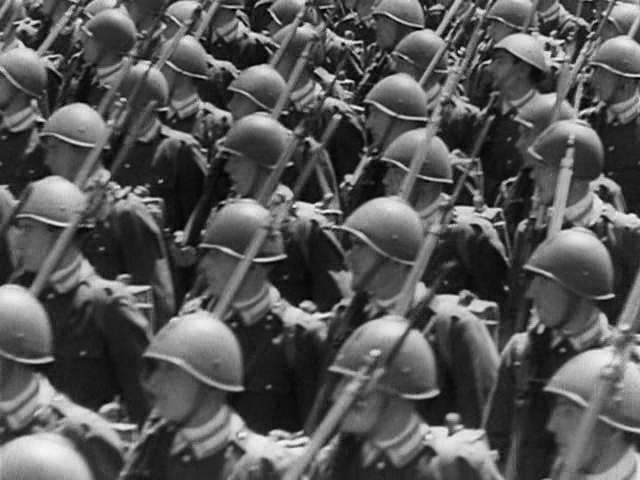
O que fica são as cenas de guerra, que causam um estranho déjà vu até no espectador mais jovem. Associei as cenas com “O Grande Desfile/ The Big Parade” (1925), mas a fonte era outra: as elogiadas cenas de batalha eram nada mais que cenas não utilizadas de “Cruzes de Madeira”, filme francês de 1932.

What stay with us is the war scenes, that cause a strange déjà vu even in the youngest viewer. I associated the scenes with “The Big Parade” (1925), but the source was different: the great battle scenes were only unused footage from “Wooden Crosses”, a French film made in 1932.


Madeleine Carroll, emprestada ao estúdio Fox em seu primeiro trabalho nos Estados Unidos, estava mais interessada no diretor Ford que no filme em si. John Ford preferiu esquecer esta sua obra. Franchot Tone não parece ter comentado sobre ela. O filme foi um fracasso de bilheteria, mas surpreende quem hoje, oitenta anos após ser filmado, lhe dá uma chance de mostrar a que veio. Porque até o pior filme de John Ford é excelente.

Madeleine Carroll, loaned to Fox in her first work in the US, was more interested in director Ford than in the film itself. John Ford preferred to forget this work. It looks like Franchot Tone never said anything about it. The film was a box-office failure, but it surprises whoever gives it a try today, eighty years after it was filmed. Because even John Ford’s wors movie is excellent.

This is my contribution to the Madeleine Carroll blogathon, hosted by Dorian at Tales of the Easily Distracted and Ruth at Silver Screenings!
Related Posts Plugin for WordPress, Blogger...