} Crítica Retrô: Liza Minnelli

Tradutor / Translator / Traductor / Übersetzer / Traduttore / Traducteur / 翻訳者 / переводчик

Showing posts with label Liza Minnelli. Show all posts

Monday, September 26, 2022

Cabaret (1972)


Você sabe quando uma flor aparece no meio do concreto? O mesmo pode acontecer com as artes: no meio do caos, às vezes a arte - arte bem feita, até mesmo obras-primas - floresce. E então as pessoas são felizes e livres... até que a tragédia acontece. Isso aconteceu na República de Weimar (1918-1933), uma época que viu o Expressionismo Alemão e o Kammerspiel no cinema, a cultura dos cabarés e a liberdade de ser quem você realmente é. O perigo estava se aproximando, mesmo assim: incapazes de verem os outros felizes, os nazistas surgiram e se espalharam, prontos para recobrar o controle da vida das pessoas em nome da “moral”. Sim, esta é uma lição que devemos aprender - para cada conquista de grupos minoritários haverá uma reação das pessoas que não suportam ver seus privilégios sendo retirados -  mas é também algo mais para prestarmos atenção: a arte espetacular feita sobre estes raros períodos de liberdade. Um destes filmes espetaculares está completando 50 anos este ano: “Cabaret”, de Bob Fosse.

Do you know when a flower appears in the middle of concrete? The same can happen to the arts: in the middle of chaos, sometimes art – good art, even great art – flourishes. And then people are happy, and free... until tragedy strikes. This happened in the Weimar Republic (1918-1933), a time that saw the German Expressionism and the Kammerspiel in cinema, the culture of cabarets and the freedom of being who you truly were. The danger was looming, nevertheless: unable to see others being happy, Nazis appeared and spread, ready to reclaim control of people's lives over the excuse of “morality”. Yes, this is a lesson from us to learn - for every conquest of minority groups there will be a reaction from people who can’t stand seeing their privileges being taken away - but it’s also something else to look out for: great art made about these rare periods of freedom. One of those great movies is turning 50 this year: Bob Fosse’s “Cabaret”.
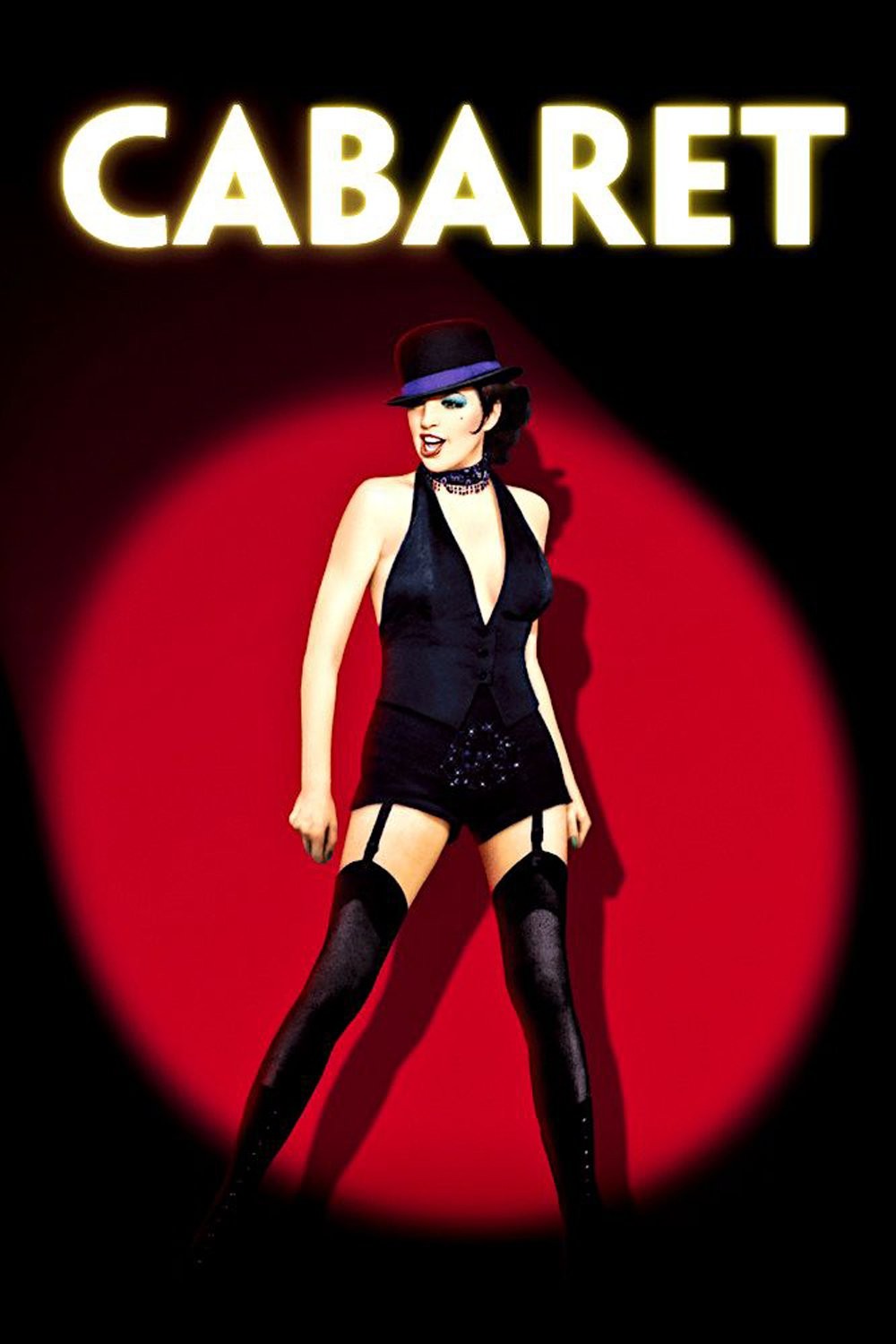
Sally Bowles (Liza Minnelli) é uma dançarina no Kit Kat Club, um cabaré que apresenta alguns números elaborados e outros nem tão elaborados. Sally fica amiga do acadêmico e professor de inglês Brian (Michael York), que vai morar na mesma pensão em que Sally mora. Sally também fica conhecendo uma das alunas de Brian, a judia Natalia Landauer (Marisa Berenson). Natalia está apaixonada por Fritz (Fritz Wepper), um judeu que mente que é protestante.

Sally Bowles (Liza Minnelli) is a dancer at the Kit Kat Club, a cabaret for some elaborate numbers and some not-so-elaborate ones as well. Sally befriends the academic and English teacher Brian (Michael York), who comes to live in the same boarding house as she does. Sally also gets to know one of Brian’s students, Jewish Natalia Landauer (Marisa Berenson). Natalia is in love with Fritz (Fritz Wepper), a Jew who lies saying he’s a Protestant.

Um dia na lavanderia, enquanto tenta s comunicar usando seu pequeno conhecimento do alemão, Sally recebe ajuda de Maximilian (Helmut Griem), um homem muito rico - e casado. Em vez de um triângulo amoroso, Sally, Brian e Maximilian rapidamente se transformam em um trio. O nazismo está à espreita enquanto eles vivem, amam e se divertem, mas Sally tem problemas mais importantes para resolver.

One day at the laundry, while trying to communicate using her weak German, Sally is helped by Maximilian (Helmut Griem), a very rich - and married - man. Instead of a love triangle, quickly Sally, Brian and Maximilian become a trio. Nazism is lurking while they live, love and laugh, but Sally has more important problems.

Sally quer ser uma atriz na Alemanha - como Lya de Putti, ela diz. O cinema alemão estava indo muito bem nos anos 1920 e 1930. O país fez filmes incríveis e exportou diretores - como F.W. Murnau - e atores - como Emil Jannings, o primeiríssimo ganhador do Oscar de Melhor Ator, e a própria Lya de Putti, inspiração de Sally - para Hollywood. Isso significa que Sally tinha razão em se inspirar em atores alemães da época e tinha uma chance de alcançar seu sonho de se tornar uma grande estrela.

Sally wants to be an actress in Germany - like Lya de Putti, she says. German cinema was doing very well in the 1920s and early 1930s. The country made stunning films and exported directors - like F.W. Murnau - and actors - like Emil Jannings, the first-ever Best Actor Oscar winner, and even Lya de Putti, Sally’s inspiration - to Hollywood. This means that Sally was right about being inspired by German actors of the period and had a chance in her dreaming to make it big.
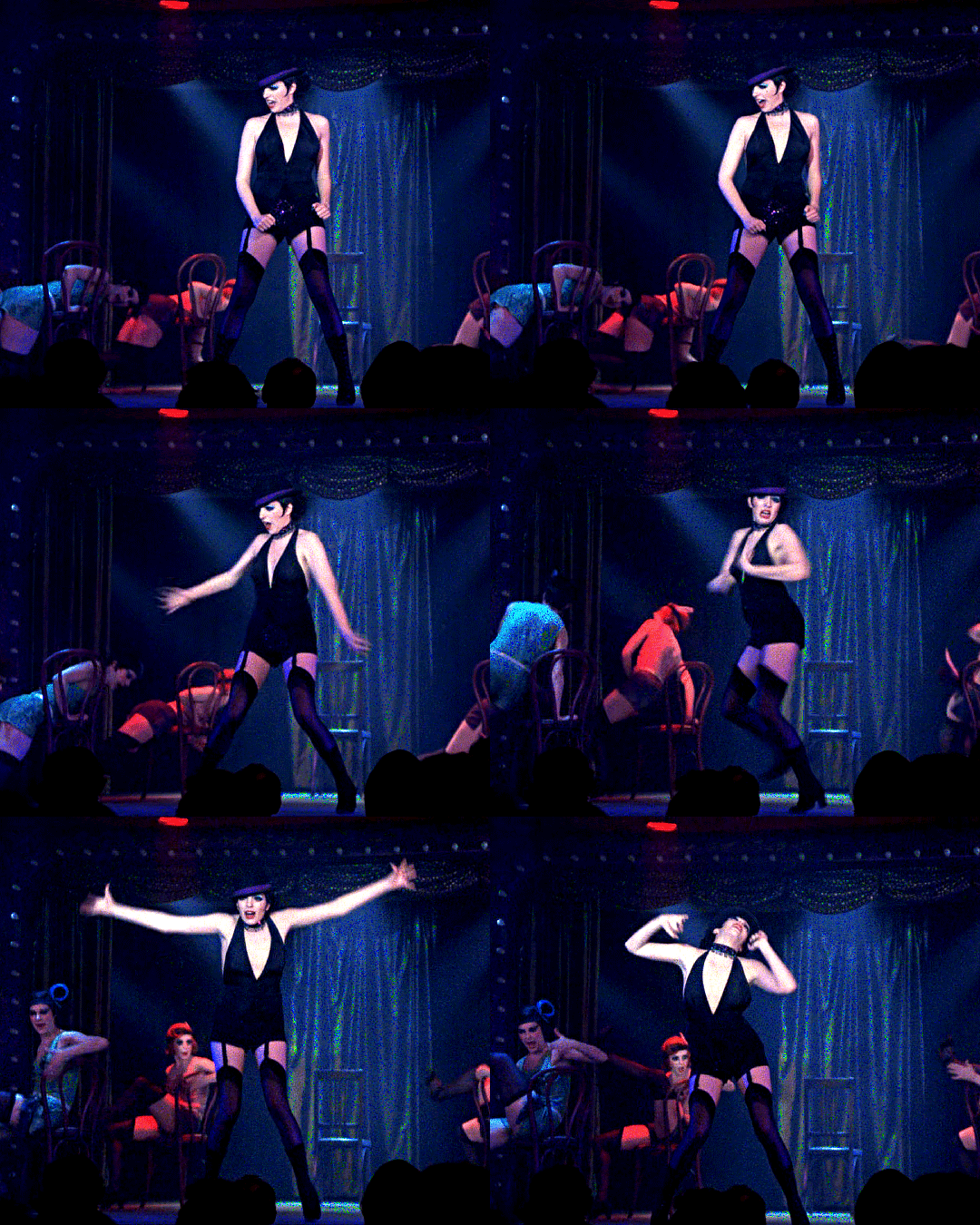
Ao passarem perto do corpo de um homem assassinado pelos nazistas, um motorista diz: “deixe que eles se livrem dos comunistas, depois nós podemos controlá-los”. Quando Brian pergunta quem são “nós”, o motorista responde “a Alemanha, é claro”. Como ele estava errado - e como estão erradas algumas pessoas ainda hoje! Para manter uma sociedade tolerante, é preciso ter tolerância zero com a intolerância. Discurso de ódio deve ser eliminado no começo, para que não se torne ataques de ódio. Se você não pode destruir ativamente a intolerância, você ainda pode se opor em silêncio - como um senhor de idade que permanece sentado quando um menino nazista canta “Tomorrow Belongs to Me” - ou, o que é mais esperto, ir embora como Brian e Maximilian fazem.

While passing by the body of a man murdered by Nazis, a chauffeur says: “let them get rid of the communists, later we can control them”. When Brian asks who’s “we”, the chauffeur says “Germany, of course”. How wrong he was then - and how wrong are some people now! To maintain a tolerant society, we must have zero tolerance for intolerance. Hate speech must be stopped in the beginning, so it won’t become hate acts. If you can’t actively destroy intolerance, you can silently oppose - like the older man who keeps seated when a Nazi boy starts singing “Tomorrow Belongs to Me” - or, which is wiser, flee like Brian and Maximilian do.

Os números musicais acontecem dentro do cabaré e Sally é a grande estrela, mas não podemos nos esquecer de mencionar a performance de Joel Grey como o Mestre de Cerimônias. O vencedor do Oscar de Melhor Ator Coadjuvante, Grey já havia ganhado um prêmio Tony por interpretar o Mestre de Cerimônias na Broadway, onde “Cabaret” teve mais de mil apresentações entre 1966 e 1967.

The musical numbers happen inside of the cabaret and Sally is the big star, but we must not forget to mention Joel Grey’s performance as the Master of Ceremonies. The winner of the Oscar for Best Actor in a Supporting Role, Grey had already won a Tony Award for playing the Master of Ceremonies on Broadway, where “Cabaret” ran from more than a thousand performances between 1966 and 1967.  

O filme foi rodado em locação na Berlim Ocidental, usando muitos dos cenários usados anteriormente em “A Fantástica Fábrica de Chocolate” (1971). Sally Bowles foi inspirada por uma cantora de cabaré e aspirante a estrela de cinema real - mas não muito talentosa: Jean Ross. Jean foi membro do partido Comunista em Berlim e se tornou correspondente na Guerra Civil Espanhola (1936-1939).

The movie was filmed on location in West Berlin, in many of the same sets used for “Willy Wonka & the Chocolate Factory” (1971). Sally Bowles was inspired by a real - yet not very talented - cabaret singer and movie star-wannabe, Jean Ross. Jean was a member of the Communist party in Berlin and became a correspondent in the Spanish Civil War (1936-1939).
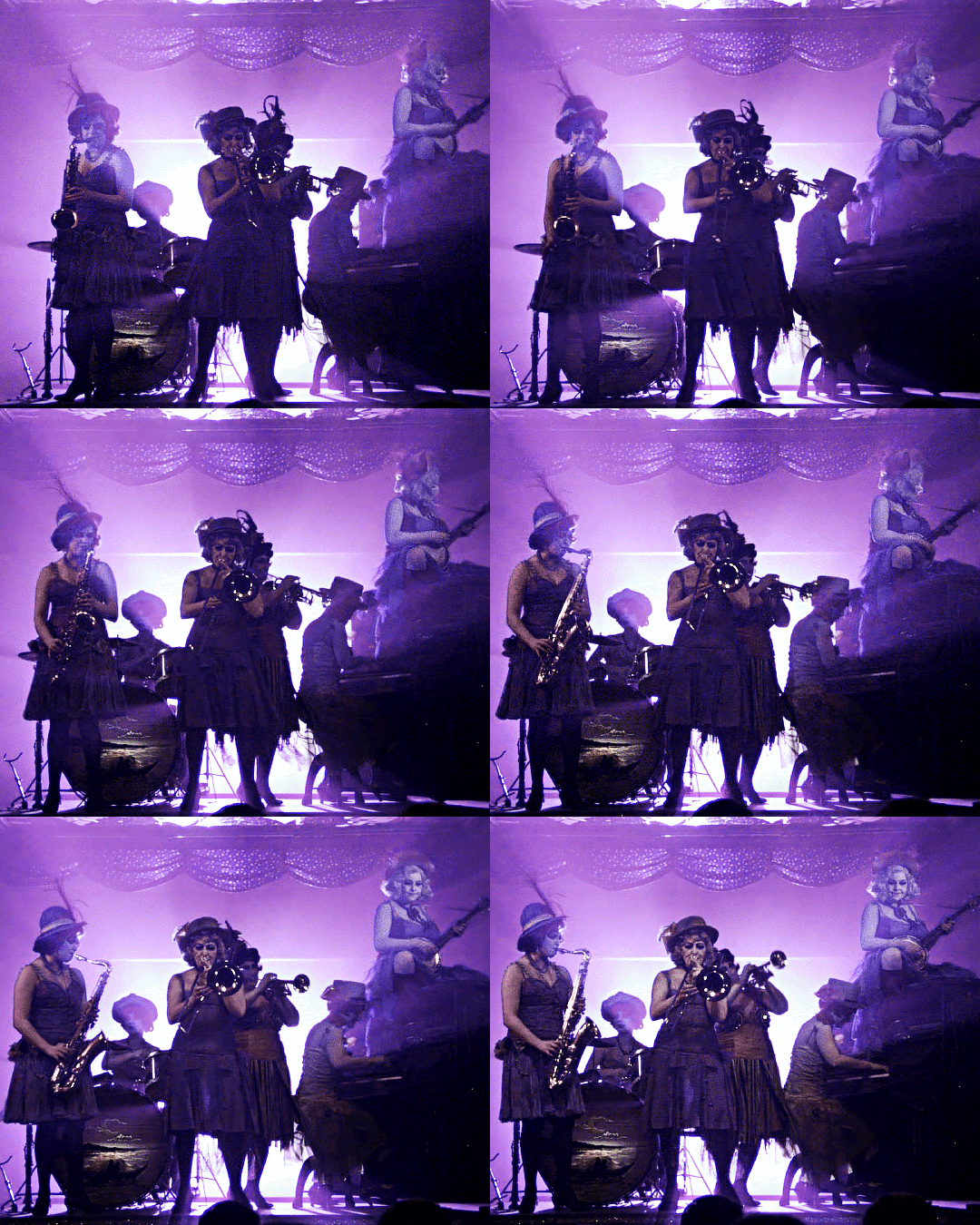
Eu tenho uma confissão a fazer: eu nunca tinha assistido a “Cabaret”. Gostei muito do filme, mas não amei. É um bom “slice of life”, e Liza é realmente mágica como Sally - um Oscar merecido! As músicas são tão icônicas que eu já as conhecia e pude cantar junto. “Cabaret” é mais que um filme: é uma experiência cinematográfica. Das boas.

 I have a confession to make: I had never watched “Cabaret” before. I really liked it, but didn’t love it. It’s a good “slice of life” movie, and Liza is indeed magical as Sally - well deserved Oscar win! The songs are so iconic that I already knew all of them beforehand and could sing along. “Cabaret” is more than a movie: it’s a cinematographic experience - a great one.

This is my contribution to the Fifth Broadway Bound blogathon, hosted by Rebecca at Taking Up Room.

Friday, June 9, 2017

Judy e Liza: de mãe para filha / Judy and Liza: from mother to daughter

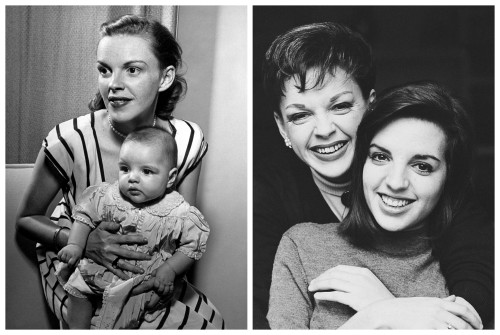
O talento é algo hereditário? Pesquisadores dizem que talento é 50% herdado nos genes e 50% desenvolvido com a prática. Nós não vamos nos aprofundar no campo da genética hoje, apenas apresentaremos um caso que, considerado sozinho, provaria que talento pode ser herança de família: o caso de Judy Garland e Liza Minnelli.

Is talent hereditary? Researchers say that talent is 50% a matter of genes, and 50% a matter of hard work. We won't dive deeper into the genetics field today, we'll simply show a case that, considered isolated, would prove that talent can run in the family: the case of Judy Garland and Liza Minnelli.
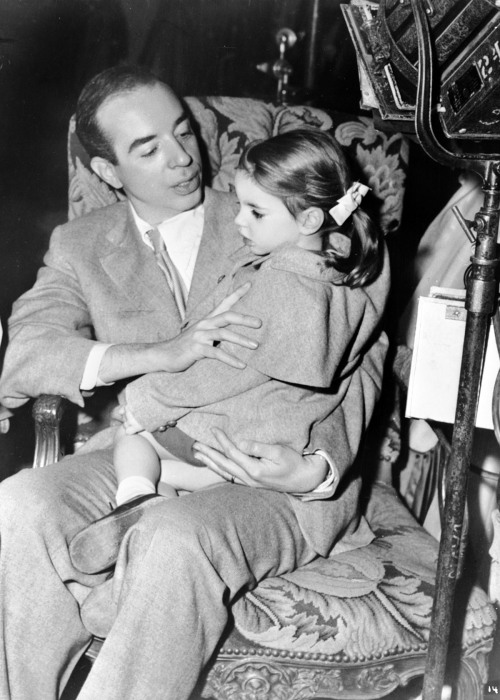
Liza Minnelli, quando jovem, tinha a aparência e a voz da mãe. Agora que está mais velha, ela se parece mais com o pai, Vincente Minnelli. Um caso semelhante ao de outra filha de uma rainha do cinema: Isabella Rossellini, que se parecia com a mãe, Ingrid Bergman, quando era mais jovem, e agora lembra mais o pai, Roberto Rossellini.

Liza Minnelli, at a younger age, looked and sounded a lot like her mother. Now that she is older, she resembles more her father, Vincente Minnelli. A similar thing happened to another daughter of cinema royalty: Isabella Rossellini, who looked like her mother, Ingrid Bergman, in her earlier years, and now looks more like her father, Roberto Rossellini.
Liza and Vincente Minnelli
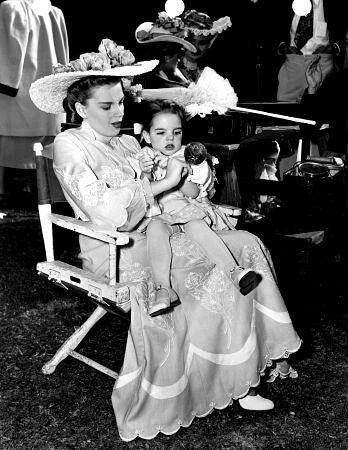
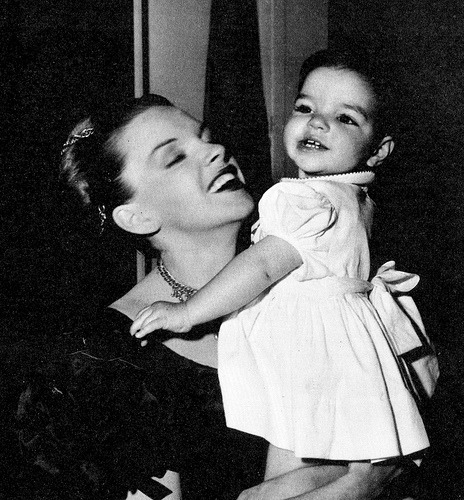
Liza fez sua estreia no cinema in utero – ou quase isso. Judy, então com 23 anos de idade, estava grávida de Liza durante as filmagens de “Quando as Nuvens Passam” (1946), mas sua barriga ainda não é evidente o bastante. A garotinha que nasceu da união de Judy e Vincente foi batizada com o nome de Liza, uma canção de Ira Gershwin, seu padrinho. Com catorze meses de idade, Liza Minnelli fez sua estreia de fato no cinema, na sequência final de “A Noiva Desconhecida” (1949), protagonizado por sua mãe.

Liza first appeared on film in the womb – or almost. Judy, then 23 years old, was pregnant with Liza during shooting “Till the Clouds Roll By” (1946), but her bump is not big enough to be seen onscreen. The little girl she gave birth to was named after her godfather’s Ira Gershwin song Liza. At the age of fourteen months, Liza Minnelli did her real film debut, in the final sequence of “In the Good Old Summertime” (1949), in which her mother was the lead.
Na infância, Liza era comumente fotografada ao lado dos pais no estúdio. Quando sua mãe saía em turnê, ela a acompanhava, e por isso passava muito tempo em hotéis. Este fato fez de Liza a inspiração para a protagonista do livro Eloise, escrito por Kay Thompson, madrinha de Liza. Judy e Vincente se divorciaram em 1951, quando Liza tinha cinco anos, e Judy se casou novamente em 1952. Quando tinha 13 anos, Liza cantou “Over the Rainbow” no rádio. Escute a gravação AQUI.

During her childhood, Liza was often photographed with her parents at the studio. When her mother was on tour, she would go with her, that's why she spent a lot of time in hotels. This fact made Liza the inspiration for the character Eloise from the book of the same name, written by Liza's godmother, Kay Thompson. Her parents divorced in 1951, when she was five, and Judy remarried in 1952. When Liza was 13, she was featured on radio singing “Over the Rainbow”. Listen to her recording HERE.
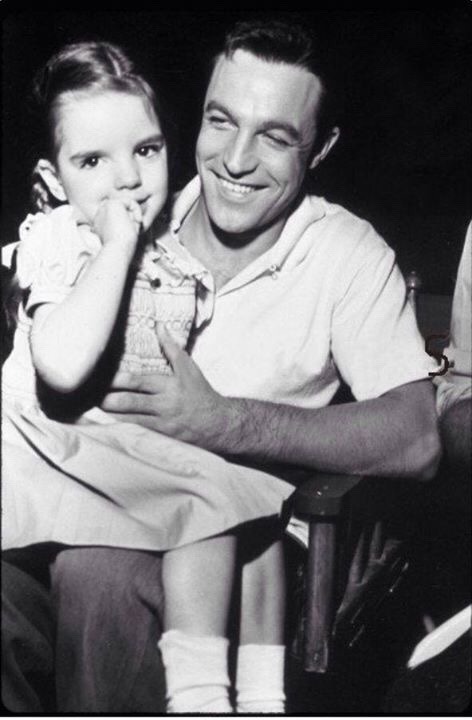
Liza and Gene Kelly
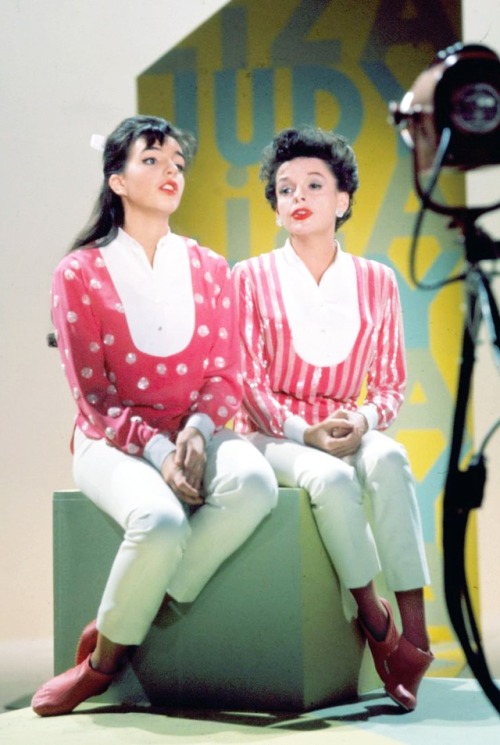
Depois disso, Liza apareceria com frequência na TV, começando com “Tonight Starring Jack Paar” e “The Gene Kelly Show”, respectivamente de 1958 e 1959. Ela foi cantora convidada em “The Judy Garland Show” em duas ocasiões em 1963. Com 17 anos, ela já mostrava que tinha uma voz poderosa e muito carisma. Assistindo aos clipes do programa, é possível perceber como Liza e Judy se amavam. Foi também durante estas apresentações em seu programa que Judy percebeu que sua garotinha era agora uma mulher crescida que tinha sua própria carreira artística.

Next, Liza would appear on TV regularly, starting in “Tonight Starring Jack Paar” and “The Gene Kelly Show”, respectively from 1958 and 1959. She was a guest at “The Judy Garland Show” twice in 1963. At 17, she already showed a powerful voice and a lot of charisma. By watching the clips, you can see how mother and daughter loved each other. It was also during this show that Judy realized that her little girl was a grown up pursuing her own career.
Quando falava sobre Liza, Judy a descrevia como “muito esperta” e “com os pés no chão o tempo todo”. Muitos anos depois, Liza disse que Judy era a melhor mãe do mundo. Ela diz também que herdou seu senso de humor da ‘mama’.

While talking about Liza, Judy called her “very wise” and “with her feet on the ground all the time”. Many years later, Liza said Judy was the best mother in the world. She says she inherited her sense of humor from her mama.
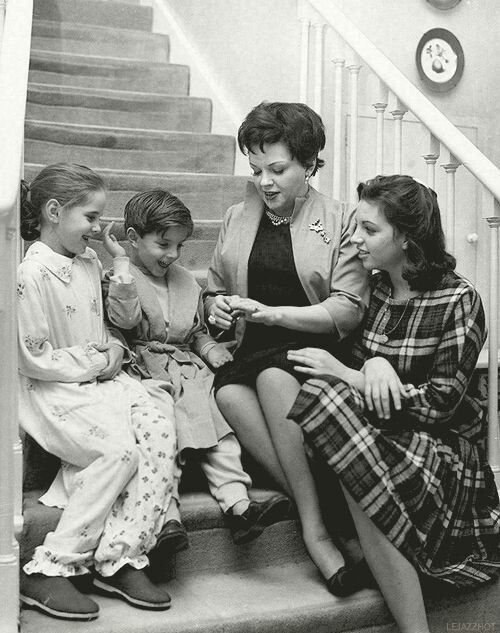
Nem tudo eram flores entre mãe e filha, obviamente. Liza vivia com Judy, seu padrasto Sid Luft e seus meios-irmãos Lorna e Joe durante os anos 50 e 60. Os papéis de mãe e filha eram muitas vezes trocados, porque Liza muitas vezes tinha de cuidar da mãe quando Judy tinha suas crises e problemas com abuso de remédios. Judy tinha pouco contato com a família, segundo a minissérie “Eu e Minhas Sombras” (2001), quando faleceu em 1969. Liza fez todos os trâmites para o funeral da mãe. Ela continuou próxima do pai, Vincente Minnelli, até ele morrer em 1986, e ela é próxima de Lorna até hoje.


Not everything was wonderful between mother and daughter, of course. Liza lived with Judy, her stepfather Sid Luft and her half-siblings Lorna and Joe during the 50s and 60s. The roles of mother and daughter were often reversed, because she often looked after her mother when Judy had her on-and-off problems with mental health and pill addiction. Judy was estranged from her kids, according to the miniseries “Me and My Shadows” (2001), when she died in 1969. Liza arranged everything for her mother's funeral. She remained friends with her father, Vincente Minnelli, until he died, in 1986, and is close to her sister Lorna until today.
Judy among her children
Liza não canta as músicas da mãe, alegando que “elas já foram cantadas”. Quando perguntam a ela sobre Judy, ela só tem coisas boas para contar. Liza tinha apenas 23 anos quando Judy faleceu – a mesma idade que eu tenho hoje e não consigo imaginar minha vida sem minha mãe. O tempo de Judy e Liza juntas foi relativamente curto, mas Liza prova que o impacto de uma mãe na vida de alguém é para sempre.

Liza doesn't sing her mother's song, saying that “they have already been sung”. When asked about Judy, she only has good things to say. Liza was only 23 when Judy died – the same age I am now and I couldn't imagine how it would be losing my mom. Their time together was not long, but Liza proves that a mother's impact in someone's life lasts forever.


This is my contribution to the Judy Garland Blogathon, hosted by Crystal at her blog In the Good Old Days of Classic Hollywood.

Related Posts Plugin for WordPress, Blogger...