} Crítica Retrô: futuro

Tradutor / Translator / Traductor / Übersetzer / Traduttore / Traducteur / 翻訳者 / переводчик

Showing posts with label futuro. Show all posts

Saturday, December 21, 2024

Blade Runner (1982)

 No último ano e meio, fiz um curso online sobre cinema de ficção científica, focando em como o cinema previu a Inteligência Artificial e o Metaverso décadas antes de estas coisas existirem. Por causa desta aula decidi finalmente assistir a “Blade Runner - Caçador de Androides”, mesmo tendo recebido um imenso spoiler durante a aula. Como acredito que o mais importante não é o final, mas a jornada, decidi seguir com meu plano de ver o filme. Aqui estão minhas opiniões:


For the past year and a half, I’ve been taking an online course about sci-fi cinema, focusing on how movies predicted Artificial Intelligence and the Metaverse decades before those things appeared. Because of this class I decided to finally watch “Blade Runner”, even though in the class I received a massive spoiler. Believing that the most important isn’t the outcome, but the journey, I decided to nevertheless watch the movie. Here are my thoughts:


O ano é 2019. Há carros voadores em Los Angeles e o ser humano está colonizando outros planetas. Uma companhia vem criando Replicantes, androides que são similares às pessoas na aparência, força e inteligência, para serem usados como escravos. Depois de uma rebelião, fica acertado que Replicantes podem ficar só em outros planetas. Se um Replicante é encontrado na Terra, é eliminado por um caçador de androides.


The year is 2019. There are flying cars in Los Angeles and mankind is colonizing other planets. A company has created Replicants, androids that are similar to people in appearance, strength and intelligence, to be used as slaves. After a rebellion, Replicants need to stay only on other planets. If a Replicant is found on Earth, it is destroyed by the Blade Runners.


Um dos caçadores de androides é Deckard (Harrison Ford, apenas cinco anos depois de “Star Wars”), que descobre que memórias estão sendo implantadas nos Replicantes para deixá-los ainda mais parecidos com humanos. A missão dele é destruir quatro Replicantes - sem criar laços com eles, o que se mostra impossível.


Such a Blade Runner is Deckard (Harrison Ford, only five years after “Star Wars”), who finds out that memories are being implanted in the Replicants to make them even closer to humans. His mission is to destroy four Replicants - without creating bonds with them, which proves impossible.


Filmes ambientados no futuro costumam ser demasiado otimistas quanto às coisas que alcançaremos até que o futuro se torne presente. Filmes e séries de TV de ficção científica como “Blade Runner” previram que teríamos carros voadores no século XXI, assim como prédios ultra-altos, chamadas de vídeo e equipamentos que respondem a comandos de voz - pelo menos nestes eles acertaram! Outra coisa que o filme acertou foi no multiculturalismo: há pessoas de todo lugar e etnia na Los Angeles de 2019. Eles não previram, entretanto, a xenofobia que infelizmente viria junto.


Films set in the future usually are over-optimistic with all the things that will be accomplished until the future becomes present. Sci-fi movies and TV shows like “Blade Runner” predicted that we’d have flying cars in the 21st century, as well as ultra-high buildings, video calls and equipments that answer to voice commands - at least these they got right! Another thing that the movie got right was multiculturalism: there are people from all places and ethnicities in 2019 Los Angeles. They didn’t predict, however, the xenophobia that would unfortunately come with it.


“Blade Runner” foi produzido por Run Run Shaw, que viveu até os 106 anos e em sua longuíssima vida produziu 380 filmes. O diretor Ridley Scott considerou rodar o filme em Hong Kong, onde Shaw mantinha seus negócios, mas teve de se contentar em filmar em Hollywood. O filme estourou o orçamento e o clima no set era tenso, especialmente entre Scott e o astro Harrison Ford.


“Blade Runner” was produced by Run Run Shaw, who lived to be 106 and in his long long life produced 380 films. The director Ridley Scott considered shooting the movie in Hong Kong, where Shaw had his enterprises, but had to film in Hollywood nevertheless. The movie ended up being over-budget and the mood on the set was tense, especially between Scott and the star Harrison Ford.
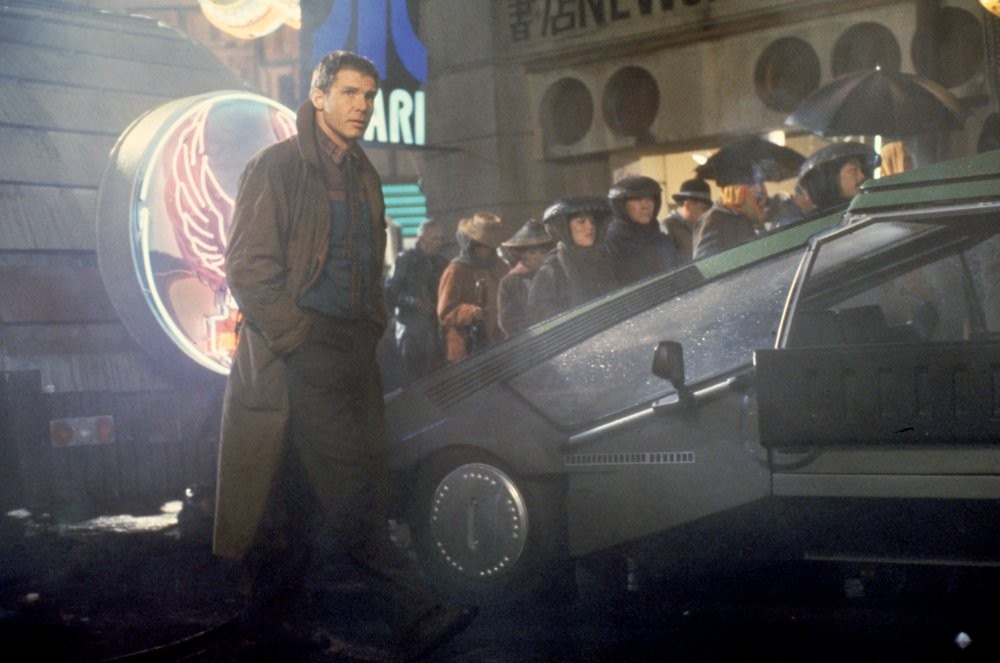


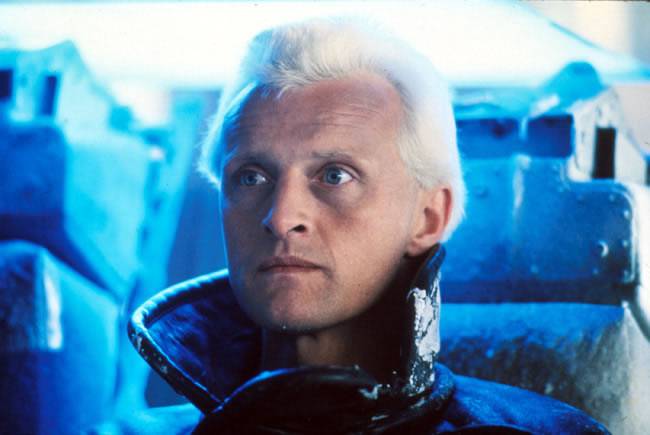
O roteiro é de Hampton Fancher e David Peoples, baseado no romance “Androides sonham com ovelhas elétricas?”, de Philip K. Dick, de 1968. O filme começou a ser planejado em 1975. O autor do romance aprovou e elogiou a escolha de elenco, dizendo que tanto Harrison Ford quanto Rutger Hauer eram perfeitos para os papéis. Infelizmente, Philip K. Dick nunca viu o filme completo, pois faleceu no começo de 1982, ano de estreia do filme.


The screenplay is by Hampton Fancher and David Peoples, based on the novel “Do androids dream of electric sheep?” by Philip K. Dick, from 1968. The film started being planned in 1975. The author of the novel approved and highly praised the casting, claiming that both Harrison Ford and Rutger Hauer were perfect for their roles. Unfortunately, Philip K. Dick never saw the completed film, as he died in early 1982, the year the movie was released.


“Blade Runner” inaugurou a tendência de um filme ter mais de uma versão final. Aqui há duas: uma com e outra sem narração, e os finais também diferem. Em 2007 o público viu a “versão do diretor”, vinda de um negativo que não foi apresentado ao público em 1982.


“Blade Runner” inaugurated the tendency to have more than one final version. There are two: the one with and the one without narration, and they have different endings. In 2007 the audience saw the “director’s cut”, coming from a negative that was not presented to the public back in 1982.


A música foi “composta, arranjada, executada e produzida por” Vangelis, um mestre da música eletrônica. Devemos agradecer a ele pela criação de um clima perfeito durante o assassinato de um Replicante - ou, como é dito dentro do filme, uma “aposentadoria”. Há também ótima música quando Rachael (Sean Young) desfaz seu penteado - que foi inspirado em Joan Crawford!-, antes de beijar Deckard. Surpreendentemente, a cena mais emocionante da morte de Batty (Rutger Hauer) não é acompanhada de música.


The music was “composed, arranged, performed and produced by” Vangelis, a master in electronic music. We should thank him for the moody music during the assassination of a Replicant - or, as it’s called within the film, a “retirement”. There is also great music when Rachael (Sean Young) undoes her hair - that was inspired by Joan Crawford! -, before kissing Deckard. Surprisingly, the more emotional scene of  Batty’s (Rutger Hauer) death has no soundtrack.


Fiquei surpresa ao notar que “Blade Runner” não é um filme muito longo. Com quase duas horas de projeção (118 minutos), é muito mais curto que outras ficções científicas feitas mais ou menos na mesma época, como “2001: uma Odisseia no Espaço” (149 minutos de duração), e até mesmo a sequência “Blade Runner 2049”, que tem 164 minutos de duração!


I was surprised that “Blade Runner” isn’t a very long movie. Clocking in at nearly two hours of projection (118 minutes), it’s much shorter than other sci-fi movies made around the same time, such as “2001: a Space Odyssey” (149 minutes long), and even the sequel “Blade Runner 2049”, that is 164 minutes long!


Deckard diz que Replicantes são como quaisquer outras máquinas: podem ser benéficas ou uma ameaça. O mesmo pode ser dito sobre todas as novas tecnologias, incluindo a IA e o Metaverso. Não é a tecnologia que é inerentemente boa ou ruim, é nosso uso delas. Se tivermos que tirar uma lição de “Blade Runner”, esta é uma boa.


Deckard says that Replicants are like any other machine: either a benefit or a hazard. The same can be said about all new technologies, including AI and the Metaverse. It’s not the technology that is inherently good or bad, it’s how we use them. If we have to come up with a lesson from “Blade Runner”, this is as good as any other.

Saturday, March 31, 2018

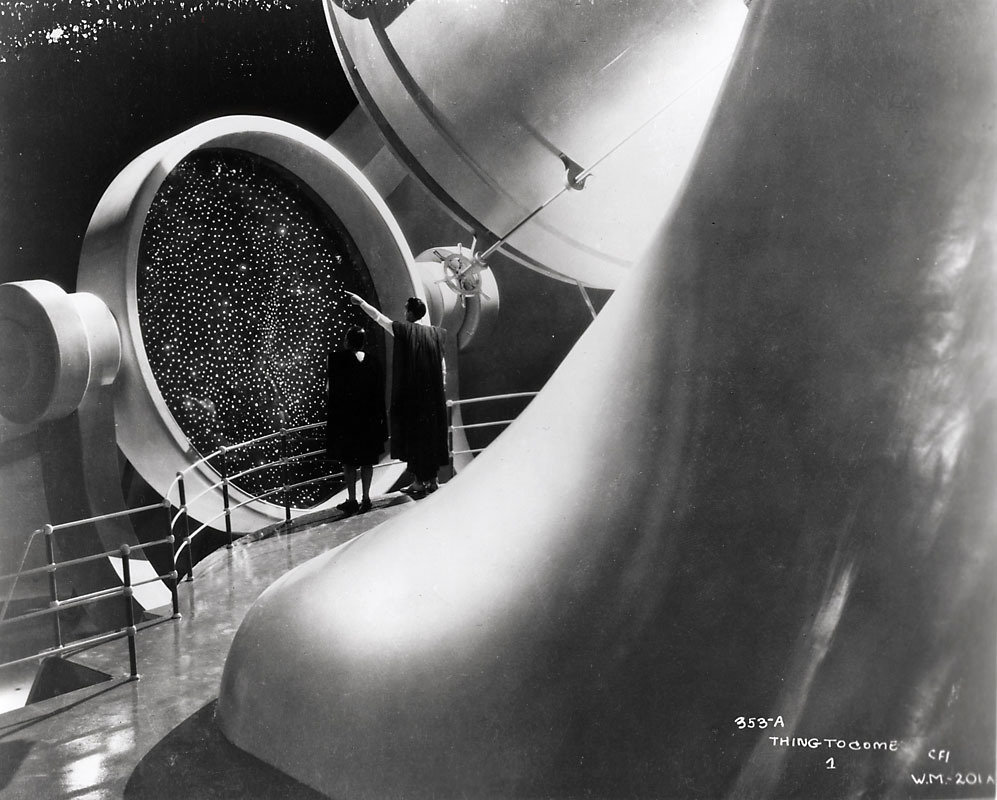
Daqui a Cem Anos (1936) / Things to Come (1936)


ESTA CRÍTICA CONTÉM SPOILERS
THIS REVIEW HAS SPOILERS

Pergunte a todas as pessoas que você conhece sobre o quê elas se preocupam.  A maioria responderá “sobre o futuro”. Nós, como seres humanos, temos medo do que é incerto, e depois do que acontece após a morte, nada é mais incerto do que o futuro. É por isso que nos interessamos tanto pelas pessoas ou obras de arte que tentam prever o futuro. Seja isso curiosidade ou medo, nós amamos ouvir previsões. E quando elas se mostram corretas, como acontece em alguns momentos do filme inglês de 1936 “Daqui a Cem Anos”, nós ficamos completamente chocados.

Ask all people you know what they worry about. Most of them will say “the future”. We, as human beings, are afraid of what is uncertain, and second to what happens after death, nothing is more uncertain than the future. That is why we are so interested by people or works of art that try to predict the future. Be it curiosity or fear, we love to hear predictions. And when they get the future right, like the 1936 English movie “Things to Come” did in a few moments, we are nothing short of shocked.
Natal de 1940. Os cânticos da época se misturam com conversas e cartazes sobre uma guerra iminente. John Cabal (Raymond Massey) está preocupado. O bisavô, homem mais velho da família Cabal, vê as crianças abrindo os presentes de Natal e se pergunta como a tecnologia evoluirá com o tempo. John diz que a tecnologia não verá evolução se houver uma guerra. Seu amigo Passworthy (Edward Chapman) acredita no contrário: ele acha que a guerra estimula a ciência. E ele não terá de esperar muito para ver se está certo.

Christmas 1940. The seasons’ carols are mixed up with talks and posters about an imminent war. John Cabal (Raymond Massey) is worried. The Cabal great grandfather sees the children opening the Christmas gifts and wonders how technology will evolve with time. John says technology won’t evolve if there is a war. His friend Passworthy (Edward Chapman) believes the opposite: he thinks war stimulates science. And he won’t have to wait long to see if he is right.
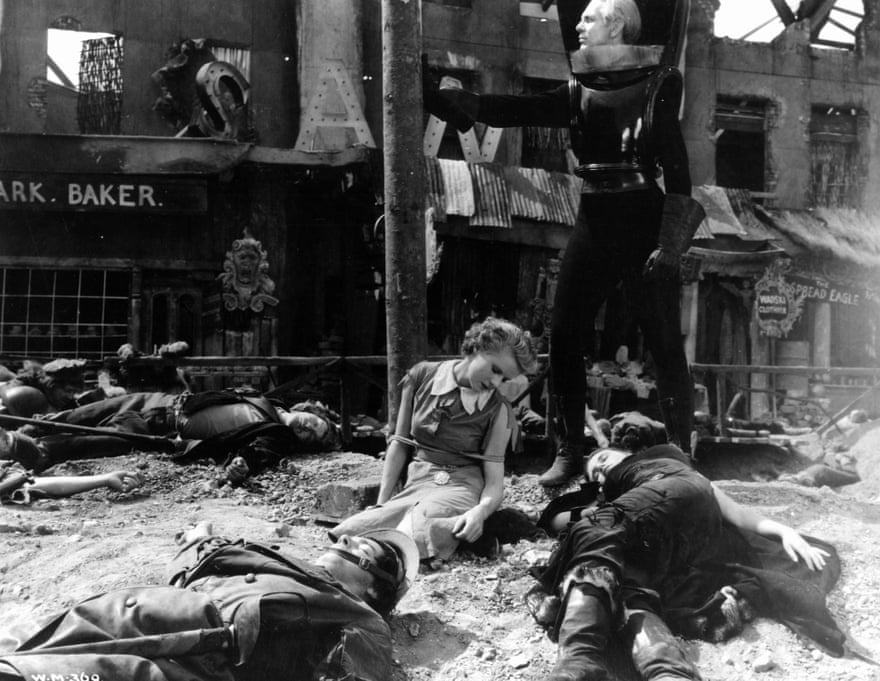
A guerra começa naquela noite, e dura 26 anos. Cabal e Passworthy vão para o front, e Cabal se alista na Aeronáutica – preste atenção em um piloto malfadado e você reconhecerá George Sanders. A cidade deles, chamada Everytown, é destruída por tanques, e fica parecendo com o que seria a Berlim do pós-Segunda Guerra. Com a guerra, vem uma nova tragédia: uma epidemia mortal. Se a doença que seguiu à Primeira Guerra foi a gripe espanhola, a  nova doença fictícia mortal é a doença ambulante. Todas as pessoas que são infectadas e começam a vagar são mortas – incluindo a irmã de Richard Gordon (Derrick de Marney).

The war starts that same night, and lasts for 26 years. Cabal and Passworthy go to the front, where Cabal joins the Air Force – take a close look at an ill-fated pilot and you’ll recognize George Sanders. Their hometown, wisely named Everytown, is destroyed by tanks, and then bears a horrifying resemblance to the post-WWII Berlin. With the war, a new tragedy strikes: a mortal epidemic. If the post-WWI disease was the Spanish flu, the new fictional mortal disease is the wandering sickness. All people who are infected and start wandering are shot – including Richard Gordon’s (Derrick de Marney) sister.
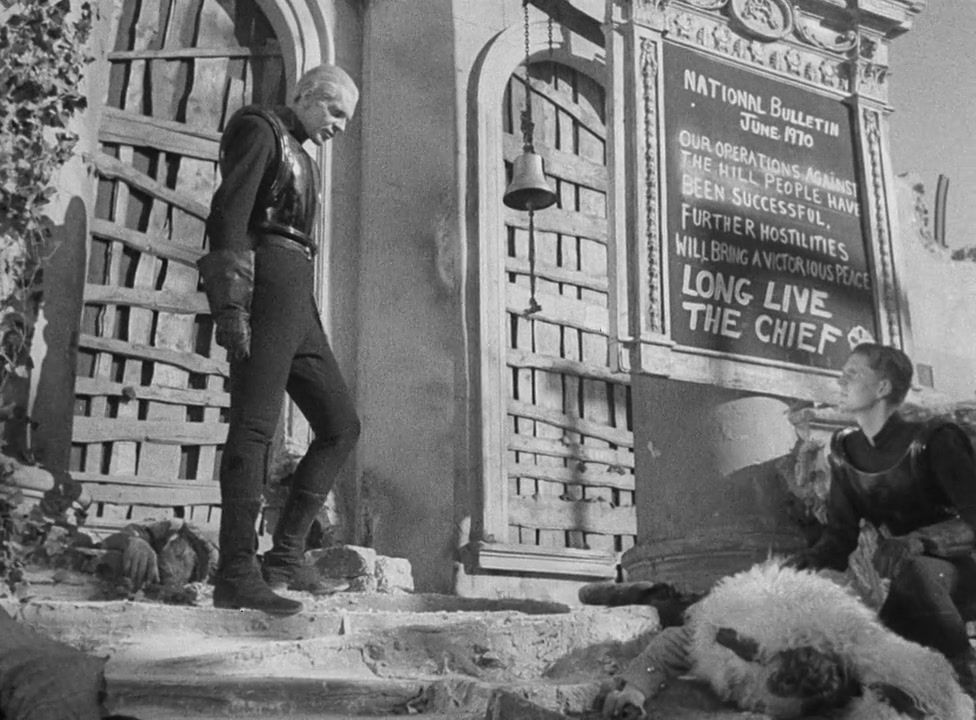
Quando a epidemia termina e o número de pessoas na Terra cai pela metade, estamos de volta à Idade Média – e, ah, sim, novamente em estado de alerta para guerra. Não há mais petróleo. Voar se tornou algo impossível... até que um avião aterrisa. Quem está pilotando é o nosso velho amigo John cabal, que é agora um membro do grupo Asas Sobre o Mundo – algo como as Nações Unidas, só que funcionando para valer. John não é bem recebido pelo novo Chefe (Ralph Richardson), que é uma figura despótica. A Asas Sobre o Mundo quer derrubar o Chefe e construir um novo mundo com base na ciência e no conhecimento.

When the epidemic ends and the number of humans on Earth is cut by half, we are back at the Middle Ages – and, oh, yes, there is a new state of war. There is no petrol anymore. Flying became impossible... until a plane lands. Who is flying it is our old friend John Cabal, who is now a member of the institution Wings Over the World – like an United Nations that really works. John is not welcomed by the new Boss (Ralph Richardson), who is a despotic figure. Wings Over the World wants to dethrone the Boss and build a new world with science and knowledge.
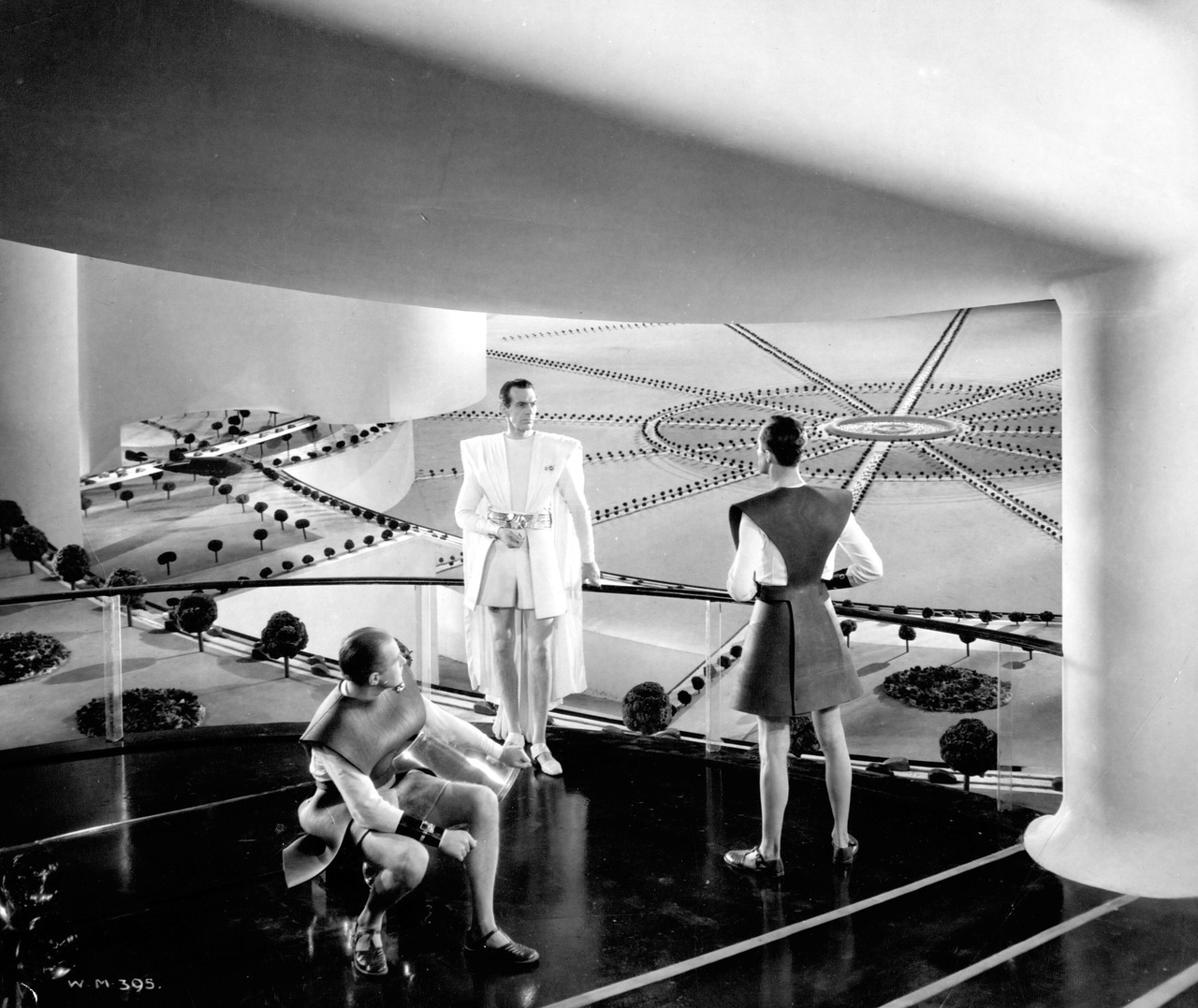
O ano é agora 2016. O novo mundo está aí, e o bisneto de John, Oswald (novamente Raymond Massey) é o responsável pelo programa espacial de Everytown. Ele quer mandar o homem para a lua, e os dois voluntários para a missão são sua filha, Catherine (Pearl Argyle) e o jovem filho dos Passworthy, Maurice (Kenneth Villiers). Mas um homem chamado Theotocopoulos (Cedric Hardwicke) não está satisfeito com a era tecnológica e conclama os homens para destruir as máquinas.

The year is now 2036. The new world is here, and John’s great grandson, Oswald (also Raymond Massey) is the head of Everytown’s space program. He wants to send the man to the moon, and the two volunteers are his daughter, Catherine (Pearl Argyle) and the young Passworthy son, Maurice (Kenneth Villiers). But a man named Theotocopoulos (Cedric Hardwicke) is not very happy with the technological era and gathers the people to destroy the machines.
“Daqui a Cem Anos” é baseado em um livro de HG Wells, publicado em 1933. O próprio Wells escreveu o roteiro e, de acordo com algumas fontes, começou a dirigir o filme, mas devido à sua falta de experiência atrás das câmeras, ele foi substituído por William Cameron Menzies. Wells é uma destas pessoas – assim como Nostradamus – cujas previsões ainda nos surpreendem.

“Things to Come” is based on a HG Wells novel published three years earlier. Wells himself wrote the screenplay and, according to some sources, started directing the movie, but because of his lack of experience behind the cameras he was replaced by William Cameron Menzies. Wells is one of those people – together with Nostradamus – whose predictions still amaze us.
A trama é muito complexa, com novos personagens e conflitos sendo apresentados a todo momento – você não ficou confuso só de ler os parágrafos acima? Os personagens não são aprofundados, sendo mais arquétipos do que seres ficcionais com os quais nos importamos. Há muitas sequências impressionantes, tanto da guerra quanto da reconstrução tecnológica. Por isso “Daqui a Cem Anos” custou aproximadamente 300 mil libras – o equivalente a quase 20 mil libras hoje, ou mais de 27 milhões de dólares.

The plot is very thick, always introducing new characters and new conflicts – I mean, weren’t you confused just by reading the previous paragraphs? The characters are not deepened, being more like archetypes than fictional beings we'd care about. There are many jaw-dropping sequences, both from the war and from the technological reconstruction. No wonder “Things to Come” cost approximately 300 thousand pounds – the equivalent of almost 20 million pounds nowadays, or more than 27 million dollars.
Eu gosto muito de assistir a filmes de ficção científica e ver quais previsões deram certo e quais foram um tiro n’água.Obviamente, a previsão da guerra vindoura é a primeira que nos impressiona em “Daqui a Cem Anos”. Os paralelos com a última guerra, ainda muito fresca na mente de todos, são óbvios. Entretanto, não há duas guerras iguais.

I really like watching science fiction and seeing what the film predicted right and what it got wrong. Obviously, predicting the upcoming war is the first thing that impresses us in “Things to Come”. The parallels between the last war, still very fresh in everybody’s mind, are obvious. But no two wars are the same.
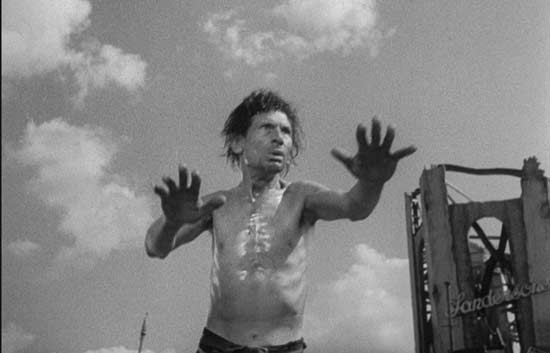
A man with "wandering sickness"
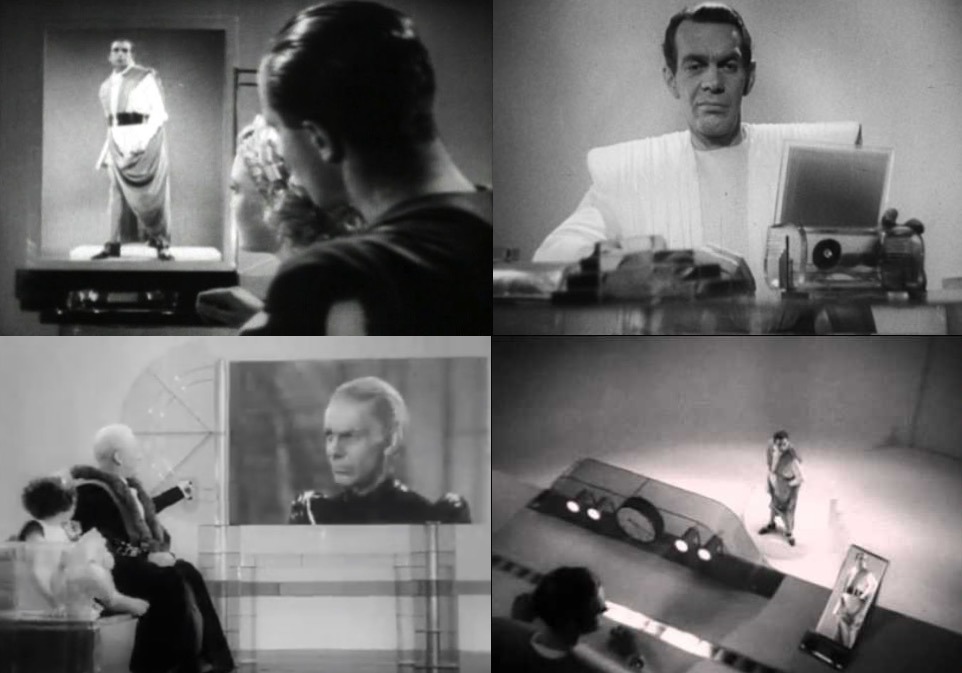
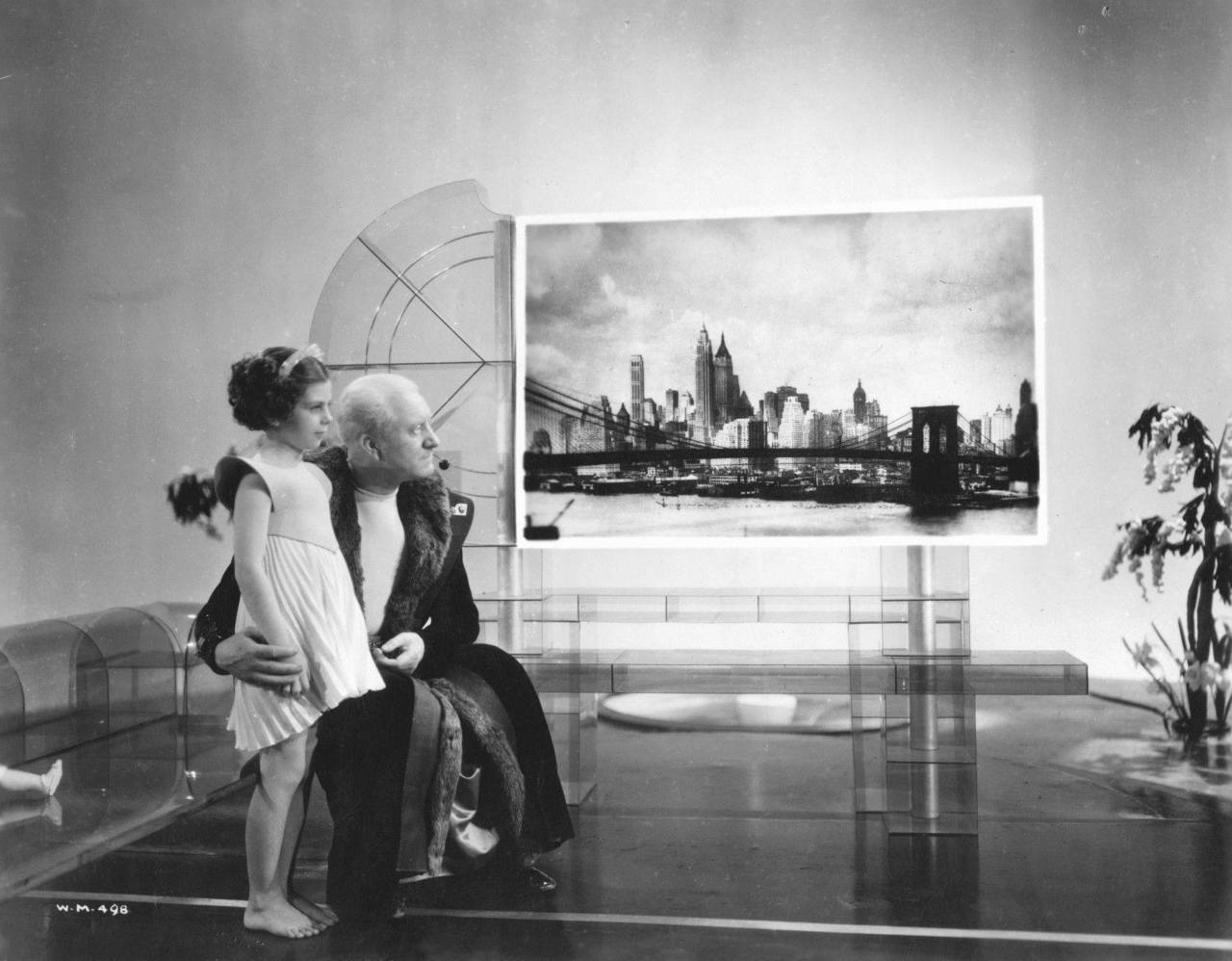
E quanto à tecnologia? Bem, o filme nos surpreende ao prever a existência de televisões gigantes de tela plana em todas as casas. A maneira como os foguetes são lançados no futuro do filme lembram um pouco da realidade, embora o processo de lançamento não se pareça com o de atirar. O maior erro é que foi previsto que a corrida espacial começaria em 2036, quando na verdade a lua foi visitada pela primeira vez em 1969. Bem, precisamos perdoá-los, pois se a guerra tivesse, de fato, durado 26 anos, a lua ainda seria um sonho distante. Mas não vamos perdoar as roupas. As pessoas de 2016 se vestem como romanos sensuais, e eu fico feliz por esta previsão não ter se tornado realidade... ainda.

What about technology? Well, the film surprises us by predicting flat-screen TV sets, with huge screens, in every house. The way rockets are launched in the future seen in the film resemble a bit the real thing, although the process is not like firing a gun. The biggest let down is that they predicted the space exploration would start in 2036, when in reality the moon was visited by the first time in 1969. Well, let’s forgive them, if the war had, indeed, lasted 26 years, the moon would still be a far away dream. But we won’t forgive the clothes. The people of 2036 dress like sexy Romans, and I’m happy this prediction didn’t become true… yet.
O ódio de Theotocopoulos pela tecnologia é o mais perto que chegamos de uma luta de classes – e ela se parece muito com o movimento Luddista da Revolução Industrial. Hoje, a maioria das pessoas aceitou que a tecnologia é parte da vida, e o movimento atual é contra o progresso social. Nós exploramos outros planetas, mas não conseguimos respeitar as escolhas dos outros. Não podemos ignorar a onda conservadora que está se tornando maior e mais forte, infelizmente. Nós também temos de enfrentar coisas que não foram previstas pela ficção científica.

Theotocopoulos’ dislike of technology is the closest we get from the class struggle subject – and it’s a lot like the Luddite movement from the Industrial Revolution. Today, most people accepted that technology is a part of life, and the current movement is against social progress. We explore planets, but can’t respect each other’s choices. We can’t ignore the conservative wave that is becoming bigger and stronger, unfortunately. We have to face things that were not predicted by science fiction, too.
O que podemos aprender com “Daqui a Cem Anos”? Que o mundo pode acabar, mas ele será reconstruído. Aconteceu na era Paleozoica (descansem em paz, trilobitas), aconteceu quando os dinossauros foram extintos, aconteceu a cada guerra. Talvez haja algo ainda pior que a Segunda Guerra Mundial vindo por aí. Muitos vão perecer. Mas o mundo vai permanecer.

What can we learn from “Things to Come”? That the world may end, but it will be rebuilt. It happened in the Paleozoic era (RIP trilobites), it happened when the dinosaurs were extinct, it happened with each and every war. Maybe there is something worse than World War II coming in the horizon. Maybe we will perish. But the world will go on.

This is my contribution to the End of the World blogathon, hosted by Quiggy and Steve at The Midnite Drive-In and Movie Movie Blog Blog.
Related Posts Plugin for WordPress, Blogger...