Ah, cinema! Uma fonte
histórica maravilhosa, um espelho poderoso de como a sociedade pensava e se
comportava décadas atrás. Claro, nenhum pensamento é unânime, mas o cinema é um
bom termômetro dos preconceitos e das ideias de uma era.
Oh, cinema! A wonderful
historical source, a powerful mirror of society’s thoughts and actions from
decades ago. Obviously, no way of thinking has ever been unanimous, but cinema
is a good thermometer to measure the prejudices and the beliefs of an era.

Por isso falar de
personagens travestidos, cross-dressers,
não importa o termo, nos leva por uma viagem que começa em 1906. Não é um
artigo sobre como transgêneros são retratados no cinema, pois ainda há tabu no
mundo cinematográfico e só há poucos anos foi lançada uma luz sobre
transgêneros e sua luta. Lembrando, claro, que nem todo cross-dresser é transgênero.
So, talking about dressing
in drag or cross-dressing in movies takes us to a long trip that starts in
1906. This is not, however, an article about how transgender people are
portrayed in movies, because this is still a taboo in the film world (and the
real world as a whole) and only a few years ago it was given a little space to
talk about transgenders and their fight. And let's not forget that not all cross-dressers are trasgender people.

O cross-dressing no cinema é dez anos mais novo que o próprio cinema.
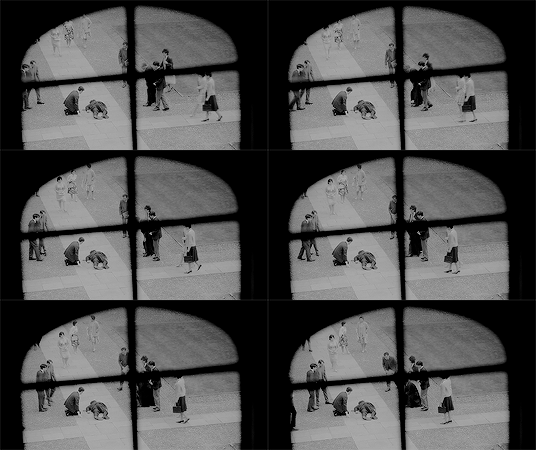
O primeiro filme que lida com o tema, “Os resultados do feminismo” (Les
résultats du féminisme, 1906) não troca as roupas de homens e mulheres, apenas
os chapéus... e as ações. Agora, as mulheres frequentam bares, brigam por causa
dos homens e inclusive os assediam. Os homens cuidam da casa, costuram,
passeiam com as crianças e são oprimidos. Parece ser uma propaganda
anti-feminista, até que vemos o nome da diretora do curta de sete minutos:
Alice Guy-Blaché, uma pioneira no cinema. Alice faz, aqui, uma grande zoeira
com gêneros, estereótipos e o medo do feminismo.
Cross-dressing in film is
tem years younger than film itself. The first film dealing about this thematic,
“The Consequences of Feminism” (Les resultants du feminism, 1906) does not
interchange clothes between men and women, only hats… and actions. Now, women
go to bars, fight over men and even harass them. Men take care of the house and
the children, sew and are oppressed. It looks like anti-feminist propaganda
until we see who directed this seven-minute short film: Alice Guy-Blaché, a
pioneer woman director. Here, Alice mocks with gender stereotypes and the fear
of feminism.
Vestir-se como homem,
sendo mulher, em geral é libertador para a personagem. Foi assim que a rainha
Christina de Greta Garbo pôde, finalmente, se sentir livre. Foi assim que a
Sylvia Scarlett de Kate Hepburn pôde se juntar ao esquema desonesto de seu pai,
e conhecer Cary Grant. Foi assim que Yentl pôde estudar no filme de 1983. E não
devemos nos esquecer de que Barbra Streisand foi protagonista E diretora de
Yentl!
Dressing as a man, being a
woman, generally allows the character to have freedom. It was by cross-dressing
that Greta Garbo’s Queen Christina could finally feel free. It was by
cross-dressing that Kate Hepburn’s Sylvia Scarlett could join her father’s
dishonest heist and meet Cary Grant. It was by cross-dressing that Yentl could
study in the 1983 film. And we can’t forget that Barbra Streisand directed AND
starred in Yentl!
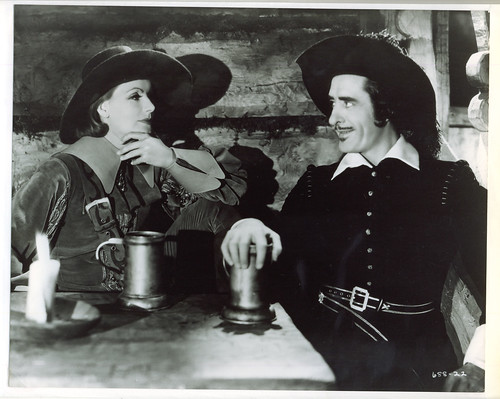 |
| Queen Christina (1933) |
 |
| Sylvia Scarlett (1935) |
 |
| Yentl (1983) |
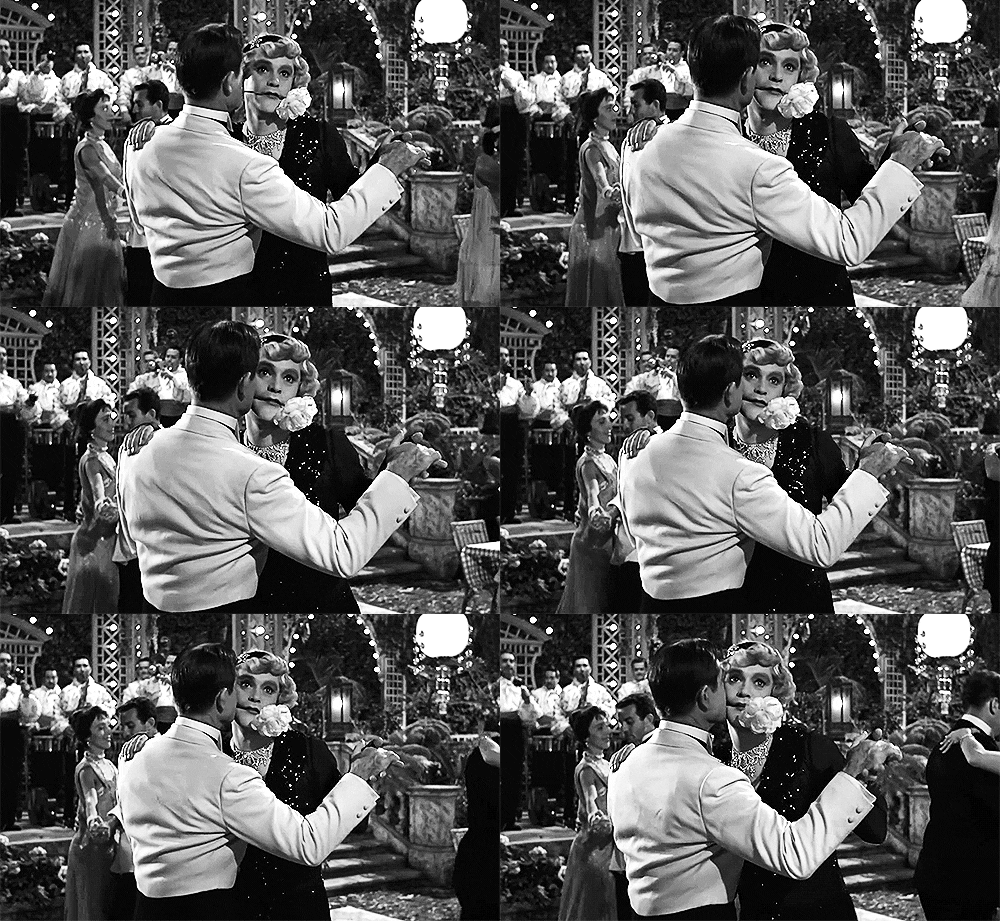
Vestir-se como mulher,
sendo homem, é problema na certa. O exemplo máximo disso é o enredo de “Quanto
Mais Quente Melhor” (1959), que foi inclusive eleita a melhor comédia de todos
os tempos.
Dressing as a woman, being a
man, is the source of trouble. The greatest example of it is the plot of “Some
Like It Hot” (1959), that was even considered the best comedy film ever made.
O cross-dressing foi empregado muitas vezes como um elemento cômico
pontual, passageiro, uma gag que dura
apenas alguns segundos. Em geral, um personagem do sexo masculino precisa se vestir
de mulher para escapar de algum problema. Em alguns casos, outro personagem
desavisado acaba se apaixonando pelo nosso herói travestido. Essa gag foi usada, com êxito, no cinema
mudo, falado, e também em animações.
Cross-dressing was used
several times as a comic tool, a gag that lasts only a few seconds. In general,
a male character must dress as a woman to escape trouble. In some cases, a
silly male character even falls in love with our transvestite hero. This gag
has been used, successfully, in silents, talkies and also animated
pictures.
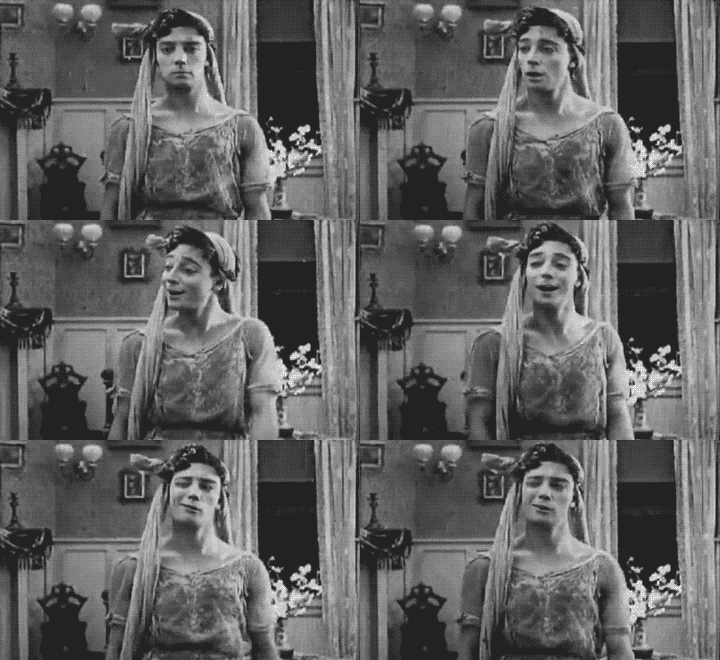 |
| Buster Keaton, His Wedding Night (1917) |
 |
| Laurel and Hardy, Twice Two (1932) |
 |
| Cary Grant, I Was a Male War Biride (1949) |
Fora das telas, as
atrizes que optavam por looks mais
masculinos nem sempre eram bem vistas, mas lançavam moda, como foi o caso de
Katharine Hepburn e Marlene Dietrich, que adotaram calças compridas como parte
do look nos anos 1930. A diretora
Dorothy Arzner também usava apenas calças durante o trabalho. Uma mulher
vestida com trajes masculinos era, naquela época, chocante. Marlene
Dietrich em “Marrocos” (1930) que o diga!
Outside the screen,
actresses who adopted more masculine styles were not always respected, but they
ended up as fashion icons, like Katharine Hepburn and Marlene Dietrich, who
favored pants in the 1930s. Director Dorothy Arzner was another woman who also
wore only pants while working in Hollywood. A woman dressed with male clothes
was shocking at that time. Marlene Dietrich in
“Morocco” (1930) knows what I’m talking about.

Vestir-se como o gênero
oposto foi, na maioria das vezes, motivo de risadas. Quando o cross-dressing era usado no drama, era para
provar que algum personagem era desequilibrado... e assassino. Isso
aconteceu muitas vezes (SPOILERS):
To dress as the opposite
gender was, in most times, a reason to laugh. When cross-dressing was used in
drama films, it was a way of proving that a character was… an insane murder. This happened a lot of times (SPOILERS):
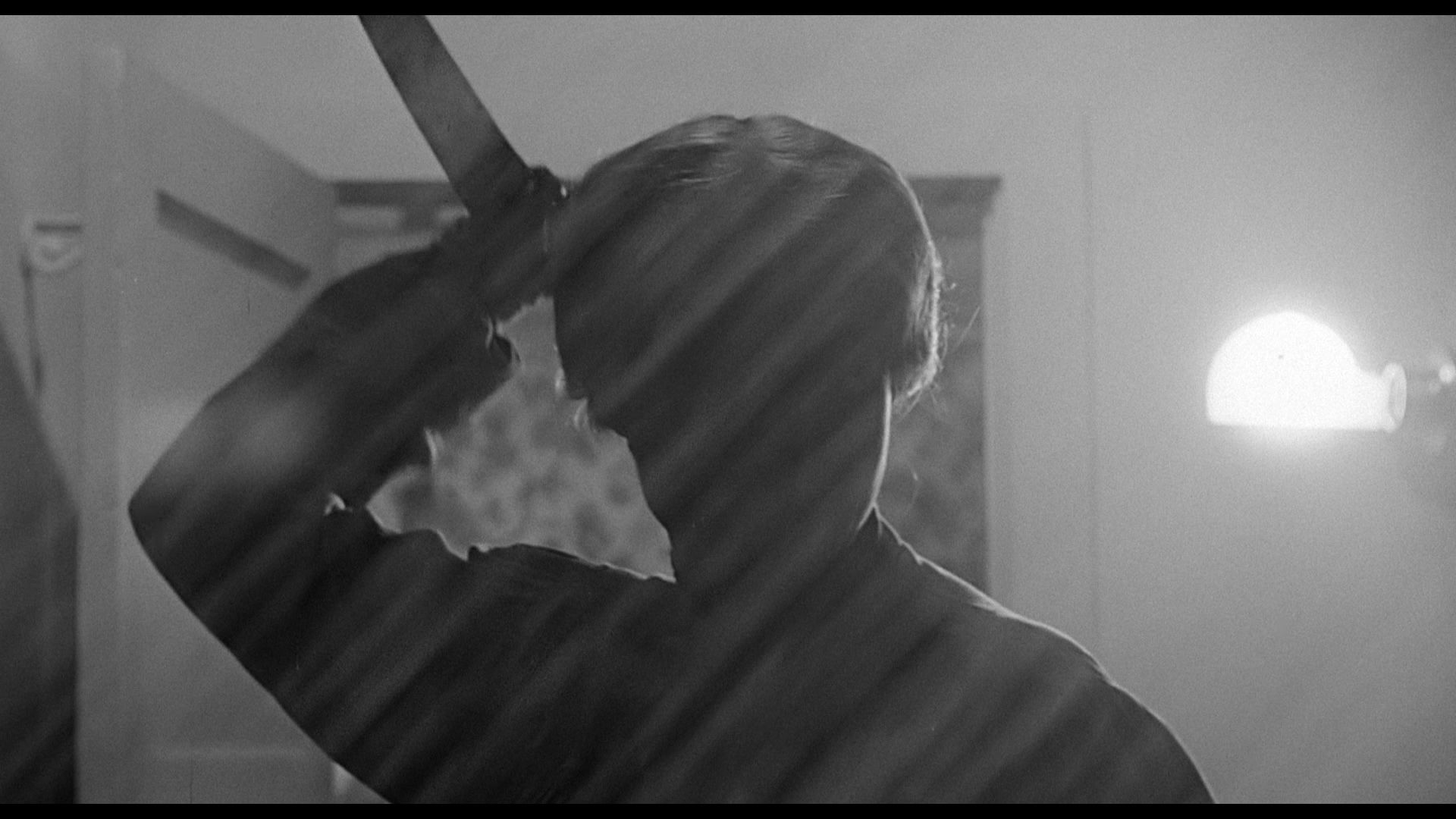 |
| Psycho (1960) |
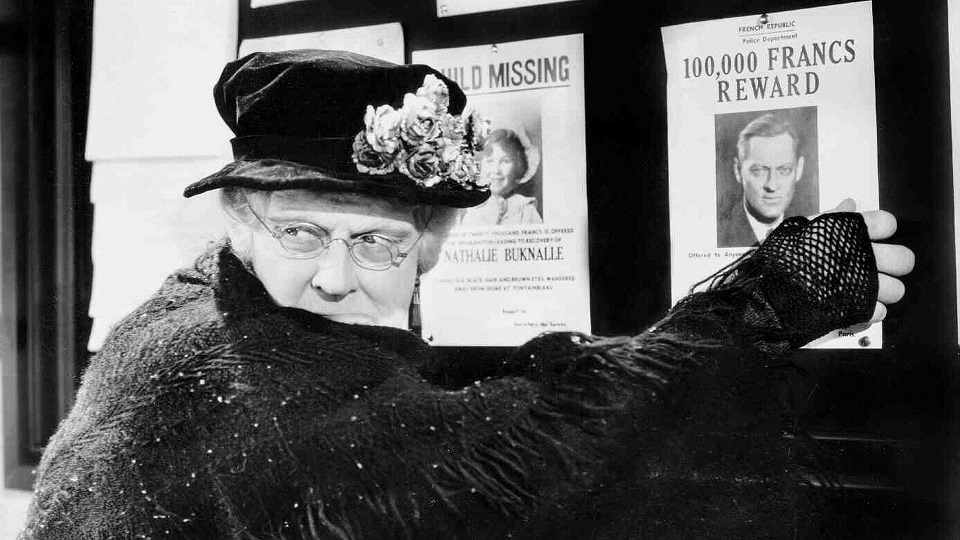 |
| The Devil Doll (1936) |
 |
| Dressed to Kill (1980) |
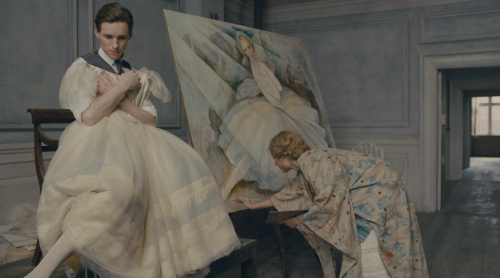
E é aí que entra “o
pior diretor” de todos os tempos, Ed Wood, para falar do tema com seriedade e
um orçamento mínimo. Ed costumava se vestir de mulher, e tratou deste delicado
tema em “Glen ou Glenda” (1953). Quem diria que, à sua maneira tosca, Ed Wood
abriria caminho para o papel que rendeu uma indicação ao Oscar a Eddie
Redmayne?
And then we have “the worst
director ever”, Ed Wood, to make a film about the theme with a serious tone and
a tiny budget. Ed used to dress as a woman, and dealt with this delicate theme
in “Glen or Glenda” (1953). Who would have said that, in his own odd way, Ed
Wood would be responsible for paving the path for the role that gave Eddie
Redmayne an Oscar nod?
 |
| Glen or Glenda (1953) |
Ainda há muito a ser
mostrado sobre cross-dressing pelo
cinema. Evoluímos, a passos lentos, é verdade, e da piada fácil vestir-se como
o gênero oposto passou a ser retratado com mais seriedade e, o mais importante,
mais humanidade.
There is still a lot to be
shown about cross-dressing by the movies. We evolved, slowly, it’s true. To
dress in drag started as an easy gag, but it is now, luckily, treated in a more
human light.
This is my contribution to the Characters in Costume
Blogfest, hosted by Christina and Andrea at Christina Wehner and Into the Writer Lea.


_NRFPT_14.jpg)
_NRFPT_13.jpg)