Se houve um diretor que coletou mais influências
ao longo de sua vida e carreira também como espectador, este foi sem dúvida
François Truffaut. Como se esquecer de seu alter-ego, o diretor Ferrand de “A
Noite Americana / La Nuit Américaine” (1973), que coloca diversos livros sobre
as obras de diretores que admirava sobre uma mesa, a fim de lê-las para obter
inspiração?
The director who
collected most influences througout his life is career, especially as a
moviegoer, was without a doubt François Truffaut. How can we forget his alter
ego, director Ferrand in “Day for Night / La Nuit Américaine” (1973), who put
over a table several books about the works of directors he admired, wanting to
read them and be inspired?
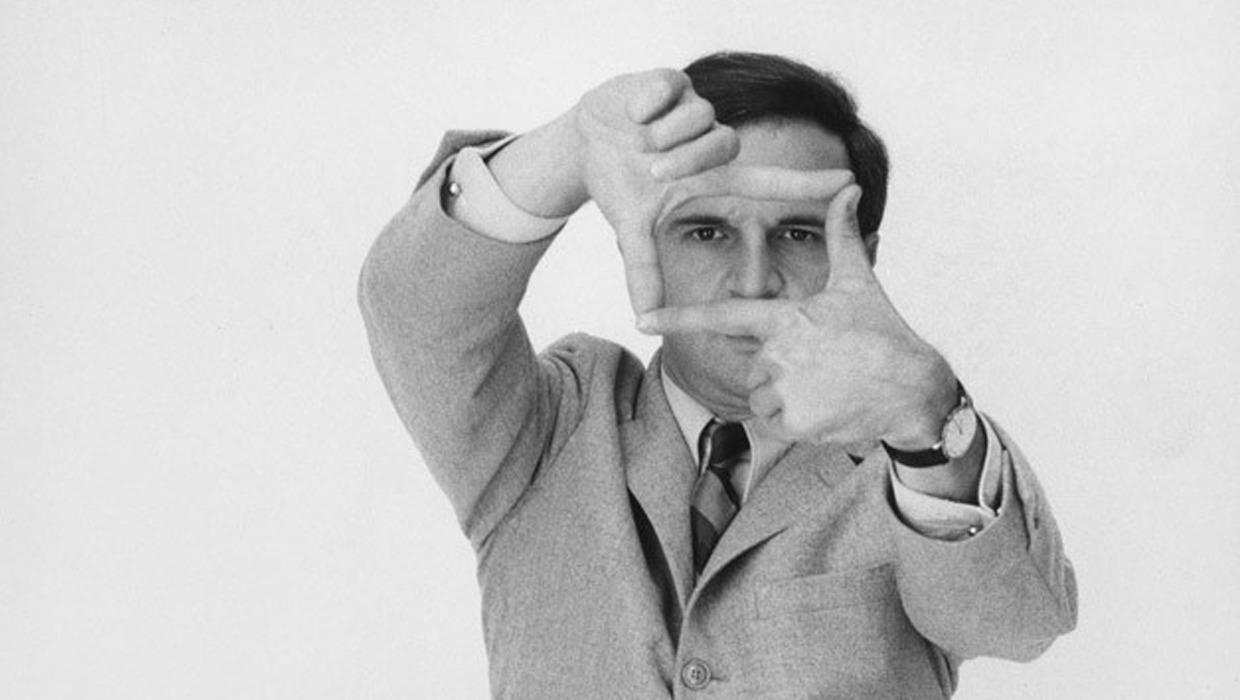
Um dos que mais o influenciou foi Alfred
Hitchcock, que acabou dando uma série de entrevistas a Truffaut que mais tade
se transformariam em um livro. Por isso não é de se espantar que o realizador
francês tenha feito várias referências e homenagens à obra de Hitchcock em seus
próprios filmes. Prova disso são os thrillers “Atire no pianista!” (1960) e “A
noiva estava de preto” (1968). Seu último filme também não deixa de ser
incrivelmente hitchcockiano. Em cada país “Vivement dimanche!” ficou conhecido
por um nome: aqui no Brasil é “De repente, num domingo”, o que não é muito
correto, enquanto nos países de língua inglesa é “Confidentially Yours”,
denunciando um subtexto romântico. A melhor tradução do francês, no entanto,
seria “finalmente domingo!”.
One of the directors that influenced him the most
was Alfred Hitchcock, who even agreed to give a series of interviews to
Truffaut, that were later published in a book. That's why it's no surprise that
the French filmmaker has referenced and paid tributes to Hitchcock's work in
his own films. As examples we have the thrillers “Shoot the Piano Player!”
(1960) and “The Bride Wore Black” (1968). His last film was also incredibly
Hitchcockian. In each country “Vivement Dimanche!” had a different title: in
Brazil it is “Suddenyl, on Sunday”, which is a so-so translation, while in
English-speaking countries it is “Confidentially Yours”, which gives away the
romantic subplot. The best translation from French, however, would be “Finally
Sunday!”.

A trama gira em torno de Julien Vercel
(Jean-Louis Trintignant), um corretor de imóveis acusado de uma série de
assassinatos. A protagonista é, no entanto, Barbara (Fanny Ardant), a
secretária de Julien que passa a investigar os crimes. Todos se relacionam com
a mulher dele, Marie-Christine, cujo comportamento promíscuo era desconhecido
pelo marido.
This is the story of
Julien Vercel (Jean-Louis Trintignant), a house dealer accused of a series of
murders. The leading lady is Barbara (Fanny Ardant), Julien's secretary and the
woman who decides to investigate the crimes. All of the murders are related to
his wife, Marie-Christine, whose promiscuous behaviour was unknown to her
husband.
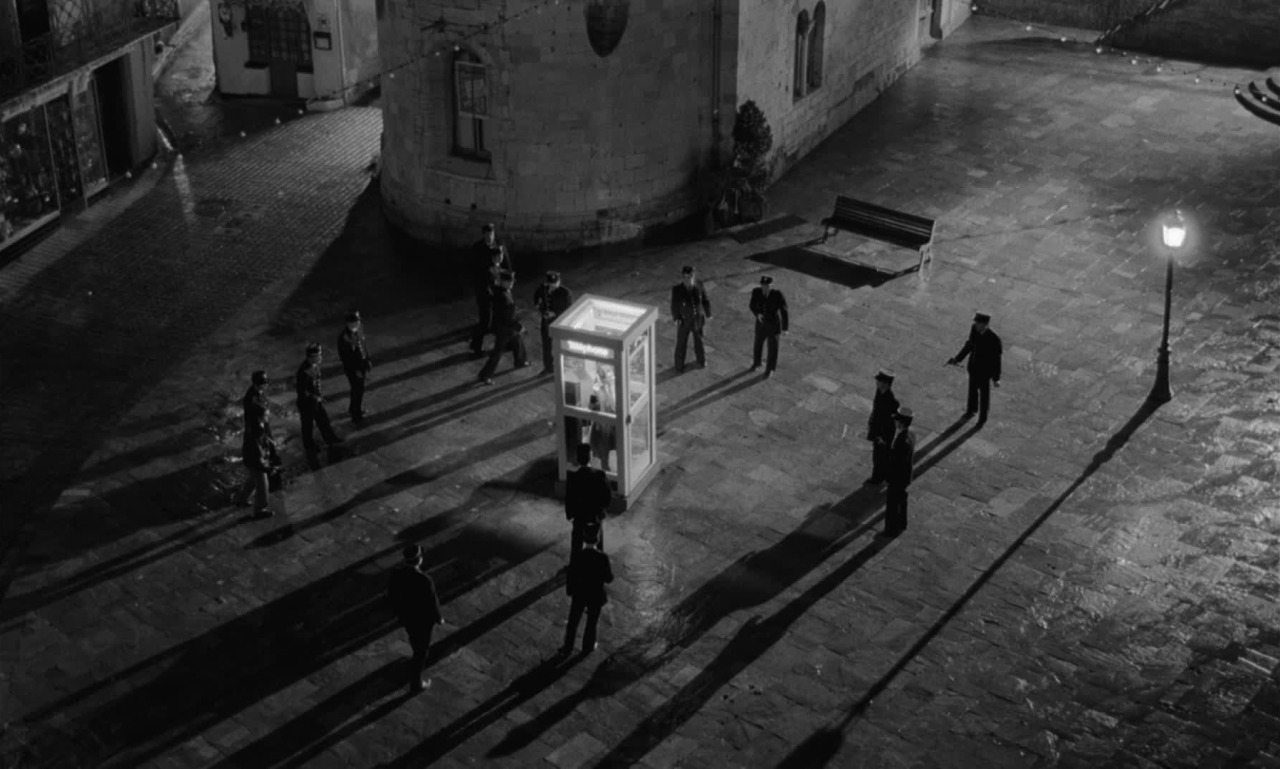
O filme tem todo um clima de filme noir,
principalmente por ser em preto-e-branco, mas também pelo mistério, os locais
insólitos de investigação e os ambientes fumacentos a serem explorados no meio
da noite. A década de 1940 é evocada, mesmo sendo esta a época dos filmes
considerados menos famosos dentro da obra de Hitch. Truffaut não faz nenhuma
referência explícita aos filmes de Hitch, mas há algo de voyeurismo na pequena
janela do escritório em que Barbara e Julien podem ver os pés das pessoas que
passam na rua. A única referência ao cinema americano é a sessão no cinema de
“Glória feita de sangue” (1957), dirigido por outro ídolo de Truffaut, Stanley
Kubrick.
The movie has a film noir
feeling, especially because it is shot in blakc and white, but also because it
has mystery, odd places for investigation and smoky places to be explored in
the middle of the night. The 1940 atmosphere is present, even though
Hitchcock's most famous movies weren't made in this decade. Truffaut doesn't
make any explicit reference to Hitchcock's films, but there is something
voyeuristic in Barbara's and Julien's behaviour when they peek through an
office window and see the feet of people walking down the street. The only
refenrece to American cinema is the cinema exhibiting “Paths of Glory” (1957),
directed by other of Truffaut's idols, Stanley Kubrick.

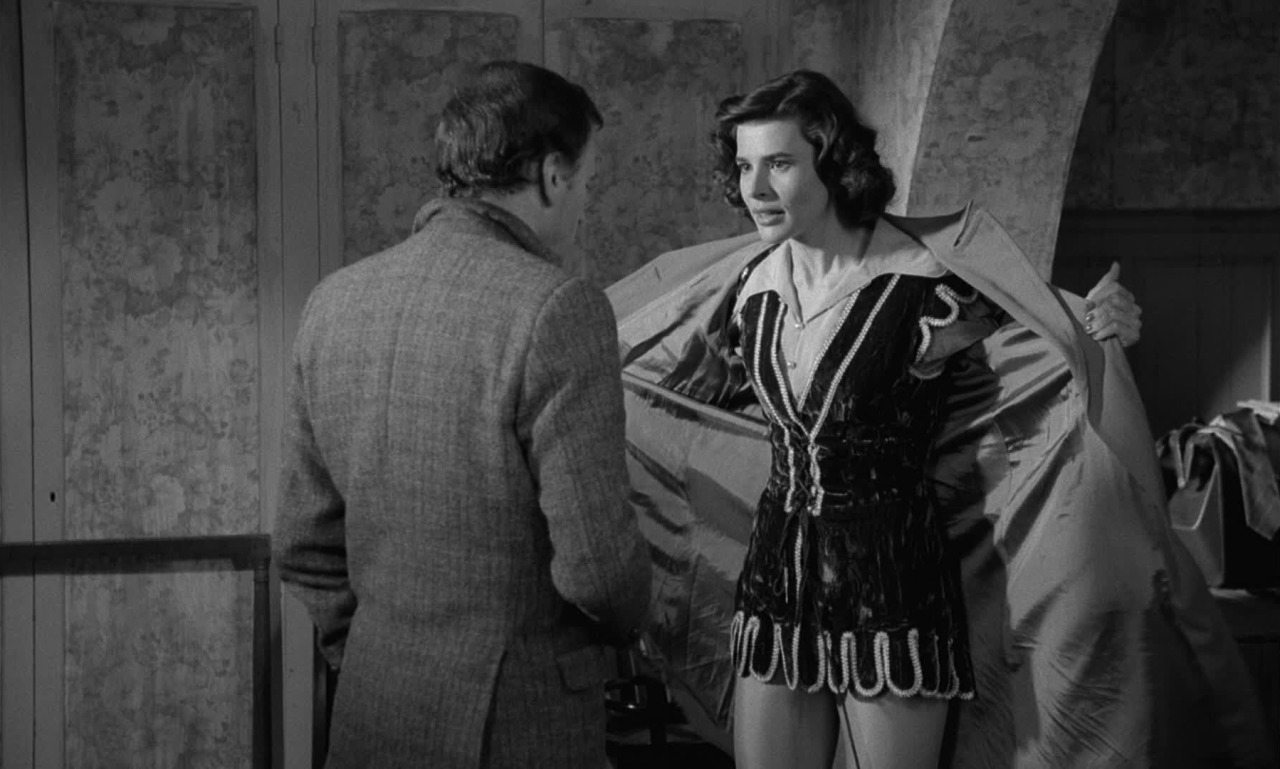
Outro ponto de convergência é a ideia de um homem
ser acusado injustamente. Aqui não sabemos se ele é ou não culpado, como
acontece nos filmes de Hitchcock em que o protagonista é claramente inocente,
como “Intriga Internacional” (1959). E mais uma conexão é a parte cômica em que
Barbara sai de um ensaio da peça “O corcunda de Notre Dame” e vai investigar o
caso vestida com o figurino da produção. Hitchcock sempre usava
doses de humor em seus filmes.
Another convergence point
is the theme od a man wrongly accused. Here we don't know if he is guilty or
innocent, something that does'nt happens in Hitchcock movies in which the
leading man is obviously innocent, like “North by Northwest” (1959). Another
connection is the comic moment when Barbara leaves the rehearsal of the play
“The Hunchbak of Notre Dame” directly to investigate a case, still wearing her
outfit for the play. Hitchcock always used little doses of humor in his films.
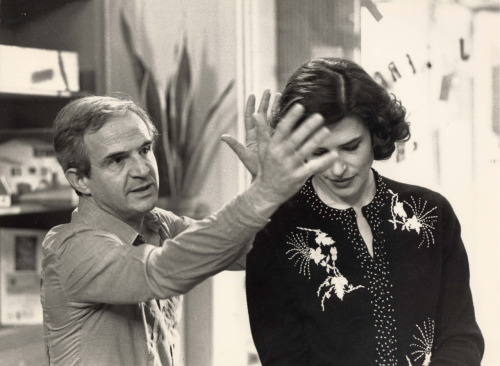
Algo interessante é que Truffaut, ao contrário de
Hitchcock, geralmente tem mulheres no papel principal de seus filmes de suspense.
Para Hitch, quem investiga o caso é James Stewart, Cary Grant, Henry Fonda ou
outro no mesmo estilo bom moço. Para Truffaut, é uma de suas musas, como Jeanne
Moreau ou a própria Fanny, com quem ele teve uma filha. Mas isso não quer dizer
que o mestre do suspense não tenha tido suas “musas”: vale citar Grace Kelly,
Tippi Hedren (um caso controverso, é verdade) e Ingrid Bergman, por quem Hitch
teria se apaixonado sem ser correspondido.
Something interesting is
that Truffaut, unlike Hitchcock, usually has women in the leading role in his
thrillers. For Hitch, the one who will investigate the case is James Stewart,
Cary Grant, Henry Fond or another with the good guy persona. For Truffaut, it
is one of his muses, like Jeanne Moreau or Fanny herself, with whom Truffaut
had a daughter. But this doesn't mean that the Master of Suspense didn't have
his muses: we can mention Grace Kelly, Tippi Hedren (a controversial example,
to be fair) and Ingrid Bergman, whom Hitchcock might have fallen in love with,
without being corresponded.
Sem dúvida a cena que mais lembra a obra de Hitch
é o breve momento em que Barbara está dirigindo. Seu rosto é focalizado,
nenhuma palavra é pronunciada e ela teme estar sendo seguida. Acrescente uma
trilha sonora de suspense e voilà: imitamos a fuga de carro de Marion Crane
(Janet Leigh) em “Psicose”!
There is no doubt about
the scene that reminds Hitchcock's work the most: the brief moment in which
Barbara is driving. Her face is in a close-up, no word is uttered and she fears
being followed. Add a suspenseful score and voilà: we imitate Marion Crane's
(Janet Leigh) car escape in “Psycho”!

Como a maioria dos cineastas, Truffaut não sabia
que este seria seu último filme. Ele tinha o plano de dirigir 30 produções e
então se aposentar para escrever livros. Mas ele adoeceu e faleceu precocemente
em 1984, aos 52 anos, vítima de um tumor cerebral. Ele dirigiu 28, entre curtas
e longas-metragens. Mais divertido do que sombrio em seu final, “De repente,
num domingo” nos deixa com a certeza de que Truffaut foi um romântico e um
intelectual. Afinal, não somos todos?
Like most filmmakers,
Truffaut didn't know that this would be his last film. He had planned to direct
30 films and then retire and write books. But he got sick and died young in
1984, at age 52, because of a brain tumor. He directed 28, between short and
feature films. More fun than dark in the final minutes, “Confidentially Yours”
gives us the certainty that Truffaut was a romantic and an intellectual. But
aren't we all?
This post is my entry for "The Best Hitchcock Films Hitchcock Never Made" blogathon, hosted by Tales of the Easily Distracted and ClassicBecky's Brain Food.


