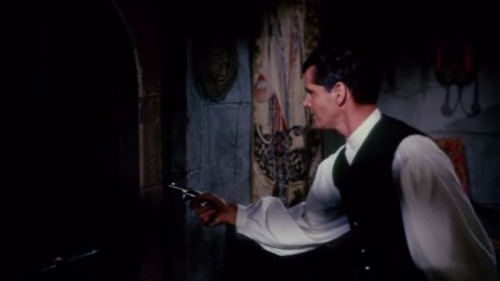
Há poucas coisas
melhores que um bom filme de terror. E não há quase nada melhor que uma boa
adaptação de uma das aterrorizantes histórias de Edgar Allan Poe. Poe é um dos
meus autores favoritos, e sua obra encontrou um lugar perfeito nas mãos do
diretor e produtor Roger Corman e de seu colaborador, o roteirista Richard
Matheson – uma parceria que surgiu com “O Solar Maldito” (1960).
There are few
things better than a good horror movie. And there are almost no things better
than a good adaptation of one of Edgar Allan Poe’s chilling stories. Poe is one
of my favorite writers, and his work found a perfect place in the hands of
director and producer Roger Corman and his collaborator, screenwriter Richard
Matheson – a fruitful partnership that started with “House of Usher” (1960).
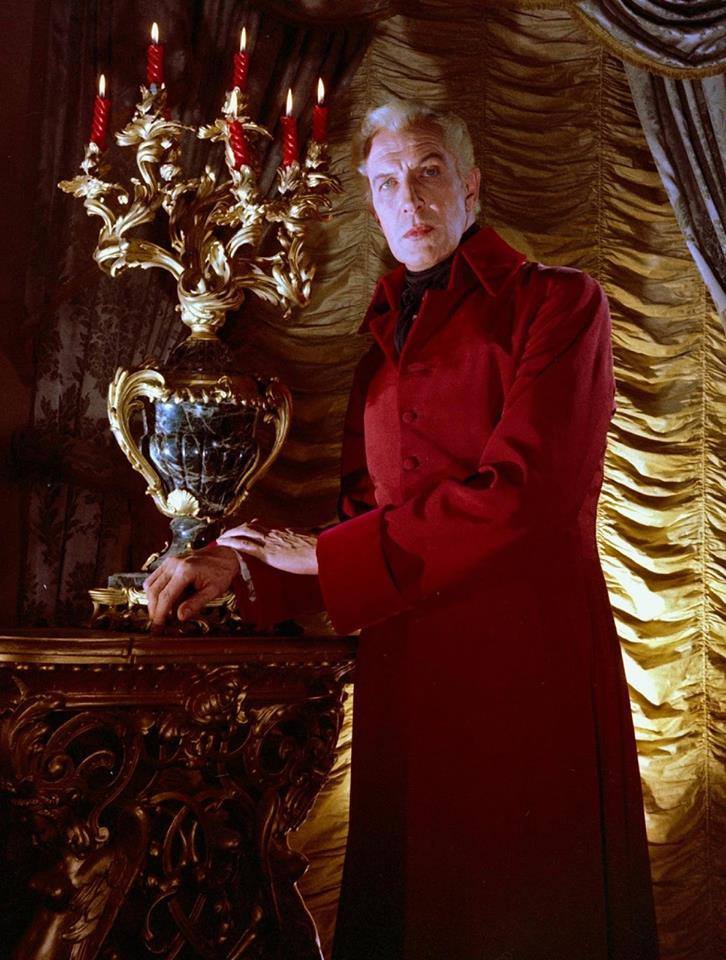
Philip
Winthrop (Mark Damon) chega ao solar maldito à procura da senhoria Usher, sua
noiva. O mordomo Bristol (Harry Ellerbe) diz a Winthrop que a senhoria Usher
está muito doente e, confuso, Winthrop entra na casa. Lá, ele encontra Roderick
Usher (Vincent Price) e sua amada Madeline Usher (Myrna Fahey). Roderick diz a
Winthrop que ele e a irmã estão prestes a morrer, e ele está sofrendo de
estágios iniciais de loucura.
Philip
Winthrop (Mark Damon) arrives at the House of Usher looking for Miss Usher, his
fiancée. The butler Bristol (Harry Ellerbe) tells Winthrop that Miss Usher is
very ill and, confused, Winthrop enters the house. There, he meets Roderick
Usher (Vincent Price) and his beloved Madeline Usher (Myrna Fahey). Roderick
tells Winthrop that both him and his sister are about to die, and he in special
is suffering from the early stages of madness.

Winthrop
fica no solar maldito como hóspede, e lá ele vê fenômenos estranhos – como a
casa que literalmente está caindo abaixo – e percebe que Madeline está sob a
vigilância de Roderick o tempo todo. Roderick também conta a Winthrop sobre a
maldição que paira sobre o solar maldito e sobre todos da família.
Winthrop stays
at the House of Usher as a guest, and there he witnesses weird phenomena – like
the house literally falling apart – and sees that Madeline is under
Roderick's vigilance all the time. Roderick
also tells Winthrop about the spell that affects the House of Usher and all
people in the family.

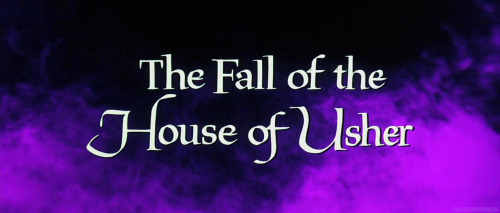
“A Queda
da Casa de Usher” é um conto de Edgar Allan Poe publicado em 1839. No conto,
contado em primeira pessoa por um narrador nunca identificado, o narrador é na
verdade um amigo de infância de Roderick Usher que foi chamado por Usher para
ajudá-lo durante sua doença. Madeline aparece brevemente no conto. E não há
nenhum mordomo no conto – mas todas as casas sinistras precisam de um mordomo,
não?
“The Fall of
the House of Usher” is a short story by Edgar Allan Poe published in 1839. In
the original story, told by Winthrop's point of view – even though we never get
to know the narrator's real name – the narrator is actually Roderick Usher's
childhood friend who was called by Usher himself to help him during his illness.
Madeline appears very briefly in the short story. There is also no butler in
the short story – but all sinister houses need a butler, right?
O
roteirista Richard Matheson adicionou o personagem Philip Winthrop e inventou
uma história de amor entre ele e Madeline por razões cinematográficas – o público
em geral prefere ver filmes com romance na trama. Par ser justa, “O Solar
Maldito” tem elementos que vão agradar a todos: romance, suspense e muito
horror. Matheson também trabalhou com Roger Corman em “Mansão do Terror”
(1961), “Muralhas do Pavor” (1962) e “O Corvo” (1963).
Screenwriter
Richard Matheson added Philip Winthrop and created a love story between him and
Madeline for cinematic purposes – moviegoers are usually more willing to watch
films with romance in the plot. To be fair, “House of Usher” has a little for
everybody: romance, suspense and a lot of horror. Matheson would work with
Corman also in “The Pit and the Pendulum” (1961), “Tales of Terror” (1962) and “The
Raven” (1963).
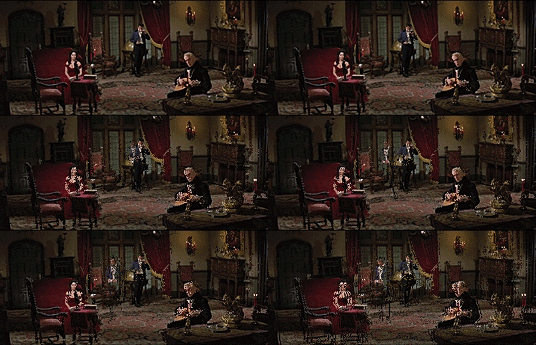
As
histórias de Edgar Allan Poe foram feitas para o cinema colorido? Se
considerarmos que as mais icônicas adaptações de sua obra literária foram
feitas por Roger Corman e filmadas em Technicolor, temos de concordar. Claro,
talvez você precise de algum tempo para se acostumar com Vincent Price com o cabelo
pintado de loiro em “O Solar Maldito” – mas depois disso você poderá apreciar
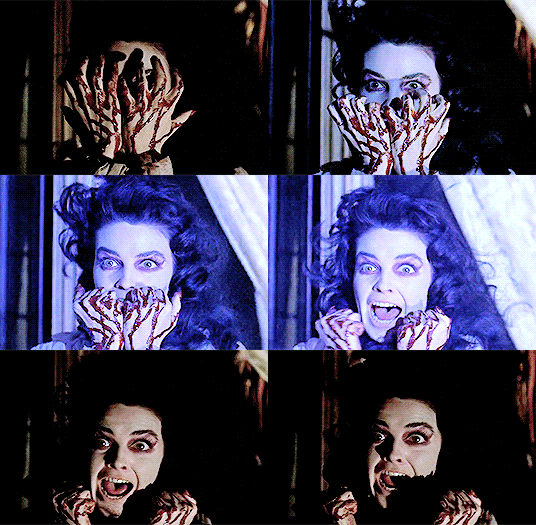
todas as cores da mansão e também uma assustadora sequência de pesadelo que vai
trocando os filtros das cores para um efeito noturno.
Were Edgar
Allan Poe's stories meant to be shot in color? If we consider that the most iconic
adaptations of his literary work were made by Roger Corman and shot in
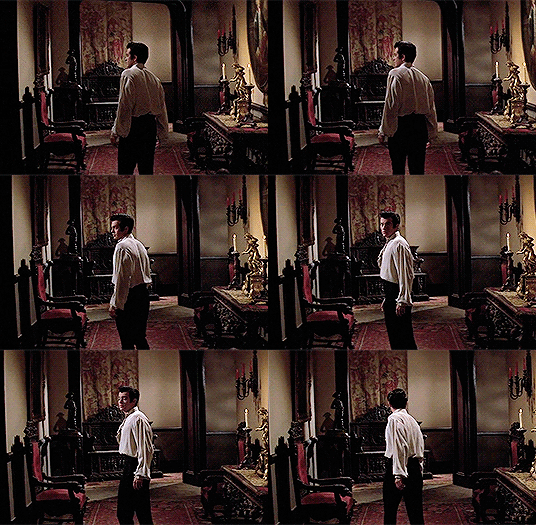
Technicolor, we can't help but agree. Of course, you may need some time to get
used to seeing Vincent Price with his hair dyed blonde in “House of Usher” –
but then you are able to enjoy all the colors of the mansion and also a
terrifying nightmare sequence that changes color filters for a night effect.
Assim como
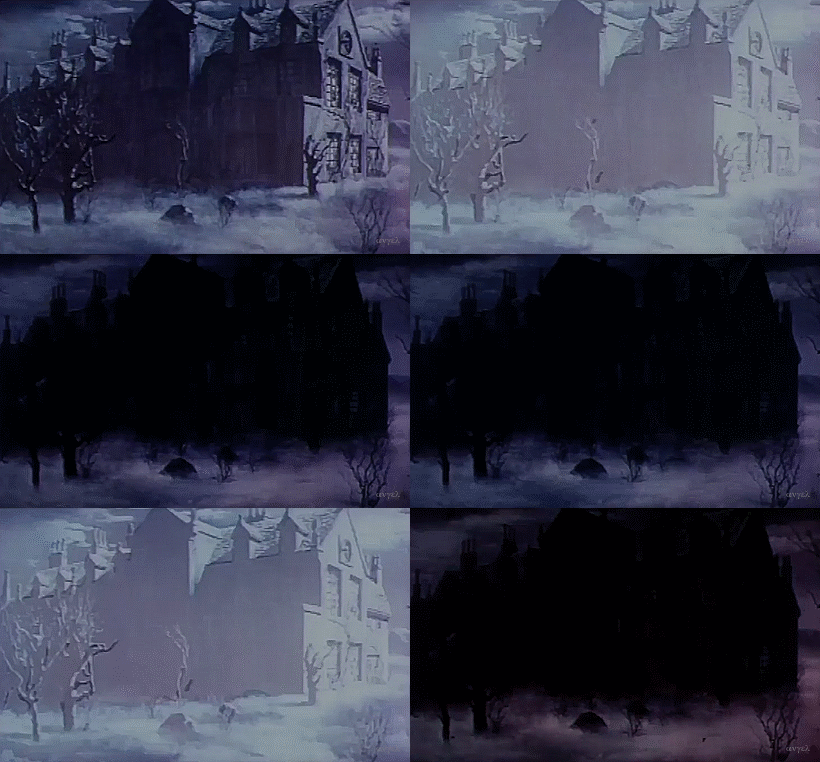
em “Rebecca” (1940), no qual a mansão Manderlay é também uma personagem do
filme, em “O Solar Maldito” a casa é importante para a trama. A família, assim
como a casa, está prestes a desmoronar, e cada tremor causado por uma fenda
gigante na parede da casa adiciona suspense ao filme. Como diz Roderick, a casa
tem, gravadas nas suas pedras, cada má ação feita por alguém da família Usher.
Just like in
“Rebecca” (1940), in which the Manderlay mansion is also a character in the
film, in “House of Usher” the house is important to the plot. The family, like
the house, is about to collapse, and every single tremor caused by a massive
fissure in the walls of the house adds suspense to the film. As Roderick says,
the house has now every evil done by an Usher engraved in its stones.
Vincent
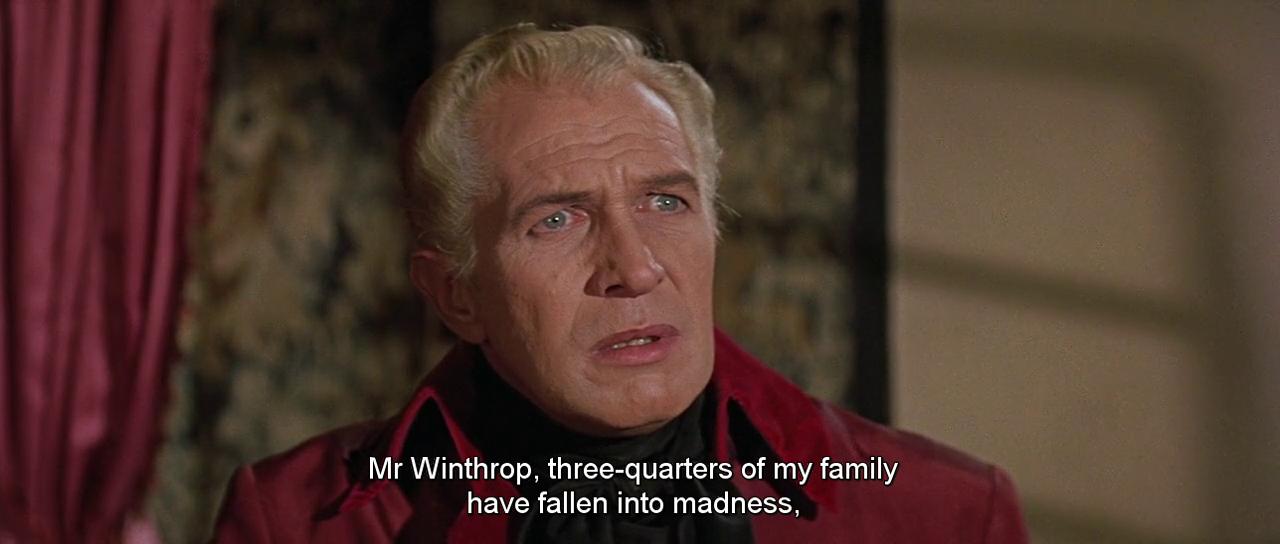
Price é absolutamente brilhante em “O Solar Maldito”. Ele interpreta o perturbado
Roderick de maneira que nós sentimos pena dele e ao mesmo tempo temos medo
dele. Em sua mais profunda agonia, Roderick grita e delira, e Price faz tudo
isso de maneira convincente.
Vincent Price
is absolutely brilliant in “House of Usher”. He plays the deeply disturbed
Roderick in a way that makes us feel pity for him and at the same time fear
him. In his deepest agony, Roderick screams and becomes delirious, and Price
does all that in a convincingly way.
Embora
tenham sido feitas muitas mudanças no conto original, “O Solar Maldito” é sem
dúvida a primeira obra-prima de Roger Corman. Filmado em apenas 15 dias e com
cenários improvisados, o filme é um trinfo cinematográfico – e um triunfo do
gênero do horror, que logo experimentaria sua renascença.
Although
there were major changes to the original story, “House of Usher” is without a
doubt Roger Corman’s first masterpiece. Shot in only 15 days and with
improvised sets, it is a triumph of the film world – and a triumph of the
horror genre that was about to experience a renaissance.
This is my
contribution to the Richard Matheson blogathon, hosted by Rich and Debbie at
Wide Screen World and Moon in Gemini.