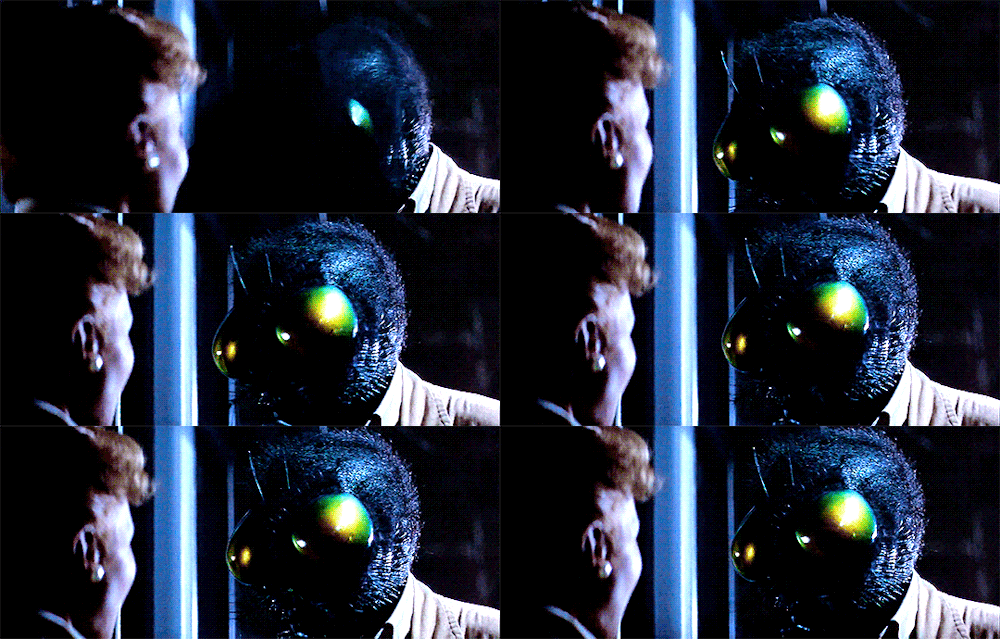
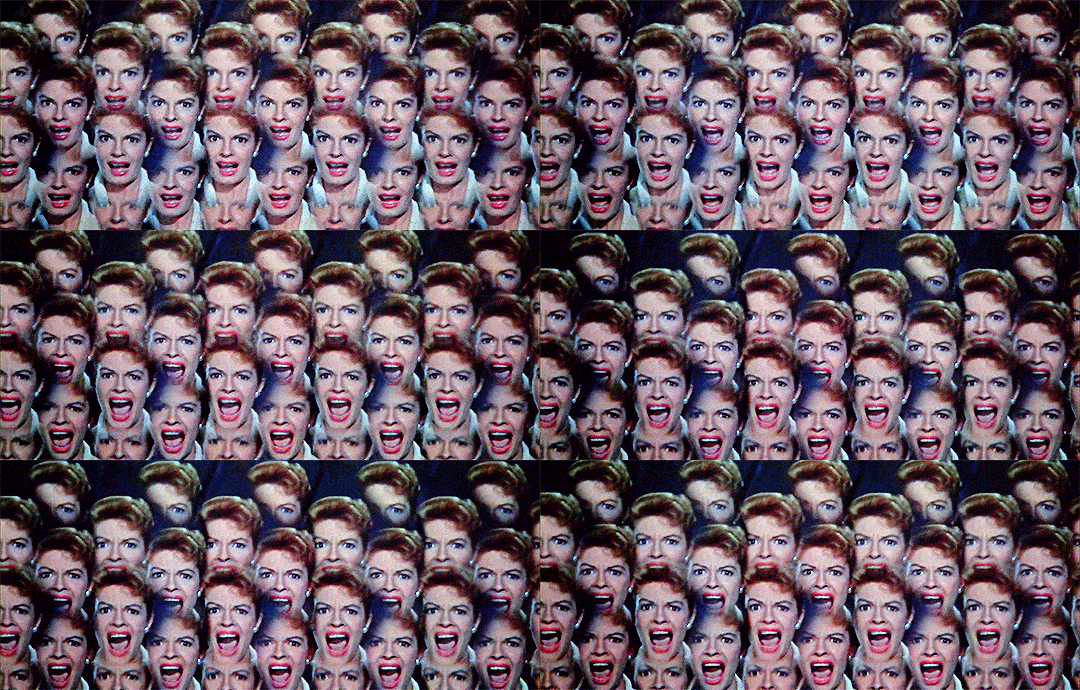
} Crítica Retrô: Vincent Price

Tradutor / Translator / Traductor / Übersetzer / Traduttore / Traducteur / 翻訳者 / переводчик

Showing posts with label Vincent Price. Show all posts

Sunday, July 3, 2022

A Mulher do Doutor Phibes / Doctor Phibes’ Wife


Dr Phibes é um homem que preza a família. E, como ele não tem filhos, sua família se resume à sua devotada esposa, Victoria Regina Phibes. Mas nós nunca a conhecemos com vida nos filmes estrelando Dr Phibes. No entanto, é ela o catalisador para a trama do primeiro filme desta, podemos dizer, “pequena franquia”: é a morte dela que faz com que Anton Phibes busque vingança.

Dr Phibes is a family-oriented man. And, since he has no children, his whole family is comprised of his devoted wife, Victoria Regina Phibes. But we never met her alive in the movies starring Dr Phibes. However, she is the catalyst for the plot of the first movie of this, could we say, “little franchise”: it’s her death that makes Anton Phibes seek revenge.

O Abominável Dr Phibes” (1971) começa com uma figura sinistra, coberta por uma capa, tocando um órgão – quase como o “Fantasma da Ópera” de Lon Chaney. A figura é o Dr Anton Phibes (Vincent Price), um homem que já matou alguns médicos. Às vezes ele usa animais, como ratos e morcegos e outras pragas, e enquanto ele comete o crime sua assistente Vulnavia (Virrginia North) toca violino. Mas ele cometeu um terrível erro no último assassinato, pois deixou cair um colar na cena do crime.

The Abominable Dr Phibes” (1971) starts with a sinister, cloaked figure playing an organ – almost like Lon Chaney’s “Phantom of the Opera”. The figure is Dr Anton Phibes (Vincent Price), a man that has been going around killing physicians. Sometimes he uses animals, like rats and bats and other plagues, and while he commits the crime, his assistant Vulnavia (Virginia North) plays the violin nearby. But he made a huge mistake in his latest killing, as he left his necklace in the crime scene.

Todas as vítimas têm algo em comum, além da profissão: todos foram, em um momento ou outro de suas vidas, próximos do Dr Vesalius (Joseph Cotten). E todos eles se juntaram para tratar a esposa do Dr Phibes, que acabou morrendo na mesa de cirurgia. Não vai demorar até que o inspetor Harry Trout (Peter Jeffrey) resolva este quebra-cabeça.

All the victims have one thing in common, besides the profession: they all have been, in some point of their lives, associated with Dr Vesalius (Joseph Cotten). And they all came together to take care of Dr Phibes’ wife, who ended up dying during surgery. It won’t be long until Inspector Harry Trout (Peter Jeffrey) puts all the pieces together.

O final de “O Abominável Dr Phibes” – completo com uma versão de “Over the Rainbow” – não é a última vez em que veremos o assassino. “A Volta do Dr Phibes” (1972) começa três anos após os eventos do primeiro filme, quando o Dr Phibes volta à vida graças à luz da lua e sai de sua casa em busca de um papiro que pode levá-lo a desvendar os segredos da ressurreição e da vida eterna.

The ending of “The Abominable Dr Phibes” – complete with a rendition of “Over the Rainbow”- is not the last time we see Phibes. “Dr Phibes Rises Again” (1972) begins three years after the events of the first film, when Dr Phibes is brought back to life by the moonlight and comes out of his house looking for a papyrus that can lead him to the secrets of resurrection and eternal life.

O grande problema agora é que o papiro está nas mãos de Darrus Biederbeck (Robert Quarry), um arqueólogo que promete dar ao joalheiro Harry Ambrose (Hugh Griffith, que interpretou um rabino no primeiro filme) todo o ouro que ele encontrar no local que o papiro indicar. Quando o Dr Phibes volta a matar para roubar o papiro, o inspetor Harry Trout volta à cena.

The main issue now is that the papyrus is currently with Darrus Biederbeck (Robert Quarry), an archaeologist who promises to give jewel maker Harry Ambrose (Hugh Griffith, who played the role of a Rabbi in the first movie) all the gold he might find in the place the papyrus indicates. After Dr Phibes kills once again to steal the papyrus, Inspector Harry Trout gets back to the scene.

Novamente em posse do papiro, Dr Phibes sobe num navio junto com uma nova Vulnavia (Valli Kemp), Biederbeck, Ambrose e a namorada de Biederbeck, Diana (Fiona Lewis). O destino deles é o Egito, onde procurarão o rio da vida.

Once again with the papyrus, Dr Phibes boards a ship together with a new Vulnavia (Valli Kemp), Biederbeck, Ambrose and Biederbeck’s girlfriend Diana (Fiona Lewis). Their destination is Egypt, to find the river of life.

A atriz por trás do retrato de Victoria é Caroline Munro, mais conhecida atualmente por ter interpretado Naomi em “007: o Espião que me Amava” (1977). Pelas datas, Victoria morreu aos 28 anos, enquanto Caroline tinha apenas 22 quando o primeiro filme estreou. Ela não foi creditada em nenhum dos dois filmes porque, segundo o IMDb, ela tinha um contrato com a Hammer Films, estúdio onde fez seus maiores sucessos.

The actress behind Victoria’s picture is Caroline Munro, better known today for playing Naomi in “007: The Spy who Loved Me” (1977). By the dates, Victoria died at 28, while Caroline was only 22 when the first film was released. She wasn’t credited in either of the films because, per IMDb, she was under contract to Hammer Films, studio where she made her biggest successes. 

Esta não é a primeira vez em que um filme com Vincent Price tem um retrato de mulher em destaque: outra vez em que isso acontece é, obviamente, com o retrato de Laura Hunt em “Laura” (1944). Neste filme noir, o detetive Mark McPherson (Dana Andrews) fica obcecado pelo retrato de Laura, mostrando a mesma afeição que levaria o Dr Phibes a matar muitas pessoas após fazer esta promessa ao retrato da falecida esposa.

This is not the first time a Vincent Price movie has a picture of a woman playing a major role: another time it happens is, of course, with Laura Hunt’s picture in “Laura” (1944). In this film noir, detective Mark McPherson (Dana Andrews) becomes infatuated with Laura’s picture, showing the same affection that would lead Dr Phibes to kill many people after promising to do so to his late wife’s picture.

Os filmes são ambientados na década de 1920 – algo que não podemos perceber pelas roupas, mas sim pelos carros e alguns objetos como telefones. Um terceiro filme com Dr Phibes foi planejado, mas nunca realizado, pois Vincent Price tinha outros projetos e o estúdio que fez os dois filmes, American International Pictures, também mudou de estilo em suas produções.

The films are set in the 1920s – something we can’t say by looking at the clothes, but by looking at the cars and some objects like the phones. A third movie featuring Dr Phibes was planned, but never made, as Vincent Price had other projects and the studio that made the two movies, American International Pictures, also shifted ways with their production.

Dr Phibes é um gênio do mal. Ele conseguiu reconstruir seu rosto desfigurado e achou um jeito de continuar falando mesmo depois de um terrível acidente. Ele viajou quilômetros e fez muitas vítimas, em dois filmes de horror que também têm humor. E no final torcemos por ele, afinal, tudo o que Dr Phibes fez foi por amor.

Dr Phibes is an evil mastermind. He managed to reconstruct his disfigured face and find a way to keep on speaking even after a terrible incident. He traveled many miles and made many victims, in two horror films that are also pretty humorous. And in the end we root for him, after all, everything Dr Phibes did, he did for love.

This is my contribution to the Other Than a Bond Girl blogathon, hosted by Gill and Gabriela at Realweegiemidget Reviews and Pale Writer.

Monday, February 28, 2022

A História da Humanidade (1957) / The Story of Mankind (1957)


Mais estrelas que há no céu: com este lema eram anunciados os filmes “all-star”. Estes eram filmes com um elenco de dar inveja, e entre os muitos produzidos podemos mencionar “Grande Hotel” (1932), “Jantar às Oito” (1933), “Seis Destinos” (1942) e “A Conquista do Oeste” (1952). Se um bom elenco reflete na qualidade de um filme, isso significa que um filme “all-star” não pode ser ruim, certo? Errado. Vamos dar uma olhada em um filme “all-star” que deu muito errado: “A História da Humanidade” (1957).

More stars than there are in Heaven: with this motto the “all-star” movies were advertised. These were movies with an impressive cast, and among them we can mention “Grand Hotel” (1932), “Dinner at Eight” (1933), “Tales of Manhattan” (1942) and “How the West Was Won” (1952). If a good cast reflects in the quality of the movie, this means that an “all-star” movie can’t be bad, right? Wrong. Let’s take a look at an “all-star” movie gone terribly wrong: “The Story of Mankind” (1957).

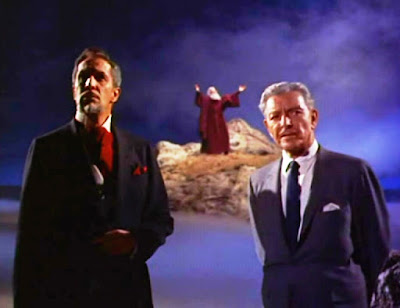
A trama até que é interessante. Depois do desenvolvimento de uma arma denominada Super H-Bomb – ou seja, uma bomba de hidrogênio -, seres celestiais organizam um julgamento no espaço sideral para decidir o destino da humanidade. Será que a humanidade deveria ser salva ou os seres celestiais deixarão os homens destruírem uns aos outros? Para decidirem, os juízes vão ouvir os argumentos do Espírito do Homem (Ronald Colman), que tentará proteger a humanidade, e do Diabo (Vincent Price), que tentará provar que a humanidade sempre foi má e merece ser extinta. Nos 90 minutos seguintes, haverá um desfile de participações especiais e algumas mortes ridículas.

The plot is actually interesting. After the development of a weapon named Super H-Bomb – that is, a hydrogen bomb –, celestial beings call for a tribunal in outer space to decide the fate of mankind. Should mankind be saved from itself or will the celestial beings let men destroy other men? In order to decide, the judges will hear arguments from the Spirit of Man (Ronald Colman), who will try to protect mankind, and from the Devil (Vincent Price), who will try to prove that mankind has always been evil and deserves to be erased from Earth. In the following 90 minutes, you’ll be served a parade of special guests and also some ridiculous onscreen deaths.


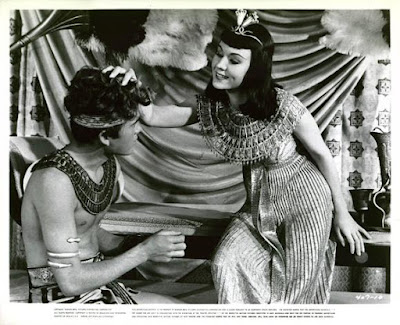
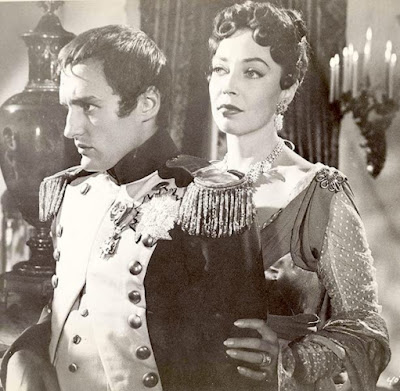
O filme não é muito bondoso para com as mulheres notáveis da história. Ele retrata Helena de Troia como uma femme fatale fútil, Cleópatra como ladra (e também fútil) e Maria Antonieta como uma tirana sem coração. Joana D’Arc (interpretada por Hedy Lamarr) é uma heroína, mas o Diabo usa o caso dela para provar que as pessoas são más porque traem outras pessoas, como Joan foi traída por compatriotas francesas. Mulheres são comumente apagadas da história, e é uma pena que, quando elas são mencionadas, são retratadas como personagens pouco complexas.

The movie is not very kind to the notorious women of history. It portrays Helen of Troy as a futile femme fatale, Cleopatra as a pickpocket (also futile) and Marie Antoinette as an inconsiderate tyrant. Joan of Arc (played by Hedy Lamarr) is a heroine, but the Devil uses her case to prove that people are evil because they betray other people, as Joan was betrayed by her fellow Frenchmen. Women are often erased from history, and it’s a shame that, when they are acknowledged, they are portrayed as less-than-complex characters.


A maioria dos momentos de bondade mostrados pelo Espírito do Homem tem a ver com religião. Isso inclui a revelação dos dez mandamentos para Moisés, os primeiros católicos rezando nas catacumbas em Roma, os monges mantendo a palavra de Deus viva na Idade Média. Todo esse discurso católico é estranho, e ainda mais estranho considerando que o filme diz que o julgamento é no espaço sideral, não no Céu. Nestes momentos, o filme se torna pregador, soando mais como uma lição de moral que uma obra de entretenimento.

Most of he moments of goodness shown by the Spirit of Man are connected with religion. This includes the reveal of the ten commandments to Moses, the first Catholics praying in the catacombs in Rome, the monks that kept God’s word alive during the Middle Ages. All this Catholic speech is odd, and even odder considering that the movie says that the courtroom is in outer space, and not Heaven. In these moments, the film becomes too preachy, sounding more than a moral lesson than a piece of entertainment.


A História da Humanidade” apresenta apenas a história eurocêntrica, sendo inclusive “anglocêntrica” quando conta, por exemplo, que a lei e a ordem foram trazidas de volta ao mundo quando o rei John assinou a Magna Carta no século XIII. Ao seguir esta visão, o Diabo apresenta um bom argumento, por exemplo, quando fala sobre a destruição trazida pelo colonizador para a América, com o massacre dos nativos. O Diabo mais uma vez tem razão quando o Espírito do Homem tenta mostrar que o colonizador inglês é um cavalheiro, e o Diabo o recorda da escravidão.

The Story of Mankind” presents only Eurocentric history, even being “anglocentric” when it tells, for instance, that law and order were brought back to the world when king John signed the Magna Carta in the 13th century. By following this vision, the Devil makes a point, for instance, when he talks about the destruction brought by the colonizers to America, with the slaughter of the natives. The Devil also scores when the Spirit of Men tries to paint English colonizers as true gentlemen, and the Devil reminds him of slavery.


Ronald Colman foi uma escolha perfeita para interpretar o Espírito do Homem e nos defender. Um ator fantástico, Colman interpretou muitos personagens honrados, como o protagonista de “A Queda da Bastilha” (1935). Vincent Price também foi a escolha perfeita para fazer o Diabo: suave e fria, sua persona cinematográfica combina com sua interpretação de um diabo bonitão e ultrarracional.

Ronald Colman was a perfect choice to play the Spirit of Man and defend us all. A superb actor, Colman often played honored characters, like the lead in “A Tale of Two Cities” (1935). Vincent Price was also perfectly cast as the Devil: suave yet cold, his onscreen persona matches this portrayal of a handsome and intellect-driven devil.


A premissa de “A História da Humanidade” é até bem intelectual: o homem é intrinsecamente bom ou mau? Esta é uma questão feita e refeita há séculos, uma questão que dividiu filósofos com o passar dos séculos: Thomas Hobbes acredita que somos intrinsecamente maus, Jean-Jacques Rousseau acha que os humanos são bons. Sociedades complexas modernas – e por “modernas” eu quero dizer sociedade como as que emergiram na Mesopotâmia por volta de 3000 a.C. - são as sociedades em que líderes tirânicos podem emergir – e convencer ou forçar as pessoas a fazer o mal. Psicólogos sociais, após experimentos e a observação dos julgamentos de Nuremberg, concluíram que é a situação que fará uma pessoa se comportar de maneira boa ou má. Ninguém conseguiu dar uma resposta definitiva para a questão – nem mesmo este filme.

The premise of “The Story of Mankind” is actually very intellectual: is man intrinsically good or evil? This is a centuries-old question, one that has divided philosophers through the ages: Thomas Hobbes thinks we’re inherently evil, Jean-Jacques Rousseau thinks humans are good. Modern complex societies – and by “modern” I mean societies like the ones that emerged in Mesopotamia around 3,000 b.C. - are the societies where tyrannical leaders could emerge – and convince or force people to do harm. Social psychologists, after experiments and the observation of the trials in Nuremberg, concluded that it is the situation that determines if a person will do good or behave badly. Nobody was able to give a definitive answer to the question – not even this film.


A História da Humanidade” foi dirigida, produzida e co-escrita por Irwin Allen, usando como base um livro de não-ficção com o mesmo título publicado em 1921. O nome de Irwin Allen é familiar para os fãs do gênero “filme de desastre”: ele foi produtor de “O Destino do Poseidon” (1972), “Inferno na Torre” (1974) e do ridículo “O Enxame” (1978).

The Story of Mankind” was directed, produced and co-written by Irwin Allen, using as source a non-fiction book of the same title published in 1921. Irwin Allen’s name is familiar for fans of the “disaster movie” genre: he was the producer of “The Poseidon Adventure” (1972), “The Towering Inferno” (1974) and the ridiculous “The Swarm” (1978).


Em 1957, Allen era apenas um ex-publicitário que estava fazendo sua estreia num filme live-action depois de dirigir dois documentários. De acordo com notícias da época, “A História da Humanidade” deveria ser um épico de três horas com apenas dois atores, um homem e uma mulher, contando toda a história da humanidade. A ideia mudou e um elenco de peso foi chamado para fazer o filme que conhecemos – isto é, este filme cheio de anacronismos e erros factuais.

In 1957, Allen was just a former publicist who was making his live-action feature film debut after directing two documentaries. According to press releases of the time, “The Story of Mankind” was first supposed to be a three-hour epic with only two actors, a man and a woman, telling the whole history of mankind. Things changed and an all-star cast was assembled to make the movie as we know it – that is, full of anachronisms and factual errors.


Eu sempre tento ver o lado bom dos filmes ruins, e consegui encontrar algumas coisas boas em “A História da Humanidade”. A sequência de Groucho Marx como colonizador inglês é divertida. Temos Francis X. Bushman, uma superestrela da era muda, como Moisés. A fotografia de Nicholas Musuraca – creditado como “Nick” – é muito boa. Surpreendentemente, não há blackface, brownface nem yellowface.

I always try to find redemptive characteristics even in the worst movies, and I managed to find some in “The Story of Mankind”. Groucho Marx’s bit as an English settler is funny. We have Francis X. Bushman, a superstar from the silent era, as Moses. The cinematography by Nicholas Musuraca – credited as “Nick” – is very good. Surprisingly, there is no blackface, brownface or yellowface.


Eu li em algum lugar que a História nada mais é que um bando de pessoas horríveis fazendo coisas horríveis. Eu penso muito sobre essa definição, e na maioria das vezes concordo com ela. Com genocídios, guerras e tantas outras coisas ruins que aconteceram e vêm acontecendo agora mesmo, eu também tendo a concordar com o Diabo de “A História da Humanidade” – a voz mais razoável num filme que às vezes soa como propaganda religiosa, e na maior parte do tempo é apenas uma bela bagunça.

I read somewhere that history is a bunch of horrible people doing horrible deeds. I’ve thought about this definition often, and I tend to agree with it. With genocides, wars and so much more bad things that have happened and are happening right now, I also tend to agree with the Devil from “The Story of Mankind” – the most reasonable voice in a film that sometimes feels like religious propaganda, and most of the time is just a beautiful mess.

This is my contribution to the Fourth So Bad It’s Good blogathon, hosted by Rebecca at Taking Up Room.

Sunday, April 19, 2020

A Casa dos Maus Espíritos (1959) / House on Haunted Hill (1959)


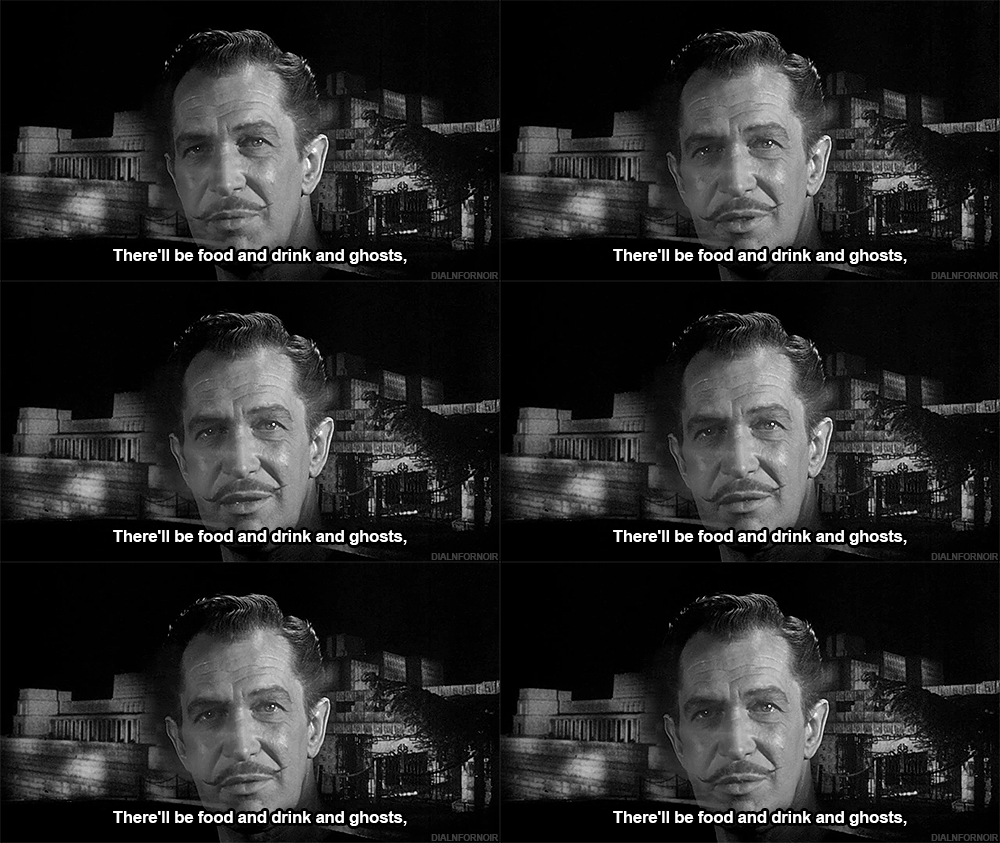
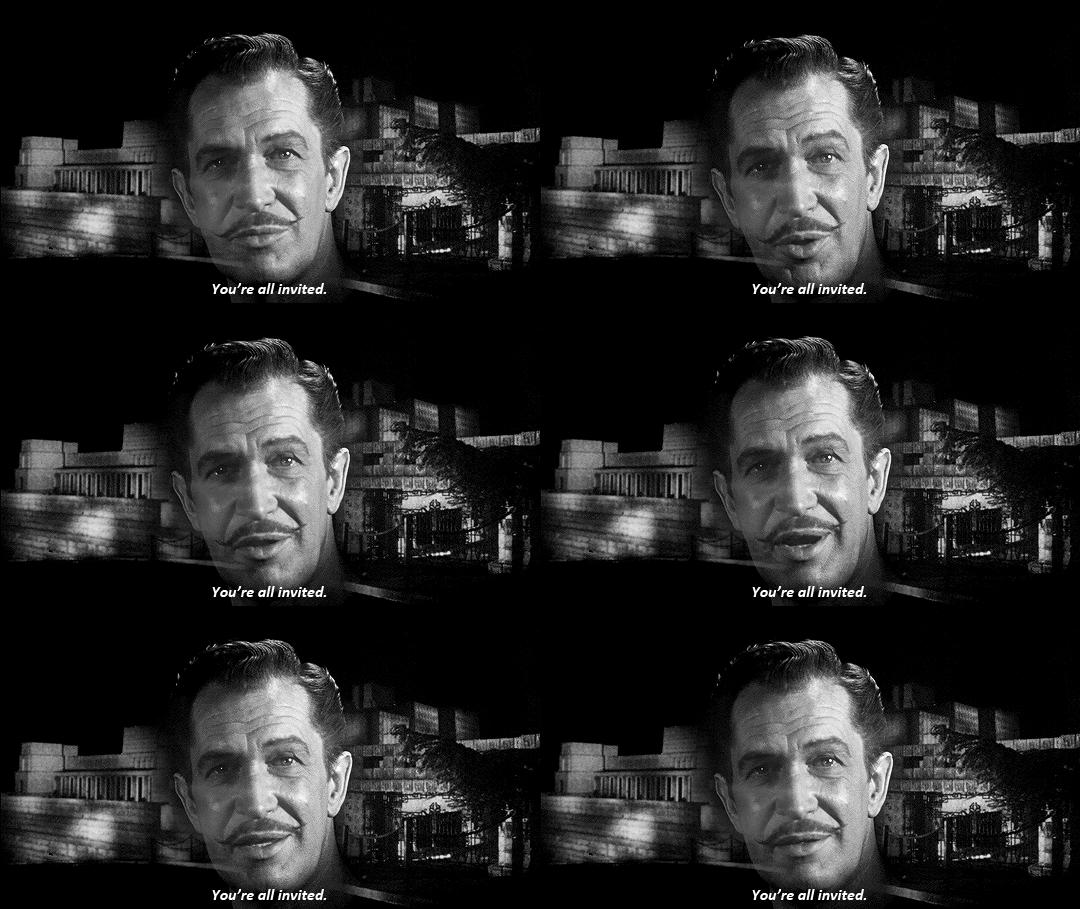
É hora da festa! Mas a festa é numa casa assombrada. E Vincent Price te convidou mesmo sem te conhecer – ele apenas quer te ver sendo assustado. Bem, não é isso que queremos quando assistimos a filmes de terror: ver outras pessoas levando sustos, além de ficarmos nós mesmos com medo? Se você gosta de gritos – um monte de gritos – e de sustos, “A Casa dos Maus Espíritos” é o filme ideal.

It’s party time! Except that the party is in a haunted house. And Vincent Price has invited you without knowing you – he only wants to see you get scared. Well, isn’t it what we want when we watch horror movies: to see other people get scared and freak ourselves out? If you’re into screams – a lot of screams – and jump scares, “House on Haunted Hill” is the film for you.


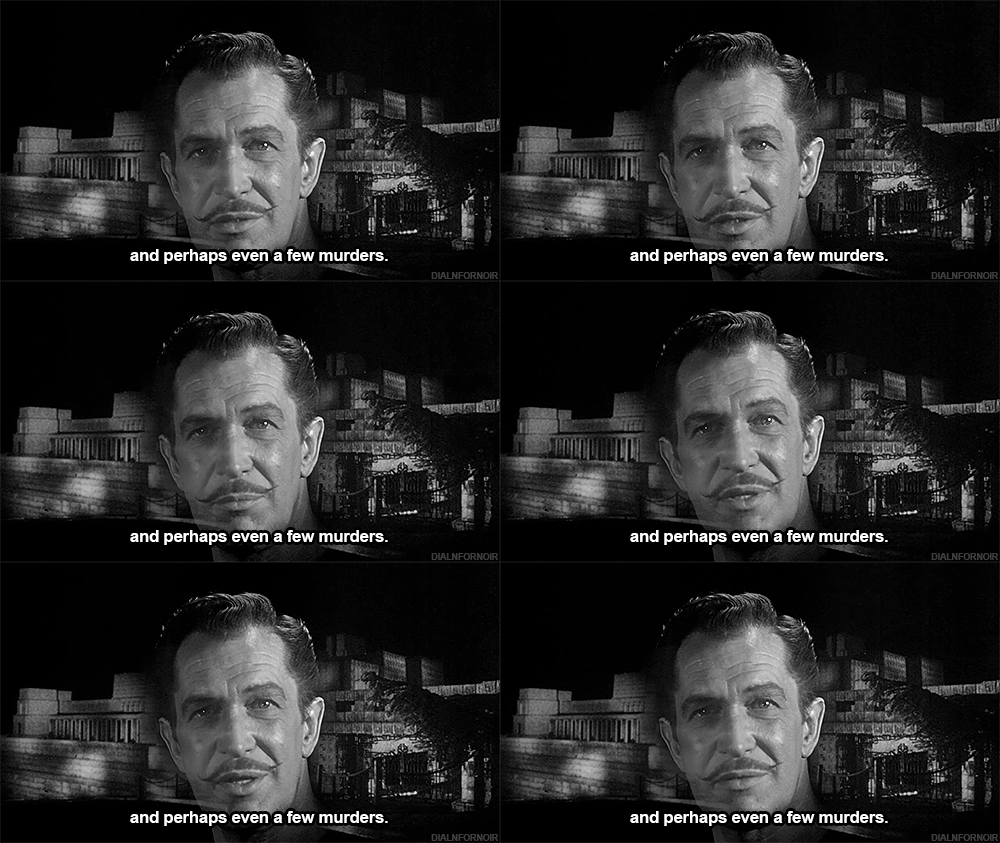
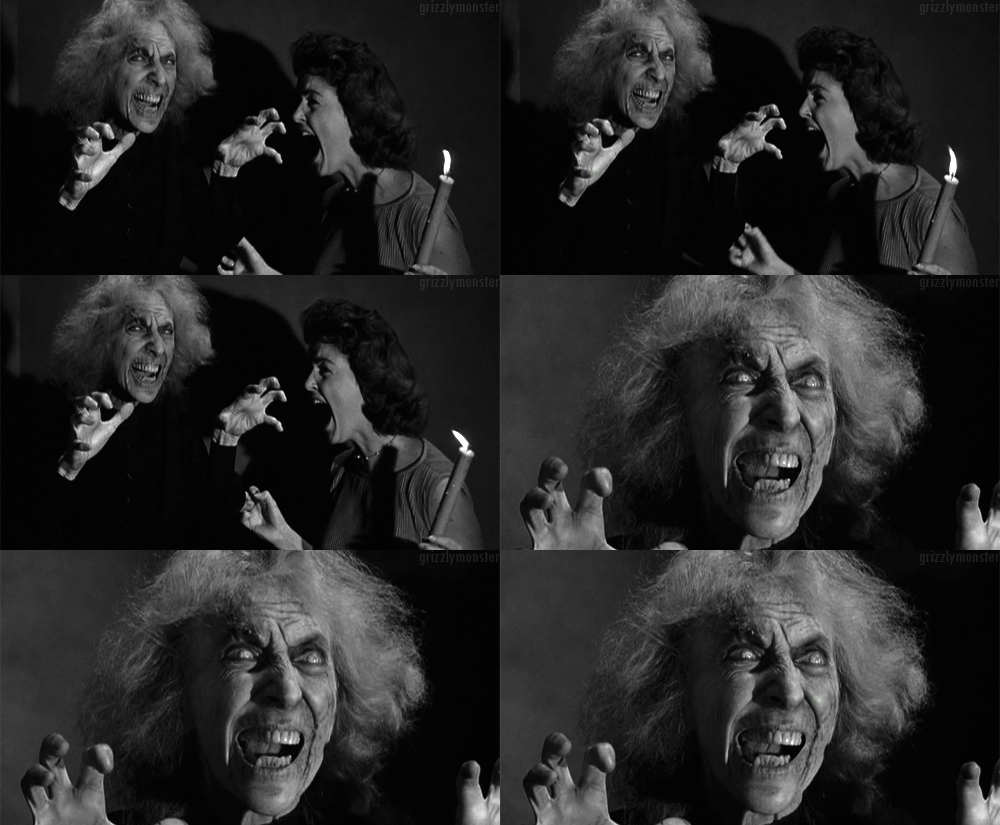
Uma série de gritos e uma risada maligna são ouvidos quando ainda não há imagens na tela. O público já sentiu um arrepio na espinha. A primeira coisa que vemos é a cabeça flutuante de Elisha Cook Jr, interpretando Watson Pritchard, cujo irmão foi morto durante uma estadia na casa dos maus espíritos. Então somos recebidos pela cabeça flutuante de Vincent Price, que nos conta que seu personagem alugou a casa para a esposa dar uma festa. Há cinco convidados, chegando em carros funerários, e quem conseguir ficar 12 horas na casa receberá 10 mil dólares.

A series of screams and an evil laugh are heard while there are no images on the screen yet. The audience is already on the edge of their seats. The first thing we see is the floating head of Elisha Cook Jr, playing Watson Pritchard, whose brother was killed while staying at the house on haunted hill. Then we're greeted by Vincent Price's floating head, who tells that his character rented the house for his wife to give a party. There are five guests, all arriving soon in funeral cars, and whoever is able to spend 12 hours on the house gets 10,000 dollars.


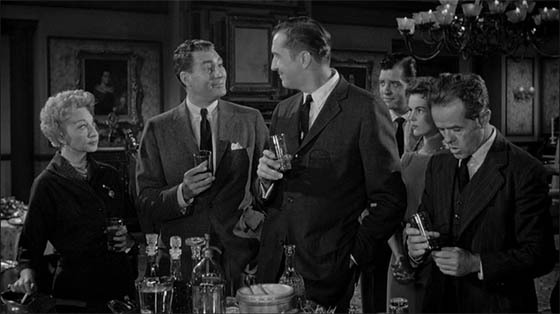
Há algo curioso aqui: nenhum dos convidados conhece pessoalmente os anfitriões – o personagem de Price, Frederick Loren, e sua esposa Annabelle (Carol Ohmart). Eles foram convidados ou pelo telefone ou por carta, e aceitaram o convite porque precisavam do dinheiro - a necessidade do dinheiro, aliás, é a única coisa que eles têm em comum. Frederick só quer ter o prazer de assisti-los tentando sobreviver para ganhar o prêmio. Esses ricaços são tão excêntricos, não?

There is something curious here: none of the guests personally know the hosts – Price's character, Frederick Loren, and his wife Annabelle (Carol Ohmart). They were invited either by phone or by mail, and accepted because they needed the money – their need for the money is, indeed, the only thing they have in common. Frederick only wants the pleasure to watch them trying to survive to win the prize. Those rich people are so eccentric, aren't they?


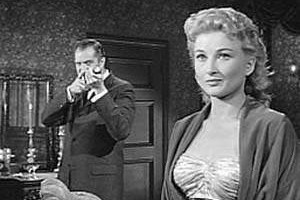
Annabelle, num primeiro momento, decide não participar da festa - ela é uma mulher peculiar (Frederick pergunta para ela “Você se lembra de como nos divertimos quando você me envenenou?”, por isso podemos imaginar que eles foram feitos um para o outro, de um jeito estranho). Mas, no caso deles, as aparências enganam. Na verdade, Annabelle é a quarta esposa de Frederick. A primeira esposa desapareceu, e as outras duas morreram em circunstâncias misteriosas. Ela não quer ser a próxima vítima.

Annabelle at first decides not to attend the party – she is a very odd woman (Frederick asks her “You remember the fun we had when you poisoned me?”, so we can imagine they are made for each other in a disturbing way). But, in their case, the appearances are very deceiving. In fact, Annabelle is Frederick's fourth wife. The first wife disappearedd, the other two died in mysterious circumstances. She doesn't want to be the next victim.


Sete pessoas já foram assassinadas na casa – quatro homens e três mulheres. Curiosamente, os convidados são quatro homens e três mulheres – um fantasma para cada, brinca Frederick. E não será só com fantasmas que eles terão de lidar.

Seven people had already been murdered on the house – four men and three women. Curiously, the guests are four men and three women – a ghost for each, Frederick jokes. And they won’t have to deal only with ghosts.


Nora Manning (Carolyn Craig) é nossa rainha do grito – ela grita tanto que se torna chata. Infelizmente, ela é a personagem que tem mais destaque, depois de Frederick. Como o filme é bem curto – tem apenas 75 minutos - os personagens não têm chance igual de brilharem, e alguns deles, como Ruth (Julie Mitchum, irmã de Robert Mitchum) e o piloto de avião, são pouco desenvolvidos. A história do personagem de Elisha Cook Jr também poderia ter sido explorada.

Nora Manning (Carolyn Craig) is our scream queen – she screams so much that she becomes annoying. Unfortunately, she is the character that gets the most screen time after Frederick. Because the film is very short – only 75 minutes – the characters don't have an equal chance to shine, and some of them, like Ruth (Julie Mitchum, Robert Mitchum’s sister) and the jet pilot, are barely developed. Elisha Cook Jr’s character’s story could also have been explored.


Obviamente, a casa também é um personagem. Ela se parece com uma velha fortaleza, talvez um prédio que podia abrigar um banco ou um prédio do governo – me lembrou do Forte Knox. Mais tarde eu descobri que Ennis House, o local usado para tomadas do exterior, foi construída com base na arquitetura Maia – foi o que certamente alertou meu cérebro de historiadora. Ricamente decorada, a casa é trancada por dentro, tendo barras nas janelas e uma porta que se fecha como a de um cofre. Watson compara a impenetrabilidade da casa com um caixão. Há atrações em todos os cantos da casa: uma mancha seca no teto é a fonte de um sangue pingando, um poço está cheio de ácido, um órgão toca sem pianista, há passagens secretas e muito mais. Há definitivamente muita coisa a explorar – e a temer – nas 12 horas que os personagens devem passar na casa.

The house, of course, is itself a character. It looks like an old fortress, maybe a building that could be a bank or a very secure governmental office – it reminded me of Fort Knox. Only later I learned that the Ennis House, used for exterior shots, was built based on Mayan architecture – it certainly rang a bell inside my historian’s brain. Beautifully furnished and decorated, the house is locked from the inside, having bars in the windows and a door like the ones found in vaults. Watson compares the impenetrability of the house to a coffin. There are attractions in every corner of the house: a dry stain in the ceiling still drops blood, a pit is full of acid, an organ plays without a pianist, hidden passages and more. There is definitely a lot to explore – and a lot to be afraid of – in the 12 hours the characters are supposed to spend there.

A trilha sonora tem tudo que se espera de uma trilha de filme de terror clássico: é horripilante, tem pequenos efeitos sonoros como portas abrindo e rangendo, piano, pratos e um suspense crescente. O compositor Von Dexter trabalhou em quatro filmes com o diretor William Castle, e esta é uma de suas composições mais icônicas.

The soundtrack is everything you can expect from a classic horror movie soundtrack: it’s eerie; it has little sound effects like doors opening and squeaking, piano, plates and an ever-growing suspense. Composer Von Dexter worked in four films with director William Castle, and this is one of his most iconic compositions.

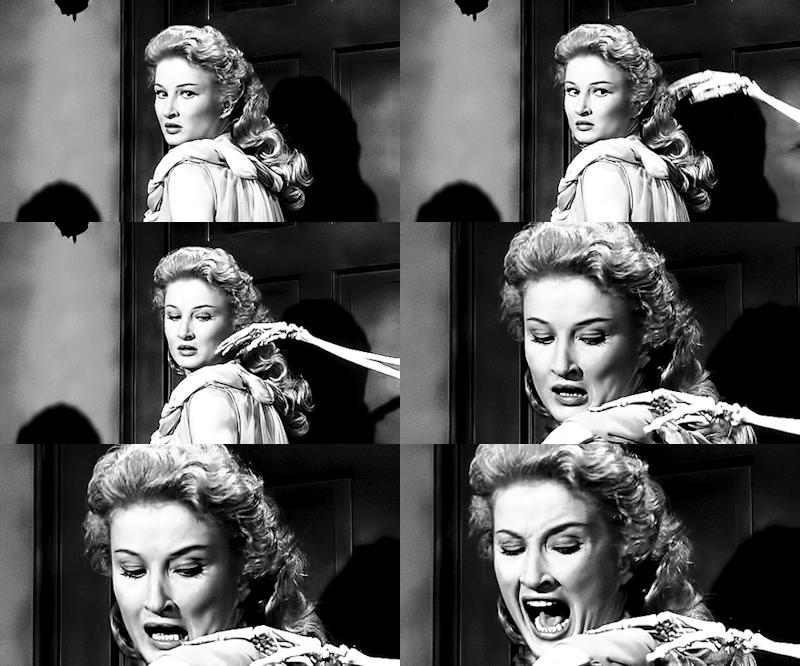
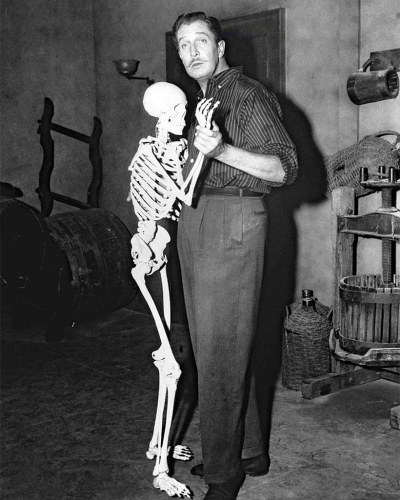
O diretor William Castle criou um truque chamado “Emergo” para acompanhar a exibição do filme em alguns cinemas: durante uma cena importante, um esqueleto de plástico deveria emergir na frente da tela e flutuar. William Castle, rei dos truques, lucrou muito com suas ideias, e “A Casa dos Maus Espíritos” foi um sucesso de bilheteria- e o esqueleto foi inclusive creditado como “ele mesmo”. Este foi o primeiro de dois filmes que Castle e Vincent Price fizeram juntos no mesmo ano.
The director William Castle created a gimmick called “Emergo” to accompany the screening of the film in some theaters: during a key scene, a plastic skeleton was supposed to emerge in front of the screen and float around. William Castle, king of gimmicks, profited a lot with his little tricks, and “House on Haunted Hill” was a box-office hit - and the skeleton was even credited as “itself”. This was the first of two movies Castle and Vincent Price did together in the same year.


Nos últimos dez minutos, “A Casa dos Maus Espíritos” tem uma grande surpresa que o torna diferente de todos os filmes de terror que você já viu – na verdade, a surpresa até lhe confere um toque de filme noir. Filmada em apenas 13 dias, “A Casa dos Maus Espíritos” pode ter alguns defeitos, mas também mostra que filmes de baixo orçamento podem ser divertidos e assustadores – em especial se há algum truque envolvido.

In the last 10 minutes, “House on Haunted Hill” has an extreme plot twist that makes it different from all horror movies you've seen – in fact, the plot twist even makes it noirish. Filmed in only 13 days, “House on Haunted Hill” may have its flaws, but it also shows how low-budget films can be entertaining and frightening – especially if a gimmick is involved.

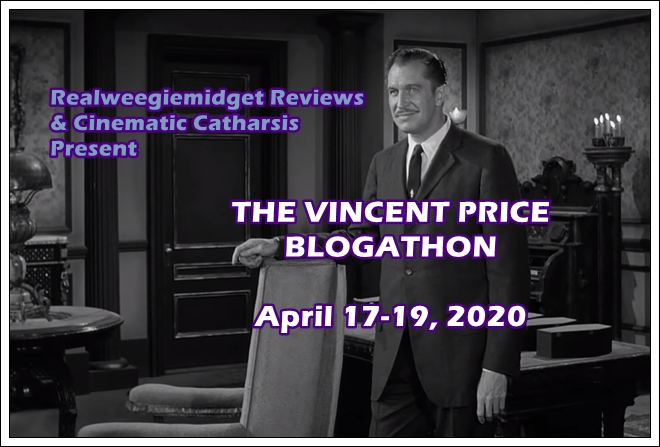
This is my contribution to the Vincent Price blogathon, hosted by Gill and Barry at ReelWeegieMidget Reviews and Cinematic Catharsis.

Saturday, August 17, 2019

Variações sobre um mesmo tema: A Mosca da Cabeça Branca (1958) e A Mosca (1986)


Variations on the same theme: The Fly (1958 & 1986)

Uma das melhores surpresas que tive vendo filmes e escrevendo no blog envolve o filme “A Mosca da Cabeça Branca”,de 1958. Tendo encontrado o filme por acaso na TV e ido ver sem expectativas, eu acabei embasbacada pelo suspense. Mais tarde, escrevi uma crítica sobre o filme para o blog, e o post se tornou um grande sucesso, recebendo dúzias de visitas semanalmente. E, como minha admiração por Jeff Goldblum e Geena Davis – protagonistas do remake de 1986 – só vem aumentando, percebi que era hora de ver o remake e comparar os dois filmes.

One of my best film / blogging surprises involves the 1958 film “The Fly”. Catching it on TV without any expectations, I was blown away by how suspenseful the film was. Later, I wrote about the film for my blog, and the post became a huge success, receiving dozens of views weekly. And, as my admiration for both Jeff Goldblum and Geena Davis – the leads of the 1986 remake – grew, I knew it was time to see the remake and compare the two films.


No filme de 1958, Andre Delambre (David Hedison) é um cientista que vivia feliz com sua família – até que um dia ele decidiu testar sua máquina de teletransporte ele mesmo, sem saber que havia uma mosca dentro da máquina. Andre e a mosca se fundem, o que lhe causa horror.

In the 1958 film, Andre Delambre (David Hedison) is a scientist who lived happily with his family – until one day he decided to test his teleportation machine himself, not knowing that there was also a fly inside the machine. Andre and the fly morph, to his complete horror.


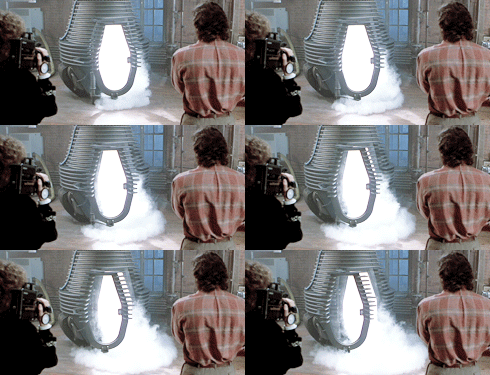
No filme de 1986, “A Mosca”, Seth Brundle (Jeff Goldblum) é um cientista que mostra sua mais nova invenção, uma máquina de teletransporte, para a jornalista Veronia 'Ronnie' Quaife (Geena Davis”. Ronnie fica encantada com a experiência e fica interessada em fazer uma reportagem sobre a descoberta de Seth. Eles também começam a namorar. Um dia, Seth decide testar a máquina de teletransporte sozinho, sem saber que uma mosca também embarcou na experiência...

In the 1986 film, Seth Brundle (Jeff Goldblum) is a scientist who shows his newest invention, a teleportation machine, to journalist Veronica ‘Ronnie’ Quaife (Geena Davis). Ronnie is amazed by the experience and gets interested in reporting about his discovery. They also start dating. One day, Seth decides to experiment the teleportation machine himself, without knowing that a fly also embarked in the experience…


A metamorfose de Andre é imediata. Nós não vemos muito do resultado, mas podemos imaginá-lo – e esta é a grande vantagem da versão de 1958. Ao “sugerir, e não mostrar”, o filme evita apelar para o grotesco – afinal, é um filme colorido, e tudo parece mais palpável e cores do que em preto e branco.

Andre’s metamorphosis is immediate. We don’t see much of the result, but we can imagine it – and this is the big advantage of the 1958 version. By using the “tell, do not show” approach, the film avoids being too disgusting – after all, it’s a color film, and everything looks more palpable in color than in black and white.


A metamorfose de Seth é gradual. À primeira vista parece que a experiência foi um sucesso, mas pouco a pouco Seth começa a mostrar mais “comportamentos de mosca” - como a vontade de comer açúcar, uma força incomum nos braços e o crescimento de pelos de inseto nas costas. O filme de 1986 não tem medo de nos causar nojo – e a metamorfose de Seth é puro nojo e alguns sustos.

Seth’s metamorphosis is gradual. At first it looks like the experiment was a success, but little by little Seth starts showing “fly behavior” – like the drive to eat sugar, an unlikely strength in his arms and the growth of insect hair on his back. The 1986 film is not afraid of disgusting us – and Seth’s metamorphosis is pure gore with a few jump scares.


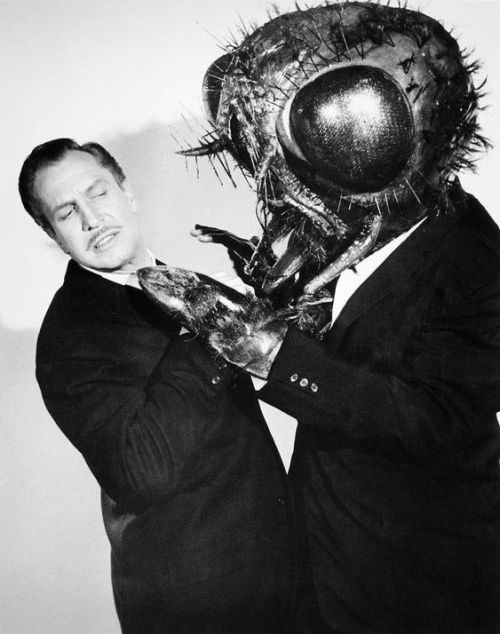
Quando Andre se torna meio-mosca, ele implora para que sua esposa, Helene (Patricia Owens), mate-o – e ela o faz. Na verdade, toda a história é contada em flashback por Helene para um inspetor e para o irmão de Andre, François (Vincent Price). Andre é uma figura trágica, ao contrário de Seth no filme de 1986.

As Andre becomes half-fly, he begs his wife, Helene (Patricia Owens), to kill him – and she does it. In fact, the whole story is told in flashback by Helene to an inspector and also to Andre’s brother, François (Vincent Price). Andre is a tragic figure, unlike Seth in the 1986 film.


Conforme Seth vai se tornando mosca, ele se torna um vilão. Primeiro ele deseja que Ronnie o deixe, dizendo que ela não merece passar por aquilo com ele, mas mais tarde ele decide usá-la para tentar se tornar humano novamente. Seth também maltrata, diminui e trai Ronnie. No final, Seth é um monstro por dentro – mais mosca do que humano – e por fora, considerando como ele tratou Ronnie.

As Seth is becoming a fly, he becomes a villain. At first he wants Ronnie to leave him, saying she doesn’t deserve to go through it with him, but later he decides to use her to try to become human again. Seth also bullies, belittles and cheats on poor Ronnie. In the end, Seth is a monster on the outside – more fly than human – and on the inside, considering how he treated Ronnie.


De acordo com o IMDb, Jeff Goldblum enviou uma carta para Vincent Price quando o remake estreou. A carta dizia: “Espero que você goste do meu filme tanto quanto eu gostei do seu”. Emocionado, Vincent Price foi ao cinema ver a nova versão, e a descreveu como “maravilhosa até certo ponto... ela foi um pouco longe demais”. E Vincent estava certo!

According to IMDb, Jeff Goldblum sent a letter to Vinent Price when the remake was ready. The letter went like this: “I hope you like it as much as I liked yours”. Moved, Price went to the movies to watch the new version, and described it as “wonderful right up to a certain point… it went a little too far”.  And Mr. Price was so right!


David Cronenberg aposta no nojo e no susto para o filme de 1986, enquanto o original de 1958 depende do suspense para funcionar – e funciona bem. O romance também é muito importante no filme de 1986 e, embora Jeff Goldblum e Geena Davis fossem namorados na época, não vemos química entre eles. Seth Brundle, o cientista, está mais preocupado com a ciência do que com sua vida amorosa, e isso fica evidente.

David Cronenberg bets on the gore and the scary in the 1986 film, while the original 1958 production relies on suspense to work – and it works well. The romance is also very important in the 1986 film and, although Jeff Goldblum and Geena Davis were dating at the time, we don’t feel their chemistry. Seth Brundle, the scientist, is more worried about his science than with his love life, and it shows.


A versão de 1958 sempre será minha favorita, e mesmo quem só assistiu ao remake deve procurar o original para experimentar outra visão da história, mais sutil e com mais suspense.

The 1958 version will forever be my favorite, and even those who only saw the remake should seek the original in order to experience another take on the tale, with more subtlety and suspense.

O veredicto: “A Mosca da Cabeça Branca”, de 1958, é o filme superior.

The verdict: the 1958 “The Fly” is the superior movie.

This is my contribution to the Jeff Goldblum blogathon, hosted by Gill at RealWeegieMidgetReviews and Emma at Emma K Wall Explains It All.


Related Posts Plugin for WordPress, Blogger...