Blasé: “Que manifesta tédio ou indiferença
em relação a tudo” (definição do dicionário Caldas Aulete)
Blasé: “Unimpressed or
indifferent to something because one has experienced or seen it so often
before.” (taken from the
Oxford Living Dictionaries)
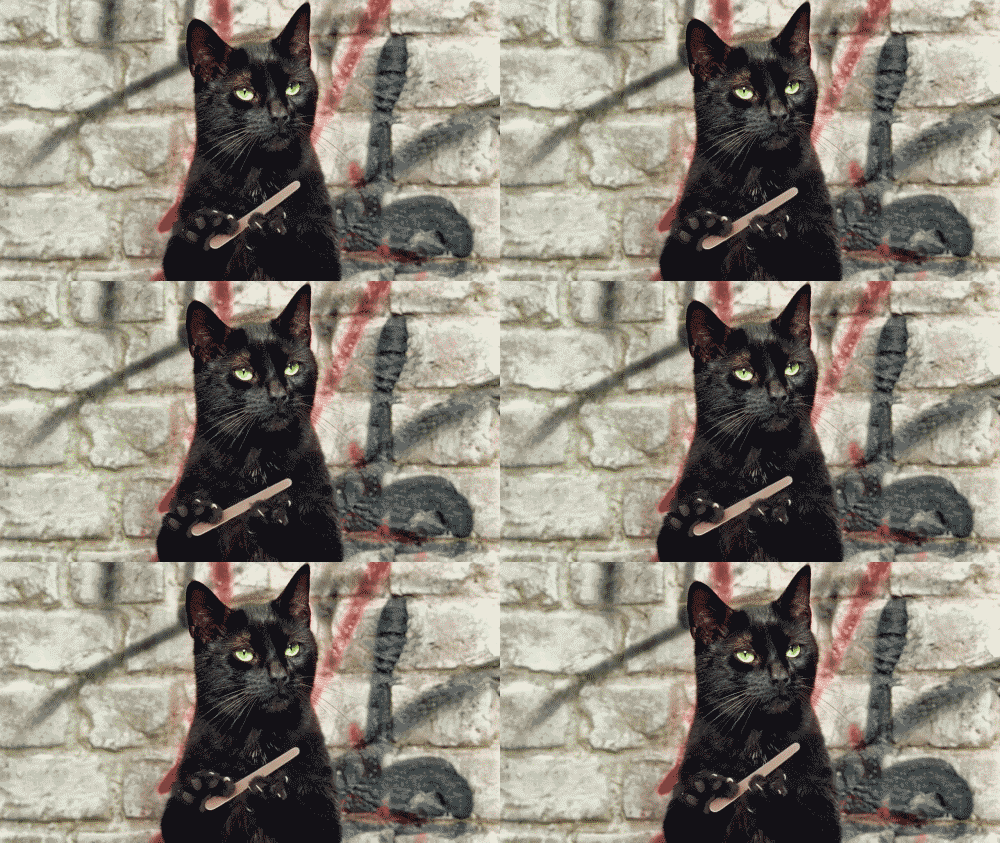
Eu venho de uma
família com um longo histórico não-blasé. Meu avô se preocupa com absolutamente
tudo. Minha avó também, mas ela foca seus esforços de preocupação no clima e
nas tarefas domésticas. Minha mãe também é relativamente preocupada. E durante
muito tempo eu também fui perfeccionista, controladora, obcecada com boas notas
e com que tudo saísse bem. Por isso, meu desejo sempre foi ser mais blasé.
I come from a family with a long non-blasé history. My grandfather worries
about absolutely everything. So does my grandmother, but she usually focuses
her worries on the weather and house chores. My mother is also relatively
worried. And for a long time I was also a perfectionist, control-freak,
obsessed about good grades and overall peace. That's why my secret wish has
always been to be more blasé.

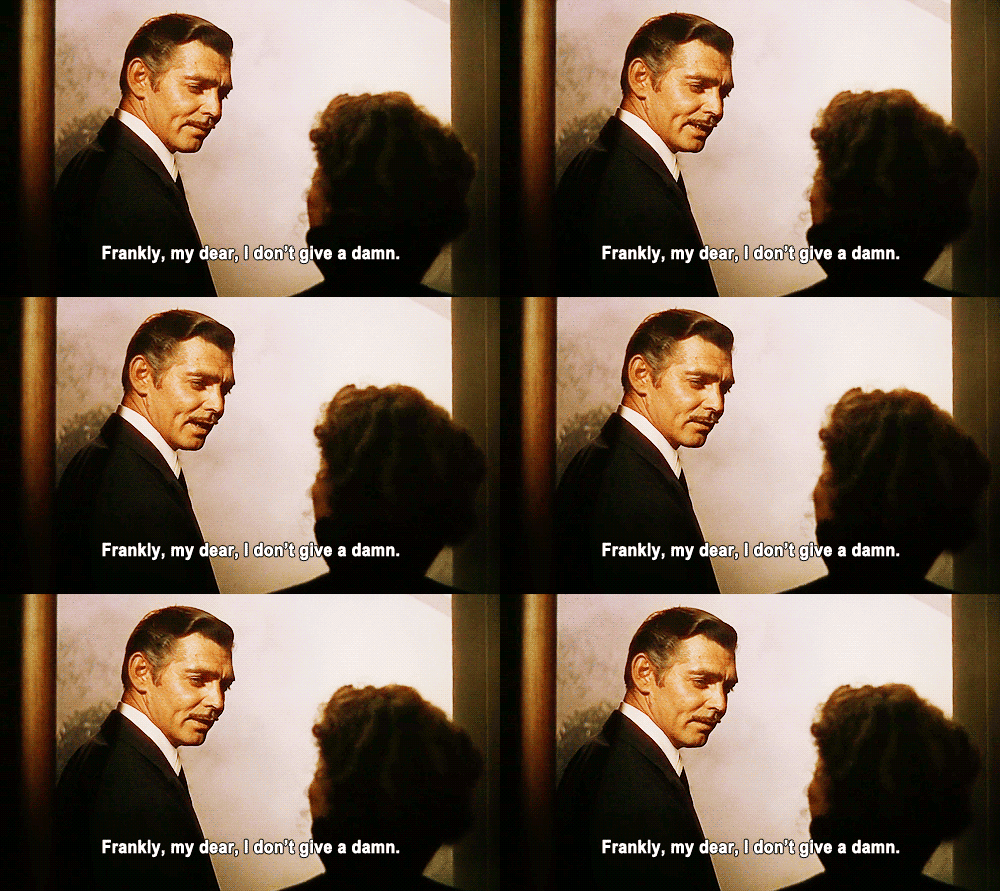
Clark Gable, ou
melhor, Rhett Butler, era o rei do blasé. Não existe frase mais blasé proferida
na história do cinema que sua fatídica última fala em “E o Vento Levou” (1939).
Eu não queria ser exatamente como Rhett, mas sim viver com menos amarras e
preocupações, sem neuras, sem ansiedade desnecessária. E o cinema desde cedo me
mostrava as lições para uma vida mais leve.
Clark Gable, or better, Rhett Butler, was the king of blasé. There is no
other sentence in movie history more blasé than his infamous last lime in “Gone
with the Wind” (1939). My wish was no to be exactly like Rhett, but to live
with less troubles and worries, without unnecessary anxiety. And the cinema,
since the beginning, taught me the lessons for a lighter life.
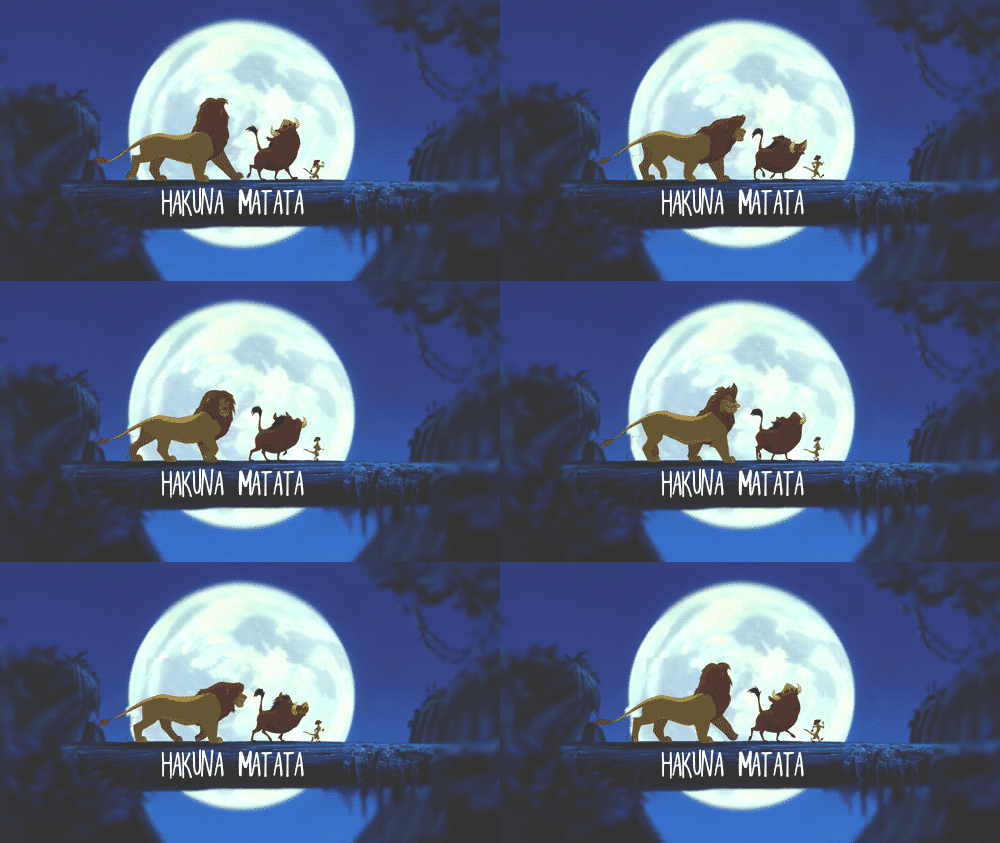
Eu nasci em 1993.
Um ano depois, a Disney lançava uma animação de primeira qualidade: “O Rei
Leão”. Nele, a simpática dupla Timão e Pumba ensina ao jovem Simba algo
indispensável para a sobrevivência dentro e fora da selva: a comer insetos a
não se preocupar. Esta é a lição da música mais memorável do filme, e um mantra
que eu deveria ter adotado para a vida desde cedo: Hakuna Matata, ou “não se
preocupe” em swahili.
I was born in 1993. The following year Disney released a first-rate animation: “The Lion
King”. In it, the cool duo Timon and Pumbaa teaches young Simba something
mandatory to survive in and outside the jungle: to eat insects to not worry.
This is the lesson taught by the most remarkable song in the movie, and aa
mantra that I should have followed in my life since I was young: Hakuna Matata,
or “do not worry” in swahili.
Vamos voltar 60
anos no tempo, diretamente para 1934, ano em que estreia “A Ceia dos Acusados”.
Nick e Nora Charles, os protagonistas, são extremamente blasés. Sim, eles
resolvem todos os problemas e crimes, mas só depois de tomar um ou dois (ou
seis) martínis. Nick e Nora têm um ao outro e têm muito, muito senso de humor.
Só assim para não se importar com o que está escrito nos tabloides e sempre ter
uma frase espirituosa na ponta da língua.
Let’s go 60 years back in
time, directly to 1934, the year when “The Thin Man” premiered. Nick and Nora
Charles, the protagonists, are extremely blasé. Yes, they solve all the
problems and crimes, but only after drinking one or two (or six) martinis. Nick
and Nora have each other, and they have an awful lot of good humor. Only with
good humor they can care nothing about what is written in the tabloids and
always think about great comebacks.

E eis que vem a Disney de novo com uma lição. Sim, eu esperei 13 anos por
“Procurando Dory” e fui animadíssima ao cinema (tenho a mesma capacidade de
concentração de Dory). E ali estava meu novo ídolo, o personagem mais blasé do
século XXI: Geraldo, o leão-marinho. Aquele que ouve vários “nãos”, que é
escorraçado, mas faz cara de paisagem, não fala nada e tem um plano na cabeça.
Silenciosamente, ele coloca o plano em prática e consegue o que quer. Sempre
com ar blasé, claro.
And then Disney teaches
me one more lesson. Yes, I waited 13 years for “Finding Dory” and I went, ecstatic,
to the movies (Dory and I have the same attention span). And there was my new
idol, the most blasé character of the 21st century: Gerald, the sea
lion. The one who hears several “no’s”, the one who is bullied and humiliated,
but acts like nothing happened, says nothing and plans revenge his action.
Silently, he works on his plan and gets what he wants. Always with a blasé attitude, of course.

Acho que consegui
ser mais blasé. Deixar a vida me levar, ser mais leve. E, mais uma vez, devo
tudo isso ao cinema.
I think I succeeded in
being more blasé. In letting things flow in life, in being lighter and living
with less pressure. And, once again, I owe all this to the movies.
This
is my contribution to the Things I Learned from the Movies Blogathon, hosted by
Ruth and Kristina at Silver Screenings and Speakeasy!


