} Crítica Retrô: BBC

Tradutor / Translator / Traductor / Übersetzer / Traduttore / Traducteur / 翻訳者 / переводчик

Showing posts with label BBC. Show all posts

Friday, February 20, 2026

Kenneth Williams: Fantabulosa! (2006)


Eu venho escrevendo sobre filmes antigos há 16 anos. O próprio cinema tem pouco mais de 130 anos. E todos os dias eu aprendo alguma coisa nova sobre a Sétima Arte. Por exemplo: através de minha amiga Virginie, que escreve majoritariamente no site The Wonderful World of Cinema, eu descobri uma série de filmes que nunca havia ouvido falar anteriormente: a franquia Carry On. Trinta e um filmes da franquia foram feitos na Inglaterra entre 1958 e 1992, além de vários spin-offs na televisão e nos palcos. Um nome recorrente no elenco destes filmes foi Kenneth Williams. Acredito que não há jeito melhor de conhecer alguém do que aprendendo sobre sua vida, e felizmente houve uma cinebiografia feita para a TV de Kenneth Williams, filme que vi e agora escrevo sobre em honra ao seu centenário.   

I’ve been writing about old movies for sixteen years now. Cinema itself is a little over 130 years old. And everyday I learn something new about the movie world. For instance: through my friend Virginie who writes mainly at The Wonderful World of Cinema I got to know a film series I had never heard about before: the Carry On movie franchise. Thirty-one movies of the franchise were made in England between 1958 and 1992, plus several spin-offs on television and on stage. A recurring name in the cast was Kenneth Williams. I believe there is no better way to get to know someone than learning about their life, and luckily there is a biopic made for TV about Kenneth Williams, the movie I watched and now review, as part of his centennial celebration.

Começamos com Kenny (Michael Sheen), um exuberante solteirão vivendo num apartamento com o mínimo de mobília. Um flashback começa e somos apresentados ao pequeno Kenny, um garotinho que tem seu cabelo cortado pelo próprio pai. Sua mãe fala assim sobre seu pai: “ele é um menino, não é como nós” e mostra para Kenny um vestido que ela estava costurando para ele. Usando o vestido, Kenny desempenha um papel nos palcos e recebe elogios de um jornal. 

We start with Kenny (Michael Sheen), a flamboyant bachelor living in an apartment with minimal furniture. A flashback begins and we’re introduced to little Kenny, a boy having his hair cut by his father. His mother tells him about the father: “he’s a man, not like us” and shows Kenny a dress she made for him. Wearing the dress, Kenny appears on stage and receives praise from a local newspaper.


Já adulto, Kenneth se junta a uma trupe de teatro e demonstra ser um grande comediante, mesmo ao tentar ser um ator dramático. Ele então consegue um trabalho no rádio. É interessante notar como a trajetória de Kenneth até então se assemelha com a de muitos atores e atrizes de Hollywood das décadas de 1930 em diante, especialmente daqueles que faziam comédia.

Now an adult, Kenneth joins a theater group and proves himself to be a great comedian, even when he’s trying to be a serious actor. He then finds a job on the radio. It’s interesting to notice how Kenneth’s trajectory so far is similar to many Hollywood actors of the 1930s onwards, especially those in comedy.

O programa de rádio é um sucesso e o próximo passo é óbvio: a televisão! Vale lembrar que a TV apareceu e se popularizou na Inglaterra antes de isso acontecer nos EUA. Sua fama televisiva dura pouco, pois ele é criticado por seu colega Tony (Martin Trenaman) e os produtores da BBC que queriam um programa mais sério, sem as vozes e as personagens de Kenny. 

The radio show becomes popular and the next step was clear: television! Let’s remember that TV appeared and popularized sooner in England then it did in the US. His television fame doesn’t last long, as he is criticized by both his coworker Tony (Martin Trenaman) and the BBC producers who wanted to make a more realistic show, without Kenny’s voices and characters.

A tristeza não dura muito porque ele é recrutado para o cinema! Sua aparição nos filmes da franquia Carry On começa em 1958 com “Carry On Sergeant” e segue em frente em outros 25 filmes. Podemos ver referências a eles na cinebiografia através dos diferentes figurinos que Kenneth usa no set junto à amiga Joan Sims (Beatie Edney). Além de seu trabalho no cinema, podemos vê-lo em ação nos palcos e televisão, e também fazendo e perdendo amigos e se envolvendo em novos relacionamentos.

Sadness doesn’t last long as he’s recruited to the movies! His appearance in the Carry On films begins in 1958 with “Carry On Sergeant” and went on in 25 more movies. We can see them referenced in the biopic by the various costumes Kenneth is wearing on set alongside his friend Joan Sims (Beatie Edney). Besides his work in cinema, we see him starring on stage and TV, and also making and losing friends and forging new relationships.

Como muitos outros atores - como muitas outras PESSOAS - Kenneth tinha uma relação complicada com os pais. Ele era muito próximo de sua mãe, Lou (Cheryl Campbell), que sempre o apoiou, mas era distante do pai, Charlie (Peter Wight). O pai falava para o filho conseguir um bom trabalho desde menino e não aprovava que ele fosse um ator, mesmo ouvindo os programas de rádio de Kenny quando estava sozinho em casa. Numa noite, Kenneth está passando aspirador em seu apartamento vestindo só uma sunga e impede que o pai entre e faça uma visita, algo que fez grande mal à já pouco saudável relação deles.  

Like many other actors - like many other PEOPLE - Kenneth had a complicated relationship with his parents. He was very close with his supportive mother, Lou (Cheryl Campbell), but distant from his father, Charlie (Peter Wight). The father talked about him getting a good job since he was little and disapproved of him being an actor, even though he would listen to Kenneth’s radio shows when alone at home. One night, Kenneth is vacuuming his apartment only in swimming suits and refuses to let his father in, something that harmed their already poor relationship for good.

Kenneth ouve pela primeira vez falar de “ser queer” no livro “The City and the Pillar”. Para ele, beijar e transar são coisas nojentas, mas ele dissipa sua energia se masturbando. Ele seria hoje considerado um assexual homorromântico. A mãe dele já o via assim.

Kenneth first learns about “queerness” in the book “The City and the Pillar”. For him, kissing and having sex are totally disgusting, but he dissipates his energy by masturbating. He would be considered now a homorromantic asexual individual. His mother already understood that.

Baseado no livro “The Diaries of Kenneth Williams”, publicado postumamente em 1992, “Fantabulosa” é um bom filme feito para a TV, categoria que até alguns anos atrás era sinônimo de algo malfeito. Embora sua atuação possa parecer um bocado afetada e irritante no começo, o camaleônico Michael Sheen faz um bom trabalho.

Based on the book “The Diaries of Kenneth Williams”, posthumously published in 1992, “Fantabulosa” is a good made-for-TV movie, a category that, until recent years, has been associated with poorer production values. Although his acting is a bit affected and even annoying in the beginning, the chameleon Michael Sheen does a good job.

Há citações de Shakespeare e George Bernard Shaw no filme. Mas eu escolho terminar esta crítica com uma citação dele mesmo, Kenneth Williams: “A citação, como a oportunidade, a comida, e o amor, tem que vir no momento certo. Gritada, pode mandar seu ego lá para o tornozelo”.

There are quotes from Shakespeare and George Bernard Shaw in the movie. But I choose to end this review with a quote from the man himself, Kenneth Williams: “The quote, like opportunity, food and love, has got to come at the right moment. Blurted out, it can send your ego round your ankles.”

This is my contribution to the Carry On Kenny blogathon, hosted by Virginie at The Wonderful World of Cinema.

Friday, May 9, 2025

Lotte Reiniger: Rainha dos Contos de Fadas / Lotte Reiniger: Queen of Fairy Tales

 A vida não é um conto de fadas, mas é possível ganhar a vida com contos de fadas. Pergunte para Lotte Reiniger. A cineasta alemã se inspirou nessas histórias de séculos passados tanto na fase muda de sua carreira quanto nos seus filmes falados. Fugindo dos nazistas, sem conseguir visto nos países Aliados, ela nunca parou de contar histórias familiares com uma técnica que é, até hoje, surpreendente.

Life is not a fairy tale, but you can make a living out of fairy tales. Just ask Lotte Reiniger. The German filmmaker was inspired by these centuries-old stories in both the silent and sound phases of her career. Running away from the Nazis, without receiving any visa to come to Allied countries, she never stopped telling familiar stories with a technique that is, until today, mesmerizing.


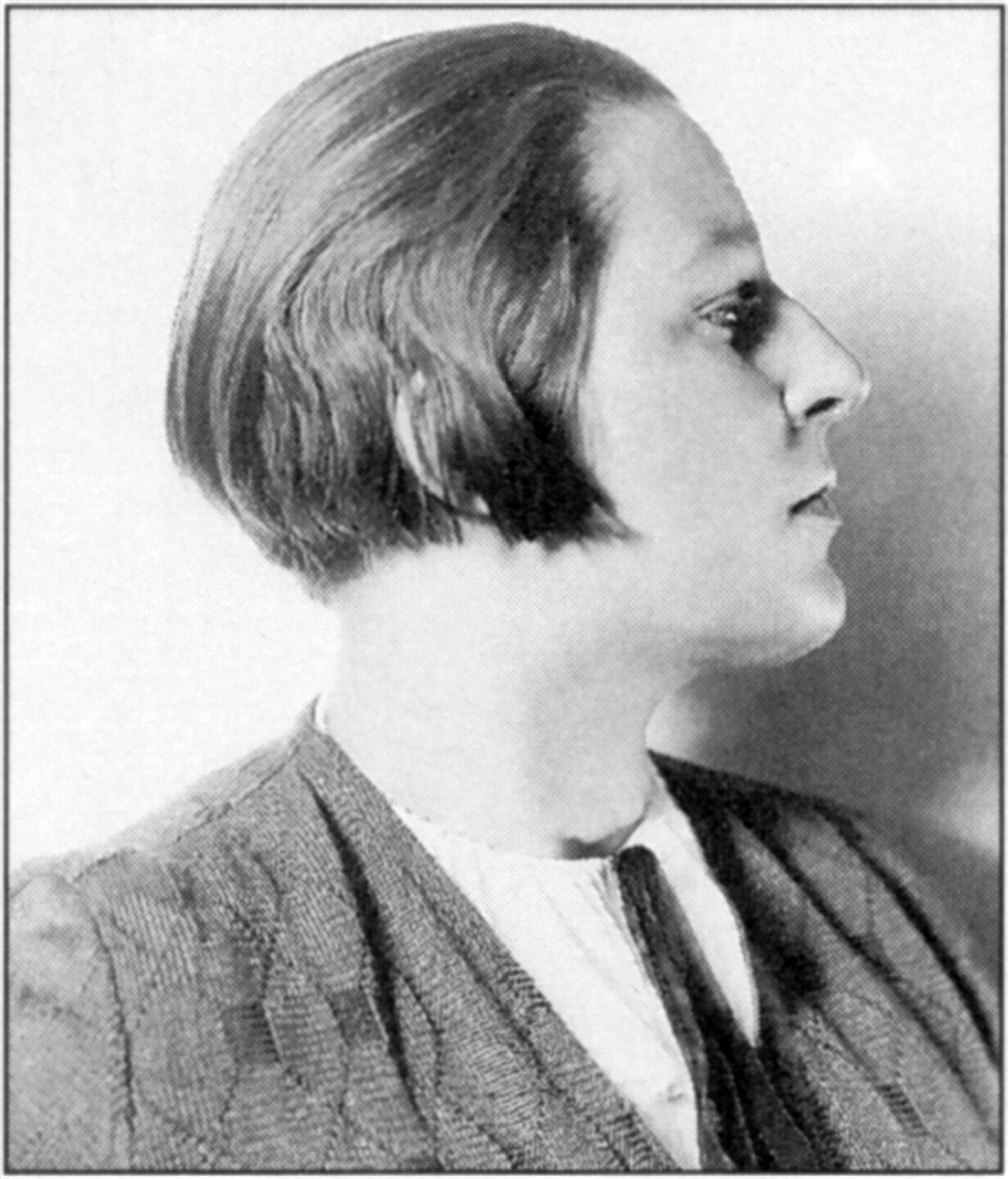
Charlotte Reiniger nasceu em 1899 em Berlim. Quando criança, foi apresentada à arte de silhuetas, e então ela começou a fazer cortes de diversas formas em papel e a bolar apresentações para família e amigos em seu próprio teatro de marionetes. A arte em papel é chamada na Alemanha de Scherenschnitte. Embora seja mais associada à arte chinesa, pois na China o papel foi inventado, as raízes desta arte podem ser traçadas à Alemanha e Suíça, chegando nos EUA no século XVIII com imigrantes.


Charlotte Reiniger was born in 1899 in Berlin. As a child, she was introduced to the silhouette art, so she started making paper cuts in diverse shapes and managing her own personal puppet theatre for family and friends. Paper cutting design is called, in German, Scherenschnitte. Although the art form is more associated with Chinese art, as China is where the paper was invented, its roots can also be traced to Germany and Switzerland, arriving in the US in the 18th century with immigrants. 


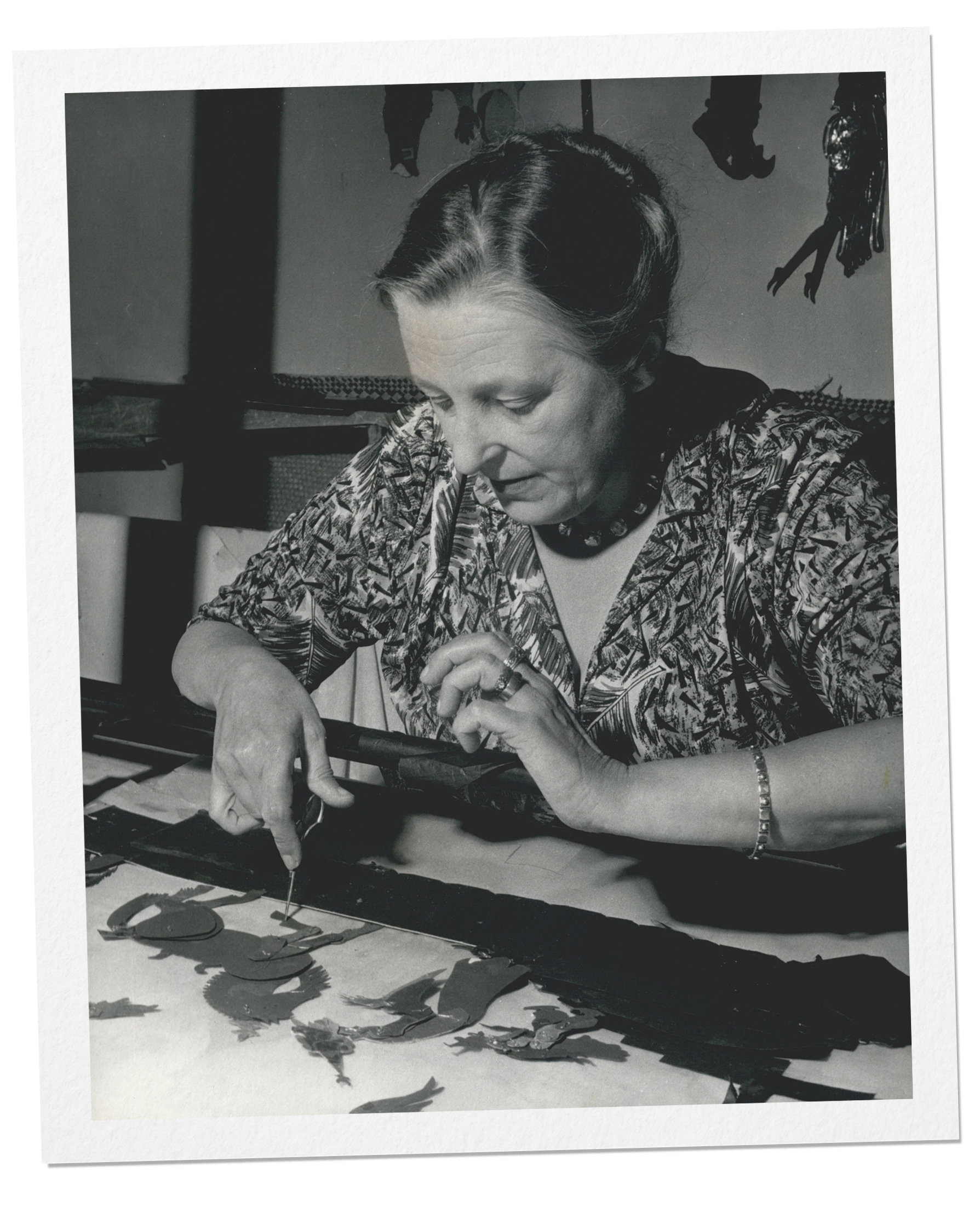
Quando adolescente, Lotte ficou encantada com os filmes de Méliès e também com Paul Wegener, que se tornaria seu mentor e colega. Ela se juntou ao grupo de teatro de Max Reinhardt, fazendo objetos de cena e figurinos. Para os filmes de Wegener ela iniciou fazendo cartelas de texto, muitas com arte de silhuetas. Começou a fazer seus próprios filmes em 1919, ao lado do produtor e diretor de fotografia Carl Koch - que se tornaria seu marido em 1921 em um casamento que durou até a morte dele, mais de 40 anos depois. Lotte fez mais de 50 filmes animando cortes de papel.


As a teenager, Lotte became enchanted by Méliès films and also with Paul Wegener, who would become her mentor and colleague. She enrolled in the Max Reinhardt theater group, making props and costumes. For Wegener’s films she started making title cards, many with silhouette art. She started making her own films in 1919, alongside producer and photographer Carl Koch - who would become her husband in 1921 in a marriage that lasted until his death over 40 years later. Lotte made over 50 movies animating paper cuts.


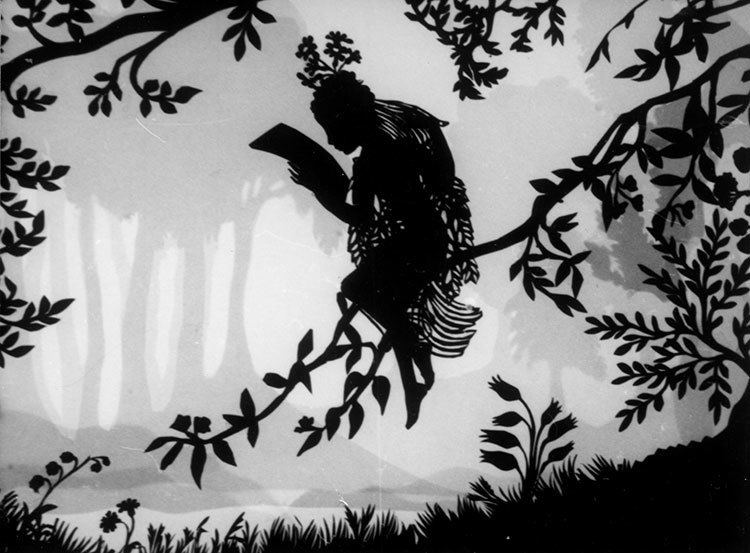
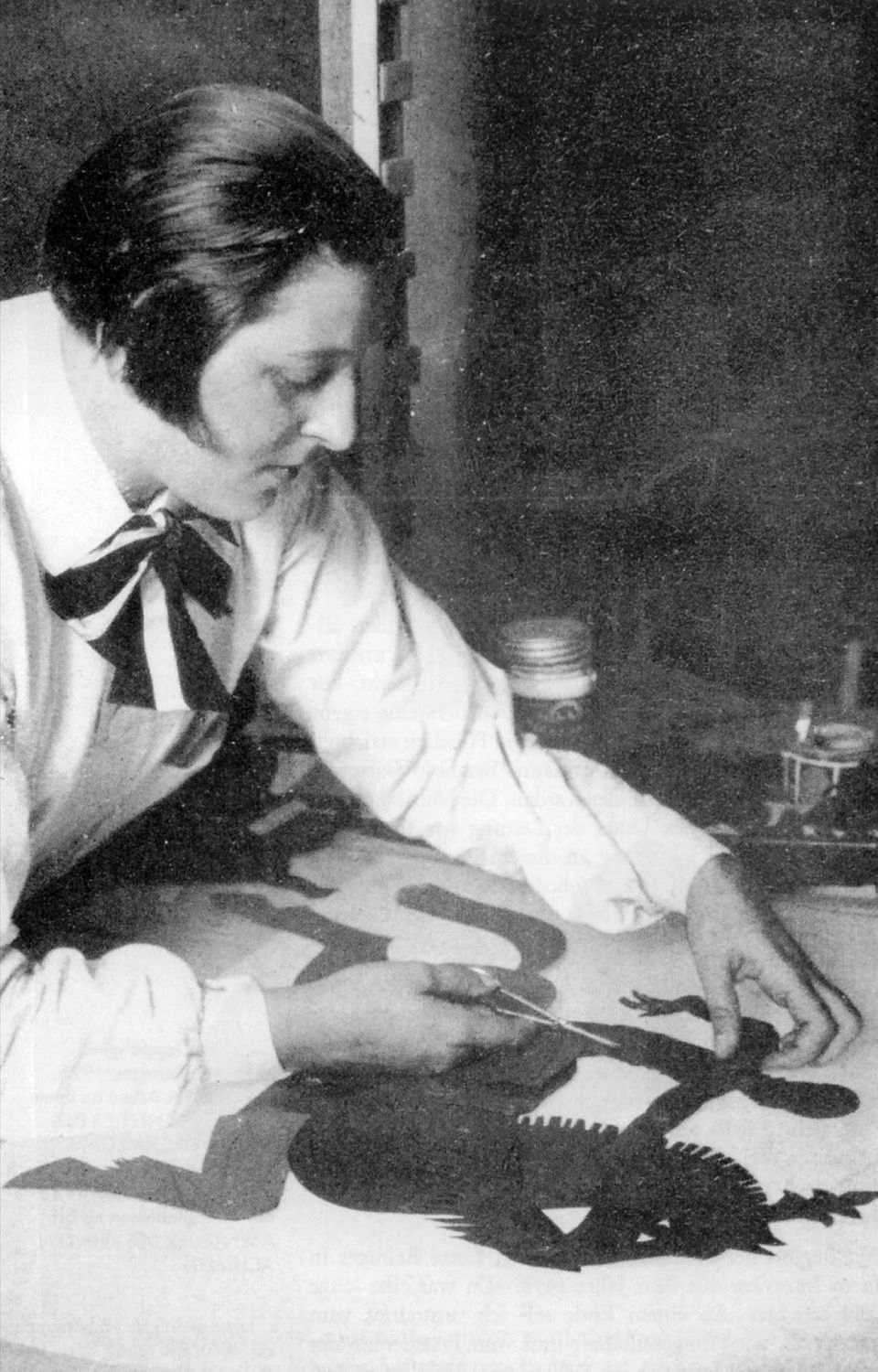
Ela descobriu, ainda cedo em sua carreira, que contos de fadas eram perfeitos para serem recontados nas telas usando sua técnica preferida. Seu quarto filme, em 1922, foi “Aschenputtel”, ou seja, a história de Cinderela. A primeira coisa que vemos é um par de mãos cortando com uma tesoura a silhueta da personagem principal, e graças a esta forma de arte escolhida para contar a história podemos ter os detalhes macabros do conto de fadas original sem que o filme fique muito explícito. Estou falando da meio-irmã que cortou um pedaço do pé para caber no sapatinho de cristal. Isso é mostrado no filme e pode causar arrepios, mas é com certeza uma mutilação estilizada.


She found out, early in her career, that fairy tales were perfect to be retold on screen using her technique of choice. Her fourth film, in 1922, was “Aschenputtel”, that is, the tale of Cinderella. The first thing we see is a pair of hands cutting with a scissor the silhouette of the main character, and thanks to the art form used to tell the story we can have the gruesome details of the original fairy tale without it becoming too graphic. I’m talking about the stepsister who cut a piece of her foot off to fit the slipper. This is shown in the film and may cause goosebumps, but it’s for sure stylish mutilation.


Naquele mesmo ano, Lotte Reiniger fez sua versão da “Bela Adormecida”. E logo chegaram os imitadores. Em 1924, os estúdios Pathé fizeram uma versão da Polegarzinha com os personagens principais cortados em papel. Por vezes creditado erroneamente como um dos trabalhos de Reiniger, este curta foi na verdade dirigido por Herbert M. Dawley, um prolífico animador. A versão de Reiniger para a história de Hans Christian Andersen só viria em 1954.


That same year, Lotte Reiniger made her version of “Sleeping Beauty”. And soon the imitators arrived. In 1924, Pathé released a version of Thumbelina with paper cut-outs as the main characters. Sometimes mislabeled as one of Reiniger’s works, this short was actually directed by Herbert M. Dawley, a prolific animator. Reiniger’s version of the Hans Christian Andersen story would only come in 1954.


Quando o som chegou ao mundo do cinema, foi visto por alguns como só mais um elemento para contar histórias. Lotte estava neste grupo. Ela fez filmes sobre “O Gato de Botas” em 1935, uma segunda adaptação de Cinderela em 1954 e “João e o Pé de Feijão” em 1955. Estes últimos foram feitos para a BBC, pois Lotte estava na época vivendo na Inglaterra. Seu último filme estreou em 1979.


When sound arrived in the film world, it was seen by some as just another element to tell stories. Lotte was among them. She made films about “Puss in Boots” in 1935, a second Cinderella adaptation in 1954 and “Jack and the Beanstalk” in 1955. These last ones were made for BBC, as Lotte was then living in England. Her last film was released in 1979.


Lotte Reiniger não contou só contos de fadas em sua longa e produtiva carreira. Ela escreveu alguns roteiros sozinha, inspirada por episódios cotidianos e também por música clássica, como as melodias de Mozart e Bizet. Ela também era contratada para fazer anúncios e propagandas.


Lotte Reiniger didn’t tell only fairy tales in her long and productive career. She wrote some screenplays by herself, inspired by everyday shenanigans and also by pieces of classical music, such as Mozart and Bizet. She was also commissioned to make advertising pieces.


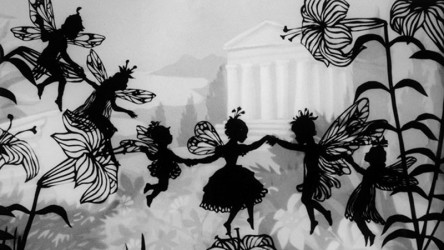
Contos de fadas são histórias familiares, o que faz deles perfeitos para o cinema experimental. No primeiro cinema (1895-1915), houve várias adaptações destas histórias para a nascente indústria do entretenimento. Os primeiros filmes de Disney, antes ainda do estabelecimento dos estúdios Disney, foram inspirados por contos de fadas. O trabalho de Lotte Reiniger pode ser também classificado como “experimental”, e com ferramentas simples como papel e tesoura, ela fez uma arte que continua maravilhando o público.


Fairy tales are familiar stories, which make them perfect for experimental cinema. In early cinema (1895-1915), there were made several adaptations of those stories to the nascent form of entertainment. Early Disney efforts, before the actual establishment of Disney as a studio, drew from fairy tales. Lotte Reiniger’s work can also be classified as “experimental”, and with simple tools such as paper and scissors, she made art that keeps astonishing audiences.


This is my contribution to the Once Upon a Time blogathon, hosted by Annette at Hometowns to Hollywood.


Related Posts Plugin for WordPress, Blogger...