} Crítica Retrô: 2026

Tradutor / Translator / Traductor / Übersetzer / Traduttore / Traducteur / 翻訳者 / переводчик

Friday, February 13, 2026

The Horror of Party Beach (1964)


Motocicletas na estrada, com os motoqueiros vestidos de couro como em “O Selvagem” de 1953. A ambientação é a mesma dos filmes de praia dos anos 1960, como “Férias no Havaí” (1961). E há uma ameaça vinda das profundezas do oceano, mais de uma década antes de “Tubarão” (1975). Se estes ingredientes te deixaram intrigado, você precisa conferir o resultado: o filme mal-feito, porém cômico “The Horror of Party Beach”.


Motorcycles on the road, with their riders dressed in black leather like in 1953’s “The Wild One”. The setting is the same as the Beach Party movies of the 1960s, such as “Gidget Goes Hawaiian” (1961). And there is a menace coming from the depths of the ocean, over a decade before “Jaws” (1975). If these ingredients left you intrigued, you should check the result: the badly made yet comical “The Horror of Party Beach”.


Tudo é muito divertido na praia até que um barril de lixo radioativo é jogado no oceano e dá origem a um monstro a partir de um crânio humano e outros dejetos encontrados no fundo do mar. Vamos chamar esse monstro de Criatura. A primeira pessoa a se encontrar com a Criatura é a pobre Tina (Marilyn Clarke), que havia acabado de brigar com o namoradinho Hank (John Scott). Seu corpo coberto de sangue flutua pelo oceano até chegar à praia. Gritos. Começa uma investigação.


All is fun and games at the beach until a barrel of radioactive waste is thrown in the ocean and assembles a monster from a human skull and other stuff down there. Let’s call this monster a Creature. The first person to have an encounter with the Creature is poor Tina (Marilyn Clarke), who had just had an argument with her beau Hank (John Scott). Her gory body covered in blood fluctuates in the ocean until it reaches the shore. Screams. An investigation starts.


“Ninguém percebeu como a Criatura era ridícula?” - você deve estar se perguntando. Isso me lembra de outro filme tão ruim que chega a ser cômico: “Robot Monster” de 1953. Em ambos os casos, o baixo orçamento foi o óbvio culpado que impediu de fazer uma Criatura crível e capaz de provocar medo. Poderia até se dizer que mais dinheiro foi gasto com os efeitos especiais para destruir a Criatura do que foi gasto para criá-la em primeiro lugar.


“Didn’t anyone notice how ridiculous the Creature was?” - you might be asking. This reminds me of another comically bad movie: 1953’s “Robot Monster”. In both cases, the budget was the obvious constraint to make a believable and fear-inducing Creature. It could even be questioned if more money was spent with the special effects used when the Creature was destroyed than it was spent to build the Creature.


De alguma maneira, o filme consegue encaixar seis canções originais em 78 minutos. Eles conseguiram fazer isso graças a uma boy band na praia que cantava esses “hits”. Uma canção é também entoada por meninas numa festinha que é invadida pelas Criaturas - ah, eu esqueci de dizer que a Criatura se multiplicou?


Somehow the movie manages to squeeze six original songs in 78 minutes. They managed this by having a boy band at the beach, singing these “hits”. There is also a song sung by an all-girls slumber party that is invaded by the Creatures - oh, did I forget to mention that it multiplied?


Com o ataque na praia, na festinha, a sequência com as mulheres viajando juntas, as moças andando até em casa, os dois amigos bêbados e a investigação, poderíamos dizer que o filme é episódico e o que conecta os episódios é a presença das Criaturas. Há ainda outras vítimas que não recebem grande tempo de tela: são mostradas numa montagem em paralelo com manchetes de jornais anunciando os últimos passos da Criatura.


With the beach attack, the slumber party, the sequence with the women in a road trip, the ladies walking home, the two drunk friends and the investigation, we could say that the movie is episodic and what connects the episodes is the presence of the Creatures. There are also the other victims that aren’t given screen time: they are shown in a montage in parallel with newspaper headlines announcing the latest steps of the Creature.


Há momentos que poderiam ser considerados críticas aos filmes de praia em voga na época, mas eles provavelmente não foram concebidos como tal. Podemos destacar, nos primeiros 12 minutos, uma breve sequência na qual uma mulher está beijando um homem, que então dá seu lugar para outro homem. Ela elogia como ele beija bem e, percebendo que ele não é quem ela pensava ser, ela não vê problema e continua beijando o desconhecido.


There are moments that could be considered criticism of the Beach Party subgenre, then a fad, but they probably weren’t conceived as such. We could highlight, in the first 12 minutes, a brief sequence in which a woman is kissing a man, who then gives his place to another man. She compliments his kissing and, realizing he’s not the one she believed he was, she sees no problem and keeps on kissing the unknown.


O mesmo cara que escreveu o roteiro ficou responsável pela fotografia e seu nome é Richard Hilliard. Ele foi também diretor de fotografia para “The Curse of the Living Corpse”, também feito em 1964 e também dirigido por Del Tenney. Richard havia escrito, dirigido e produzido o filme bizarro “The Lonely Sex” em 1959, adiantando temas depois vistos em “Psicose” e “Peeping Tom”, mas, como um usuário do Letterboxd resumiu, “há definitivamente algo aqui, mas isso é arruinado por um cineasta incompetente”.


The same guy who writes the screenplay is responsible for the photography and his name is Richard Hilliard. He was also the cinematographer for “The Curse of the Living Corpse”, also made in 1964 and also directed by Del Tenney. Richard had written, directed and produced the exploitation film “The Lonely Sex” in 1959, pre-dating themes later seen in “Psycho” and “Peeping Tom” but, as a Letterboxd user says, “there’s definitely something here, but it’s ruined by incompetent filmmaking”.

Uma personagem que roubou a cena foi Eulabelle, uma empregada que acredita que as mortes são causadas por algum tipo de zumbi ou vudu. Ela é interpretada por Eulabelle Moore, uma atriz que fez sucesso com papéis cômicos na Broadway. É frustrante ver uma mulher negra mais uma vez interpretando uma empregada, mas é ótimo saber que ela era a única que tinha razão: a Criatura é de fato um tipo de zumbi à procura de sangue humano para sobreviver.


One character who stole the scene was Eulabelle, a maid who believe the deaths are caused by some kind of zombies or voodoo. She is played by Eulabelle Moore, an actress who found success playing comic roles on Broadway. It’s frustrating seeing a black woman once again playing a maid, but it’s great to know that she was the only right person: the Creature is indeed some kind of zombie in need of human blood to survive.


Perfeitamente sumarizado como “tão ruim que é bom”, este filme que sequer recebeu título no Brasil - nunca deve ter estreado oficialmente aqui - é como uma festa na praia: leve, despretensioso e melhor se você estiver com amigos para darem boas risadas.


Perfectly summarized as “so bad it’s good”, this film that didn’t receive a title here in Brazil - it may not have had an official premiere - is like a beach party: light, unpretentious and better if you are with your friends sharing a good laugh.


This is my contribution to the Eighth So Bad It’s Good blogathon, hosted by Rebecca at Taking Up Room.

Thursday, January 29, 2026

Idílio Desfeito (1914) / Tillie’s Punctured Romance (1914)


Quando falamos sobre revoluções no cinema, pensamos na chegada do som sincronizado, uma revolução que mudou tudo e fez muitas “vítimas”: estrelas que desapareceram das telas, mas não porque elas tinham vozes horríveis como muitos dizem por aí. Mas em meados dos anos 1910 houve outra revolução: quando longas-metragens dominaram a cena.

When we talk about revolutions in cinema, we think about the arrival of synchronized sound, a revolution that was a true game changer and came with several “casualties”: stars who faded from the screen, but not because they had hideous voices as many claim. But in the mid 1910s there was another revolution: when feature films became the norm.

No mesmo ano em que estreou no cinema, Charles Chaplin já estava fazendo longas. Não apenas ele: as comediantes Mabel Normand e Marie Dressler estavam em “Idílio Desfeito” de 1914, o primeiro e único longa feito pelos estúdios Keystone. Completando o time temos Mack Swain e Charles Bennett. Em 82 minutos, seis partes no total, uma história de ambição, desilusão e surpreendente sororidade é contada em meio a muitas risadas.  

In the same year as his film debut, Charles Chaplin was already making feature films. Not only him: comediennes Mabel Normand and Marie Dressler were in “Tillie’s Punctured Romance” from 1914, the first and only feature comedy made by Keystone studios. Completing the team we have Mack Swain and Charles Bennett. In 82 minutes, six parts total, a story of ambition, heartbreak and surprise sorority is told amidst many laughs.


Tillie Banks (Marie Dressler) está em sua casa no interior quando ela conhece um Estranho (Chaplin) e eles começam uma estranha paquera. Logo eles decidem fugir juntos. Chegando à cidade, eles encontram a mulher que o Estranho deixou para trás, a rival de Tillie, Mabel (Mabel Normand). Quando o Estranho consegue o que quer, ele abandona Tillie e se junta novamente a Mabel. Porém um tio rico entra na história para ajudar Tillie.

Tillie Banks (Marie Dressler) is in her country home when she meets a Stranger (Chaplin) and they start a weird courtship. Soon they decide to elope. Arriving in the city, they run into the woman the Stranger left behind, Tillie’s rival Mabel (Mabel Normand). When the Stranger gets what he wanted, he leaves Tillie and reteams with Mabel. But a rich uncle enters the story to help Tillie.

Curiosamente, o Estranho e Mabel (quase) mudam de ideia ao assistirem a um filme que espelha suas ações de um jeito que não podia ser coincidência. Ao inserir um filme dentro de outro - sem dúvida “Idílio Desfeito” foi um dos primeiros a fazer isso - eles também reproduzem os hábitos das plateias de cinema nos anos 1910. Há um pianista acompanhando a exibição e o silêncio não é necessário, pois podemos ver Mabel e Chaplin conversando durante todo o filme-dentro-do-filme.

Curiously, the Stranger and Mabel (almost) change their minds by watching a movie that mirrors their actions in a way that can’t be a coincidence. By inserting a movie inside another - for sure “Tillie’s Punctured Romance” was one of the first films to do that - they also reproduce the way it was watching a movie in the 1910s. There is a pianist accompanying the flick and no silence is needed, as we see Mabel and Chaplin talking throughout the movie-within-the-movie.

Vale mencionar que Chaplin não está interpretando seu personagem Vagabundo aqui: com um bigode fino, ele é chamado apenas de “um Estranho” e só está atrás do dinheiro do pai de Tillie. Embora estejamos rindo com ele, ele é mais um vilão do que um herói. Ele até dá um tapa no rosto de uma criança!

It’s worth mentioning that Chaplin isn’t playing his Tramp character here: with a thin moustache, he is referred to as “a Stranger” and is only after Tillie’s father’s money. Although we laugh at him, he’s more a villain than a hero. He even slaps a kid in the face!

Não podemos evitar chegar à conclusão de que cada parte do filme funciona como um curta-metragem com começo, meio e fim. O mesmo pode ser dito até de alguns curtas: na era muda havia filmes de dois rolos cujas ações e contexto mudaram significativamente do primeiro para o segundo rolo.

We can’t avoid realizing that each part of the film works as a perfectly fine short film with beginning and end. The same can be said even about some shorts: in the silent era there were two-reelers whose action and context changed significantly from reel one to reel two.

Eu já tratei do diretor de “Idílio Desfeito”, Mack Sennett. Muito foi escrito sobre Chaplin e eu já publiquei alguns fatos rápidos sobre Marie Dressler. Por isso gostaria de destacar agora Mack Swain, que interpreta o pai de Tillie - mesmo sendo sete anos mais novo que Dressler! Mais lembrado pelo papel de Big Jim McKay em “Em Busca do Ouro” (1925) de Chaplin, Mack fez mais de 160 filmes entre 1913 e 1935. Ele interpretou o famoso mas quase esquecido personagem Ambrose em diversos curtas mudos e dirigiu 15 deles.  

I’ve talked about the director of “Tillie’s Punctured Romance”, Mack Sennett, before. A lot has been written about Chaplin and I’ve already published some fast facts about Marie Dressler. So I’d like to highlight now Mack Swain, who plays Tillie’s father - even though he was seven years younger than Dressler! Best remembered as Big Jim McKay in Chaplin’s “The Gold Rush” (1925), Mack was in over 160 movies between 1913 and 1935. He played the famous but nearly forgotten character Ambrose in several silent shorts and directed 15 of those. 

E obviamente precisamos falar sobre Mabel Normand, que foi mentora de Chaplin mas foi retratada como uma diva temperamental na cinebiografia “Chaplin” (1992). Na realidade, Mabel interpretava heroínas que eram atraentes e doces, mas também independentes. Steve Massa, autor de “Slapstick Divas”, escolheu Mabel como uma das Quatro Grandes Comediantes da era muda - as outras três foram Alice Howell, Louise Fazenda e Gale Henry. 

And of course we need to talk about Mabel Normand, who was Chaplin’s mentor but was portrayed as a temperamental diva in the biopic “Chaplin” (1992). In reality, Mabel played heroines who were attractive and sweet, but also independent. Steve Massa, author of “Slapstick Divas”, chose Mabel as one of the Big Four comediennes of the silent era - the other three were Alice Howell, Louise Fazenda and Gale Henry.


Mais interessante que o elenco creditado são os talentos que não receberam crédito em “Idílio Desfeito”. De acordo com o IMDb, sem créditos no filme temos: Chester Conklin, Glen Cavender, Charley Chase, Minta Durfee, Alice Davenport, Hampton Del Ruth, Alice Howell, Edgar Kennedy, Hank Mann, Al St. John e muitos outros.

More interesting than the credited cast is the uncredited talents in “Tillie’s Punctured Romance”. According to IMDb, uncredited in the movie there were: Chester Conklin, Glen Cavender, Charley Chase, Minta Durfee, Alice Davenport, Hampton Del Ruth, Alice Howell, Edgar Kennedy, Hank Mann, Al St. John and many others.


“Idílio Desfeito” pode parecer um bocado estático, uma vez que foi adaptado de uma peça de teatro, algo incomum para Mack Sennett. Foi um desvio do caos trazido pelos Keystone Cops, que aparecem somente no final. Mesmo assim, é ótimo perceber que a comédia é universal e atemporal: muitas das gags de mais de 110 anos atrás ainda são engraçadas e o filme ainda é agradável de se ver. 

“Tillie’s Punctured Romance” may feel a bit static, as it was adapted from a play, something unusual for Mack Sennett. It is a diversion from his antics and the chaos brought to the screen by the Keystone Cops, who only make an appearance near the end. Nevertheless, it’s great to see that comedy is universal and timeless: many of the gags from over 110 years ago are still funny and Tillie is still a watchable and enjoyable movie.

Friday, January 9, 2026

Férias no Havaí (1961) / Gidget Goes Hawaiian (1961)


Em 1959, o mundo foi apresentado, desta vez através de um filme - o livro foi publicado em 1957 - a Francine, uma “gidget” (girl + midget) que decide aprender a surfar. O filme foi um sucesso nas bilheterias e Gidget provou ser corajosa ao conquistar não apenas as ondas da Califórnia, mas também o coração de um surfista. Uma sequência era o próximo passo, obviamente. E ela veio dois anos depois.

In 1959 the world was introduced, this time through film - the book came out in 1957 - to Francine, a gidget (girl + midget) who decides to learn how to surf. The film was a box-office hit and Gidget proved to be fearless by conquering not only the waves of California, but also love. A sequel was the natural next step. And it came two years later.

Mas o problema é que Gidget não é Gidget. Interpretada por uma sapeca e charmosa Sandra Dee no primeiro filme, em “Férias no Havaí” ela é interpretada por uma novata - que recebe o crédito “apresentando” - chamada Deborah Walley. Nem mesmo a cor do cabelo é a mesma! Mas de alguma forma a sequência acaba funcionando.

But the issue is that Gidget is not Gidget. Played by a spunky and charming Sandra Dee in the first move, in “Gidget Goes Hawaiian” she is played by newcomer - she receives an “introducing” credit - Deborah Walley. Not even the hair color is the same! But somehow the sequel works.

A notícia de que a família iria de férias para o Havaí faria qualquer pessoa ficar animada, mas não Gidget. Ora, ela acaba de começar um namoro com o também surfista Moondoggie (James Darren)! Sua recusa inicial faz com que seus pais pensem que eles vão sozinhos para uma segunda lua-de-mel, mas ela muda de ideia quando Moondoggie fala que vai ficar bem sem ela. Chocada, Gidget termina o namoro e tristemente ruma para o Havaí.  

The news that the family is going on vacation to Hawaii would make anyone excited, but not Gidget. See, she has just begun a relationship with fellow surfer Moondoggie (James Darren)! Her initial refusal makes her parents believe they will go alone to a second honeymoon, but she changes her mind as Moondoggie says he’ll manage without her around. Shocked, Gidget breaks up with him and sadly goes to her vacation.

Gidget faz amizade no avião com Abby (Vicki Trickett), mas quando pousa ela pode ser encontrada triste no seu quarto de hotel ou lendo um livro em vez de aproveitando as ondas. Preocupado, o pai dela manda um telegrama para Moondoggie chamando-o para ir ao Havaí e, depois de colocar muita roupa na mala, ele pega o avião. Mas no Havaí ele terá um rival, pois lá podemos encontrar o famoso dançarino Eddie Horner (Michael Callan) e seu trio de amigos.

Gidget makes a friend at the airplane, Abby (Vicki Trickett), but once at land she can be found miserable in her hotel room or reading a book instead of surfing. Worried, her father sends a telegram to Moondoggie asking him to come to Hawaii and, after packing too much clothing, he boards a plane. But in Hawaii he’ll have a rival, as there we can find the famous dancer Eddie Horner (Michael Callan) and his trio of friends.

Em “Férias no Havaí” você pode encontrar tudo o que em geral se encontra nas férias. Há nativos dançando danças típicas no hotel, o que gera um momento cultural bacana. Há também muitos hóspedes cantando e dançando e Gidget se destaca dançando mambo. Assistir a tudo isso é como tirar férias - ou assistir a “The White Lotus”.

In “Gidget Goes Hawaiian” you can find the same things you find in any vacation. There are natives doing their dances at the hotel, which serves as a cool cultural moment. There is also a lot of singing and dancing for the guests of the hotel and Gidget shines dancing mambo. Watching it all is like taking a vacation - or watching “The White Lotus”.

Foram feitas cinco sequências com Gidget, entre esta aqui em 1961 e a última em 1985, sendo as últimas três filmes feitos para a TV. Cada filme teve uma atriz diferente interpretando Gidget, enquanto James Darren seguiu como Moondoggie nos primeiros três filmes. Nada mal para Darren, que substituiu ninguém menos que Elvis Presley, que não pôde fazer o primeiro filme por duas razões: 1- Ele estava servindo ao Exército e 2- Ele era caro demais para o estúdio. “Gidget” também evoluiu para uma sitcom nos anos 60 que durou apenas uma temporada. Uma segunda sitcom, chamada “The New Gidget”, teve duas temporadas em meados dos anos 80.   

Five sequels with Gidget were made, between this one in 1961 and the last one in 1985, being the last three television movies. Each movie had a different actress playing Gidget, while James Darren was Moondoggie in the first three films. Not bad for Darren, who was a replacement for none other than Elvis Presley, who couldn’t make the first film for two reasons: 1- He was serving the US Army and 2- He was too expensive for the studio. “Gidget” also evolved into a sitcom in the 1960s that lasted only one season. A second sitcom, named “The New Gidget”, aired in the 1980s for two seasons.

O primeiro filme termina com uma virada conservadora e o segundo é muito mais livre e aberto na conversa sobre sexo. No avião, conversando com Abby, Gidget diz que Moondoggie “proposed” - na verdade, ofereceu a ela seu broche - e ela disse que sim e se entregou para ele. Em seguida, um grupo de garotos conta que vão se matricular na Universidade do Havaí para estudar a vida sexual de muitas criaturas marinhas.

The first movie ends with a conservative twist and the second is much freer and open in the sex talk. In the airplane, talking to Abby, Gidget says that Moondoggie proposed - actually, offered her his pin - and she said yes and gave herself to him. Next, a group of boys talk about how they are enrolling in the University of Hawaii to study the sex life of many marine creatures.

Se no primeiro filme a turma de surfistas, todos homens, trata Gidget de forma condescendente, por vezes até abusiva, aqui ela tem em Abby uma amiga invejosa. Tudo fica mais complicado quando Abby decide seduzir Moondoggie como maneira de compensar o fato de que os quatro amigos só dão atenção para Gidget. E então Abby espalha fofocas sobre nossa pequena surfista! Se o primeiro filme não tinha uma vilã, Abby faz esse papel aqui.  

If in the first movie the all-male gang of surfers treats Gidget in a patronizing, sometimes even abusive, way, here she gets a jealous friend in Abby. Things get more complicated when Abby decides to seduce Moondoggie as a way of compensating that the four friends are giving all their attention to Gidget. And then she spreads gossip about our little surfer! If the first film lacked a villain, Abby pretty much does the job here.

Sandra Dee deveria reprisar seu papel como Gidget, mas devido a seu contrato com a Universal Pictures ela não podia fazer o filme para a Columbia. Deborah Walley foi escolhida para o papel, e “Férias no Havaí” foi seu primeiro filme. Ela não ficou muito feliz com o papel, no entanto, pois acreditava, com razão, que ao aceitar interpretar Gidget ela nunca se tornaria uma atriz séria.

Sandra Dee was supposed to reprise her role as Gidget, but due to commitments to Universal Pictures she wasn't allowed to make the film for Columbia. Deborah Walley was chosen to replace her, and “Gidget Goes Hawaiian” was her first film role. She wasn’t very happy with the role, though, as she believed, with reason, that by accepting to play Gidget she would never become a serious actress.

Tanto o filme original, intitulado no Brasil “Maldosamente Ingênua”, quanto “Férias no Havaí” duram mais do que deveriam com tramas de desencontros, mas é o único senão. Mesmo assim, gostei demais de ambos. Eu normalmente vou para a praia nas férias, mas não sei surfar. Obviamente, você não precisa surfar para aproveitar a praia - algo que os “Beach Movies”, um subgênero iniciado por Gidget, nos mostram perfeitamente. Mas essa já é outra história.  

Both “Gidget” and “Gidget Goes Hawaiian” go on for too long with misunderstandings in the plot, and it’s their only downside. Nevertheless, I enjoyed both immensely. I usually go on vacation to the beach, although I don’t surf. Of course, you don’t have to surf to enjoy the beach - something the Beach Movies, a subgenre that “Gidget” kickstarted, perfectly shows us. But that’s another story.

This is my contribution to the Film. Release. Repeat blogathon, hosted by The Midnite Drive-In and Hamlette’s Soliloquy.

Saturday, January 3, 2026

Resoluções Cinematográficas 2026 / 12 classics for 2026


É Ano Novo e hora de escolher 12 clássicos - ou nem tão clássicos assim - que me escaparam para finalmente assistir e escrever sobre, um por mês, sem estresse. São estes os títulos que escolhi para 2026:

It’s a New Year and time to choose 12 classic - or not so classic - movies that have escaped me to finally watch and review, one per month, no stress. These are the titles I came up with for 2026:

Idílio Desfeito / Tillie’s Punctured Romance (1914)

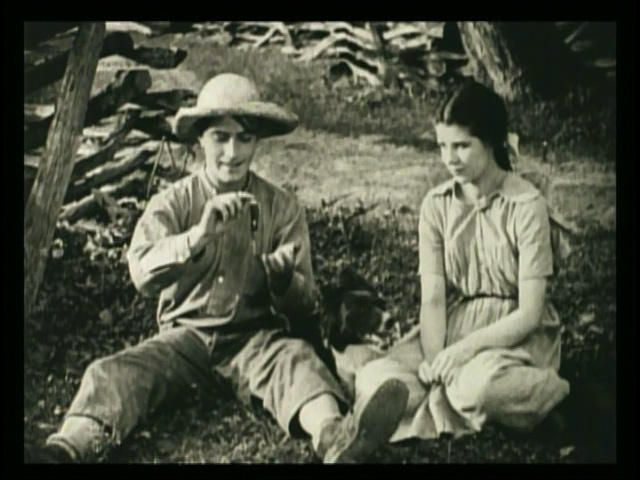
David, o Caçula / Tol’able David (1920)

A Carruagem Fantasma / Phantom Carriage (1921)

Figuras de Cera / Waxworks (1924)

Guerra! Flagelo de Deus / Westfront 1918 (1930)

Dixiana (1930)

Manequim / Mannequin (1937)

A Oitava Esposa de Barba-Azul / Bluebeard’s Eighty Wife (1938)

Ser ou Não Ser / To Be or Not to Be (1942)

O Pecado de Cluny Brown / Cluny Brown (1946)

A Revolução dos Bichos / Animal Farm (1954)

Sementes de Violência / Blackboard Jungle (1955)


Related Posts Plugin for WordPress, Blogger...