Muito antes de Rin-Tin-Tin, Skippy
(ou melhor, Asta) e Lassie, houve um cãozinho que dividiu a tela com um grande
astro, chegando até mesmo a roubar a cena. Em um dos primeiros filmes que têm
num animal parte importante da trama, Charles Chaplin e seu amigo de quatro
patas encantam a plateia, garantindo meia hora de boas risadas.
Before Rin-Tin-Tin, Skippy (better known
as Asta) and Lassie, there was a dog that shared the screen with a great film star,
and even stole the scene. In one of the first films with a leading role played
by an animal, Charles Chaplin and his four-legged friend amaze the audience and
give us half an hour of good laughs.
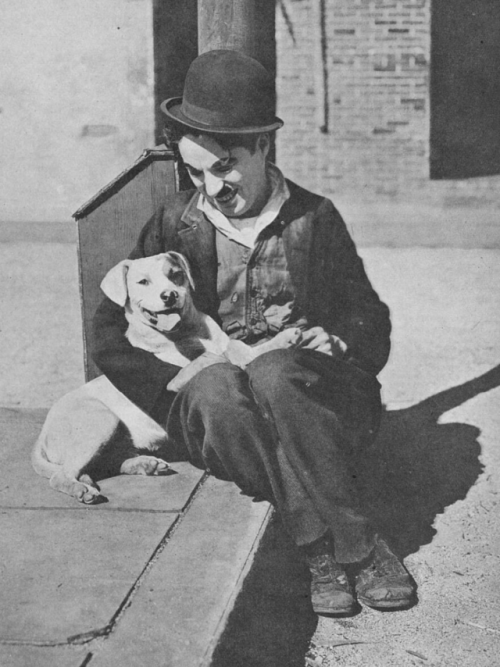
The Tramp lives in an empty lot with a
little dog called Scraps. Scraps was rescued by Chaplin from a group of angry
big dogs in the beginning of the movie. Together, the two outcasts look for
food with a salesman played by Sydney Chaplin, who is working with his brother
by the first time. Later, the Tramp and Scraps look for some fun in a club in
which Edna Purviance sings. Edna is a wannabe star who is not very successful
so far.

Não podemos negar que temos um
protagonista animal. Ele está o tempo todo em cena, garantindo bons momentos –
tanto divertidos quanto emocionantes. A personagem canina é de fundamental
importância. Sua trajetória em muito se assemelha à do casal principal. É ele,
também, quem acha a carteira cheia de dinheiro que promete dar uma vida melhor
ao trio, até ser roubada. A cena do resgate do dinheiro, aliás, é sensacional.
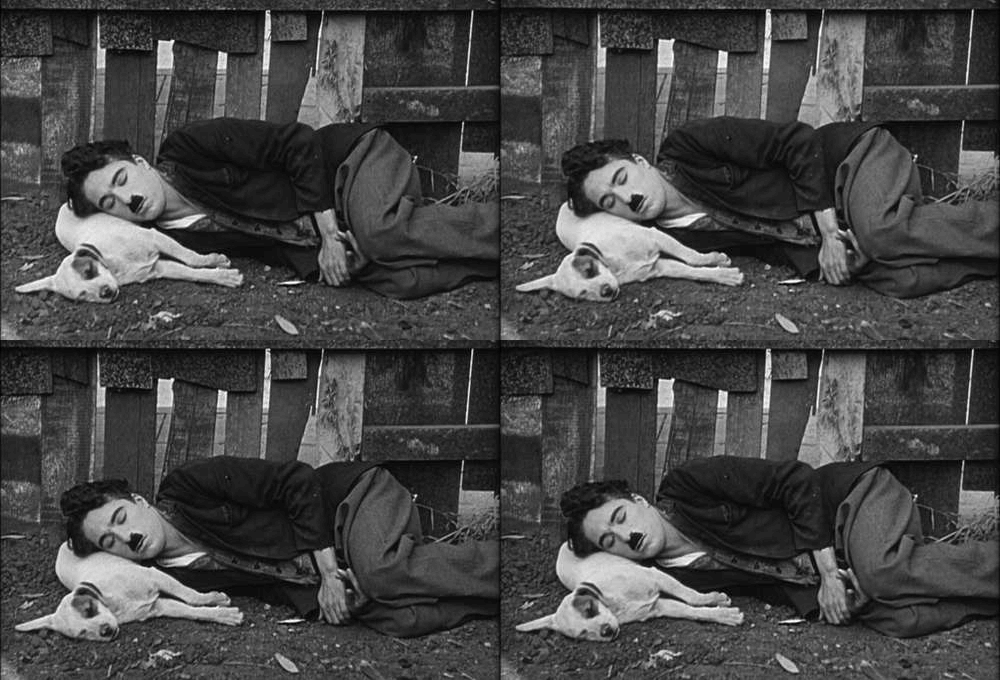
Mas nem tudo foi fácil nas gravações. Na simpática cena em que ele serve de
travesseiro ao vagabundo, Chaplin teve de dar whisky ao cão para não ser mordido.
We can’t deny we have an animal lead. The
dog is on the screen all the time and he is the source of several good moments –
both fun and moving. The dog character is fundamental in the plot. Its story
arc is very much alike the main couple’s. It is the dog, also, the one who
finds a wallet full of money that is a promise of a better future – until the wallet
is stolen. The scene with the reascue of the money, by the way, is sensational.
But not everything was easy during filming. In the charming scene in which the
Tramp uses the dog as a pillow, Chaplin had to give whiskey to the dog so it
wouldn’t bite him.
Este foi o primeiro filme de Chaplin
a somar um milhão de dólares nas bilheterias. Escrito, dirigido e produzido por
seu protagonista, também foi o filme de estreia do estúdio First National Films
(a United Artists, em que Chaplin era sócio, só surgiria no ano seguinte). Ele
conviveu com cães desde a época do vaudeville,
quando seu irmão introduziu os caninos em alguns números cômicos. Para o filme,
ele testou 21 vira-latas até chegar a Mutt, o astro final, não sem antes haver,
literalmente, muita briga de cachorro grande.
This was the first Chaplin film to earn a
million dollars in the box office. Written, directed and produced by its
leading man, “A Dog’s Life” was the first film released by First National Films
(United Artists, the studio and distributor that Chaplin held partnership in,
would only be founded in 1919). Chaplin had worked with dogs since his
vaudeville times, when his brother put dogs in some comic acts. For the movie,
he tested 21 mutts until he found Mutt, the final star. It was, almost
literally, a dog-eats-dog world in entertainment.

E não apenas por ser um dos astros
caninos pioneiros Scraps / Mutt merece destaque. O cãozinho de sorte foi
adotado por Chaplin após a produção, passando a swer a mascote da First
National Pictures. O estúdio acabou englobado pela Warner Brothers em 1929.
Infelizmente, este foi o único filme do astro canino. Sua carreira durou de
janeiro de 1918 até 29 de abril do mesmo ano, quando o animal faleceu. Quando
Chaplin foi vender bônus de guerra pelo país, afastando-se do cão, o triste
animal se recusou a comer, ficando cada vez mais debilitado.
And Scraps / Mutt deserves his own
paragraph not only because it was a groudbreaking dog star. The lucky dog was
adopted by Chaplin when production wrapped and became the mascot for First
National Pictures. The studio was later bought by Warner Brothers in 1929.
Unofrtunately, this was the only film made by the dog star. Its career lasted
from January 1918 until April 29th 1918, when the dog passed away.
When Chaplin left to sell war bonuses through the country, the sad dog became
sad and refused to eat – and live.
O filme completo pode ser visto AQUI.
E, para quem ama cãezinhos, há uma surpresa muito fofa ao final do filme!
The full movie can be seen HERE. If you
are a dog person, there is a very cute surprise in the end!

This entry is part of the Classic Movie Dogathon, hosted by Classic Film & TV Cafe. Great idea, Rick!

