Sim, cinéfilos, Mary Pickford está na
moda! Depois de uma boa surpresa na temporada de premiações com a consagração
de “O Artista”, em que Jean Dujardin interpreta um alter-ego de Douglas
Fairbanks, marido de Pickford, foi a vez de um frenesi tomar conta devido à
necessidade de preservação e patrocínio do Mary Pickford Institute.
Infelizmente, nem a mobilização generalizada dos fãs impediu que os estúdios
dessa pequena notável fossem demolidos, mas este triste fato serviu para unir os
admiradores da mocinha que inventou Hollywood e atrair a atenção para essa
importante personalidade, que em breve ganhará uma cinebiografia.
Yes,
cinephiles, Mary Pickford is in vogue! After a good surprise during awards
season with a plethora of prizes going to “The Artist”, in which Juan Dujardin
plays a Douglas Fairbanks (Mary's husband) alter-ego; what followed was a
frenzy to preserve and support the Mary Pickford Institute. Unfortunately, the
fans getting together wasn't enough and the building where Mary's studio was
located was demolished. But this sad fact helped to unite Mary's admirers, and
to attract attention for her important contribution to the film world.

Quando “Aves sem Ninho” foi feito,
Mary tinha uma sólida carreira de mais de 15 anos no cinema e 34 anos de idade.
Mesmo assim, ela interpreta uma garota bem mais nova, mas que tem de amadurecer
para cuidar das crianças que chegam a uma fazenda, onde são submetidas a
trabalhos forçados. O dono do local, o malvado e manco Sr. Grimes (Gustave Von
Seyffertitz), além de explorar a mão-de-obra infantil, vez ou outra ameaça
jogar uma criança para que afunde no pântano. O que vai mudar tudo é o
arriscado negócio que ele fez: combinar o sequestro de uma criança, a filha do
rico Dennis Wayne (Roy Stewart), que fica sob os cuidados de Molly, que, assim
como outras personagens de Mary, é sofredora, porém decidida e corajosa. Ela
não hesita em enfrentar Ambrose (‘Spec’ O’Donnell), o mimado e glutão filho dos
“patrões”.
When
“Sparrows” was made, Mary was 34 years old and had a solid career in film, that
had been going for over 15 years. However, she was a playing a much younger
girl who has to become mature to take care of the children who arrive in a hard
labor farm. The owner of the place, the evil and limping Mr Grimes (Gustav Von
Seyffertitiz), besides exploiting child labor, sometimes threatens to trow a
child in the swamp. What will change everything is a risky business Mr Grimes
has made: he set up the kidnapping of the heir of wealthy Dennis Wayne (Roy
Stewart). The kidnapped little girl is overseen by Molly (Pickford), a
suffering, but courageous character. She doesn't think twice to fight Ambrose
('Spec' O'Donnell), the fat and spoiled boss' son.

Como não podia deixar de ser, mais
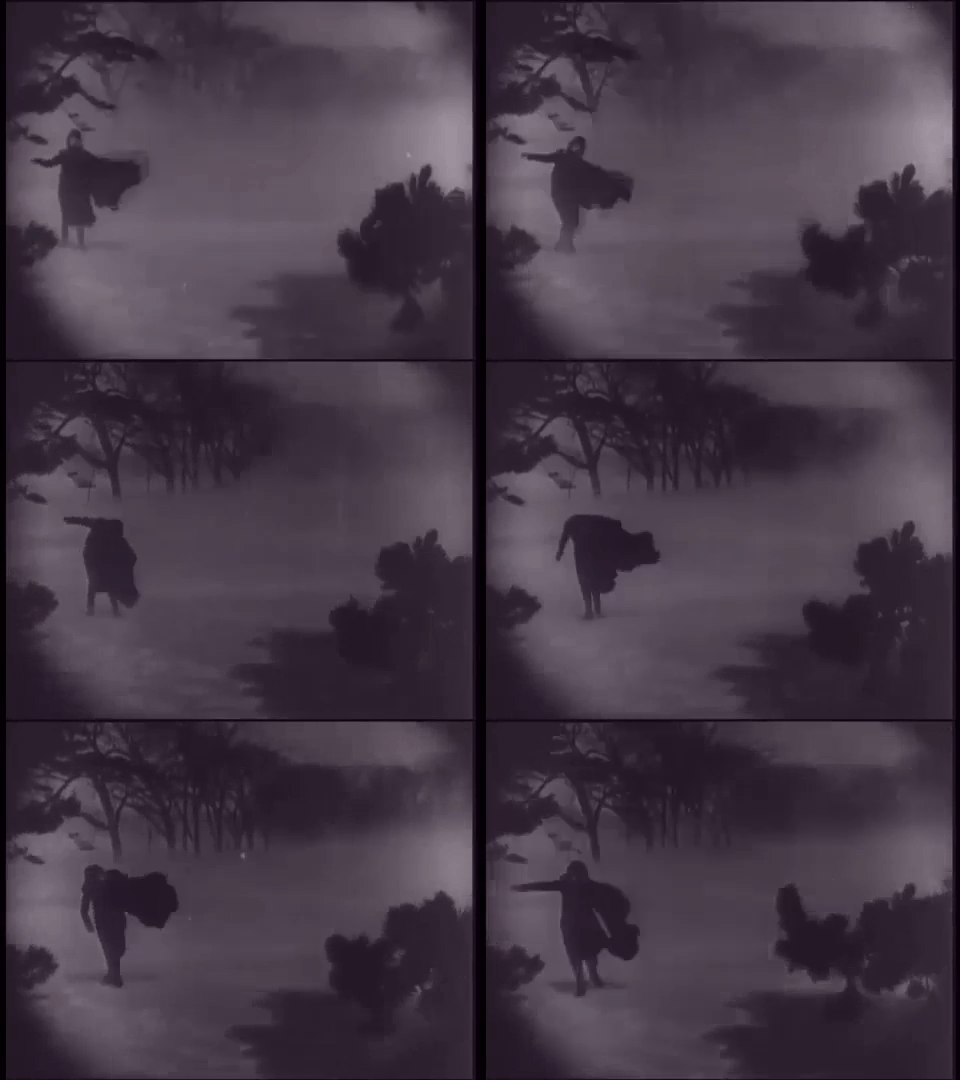
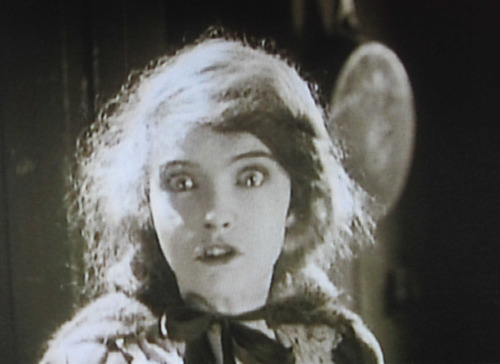
este filme mudo está cheio de belas imagens, começando pelos grandes e
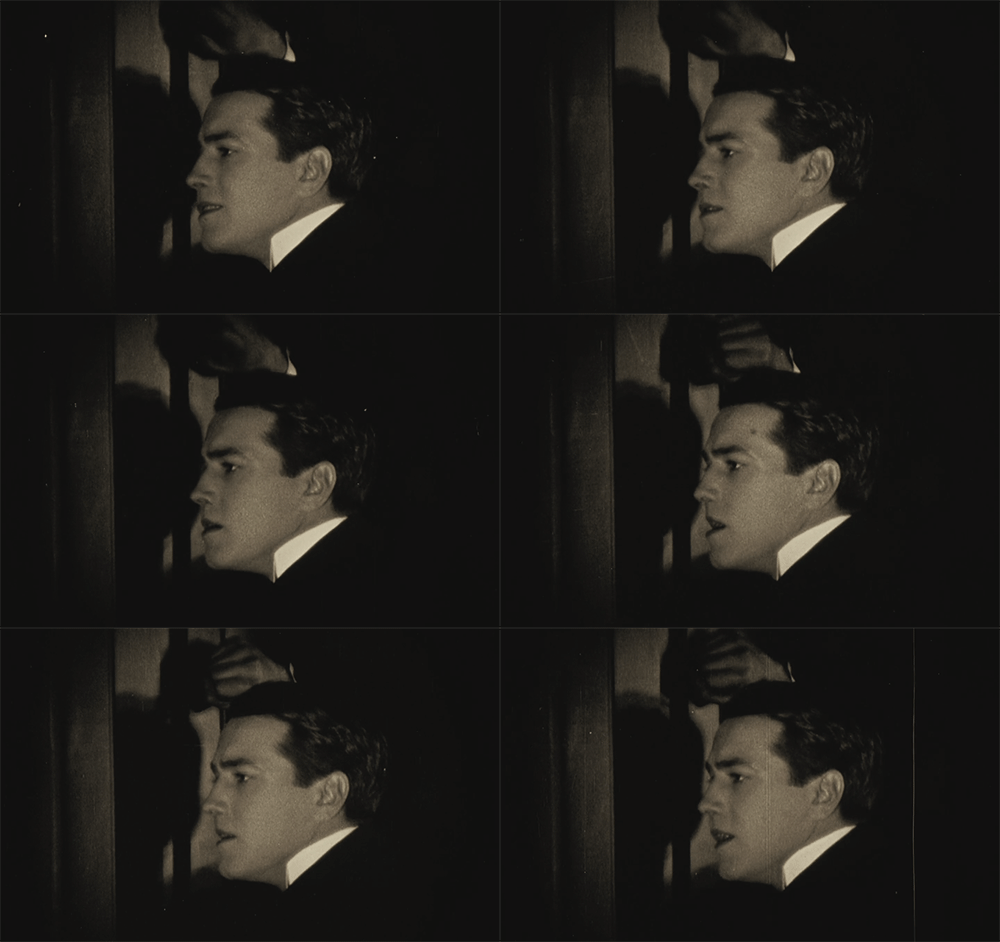
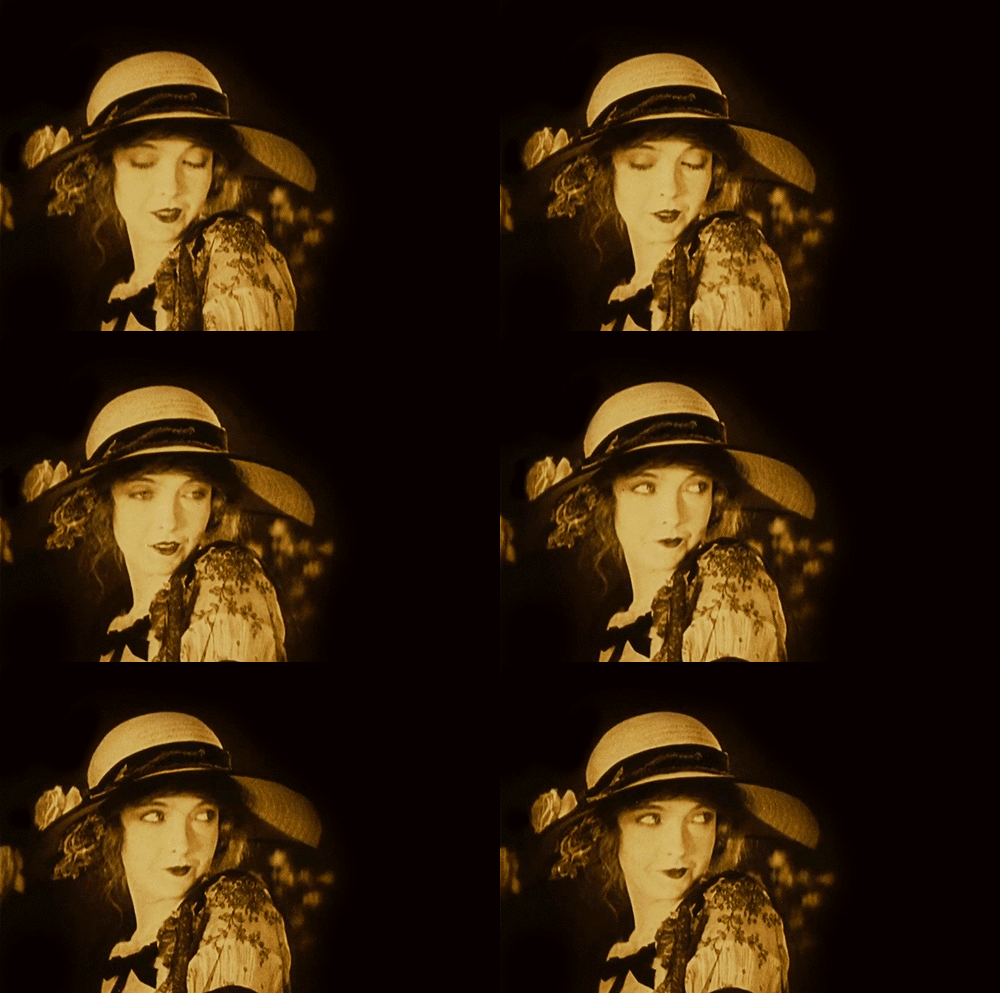
expressivos olhos de Mary. Uma das mais belas, em minha opinião, é quando todas
as crianças colocam suas mãos nos vãos da madeira do celeiro para acenar,
dizendo adeus ao recém-vendido Splutters. Mas, sem dúvida, a mais pungente é a
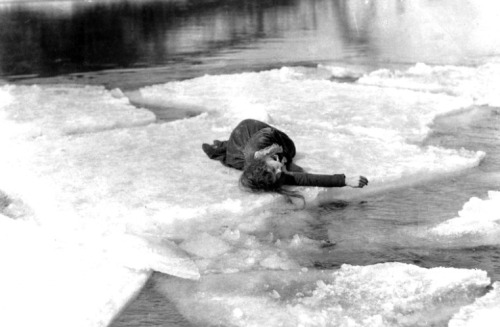
da morte de um bebê, quando Jesus aparece para buscá-lo dos braços de Molly. É
impossível não fazer uma ligação com uma cena de mesmo conteúdo feita por
Lillian Gish em 1920 no filme “Inocente Pecadora”. Certamente o evento em si é
mais bonito no filme de Mary, mas não há dúvida que Lillian é mais tristemente
convincente quando se trata de crianças moribundas.
This silent
film has a lot of beautiful images, like many other do, starting with Mary's
big and expressive eyes.In my opinion, one of the more beautiful images
involves all the children with their hands in the porthole of the barn, saying
goodbye to Splutters, who has been sold. But, without a doubt, the most
harrowing of them all involves the death of a baby, and in this scene Jesus
appears to take the child from Molly's arms. We have to make here a connection
with a similar scene starred by Lillian Gish in “Way Down East” (1920).
Certainly the scene is more beautifully shot in Mary's movie, but there is no
doubt that Lillian is more saddening and convincing around dying children.
A religião é parte importante do
enredo, pois o tempo todo Molly e as crianças rezam para que sua situação
melhore. Vários trechos da Bíblia são citados e até o próprio título tem
explicação religiosa: Deus vigia toda ave que cai do ninho.
Religion is
an important part of the plot, because all the time Molly and the children pray
for their situation to get better Several parts of the Bible are cited and even
the title itself has a religious explanation: God watches every single sparrow
that falls from the nest.

Os intertítulos, que em minha opinião
até facilitam que um espectador estrangeiro veja os filmes mudos americanos,
contém várias expressões e palavras diferentes do que conhecemos e estudamos
quando estamos aprendendo inglês. Como uma língua viva, o inglês está sempre se
modificando, e isso fica claro quando lemos na tela “pertaters” ao invés de
“potatoes”, “yer” no lugar de “you” ou “your”, “git” onde deveria estar “get”,
entre outros. Há menos intertítulos na segunda metade da película, para dar
lugar à ação. Logo após o clímax da fuga no pântano, há uma caçada envolvendo
barcos e uma longa conversa, que parecem desnecessários e apenas desaceleram o
filme, baixando quaisquer níveis de adrenalina que restavam no espectador.
The intertitles are something that, in my
opinion, make it easier for foreigners to watch an American silent movie. But
this one has intertitles with several expressions and words we don’t learn when
we learn to speak English. As a living language, English is in constant
evolution, and it can be observed when we read “pertaters” instead of
“potatoes”, “yer” instead of “you”, “git” instead of “get”, and so on. There
are fewer intertitles in the second half of the movie, because there is more
action. Right after the climatic escape from the swamp, there is a hunt
involving boats and a long conversation, two kind of unnecessary things that
only slow down the movie and the adrenaline levels.

William
Beaudine, B-movie director (he was behind such films as “Jesse James meets
Frankenstein’s Daughter” and “Billy the Kid versus Dracula”) was sometimes
credited as William X. Crowley. He couldn’t even enjoy the success of this
movie, because of a big fight with Mary Pickford at the set. After the fight,
William left the movie and his assistant Tom McNamara finished it. Mary and William,
who had the same age, never worked together again. Another backstage story
involves crocodiles, and there are controversies about using live animals in
the set. Mary said that there were real animals, and she argued with Beaudine
when he insisted that she shot a scene carrying a real baby among the animals,
and not a doll. However, the film photographer says that no real crocodiles
were used, and it becomes evident when we watch closely. No matter
what, the scene still looks very convincing.

O fato de
haver crianças neste filme torna-o mais dramático e até mesmo chama mais a
atenção das novas plateias. Claro que uma das crianças atrasa vez ou outra a
fuga do pântano. Sem dúvida o destaque infantil é a fofa Mary Louise Miller, a
garotinha sequestrada. Pickford, na época casada com Fairbanks e sem filhos,
mostrou interesse em adotar a pequena, o que os pais da atriz mirim de apenas
dois anos recusaram. Em seu terceiro casamento, com Charles ‘Buddy’ Rogers,
Mary Pickford acabaria adotando um casal de filhos.
The fact that
the film is focused on children makes it more dramatic and can even attract a
young audience. Without a doubt the outstanding child actress in the cast is
cutie Mary Louise Miller, the little girl who is kidnapped. Pickford, at the time
married to Fairbanks and childless, showed interest in adopting the
two-year-old girl, but her parents refused the offer. During her third
marriage, with Charles ‘Buddy’ Rogers, Mary adopted a boy and a girl.
 |
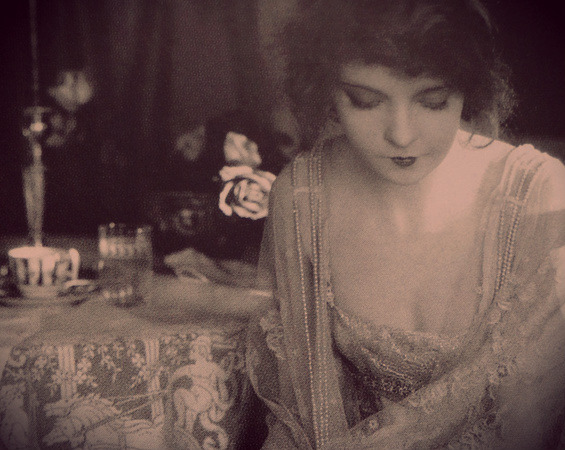
| Duas Marys |
Depois que completou trinta anos,
Mary Pickford decidiu abandonar o estilo “menininha”, o que desagradou os fãs.
Por isso ela voltou à velha persona cinematográfica para este filme de
despedida, considerado um dos melhores de sua carreira e que sobreviveu muito
bem ao tempo. Depois de “Sparrows”, Mary faria mais um filme mudo e
conquistaria o Oscar com seu primeiro filme falado, “Coquette”, de 1929. Ela se
aposentou aos 41 anos e viveu em sua mansão Pickfair até a morte, em 1979.
Since turning 30, Mary Pickford abandoned
the “little girl” style, and fans weren’t happy. That’s why she returned to her
old film persona to this final performance, considered one of the best of her
career, and also one that stood the test of time. After “Sparrows”, Mary would
do only one more silent and win the Oscar for her first talkie, “Coquette”,
from 1929. Mary retired at 41 and lived at Pickfair until dying in 1979.
This post is part of the Mary Pickford Bogathon, hosted by KC at Classic Movies. Check out this cool banner and the whole event:






_01.jpg)