} Crítica Retrô: Truman Capote

Tradutor / Translator / Traductor / Übersetzer / Traduttore / Traducteur / 翻訳者 / переводчик

Showing posts with label Truman Capote. Show all posts

Thursday, December 22, 2016

O Diabo Riu por Último / Beat the Devil (1953)

Alguns encontros são obra do destino. Foi obra do destino o primeiro encontro de Humphrey Bogart e John Huston. E é com um encontro que é uma verdadeira obra do destino que o último filme que eles fizeram juntos, “O Diabo Riu por Último”, começa.

Some meetings are totally fortuitous. It was a fortuitous happening when Humphrey Bogart met John Huston. And it is with a fortuitous happening that their last film together, “Beat the Devil”, begins.
Billy Dannreuther (Humphrey Bogart) está em uma cidade exótica da Itália com sua esposa Maria (Gina Lollobrigida) esperando que seu barco esteja pronto para zarpar. Outro casal que está esperando para embarcar no navio são Harry Chelm (Edward Underdown) e Gwendolen (Jennifer Jones, com o cabelo pintado de loiro). O navio vai para a África, onde Harry deve comprar terras para explorar – ele diz que pretende plantar café, mas suas intenções são outras.

Billy Dannreuther (Bogart) is in an exotic town in Italy with his wife, Maria (Gina Lollobrigida) waiting for their ship to be ready to sail. Another couple waiting to board on the ship is Harry Chelm (Edward Underdown) and Gwendolen (Jennifer Jones, with her hair dyed blonde). The ship goes to Africa, where Harry will buy a piece of land to explore – he says he’ll plant coffee, but his intentions are different.
Billy tem alguns velhos conhecidos, Peterson (Robert Morley), O’Hara (Peter Lorre), Major Ross (Ivor Barnard) e Ravello (Marco Tulli), também zanzando pelo local e ouvindo cuidadosamente o que Gwen disse. O problema é que ela é uma mentirosa compulsiva e é muito difícil dizer quando ela está falando a verdade e quando está inventando. Para complicar mais a situação, enquanto o navio está sendo preparado Billy e Gwen se envolvem, e o mesmo acontece com Maria e Harry.

Billy had some old acquaintances, Peterson (Robert Morley), O’Hara (Peter Lorre), Major Ross (Ivor Barnard) and Ravello (Marco Tulli) also wandering around and listening carefully to what Gwen says. The problem is that Gwen is a compulsive liar, and we often can’t say if she’s telling the truth or making it up. To make things worse, while the ship is being prepared, Billy gets involved with Gwen, and Maria with Harry.
Há alguns momentos divertidos no filme, como quando o carro em que Billy e Peterson estão para e eles precisam empurrá-lo para que ele volte a funcionar. Nós também temos uma ótima galeria de personagens, incluindo o quarteto do mal e o irônico responsável pelo navio, interpretado por Mario Perrone, que estava trabalhando como pianista em um restaurante de Roma antes de ser escalados para “O Diabo Riu por Último”.

There are some very funny moments in the film, like when the car in which Billy and Peterson travel stops and they have to push it to make it work again. We also have a very good gallery of characters, including the evil quartet and the ironic ship purser, played by Mario Perrone, who was working a restaurant pianist in Rome before appearing in “Beat the Devil”.
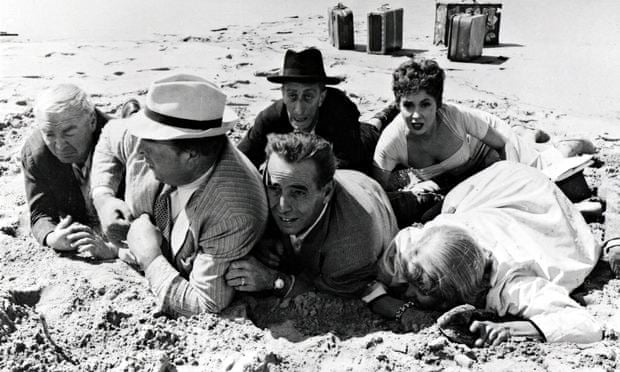
A voz de Bogart é inconfundível, certo? Errado! Em alguns momentos, pode parecer que estamos ouvindo a voz de Bogie, mas não é ele: é um novato vindo da Inglaterra que podia imitar diversas vozes. O nome do novato era Peter Sellers. Ele foi contratado para fazer a dublagem quando Bogart se envolveu em um acidente de carro e perdeu alguns dentes da frente, e ficou impossibilitado de falar com clareza.

Bogart’s voice is unmistakable, right? Wrong! In some moments, it may seem like we are hearing Bogie, but that’s not him: it’s a newcomer from England who could imitate several voices. The newcomer’s name was Peter Sellers. He was hired to do the voiceover when Bogart got involved in a car crash and lost some front teeth, becoming unable to speak clearly.
O que John Huston tentou fazer com este filme? Além de ser o diretor, ele era um dos roteiristas – o outro era Truman Capote. Capote e Huston escreviam o roteiro conforme o filmavam, o que significava que ninguém sabia o fim ou mesmo o tom geral do filme.

What did John Huston try to do with this movie? Besides being the director, he was one of the screenwriters – the other being Truman Capote. Capote and Huston wrote the script as they shot, meaning that nobody knew the ending or even the general tone of the film.
Na primeira vez em que Bogart e Huston trabalharam juntos, eles fizeram a obra-prima “O Falcão Maltês” (1941). Na última vez em que eles trabalharam juntos, eles só queriam se divertir. E eles realmente fizeram isso com “O Diabo Riu por Último”: em um ambiente sempre alegre, elenco e equipe jogavam cartas, comiam e bebiam e relaxavam em um belo cenário. Huston ficou tão bêbado e relaxado que foi fazer uma caminhada noturna e caiu de um penhasco, porém não se machucou.

The first time Bogart and Huston worked together, they made the masterpiece “The Maltese Falcon” (1941). The last time they worked together, they just wanted to have fun. And they really did it with “Beat the Devil”: in an always happy environment, the cast and crew played cards, enjoyed food and drinks and relaxed in a beautiful scenario. Huston got so drunk and relaxed that he went for a night walk and fell off a cliff, but remained unharmed.
Alguns dizem que Huston queria fazer uma sátira – mas uma sátira do que, exatamente? Filem noir? Filmes de aventura? Qual a razão de adicionar à história um revolucionário árabe apaixonado por Rita Hayworth? Roger Ebert escreveu que “O diabo Riu por Último” foi o primeiro filme “camp” já feito – sendo seu tom “camp” proposital.

Some say Huston wanted to make a satire – but a satire of what, exactly? Film noir? Adventure films? What is the point of adding to the story an Arab revolutionary leader in love with Rita Hayworth? Roger Ebert wrote that “Beat the Devil” was the first camp film ever made – with its “campiness” being on purpose.
Bogart não ficou muito feliz com o resultado, afinal, foi sua produtora Santana que financiou o filme. Mas ele estava, no final das contas, entre amigos. “O Diabo Riu por Último” não é uma comédia de gargalhar, mas tem momentos divertidos, não é noir, mas tem mistério. É um filme que pertence a um gênero único e exclusivo, e é mais um produto da mente de Capote que dos talentos de Huston e Bogart.

Bogart was not very happy with the result, after all, it was his production company Santana that put money to make the movie. But he was, after all, among friends. “Beat the Devil” is not a laugh-out-loud comedy, but has its funny moments, it’s not noir but it has mysteries. It’s a film that belongs in its own genre, and is more a work of Capote’s mind than of Huston’s and Bogart’s talents.
“Beat the Devil” (1953) is on public domain. It can be watched on YouTube and The Internet Archive.

This is my contribution to the Humphrey Bogart blogathon, hosted at Musings of a Classic Film Addict and Sleepwalking in Hollywood.

Thursday, June 19, 2014

O Fabuloso Dr. Dolittle (1967) / Doctor Dolittle (1967)

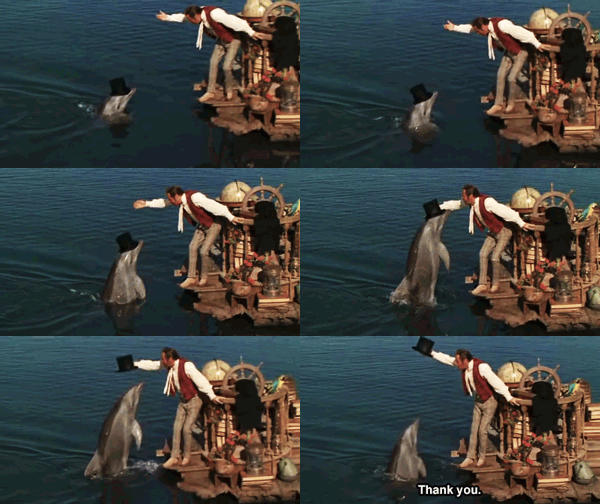
Considerado um dos piores (se não O pior) indicados ao Oscar de Melhor Filme, “O Fabuloso Doutor Dolittle” também representou o ponto mais baixo da carreira do grande Rex Harrison. Mas, querendo ou não, eu adoro este filme. É meu “guilty pleasure”. E nem posso dizer que o que sinto é uma nostalgia de quem viu um filme na infância e não liga para a qualidade real da obra, porque eu só fui ver as infames aventuras do médico que fala com os animais quando eu tinha 20 anos.

Considered one of the worst (if not THE worst) films to be ever nominated to the Best Picture Oscar, “Doctor Dolittle” also represented the lowest point in Rex Harrison's career. I can't help but love this film. It is my guilty pleasure. And I can't even say that it is a nostalgic feeling of someone who saw this film as a child and doesn't care for the real artistic qualities, because I only saw the infamous adventures of the doctor who talks to animals when I was 20.


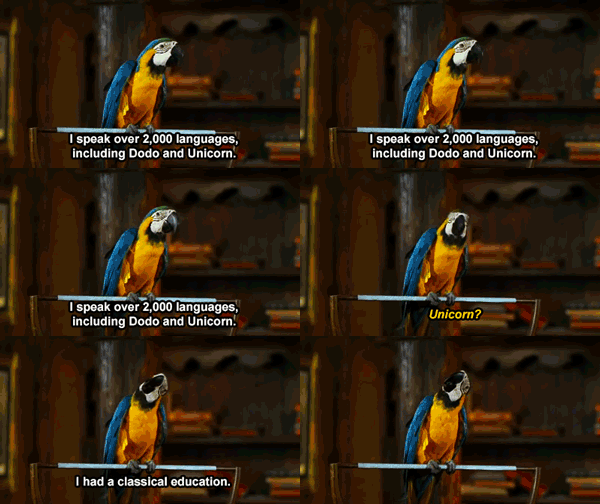
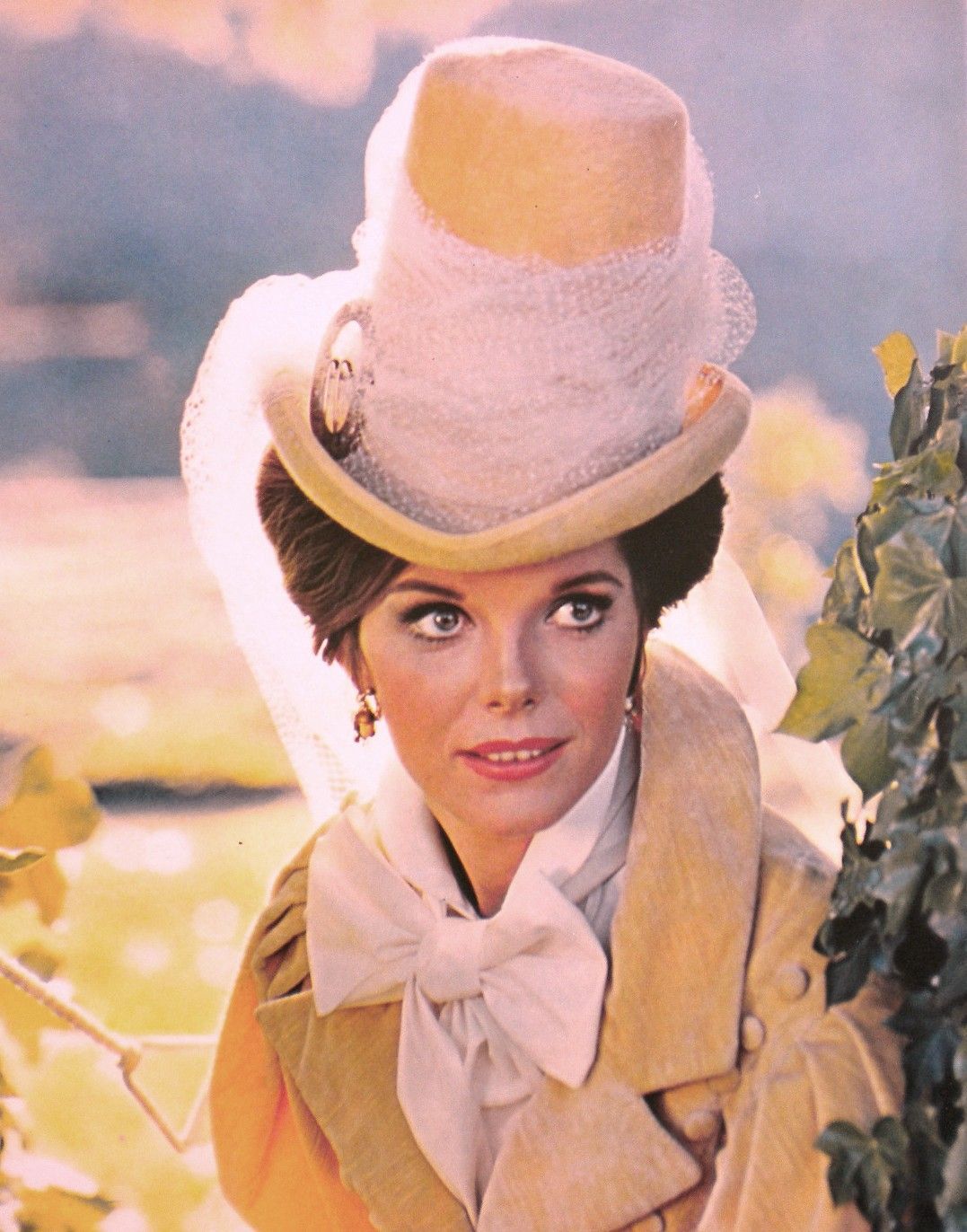
John Dolittle (Rex Harrison) é um veterinário que fala com os animais. Seu maior objetivo no momento é encontrar o misterioso caracol rosa gigante (“Great Pink Sea Snail”). Já dá para imaginar como o filme vai ser bizarro. Junto com ele vão Emma Fairfax (Samantha Eggar), Matthew Mugg (Anthony Newley) e o garotinho Tommy Stubbins (William Dix). Antes de partir, ele conta a seus novos amigos que foi com a ajuda do papagaio Polinésia que ele, um médico comum, aprendeu a se comunicar com os animais.

John Dolittle (Rex Harrison) is a veterinarian who talks to animals. His biggest goal at the moment is to find the mysterious Great Pink Sea Snail. For this alone you can imagine how bizarre the film is. Accompanying him there are Emma Fairfax (Samantha Eggar), Matthew Mugg (Anthony Newley) and the little boy Tommy Stubbins (William Dix). Before leaving, he tells his new friends that he, a common doctor, learned to talk to animals with a little help from the parrot Polinesia.
"Great Pink Sea Snail"

Embora estar cercado de animais possa parecer um sonho para muitos (e certamente é um prazer para o doutor Dolittle), o que aconteceu nas gravações foi um pequeno inferno na Arca de Noé. Rex Harrison foi ferido diversas vezes pelos animais e serviu de vaso sanitário para as ovelhas urinarem. Esquilos comeram parte do cenário, um esquilo desmaiou depois de tomar gim e uma cabra comeu o roteiro. Polinésia, o papagaio, aprendeu a dizer “corta” e atrapalhou a gravação de um número musical, fazendo com que Harrison dissesse, bem-humorado: “é a primeira vez que eu sou dirigido por um papagaio!”.

Although being sorrounded by animals may sound like a dream for many (and it certainly is a pleasure for doctor Dolittle), the shooting was like a small hell in Noah's Ark. Rex Harrison was hurt several times by the animals and was used as a toilet by sheep. Squirrels ate part of the set, a squirrel passed out after drinking gin and a goat ate the script. Polinesia, the parrot, learned to yell “cut” and interrupted the shooting of a musical number, to what Harrison, in a good mood, answered: “it's the first time I'm directed by a parrot!”


E por que “O Fabuloso Doutor Dolittle” foi um fracasso? Talvez por sua duração exagerada (152 minutos)? Ora, “Mary Poppins” (1964) tem 144 minutos e tudo mundo ama Mary Poppins! Seriam os animais (em especial o caracol rosa que não é rosa)? Não, todas as crianças adoram animais, e o dito caracol ajudou o filme a ganhar o Oscar de Melhores Efeitos Especiais (a lhama de duas cabeças “Pushmi-Pullyu” já é outra história). Hum, talvez a história inverossímil e cheia de reviravoltas em circos, tribunais e hospícios? Talvez, talvez...

Why was “Doctor Dolittle” a disappointment? Maybe because it was 152 minutes long? Well, “Mary Poppins” (1964) is 144 minutes long and everybody loves Mary Poppins! Were the animals the cause (in special the pink snail that wasn't pink)? No, all kids love animals, and the said snail made the film win the Best Special Effects Oscar (the two-headed llama Pushmi-Pullyu is something eles). Maybe it was the unbelievable story, full of plot twists in circuses, courts and asylums? Maybe, maybe...

Mesmo o fato de Dolittle ser um homem que gosta mais de animais do que de pessoas (nas próprias palavras do médico) já foi apontado como uma das causas do fracasso do filme. Em um ano dominado por “No Calor da Noite / In the Heat of the Night”, que ganhou 5 Oscars, foi surpreendente ver “O Fabuloso Doutor Dolittle” com nove indicações e dois prêmios – um deles, o de Melhor Canção Original pela adorável “Talk to the Animals”. Truman Capote, enfurecido pelo filme “A Sangue Frio”, baseado em seu livro, não ter sido indicado ao Oscar, disse na ocasião: “Anything allowing a Dolittle to happen is so rooked up it doesn’t mean anything!”.

The fact that Dolittle was a man who likes animals more than people (he says that in the movie) was also cited as one of the causes for the film’s box-office failure. In a year dominated by “In the Heat of the Night”, a film that won 5 Oscars, it was a surprise to see “Doctor Dolittle” with nine nominations and two awards – one of them being Best Original Song for the adorable “Talk to the Animals”. Truman Capote, angered because the movie “In Cold Blood”, based on his book, wasn’t nominated to the Oscar, said: “Anything allowing a Dolittle to happen is so rooked up it doesn’t mean anything!”.


Talvez a maior crítica feita ao filme seja o fato de Rex Harrison não saber cantar. Talvez a escolha de um cantor profissional para o papel protagonista tivesse sido mais interessante. Eu, pessoalmente, adoraria ver Frank Sinatra ou Bing Crosby como Doutor Dolittle! (Pense bem: Sinatra seria a escolha mais FASCINANTE possível para o papel!).

Maybe the biggest criticism made to the film is that Rex Harrison can’t sing. Maybe it’d have been more interesting if a professional singer was chosen instead. I, personally, would love to see Frank Sinatra or Bing Crosby as Doctor Dolittle! (Think: Sinatra would have been the most FASCINATING choice for the role!).

Quem quer um boneco do Rex Harrison? /
Who wants a Rex Harrison doll?
Mas a polêmica é maior: Rex Harrison aceitou o papel porque trabalharia novamente com o letrista Alan Jay Lerner, de “My Fair Lady”, peça que rendeu um Tony e um Oscar a Rex (e não é uma estranha coincidência que o nome da protagonista de “My Fair Lady” seja Eliza Doolittle?). Mas Lerner foi demitido na fase de pré-produção e, devido às suas reclamações, Rex perdeu o emprego pouco depois. Mas, ao saber que Christopher Plummer poderia ser seu substituto, o bom e velho Rex Harrison foi pedir o papel de volta. Mesmo assim, Plummer recebeu os 300 mil dólares do contrato. Outras opções para o papel principal eram Alec Guinness, Jack Lemmon, Peter Sellers e Peter Ustinov (eu escolheria Jack Lemmon).

But there is more trouble: Rex Harrison only accepted the role because he’d work again with lyricist Alan Jay Lerner, from “My Fair Lady”, a play and movie that gave a Tony and an Oscar to Harrison (and isn’t it a weird coincidence that the lead of “My Fair Lady” is named Eliza Doolittle?). However, Lerner was fired during pre-production and, after complaining, Rex Harrison was also fired. When he learned that Christopher Plummer could replace him, good old Rex begged to have the role back. Plummer received 300 thousand dollars anyway, because he had signed a contract. Other options for the role were Alec Guinness, Jack Lemmon, Peter Sellers and Peter Ustinov (I’d have picked Jack Lemmon).


Logo após o sucesso estrondoso de “A Noviça Rebelde / The Sound of Music” (1965), a Fox decidiu investir em musicais grandiosos. Foram três tentativas, e todas fracassaram. “O Fabuloso Doutor Dolittle” foi a aposta de 1967, enquanto em 1968 a grande produção era “A Estrela / Star!”, com Julie Andrews, e em 1969 foi a vez de “Hello, Dolly!”, estrelando Barbra Streisand e com direção de Gene Kelly.

Right after “The Sound of Music” (1965), which was a huge triumph, Fox decided to invest in big musicals. Three attempts were made, and all three failed. “Doctor Dolittle” was the 1967 attempt, while in 1968 the big production was “Star!”, with Julie Andrews, and in 1969 it was “Hello, Dolly!”, syarring Barbra Streisand and directed by Gene Kelly.

DENTRO do "Great Pink Sea Snail"! /
Inside the Great Pink Sea Snail!

O personagem doutor Dolittle foi inventado por Hugh Lofting nas trincheiras da Primeira Guerra Mundial, de onde ele escrevia cartas esperançosas para os filhos. As histórias foram publicadas em 1920, com sucesso instantâneo, e serviram de base para um desenho animado alemão de 1928 e uma série de rádio na década de 1930. A personagem Emma não existia nos livros e foi criada exclusivamente para adicionar romance ao filme. E que romance: ela é cobiçada ao mesmo tempo por Dolittle e Matthew!

The character Doctor Dolittle was invented by Hugh Lofting when he was fighting in World War I, and wrote, from the trenches, hopeful letter to his children. The stories were published in 1920, with instant success, and inspired a German cartoon in 1928 and a radio series in the 1930s. The character Emma didn’t exist in the books and was created to add romance to the movie. And what a romance: she is courted by both Dolittle and Matthew!


Mas vamos analisar com calma: “O Fabuloso Doutor Dolittle” é um belo filme, não apenas visualmente. As músicas são adoráveis, embora não memoráveis, e Rex Harrison dá ao médico ares de gentleman poliglota. O modo como os nativos africanos são retratados, como homens inteligentes, vai na contramão dos costumes da época e também dos livros de Hugh Lofting. E pensar que o papel do rei William Shakespeare X (Geoffrey Holder) tinha sido oferecido para Sidney Poitier!

But let’s analyze it with calm: “Doctor Dolittle” is a beautiful film, and not only visually speaking. The songs are adorable, although not remarkable, and Rex Harrison makes the doctor look like a multilingual gentleman. The way the African people is portrayed, as intelligent men, is the opposite of what was expected at the time, and also the opposite of what can be found in Hugh Lofting’s books. Imagine that the role of king William Shakespeare X (Geoffrey Holder) was offered to Sidney Poitier!


Esqueça o que foi dito sobre “O Fabuloso Doutor Dolittle”. Veja o filme. Se este post de defesa de um filme tão adorável não foi capaz de convencer você de que vale à pena vê-lo, talvez estes créditos iniciais fofos o convençam:

Forget about what has been said about “Doctor Dolittle”. Watch the movie. If this article defending such an adorable film wasn’t enough to convince you that it is worth watching, maybe these cute opening credits can convince you:


This is my contribution to the “1967 in Film” Blogathon, hosted by Ruth at Silver Screenings and Rosie at The Rosebud Cinema.

Related Posts Plugin for WordPress, Blogger...