} Crítica Retrô: animais

Tradutor / Translator / Traductor / Übersetzer / Traduttore / Traducteur / 翻訳者 / переводчик

Showing posts with label animais. Show all posts

Thursday, November 26, 2026

A Revolução dos Bichos (1954) / Animal Farm (1954)


Esta animação tem porquinhos fofos como protagonistas e outros adoráveis animais da fazenda como coadjuvantes, mas definitivamente não é para crianças. É a adaptação de uma novela na qual tudo é alegoria e a política está no centro da narrativa. Eu tive a chance de ler o livro “A Revolução dos Bichos” de George Orwell e assistir à versão animada de 1954, duas obras que se complementam.

This animation has cute piggies as leads and other adorable farm animals as supporting characters, but it’s definitely not for kids. It’s the adaptation of a short novel where everything is an allegory and politics are front and center of the narrative. I had the chance to read the book “Animal Farm” by George Orwell and watch the 1954 animated version, two works that complement each other.

A Fazenda Manor é um lugar miserável, mas já teve dias de glória. Por causa destes tempos difíceis, o dono, Sr Jones (que se parece com Freakazoid, um desenho que me assustava quando criança) começou a beber. Numa noite, ele chega em casa mais tarde do que o usual. Naquela mesma noite, os animais se reúnem no celeiro.

Manor Farm is a miserable place, but once it was thriving. Because of these dark times, the owner Mr Jones (looking like Freakazoid, a cartoon I was terrified of as a child) started drinking. One night, he arrives home later than usual. That same night, animals gather for a reunion at the barn.

O porco Major conduz a reunião e sua morte faz com que os animais, grandes e pequenos, se rebelem contra o Sr Jones, que os deixa sem comida. Eles expulsam Jones, mas ele retorna com mais homens e armas. Liderados pelo porco Bola de Neve, os animais da fazenda ganham a batalha e se livram dos humanos na Fazenda Manor, pois “o homem é a única criatura que consome sem produzir”.

Old Major the pig conducts the reunion and his death makes animals big and small to rebel against Mr Jones, as they’re left without food. They expel Jones, but he returns with more men and guns. Led by Snowball the pig, the farm animals win this battle and get rid of humans in Manor Farm, since “Man is the only creature that consumes without producing”.

Bola de Neve, o herói da batalha, se torna o administrador da renomeada Fazenda dos Aniamis, e todos os bichos começam a produzir para si mesmos. A fazenda prospera. Os animais escrevem seus mandamentos e os porcos tentam educar os outros bichos, com sucesso moderado. Bola de Neve projeta um moinho para obter energia elétrica, mas o porco Napoleão tem seus próprios planos de dominação.

Snowball, the hero of the battle, becomes the manager of the renamed Animal Farm, and all the animals start producing for themselves. The farm thrives. The animals write down their commandments and the pigs try to educate the others, with mixed success. Snowball projects a windmill for electric power, but Napoleon the pig has his own domination plans.

Com seus ferozes cães que ele vem treinando desde que eram filhotes, Napoleão expulsa Bola de Neve. Ele se torna o novo líder, dizendo que Bola de Nve era um traidor. “A bravura não é o suficiente”, disse Squealer, o capanga de Napoleão. “Lealdade e obediência são mais importantes”. Eles começam a construir o moinho com menos comida para todos os animais - menos para os porcos, porque “a mais verdadeira felicidade está em trabalhar duro e viver frugalmente”.

With his ferocious dogs which he trained since they were puppies, Napoleon expels Snowball. He becomes the new leader, claiming that Snowball was a traitor. “Bravery is not enough,” said Squealer, Napoleon’s henchman. “Loyalty and obedience are more important.” They start building the windmill with less food for all the animals - except the pigs, because “the truest happiness lay in working hard and living frugally.”

Vamos comparar o livro com o filme. A sequência com os animais explorando a casa da fazenda de Jones é um pouco longa e não existe no livro, mas é um ótimo exemplo de storytelling visual e uma maneira de demonstrar contraste. Além disso, a rebelião das galinhas, que não querem ter seus ovos tirados delas, é só um detalhe no livro que é muito mais explorado no filme. Por outro lado, Boxer e seu lema “vou trabalhar mais duro” mal aparecem no filme, enquanto no livro ele é um personagem de destaque. E há, é claro, o final - que eu não vou contar.  

Let’s compare book and movie. The sequence of the animals exploring Jones’ farm house is a bit long and doesn’t exist in the novel, but it’s a great piece of visual storytelling and a way of showing contrast. Also, the rebellion of the chickens, who don’t want their eggs taken, is just a detail in the book that gets explored more in the movie. On the other hand, Boxer and his motto “I will work harder” are barely in the movie, while in the book he is an outstanding character. And there is, of course, the ending - one which I won’t spoil.

Os porcos são os únicos animais que falam, e há uma razão para isso: porcos são animais extremamente inteligentes! Eles conseguem diferenciar pessoas com base na roupa, no cheiro e na voz. Eles demosntraram habilidades para resolver problemas, têm memória espacial, percepção do tempo e podem usar ferramentas para cavar e alcançar objetos.  

The pigs are the only talking animals, and there is a reason why: pigs are extremely intelligent animals! They can tell humans apart from clothing, smell and sound. They display problem-solving skills, spatial memory, time perception and can use tools to dig or reach objects.

Precisamos falar sobre a alegoria. A história é claramente inspirada na Revolução Russa de 1917 e seus desdobramentos. Major é Lênin, Bola de Neve é Trotsky e Napoleão é Stalin, que usurpa o poder e se torna ditador. Não por coincidência, o filme foi secretamente financiado pela CIA no ápice do anticomunismo. Mas Orwell foi mais longe e declarou, apenas um ano depois que o livro foi publicado, que ele conta a história de todas as revoluções.

We must talk about the allegory. The story is clearly inspired by the Russian Revolution from 1917 and its aftermath. Old Major is Lenin, Snowball is Trotsky and Napoleon is Stalin, who abducts power and becomes a dictator. Not as a coincidence, the movie was secretly funded by the CIA at the apex of the Red Scare. But Orwell went further and declared, only one year after the book was published, that it tells the story of all revolutions.

O produtor de “A Revolução dos Bichos” é Louis de Rochemont, que foi responsável pelo cinejornal “The March of Time”, produzido entre 1935 e 1951. Trabalhando em documentários estavam os diretores John Halas e Joy Batchelor. A animação foi feita em Londres entre 1951 e 1954.  

The producer of “Animal Farm” is Louis de Rochemont, who was responsible for the newsreel “The March of Time” that was produced from 1935 to 1951. Working on documentaries were the directors John Halas and Joy Batchelor. Animation was done in London between 1951 and 1954. 

Cada frame é belo, em especial quando chega a primavera. Com apenas 72 minutos de duração, é ótimo para ser assistido depois de ler o livro. Quando estreou, confundiu pais que levaram seus filhos esperando ver uma animação tipo Disney, e o filme teve um mau resultado nas bilheterias. Mesmo assim, se tornou queridinho para ser exibido nas salas de aulas, por ser uma boa adaptação de uma novela icônica.

Each frame is beautiful, especially when spring arrives. At only 72 minutes long, it’s great to be watched after reading the book. On its original release, it deceived parents who took their children expecting a Disney-like animation, and the film performed poorly at the box office. Nevertheless, it became a darling for teachers to show at the classroom, as it’s a fine adaptation of a landmark novel.

Thursday, June 19, 2014

O Fabuloso Dr. Dolittle (1967) / Doctor Dolittle (1967)

Considerado um dos piores (se não O pior) indicados ao Oscar de Melhor Filme, “O Fabuloso Doutor Dolittle” também representou o ponto mais baixo da carreira do grande Rex Harrison. Mas, querendo ou não, eu adoro este filme. É meu “guilty pleasure”. E nem posso dizer que o que sinto é uma nostalgia de quem viu um filme na infância e não liga para a qualidade real da obra, porque eu só fui ver as infames aventuras do médico que fala com os animais quando eu tinha 20 anos.

Considered one of the worst (if not THE worst) films to be ever nominated to the Best Picture Oscar, “Doctor Dolittle” also represented the lowest point in Rex Harrison's career. I can't help but love this film. It is my guilty pleasure. And I can't even say that it is a nostalgic feeling of someone who saw this film as a child and doesn't care for the real artistic qualities, because I only saw the infamous adventures of the doctor who talks to animals when I was 20.


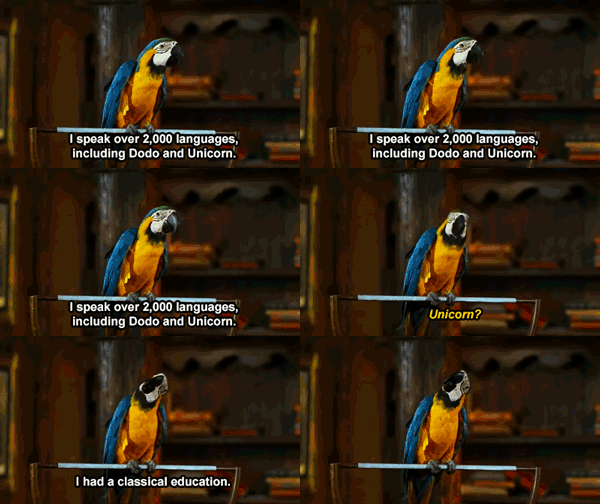
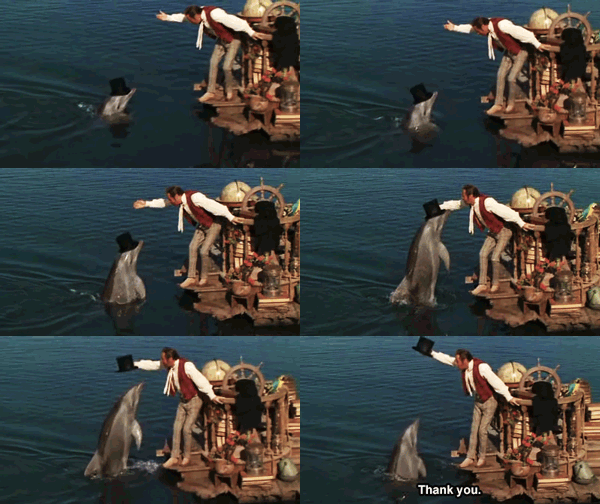
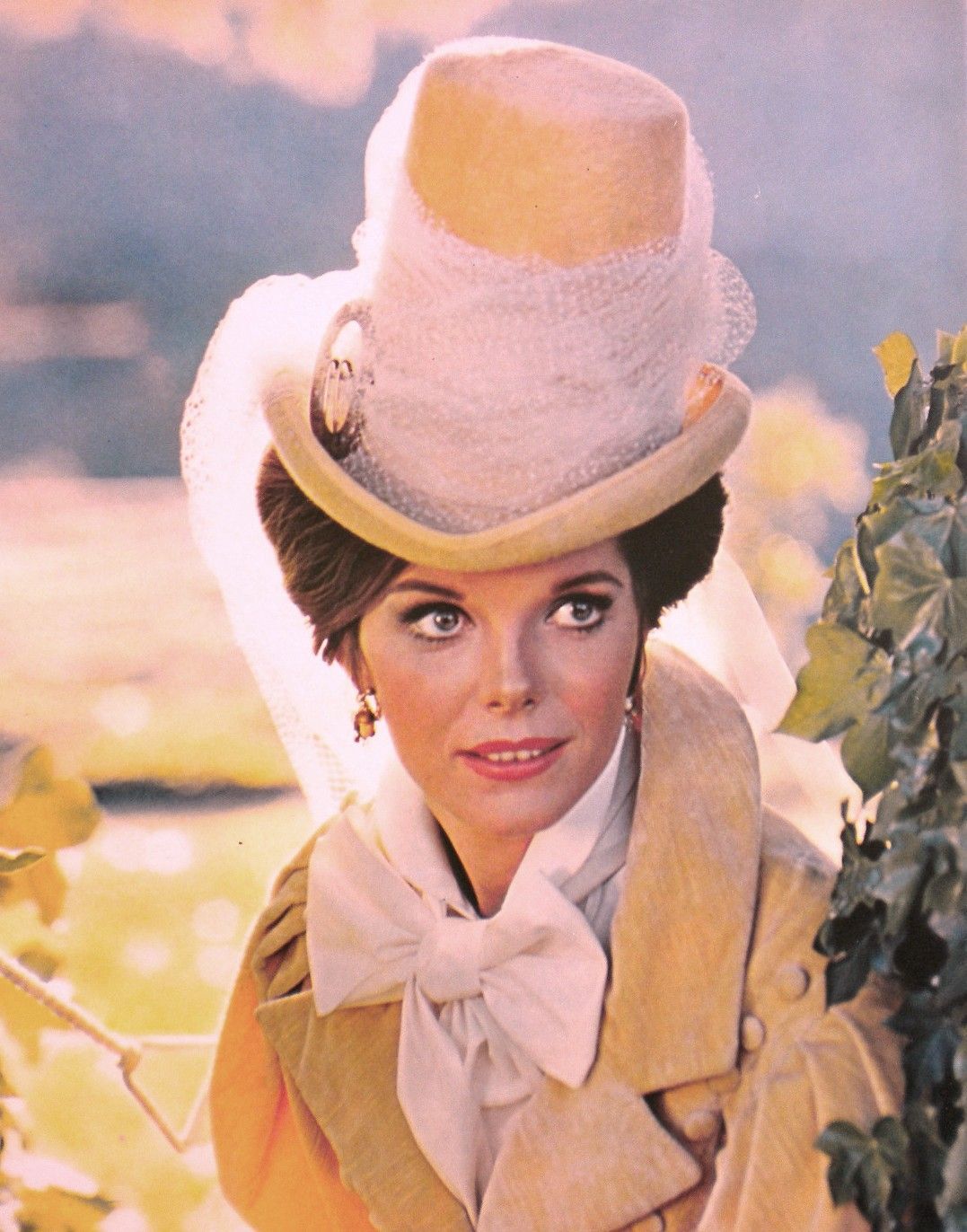
John Dolittle (Rex Harrison) é um veterinário que fala com os animais. Seu maior objetivo no momento é encontrar o misterioso caracol rosa gigante (“Great Pink Sea Snail”). Já dá para imaginar como o filme vai ser bizarro. Junto com ele vão Emma Fairfax (Samantha Eggar), Matthew Mugg (Anthony Newley) e o garotinho Tommy Stubbins (William Dix). Antes de partir, ele conta a seus novos amigos que foi com a ajuda do papagaio Polinésia que ele, um médico comum, aprendeu a se comunicar com os animais.

John Dolittle (Rex Harrison) is a veterinarian who talks to animals. His biggest goal at the moment is to find the mysterious Great Pink Sea Snail. For this alone you can imagine how bizarre the film is. Accompanying him there are Emma Fairfax (Samantha Eggar), Matthew Mugg (Anthony Newley) and the little boy Tommy Stubbins (William Dix). Before leaving, he tells his new friends that he, a common doctor, learned to talk to animals with a little help from the parrot Polinesia.
"Great Pink Sea Snail"

Embora estar cercado de animais possa parecer um sonho para muitos (e certamente é um prazer para o doutor Dolittle), o que aconteceu nas gravações foi um pequeno inferno na Arca de Noé. Rex Harrison foi ferido diversas vezes pelos animais e serviu de vaso sanitário para as ovelhas urinarem. Esquilos comeram parte do cenário, um esquilo desmaiou depois de tomar gim e uma cabra comeu o roteiro. Polinésia, o papagaio, aprendeu a dizer “corta” e atrapalhou a gravação de um número musical, fazendo com que Harrison dissesse, bem-humorado: “é a primeira vez que eu sou dirigido por um papagaio!”.

Although being sorrounded by animals may sound like a dream for many (and it certainly is a pleasure for doctor Dolittle), the shooting was like a small hell in Noah's Ark. Rex Harrison was hurt several times by the animals and was used as a toilet by sheep. Squirrels ate part of the set, a squirrel passed out after drinking gin and a goat ate the script. Polinesia, the parrot, learned to yell “cut” and interrupted the shooting of a musical number, to what Harrison, in a good mood, answered: “it's the first time I'm directed by a parrot!”


E por que “O Fabuloso Doutor Dolittle” foi um fracasso? Talvez por sua duração exagerada (152 minutos)? Ora, “Mary Poppins” (1964) tem 144 minutos e tudo mundo ama Mary Poppins! Seriam os animais (em especial o caracol rosa que não é rosa)? Não, todas as crianças adoram animais, e o dito caracol ajudou o filme a ganhar o Oscar de Melhores Efeitos Especiais (a lhama de duas cabeças “Pushmi-Pullyu” já é outra história). Hum, talvez a história inverossímil e cheia de reviravoltas em circos, tribunais e hospícios? Talvez, talvez...

Why was “Doctor Dolittle” a disappointment? Maybe because it was 152 minutes long? Well, “Mary Poppins” (1964) is 144 minutes long and everybody loves Mary Poppins! Were the animals the cause (in special the pink snail that wasn't pink)? No, all kids love animals, and the said snail made the film win the Best Special Effects Oscar (the two-headed llama Pushmi-Pullyu is something eles). Maybe it was the unbelievable story, full of plot twists in circuses, courts and asylums? Maybe, maybe...

Mesmo o fato de Dolittle ser um homem que gosta mais de animais do que de pessoas (nas próprias palavras do médico) já foi apontado como uma das causas do fracasso do filme. Em um ano dominado por “No Calor da Noite / In the Heat of the Night”, que ganhou 5 Oscars, foi surpreendente ver “O Fabuloso Doutor Dolittle” com nove indicações e dois prêmios – um deles, o de Melhor Canção Original pela adorável “Talk to the Animals”. Truman Capote, enfurecido pelo filme “A Sangue Frio”, baseado em seu livro, não ter sido indicado ao Oscar, disse na ocasião: “Anything allowing a Dolittle to happen is so rooked up it doesn’t mean anything!”.

The fact that Dolittle was a man who likes animals more than people (he says that in the movie) was also cited as one of the causes for the film’s box-office failure. In a year dominated by “In the Heat of the Night”, a film that won 5 Oscars, it was a surprise to see “Doctor Dolittle” with nine nominations and two awards – one of them being Best Original Song for the adorable “Talk to the Animals”. Truman Capote, angered because the movie “In Cold Blood”, based on his book, wasn’t nominated to the Oscar, said: “Anything allowing a Dolittle to happen is so rooked up it doesn’t mean anything!”.


Talvez a maior crítica feita ao filme seja o fato de Rex Harrison não saber cantar. Talvez a escolha de um cantor profissional para o papel protagonista tivesse sido mais interessante. Eu, pessoalmente, adoraria ver Frank Sinatra ou Bing Crosby como Doutor Dolittle! (Pense bem: Sinatra seria a escolha mais FASCINANTE possível para o papel!).

Maybe the biggest criticism made to the film is that Rex Harrison can’t sing. Maybe it’d have been more interesting if a professional singer was chosen instead. I, personally, would love to see Frank Sinatra or Bing Crosby as Doctor Dolittle! (Think: Sinatra would have been the most FASCINATING choice for the role!).

Quem quer um boneco do Rex Harrison? /
Who wants a Rex Harrison doll?
Mas a polêmica é maior: Rex Harrison aceitou o papel porque trabalharia novamente com o letrista Alan Jay Lerner, de “My Fair Lady”, peça que rendeu um Tony e um Oscar a Rex (e não é uma estranha coincidência que o nome da protagonista de “My Fair Lady” seja Eliza Doolittle?). Mas Lerner foi demitido na fase de pré-produção e, devido às suas reclamações, Rex perdeu o emprego pouco depois. Mas, ao saber que Christopher Plummer poderia ser seu substituto, o bom e velho Rex Harrison foi pedir o papel de volta. Mesmo assim, Plummer recebeu os 300 mil dólares do contrato. Outras opções para o papel principal eram Alec Guinness, Jack Lemmon, Peter Sellers e Peter Ustinov (eu escolheria Jack Lemmon).

But there is more trouble: Rex Harrison only accepted the role because he’d work again with lyricist Alan Jay Lerner, from “My Fair Lady”, a play and movie that gave a Tony and an Oscar to Harrison (and isn’t it a weird coincidence that the lead of “My Fair Lady” is named Eliza Doolittle?). However, Lerner was fired during pre-production and, after complaining, Rex Harrison was also fired. When he learned that Christopher Plummer could replace him, good old Rex begged to have the role back. Plummer received 300 thousand dollars anyway, because he had signed a contract. Other options for the role were Alec Guinness, Jack Lemmon, Peter Sellers and Peter Ustinov (I’d have picked Jack Lemmon).


Logo após o sucesso estrondoso de “A Noviça Rebelde / The Sound of Music” (1965), a Fox decidiu investir em musicais grandiosos. Foram três tentativas, e todas fracassaram. “O Fabuloso Doutor Dolittle” foi a aposta de 1967, enquanto em 1968 a grande produção era “A Estrela / Star!”, com Julie Andrews, e em 1969 foi a vez de “Hello, Dolly!”, estrelando Barbra Streisand e com direção de Gene Kelly.

Right after “The Sound of Music” (1965), which was a huge triumph, Fox decided to invest in big musicals. Three attempts were made, and all three failed. “Doctor Dolittle” was the 1967 attempt, while in 1968 the big production was “Star!”, with Julie Andrews, and in 1969 it was “Hello, Dolly!”, syarring Barbra Streisand and directed by Gene Kelly.

DENTRO do "Great Pink Sea Snail"! /
Inside the Great Pink Sea Snail!

O personagem doutor Dolittle foi inventado por Hugh Lofting nas trincheiras da Primeira Guerra Mundial, de onde ele escrevia cartas esperançosas para os filhos. As histórias foram publicadas em 1920, com sucesso instantâneo, e serviram de base para um desenho animado alemão de 1928 e uma série de rádio na década de 1930. A personagem Emma não existia nos livros e foi criada exclusivamente para adicionar romance ao filme. E que romance: ela é cobiçada ao mesmo tempo por Dolittle e Matthew!

The character Doctor Dolittle was invented by Hugh Lofting when he was fighting in World War I, and wrote, from the trenches, hopeful letter to his children. The stories were published in 1920, with instant success, and inspired a German cartoon in 1928 and a radio series in the 1930s. The character Emma didn’t exist in the books and was created to add romance to the movie. And what a romance: she is courted by both Dolittle and Matthew!


Mas vamos analisar com calma: “O Fabuloso Doutor Dolittle” é um belo filme, não apenas visualmente. As músicas são adoráveis, embora não memoráveis, e Rex Harrison dá ao médico ares de gentleman poliglota. O modo como os nativos africanos são retratados, como homens inteligentes, vai na contramão dos costumes da época e também dos livros de Hugh Lofting. E pensar que o papel do rei William Shakespeare X (Geoffrey Holder) tinha sido oferecido para Sidney Poitier!

But let’s analyze it with calm: “Doctor Dolittle” is a beautiful film, and not only visually speaking. The songs are adorable, although not remarkable, and Rex Harrison makes the doctor look like a multilingual gentleman. The way the African people is portrayed, as intelligent men, is the opposite of what was expected at the time, and also the opposite of what can be found in Hugh Lofting’s books. Imagine that the role of king William Shakespeare X (Geoffrey Holder) was offered to Sidney Poitier!


Esqueça o que foi dito sobre “O Fabuloso Doutor Dolittle”. Veja o filme. Se este post de defesa de um filme tão adorável não foi capaz de convencer você de que vale à pena vê-lo, talvez estes créditos iniciais fofos o convençam:

Forget about what has been said about “Doctor Dolittle”. Watch the movie. If this article defending such an adorable film wasn’t enough to convince you that it is worth watching, maybe these cute opening credits can convince you:


This is my contribution to the “1967 in Film” Blogathon, hosted by Ruth at Silver Screenings and Rosie at The Rosebud Cinema.

Related Posts Plugin for WordPress, Blogger...