Há muitas
alegrias na vida de um cinéfilo. Uma delas é descobrir grandes atores, como James
Mason, e atrizes subestimadas, como Barbara Bel Geddes. Outro prazer é rever
bons filmes. Algumas vezes, nós – e isso acontece muito comigo – investimos tanto
tempo em ver MAIS filmes que não gastamos tempo suficiente para apreciar bons
filmes, e acabamos nos esquecendo deles com o tempo. Isso aconteceu
recentemente com “Coração Prisioneiro”: eu já o havia visto com a turma da
hashtag #BNoirDetour, mas me lembrava muito pouco dele.
There are
many joys in loving movies. One of them is discovering great actors, like James
Mason, and underrated actresses, like Barbara Bel Geddes. Another pleasure is
rewatching good movies. Sometimes we – and I'm guilty of this – are so invested
in watching MORE movies that we don't appreciate a good movie enough, and end
up forgetting it completely with time. It happened recently with “Caught”: I
had watched it with the #BNoirDetour gang, but remembered very little about it.

Você
estudou na Escola de Charme de Dorothy Dale? Eu também não – e deve ser por
isso que eu sou solteira e trabalho como freelancer. Porque nossa heroína,
Leonora (Barbara Bel Geddes) estudou lá, e a escola a recomendou para um
trabalho como modelo – quer dizer, como manequim de carne que deve usar um
casaco de vison para que mulheres de nariz empinado e homens repulsivos possam
apreciar o produto.
Have you attended
Dorothy Dale's School of Charm? Neither have I – and that's must be the reason
why I'm single and have an odd job. Because our girl, Leonora (Barbara Bel
Geddes) has been there, and at the school she was recommended for a job as a
model – which is basically serve as a flesh mannequin wearing a mink coat for
stuck-up rich ladies and creepy men to look at.


Leonora é
convidada para uma festa em um iate pelo repulsivo Franzi Kartos (Curt Bois), e
pensa em não aceitar o convite. Sua colega de quarto a chama de antiquada e
Leonora decide ir. Quando ela chega ao porto, o iate já zarpou, mas alguém está
voltando em um barquinho: é o chefe de Kartos e dono do iate, o milionário
Smith Ohlrig (Robert Ryan). Ele dá uma carona para Leonora, e ela não aceita
entrar na mansão dele para ficar... mais confortável. Então, ao discutir o
episódio com seu psiquiatra, Ohlrig impulsivamente decide se casar com Leonora
para provar que o médico está errado. Será que esse casamento pode dar certo?
Leonora is
invited to a yacht party by the creepy Franzi Kartos (Curt Bois) and is
reticent to accept the invitation. Her roommate calls her old-fashioned and
Leonora decides to go. When she reaches the harbor, the yacht has already
sailed, but someone is coming back in a boat: it's Kartos's boss and the owner
of the yacht, millionaire Smith Ohlrig (Robert Ryan). He gives her a car ride
and she doesn't accept to enter his house to do... something else. Then, when
discussing the episode with his psychiatrist, Ohlrig impulsively decides to
marry Leonora to prove the doctor wrong. Can this marriage ever go right?
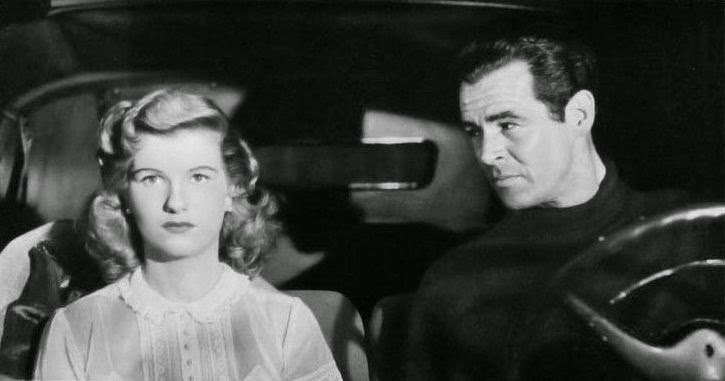
O romance
é visto como um moderno conto da Cinderela pela imprensa – aliás, os colunistas
sociais têm uma prosa incrivelmente machista. Leonora agora vive em uma linda
casa, mas está infeliz. Ela e Ohlrig não passam tempo juntos, e ela precisa
tomar remédios para dormir. Ela não pode visitar sua família e amigos, e o
repulsivo Kartos é sua única companhia – e ele a chama de “mesquinha” por ela
querer que o marido lhe dê atenção!
The love
story is seen as a modern Cinderella story by the press – by the way, the
social columnists are incredibly sexist in their prose. Leonora now lives in a
beautiful house, wears only the best clothes and is covered by jewels, but she
is unhappy. She and Ohlrigh don't spend time together, and she has to take
sleeping pills. She hasn't seen her family or friends, and creepy Kartos is her
only constant companion – and he calls her “greedy” because she wants her
husband to pay attention to her!

Smith
Ohlrig é um complete idiota – e o personagem foi baseado em Howard Hughes! Ohlrig
insulta a esposa na frente dos amigos dele, e acredita que ela só está com ele
por causa do dinheiro. Ele também tem pequenos ataques cardíacos sempre que não
consegue o que deseja – o cúmulo de ser mimado. E obviamente ele tem um destes
quando Leonora anuncia que vai arrumar um emprego que dê sentido à vida dela. E
ela encontra mais do que sentido como secretária do pediatra Dr. Larry Quinada
(James Mason).
Smith Ohlrig
is just an idiot – and the character was based on Howard Hughes! Ohlrig insults
his wife in front of his friends and thinks she is with him because of the
money. He also has small heart attacks whenever he can't get what he wants –
the climax of being spoiled. And of course he has one when Leonora announces
that she will look for a job to give meaning to her life. And she finds more
than meaning as the secretary to the pediatrician Dr Larry Quinada (James
Mason).
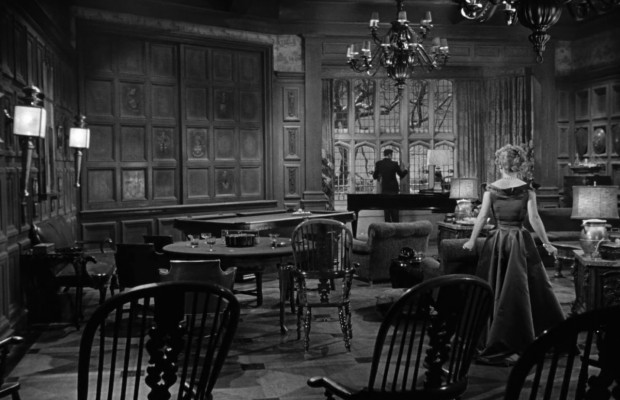
O
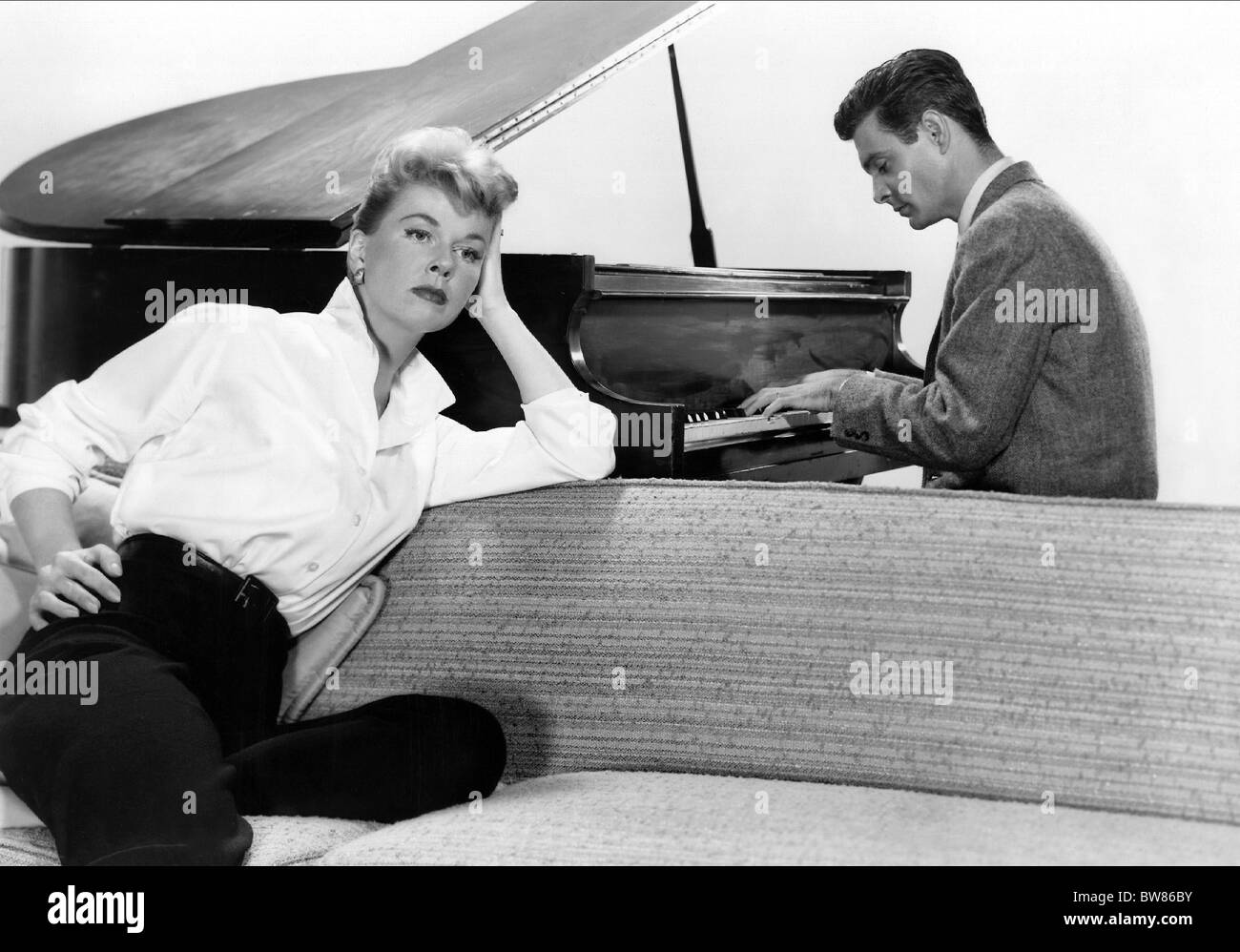
consultório é improvisado. A sala de espera tem todo tipo de cadeiras e sofás,
para clientes muito simples. O consultório particular de Quinada também abriga
uma pequena cozinha. Nos primeiros dias, Quinada dá bronca em Leonora, mas ela
se esforça, melhora suas habilidades e até começa a auxiliar o médico em
visitas aos pacientes. Em pouco tempo eles estão se encontrando fora do
expediente, e Leonora está se divertindo como nunca – mas ela ainda é casada
com Ohlrig, e esconde esta informação de Quinada.
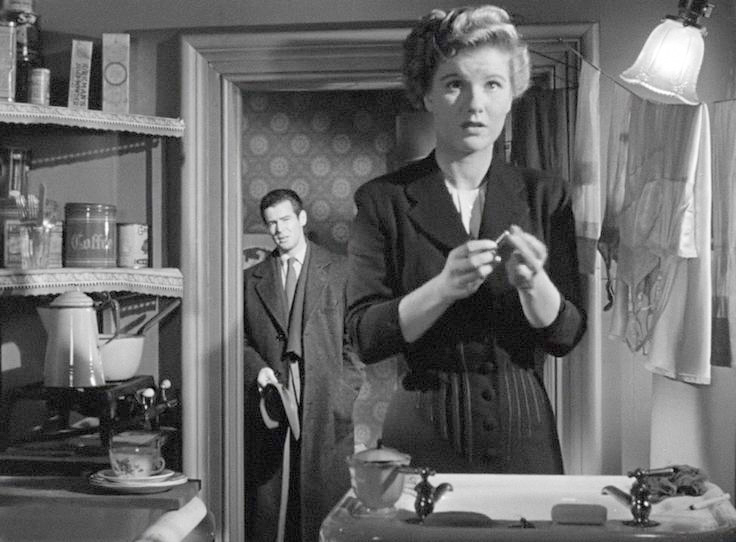
The office is
largely improvised. The waiting room has all kinds of chairs and sofas, for
very simple clients. Quinada's actual office also has a small kitchen. In the
first few days, Quinada is severe with Leonora, but she works hard, improves
her skills and even starts helping the doctor when he visits his patients. Soon
they are going on dates, and Leonora is having the time of her life – but she
is still married to Ohlrig, and has hidden this info from Quinada.

Hoje
falamos muito sobre relacionamentos abusivos, e vários filmes, séries e novelas
tratam do tema. “Coração Prisioneiro” é também um filme sobre relacionamento abusivo.
A maneira como Ohlrig trata Leonora é péssima, e depois que ele a maltrata, vem
pedir desculpas, prometendo que aquilo nunca mais se repetirá... e quando ela o
perdoa, ele a maltrata novamente. Um relacionamento abusivo existe neste ciclo.
Today we talk
a lot about abusive relationships, and many movies, series and soap operas deal
with the theme. “Caught” is also a film about an abusive relationship. The way
Ohlrig treats Leonora is awful, and after he does that he asks for forgiveness,
promises he will change... and when she forgives him, he does the same thing
again. An abusive relationship exists in this cycle.

Barbara
Bel Geddes era uma ótima atriz, mas tinha um grande defeito jogando contra ela
no sistema de estúdio, que era tão obcecado pela imagem: ela não era uma
beldade maravilhosa (ela me lembra da atriz moderna Jenna Boyd) – e não podia se tornar uma com maquiagem ou cirurgia
plástica. Para Hollywood, ela tinha um rosto muito simples, comum, ordinário. Até
em seu mais conhecido papel, o de Midge em “Um Corpo que Cai” (1958), sua
característica principal é ser frígida e pouco desejável, e ela não tem tempo
para mostrar seu talento.
Barbara Bel
Geddes was a very good actress, but she had one big thing against her in the
studio system, so crazy about the value of an image: she wasn't breathtakingly
gorgeous (she reminds me of modern-day actress Jenna Boyd) – and she couldn't be made so by make-up or surgery. For Hollywood,
she was plain-looking. Even in her best remembered role, as Midge in “Vertigo”
(1958), her main characteristic is to be frigid and undesirable, and she has
not enough time to show her skills.
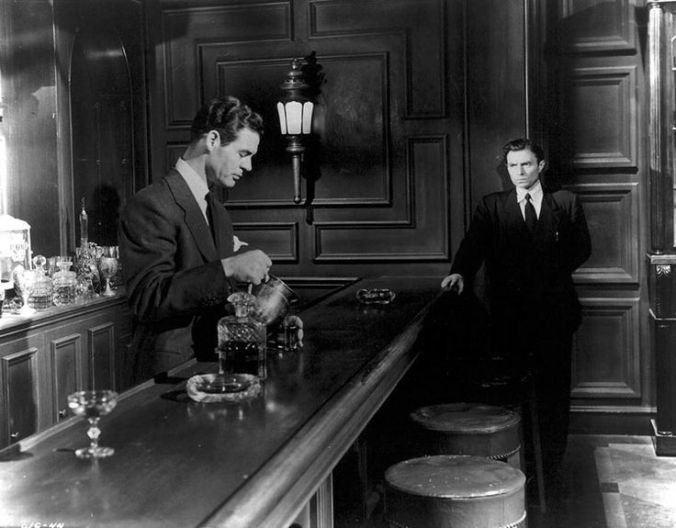
“Coração
Prisioneiro” foi o primeiro filme que James Mason fez em Hollywood. Ele seria
originalmente o vilão, mas insistiu para trocar de papel com Robert Ryan, com
medo de ficar estereotipado – ele havia interpretado muitos vilões na
Inglaterra, como no excelente “O sétimo Véu” (1945). No fim das contas, o Dr. Larry
Quinada se assemelha muito ao Norman Maine de “Nasce uma Estrela” (1954):
aparentemente duro com a mocinha, mas fazendo isso para o bem dela, e também
muito apaixonado.
“Caught” was
the first film James Mason made in Hollywood. He was originally cast as the
villain, but insisted on changing roles with Robert Ryan because he was afraid
of being typecast – he had played many villains in England, like in the superb
“Seventh Veil” (1945). In the end, Dr Larry Quinada is a lot like his Norman
Maine from “A Star is Born” (1954): seemingly tough towards the lady, but doing
this for her own good, and very much in love with her.

O diretor Max
Ophüls, saindo do belo e triste “Carta de uma Desconhecida” (1948), faz outro
trabalho brilhante e imprime toques de noir a “Coração Prisioneiro”. Apesar de
menos conhecido na filmografia de todos os envolvidos – elenco e equipe – o filme
é uma preciosidade que eu fiquei feliz de rever – e eu também fiquei feliz por
nunca ter estudado na Escola de Charme de Dorothy Dale.
Director Max
Ophüls, coming from the beautiful and heartbreaking “Letter from an Unknown
Woman” (1948), does another great job and adds noirish touches to “Caught”. Although
a lesser known film in the career of all the involved cast and crew, it’s a
little gem that I was glad I revisited – oh, and I’m also glad I have never
attended Dorothy Dale’s School of Charm.
This is my
contribution to the James Mason blogathon, hosted by Maddy from Maddy Loves her
Classic Movies.