} Crítica Retrô: Fred Astaire

Tradutor / Translator / Traductor / Übersetzer / Traduttore / Traducteur / 翻訳者 / переводчик

Showing posts with label Fred Astaire. Show all posts

Tuesday, December 29, 2020

Três Palavrinhas (1950) / Three Little Words (1950)


Você deve conhecer Cole Porter, Ira e George Gershiwn, George M. Cohan, Irving Berlin e Jerome Kern. Talvez você não conheça Bert Kalmar e Harry Ruby, mas com certeza já ouviu as canções deles, como por exemplo “I Wanna Be Loved by You”. Kalmar e Ruby não foram os artistas mais famosos oriundos da Tin Pan Alley, região de Manhattan que concentrava os principais selos de música no começo do século XX, mas a dupla provou que merecia uma cinebiografia, que veio em 1950 com “Três Palavrinhas”.

You might be familiar with Cole Porter, Ira and George Gershwin, George M. Cohan, Irving Berlin and Jerome Kern. You might not know Bert Kalmar and Harry Ruby, but you certainly have heard their songs, such as “I Wanna Be Loved By You”. Kalmar and Ruby were not the most famous artists to emerge from the Tin Pan Alley, a region of Manhattan that concentrated the main music publishers of the early 20th century, but the duo proved to be worthy of a biopic, that came as 1950's “Three Little Words”.

Os dois se esbarram pela primeira vez em um incidente. Bert Kalmar (Fred Astaire) é um bem-sucedido dançarino no vaudeville, fazendo par com Jessie Brown (Vera-Ellen). Jessie quer se casar com Bert, mas ele está mais interessado em se tornar um mágico. Quando ele tenta fazer alguns truques de mágica no palco, o pianista Harry Ruby (Red Skelton) é enviado para ser assistente de Bert, e o número acaba com uma confusão hilariante envolvendo coelhos numa cartola e um ganso descontrolado.

They meet for the first time in an unfortunate incident. Bert Kalmar (Fred Astaire) is a successful vaudeville dancer, making a dancing duo with Jessie Brown (Vera-Ellen). Jessie wants to marry Bert, but he is more interested in becoming a magician. When he tries to do a few magic tricks on the stage, pianist Harry Ruby (Red Skelton) is sent to work as Bert's assistant, and the number ends up in a hilarious mess involving rabbits in a top hat and a vicious goose.

Os caminhos deles se cruzam novamente. Desta vez, Bert machucou o joelho e não pode dançar durante um ano. Harry está tentando a sorte como compositor e liricista. Eles se encontram no escritório de um agente e Bert ajuda Harry a escrever uma letra melhor para uma melodia. Entretanto, quando Bert reconhece Harry do incidente no show de mágica, ele fica furioso e vai embora. Mesmo assim, Harry publica a música que eles fizeram juntos, forçando Bert a começar uma parceria, pois a música faz grande sucesso.

Their paths cross a second time. This time, Bert has injured his knee and can't dance for a year. Harry is trying his luck as a composer and songwriter. They meet at an agent's office and Bert helps Harry to write better lyrics for his tune. However, when Bert recognizes Harry from the magic show incident, he gets mad and leaves. Nevertheless, Harry publishes the song they made together, forcing Bert to start a partnership as the song becomes a hit.

Esta parceria, obviamente, teve seus problemas. Assim como Bert implica com o amor de Harry pelo beisebol, Harry não gosta do interesse de Bert em mágica. Com as melhores intenções, eles interferem na vida pessoal um do outro. Há brigas, reencontros e silêncios constrangedores. Tudo isso era ficção, para deixar o filme mais interessante, porque Kalmar e Ruby, na vida real, se davam muito bem.

This partnership, of course, isn't one without a few problems. As Bert complains about Harry's love of baseball, Harry doesn't like Bert's interest in magic. With the best intentions, they interfere in each other's personal businesses. There are arguments, reunions and awkward silences. All of this was fiction, to make the film more interesting, as the real Kalmar and Ruby got along very well.

No começo da carreira no vaudeville, Fred Astaire conheceu Kalmar e Ruby. Sobre Bert Kalmar e Jessie Brown, Astaire disse: “Nós [Fred e a irmã Adele Astaire] costumávamos ficar nas coxias e ver Jessie e Bert com animação e inveja, nos perguntando se poderíamos igualar a elegância deles e chegar ao mesmo status que eles tinham”. Estas memórias podem tê-lo influenciado a declarar que “Três Palavrinhas” foi um dos filmes que mais gostou de fazer em Hollywood. Astaire ganhou o Globo de Ouro de Melhor Ator em Filme de Comédia ou Musical, no ano em que a categoria foi criada.

In his early years in vaudeville, Fred Astaire knew Kalmar and Ruby. About Bert Kalmar and Jessie Brown, Astaire said: "We [Fred and his sister Adele Astaire] used to stand in the wings and watch Jessie and Bert with thrilled envy, wondering if we could equal their finesse and reach their headline billing". These memories may have influenced him to declare that “Three Little Words” was among his favorite experiences in Hollywood. Astaire won the Golden Globe for Best Actor in a Motion Picture Musical or Comedy for this film, in the year the category was created.

“Três Palavrinhas” é o primeiro de dois filmes que Vera-Ellen fez com Fred Astaire. Com ou sem Astaire como parceiro de dança, Vera-Ellen brilha no filme. Ela prova que é tão capaz quanto Astaire quando eles dividem a cena, e sozinha ela mostra charme e vitalidade. Muito subestimada, Vera-Ellen merece ser mencionada, junto com Cyd Charisse, como uma das melhores dançarinas da Era de Ouro dos musicais de Hollywood.

Three Little Words” is the first of two films Vera-Ellen made with Fred Astaire. With or without Astaire as her dancing partner, Vera-Ellen shines in this film. She proves to be as capable as Astaire when they share the screen, and alone she displays charm and vitality. Often underrated, Vera-Ellen deserves to be mentioned, alongside Cyd Charisse, as one of the best dancers of Hollywood's Golden Age of musicals.

Debbie Reynolds aparece num pequeno papel como Helen Kane, e outra participação notável é Gloria DeHaven. Gloria interpreta a própria mãe, Sra Carter DeHaven – o nome verdadeiro dela era Flora Parker DeHaven –, uma estrela da Broadway que foi a primeira a cantar a canção “Who's Sorry Now” de Kalmar e Ruby. Eileen Percy, interpretada por Arlene Dahl, era atriz de cinema mudo. Helen Kane também foi uma atriz de cinema que serviu de inspiração para a personagem animada Betty Boop, e a própria Kane dublou Debbie Reynolds neste filme – isso significa que a cena que vemos tem Reynolds interpretando a atriz que a estava dublando nos bastidores!

Debbie Reynolds appears in a bit part as Helen Kane, and another interesting bit player is Gloria DeHaven. Gloria plays her own mother, Mrs. Carter DeHaven - her real name was Flora Parker DeHaven -, a Broadway star who introduced the Kalmar-Ruby song “Who's Sorry Now”. Eileen Percy, played by Arlene Dahl, was a silent film actress. Helen Kane was also a real film actress who inspired the cartoon character Betty Boop, and she even dubbed Debbie Reynolds's vocals in this movie – that means the scene is of Reynolds playing the actress that was dubbing her backstage!

Eu tenho apenas uma reclamação sobre este filme, e é sobre o lindo figurino feito por Helen Rose. Embora a história se passe no final dos anos 1910, as roupas de Vera-Ellen claramente são do começo dos anos 1950, algo que causou certa distração. Uma mulher dançando somente com um maiô preto teria causado frisson em 1919!

I have only one problem with the film, and it's the nonetheless gorgeous costumes by Helen Rose. Although the story is set in the late 1910s, Vera-Ellen's clothes are clearly from the early 1950s, and I found that a bit distracting. A woman dancing wearing only a black leotard would have caused frisson in 1919!


“Três Palavrinhas” me lembrou de outro filme de Fred Astaire, “Romance Inacabado”, de 1946. Ambos os filmes são sobre parceiros no show business que são muito diferentes um do outro. Em “Romance Inacabado”, entretanto, Astaire é um dançarino enquanto Bing Crosby é gerente de uma boate. Em “Três Palavrinhas”, Red Skelton é um bom contraste a Fred Astaire, servindo também como alívio cômico – porque ele pode amar beisebol, mas é péssimo no jogo. Eu acredito que “Romance Inacabado” tem números de dança e canções mais memoráveis.

Three Little Words” reminded me of another Fred Astaire movie, “Blue Skies”, from 1946. Both films are about show business partners who are very different from each other. In “Blue Skies”, however, Astaire is a dancer while Bing Crosby plays a nightclub manager. In “Three Little Words”, Red Skelton is a nice contrast to Astaire, serving also as comic relief – because he may love baseball, but he’s really bad at it. I believe “Blue Skies” has more memorable dance routines and songs.

"Romance Inacabado" / "Blue Skies"

MGM fez tantos musicais incríveis nos anos 40 e 50 que muitos deles acabam sendo colocados de lado, ao mesmo tempo em que discutimos sempre preciosidades como “Sinfonia de Paris” (1951) e “Cantando na Chuva” (1952). “Três Palavrinhas” pode não chamar tanto a atenção porque trata de compositores não muito lembrados, mas o filme merece ser visto em especial por causa das habilidades de dança de Vera-Ellen. Em três palavrinhas: você vai gostar!

MGM made so many great musicals in the 1940s and  1950s that many of them go overlooked, while we talk too often about gems like “An American in Paris” (1951) and “Singin' in the Rain” (1952). “Three Little Words” may not be as interesting because its subjects are not so well-known, but it deserves to be seen especially because of Vera-Ellen's dancing skills. In three little words: you'll like it!

This is my contribution to the Third Fred Astaire and Ginger Rogers blogathon, hosted by Michaela and Crystal at Love Letters to Old Hollywood and In the Good Old Days of Classic Hollywood
 

Sunday, July 22, 2018

Dance Comigo (1938) / Carefree (1938)

Fred Astaire e Ginger Rogers podem fazem algum filme ruim? Talvez. No final dos anos 30, Fred foi uma das várias estrelas de cinema chamadas de “veneno de bilheteria”, após o fracasso de alguns de seus filmes. “Dance Comigo” foi um destes filmes que deu prejuízo. Mas seria “Dance Comigo” tão ruim assim? Só há uma maneira de descobrir: assistindo-o!

Can Fred Astaire and Ginger Rogers do wrong? Maybe. In the late 1930s, Fred was one of the several film stars labeled “box office poison” after some of his films flopped at the box office. “Carefree” was one of those movies that lost money. But is “Carefree” so bad? There is only one way to find out: watching it! 

Você pode imaginar Fred Astaire como um psicanalista? Ele certamente seria um psicanalista pouco convencional. E é exatamente esta a profissão de seu personagem, doutor Tony Flagg, em “Dance Comigo”: um psicanalista tão peculiar que sua estratégia é fazer um paciente andar em círculos até ficar tonto para curar uma ressaca, enquanto o doutor Flagg toca “Jingle Bells” em uma gaita. O paciente é Stephen (Ralph Bellamy), desolado porque sua noiva rompeu o noivado – pela terceira vez!

Can you imagine Fred Astaire as a psychoanalyst? He certainly would have been a very unconventional one. And that’s exactly what his character, doctor Tony Flagg, is in “Carefree”: a psychoanalyst so peculiar that he makes a patient go around a bed several times until he gets dizzy, in order to cure his hangover, while Dr. Flagg plays “Jingle Bells” in a harmonica. The patient is Stephen (Ralph Bellamy), depressed because his fiancée called the engagement off – for the third time!


Para ajudar Stephen, o doutor Flagg decide fazer análise com a n0iva, Amanda Cooper (Ginger Rogers). Ele quer analisar especificamente os sonhos dela e, uma vez que ela não sonha, ele quer incitá-la a sonhar. O problema é que, quando ela finalmente consegue sonhar, ela percebe que o homem que ela ama não é Stephen. Você já deve estar imaginando o que acontece a seguir – porque Stephen é interpretado pela eterna segunda opção, Ralph Bellamy.

To help Stephen, Dr. Flagg decides to psychoanalyze the fiancée, Amanda Cooper (Ginger Rogers). He wants to analyze specifically her dreams and, since she says she can’t dream, he wants to provoke dreams in her. The problem is, when she dreams again, she realizes Stephen isn’t the man she loves. You can imagine what happens next – because, well, Stephen is played by the eternal second choice, Ralph Bellamy.


Este é um dos vários filmes sobre psicanálise, algo novo e na moda na época – Freud ainda estava vivo quando “Dance Comigo” foi feito. O filme é menos didático que a mais conhecida produção sobre o tema, “Quando Fala o Coração” (1945). Aqui, coisas como hipnose, anestésicos, sonhos e subconsciente são fonte de risadas.

This is one of many films that dealt with psychoanalysis, a brand new trend back then – Freud was still alive when “Carefree” was made. It is less didatical than the best remembered film about the theme, “Spellbound” (1945). Here, things like hypnosis, anesthesics, dreaming and subconscious are the source of laughs. 


O filme é muito divertido. As risadas começam logo na primeira sequência, quando um homem bêbado procura pelo doutor Flagg. Ginger tem duas sequências particularmente engraçadas para mostrar todo o seu talento como comediante: sua personagem é sedada pelo doutor Flagg com um gás, mas Stephen a acorda e a manda ir para a rádio trabalhar; e mais tarde, ela é hipnotizada e começa a andar pelo country club. Estes momentos me lembraram de outro filme em que Ginger Rogers precisa fazer este tipo de comédia: “O Inventor da Mocidade” (1952). Além de Ginger, temos Luella Gear como tia Cora e Jack Carson como Connors – dois personagens essencialmente cômicos.

The film is a very funny one. The laughs start in the first sequence, when a drunken man looks for doctor Tony Flagg. Ginger has two particularly funny sequences to show her skills as a comedienne: her character is sedated by doctor Flagg with a gas, but Stephen wakes her up and tells her to go work in the radio quickly or she’ll be late; and later, in another sequence, she is hypnotized and starts wandering a country club. These moments reminded me of another film in which Ginger has to act carefree: “”Monkey Business”, from 1952. Besides Ginger, we have Luella Gear as aunt Cora and Jack Carson as Connors – both essentially comic characters.


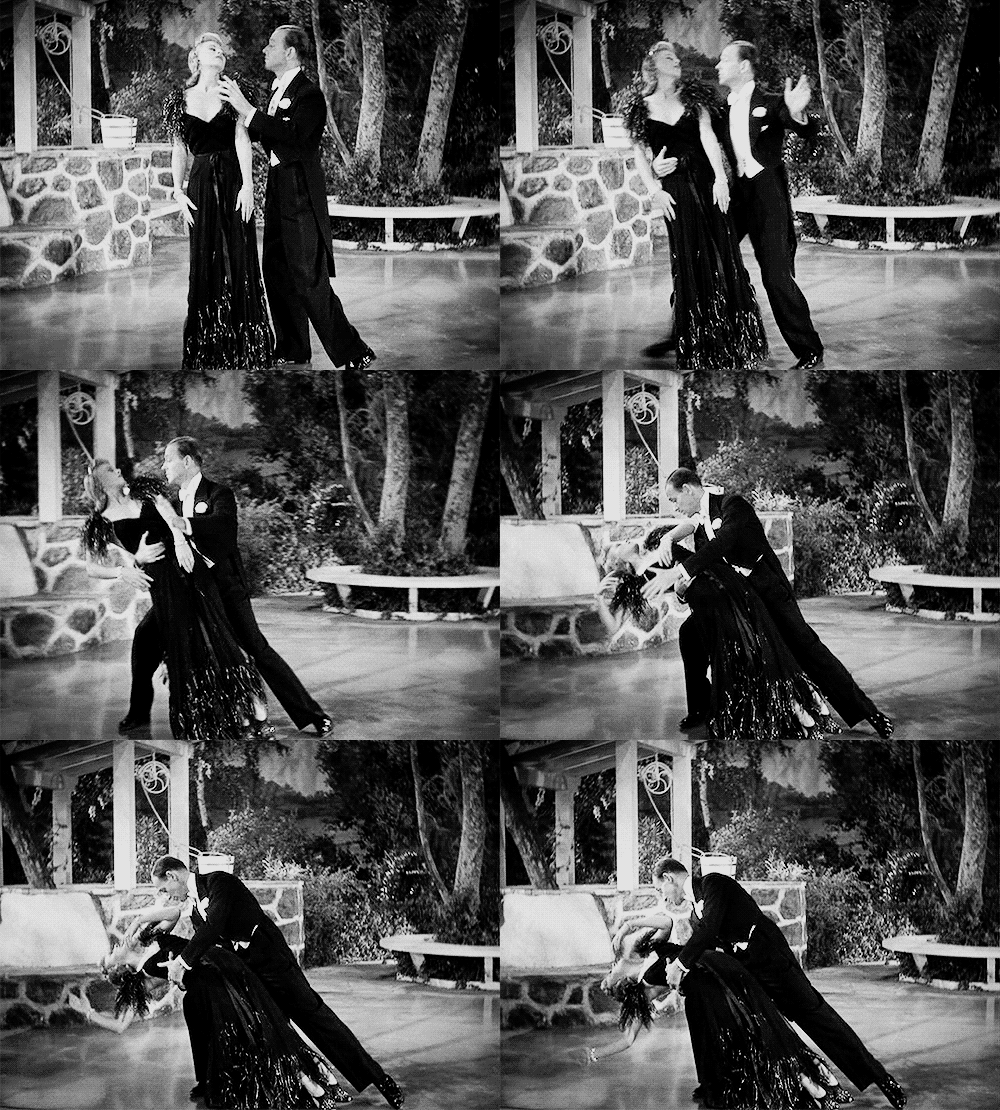
Já que “Dance Comigo” é um musical, você deve estar perguntando: como são os números de canto e dança? Bem, você tem Irving Berlin, Fred e Ginger, RKO: claro que os números são ótimos! Há um incrível momento em que Fred Astaire dança e joga golfe e também temos Fred e Ginger dançando em câmera lenta em cima de uma vitória-régia. Isso só é aceitável porque é uma sequência de sonho, OK?

Since “Carefree” is a musical, you might be asking: how is the music and dance? Well, it’s Irving Berlin, Fred and Ginger, RKO: of course it’s top notch! There is a great moment with Astaire tap dancing while golfing (the Putin puppet could never) and also Fred and Ginger dancing in slow motion on a Victoria amazonica (or vitória-régia in Portuguese), a huge plant from the Amazon rainforest. I can accept that because it was a dream sequence, OK?


De volta à questão inicial. Fred Astaire e Ginger Rogers podem fazem algum filme ruim? Não. Mas eles podiam fazer um filme “não tão brilhante”. Se você quiser assistir a algo maravilhoso, talvez seja melhor rever “O Picolino” (1935) ou “Ritmo Louco” (1936). Mas, se um pouco de besteiras não te incomodam, “Dance Comigo” é uma ótima opção.

Back at the initial question. Can Fred and Ginger do wrong? No. But they could do “less than right”. If you want to watch something amazing, maybe it's better to rewatch “Top Hat” (1935) or “Swing Time” (1936). But if some silliness doesn't bother you, “Carefree” is a very good choice.

This is my contribution to the Fred Astaire and Ginger Rogers blogathon, hosted by Michaela and Crystal at Love Letters to Old Hollywood and In the Good Old Days of Classic Hollywood

Sunday, June 3, 2018

Melodia da Broadway de 1940 / Broadway Melody of 1940

Alguém tem como sonho ser uma estrela da Broadway. Outra pessoa quer montar um show musical. Há um interesse amoroso, confusão, mal-entendido, uma pouco de drama, um monte de músicas. Eu acabei de descrever todos os musicais já feitos – ou pelo menos boa parte deles? Não importa: para nós, que somos loucos por musicais, a história pode ser a mesma, o final previsível, a maneira como os personagens começam a cantar do nada pode ser até inacreditável. Nós não nos importamos. Os musicais não foram feitos para serem analisados como obras de arte filosóficas e complexas. Eles foram feitos para despertar nossos sentimentos, nos alegrar e nos fazer sorrir. E que sorriso a “Melodia da Broadway de 1940” é capaz de gerar em nós!

Someone has the dream to make it big on Broadway. Someone else wants to put on a show. There is a love interest, confusion, misunderstandings, a little drama, a lot of music. Have I described all musicals ever made – or at least a good part of them? It doesn't matter: for us, who are mad about musicals, the story may be the same, the ending predictable, the bursting-into-song situation unbelievable. We don't care. Musicals were not made to be analyzed as complex philosophical work of arts. They were made for us to feel, to enjoy, and to smile. And what a smile does “Broadway Melody of 1940” brings to our faces!
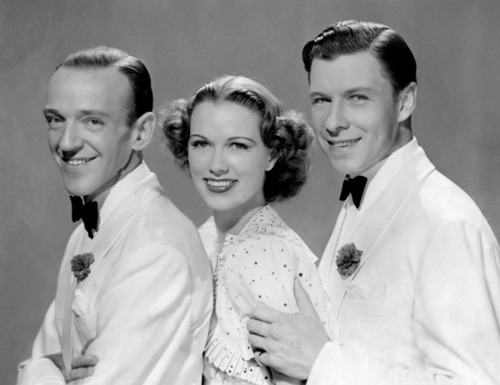
Johnny Brett (Fred Astaire) e King Shaw (George Murphy) são dois dançarinos que sonham em se apresentar na Broadway. Por enquanto, eles se apresentam em um simples salão, e lá são vistos por Bob Casey (Frank Morgan). John acredita que Bob é um cobrador, e por isso diz que se chama King Shaw. O sócio de Bob Casey, Bert Matthews (Ian Hunter), convida Shaw para um teste para ser o parceiro de dança de Clare Bennett (Eleanor Powell). Shaw é bem-sucedido no teste, e não sabe que John está apaixonado por Clare Bennett.

Johnny Brett (Fred Astaire) and King Shaw (George Murphy) are two dancers dreaming about making it big on Broadway. They present an act in a simple ballroom, when they are spotted by Bob Casey (Frank Morgan). John believes Casey is a bill collector, so he says his name is King Shaw. Casey's business partner, Bert Matthews (Ian Hunter), invites Shaw for an audition to be Clare Bennett´s (Eleanor Powell) dance partner. Shaw succeeds in the audition, without knowing that John is in love with Clare Bennett.
Muitos artistas querem assinar um contrato com Matthews e Casey, incluindo uma jovem malabarista, um rapaz com um monociclo, e um casal que faz um número que seria um sucesso com as plateias do vaudeville de 1910 – e todos estes são considerados por Casey “a maior descoberta da vida” dele!

Many artists want to sign a contract with Matthews and Casey, including a young juggler, a guy in a one-wheel vehicle, and a man and woman act that would be great for a 1910 vaudeville audience – and all are called by Casey “the greatest discovery of his life”!
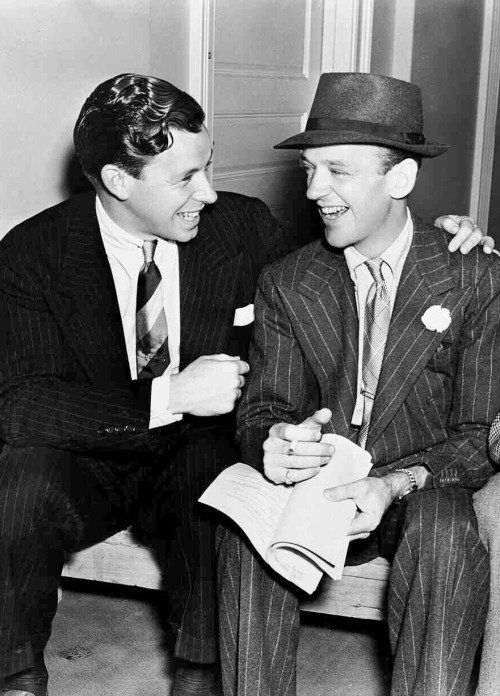
Mas John não se incomoda. Ele é o melhor dos melhores amigos, e realmente deseja que Shaw tenha êxito. John ensaia com Shaw, lhe dá conselhos, inventa desculpas quando John pisa na bola e também recorta notícias de jornal que mencionam Shaw para fazer um livro de recortes. Shaw é um bom dançarino, mas ele também adora se divertir e não leva o trabalho muito a sério – ou pelo menos ele não tem a mesma paixão pela dança que John.

But John doesn't care. He is the best of best friends, and he truly wishes Shaw is successful. John rehearses with Shaw, gives him advice, covers for him when he screws up and also cuts all newspaper notes that mention Shaw for a scrapbook. Shaw is a good dancer, but he also loves to have fun and doesn't take his job very seriously – or at least doesn't have the same passion for dancing that John has.
É adorável ver Fred Astaire agir como bobo apaixonado. Ele é jovial, gentil, e faz com que todos os passos de dança pareçam fáceis. Ele é como um rapaz se apaixonando pela primeira vez – e nós acreditamos nisso, mesmo Fred Astaire tendo 40 anos de idade quando o filme foi gravado! E ele nem aparenta estar intimidado por Eleanor Powell, algo que ele realmente estava: então com 27 anos, Eleanor já era considerada “a melhor sapateadora do mundo”, e Fred acreditava que ela poderia ser melhor que ele. Eleanor, aliás, fez três dos quatro filmes da série “Melodia da Broadway” – em 1936, 1938 e 1940.

It's lovely to see Fred Astaire making a fool of himself because he is in love. He is youthful, suave and makes all his dance steps look easy. He is like a young boy, falling in love for the first time – and we believe in him, even though Fred was 40 when the film was shooting! And he doesn't even show that he was actually intimidated by Eleanor Powell: then at age 27, Eleanor was already considered “the greatest feminine tap dancer in the world”, and Fred believed she could dance better than him. Eleanor, by the way, was in three of the four “Broadway Melody” movies – 1936, 1938 and 1940.
Primeiro eu pensei que Fred Astaire iria “pegar leve” para que seu parceiro George Murphy não parecesse tão inferior a ele. Eu, obviamente, não havia reconhecido Murphy de outros filmes, e também não sabia que George era um ótimo dançarino que havia trabalhado na Broadway por sete anos antes de ir para Hollywood. George Murphy é muito bom na dança, mas não podemos negar que, quando Fred Astaire começa a dançar, algo mágico acontece.

At first I thought Fred would “underdance” so his partner George Murphy wouldn't look bad next to him. I, of course, hadn't recognized Murphy from other movies, and I also didn't know he was an accomplished dancer who worked on Broadway for seven years before going to Hollywood. George Murphy is a very good dancer, but we can't deny that, when Fred Astaire steps in, magic happens.
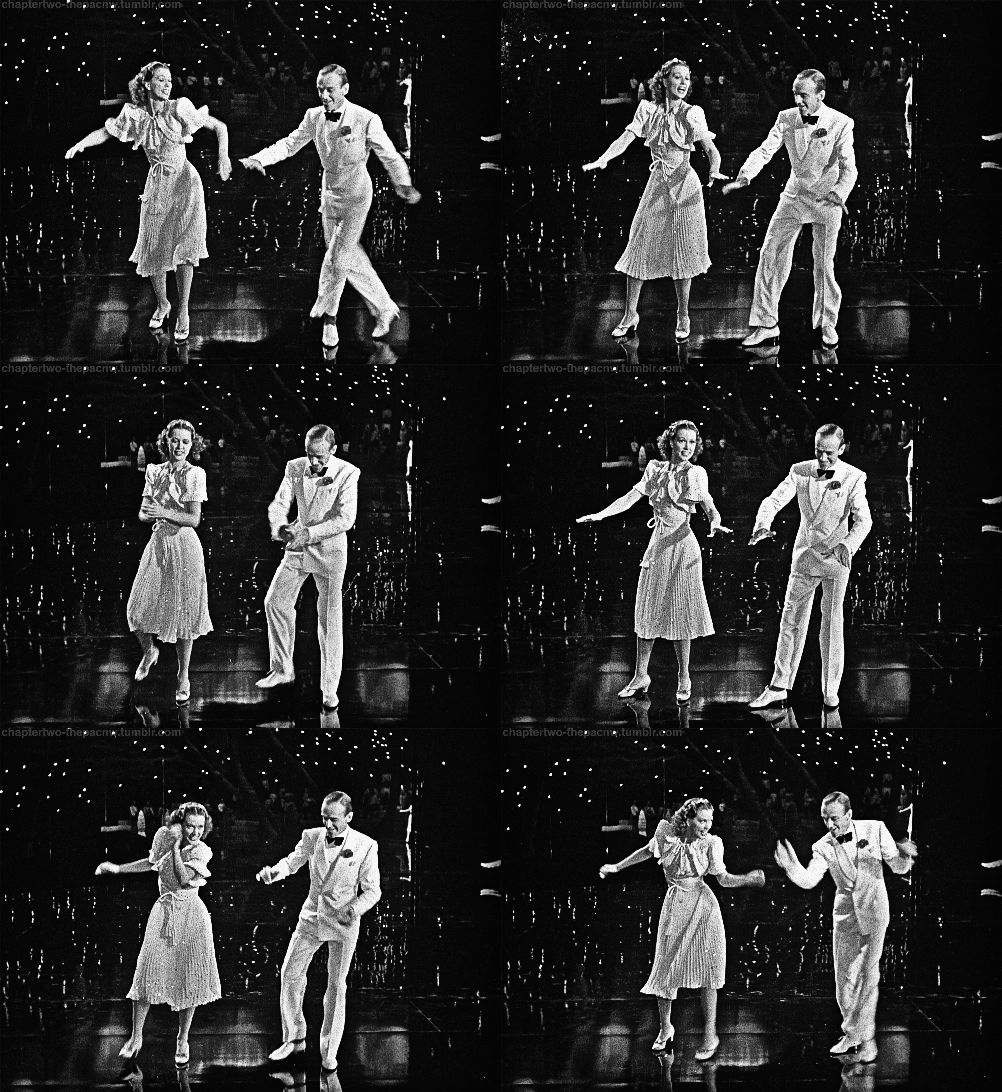
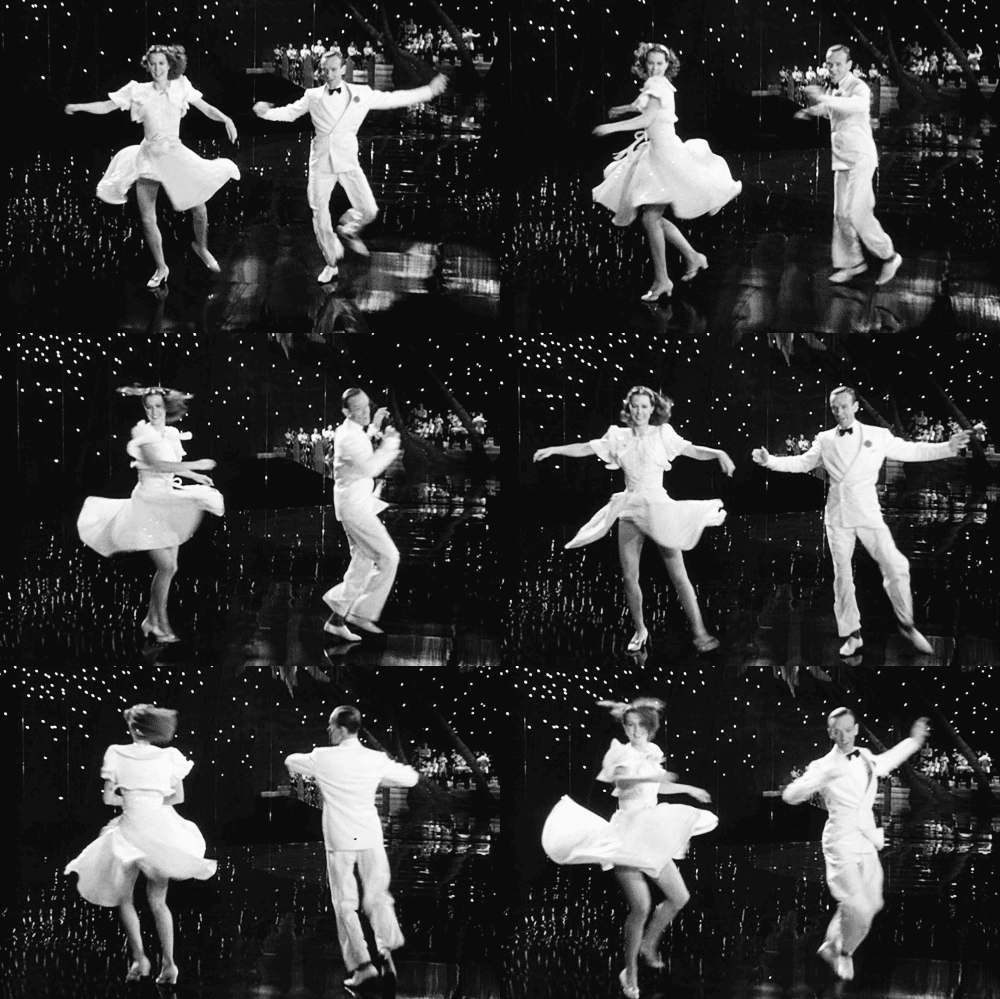
Meu primeiro contato com a “Melodia da Broadway de 1940” foi, de fato, mágica: no documentário “That’s Entertainment!” (1974) há um trecho do número “Begin the Beguine”, com Fred Astaire e Eleanor Powell. Eu fiquei sem reação ao sapateado deles. O número é maravilhoso, e seu visual inspirou a sequência do planetário em “Moonlight”, quer dizer, “La La Land” (2016).

My first contact with “Broadway Melody of 1940” was, indeed, magical: in the 1974 celebration documentary “That's Entertainment!” there is an excerpt of the “Begin the Beguine” number, danced by Fred Astaire and Eleanor Powell. I was just speechless as I saw their tap dance. The number is marvelous, and its look inspired the planetarium sequence in “Moonlight”, I mean, “La La Land” (2016).
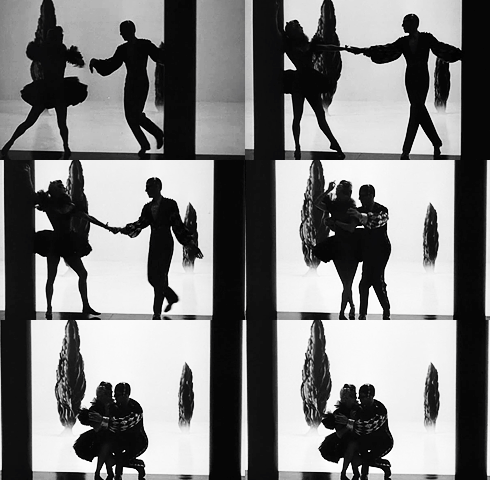
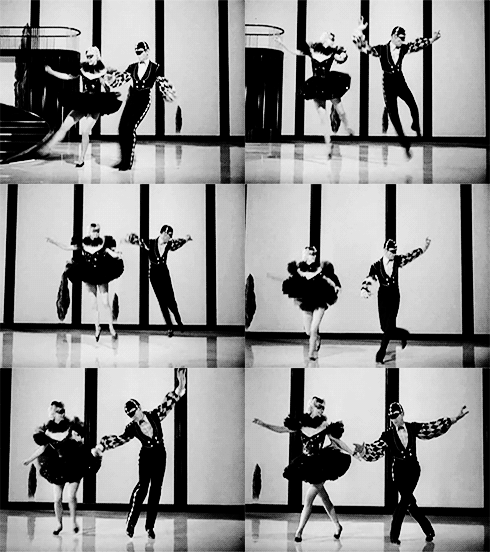
De acordo com o IMDb, a “Melodia da Broadway de 1940” foi planejada para ser filmada em cores. Felizmente, isso não foi possível. Devemos nos lembrar de que tudo é pensado para aparecer perfeitamente na tela, e com certeza os números, cenários e figurinos teriam que ser bem diferentes se o filme fosse colorido. O resultado em preto e branco é lindo, às vezes triste, às vezes grandioso, e sempre surpreendente. Nós não conseguiríamos estes efeitos em cores:

According to IMDb, “Broadway Melody of 1940” was planned to shoot in color. Thank God it didn't happen! We must remember that everything is thought to appear perfectly on screen, and for certain the numbers, sets and outfits would have to be different if the film was shot in color. The black and white result is beautiful, sometimes sad, sometimes grandiose, and always mesmerizing. We couldn't get this effect in color:
Há muitos momentos divertidos no filme – e eu aposto que isso tem a ver com Preston Sturges, que foi um dos roteiristas não-creditados. A “Melodia da Broadway de 1940” é mais um daqueles musicais deliciosos que te fazem esquecer seus problemas e obrigações, e simplesmente te divertem. Você pode até ficar com inveja das habilidades de dança de Fred Astaire e Eleanor Powell, mas é um efeito colateral que vale a pena.

There are many fun moments in the movie – and I bet Preston Sturges being one of the uncredited screenwriters has something to do with a few gags. “Broadway Melody of 1940” is another delightful musical that you make you forget your problems and obligations, and just enjoy yourself. You might also be jealous of Astaire’s and Powell’s dancing skills, but it is a fair enough side effect.

This is my contribution to the Broadway Bound blogathon, hosted by Rebecca of Taking Up Room.

Friday, April 21, 2017

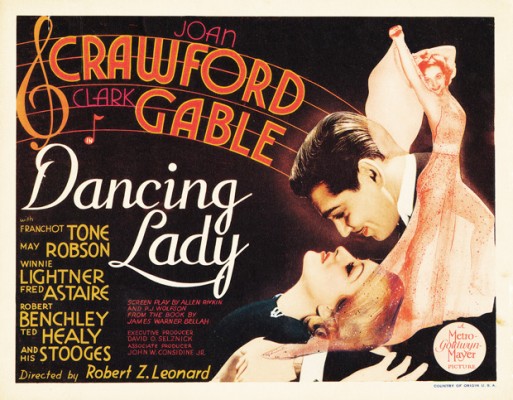
Amor de Dançarina / Dancing Lady (1933)

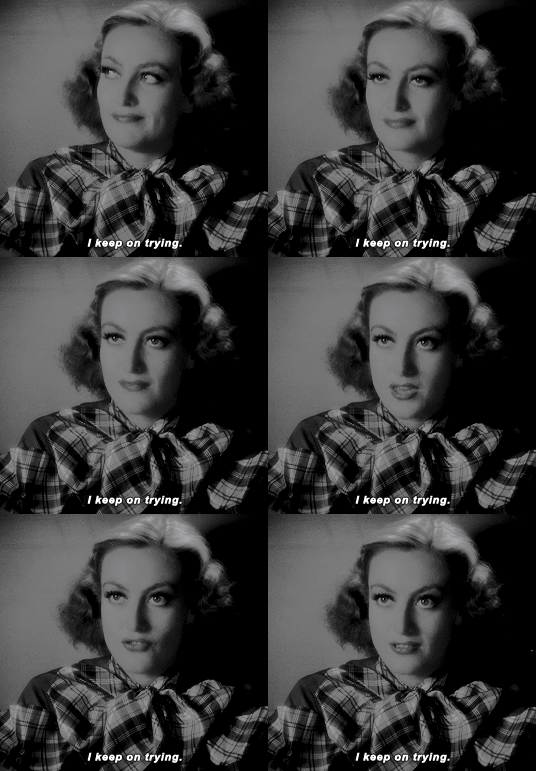
Era uma vez Joan Crawford, ou melhor, Janie Bartow. Assim como Mia de La La Land, ela acha que dança bem e está disposta a fazer de tudo para se tornar uma estrela da Broadway. É a MGM dos anos 30, então nós podemos ter certeza de que ela alcançará o sucesso. Porém, aqui o objetivo não é o mais importante – estamos muito mais interessadas na jornada até atingi-lo.

Once upon a time, there was Joan Crawford, or better, Janie Bartow. Like Mia from La La Land, she thinks she can dance and is willing to do anything to become a star on Broadway. It’s 1930’s MGM, so we can be sure she’ll succeed. But here the finish line is not important – we’re much more interested in the journey.


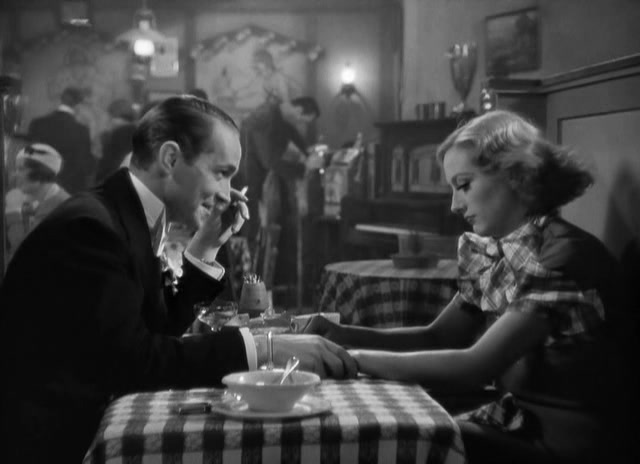
Tod Newton (Franchot Tone) é um homem rico cujo conceito de diversão é bem estranho. Ele paga o ingresso de seus amigos ricos e também de um mendigo para que todos possam assistir a um strip-tease burlesco que acaba com a polícia invadindo o teatro e prendendo as dançarinas. Então Tod vai até a delegacia assistir ao julgamento improvisado. Ele se encanta com Janie (Crawford) e paga a fiança de 30 dólares, livrando-a da cadeia.

Tod Newton (Franchot Tone) is a rich man whose concept of fun is a little weird. He pays entrances to his rich friends and also to a beggar for a Burlesque striptease act that ends up with the dancers being arrested for indecency. Then Tod follows the girls to the court in order to see the brief judgment. He is then smitten by Janie (Crawford) and pays the $30 bail to free her from jail.
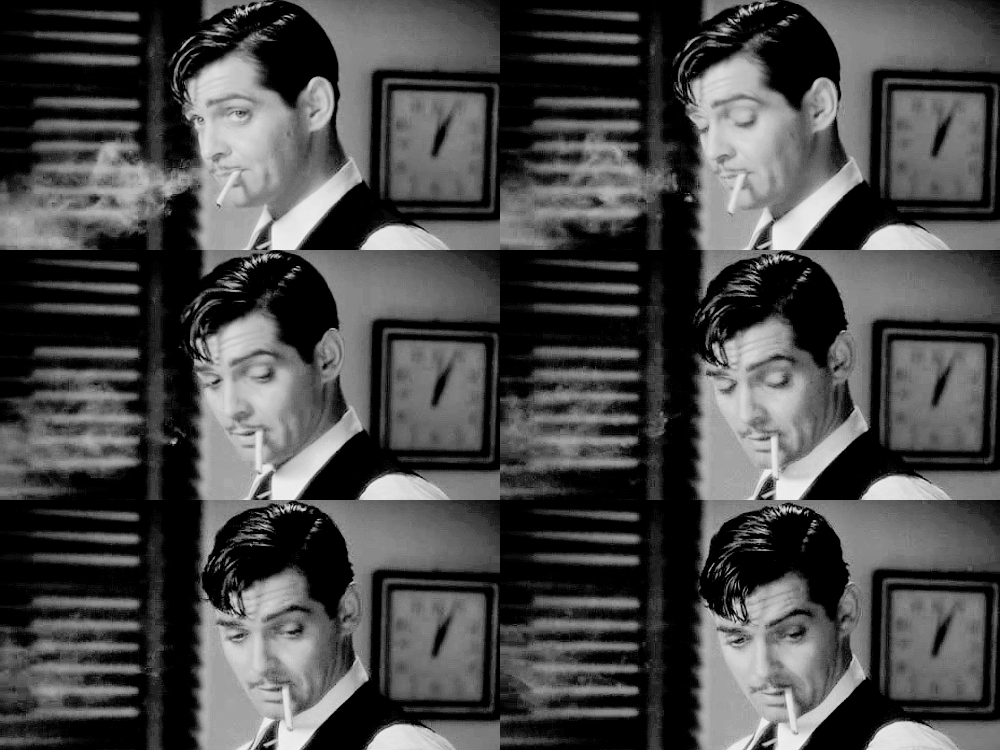
Janie conta a Tod que ela quer ser levada a sério como dançarina. No dia seguinte, ela vai atrás deste sonho e também do Midas do teatro musical Patch Gallagher (Clark Gable). Ela não consegue nem chegar perto dele para pedir para fazer um teste, e mais uma vez Tod a ajuda.

Janie tells Tod that she wants to be a serious dancer. The following day, she chases her dream and goes after musical theater Midas Patch Gallagher (Clark Gable). She can't even get near him to discuss an audition, and once again Tod appears to offer help.
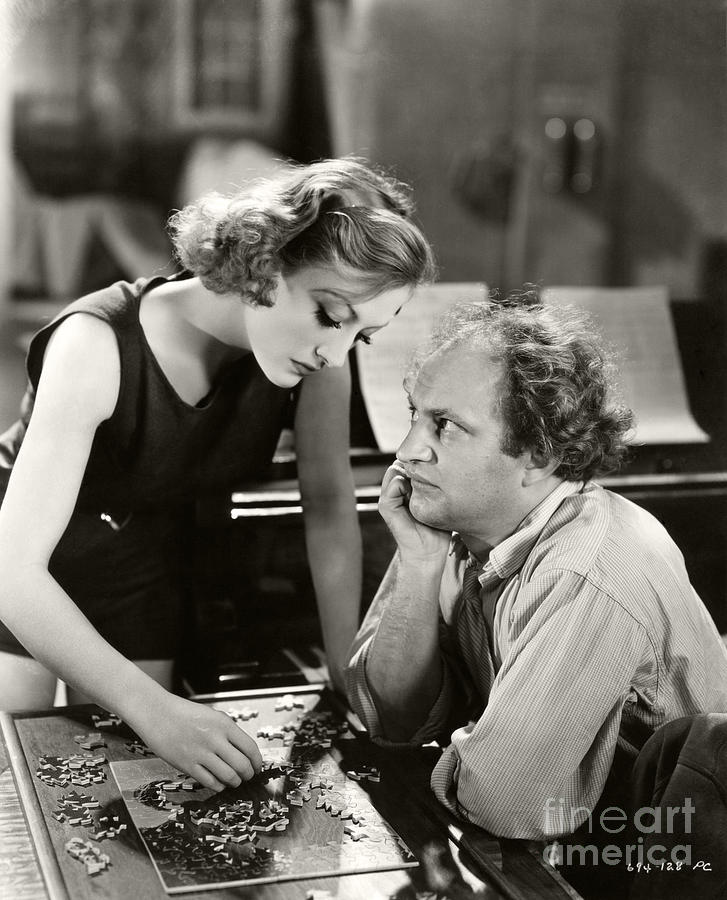
Tod envia uma carta de recomendação ao chefe de Gallagher e Janie é chamada para um teste – mas com os Três Patetas acompanhando-a ao piano. Ela se mostra mais esperta que eles – o que não é muito difícil – e prova que sabe sapatear.

Tod sends a recommendation letter to Gallagher's boss and Janie is given an audition – but with the Three Stooges accompanying her at the piano. She outsmarts them – which is not really difficult – and proves that she can tap dance.
Ela consegue o papel, e frequentemente discute com Gallagher. Ao mesmo tempo, Tod investe no show, e continua paquerando-a. Janie se diverte com ele, mas confessa que não está interessada em casamento – ela quer focar em seu objetivo e ajudar o show a ser um sucesso.

She gets the part, and often clashes with tough Gallagher. At the same time, Tod puts money on the show, and goes on with his courting. Janie has a good time with him, but tells him she's not interesting in marriage – she wants to focus on becoming a real dancer and help the show.
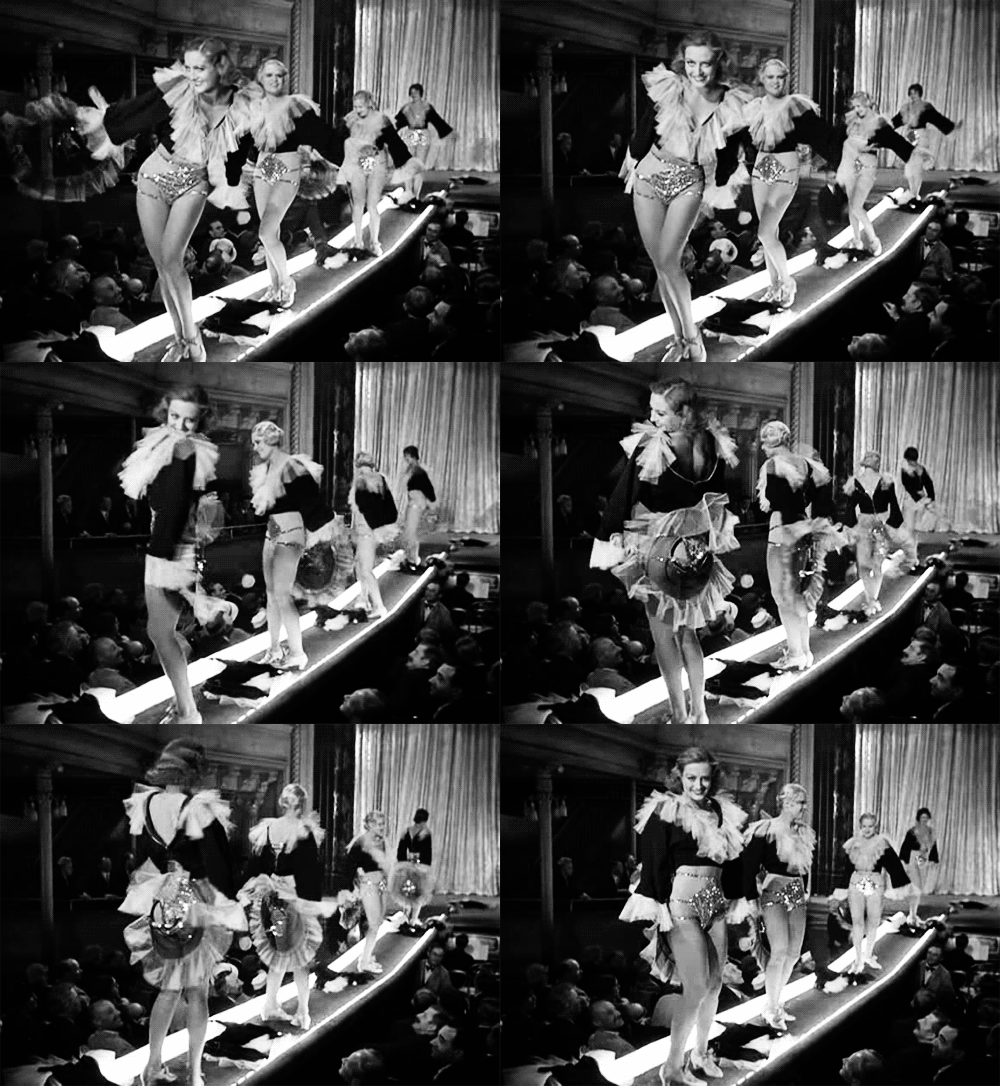
Algumas sequências mais rápidas parecem tiradas de filmes mudos – por exemplo, quando Janie toma o trem para ir até o centro em busca de seu sonho, ou quando ela está seguindo Gallagher. Há também um pouco da audácia dos filmes pre-Code, com roupas transparentes, dançarinas mal cobrindo seus mamilos e um uso específico de sombras enquanto as moças trocam de roupa.

Some fast sequences look like taken from silent films – for instance, when Janie first gets the train to go downtown after her dream, and when she is following Gallagher everywhere in order to be noticed. There is a little pre-Code naughtiness, too, with transparent gowns, dancers barely hiding their nipples and a specific use of shadows when the girls change clothes.
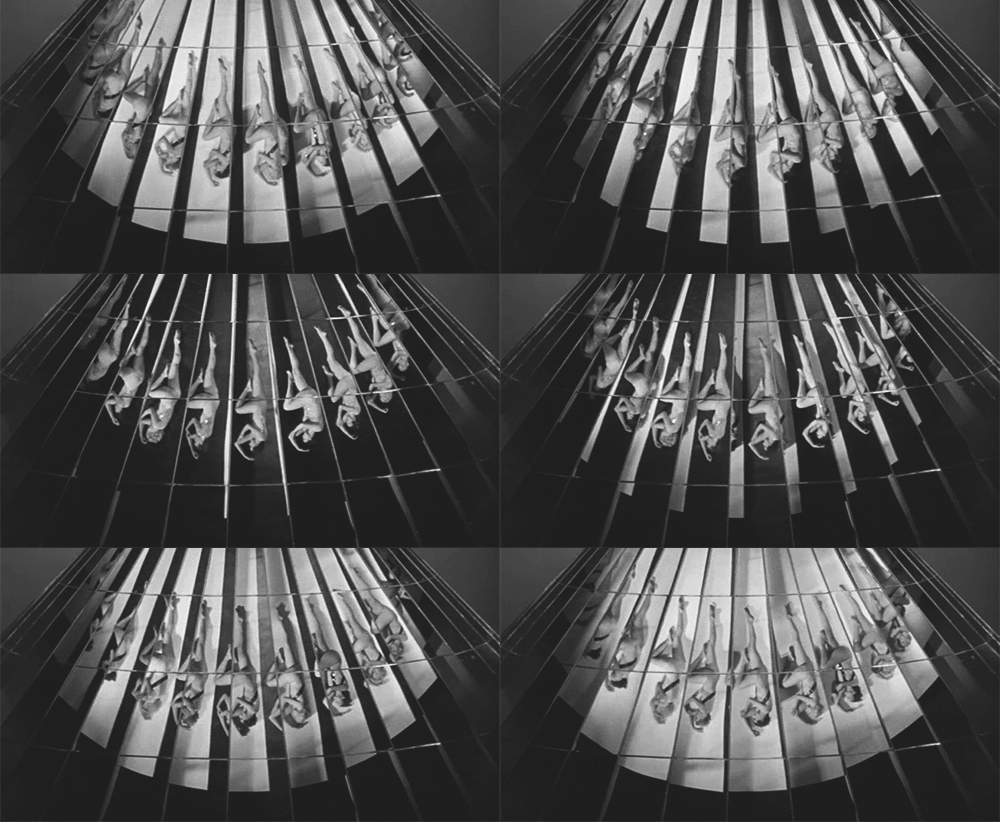
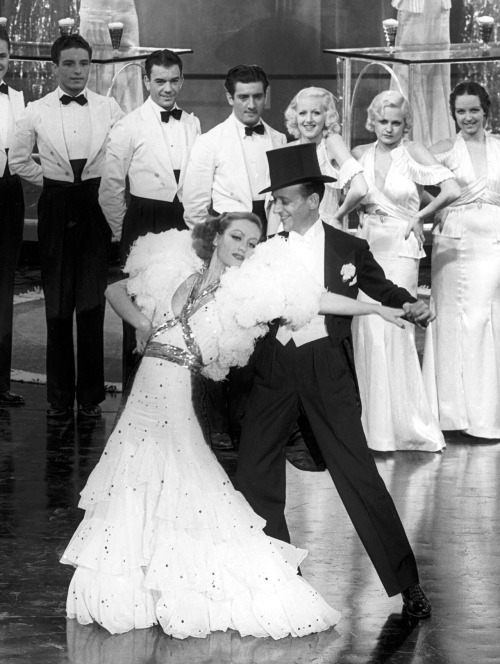
Quando o show finalmente estreia, percebemos que é um espetáculo kitsch. Com o intuito de superar os musicais de Busby Berkeley feitos na Warner, a MGM adiciona a “Amor de Dançarina” um breve momento em que acreditamos que vai começar a mágica do caleidoscópio, mas nada isso acontece. No lugar, temos um tapete voador, Crawford e Astaire com trajes típicos da Bavária – Joan com tranças loiras e Fred com um fino bigode – e então Nelson Eddy interrompendo franceses do século XVIII e convidando-os para virem para os dias atuais – onde, vestidos com celofane, eles dançam e tudo acaba em um carrossel!

When the show finally opens, we realize that it is a kitsch extravaganza. In order to top Busby Berkeley's musicals being made then at Warner, MGM puts in “Dancing Lady” a brief moment in which we believe the kaleidoscopic magic will appear, but it doesn't. Instead, we have a flying carpet, Crawford and Astaire dressed as Bavarians – with Joan in blonde braids and Fred with a thin mustache – and then Nelson Eddy interrupting French people from the 18th century and inviting them to the modern days – where, dressed in cellophane dresses, they have a dance-off that ends in a merry-go-round!

Em sétimo nos créditos, atrás de uma atriz chamada Winnie Lightner, há alguém chamado Fred Astaire. Pior, creditados como auxiliares, temos Nelson Eddy e Sterling Holloway. Pior ainda, Eve Arden e Lynn Bari sequer são creditadas!

Seventh billed, behind someone called Winnie Lightner, there is another someone called Fred Astaire. Worse, billed as supporting players, we have Nelson Eddy and Sterling Holloway. Even worst, Eve Arden and Lynn Bari are not even credited!

“Amor de Dançarina” foi a estreia de Fred no cinema, e ele interpreta a si mesmo. Embora Joan seja convincente como dançarina, para seu parceiro Fred a dança vem naturalmente – ele é mais gracioso, leve, como se ele tivesse nascido sabendo dançar. Em seu filme seguinte, ele novamente interpretaria alguém chamado Fred – mas desta vez, ele dançou com Ginger Rogers, e o resto é história.

“Dancing Lady” was Astaire's film debut, and he goes by his real name. Although Joan is believable as a dancer, for her partner Fred it comes naturally – he's smoother, lighter, like he was born dancing. In his next movie, he would once again play a character named Fred – but this time, he was paired with Ginger Rogers, and the rest is history.
Nelson Eddy também estreou no cinema em 1933, mas “Amor de Dançarina” não foi seu primeiro filme – embora tenha sido o primeiro em que ele recebeu crédito. O diretor de “Amor de Dançarina”, Robert Z. Leonard, dirigiria quatro musicais de Eddy com Jeanette MacDonald.

Nelson Eddy also debuted on film in 1933, but “Dancing Lady” wasn’t his very first movie – it was, however, the first in which he was credited. Director Robert Z. Leonard directed “Dancing Lady”, and would go on to direct four Eddy – MacDonald musicals.
Franchot Tone interpreta o playboy rico interessado na protagonista – o mesmo tipo de papel que ele interpretaria no ano seguinte em “Boca para Beijar”, desta vez ao lado de Jean Harlow. O próprio Tone era de uma família rica e havia estudado na Cornell University – neste contexto, ele era o oposto de Joan Crawford. Joan e Franchot estavam namorando durante as filmagens de “Amor de Dançarina”, mas negavam o namoro para os jornalistas que perguntavam – afinal, o divórcio de Joan de Douglas Fairbanks Jr ainda não havia saído. Há boatos de que a rivalidade entre Bette Davis e Joan começou em 1935 foi causada por Franchot.

Franchot Tone plays the rich playboy interested in the leading lady – the same kind of role he’d play the following year in “The Girl from Missouri”, this time with Jean Harlow. Tone himself was from a wealthy family and attended Cornell University – in this sense, he was the opposite of Joan Crawford. Joan and Franchot were dating when “Dancing Lady” was being filmed, but they denied the romance to the magazine columnists who asked about it – after all, Joan’s divorce to Douglas Fairbanks Jr wasn’t yet completed. Rumor has it that Franchot was the reason behind Bette Davis’s and Joan’s feud, which started in 1935.

“Amor de Dançarina” foi um grande sucesso, mas não é nenhuma obra-prima. Nele falta a redenção e o toque sério que existem nos números finais dos musicais da Warner Brothers. É um filme de muitas estreias no elenco coadjuvante, mas ele pertence a Joan Crawford, e é seu carisma que nos faz acreditar que qualquer um pode triunfar na Broadway.

“Dancing Lady” was a huge success, but it’s far from a masterpiece. It lacks the redemption and serious touches that Warner Brothers musicals added to their finales. It’s a film of many debuts in the supporting cast, but it belongs to Joan Crawford, and her charisma that makes us believe anyone can triumph on Broadway.


This is my contribution to the Franchot Tone blogathon, hosted by Emily at Finding Franchot.
Related Posts Plugin for WordPress, Blogger...