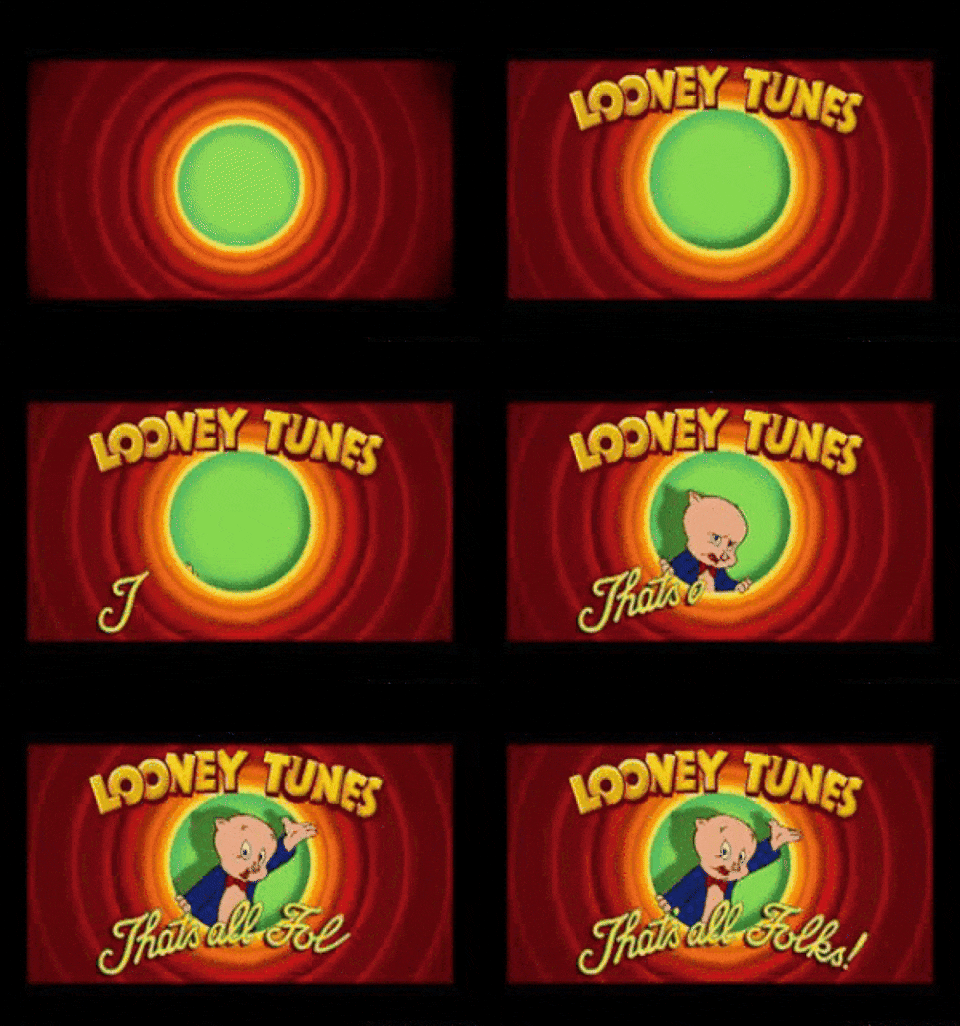
Santa Claus Conquers the Martians (1964) and other film trips to Mars

Um repórter da TV, falando
diretamente da oficina do Papai Noel no Polo Norte, onde os ajudantes de Noel
acabam de mostrar um boneco de um marciano, diz: “Se há [pessoas em Marte] eu
espero que elas tenham alguém lá como você, Noel, para levar alegria e
felicidade para todas as crianças marcianas”. Corte para os marcianos. Eles são
exatamente como os bonecos e não, eles não têm um Papai Noel, mas têm a
capacidade de ver os programas de TV da Terra. E, de acordo com um velho sábio,
é a ausência de um Papai Noel – e a ausência de uma infância – que causa a
tristeza nas crianças marcianas. Por isso, um grupo de marcianos decide vir à
Terra para sequestrar o Papai Noel.
A TV reporter, speaking from Santa’s workshop at
the North Pole, where the helpers just presented a Martian doll, says: “If
there are [people on Mars] I hope they have someone like you up there, Santa,
to bring joy and good cheer to all the Martian children”. Cut to the Martians.
They are exactly as the doll predicted, and no, they not have a Santa Claus,
but they are able to watch TV programs from Earth. And, according to a wise old
man, it’s this lack of a Santa Claus – and the extended lack of a childhood –
that is leaving Martian kids sad. So a group of Martians decide to come to
Earth and kidnap Santa Claus.

É assim que tem início um marco do
cinema ruim. Entre atores cobertos de maquiagem verde horrível, crianças sem
expressão, piadas sem graça e o próprio Papai Noel, uma coisa salva “Papai Noel
Conquista os Marcianos”: Marte. Não, o cenário não é bonito nem sequer bem
elaborado, mas é algo que me fez pensar: por que o cinema é tão fascinado por
Marte?
This is how a pinnacle of awful filmmaking unfolds.
Among actors wearing horrible green make-up, children giving awful performances,
unfunny jokes and Santa Claus himself, one thing kind of saves “Santa Claus
Conquers the Martians”: Mars. No, the set is not gorgeous or even elaborate,
but it is something that made me think: why is the film world so fascinated
with Mars?

A resposta é simples: porque somos
fascinados pelo desconhecido. E desde que Marte continue inexplorado, não há
limite para a imaginação, e filmes no planeta vermelho podem ter praticamente
qualquer coisa – até pílulas como refeição, homens verdes maus e um sistema que
permite que os marcianos vejam programas de TV da Terra (por que eles não
faziam seus próprios programas de TV?).
The answer is simple: because we are fascinated by
the unknown. And as long as it remains unknown, there is no limit to
imagination, and films set on Mars can have literally anything – even people
who eat pills as meals, evil green men and some kind of system that allows
Martians to watch TV shows made on Earth (why didn’t Martians make their own TV
shows?).
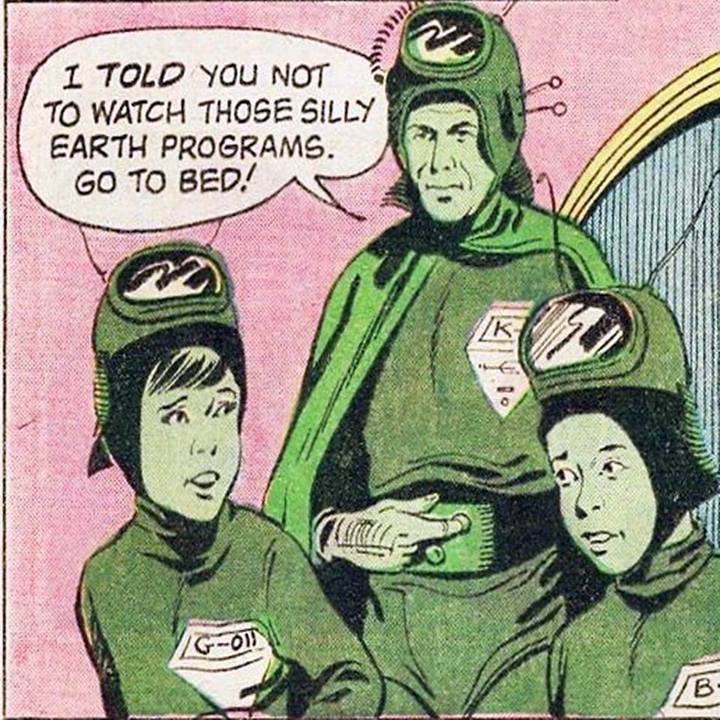
O primeiro cineasta a ir a Marte,
surpreendentemente, não foi Georges Méliès, mas Thomas Edison. Em 1910, Edison
produziu “A Trip to Mars”, na qual um homem se torna astronauta após descobrir
o pó da ‘gravidade reversa’, e em Marte ele encontra marcianos enormes que
podem congelar os terráqueos com um simples sopro. Não há limites entre a
ficção científica e o horror puro neste filme de cinco minutos.
The first filmmaker to go to Mars, surprisingly,
wasn’t Georges Méliès, but Thomas Edison. In 1910, he produced “A Trip to Mars”,
in which a man becomes an astronaut thanks to the discovery of the powder of ‘reverse
gravity’ and finds out that Martians are HUGE and can freeze Earth people with
only a blow. There is no boundary between science fiction and pure horror in
this five-minute film.

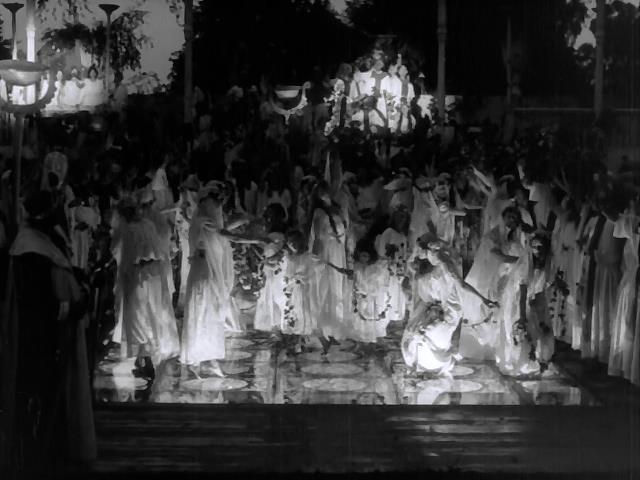
Em 1918, um grupo muito criativo de
dinamarqueses fez o filme “Viagem a Marte” (ou “Himmelskibet”). Nele, um grupo
de cientistas liderados por Avanti Planetaros (Gunnar Tolnaes) desafia todos os
céticos e chegam a Marte em seis meses – que é, de fato, o tempo que uma viagem
ao planeta vermelho demoraria hoje!
In 1918, a group of very creative Danish people
made a film called “A Trip to Mars” (aka “Himmelskibet”). In it, a group of
scientists led by Avanti Planetaros (Gunnar Tolnaes) challenges all naysayers
and reach Mars in six months – what is, indeed, the time a trip to the Red
Planet would take today!

Mas nada poderia prepará-los para o
que encontram lá: uma sociedade evoluída, na qual todas as pessoas são
vegetarianas e pacifistas, e a guerra e o sofrimento foram abolidos. O líder
deles é um homem sábio e ninguém teme a morte. Os marcianos contam que eram
como as pessoas da Terra, mas aprenderam a viver em paz. A mesma paz não é
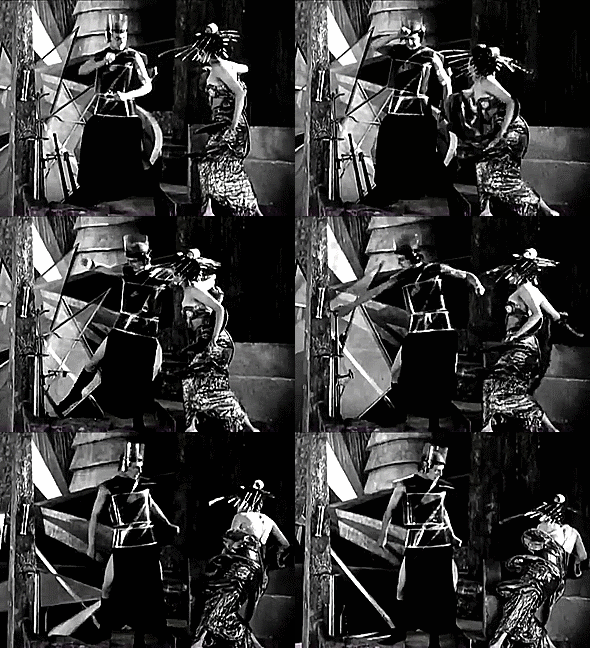
compartilhada com o cinema soviético, como podemos ver em “Aelita, Rainha de
Marte”, de 1924.
But nothing could prepare them for what they find
there: an evolved society, where all people are vegetarians and pacifists, and
all war and suffering has been abolished. Their leader is a wise man and nobody
fears death. The Martians tell them that they were once like people on Earth,
but they learned to live better and in peace. The same peace is not shared with
the Soviet cinema, as we can see in the 1924 production “Aelita, Queen of Mars”.
 |
| Himmelskibet |
 |
| Himmelskibet |
 |
| Aelita |
Com a chegada do som, Marte se tornou
sinônimo de filme B. Dos anos 30 aos 70, quase todos os filmes sobre expedições
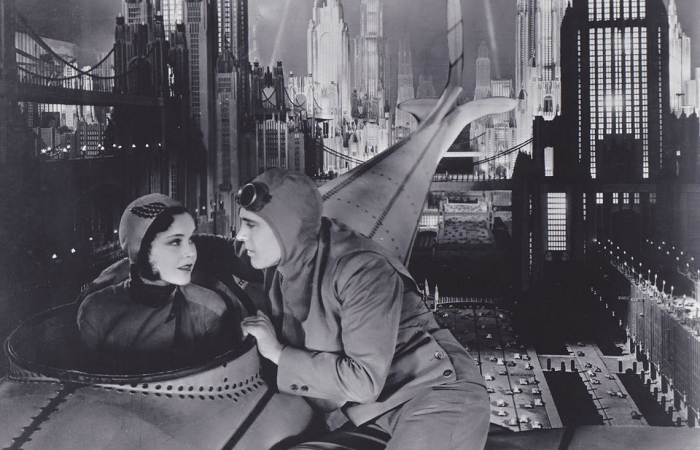
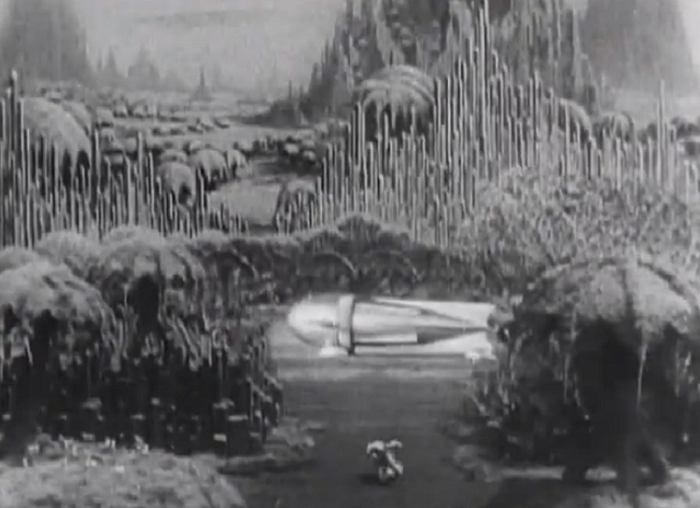
a Marte eram seriados ou produções de baixo orçamento. “Fantasias de 1980”, de1930, é um dos mais estranhos de todos. Ele conta a história de um homem
chamado J-21 (John Garrick), que, para impressionar a mulher que ama e ganhar o
direito de se casar com ela, vai a Marte com um amigo e com um homem que foi
morto em 1930 e ressuscitado pela ciência em 1980 (interpretado por El
Brendel). Em Marte, eles descobrem uma sociedade em que todos têm um irmão
gêmeo (um gêmeo bom e um mau), mas os marcianos são agradáveis, usam pouca
roupa, o cenário é lindo e a líder é a rainha Loo Loo (Joyzelle Joyner). Para
ser sincera, eu gostaria de visitar esta versão de Marte.
When sound came, Mars became a synonym of cheap
movie. From the 1930s until the 1970s, almost all films about expeditions to
Mars were serials or low-budget productions. “Just Imagine”, from 1930, is one
of the weirdest of them all. Set in the 1980s, it tells the story of a man called
J-21 (John Garrick), who, in order to impress his sweetheart and be allowed to
marry her, goes to Mars with a friend and a man who was killed in 1930 and resurrected
by science in 1980 (played by El Brendel). On Mars, they find a society in which
everybody has a twin (one evil and one good), but the Martian people are
welcoming, wear few clothes, the set is exquisite and their leader is queen Loo
Loo (Joyzelle Joyner). To be sincere, I’d like to visit this version of Mars.

Buster Crabbe, como Flash Gordon, pode
ter ido a Marte no seriado de 1938, mas os anos 50 foram a década que trouxe
real interesse em viagens espaciais, tanto em filmes quanto em desenhos.
Estudos traçam a origem da ideia de que alienígenas são ‘homenzinhos verdes’
até uma lenda contada no século XII, mas foi com as histórias de ficção
científica dos anos 1940 e 50 que a ideia se popularizou. Por isso conhecemos
Marvin o Marciano em 1948, e ele apareceu em outros desenhos nas décadas
seguintes, incluindo o famoso curta “Duck Dodgers in the 24 ½th Century”, de
1953.
Buster-Crabbe-as-Flash-Gordon may have been to Mars
in the 1938 serial, but the 1950s were the decade that brought real interest in
space travelling, both on feature film and animation. Studies trace the idea of
aliens being ‘little green men’ back to a legend told in the 12th
century, but it was with science fiction stories from the 1940s and 50s that
the idea became popular. No wonder we got Marvin the Martian in 1948, and he
appeared in other cartoons the following decades, including the famous “Duck
Dodgers in the 24 ½th Century”, from
1953.
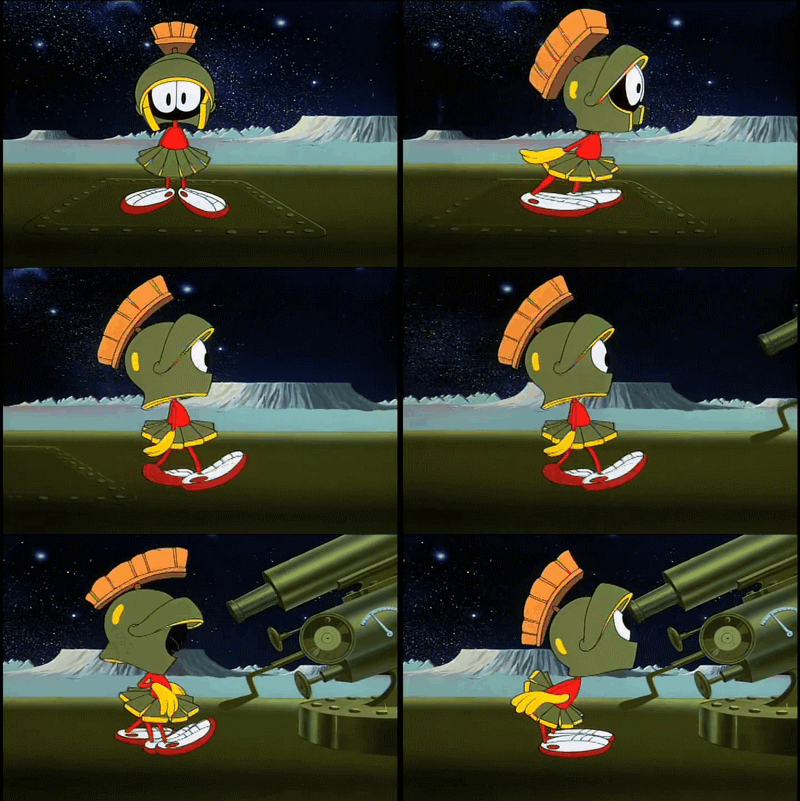 |
| Marvin, 1948: nice skirt |
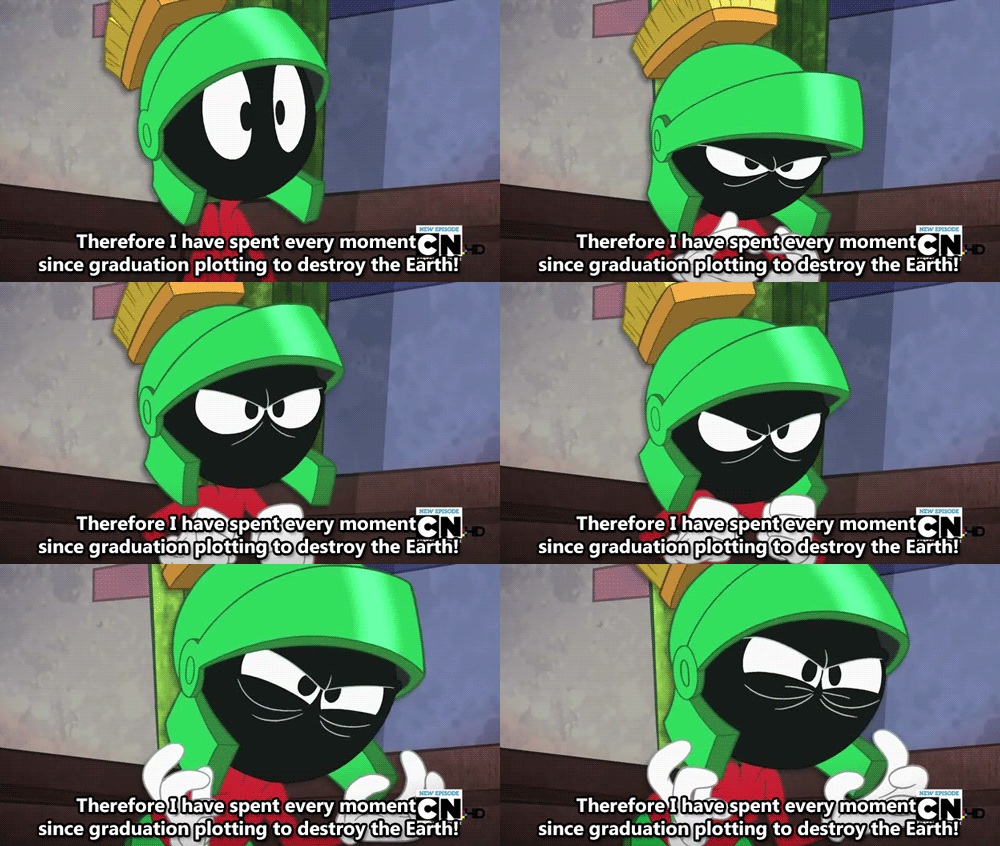 |
| Marvin, 2012: more relatable |
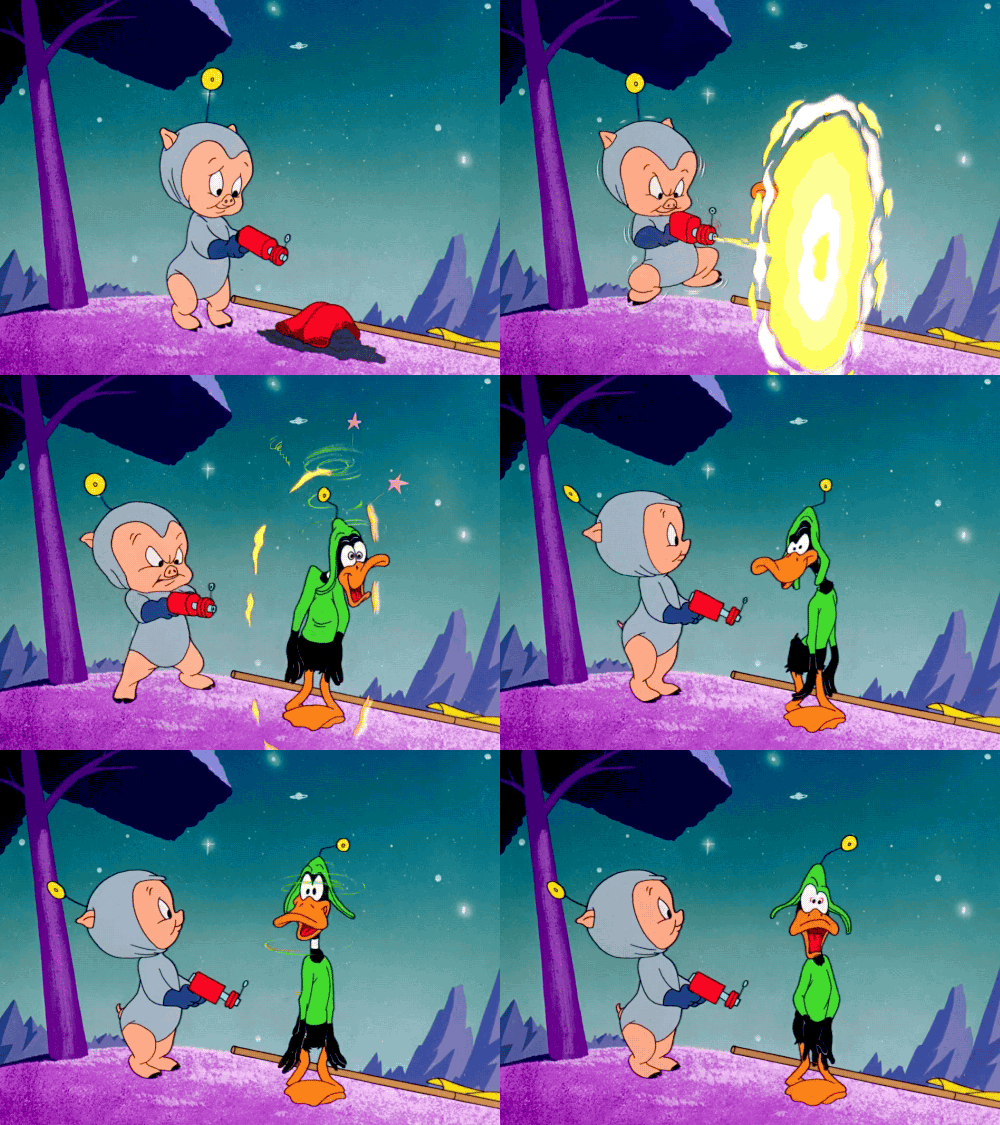
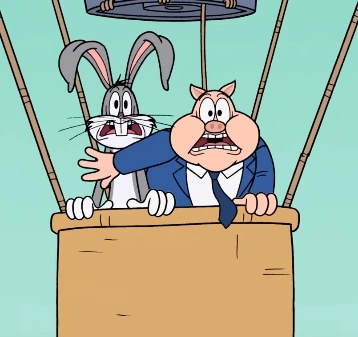
Quem mais, além de Pernalonga, já foi
a Marte? Ou melhor, quem ainda não foi a Marte? Tom e Jery já
foram. Abbott e Costello também. Como
vimos, Papai Noel também. Matt Damon esteve lá recentemente – e poderia ter
ficado por lá. O que todos esses filmes sobre Marte têm a nos ensinar, não
importa quão ridículos ou estúpidos eles sejam?
Who else, besides Bugs Bunny, has been to Mars? I
mean, who hasn’t been to Mars? Tom and Jerry have. Abbott and Costello have. As we just saw, Santa Claus had. Matt Damon had
been there recently – and he could have been left there. What all those films
about Mars teach us, no matter how campy or stupid they are?
Eles nos ensinam que nós amamos o
desconhecido e as muitas possibilidades que vêm com ele, mas só até certo
ponto. Quando chegam a Marte, todos os personagens, em especial nos filmes mais
antigos, encontram seres vivos semelhantes ao homem. Os marcianos podem falar
outra língua, usar roupas engraçadas, ser maiores que nós, mas eles sempre se
parecem conosco na ficção. Até Marvin tem um cachorro de estimação, o K-9!
Explorar pode ser excitante, desde que estejamos no controle. Hoje sabemos que,
se há vida em Marte, ela não se parece em nada com os humanos da Terra. Então,
talvez, seja mais interessante para nós nos conformarmos com rostos familiares
em planetas estranhos – talvez, nesta situação, a ficção científica será mais
emocionante que a realidade.
They
teach that we love the unknown and its many possibilities, but until a certain point. Once on Mars, almost all characters,
especially in older films, find human-like life. Martians may speak a different
language, dress funny, be bigger than us, but they always looked like us in
fiction. Even Marvin has a dog, K-9, as a pet! Exploring is exciting, as long
as we are in control. Today, we know that, if there is life on Mars, it’s
nothing like humans on Earth. So, maybe, it’s more interesting for us to
conform to familiar faces in strange planets – maybe, in this case, science
fiction will be more exciting than reality.

This is my contribution to the Outer Space on Film blogathon, hosted by Debbie from Moon in Gemini.