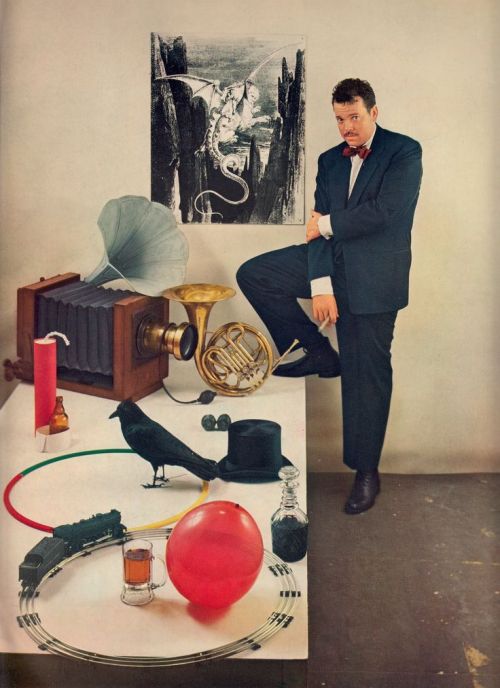
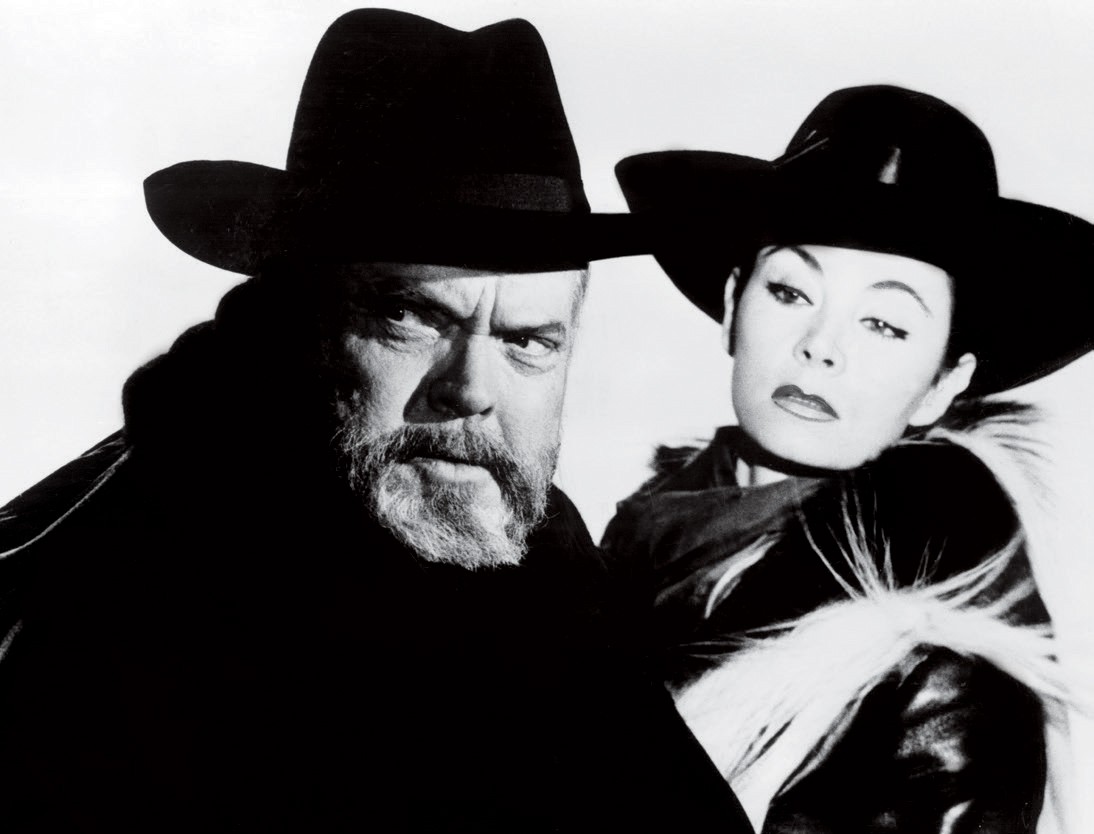
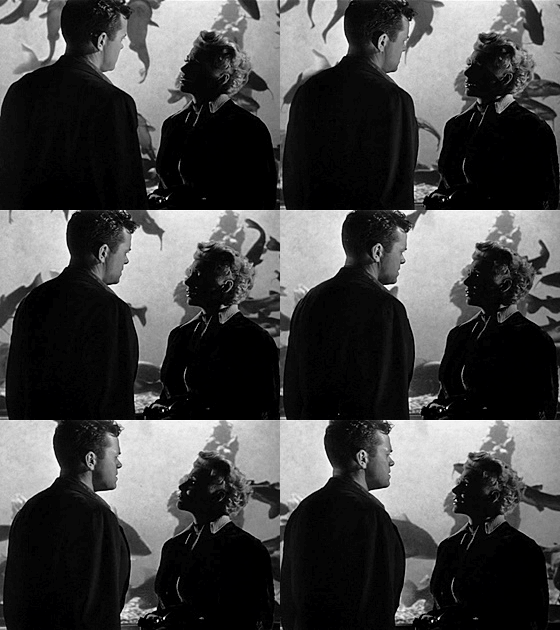
Aos dez anos, a inteligência de Orson
era notícia de jornal. Aos treze, ele interpretava a Virgem Maria em uma peça
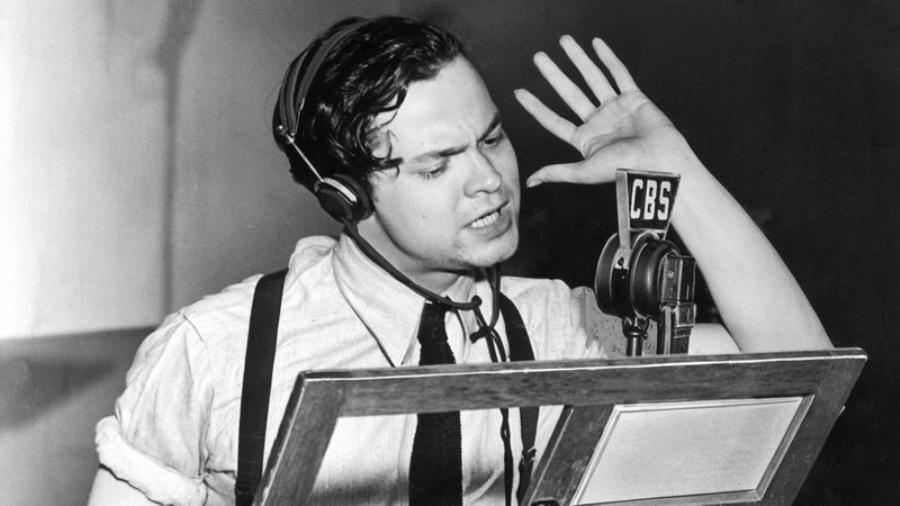
da escola. Aos 19, ele dirigiu sua primeira peça. Aos 23, sua performance de “Guerra
dos Mundos” no rádio chocou Nova York. Aos 26, ele dirigiu e protagonizou um
dos melhores filmes já feitos. E então ele tomou um choque de realidade.
Hollywood não estava preparada para Orson Welles – então ele levou sua mágica
para outros lugares e outras telas. Seu início brilhante, sua demissão a jato e
os posteriores altos e baixos de sua carreira fazem de Welles um assunto
perfeito para um documentário.
At age ten, Orson’s intelligence was highlighted in
a newspaper note. At age 13, he was playing the Virgin Mary in a school play. At
age 19, he directed his first play. At age 23, his radio performance of “War of
the Worlds” shook New York. At age 26, he directed and starred in one of the
best films ever made. And then reality struck. Hollywood wasn’t ready for Orson
Welles – so he took his magic to other places and other screens. His brilliant
start, his quick demise and all the subsequent ups and downs in his career make
Welles a perfect subject for a documentary.
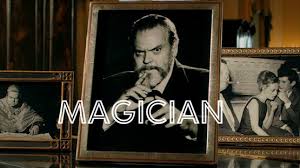
Welles vai de “garoto prodígio” a “forasteiro”
a “cigano”, depois toma “o caminho de volta” até se tornar “o mestre”. Estes
são os títulos dados aos cinco capítulos do documentário “Magician: The
Astonishing Life and Work of Orson Welles”. Eu já escrevi sobre como eu me vejo
em Orson Welles, e por que ser uma criança prodígio é ao mesmo tempo uma bênção
e uma maldição. Se minha vida realmente espelha a dele, o documentário me
mostrou o que virá a seguir para mim – mesmo eu, aos 26 anos, ainda não tendo
criado meu “Cidadão Kane”.
Welles goes from being a “wonder boy” to an
“outsider” to a “gypsy” to catching “the road back” until he becomes “the
master”. These are the titles given to the five chapters of the documentary “Magician:
The Astonishing Life and Work of Orson Welles”. I’ve written before about how I
see myself in Orson Welles, and why being a child prodigy is at the same time a
blessing and a curse. If my life really mirrors his, the documentary showed me
what I can expect next – even if I’m 26 and haven’t made my “Citizen Kane” yet.
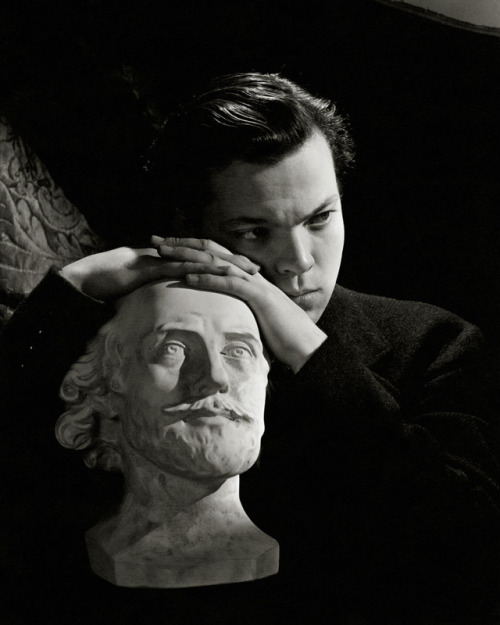
A mãe de Orson acreditava que uma
criança precisava ser interessante para poder socializar com os adultos. E não
havia ninguém mais interessante que o pequeno Orson: ainda criança ele era
pianista, autor, poeta, cartunista, conhecedor de diversos assuntos, de
Shakespeare à China. Orson perdeu a mãe quando tinha nove anos, e alguns anos
depois ele foi para um internato, onde ninguém conseguiu impor limites a ele.
Formado aos 16 anos, ele logo se tornou estrela de uma peça, mesmo sendo seu
primeiro papel, e depois começou a dirigir peças, se tornando o maior diretor
de teatro experimental dos Estados Unidos antes de completar 25 anos.
Orson’s mother believed a child needed to be
interesting in order to be able to socialize with the adults. And there was
nobody more interesting than little Orson: as a kid he was a piano player,
author, poet, cartoonist, well versed in several subjects, from Shakespeare to
China. Orson lost his mother when he was nine, and a few years later he went to
boarding school, where nobody was able to establish limits for him. Graduated
at 16, he quickly became the star of a play in his very first acting job, and
then started directing plays as well, becoming the greatest experimental
theater director in the US before he turned 25.

É interessante ver as reações à
famosa performance de rádio de “Guerra dos Mundos” num domingo de 1938. Muitas
cartas chegaram à estação de rádio, algumas delas parabenizando Welles for sua
criatividade e pela diversão que ele propiciou, enquanto outras condenavam seu
ato, chamando-o de “desumano” e irresponsável por causa do pânico que a
brincadeira causou. Felizmente, houve mais consequências positivas do que
negativas, como o próprio Orson notou: “Eu não fui para a cadeia. Eu fui para Hollywood.”
It’s interesting to see the reactions to the
infamous “War of the Worlds” radio performance on a Sunday evening in 1938.
Many letters arrived at the radio station, some of them congratulating Welles
for his creativity and for the fun he provided, while others condemned his act,
calling him “inhuman” and irresponsible because of the panic the prank caused.
Fortunately, there were more positive consequences than negative ones, as Orson
himself said: “I didn’t go to jail. I went to Hollywood.”
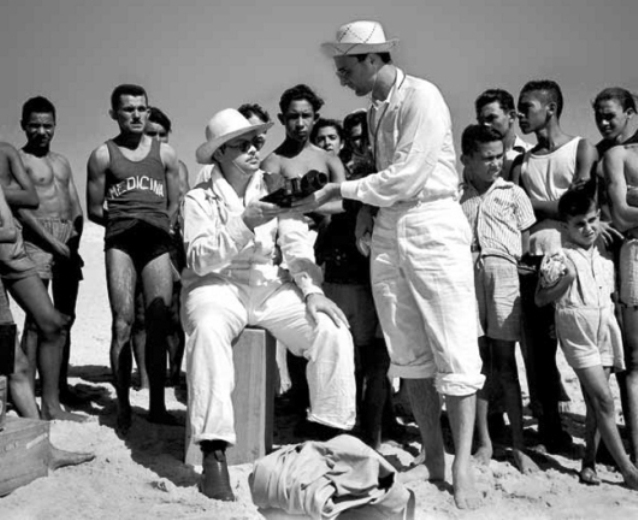
O primeiro projeto em que Welles
tentou trabalhar foi em uma adaptação de “Heart of Darkness”, que se provou
impossível por muitas razões, entre elas a censura do Código Hays... e o fato
de a RKO querer trabalhar com figurantes em blackface. Essa não foi a única vez
em que a RKO atrapalhou os planos de Welles: mesmo dando carta branca para ele
fazer “Cidadão Kane”, o estúdio mutilou sua obra-prima seguinte, “Soberba”,
para tornar o filme mais curto, e o estúdio o demitiu de sua missão documental
na América do Sul depois que os executivos viram que ele havia “filmado muitos
negros” no Brasil.
The first project Welles tried to do in Hollywood
was directing an adaptation of “Heart of Darkness”, which proved impossible for
many factors, including Hays Code censorship... and RKO wanting to work with
extras on blackface. This wasn’t the only time RKO messed up with Welles: even
though they gave him free reign for “Citizen Kane”, they mutilated his next
masterpiece, “The Magnificent Ambersons”, in order to make it shorter, and
fired him from his documental mission in South America after seeing that he had
“filmed too many black people” in Brazil.
Welles trouxe sua técnica
experimental para Hollywood. Como um diretor de cinema novato – “O primeiro dia
em que dirigi um filme foi o primeiro dia em que pisei num estúdio de cinema” –
ele sabia muito pouco sobre convenções e técnicas e, provavelmente sem querer,
ele desafiou e quebrou essas convenções, criando uma obra-prima arrebatadora.
Surpreendentemente, anos mais tarde, Welles confessou que acreditava que “Rosebud”
não era um bom elemento da trama.
Welles brought his experimental approach to art to
Hollywood. As a newcomer film director – “The first day I directed a film was
the first day I’d ever been in a movie set” –he knew little about screen
conventions and, probably without wanting to do so, he defied and broke these
conventions, creating a riveting masterpiece. Surprisingly, later in life
Welles confessed he thought “Rosebud” wasn’t a good device for the plot.
Em todos os outros filmes em que ele
trabalhou como ator nos anos 1940, Welles também trabalhou um pouco como
diretor – e nunca foi creditado. Nos anos 1950, Orson deixou Hollywood porque
estava sendo investigado pelo FBI – as pessoas acreditavam que ele poderia ser
um “comunista”. Na Europa, ele trabalhou sobretudo de forma independente.
In all the other films he appeared in the 1940s as
an actor, Welles also worked a bit as a director – and always went uncredited. In
the 1950s, Orson left Hollywood as he was being investigated by the FBI –
people believed he could be a “communist”. In Europe, he worked mostly as an
independent filmmaker.
Orson foi incompreendido em um lugar
onde os diretores raramente tinham controle sobre seus filmes, e teve de
enfrentar problemas financeiros para completar a maior parte de seus filmes,
levando anos para terminar cada projeto. Para conseguir dinheiro para seus filmes,
ele aceitava papéis em produções para o cinema e a TV, alguns deles bem
curiosos – por exemplo, quem haveria de pensar em juntar Welles com os Muppets?
Orson was misunderstood in a place where directors
rarely had control over their films, and struggled financially to complete most
of his movies, taking years to finish each project. In order to make money for
his films, he would accept parts in movies and television, some of them pretty
weird – I mean, who would have thought of putting Welles with The Muppets?
Assim como a maioria dos perfeccionistas,
Orson Welles deixou muitos projetos inacabados, como o conhecido projeto “Don
Quixote” e “O Outro Lado do Vento”, que foi finalmente lançado em 2018. Welles
faleceu em 1985, enquanto trabalhava em, por incrível que pareça, um programa
de TV sobre um mágico – ele se interessara por ilusionismo ainda na infância e
mostrou muitos truques em “Verdades e Mentiras” (1973).
Like most perfectionists, Orson Welles left many
unfinished projects, like the well known “Don Quijote” project and “The OtherSide of the Wind”, that was finally released in 2018. Welles died in 1985,
while he was working, of all things, on a TV show about a magician – he had
been interested in illusionism from an early age, and showed many tricks in “F
for Fake” (1973).
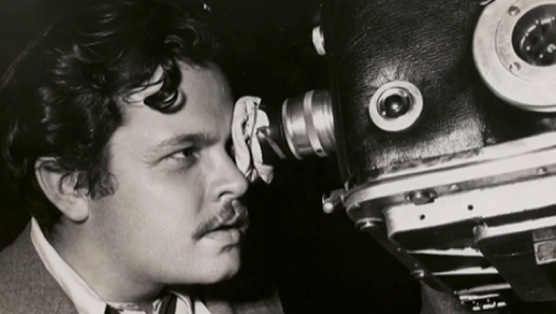
O documentário usa imagens de
arquivo, cartazes de teatro, recortes de jornais, entrevistas e muito mais para
pintar um retrato completo de Orson. No meio deste material está a primeira
experiência de Orson com uma câmera, em um curta-metragem que ele e sua
companhia de teatro fizeram por diversão no começo dos anos 1930.
The documentary uses archive footage, theater
posters, newspaper prints, past interviews and more to build a complete portrait
of Orson. Among the material, there is Orson’s first experience with the
camera, in a short film he and his theater company shot for fun in the early
1930s.
Partes de conversas com Oja Kodar, a última
companheira de Welles, são reveladoras, como quando ela diz que Orson teria
sido o homem mais feliz do mundo se Geraldine Fitzgerald – Oja se refere a ela
como “Geraldine qualquer-que-seja-o-nome” – tivesse confirmado que Orson era
pai do filho dela, Michael Lindsay-Hogg – pelo menos a semelhança é inegável.
Ela também conta que viu Orson assistindo a “Soberba” no fim da vida e
chorando, ainda ressentido com o resultado final.
Little bits of conversation with Oja Kodar,
Welles’s last companion, are revealing, as she says Orson would have been the
happiest man in the if Geraldine Fitzgerald – Oja refers to her as “Geraldine
whatever-her-name-is” – had confirmed that her son Michael Lindsay-Hogg was
Orson’s son – at least the resemblance is uncanny. She also tells that she witnessed
Orson watching “The Magnificent Ambersons” late in life and crying, still angry
at the final film.
A atriz Jeanne Moreau define Welles
como “um rei destituído” – pois não havia reino no mundo bom o suficiente para
ele. Já que o documentário diz – e eu concordo – que Orson era um homem à
frente de seu tempo, a definição de Jeanne está correta: o reino que deveria
ser governado por Welles ainda não existia quando ele estava vivo. Eu me
pergunto que truques e experimentos ele faria hoje, com as mídias digitais.
Actress Jeanne Moreau defines Welles as “a
destitute king” – as there was no kingdom in the world good enough for him.
Since the documentary says – and I agree – that Orson was a man ahead of his
time, Jeanne’s definition is correct: the kingdom Welles was meant to reign
over didn’t exist yet when he was alive. I wonder what tricks and experiments
he would have made today, with digital media.
No final, se você já sabe um bocado
sobre Orson Welles, o documentário não traz nada de novo, e seu título termina
sendo mais impressionante que o próprio documentário. Mas é um bom filme para
os iniciantes que acabam de começar a desvendar Orson, esta figura gigantesca
em muitos sentidos.
In the end, if you already know a good amount about
Orson Welles, the documentary doesn’t bring anything new, and its title ends up
being more astonishing than the documentary itself. But it is a good movie for
beginners who have just started learning about Orson, this larger-than-life figure
in many senses.


_01.jpg)
_NRFPT_01.jpg)

 Como ele mesmo, Bob Hope fez cerca de mil aparições
na TV e no cinema - isso sem contar no rádio, onde ele também era figurinha
carimbada. Ele também apresentou os Oscars 18 vezes. Hope fez uma aparição no
Show dos Muppets e participou de alguns especiais dos Muppets rodados na
Inglaterra, terra natal de Hope. Diversos clipes de “Minha Morena Linda” foram
usados em um episódio da série Muppets Babies.
Como ele mesmo, Bob Hope fez cerca de mil aparições
na TV e no cinema - isso sem contar no rádio, onde ele também era figurinha
carimbada. Ele também apresentou os Oscars 18 vezes. Hope fez uma aparição no
Show dos Muppets e participou de alguns especiais dos Muppets rodados na
Inglaterra, terra natal de Hope. Diversos clipes de “Minha Morena Linda” foram
usados em um episódio da série Muppets Babies.