} Crítica Retrô: Shelley Winters

Tradutor / Translator / Traductor / Übersetzer / Traduttore / Traducteur / 翻訳者 / переводчик

Showing posts with label Shelley Winters. Show all posts

Thursday, October 3, 2019

Telefonema de um Estranho (1952) / Phone Call from a Stranger (1952)


Sempre que eu viajo com a minha mãe, ela comenta, em um tom alegre que não combina com o conteúdo sombrio do comentário: “você está vendo toda essa gente no aeroporto? Provavelmente nunca mais os veremos de novo.” De fato, nós nunca fizemos amigos em um aeroporto – e, considerando a trama de “Telefonema de um Estranho”, foi bom nunca termos feito amizade.

Whenever I travel with my mom, she comments, in a happy tone that has nothing to do with the somber commentary: “do you see all those people here in the airport? We'll probably never see them ever again.” Indeed, we never made friends at an airport – and, considering the plot of “Phone Call from a Stranger”, it’s a good thing we never did.
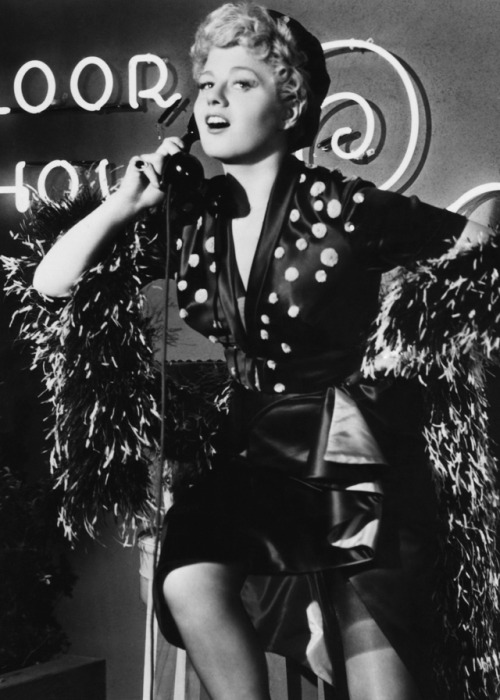

Quatro estranhos se conhecem em um aeroporto. David Trask (Gary Merrill) é um advogado que acabou de abandonar a esposa Jane (Helen Westcott) para decidir o que fazer da vida em Los Angeles. Bianca Carr (Shelley Winters) é uma atriz fracassada, usando o nome artístico de Binky Gay, que está voltando para casa. É a primeira vez que ela viaja de avião e ela está muito nervosa. Eddie Hoke (Keenan Wynn) é um viajante que adora contar piadas. Robert Fortness (Michael Rennie) é um médico calado.

Four strangers meet at the airport. David Trask (Gary Merrill) is a lawyer who has just left his wife Jane (Helen Westcott) to figure his life out in LA. Bianca Carr (Shelley Winters) is a failed actress, under the stage name of Binky Gay, going back home. It's her first time in an airplane and she's very nervous. Eddie Hoke (Keenan Wynn) is a salesman who loves to tell jokes. Robert Fortness (Michael Rennie) is a quiet doctor.


Quando o avião faz sua primeira – e imprevista – escala, o Dr. Fortness pede alguns conselhos legais para David. Cinco anos antes, o Dr. Fortness saiu muito bêbado de uma festa e causou um acidente automobilístico que matou três pessoas, incluindo seu amigo, o Dr. Brooks (Hugh Beaumont), que estava no carro com ele. Entretanto, o Dr. Fortness disse à polícia que o Dr. Brooks é que estava dirigindo o carro, o que foi confirmado pela esposa dele, Claire Fortness (Beatrice Straight), e, desde que mentiu, o Dr. Fortness tem sido consumido pela culpa. Ele decidiu contar a verdade à polícia e quer que David o represente no processo que se seguirá.

When the plane hits its first – unpredicted – stop, Dr. Fortness talks to David about some legal advice. Five years before, Dr. Fortness left a party after drinking too much and caused a car accident that killed three people, including his friend, Dr. Brooks (Hugh Beaumont), who was with him in the car. However, Dr. Fortness told the police that Dr. Brooks was the one driving the car, which was confirmed by his wife, Claire Fortness (Beatrice Straight), and since lying Dr. Fortness has been consumed by guilt. He decided to tell the police the truth and wants David to represent him in the upcoming process.
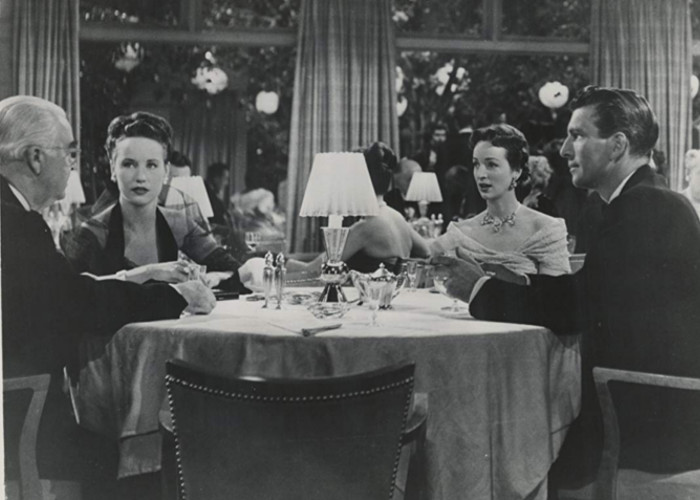

O avião decola novamente, mas, após passar por algumas nuvens espessas, ele cai em uma área de floresta. Dezoito pessoas morrem, e dos quatro amigos, apenas David sobrevive. Como ele tinha o telefone dos outros três, ele decide telefonar para suas famílias e oferecer a eles algum tipo de ajuda.

The plane takes off again, only to pass some thick clouds and crash in a forest area. Eighteen people die, and from the four new friends, only David survives. Since he got the phone numbers of all the three others, he decides to phone their families and try to offer any kind of help they need.


David terá de convencer o filho do Dr. Fortness, Jerry (Ted Donaldson), de que o problema do pai com a bebida não é culpa da mãe – e ainda contar a verdade sobre o acidente de carro. Ele também encontrará o marido e a sogra de Binky, que ainda não sabem sobre a morte dela. A sogra dela a despreza porque Binky os deixou para se tornar uma grande estrela sem a ajuda deles. David terá de limpar a reputação do Dr. Fortness e de Binky, mas será surpreendido ao aprender uma lição poderosa com a esposa de Eddie, Marie (Bette Davis). Eddie era um brincalhão e David imaginava que ele vivia uma vida feliz com sua bela esposa, mas a verdade é muito diferente.

David will have to convince Dr. Fortness' son, Jerry (Ted Donaldson), that his father's problem with the alcohol wasn't his mother's fault – and also tell the truth about the car crash. He will also meet Binky's husband and mother-in-law, who don't know about her death yet. Her mother-in-law despises her for leaving them to try becoming a big star on her own. David may have to clean Dr. Fortness' and Binky's reputation, but he'll be surprised to learn a powerful lesson from Eddie's wife, Marie (Bette Davis). Eddie was a clown and David imagined he lived a very happy life with his beautiful wife, but this couldn’t be further to the truth.


“Telefonema de um Estranho” é um drama convincente que também oferece a Gary Merrill uma de suas poucas oportunidades de ser protagonista em um filme de tamanho prestígio. Por vezes ele se parece com James Mason, e embora seu papel não exija muito, ele atua bem como David. Este foi o terceiro e último filme que ele fez com sua então esposa, Bette Davis.

“Phone Call from a Stranger” is a compelling drama that also offers Gary Merrill one of the few chances he had to star in such a prestigious picture. Sometimes he looks like James Mason, and although his role doesn’t demand so much, he delivers a good performance as David. This is the third and final film he did with his then wife, Bette Davis.


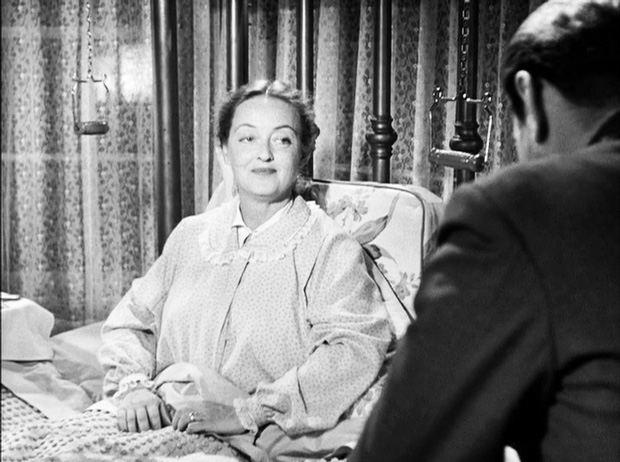
Bette Davis, depois de ler o roteiro, buscou conseguir o papel de Marie Hoke. Embora seja pequeno, é um dos papéis mais complexos do filme, e foi isso que atraiu Bette – e é essa complexidade que faz sua personagem se sobressair.

Bette Davis, after reading the script, actively pursued the role of Marie Hoke. Although a small one, it’s one of the most complex roles in the picture, and that’s what attracted Bette – and what makes the character stand out.

Michael Rennie, que interpreta o Dr. Fortness, é um bom porém subestimado ator. Beatrice Straight, que interpreta a esposa do Dr. Fortness, fez sua estreia no cinema em “Telefonema de um Estranho”. Ela ganharia um Oscar por uma performance breve mas poderosa em “Rede de Intrigas” (1978).

Michael Rennie, who plays Dr. Fortness, is a good yet underrated actor. Beatrice Straight, who plays Dr. Fortness’ wife, made her screen debut in “Phone Call from a Stranger”. She would win an Oscar for her brief yet powerful performance in “Network” (1978).


Shelley Winters é uma das poucas atrizes cuja carreira pode ser dividida em duas fases bem diferentes. Na primeira fase, ela interpretou personagens mais sensuais, mas com pouco tempo de tela. Alguns filmes notáveis desta primeira fase são o ótimo “Fatalidade” (1947) e este “Telefonema de um Estranho” – no qual seu nome é o primeiro nos créditos. Ela fugiu deste estereótipo, com sucesso, em “Um Lugar ao Sol” (1951), e considerava que neste filme teve sua melhor atuação. Na segunda fase ela interpretou matronas coadjuvantes que quase sempre roubavam a cena – como em “O Diário de Anne Frank” (1959) e “Lolita” (1962).

Shelley Winters is one of the few actresses whose career can be divided in two very clear phases. In the first phase, she played sexier characters, but with little screen time. Some movies of notice from this first phase are the great “A Double Life” (1947) and this “Phone Call from a Stranger” – in which she is first billed. She played against this type, with success, in “A Place in the Sun” (1951), and she considered this to be her best performance. In the second phase she played matronly supporting characters that often stole the picture – like in “The Diary of Anne Frank” (1959) and “Lolita” (1962).


Gary Merrill e Shelley Winters reprisaram seus papéis quando “Telefonema de um Estranho” foi adaptado para o rádio em 1953. Em 1956, a história foi adaptada para a televisão com o título de “Crack-Up”, e Merrill mais uma vez interpretou David. O filme de 1952 reuniu, atrás das câmeras, dois grandes nomes de Hollywood que não são muito lembrados atualmente: o diretor Jean Negulesco e o produtor / roteirista Nunnally Johnson.

Gary Merrill and Shelley Winters reprised their roles when “Phone Call from a Stranger” was adapted to the radio in 1953.  In 1956, the story was adapted for television under the title “Crack-Up”, and Merrill once again played David. The 1952 film put together, behind the cameras, two Hollywood greats that are not so well remembered today: director Jean Negulesco and producer / screenwriter Nunnally Johnson.


Chamado de ‘mecânico’ e ‘irreal’ por um crítico quando lançado, “Telefonema de um Estranho”, mesmo hoje, se mantém como um bom drama e a prova de que todos nós impactamos a vida dos outros, não importa quão breve foi nossa ligação com alguém. E, se você quer evitar a possibilidade de viver algo como o que David vive no filme, você sempre pode fazer o que eu faço em aeroportos: ler um livro enquanto espera o voo, sem falar com ninguém.

Called ‘mechanical’ and ‘unreal’ by a critic when it was released, “Phone Call from a Stranger”, even today, stands as a good drama and proof that we all impact each others’ lives, no matter if we interact with someone only for a short time. And, if you want to avoid the possibility of living something like David lives in the film, you can always do what I do at airports: read a book while waiting for your flight instead of making acquaintances.

This is my contribution to the Shelley Winters blogathon, hosted by Gill and Erica at RealWeegieMidget Reviews and Poppity Talks Classic Film.


Saturday, August 25, 2018

Esposas e Amantes (1963) / Wives and Lovers (1963)


Ah, os anos 60! A época da revolução sexual, da segunda onda do feminismo, da extinção do ridículo Código Hays... e Hollywood tinha de lidar com todos eles. De repente, temas mais polêmicos poderiam ser retratados em filmes... não, eles deveriam aparecer, porque a sociedade queria vê-los no cinema e porque eles faziam parte da realidade. De repente, um infiel não tinha de sofrer e ser condenado... e até uma comédia poderia ser feita com o tema infidelidade.

Oh, the 1960s! Time of the sexual revolution, of the second wave of feminism, of the end of the ridiculous Hays Code... And Hollywod had to deal with them all. Suddenly, more risky themes could appear in movies... no, they should appear, because society wanted them and because they mirrored the reality. Suddenly, a cheater didn't have to suffer and be condemned... and even a comedy could be made about cheating.


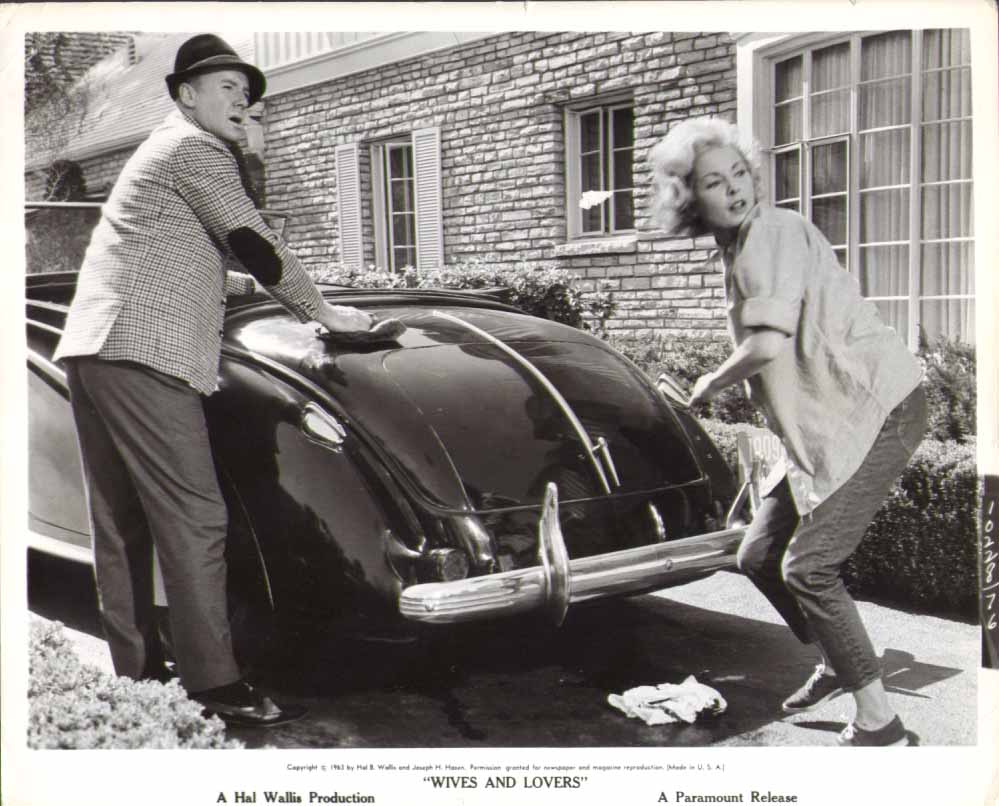
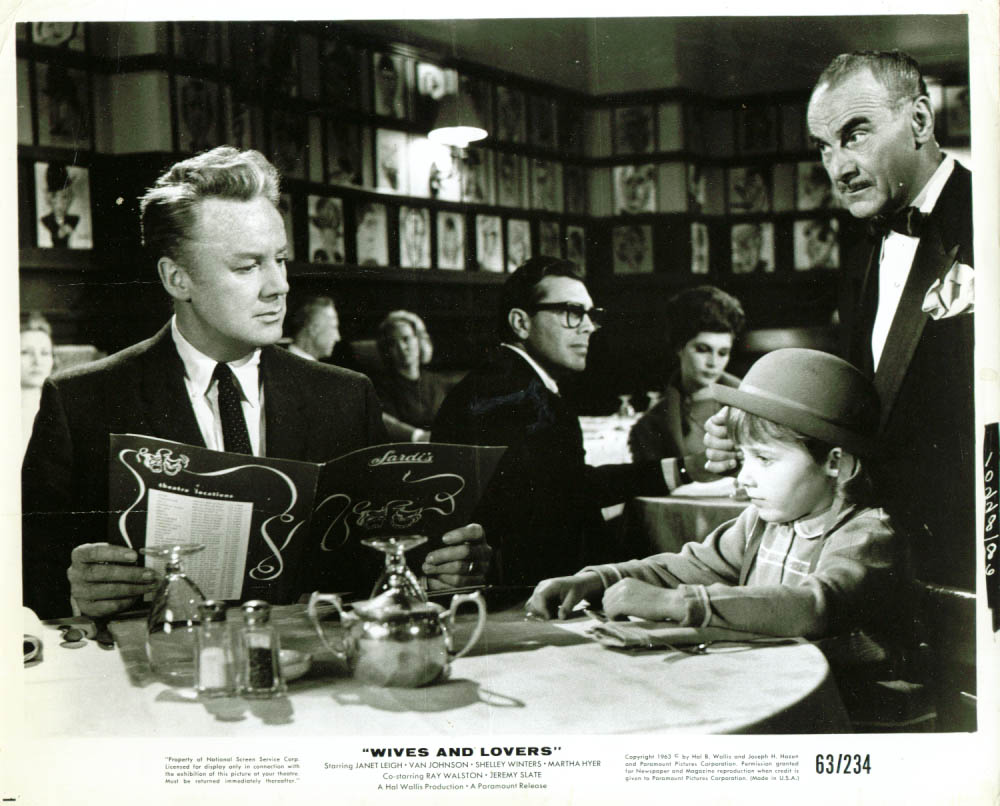
No começo, William ‘Bill’ Austin (Van Johnson) é um aspirante a escritor, que atualmente escreve um livro de receitas. Sua esposa Bertie (Janet Leigh) é quem traz dinheiro para casa, e ela trabalha em um consultório de dentista. Eles têm uma filha, uma peculiar garotinha de sete anos e ¾ de idade, Julie (Claire Wilcox). O ego masculino e frágil de Bill está machucado porque sua esposa trabalha fora e ele não, mas logo uma grande mudança acontece: a agente literária de Bill, Lucinda Ford (Martha Hyer) vende os direitos do romance de Bill para um clube de leitura e para uma peça.

At first, William 'Bill' Austin (Van Johnson) is a struggling writer, currently writing a cookbook. His wife Bertie (Janet Leigh) is the breadwinner of the house, and she works in a dentist's office. They have a daughter, the quirky seven and ¾ year-old Julie (Claire Wilcox). Bill's fragile male ego was hurt because his wife was working and he wasn't, until a big change happens: Bill's literary agent Lucinda Ford (Martha Hyer) sells Bill's novel's rights for a book club and a play.


A vida da família muda completamente. Bill insiste para que eles se mudem do pequeno apartamento em Nova York para uma casa elegante em Connecticut. Lá eles conhecem os enxeridos vizinhos Fran (Shelley Winters) e Wylie (Ray Walston). Fran é divorciada – seu ex-marido é ator – e Wylie é um designer de interiores que vive na casa dos fundos de Fran. Eles são incríveis!

Their life changes completely. Per Bill's insistence, they move from a small New York apartment to a fancy house in Connecticut. There they meet nosy neighbors Fran (Shelley Winters) and Wylie (Ray Walston). Fran is divorced – her ex-husband is an actor – and Wylie is an interior decorator who lives in the smaller house on the back of Fran's home. They're a riot!
 
Nouveau riches
Bill começa a sair com Lucinda para aparecer em eventos sociais, deixando sua família de lado. Mas coisas só dão errado de fato quando Bill e Bertie oferecem um jantar em casa e convidam Fran, Wylie, Lucinda e o ator Gar Aldrich (Jeremy Slate), a estrela da peça que Bill está escrevendo. Quando Lucinda começa a paquerar Bill, Gar, que já havia namorado Lucinda, passa a paquerar Bertie.

Bill starts to go out with Lucinda to social gatherings, leaving his family behind. But things go really wrong when Bill and Bertie host a dinner party in their house, and the guests are Fran, Wylie, Lucinda and actor Gar Aldrich (Jeremy Slate), the star of the play Bill is writing. As Lucinda starts flirting with Bill, Gar, who used to date Lucinda, flirts with Bertie.


Era óbvio que o novo estilo de vida prejudicaria o casal. É possível ver isso em uma poderosa metáfora visual: depois de receber a notícia de que os direitos do romance haviam sido vendidos, Bill imediatamente compra para Bertie o casaco chique que Lucinda estava usando. Bertie é deixada na cozinha, e coloca um avental por cima do casaco chique – a nova vida e a velha vida entram em confronto em uma imagem.

It was obvious that the new lifestyle would harm the Austins. You can see this in a powerful visual metaphor: after receiving the news that his novel's rights were sold, Bill buys Bertie the fancy coat Lucinda is wearing and goes out to celebrate. Bertie is left in the kitchen, and puts an apron over the fancy coat – it's the old life and the new life clashing in one image.


Todos os atores estão muito bem em cena. “Esposas e Amantes” é uma comédia romântica sobre sexo, como aquelas estreladas por Doris Day e Rock Hudson, e temos algumas gags divertidas, como o aparelho de som sofisticado de Bill, que ele não consegue ligar, mas todos os outros conseguem.  Também gostei de quando Wylie fabricou um móvel antigo artificialmente. Julie é provavelmente a fonte da maioria das piadas. Suas perguntas de criança são engraçadas, mas para mim o mais engraçado é seu hábito de só comer se os alimentos não estiverem tocando uns aos outros – isto é, ela come um sanduíche só se os ingredientes vierem em pratos separados.

Everybody delivers very good performances. “Wives and Lovers” is a sex comedy, like the ones with Doris Day and Rock Hudson, and we have some funny gags, like Bill's fancy sound stereo that he apparently can't turn on, but almost everybody else can. I also enjoyed when Wylie fabricated an antique piece of furniture artificially. Julie is probably the source of the most jokes. Her childish questions are funny, but for me the funniest thing is her habit of only eating when her food is not touching each other on the plate – that means, she eats a sandwich only if the ingredients come in separate plates.


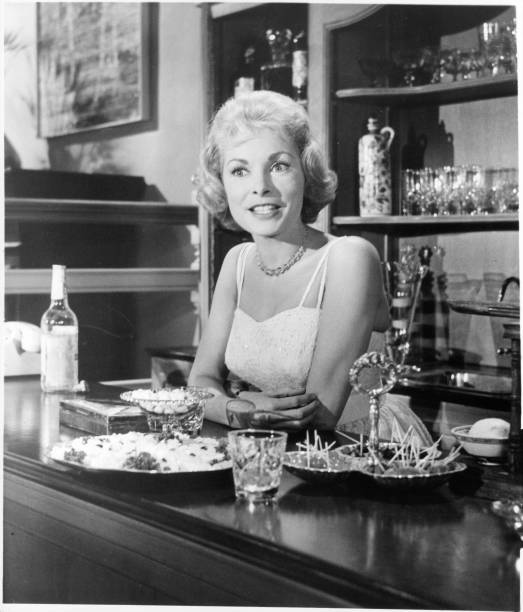
Van Johnson é um charme como Bill. Janet Leigh brilha como Bertie. É interessante notar que ela menciona que a sociedade queria que ela se sentisse como “pão mofado”, como uma mulher que não podia mais ser desejada – e Leigh tinha apenas 36 anos quando o filme foi feito! De fato, o interesse de Gar é um obstáculo na relação do casal Austin, mas também é uma oportunidade para Bertie perceber que ela é uma mulher linda e desejável. Aliás, a química de Leigh e Johnson não é surpresa: eles eram bons amigos, e foi o próprio Van Johnson que sugeriu a Jeanette Helen Morrison o nome artístico de Janet Leigh em 1947, quando ela fazia com ele seu primeiro filme, “Reconcilização”.

Van Johnson is charming as Bill. Janet Leigh shines as Bertie. It's interesting to notice that she mentions that society wanted her to feel like if she was “like molded bread”, like a woman that couldn't be desired anymore – and Leigh was only 36 when the film was made! Indeed, Gar's courtship is an obstacle in the Austin's relationship, but it is also an opportunity for Bertie to realize that she is a gorgeous, desirable woman. By the way, the chemistry between Leigh and Johnson is no surprise, since they were god friends, and it was Johnson himself who suggested for Jeanette Helen Morrison the screen name Janet Leigh in 1947, when she was making her first film, “The Romance of Rosy Ridge”.
 
1947
1963
“Esposas e Amantes” é cheia de altos e baixos. Eu gostei do fato de que tanto o marido quanto a esposa são tentados a trair, por isso não há julgamento, falso moralismo ou outras bobagens. Eu não gostei do fato de que alguns personagens masculinos, em especial Wylie, têm de ser rudes e tratar as mulheres mal para serem levados a sério por elas. Eu realmente detestei alguns momentos sexistas, como esta horrível “piada” dita por Shelley Winters: “Estuprada e desmembrada. Por que não se pode ter um sem o outro?”

“Wives and Lovers” is a series of hits and misses. I liked the fact that both the husband and wife are tempted to cheat, so there is no judgment, fake morals or other bullshit. I disliked the fact that some male characters, in special Wylie, had to be rude and mistreat women in order to be taken seriously by then. I completely disliked some sexist moments like the horrible joke uttered by Shelley Winters: “Raped and dismembered. Why can't you have one without the other?”
 
Director John Rich with Johson, Slate and Leigh
Você deve conhecer a música “Wives and Lovers”, que foi gravada pela primeira vez no mesmo ano em que o filme estreou. A música de Burt Bacharach e Hal David foi, na verdade, inspirada pelo filme! Foi uma “exploitation song”, uma canção composta para ajudar na divulgação do filme, mas sem fazer parte de sua trilha sonora. Hoje, a música é bem mais conhecida que o filme, mas eu não acredito que sua letra expresse a mesma complexidade das relações como o filme faz.

You may be familiar with the song “Wives and Lovers”, that came out the same year the film did. The song by Burth Bacharach and Hal David was actually inspired by the movie! It was an exploitation song, a song composed to help promote a film, but not appearing on it. Today, the song is much better known if compared to the film, but yet I don't think the lyrics express the same complexity of relationships as the movie does.


“Esposas e Amantes” deveria ser mais conhecido. Porque todos precisam de uma amiga como a personagem de Shelley Winters. Porque a ausência de julgamento moral em um filme dos anos 60 é algo raro. Porque é melhor que outras comédias românticas sobre sexo da época – estou falando da terrível “Amor Daquele Jeito”, também de 1963, que desperdiça Paul Newman e Joanne Woodward. Porque o trailer de “Esposas e Amantes” nos engana e promete bem mais conteúdo sexual do que realmente entrega. E porque todos precisamos dar risada de vez em quando.

“Wives and Lovers” should be better known. Because everybody needs a friend like Shelley Winter's character. Because no moral judgment in a 1960s movie is something rare. Because it is better than other sex comedies of the time – I'm thinking about the awful “A New Kind of Love”, also from 1963, a film that wastes Paul Newman and Joanne Woodward. Because the trailer for “Wives and Lovers” is deceiving and promises a sexual feast that doesn't happen. And because we all need a laugh once in a while.

This is my contribution to the Second Van Johnson blogathon, hosted by Michaela at Love Letters to Old Hollywood.
Related Posts Plugin for WordPress, Blogger...