} Crítica Retrô: canção

Tradutor / Translator / Traductor / Übersetzer / Traduttore / Traducteur / 翻訳者 / переводчик

Showing posts with label canção. Show all posts

Thursday, February 16, 2017

Música, Maestro: o Oscar de Melhor Canção Original / Oscar for Best Original Song

Para mim, o estranho e deplorável ano de 2016 começou a mostrar suas cruéis intenções em relação às pessoas de bom senso durante o Oscar. Claro, Leo DiCaprio ganhou a desejada estatueta depois de cinco indicações, porém, mais uma vez, as surpresas geraram mais debates que os ganhadores mais previsíveis. Eu fiquei chocada quando o prêmio de Melhor Canção Original foi para “Writing’s on the Wall”, a música mias sem graça do filme mais sem graça de James Bond. Eu havia apostado em “Til it Happens to You”, uma poderosa canção sobre violência sexual composta e gravada por Lady Gaga. Foi a primeira vez em 2016 que algo machista derrubou a causa feminista.

For me, the odd, disgusting year 2016 started to show its cruel intentions to people of common sense at the Oscars. Sure, Leo DiCaprio won this coveted award after years of trying, but once more the surprises caused more buzz than the predictable winners. I was shocked when the Best Original Song award went to “Writing’s on the Wall”, the most boring Bond music from the most boring Bond film ever. I had bet in “Til It Happens to You”, a powerful song about sexual violence by Lady Gaga. It was the first time in 2016 that a macho thing knocked over a feminist.
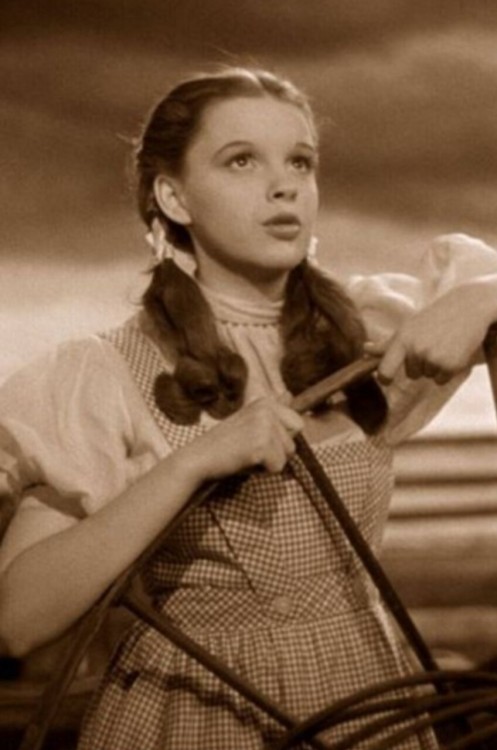
A categoria de Melhor Canção Original foi criada em 1934, e daí em diante deu destaque a musicais, comédias e outras produções que têm historicamente poucas chances de ganhar o Oscar de Melhor Filme. Alguns ganhadores ficam para sempre na cultura mundial (“Over the Rainbow”), enquanto outros se tornam muito mais famosos do que os filmes que os originaram – porque você provavelmente já ouviu “You’’l Never Know”, mas só os maiores fãs de filmes clássicos já viram o filme “Aquilo sim era vida”, de 1943.

The Best Original Song category was created in 1934, and from then on gave a place in the sun to musicals, comedies and other films that had few chances of collecting a Best Picture Oscar. Some winners became forever enthralled in pop culture (“Over the Rainbow”) and others became much more famous than the films that introduced them – because you’ve probably heard “You’ll Never Know”, but only die-hard Old Hollywood fans have watched “Hello, Frisco, Hello” (1943).

Em sua primeira década, a Academia estava fazendo experiências, adicionando, retirando e modificando as categorias do Oscar. Na sétima cerimônia, o ganhador da recém-criada categoria de Melhor Canção Original foi The Continenal, do filme “A Alegre Divorciada” (1934). A sequência de The Continental dura 17 minutos, e é a mais longa a figurar em um filme de Fred e Ginger.

In its first decade, the Academy was making experiences, adding, taking away and modifying the Oscar categories. In its 7th ceremony, the Best Original Song category was created, and the first winner was The Continental, from “The Gay Divorcée” (1934). The whole Continental sequence lasts 17 minutes, and was the longest in any Astaire-Rogers film.
Ao longo das décadas, as regras continuaram mudando, devido a problemas, polêmicas e a incrível necessidade de aumentar a audiência. Por exemplo: Jerome Kern, compositor de “The Last Time I Saw Paris”, que ganhou o prêmio em 1941, sugeriu que apenas músicas compostas especificamente para um filme feito no ano anterior deveria participar da seleção. Outra situação: quando “Dreamgirls” e “Encantada” tiveram cada um três músicas indicadas na categoria, ficou decidido que nenhum filme poderia ter mais de duas músicas competindo na grande noite.

Throughout the decades, the rules were still changing, due to troubles, anomalies and the incredible need of higher ratings. For instance: Jerome Kern, the composer of The Last time I Saw Paris, song that won in 1941, suggested that only songs composed specifically for a motion picture released the previous year should be eligible. Also, when “Dreamgirls” and “Enchanted” has each three songs nominated at the category, the Academy decided that no film should have more than two competing for the award.
Jerome Kern
Esta nova regra sugerida por Jerome Kern é o que justifica o fato de tantas músicas inesquecíveis terem ficado sem Oscar: elas foram apresentadas primeiro nos palcos ou em outros filmes. Se considerarmos outra lista de grandes canções, a AFI 110 Years 100 Songs, veremos que apenas 28 músicas da lista ganharam também o Oscar. No TOP 3 temos “Over the Rainbow”, o inesquecível ganhador do Oscar, e mais duas canções familiares: “As Time Goes By” foi originada em uma peça de teatro fracassada de 1931, enquanto a memorável “Singin’ in the Rain” foi apresentada pela primeira vez no cinema em um filme de 1929, bem antes de o maior musical da história ser filmado.

This new rule suggested by Jerome Kern is the reason why so many great songs never won an Oscar: they were presented first on stage or another film. If we consider another list of wonderful songs, the AFI 100 Years 100 Songs, we see that only 28 songs in this list also won the Academy Award. In the TOP 3 we have “Over the Rainbow”, the unforgettable Oscar winner, and two more familiar tunes: “As Time Goes By” was originated in a failed 1931 stage play, while the memorable “Singin’ in the Rain” was first sung in a 1929 movie, way before the greatest musical ever was released.
Só três músicas que não eram em inglês ganharam o prêmio: a primeira, “Never on Sunday”, do filme “Nunca aos Domingos”, de 1960, é cantada em grego. A segunda foi “Al Outro Lado Del Rio”, de “Diários de Motocicleta” (2004), cantada em espanhol. E a mais recente foi Jai Ho, de “Quem quer ser um milionário?” (2008), cantada em hindi.

Only three songs not sung in English got the award: the first, “Never on Sunday”, from the film by the same name released in 1960, was sung in Greek. The second one was “Al Otro Lado Del Rio”, from “Motorcycle Diaries” (2004), sung in Spanish. And the most recent case was “Jai Ho”, from “Slumdog Millionaire” (2008), sung in Hindi.
A Renascença dos estúdios Disney foi marcada por vários Oscars de Melhor Canção Original, uma vez que não havia ainda a categoria de Melhor Animação. De 1990 a 2000, seis vencedoras vieram da Disney: estas laureadas canções vieram dos filmes “A Pequena Sereia”, “A Bela e a Fera”, “Aladdin”, “Rei Leão”, “Pocahontas” e “Tarzan”.

Disney's renaissance period was marked by several Best Original Song Oscars, since there was no Best Animated Feature category until 2001. From 1990 to 2000, six winners came from the Disney studios: these celebrated songs came from the movies “The Little Mermaid”, “Beauty and the Beast”, “Aladdin”, “The Lion King”, “Pocahontas” and “Tarzan”.
A maioria dos vencedores do Oscar de Melhor canção Original é bem previsível – exceto quando há um Sam Smith no meio do caminho – mas não se pode dizer o mesmo dos indicados. Surgiram muitos textos e debates sobre os indicados de 2017, e a ausência de alguma música do delicioso musical “Sing Street”.

The majority of Best Original Song winners are quite predictable – except when there is Sam Smith in your way – but you can’t say the same about nominations. Much has been written about the 2017 nominations and the absence of a single tune from the delightful musical “Sing Street”.
Há ainda uma grande caminhada para o amadurecimento desta categoria. Por exemplo, apenas uma mulher ganhou o prêmio sozinha, sem estar colaborando com um compositor ou letrista do sexo masculino, e foi também a única vez que um documentário ganhou na categoria: foi em 2007, quando Melissa Etheridge ganhou por “Uma Verdade Inconveniente”. Em todo caso, a galeria de ganhadores é muito rica, e nos diz muito sobre a evolução da cultura pop nos últimos 80 anos. Afinal, o que Irving Berlin, Barbra Streisand, Bob Dylan, Eminem e Adele poderiam ter em comum além de um Oscar?

There is still a long walk ahead of this category. For instance, there is only one woman who won the prize alone, without collaboration with a male composer and lyricist, and it was also the only time a documentary got the Best Original Song Oscar: it was in 2007, when Melissa Etheridge won for “An Inconvenient Truth”. Anyway, the gallery of winners is a rich one, and tells us a lot about the evolution of pop culture in the last 80+ years. After all, what else could Irving Berlin, Barbra Streisand, Bob Dylan, Eminem and Adele have in common if not the Oscar?

Para testar seus conhecimentos sobre as Melhores Canções Originais, aqui está um ótimo quiz:
To test your general knowledge about the Best Original Songs, take this cool quiz: 


Aqui temos uma lista com todas as vencedoras de 1934 até 2015, em um ranking da pior para a melhor: http://www.spin.com/2015/02/oscars-academy-awards-best-original-song-every-winner-ranked/

Here’s a list of all the winners from 1934 to 2015, with the songs ranked: http://www.spin.com/2015/02/oscars-academy-awards-best-original-song-every-winner-ranked/

E aqui está uma playlist do Spotify que eu fiz para que você possa ouvir todas as músicas, onde quer que esteja:

Here’s a Spotify playlist I made so you can listen to all the songs on the go:


This is my contribution to the 30 Days of Oscar Blogathon 2017, hosted by the trio Aurora, Kellee and Paula at Once Upon a Screen, Outspoken & Freckled and Paula’s Cinema Club.

Friday, July 22, 2011

Dez vezes Cantando na Chuva / Ten times Singing in the Rain


Além do melhor musical de todos os tempos, “Cantando na Chuva” é uma música composta, pasmem, em 1927 por Arthur Freed (letra) e Nacio Herb Brown (melodia), responsáveis por todas as outras canções apresentadas no filme de 1952. É parte da cultura popular norte-americana e (por que não?) mundial. Talvez o filme estrelado por um lânguido Gene Kelly tenha sido o veículo principal para tamanha popularidade, mas “Cantando na Chuva” faz ponto no cinema há muito tempo. São versões diferentes na velocidade, no tom e no intérprete, porém com uma música inconfundível.

Besides being the name of the best musical ever, “Singin’ in the Rain” is a song composed, mind you, in 1927 by Arthur Freed (lyrics) and Nacio Herb Brown (song), the musicians responsible for all the other songs presented in the 1952 film. The song is part of pop culture in the USA and (why not?) all over the world. Maybe the film starring a languid Gene Kelly was the main vehicle for the popularity of the song, but “Singin’ in the Rain” has been part of cinema for many years. There are different versions with different speeds, tone and singer, but the song is unmistakable.

1 - Doris Eaton Travis, a Ziegfeld Girl que mais tempo viveu, foi a primeira a gravar a música, em 1929, no espetáculo musical “The Hollywood Music Box Revue”. Talvez o fato de que tivesse um romance com Nacio Herb Brown a tenha ajudado nessa empreitada.

1- Doris Eaton Travis, the Ziegfeld girl who lived the longest, was the first person to record the song, in 1929, in the musical show “The Hollywood Music Box Revue”. Maybe the fact that she was dating Nacio Herb Brown has helped her to do this feat.

2 - No mesmo ano, naquela que talvez seja a primeira extravaganza da história do cinema, “Cantando na Chuva” estava presente. O cantor Ukelele Ike apresentou-a tocando no instrumento havaiano que lhe rendeu o apelido. No final do filme “Hollywood Revue”, feito em Technicolor, todos cantam a música, vestidos com capas de chuva. Estrelas como Joan Crawford e Buster Keaton estão na multidão e é fácil reconhecê-los.

2- The same year, in what can be considered the first extravaganza in cinema history, “Singin’ in the Rain” was there. Singer Ukelele Ike introduced it playing the Hawaiian instrument that gave him his nickname. In the end of the film “The Hollywood Revue of 1929”, made in Technicolor, everybody sings the song, dressed in raincoats. Stars like Joan Crawford and Buster Keaton are in the crowd and it’s easy to point them out.

 3 - Um ano depois, a versão instrumental pode ser ouvida no início de “A Divorciada”, que rendeu um Oscar de Melhor Atriz a Norma Shearer.

3- One year later, the instrumental version can be heard in the beginning of “The Divorcee”, the film that gave Norma Shearer a Best Actress Oscar.

4 - Em 1932, Jimmy Durante senta em um piano e toca a música no filme “Pernas dePerfil”.

4- In 1931, Jimmy Durante sits by a piano and plays the song in the movie “Speak Easily”.

5 - Oito anos depois foi a vez de Judy Garland entoar a canção em ritmo acelerado em “Um Amor de Pequena”, o trabalho em que ela desvencilhou-se da imagem de garotinha dando seu primeiro beijo.

5- Eight years later, it was time for Judy Garland to sing the song in an accelerated rhythm in “Little Nellie Kelly”, the movie in which she parted from the little girl image by giving her first kiss.


6 - No mais famoso musical metalingüístico, Gene Kelly, ardendo em febre e com um terno de lã que encolhia com a umidade, literalmente cantou sob uma chuva feita de água e leite. Devidamente equipados com capas amarelas, Donald O’Connor e Debbie Reynolds se juntam a Gene em um coro para a abertura do filme.

6- In the most famous metalinguistic musical, Gene Kelly, running a fever and wearing a wool suit that got tighter with humidity, literally sang under a rain made of a mix of water and milk. Wearing yellow raincoats, Donald O’Connor and Debbie Reynolds join Gene to sing the song together in the film’s opening.

7 - Em 1959 “Cantando na Chuva” já aparecia como uma melodia casual, fácil de assobiar ou cantarolar. É isso que Cary Grant faz num quarto de hotel ao preparar-se para um banho em “Intriga Internacional”

7- In 1959 “Singin’ in the Rain” already appeared as a casual melody, easy to whistle or hum. This is what Cary Grant does in a hotel room while getting ready for a shower in “North by Northwest”.

8- No drama baseado no romance de F. Scott Fitzgerald, “Suave é a Noite”, de 1962, perto do final do filme, a música é tocada em uma vitrola a bordo de um iate, quando Dick (Jason Robards) está esquiando na água, deixando sua esposa Nicole (Jennifer Jones) apreensiva.

8- In the drama based on a F. Scott Fitzgerald novel, “Tender is the Night”, from 1962, near the end of the movie, the song is played in a record player on board of a yacht, when Dick (Jason Robards) is doing water skiing, leaving his wife Nicole (Jennifer Jones) apprehensive.

9 - Quem disse que a canção só embala momentos alegres? Mais de quarenta anos depois de surgir, ela foi a trilha sonora para o horror: o ataque e estupro provocados pela gangue de “Laranja Mecânica”(1971). Nos créditos finais ela também é tocada.

9- Who said that the song is only for happy moments? More than forty years after it appeared, the song was chosen as soundtrack for horror: the attack and rape by the gang in “A Clockwork Orange” (1971). The song is played again in the closing credits.

10 - Finalmente, na recente animação “Robôs” (2005), o robozinho Fender canta sua versão denominada “Singin’ in the Oil”, na mesma melodia de “Singin’ in the Rain”.

10- Finally, in the recent animation “Robots” (2005), Fender, the little robot, sings his version called “Singing in the Oil”, using the same tune as “Singin’ in the Rain”.

Além de todas essas interpretações na tela grande, “Cantando na Chuva” virou musical na década de 80 e esteve presente em incontáveis séries televisivas, provando que clássicos nunca são esquecidos.

Besides all those interpretations on the big screen, “Singing in the Rain” became a stage musical in the 1980s and could be heard in innumerable TV shows, proving that classics are never forgotten.

Friday, July 1, 2011

Humor e preconceito: americanos e italianos em “Começou em Nápoles”

Comédias românticas são quase sempre previsíveis. Este filme nos prova que assim foi desde os áureos tempos do cinema clássico. Se um casal que aparentemente não tem nada em comum começa o filme se estranhando, é final feliz na certa.


É isso que acontece com Lucia Curcio e Mike Hamilton em “Começou em Nápoles”. Eles não têm nada em comum, a não ser o fato de que Sophia Loren é bonita e Clark Gable foi bonito. Ela é uma sensual dançarina de boate, cunhada de Mike, que cria o sobrinho de ambos, Nando, após este ficar órfão. Ele, um advogado cheio de preconceitos em relação à Itália que passa a lutar pela guarda do sobrinho preocupado com o futuro do simpático garoto.  Nas idas e vindas da agitada vida noturna da ilha de Capri os dois acabam, obviamente, se apaixonando.

Lucia e Nando falam inglês porque lidam com turistas, assim como o advogado vivido pelo diretor Vittorio de Sica. Mas, quando discutem, gritam em italiano, comportamento mostrado em várias produções, como nas telenovelas brasileiras. Além de escandalosos, os italianos são mostrados como mulherengos e irresponsáveis. Lucia, por exemplo, deixa o pequeno sobrinho fumar, trabalhar até de madrugada entregando panfletos e não o leva à escola. Só mesmo a chegada de Mike para botar a vida nos trilhos!

Mas não se enganem: os americanos também são criticados, através de uma canção. Na boate, Sophia Loren canta, vestida com um maiô e uma saia retalhada, a música “Tu Vuò Fa’ L’Americano”. Segundo a letra, para os italianos os americanos se resumem a “Whisky & Soda e Rock n’Roll”.  


Preconceitos à parte, vemos na tela o crepúsculo de um ídolo, Gable, já acima do peso e grisalho, contrastando com a beleza de uma estrela em ascensão, Loren, jovem e fogosa. Um casal que dificilmente convence o público, afinal, são 33 anos que separam suas datas de nascimento!

Além do romance certo, o filme nos reserva boas risadas. Logo no início podemos gargalhar com a recepção promovida por De Sica (aliás, ótimo sempre que aparece) e mesmo perto do fim a audiência no tribunal não deixa de ser divertida. E, nas cenas de Gable convivendo alegremente com seu sobrinho fictício, temos a oportunidade de acrescentar mais uma emoção: a tristeza disfarçada em um leve sorriso. É impossível não imaginar que Gable seria daquele jeito feliz e cúmplice com seu filho se tivesse vivido para conhecê-lo. 


Related Posts Plugin for WordPress, Blogger...