Em 1932,
estrearam quatro filmes dirigidos por Ernst Lubitsch, incluindo o famosíssimo
“Ladrão de Alcova”. Foi o ano mais prolífico de sua carreira nos EUA, trabalhando
para a Paramount Pictures. E em 1932 surgiu “Não Matarás”, um filme tão incomum
de Lubitsch que nos faz voltar para verificar os créditos. Sim, o filme foi
produzido e dirigido por Lubitsch. E é um de seus melhores, mais humanos e
emocionantes filmes.
In 1932, four
films directed by Ernst Lubitsch premiered, including the very famous “Trouble
in Paradise”. It was the most prolific year of his career in the US, working for
Paramount Pictures. And in 1932 there appears “The Broken Lullaby”, such an
unusual Lubitsch film that makes us double check the opening credits. Yes, it
was produced and directed by Lubitsch. And it’s one of his most human,
heartbreaking and best films.

Enquanto a
multidão celebra o primeiro aniversário do Armistício em 1919 com um desfile,
soldados traumatizados no hospital gritam por causa dos barulhos. Em uma
catedral de Notre Dame lotada, uma missa é assistida por soldados com baionetas
penduradas nos cintos. Depois que a missa acaba, um homem à paisana permanece
na igreja. Ele está lá para confessar que matou outro homem.
While the
crowd celebrates the first anniversary of the Armistice in 1919 with parades,
shell-shocked soldiers in the hospital scream with the noises they hear. In a
crowded Notre Dame cathedral, a mass is attended by soldiers with their bayonets
hanging from their belts. After the mass is over, a man in civilian clothes
remains in the church. He is there to confess that he killed another man.

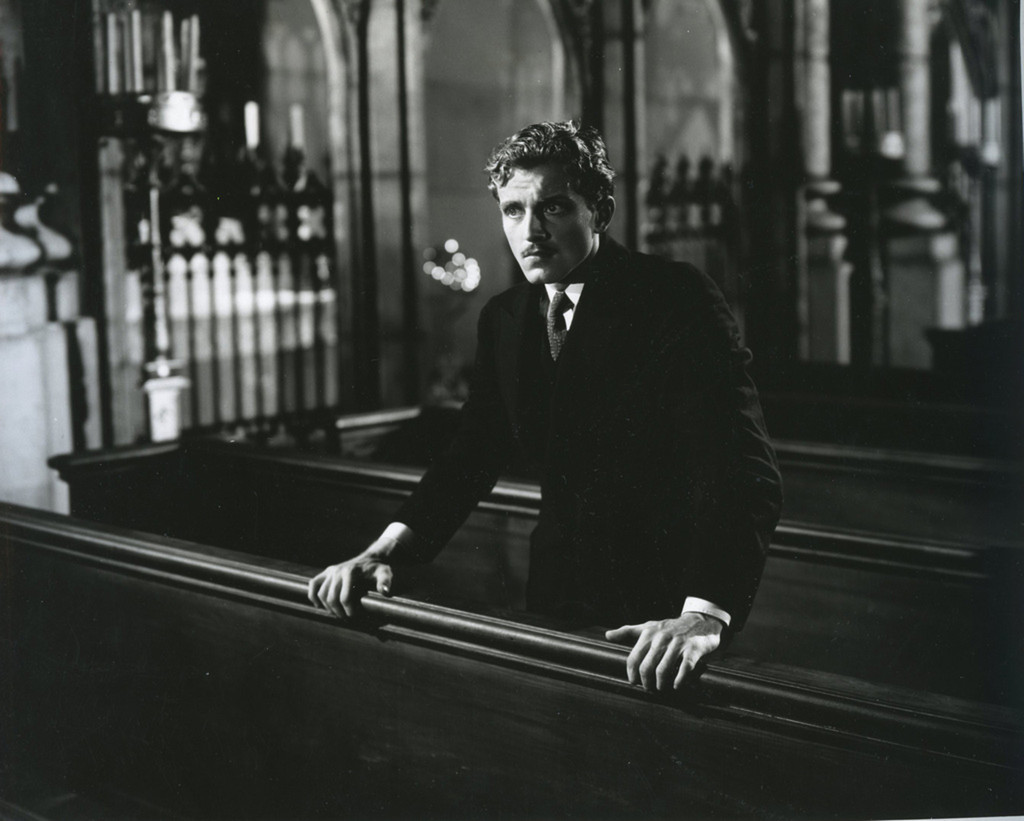
O homem,
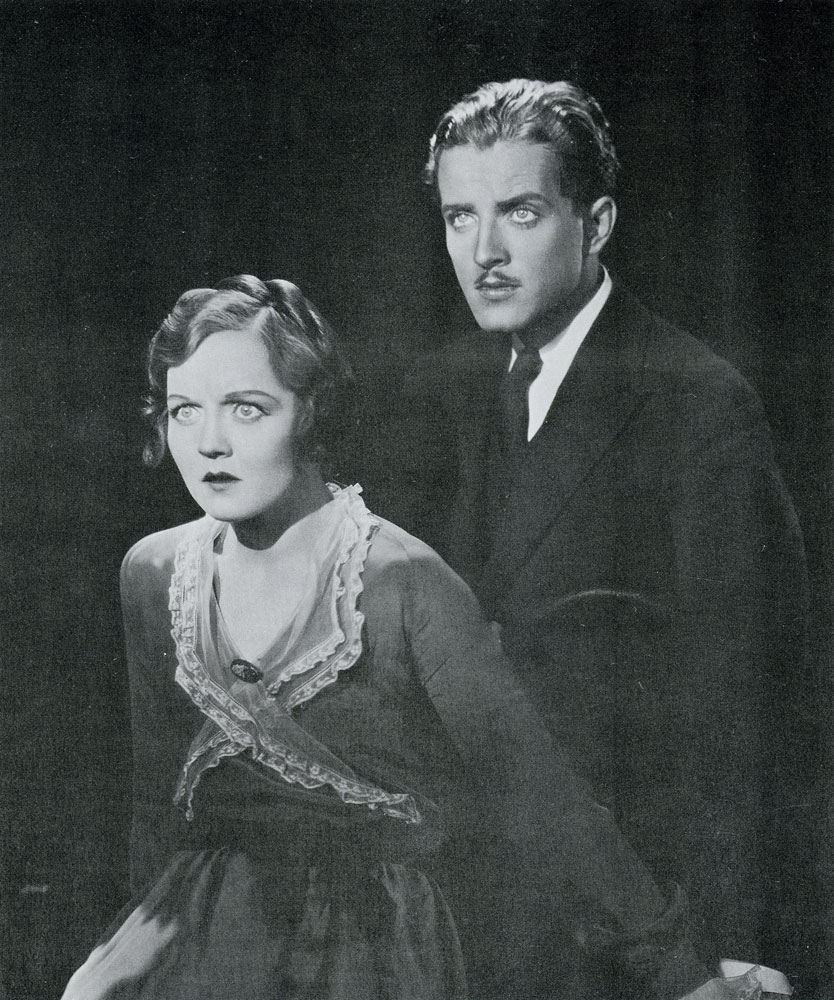
Paul Renard (Phillips Holmes), era um músico antes da guerra, e nas trincheiras
ele matou um soldado alemão. O soldado levava consigo uma carta, pronta para
ser enviada, e nela Paul descobriu o nome da vítima, Walter, e seu endereço – e
que o pobre homem também amava música. Embora o padre diga a Paul que ele
estava apenas cumprindo seu dever, ele não consegue ficar em paz. Entretanto,
na igreja Paul decide ir até a Alemanha em busca do perdão da família do homem
que ele matou.
The man, Paul
Renard (Phillips Holmes), was a musician before the war, and in the trenches he
killed a German soldier. The soldier had a letter with himself, ready to be
sent, and so Paul learned the victim's name, Walter, and his address – and that
the poor man also loved music. Although the priest tells Paul he was only doing
his duty, he can't find peace. However, in the church Paul decides to go to
German and seek the forgiveness from the family of the man he killed.
O pai de
Walter, Dr. Holderlin (Lionel Barrymore), é um médico. A noiva de Walter, Elsa
(Nancy Carroll), vive com o doutor e com Frau Holderlin (Louise Carter), e é
cobiçada pelo insistente Herr Schultz (Lucien Littlefield). A família ainda está
de luto pela morte de Walter.
Walter's
father, Dr. Holderlin (Lionel Barrymore), is a physician. Walter's fiancée,
Elsa (Nancy Carroll), lives with Dr and Frau Holderlin (Louise Carter), and she
is pursued by the insistent Herr Schultz (Lucien Littlefield). The family is
still grieving Walter’s death.

O Dr.
Holderlin é inicialmente hostil com Paul, porque ele não aceita ouvir nada de
um francês. Entretanto, como Elsa viu Paul levando flores no túmulo de Walter,
o Dr. Holderlin muda de tom, e Frau Holderlin recebe Paul na casa deles. Agora
Paul é incapaz de dizer que matou Walter, e por isso deixa a família pensando
que ele e Walter eram amigos.
Dr. Holderlin
is hostile at first to Paul, because he wouldn’t accept to hear anything from a
Frenchman. However, as Elsa saw Paul bringing flowers to Walter's grave, Dr.
Holderlin's tone changes, and Frau Holderlin welcomes Paul to their house. Now
Paul can't say he killed Walter, so he lets the family think he and Walter were
friends.

Herr
Shcultz vê Elsa e Paul conversando, e logo começa a espalhar o boato de que
Paul pode ser um espião. Nacionalismo e xenofobia estavam em alta depois da
guerra, e a Alemanha ressentia a derrota e a humilhação. A ideia de Herr
Schultz encontra o contexto perfeito para se espalhar. E Lubitsch, um imigrante
alemão, era o diretor perfeito para lidar com este assunto.
Herr Schultz
sees Elsa and Paul talking, and soon he starts spreading the rumor that Paul
may be a spy. Nationalism and xenophobia was on the rise after the war, and German
resented the loss and the humiliation. Herr Schultz's idea finds the perfect
context to spread. And Lubitsch, a German immigrant, was the perfect director
to tackle this subject.

Eu senti
que este filme tem mais um “toque de Rouben Mamoulian” – um termo pouco usado
porque eu acabei de criá-lo – do que o “toque de Lubitsch”. Quando Paul e Elsa
andam pelas ruas da pequena cidade e as pessoas saem nas portas e janelas para
vê-los, continuamos a ver os dois na tela, mas ouvimos os sinos que indicam as
portas se abrindo. Este uso ousado e experimental do som para simbolizar a
curiosidade da população local é puro Mamoulian, um diretor hoje pouco lembrado
que fez obras brilhantes enquanto experimentava e improvisava no final dos anos
20 e início dos anos 30. Como curiosidade, também em 1932 Mamoulian dirigiu um
filme que era puro Lubitsch: “Ama-me Esta Noite”.
I felt this
film has more of the “Rouben Mamoulian touch” – a little-used term because it
has just been created by me – than the “Lubitsch touch”. When Paul and Elsa
walk down the streets of the small town and people appear on doors and windows
to see them, we keep seeing the two on the screen, but we hear the bells of the
doors opening. This daring and experimental use of sound to symbolize the
curiosity of the local people is pure Mamoulian, now a little remembered
filmmaker who excelled while experimenting and improvising in the late 1920s
and early 1930s. As a curious note, also in 1932 Mamoulian directed a film that
was pure Lubitsch: “Love Me Tonight”.
Lubitsch
havia trabalhado incansavelmente na Alemanha durante a Primeira Guerra Mundial
tanto como ator quanto diretor. Ele fez várias comédias e dramas históricos no
final da década de 1910, e por causa do sucesso que estes filmes fizeram nos
EUA no começo dos anos 20 ele foi chamado por Mary Pickford para trabalhar em
Hollywood. Lubitsch deixou a Alemanha em 1922 e nunca olhou para trás. Nos EUA,
ele desenvolveu o “toque de Lubitsch”, um estilo cinematográfico cheio de
sugestões sexuais, charme e bom gosto. Nada disso é encontrado em “Não
Matarás”.
Lubitsch had
been working steadily in German during World War I, both as an actor and
director. He did several comedies and historical dramas in the late 1910s, and
because of the success those films made in the US in the early 20s he was
personally called by Mary Pickford to work in Hollywood. Lubitsch left Germany
in 1922 and never looked back. In the US, he developed the “Lubitsch touch”, a
refined filmmaking approach full of sexual innuendo, charm and good taste. We
find nothing of this in “Broken Lullaby”.
 |
| Lubitsch |
Há muitos
símbolos importantes em “Não Matarás”. Um deles é o vestido feito de tecido
francês que Elsa deseja comprar. É óbvio que o interesse dela no vestido
espelha seu interesse por Paul, que também é um “produto” francês. Há ainda os
paralelos entre as vidas de Paul e Walter, pois o Dr. Holderlin mantém o quarto
de Walter trancado e há um violino lá, preservado no estojo, como se esperasse
Walter voltar e tocar – e, sem nenhuma surpresa, Paul é também violinista.
There are
many important symbols in “Broken Lullaby”. One of them is the dress made of
French fabric that Elsa gets interested in buying. It’s obvious that her
interest for the dress mirrors her interest for Paul, himself a French product.
There is also a mirroring situation with Paul’s and Walter’s lives, as Dr.
Holderlin keeps Walter’s bedroom locked and there is a violin there, preserved
in the box, like waiting for Walter to come back and play – and, to no
surprise, Paul is a violinist.

Lionel
Barrymore está brilhante como sempre. Seu monólogo sobre os pais serem
responsáveis pela morte dos jovens, porque “éramos velhos demais para lutar,
mas não velhos demais para odiar”, resume a Primeira Guerra Mundial e nos causa
arrepios. Mesmo assim, Barrymore diz muito mais sem palavras: é no seu olhar
sem esperança e no seu andar vacilante que vemos que ele continua vivendo, mas
com muito sofrimento.
Lionel
Barrymore is brilliant as always. His monologue about the fathers being
responsible for the youngsters' deaths, because “we were too old to fight, but
not too old to hate”, summons the whole World War I and gives us chills. Yet,
Barrymore says much more without words: it’s in his hopeless eyes and in his
vacillating walk that we see that he keeps living, but with so much suffering.

Phillips
Holmes está praticamente esquecido hoje, mas com “Não Matarás” podemos ver que
ele tinha olhos tão luminosos quanto os de William Powell. Holmes faleceu em
1940, em um acidente de avião, logo após se alistar na Aeronáutica canadense.
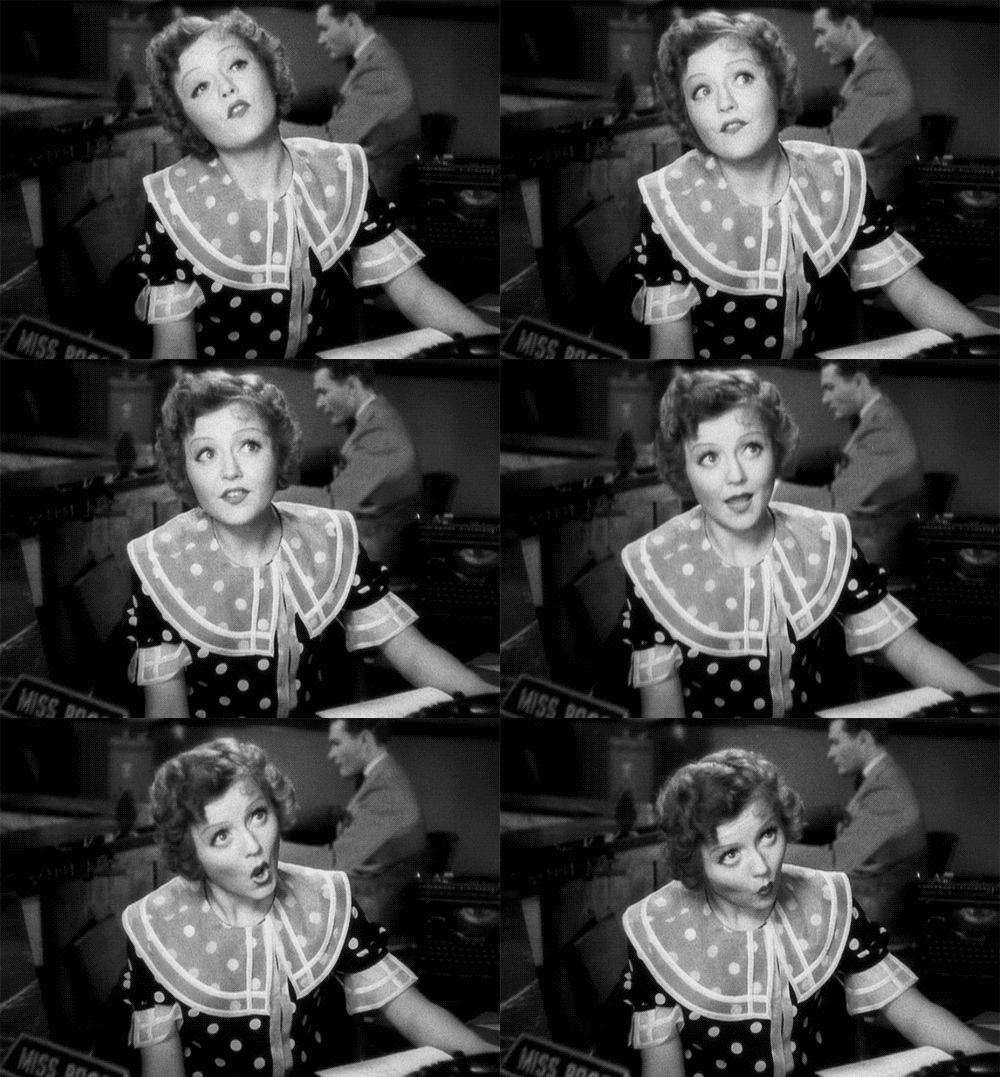
Nancy Carroll está perfeita no clímax. No filme também temos ZaSu Pitts como
Fraulein Anna, a empregada da família Holderlin. O rosto de ZaSu está incrivelmente
belo neste filme, mas ela tem pouco a fazer além de fofocar.
Phillips
Holmes is nearly forgotten today, but by “The Broken Lullaby” we can see that
he had eyes as luminous and William Powell's. Holmes died in 1940, in a plane
crash, right after he had joined the Canadian Air Force. Nancy Carroll is
perfect in the climax. Also in the film we have ZaSu Pitts as Fraulein Anna,
the Holderlin's maid. ZaSu's face is incredibly beautiful in this film, but she
has nothing much to do besides gossiping.

“Não
Matarás” é mais um filme sobre o mundo pós-guerra que mostra que não houve
heróis e vilões na Primeira Guerra Mundial: de alguma maneira, todos perderam.
A guerra muda vidas dos modos mais íntimos e inimagináveis, e “Não Matarás” é
uma obra-prima que lida com amor, morte e luto.
“The Broken
Lullaby” is another film about the post-war world that shows how there weren’t
heroes and villains in the First World War: in some sense, everybody lost. War
changes lives in the most intimate and unimaginable ways, and “The Broken
Lullaby” is a masterpiece that deals with love, death and grieving.
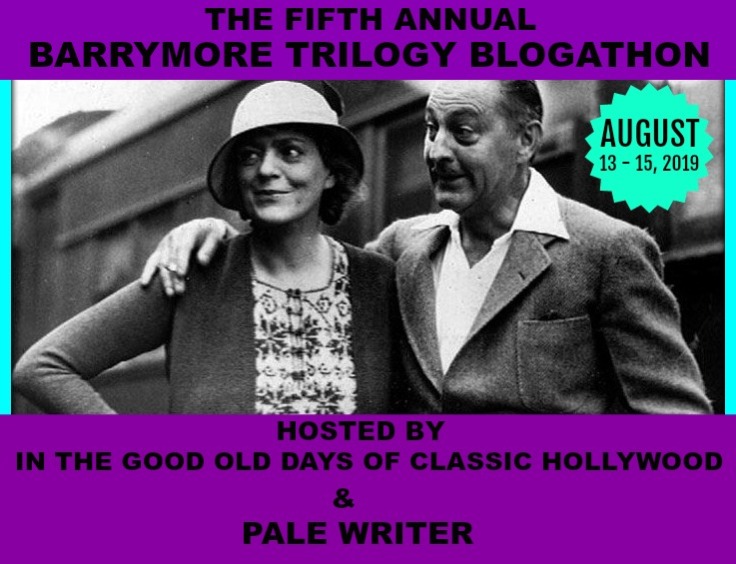
This is my
contribution to the Fifth Annual Barrymore Trilogy blogathon, hosted by Crystal and Gabriela at In the Good Old Days of Classic Hollywood and Pale Writer.