Às vezes precisamos de um soco no estômago. Um
soco metafórico, obviamente: algo que nos tire da zona de conforto, que nos
incomode, que nos deixe insatisfeitos com nós mesmos. Isso é possível com
muitos filmes. Isso aconteceu comigo vendo o primeiro filme feito por Fritz
Lang em Hollywoo, “Fúria” (1936), que tenta responder duas perguntas
principais: Por que coisas ruins acontecem com pessoas boas? E como isso pode
destruir a bondade que existe nelas?
Sometimes we need a punch
in the stomach. A metaphoric punch, obviously: something to take us out of our
comfort zone, to bother us, to leave us dissatisfied with ourselves. This is
possible with many films. This happened to me while I was watching Fritz Lang's
first Hollywood film, “Fury” (1936), that tries to answer two main questions:
Why bad things happen to good people? And how can these things destroy the
goodness in those people?

Joe Wilson (Spencer Tracy) era um cara legal. Ele
queria se casar com seu grande amor, Katherine Grant (Sylvia Sidney), mas para
isso precisava juntar dinheiro. Ele prospera junto dos irmãos com um posto de
gasolina em Chicago, enquanto Katherine vai trabalhar em outra cidade. Quando
Joe finalmente consegue o dinheiro, decide ir até sua amada, acompanhado de seu
fiel cachorro Rainbow (Terry, mais conhecido por interpretar Toto em “O Mágico de
Oz” em 1939). E no caminho começam os problemas.
Joe Wilson (Spencer Tracy) was a nice guy. He wanted to marry his
sweetheart, Katherine Grant (Sylvia Sidney), but to do it he needed to save
money. He does well with his brothers in a gas station in Chicago, while
Katharine goes to work in another town. When Joe finally gets enough money, he
decides to go meet his sweetheart, carrying along his loyal dog Rainbow (Terry,
best known for playing Toto in “The Wizard of Oz” in 1939). And then troubles
start.

Joe é detido na estrada e levado para ser
interrogado sobre o sequestro de uma moça. Infelizes coincidências levam o
delegado a acreditar que Joe sabe algo sobre o crime, e ele é preso até que os
fatos sejam apurados. Mas não dá tempo de descobrir a verdade: em pouco tempo
se espalha a notícia de que um envolvido no sequestro foi preso, e ninguém quer
saber a versão de Joe antes de formarem uma opinião sobre ele. Em uma poderosa
e sábia metáfora envolvendo pessoas fofoqueiras e galinhas cacarejantes, fica claro
que a verdade é o que menos importa quando os ânimos estão em ebulição.
Joe is stopped on the way
and taken to be asked about the kidnapping of a girl. Unfortunate coincidences
make the sheriff believe that Joe knows something about the crime, and he is
arrested until the facts are checked. But there is no time to find out the
truth: quickly the news about a man involved in the kidnapping being arrested
spread through town, and nobody wants to know Joe's version before making a
judgement about him. In a powerful and wise metaphor involving people who
spread gossips and sassy chickens, it becomes clear that the truth is the less
important thing when there is too much animosity.

E é por isso que eles colocam fogo na delegacia –
e vibram com a ideia de Joe sendo queimado vivo. Quando os verdadeiros sequestradores
são presos e confessam o crime, todos os moradores que apoiaram o linchamento
preferem esquecer o infortúnio. Mas Joe, que sobreviveu, não esquecerá: ele
quer vingança, e mais nada. E há um povoado inteiro a ser julgado e condenado –
não apenas os 22 homens acusados de homicídio, mas suas famílias, as pessoas
que passaram adiante o boato, e as que se deliciaram com a morte de um
inocente.
And that's why they burn
down the jail – and rejoice with the idea of Joe being burned alive. When the
real kidnappers are arrested and confess the crime, all the people who
supported the lynching prefer to forget the misfortune. But Joe, who survived,
won't forget: he wants revenge, and nothing else. And there is a whole town to
be condemned – not only the 22 people indicted for murder, but their families,
the people who spread the rumors and the ones who became happy with the death
of an innocent man.

A verdade é que somos julgados diariamente – e em
geral por pessoas que têm pouca ou nenhuma moral para nos julgar. E é quando
isso acontece que ficamos menos esperançosos com relação à humanidade, perdemos
a confiança em outras pessoas e até mesmo pensamos em vingança. Isso já aconteceu comigo.
The truth is that we are
all judged every day – and in general by people who have no moral to judge us.
And it is when this happens that we lose hope for mankind, can't trust people
and even think about revenge. This
already happened to me.
Este é um dentre muitos filmes sobre o perigo das
massas sedentas por justiça, nem um pouco abertas ao diálogo. Outros filmes com
o tema são “Consciências Mortas” (1943) e “”O Sol é para Todos” (1962). Há
também um tema menos abordado, que é a corrupção por amizade. Todos na cidade
querem defender os culpados – porque, no fundo, todos são também um pouco
culpados, inclusive o delegado.
This is one among many
movies about the dangers of the mobs looking for justice and not interested in
dialog. Other movies about the theme are “The Ox-Bow Incident” (1943) and “To
Kill a Mockingbird” (1962). There is also a less common theme, the 'corruption
by friendship'. Everybody in the city want to stand for the guilty ones –
because, deep down inside, they are all guilty, including the sheriff.

Spencer Tracy está ótimo em momentos tão
contrastantes: do moço apaixonado ao sobrevivente cheio de ódio, ele brilha e
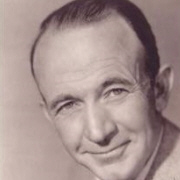
convence, embora o destaque seja para sua versão mais sombria. Walter Abel
também está espetacular como o advogado de acusação, que usa muito a técnica de
“você pode apagar uma pergunta da ata, mas não da mente dos jurados”.
Spencer Tracy is great in
very distinct moments: from the young man in love to the survivor full of rage,
he shines and is convincing, although he is better as the darkest version.
Walter Abel is also spectacular as the district attorney, who uses the
technique of “you can erase an answer from the report, but not from the jury's
minds”.

Fritz Lang havia acabado de sair da Alemanha
nazista, e podemos ver reflexos de seu último filme alemão, “M” (1931), em “Fúria”.
Entretanto, Lang estava mergulhando em um problema atual de seu novo país, o
linchamento, e conseguiu fazer um filme pertinente não apenas para 1936, mas
também para os dias atuais. Em “Fúria”, aprendemos que às vezes a razão não
consegue vencer a bestialidade. Mas é sempre bom tentar manter a razão –
afinal, é ela que nos torna humanos.
Fritz Lang had just left Nazi Germany and we can see
an influence from his last German film, “M” (1931), in “Fury”. However, Lang
was dealing with a current problem happening in his new country, lynching, and
was able to make a pertinent film not only for 1936, but also nowadays. In “Fury”,
we learn that sometimes reason cannot defeat bestiality. But it is always good
to try to keep reason – after all, it is reason that makes us human.
This is my contribution to the Order in the Court! The
Classic Courtroom Movies blogathon, hosted by Theresa and Lesley at Cinemaven’s Essays from the Couch and Second Sight Cinema.


_03.jpg)