} Crítica Retrô: inacabado

Tradutor / Translator / Traductor / Übersetzer / Traduttore / Traducteur / 翻訳者 / переводчик

Showing posts with label inacabado. Show all posts

Saturday, February 9, 2019

O Hitchcock que você nunca viu: projetos jamais terminados pelo mestre na era muda


The (silent) Hitchcock you have never seen: unfinished projects by a budding master


Uma das experiências mais dolorosas para um cinéfilo é pensar no que poderia ter sido – nas carreiras que poderiam ter sido brilhantes se não tivessem sido interrompidas prematuramente, nas parcerias que agora podem só existir nos nossos sonhos, e nos filmes nunca feitos. Vou falar da última categoria hoje.

One of the most painful experiences of a film lover is thinking about what could have been – careers that could have bloomed if they weren’t cut short, partnerships that can now happen only in our dreams, and films never made. I’m talking about this last category today.
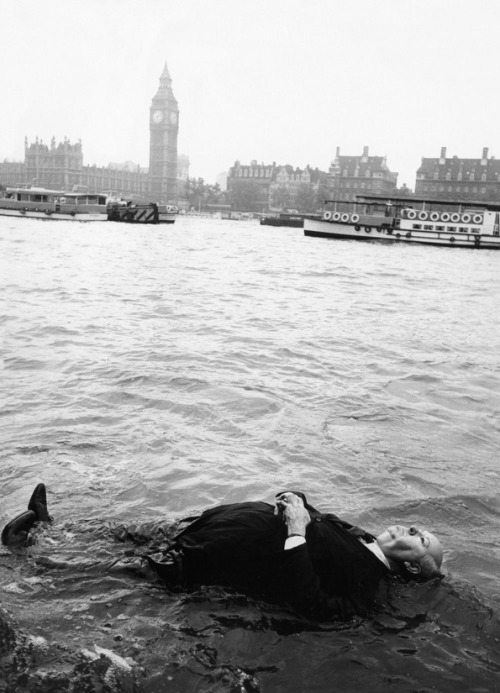

Todos nós sabemos que Alfred Hitchcock deixou alguns projetos inacabados durante a carreira, e os mais conhecidos são o confuso Flamingo Feather e o conto de fadas Mary Rose. Entretanto, ele estava acostumado a ter de desistir de seus planos. Eu escrevi o capítulo de um livro sobre Hitchcock no cinema mudo, ou melhor, os filmes em que Hitchcock trabalhou antes de se tornar diretor, entre 1921 e 1925, e descobri dois projetos inacabados dessa fase inicial:

We all know Alfred Hitchcock left a few unfinished projects in his career, and the two better known are the confusing Flamingo Feather and the fairy tale Mary Rose. However, he was used to have to drop his plans. I wrote a book chapter about silent Hitchcock, or better, the films Hitchcock worked in before he became a director, between 1921 to 1925, and I found out two unmade projects from this earlier phase:
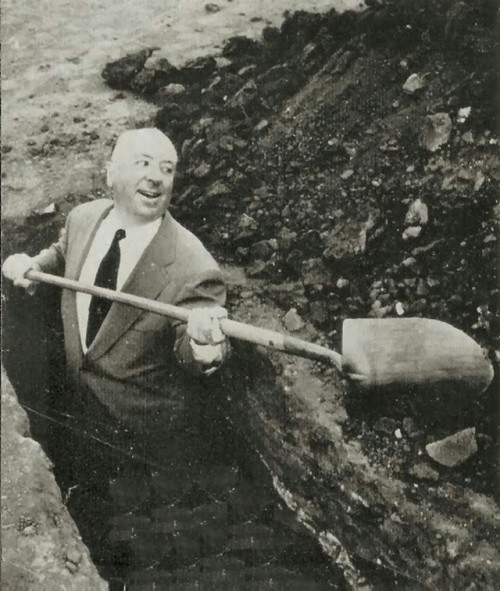

Good Night Nurse! - roteiro inacabado de comédia

Good Night Nurse é um manuscrito de oito páginas escrito por Hitchcock entre 1922 e 1923. Ele está disponível na íntegra no site The Alfred Hitchcock Wiki.

Good Night Nurse! – unfinished comedy screenplay

Good Night Nurse is an eight-page screenplay written by Hitchcock between 1922 and 1923. It can be found in full at the site The Alfred Hitchcock Wiki.

Na véspera do seu casamento com a temperamental Juanita Ruiz, Felix Dayton tenta escapar e acaba em uma confusão, fugindo em um carro com uma mulher que está prestes a se casar. Felix se livra da mulher, mas Juanita cancela o casamento e ameaça processá-lo. Dias depois, Felix descobre que seu tio está doente e vai visitá-lo. Lá ele descobre que a enfermeira que cuida do tio é Mary, a moça com quem ele se envolveu na confusão naquele dia, e ela, tendo desistido também do casamento, agora está noiva do primo de Felix, Egbert. Felix decide desmascarar Egbert e ser o único herdeiro do tio, por isso junta Egbert e Juanita, que se casam. Satisfeito com a união, o tio apadrinha Egbert, torna-o seu único herdeiro e Felix ainda descobre que a enfermeira Mary está para se casar com o tio.

The day before his wedding with the moody Juanita Ruiz, Felix Dayton tries to escape and ends up in a mess, running away in a car with a woman who is also about to get married. Felix gets rid of the woman, but Juanita calls the wedding off and threatens to sue Felix. Some days later, Felix finds out that his uncle is sick and goes visit him. There he meets Mary, his uncle’s nurse AND the girl who was involved in the confusion the other day. She called off her own wedding and now she is engaged to Felix’s cousin, Egbert. Felix decides to reveal Egbert’s intentions of having the uncle’s fortune for himself – in fact, Felix is the one who wants to have the fortune. So, Felix serves as a matchmaker for Egbert and Juanita, who then get married. The uncle gets so happy with the wedding that he makes Egbert his only heir. To complete his misery, Felix finds out that Mary the nurse is about to get married to his uncle.

Vemos que a história de Hitchcock foi influenciada pelos roteiros da Famous Players-Lasky, – estúdio pré-Paramount que foi o primeiro empregador de Hitchcock – que eram bastante complexos e cheios de reviravoltas. A diferença era que a ideia de Hitchcock não era melodramática, mas sim extremamente cômica e com final surpreendente.

We can see that Hitchcock’s screenplay was influenced by the screenplays at Famous Players-Lasky – the pre-Paramount studio that was his first employer – because they all were very complex and full of plot twists. The only difference was that Hitchcock’s idea wasn’t for a melodrama, like the majority of Famous Players-Lasky productions, but for a comedy with a surprising ending.

Number 13, 1922 – Hitchock como produtor e diretor

Também intitulado Mr Peabody, este filme provavelmente começou a ser produzido logo após o fechamento da filial da Famous Players-Lasky na Inglaterra. Do velho estúdio, ficaram ao lado de Hitchcock para o novo projeto: o câmera Joe Rosenthal Jr e a atriz Clare Greet, coadjuvante em “Três Fantasmas Vivos”. Também estava envolvida no projeto como roteirista Elsie Codd, que já havia trabalhado na divulgação de filmes de Charles Chaplin em Hollywood.

Number 13, 1922 – Hitchcock as producer and director

Also referred to by the title Mr Peabody, the production for this film probably started right after Famous Players-Lasky closed its doors in England. Some people from the old studio remained next to Hitchcock in this new project: cameraman Joe Rosenthal Jr and actress Clare Greet, who had a supporting role in the lost “Three Live Ghosts”. Another person involved in the production was screenwriter Elsie Codd, who had already worked in the advertising of Charles Chaplin films in Hollywood.
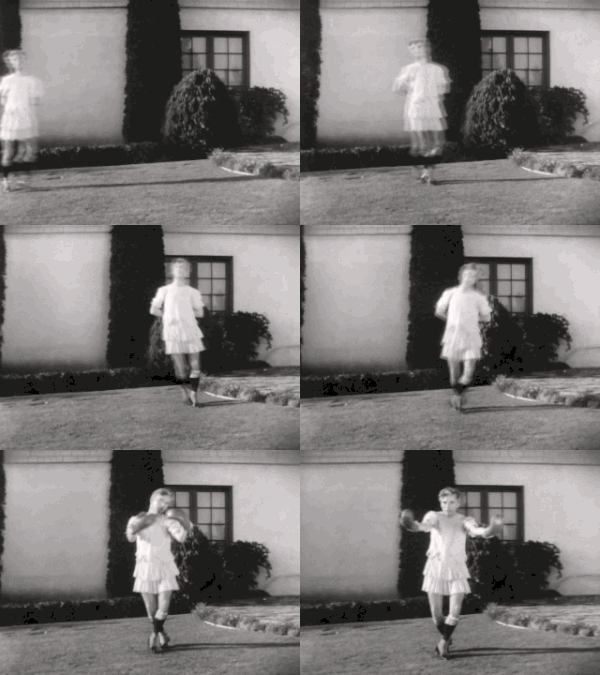
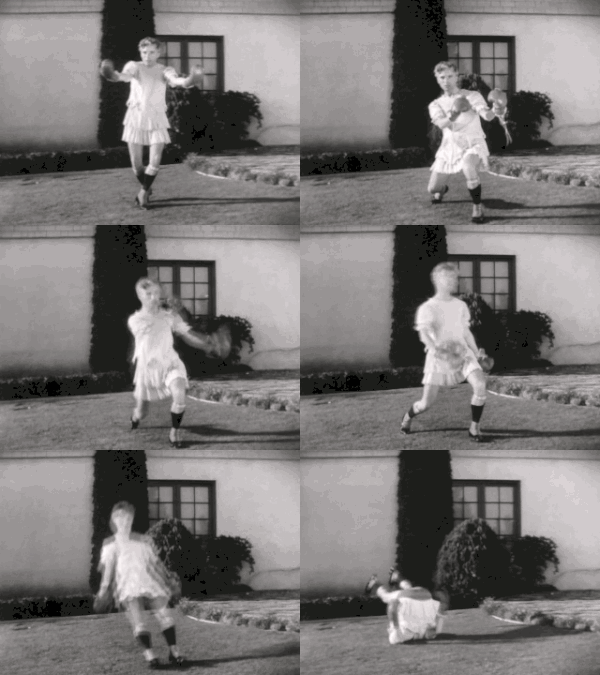
Imagem de "Number 13" / Actual footage from "Number 13"
O projeto, um curta-metragem, teve aporte financeiro de um tio de Hitchcock, chamado John, e também de Clare Greet, que teria um papel de destaque. De fato, em 1930 Hitchcock revelou parte do enredo em uma entrevista:

The project, a short film, was financed by Hitchcock’s uncle John and also by actress Clare Greet, who would have the leading role. Actually, in 1930, Hitchcock revealed part of the plot in an interview:
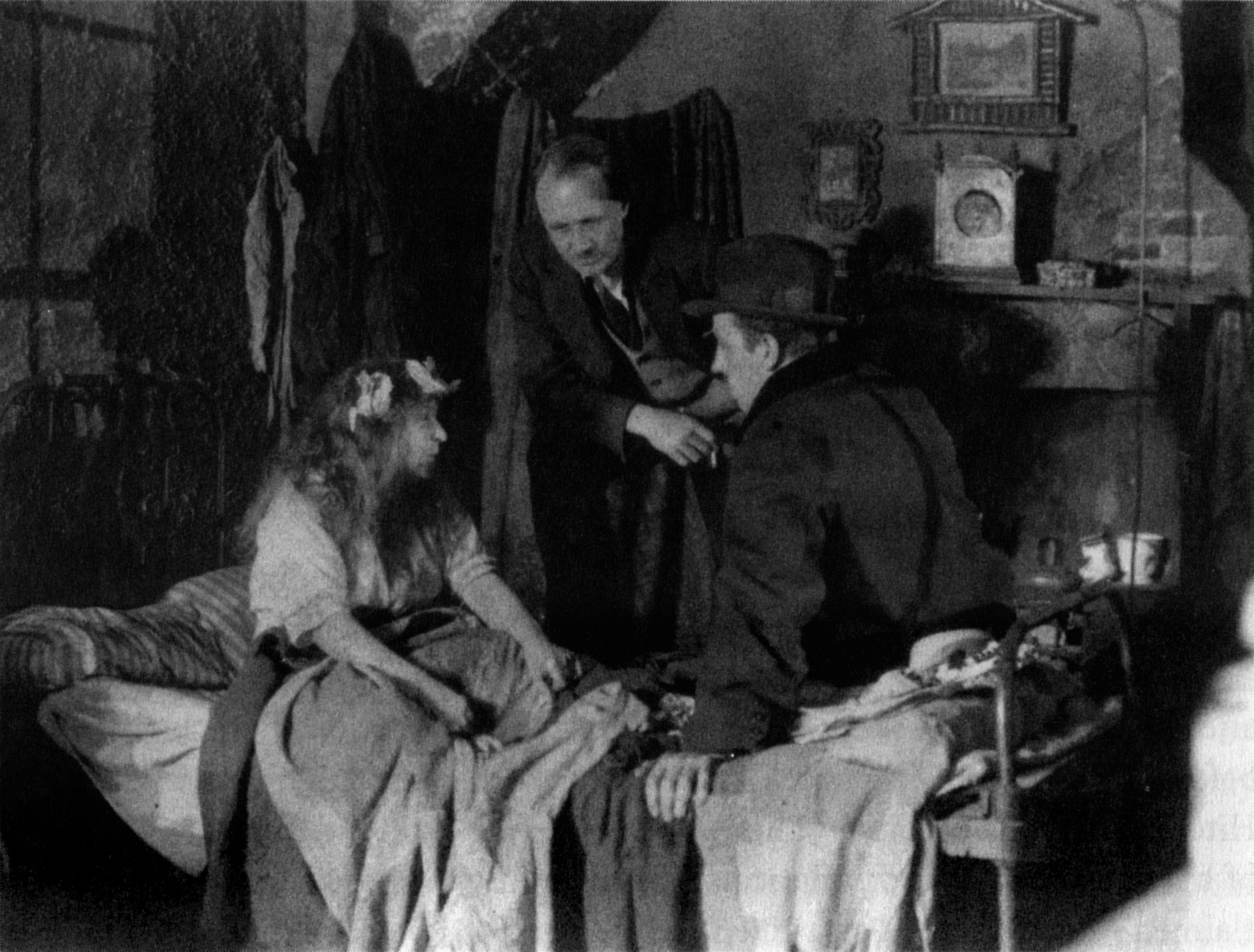
Possible photo of the set of "Number 13"
“Clare Greet e Ernest Thesiger interpretavam os protagonistas. A trama consistia do sonho de uma faxineira que, tendo comprado um bilhete de loteria, começava a sonhar com a riqueza. Todos os seus amigos eram convidados de honra em sua mansão – com um homem que havia sido particularmente bom para ela usando uma coroa o tempo todo – e todos os seus inimigos haviam se tornado seus empregados.”

“Clare Greet and Ernest Thesiger played the leads. The plot was about a maid’s dream – she had bought a lottery ticket and started dreaming with being rich. All her friends were guests of honor in her mansion – a man who was particularly good to her had the honor to use a crown the whole time – and all her enemies had became her employees.” – Note: here I’m paraphrasing Hitchcock’s words.

Possible still from "Number 13"
Mais tarde, Hitchcock diria que o grande defeito de “Number 13” foi “ter sido filmado como uma comédia quando na verdade deveria ter sido uma farsa”. Hitchcock abandonou a produção por motivos financeiros, e a partir de então passou a concentrar grandes esforços na pré-produção de seus filmes, atentando para os gastos que estavam por vir.

Later, Hitchcock would say that the problem with “Number 13” was that it was filmed as a comedy, but it should have been a farce. Hitchcock abandoned the production due to financial reasons, and from then on he put more attention to pre-production in his projects, planning all expenses beforehand.
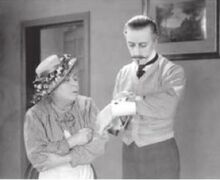
Possible still from "Number 13"
O filme chegou a ser reconsiderado para exibição em 1925, quando Hitchcock já trabalhava no estúdio Gainsborough, mas a necessidade de filmar novo material impossibilitou o projeto. Apesar de “Number 13” não ter sido concluído, Hitchcock continuou a pareceria com Clare Greet, que fez pequenos papéis em seis filmes do diretor até falecer em 1939.

The film was considered to be exhibited in 1925, when Hitchcock was already working for another Studio, Gainsborough, but it was also necessary to shoot new scenes, which made the whole plan impossible. Even though “Number 13” was never finished, Hitchcock continued his partnership with Clare Greet, who appeared in small roles in his films up until her death, in 1939.
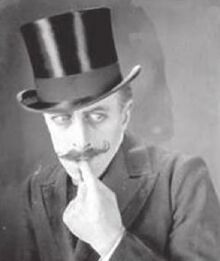
Possible still from "Number 13"
Conhecer estes projetos e o que poderia ter sido se fossem desenvolvidos é algo doloroso para nós, mas o fracasso não incomodou tanto Hitchcock. Em entrevistas anos depois, ele disse que “Number 13” foi “uma experiência bem punitiva – mas purificadora”. Ele certamente aprendeu com este fracasso, e provavelmente não teríamos o Hitchcock que conhecemos e admiramos se estes projetos tivessem sido desenvolvidos.

Knowing about what these projects could have been is painful for us, but the failure in itself wasn’t a hard blow on Hitchcock. In later interviews, he called “Number 13” a “rather chastening experience”. He certainly learned with this failure, and we probably wouldn’t have the Hitchcock we know and admire today without these early unmade projects.

This is my contribution to the Third Annual Alfred Hitchcock blogathon, hosted by Maddy at Maddy Loves Her Classic Movies.


Friday, April 13, 2018

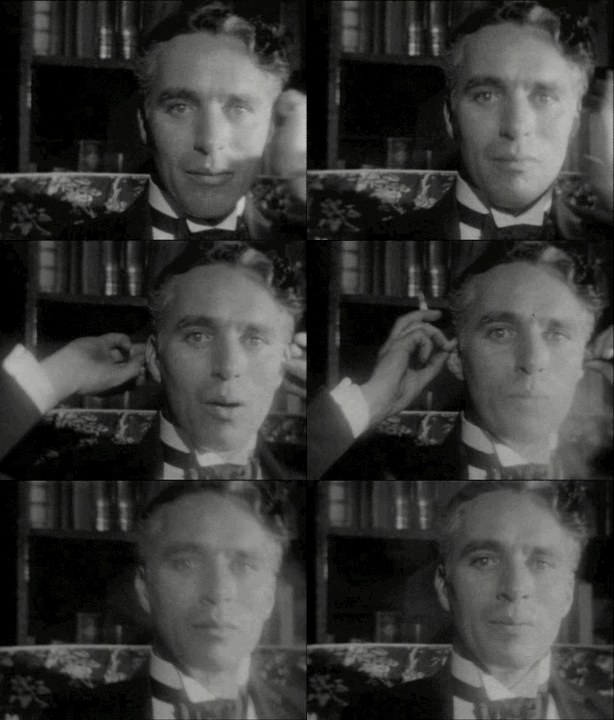
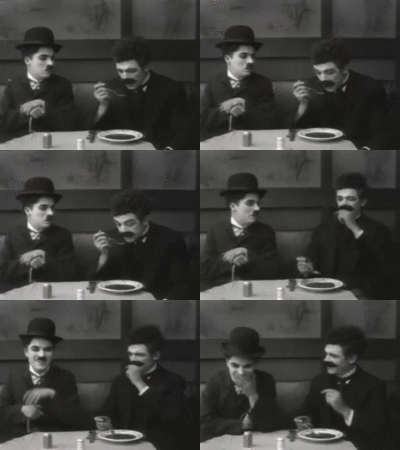
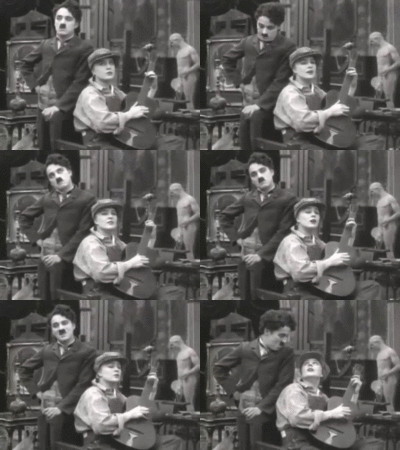
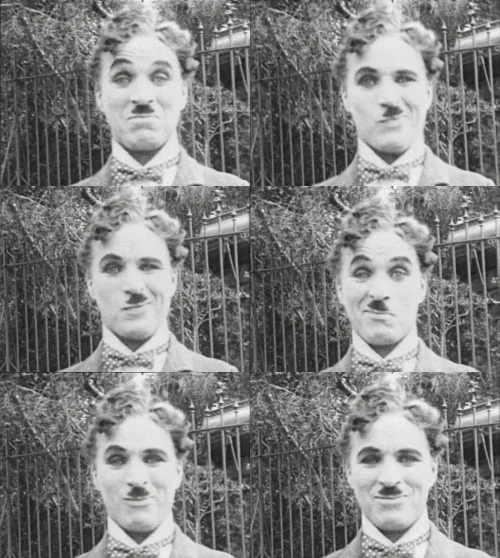
O Chaplin que Ninguém Viu (1983) / Unknown Chaplin (1983)

Às vezes somos enganados por nossas inferências, e quando vemos dados reais, temos uma surpresa. Deixe-me explicar. Vivien Leigh foi uma atriz esplêndida, uma das melhores de todos os tempos, não? Então nós somos levados a pensar que seu conjunto da obra foi grande e memorável, mas na realidade ela fez apenas 18 filmes. Obviamente, foram quase todos filmes de alta qualidade, mas 18 é um número muito pequeno. Nós poderíamos fazer um festival, durando uma semana, com todos os filmes dela! 

Sometimes we are misguided by our inferences, and when we see real data, we get surprised. Let me explain. Vivien Leigh was a wonderful actress, one of the best ever, right? So we think her body of work was extensive and remarkable, but in reality she only made 18 films. Of course, these are films from the highest quality, but 18 is a surprisingly short number anyway. We could fit her whole filmography into an one-week film festival!
O mesmo não pode ser feito com outras estrelas de cinema. Falemos de Charles Chaplin agora. De acordo com o IMDb, ele fez 87 filmes – sendo ‘ele mesmo’ em apenas um deles – e dirigiu 71 destes filmes. Bastante, não? Mas você acreditaria se eu dissesse que ainda há filmes de Chaplin esperando para serem redescobertos? Ou, pelo menos, havia filmes esperando para serem redescobertos quando Chaplin faleceu, no dia de Natal de 1977. E o documentário “O Chaplin que Ninguém Viu” foi o responsável por finalmente levar estes filmes à luz em 1983.

The same can’t be done with other film stars. Take Charles Chaplin now. According to IMDb, he appeared in 87 films - only one being a cameo - and directed 71 of these films. Quite a lot, right? But would you believe if I told you that there are still Chaplin movies waiting to be discovered? Or at least, there were films waiting to be discovered when he died, on Christmas Day, 1977. And the documentary “Unknown Chaplin” was responsible for finally shining a light on these works in 1983.
Narrado pelo inconfundível James Mason, o documentário é dividido em três episódios, e eles foram originalmente exibidos na Inglaterra em janeiro de 1983. Somados, os episódios perfazem 153 minutos, mais de duas horas e meia, de material quase 100% inédito. Estes fragmentos seriam como “cadernos de esboços de um grande artista”, como define Mason. Então, vamos ver que tesouros o documentário nos traz.

Narrated by the unmistakable James Mason, the documentary has three episodes, and they were originally broadcast in England in January 1983. They make up 153 minutes, more than two and a half hours, of almost 100% unseen Chaplin material. These little bits of film would be like “sketchbooks from a great artist”, as Mason says. So, let’s see the treasures this documentary had for us.

Part 1 - My Happiest Years


Nesta primeira parte, vemos filmagens de teste dos filmes de Chaplin na Mutual Company, feitos entre 1916 e 1917. Chaplin fez 12 curtas-metragens em 16 meses e mais tarde chamou este período na Mutual de “seus anos mais felizes”.

In this first part, we see rushes of Chaplin’s films by Mutual Company, made between 1916 and 1917. Chaplin did 12 two-reelers in 16 months, and later recalled his time at Mutual as “his happiest years”.
Aos ver estes testes descobrimos que Chaplin improvisava com frequência, ensaiava com as câmeras rodando e ajustava o ritmo com cada tomada – e às vezes ele demorava centenas de tomadas para conseguir a velocidade e o ritmo perfeitos. E, ao contrário de Mack Sennett, ele sempre queria ter uma explicação lógica para o pandemônio na tela.

By watching the rushes we find out that Chaplin improvised a lot, rehearsed while the cameras were rolling and adjusted the pace with each take – and sometimes he took hundreds of takes to find out just the perfect timing. In this phase Chaplin relies a lot on props to make the public laugh. And, unlike Mack Sennett, he always wanted to have a logical explanation for his pandemonium.
Algumas cenas foram descartadas, a exemplo de uma muito perigosa, envolvendo um machado e uma tomada reversa em “Carlitos no Estúdio” (1916), e também a primeira e última cena em que o personagem Carlitos usa óculos.

Some scenes were discarded, like a very dangerous one involving an axe and a reverse shot in “Behind the Screen” (1916), and also the first and only time the Tramp character wore glasses.
Nós também ficamos por dentro do incrível processo criativo por trás de “O Imigrante” (1917), provavelmente o melhor curta-metragem de Chaplin. Foi um filme criado conforme era filmado, com mudanças constantes na história e truques de câmera sagazes.

We also get to know the amazing creative process behind “The Immigrant” (1917), probably Chaplin’s best short film. It was a movie created in the moment, with constant changes in the plot and wise camera tricks.
Desde esta primeira fase, vemos que Chaplin preferia trabalhar com pessoas que não tinham experiência com atuação, o que tornava suas performances mais espontâneas e verdadeiras.

Since this first phase, we can see Chaplin’s preference to work with people who didn’t have an acting background, something that made their performances seem more spontaneous and natural.

Part 2 - The Great Director


Como o narrador menciona, seus filmes da Mutual tinham de contar suas próprias histórias, pois não havia colaboradores sobreviventes do período para contá-las. Da fase seguinte, que começa com um contrato de distribuição assinado com a First National em 1918, entretanto, ainda havia testemunhas oculares vivas em 1983. Nós vemos entrevistas com amigos, assistentes e, claro, com as estrelas Jackie Coogan, Lita Grey e Georgia Hale.

As the narrator mentions, his Mutual films and rushes had to tell their own backstage stories, since there were no surviving collaborators from this phase. From the following phase, starting with a First National distribution contract signed in 1918, however, there were living eyewitnesses in 1983. We see interviews with friends, assistants and, of course, with the stars Jackie Coogan, Lita Grey and Georgia Hale.
Jackie Coogan
E tem mais: um registro fascinante de um cinegrafista amador no set de “Luzes da Cidade” (1931) mostra Chaplin tentando descobrir como a vendedora de flores cega, interpretada por Virginia Cherrill, poderia confundir seu personagem Carlitos com um milionário.

And there is more: a fascinating amateur movie from the set of “City Lights” (1931) shows Chaplin trying to figure out how the blind flower girl played by Virginia Cherrill would mistake his Tramp character for a millionaire.
Esta segunda parte foca nos maiores sucessos de Chaplin: “O Garoto” (1921), “Em Busca do Ouro” (1925) e “Luzes da Cidade”. Nós também temos a oportunidade única de ver o final de “Luzes da Cidade” gravado com Georgia Hale no papel principal, e a sensação é de que estamos verdadeiramente vendo um tesouro da história sétima arte. Eu considero a performance de Virginia superior, mas ver o que poderia ter sido não tem preço.

This second part focuses on Chaplin’s biggest successes: “The Kid” (1921), “The Gold Rush” (1925) and “City Lights”. We also have the unique chance to see the ending of “City Lights” shot with Georgia Hale in the girl’s role, and we feel like we truly are in front of a treasure from film history. I think Virginia’s performance is the best, but seeing what could have been is priceless.

Part 3 - Hidden Treasures 


Tudo vai bem por enquanto, mas chegou a hora do verdadeiro espetáculo. O que mais se pode esperar de um episódio que começa com um filme caseiro de Douglas Fairbanks de 1929 no qual Chaplin originou a ideia para o balé com o globo terrestre que ele faria 11 anos depois em “O Grande Ditador”?

Things were nice so far, but they were about to become amazing. What else can we expect from an episode that starts with a 1929 Douglas Fairbanks home movie in which Chaplin originated the idea for the globe ballet he would do 11 years later in “The Great Dictator”?
Em meio aos filmes caseiros feitos por diversão sempre que um visitante ilustre ia até o set, encontramos um chamado “How to Make Movies”, feito em 1918, quando Chaplin se mudou para Hollywood, construiu seu próprio estúdio e se tornou um diretor independente. As cenas deliciosas e muito elaboradas mostram Chaplin ganhando seu estúdio de um gênio da lâmpada, e os verdadeiros funcionários do estúdio interpretam suas funções para a câmera – com um toque de humor.

Among home movies, little films made for fun whenever illustrious visitors came to the set and other rarities, we find a film called “How to Make Movies”, made for fun in 1918, when Chaplin moved to Hollywood, built his own studio and became an independent director. The delightful and elaborate scenes we see show Chaplin earning his studio from a Genie in the Lamp, and the real studio employees are playing their functions to the camera – with a humorous twist.
Com Chaplin, as gags poderiam ser descartadas, mas nunca abandonadas. Elas seriam usadas novamente anos depois, modificadas e melhoras. Você se lembra da sequência das pulgas circenses em “Luzes da Ribalta” (1952)? Bem, isso já havia sido tentado antes, em uma sequência mostrada pela primeira vez no documentário, mais de 60 anos depois de ter sido filmada. A pequena sequência de “The Professor”, que nunca foi finalizado, pode ser agora algo que os maiores fãs de Chaplin já conhecem, mas em “O Chaplin Que Ninguém Viu” as cenas eram inéditas – uma descoberta.

With Chaplin, the gags could be discarded, but never abandoned. They would be used again years later, modified and improved. Do you remember the flea circus sequence from “Limelight” (1952)? Well, it had been tried before, in a segment that was shown for the first time in the documentary, more than 60 years after it was shot. The little sequence from the unreleased “The Professor” may now be a familiar one for die-hard Chaplin fans, but in “Unknown Chaplin” it was something brand new – a discovery.

“O Chaplin que Ninguém Viu” é uma delícia para qualquer fã de Chaplin – que, aliás, tinha a claquete marcada com “Chas Chaplin” na época da Mutual. Aqueles que já viram mais filmes de sua obra serão os que tirarão mais proveito do documentário e, como eu, podem inclusive mudar de opinião sobre uma ou outra coisa ao desligar a TV.

“Unknown Chaplin” is a delight for any Chaplin fan – who, by the way, had his clapperboards marked with “Chas Chaplin” in his Mutual years. The ones who have already watched many Chaplin films will be the ones who will enjoy the documentary the most, and, like me, they may even have some opinions changed when they turn off the TV.

This is my contribution to the Charlie Chaplin blogathon, hosted by Little Bits of Classics and Christina Wehner.


 “All images from Chaplin films made from 1918 onwards, Copyright © Roy Export S.A.S. Charles Chaplin and the Little Tramp are trademarks and/or service marks of Bubbles Inc. S.A. and/or Roy Export”

Related Posts Plugin for WordPress, Blogger...