} Crítica Retrô: O Menino e o Mundo

Tradutor / Translator / Traductor / Übersetzer / Traduttore / Traducteur / 翻訳者 / переводчик

Showing posts with label O Menino e o Mundo. Show all posts

Sunday, February 24, 2019

Silêncio de ouro: filmes mudos no Oscar / Golden silence: silent films at the Oscars


O primeiro prêmio da Academia para Melhor Produção foi dado para o maravilhoso sucesso de público “Asas” (1927). No ano seguinte, com o som invadindo Hollywood, o vencedor do prêmio foi um musical, “Melodia da Broadway” (1929). Seriam necessários 83 anos para que outro filme mudo levasse para casa o Oscar de Melhor Filme: “O Artista”, de 2011. Mas isso é uma curiosidade simples do Oscar.

The first Academy Award for Production was given to the wonderful crowd pleaser “Wings” (1927). Next year, with sound taking Hollywood by storm, the winner of the award was a musical, “The Broadway Melody” (1929). It would take 83 years until another silent film took home the Academy Award for Best Picture: 2011’s “The Artist”. But this is basic Oscar trivia.
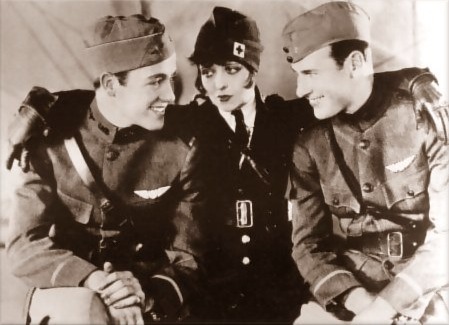

“Asas” conta a história de dois amigos que vão para a Europa lutar na Primeira Guerra Mundial. Jack Powell (Charles ‘Buddy’ Rogers) e David Armstrong (Richard Arlen) estão apaixonados pela mesma garota. Entretanto, a rivalidade no amor não acaba com a amizade, que na verdade fica mais forte quando eles vão servir a aeronáutica do outro lado do Atlântico. Mary Preston (Clara Bow), uma moça apaixonada por Jack, também vai para o front como enfermeira. “Asas” também ganhou o Oscar de Melhores Efeitos de Engenharia - prêmio dado apenas na primeira cerimônia.

“Wings” is the story of two friends who go to Europe fight in World War I. Jack Powell (Charles ‘Buddy’ Rogers) and David Armstrong (Richard Arlen) are in love for the same girl. However, the romantic rivalry doesn’t end the friendship, and it actually becomes stronger because of their serving together overseas as airplane pilots. Mary Preston (Clara Bow), a girl in love with Jack, also goes to the front as a nurse. “Wings” also won the Oscar for Best Engineering Effects - an award given only in the first ceremony.


“O Artista” conta a história de como a chegada do som afetou a carreira do astro de cinema Georges Valentin (Jean Dujardin). Concomitantemente, uma novata cheia de esperanças e sonhos, Peppy Miller (Bérenice Bejo), chega em Hollywood com o objetivo de se tornar estrela de cinema. Como uma carta de amor ao cinema mudo e aos bravos astros que enfrentaram a transição para o cinema falado, “O Artista” ganhou, merecidamente, cinco Oscars.

“The Artist” is the story of how the arrival of sound shook the career of screen idol Georges Valentin (Jean Dujardin). At the same time, a newcomer full of hopes and dreams, Peppy Miller (Bérenice Bejo), arrives in Hollywood with the goal to become a movie star. As a love letter to silent cinema and those brave stars that faced the transition to sound, “The Artist” won, deservedly, five Oscars.
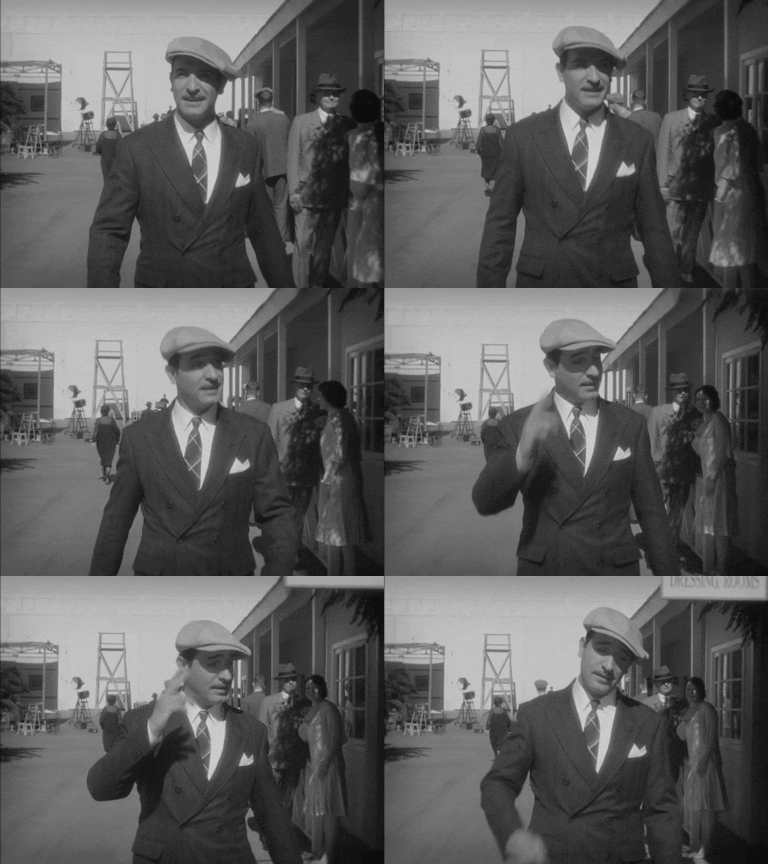

Antes de “O Artista”, o último filme mudo indicado ao Oscar de Melhor Filme havia sido “O Patriota” de 1928, hoje parcialmente perdido. Em outras categorias, os cineastas podem experimentar com mais liberdade, e acabam criando pequenas obras-primas silenciosas. Na categoria de Melhor Curta-metragem de Animação, por exemplo, tivemos vários vencedores quase mudos nos últimos anos. A lista de charmosas pequenas animações que não precisaram de palavras para contar uma história inclui The Fantastic Flying Books of Mr Morris Lessmore (2011, com um protagonista igual ao Buster Keaton), Paperman (2012, quase completamente em preto e branco), O Banquete (2014) e Piper (2017).

Before “The Artist”, the latest silent Best Picture nominee had been 1928’s “The Patriot”, a film now partially lost. In other categories, filmmakers can experiment more freely and end up making little silent masterpieces. In the Best Animated Short Film category, for instance, there had been several near-silent winners in the past few years. The list of charming short animations that needed no words to tell a story include The Fantastic Flying Books of Mr Morris Lessmore (2011, with a Buster Keaton lookalike lead), Paperman (2012, also almost completely in black and white), Feast (2014) and Piper (2017).

 
The Fantastic Flying Books of Mr Morris Lessmore
Paperman
Nenhum filme mudo ganhou na categoria Melhor Filme em Língua Estrangeira, embora a Espanha tenha submetido o maravilhoso “Blancanieves” para o Oscar de 2015 - ele sequer foi indicado. Curtas-metragens live action foram por mais de 20 anos divididos em duas categorias: um rolo e dois rolos, até que a categoria foi unificada em 1958. Recentemente, a categoria se expandiu, indicando e premiando produções mais experimentais de vários países. Um dos indicados de 2019 é o francês “Fera”, que quase não tem diálogo em seu clímax.

No silent film has won in the category Best Foreign Language Film, although Spain submitted the breathtaking “Blancanieves” for the 2015 Oscars - it wasn’t even nominated. Short live action films were for more than 20 years divided in two categories: one-reel and two-reel, until the category was unified in 1958. Recently, the category has expanded, nominating and awarding more experimental films from all over the world. A short live action film nominated in 2019 is the French “Fauve”, with almost no dialogue in its climax.
 
Fauve
A Academia em geral fica com a escolha mais óbvia na categoria de Melhor Filme de Animação, premiando ou sucessos de público ou, com mais frequência, filmes da Disney. No entanto, ela ainda indica animações com escolhas mais ousadas para contar uma história. Dois exemplos foram o inovador “O Menino e o Mundo” (2015) e o adorável “A Tartaruga Vermelha” (2016), um filme completamente silencioso sobre um náufrago e a tartaruga que ele encontra na ilha que é agora seu lar.

The Academy usually plays safe in the Best Animated Feature category, choosing either crowd pleasers or, more frequently, Disney movies. However, it still nominates animated films with more daring approaches to storytelling. Two examples are the innovative “Boy and the World” (2015) and the lovely “The Red Turtle” (2016), a completely silent film about a man adrift and the turtle he meets in the island that is now his home.
 
Boy and the world
The Red Turtle
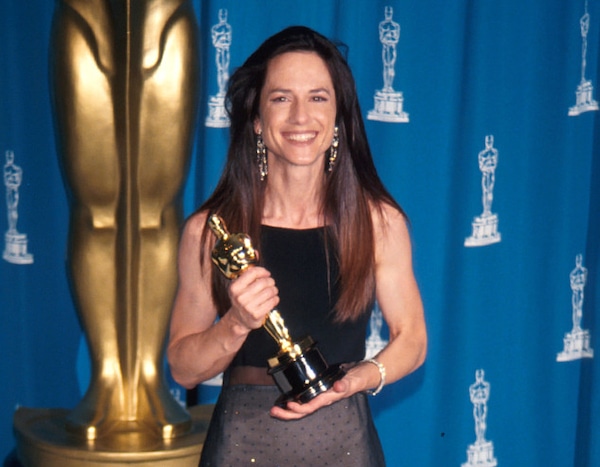
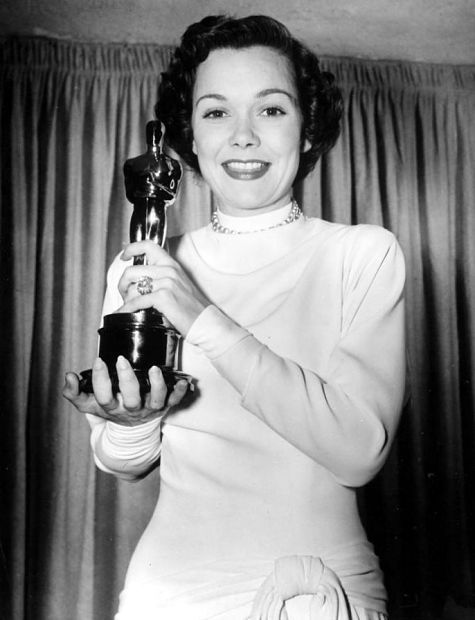
Às vezes não é um filme silencioso que é reconhecido pela Academia, mas uma performance silenciosa. Papéis sem falas indicados ao Oscar ao longo dos anos incluem personagens mudos como Belinda McDonald (Jane Wyman em “Belinda”, 1948), Hellen Keller (Patty Duke em “O Milagre de Anne Sullivan”, 1962), John Singer (Alan Atkin em “Por que tem de ser assim?”, 1968), Michael (John Mills em “A Filha de Ryan”, 1970), Sarah Norman (Marlee Matlin em “Filhos do Silêncio”, 1986), Ada McGrath (Holly Hunter em “O Piano”, 1993), Hattie (Samantha Morton em “Poucas e Boas”, 1999), o Renter (Max Von Sydow em “Tão forte e tão perto”, 2011) e Elisa Esposito (Sally Hawkins em “A Forma da Água”, 2017). Matlin, uma atriz surda, ganhou o prêmio e até hoje mantém o recorde de mais jovem ganhadora do Oscar de Melhor Atriz. Outros astros que ganharam o Oscar por suas atuações silenciosas foram Jane Wyman, Patty Duke, John Mills e Holly Hunter.

Sometimes it’s not a silent film that is recognized by the Academy, but a silent performance. Non-speaking roles that were nominated over the years include mute characters like Belinda McDonald (Jane Wyman in “Johnny Belinda”, 1948), Hellen Keller (Patty Duke in “The Miracle Worker”, 1962), John Singer (Alan Arkin in “The Heart is a Lonely Hunter”, 1968), Michael (John Mills in “Ryan’s Daughter”, 1970), Sarah Norman (Marlee Matlin in “Children of a Lesser God”, 1986), Ada McGrath (Holly Hunter in “The Piano”, 1993), Hattie (Samantha Morton in “Sweet and Lowdown”, 1999), the Renter (Max Von Sydow in “Extremely Loud and Incredibly Close”, 2011) and Elisa Esposito (Sally Hawkins in “The Shape of Water”, 2017). Matlin, a hearing impaired actress, actually won the award and until today she holds the record as the youngest Best Actress winner. Other performers that won the Oscars for their silent performances were Jane Wyman, Patty Duke, John Mills and Holly Hunter.
 
Jane Wyman
Patty Duke
John Mills
Marlee Matlin
Holly Hunter


A Academia não é perfeita, e está evoluindo lentamente. A arte de se fazer filmes evoluiu, e hoje fazer um filme mudo é tanto uma escolha quanto um manifesto. Pelo menos, a Academia está, pouco a pouco, reconhecendo os melhores esforços levados a cabo com pouco ou nenhum diálogo. Afinal, se temos rostos, do que mais precisamos?

The Academy is not perfect, and it’s slowly evolving. Filmmaking has evolved, and now making a silent film is both a choice and a statement. At least, the Academy is, little by little, recognizing the best efforts made with little or no dialogue. After all, if we have faces, what else do we need?

This is my contribution to the 31 Days of Oscars blogathon, hosted by Aurora at Once upon a Screen, Kellee at Outspoken & Freckled and Paula at Paula’s Cinema Club.


Friday, February 12, 2016

O Brasil e o Oscar – ou a traumática falta dele

Brazil and the Oscars – or the traumatic lack of one

O Brasil pode ter muitas coisas de que se orgulhar: linda natureza, animado carnaval, povo simpático, biodiversidade incrível, cinco títulos de Copas do Mundo. Mesmo assim, o povo ainda amarga uma questão: não temos nenhum Oscar.

Brazil might have many things to be proud of: beautiful nature, exciting Carnaval, nice people, incredible fauna, five World Cups. But the people still mourns one thing: we don’t have any Oscars.

Há todo um clima de união quando um filme brasileiro é indicado à estatueta. De repente, toda a nação se junta em torno desse filme, que passa a ser “o Brasil no Oscar”: nossa grande esperança de mostrar que também temos cultura. Em nenhum outro país uma indicação ao Oscar é capaz de unir um povo, ou os americanos seriam o povo mais unido e contente do mundo.

There is a whole union feeling when a Brazilian film is nominated for the award. Suddenly, the whole nation unites over this film, then considered “Brazil at the Oscars”: out huge hope about showing that we also have a worthwhile culture. In no other country in the world na Oscar nomination is able to unite the people, or else the Americans would be the most united and happiest people in the world.

Em 1960, logo após surgir o prêmio de Melhor Filme em Língua Estrangeira (que até então era uma categoria honorária, sem concorrentes anunciados com antecedência), o Brasil chegou a ganhar o Oscar, mas não levou. Vamos explicar: o roteiro, o elenco, a música, quase tudo era brasileiro em “Orfeu Negro”, que adapta a lenda de Orfeu para a época do Carnaval. Mas o produtor e o diretor do longa-metragem eram franceses, e assim uma produção 100% tropical rendeu mais um Oscar... à França.

In 1960, right after the award for Best Film in a Supporting Language was created (it was until then an honorary category, without nominees announced), Brazil won an Oscar, but didn’t take it home. Let’s explain: the script, cast, songs, almost everything was Brazilian in “Black Orpheus”, an adptation of the Orpheus legend to the Brazilian Carnaval. But the producer and the director were French, and because of this na otherwise 100% tropical production won another Oscar... for France.


Quatro filmes brasileiros foram indicados ao Oscar de Melhor Filme em Língua Estrangeira: “O Pagador de Promessas” (1962), “O Quatrilho” (1994), “O que é isso, companheiro?” (1997) e “Central do Brasil” (1998). Tínhamos a esperança de sermos indicados novamente com o tocante “Que Horas ela Volta?” (2015), mas o filme ficou de fora até mesmo da lista de pré-finalistas e, convenhamos, não tinha chance contra “O Filho de Saul”, produção húngara sobre o Holocausto.

Four Brazilian movies were nominated for the Best Foreign Language Film at the Oscars: “The Given Word” (1962), “O Quatrilho” (1994), “Four Days in September” (1997) and “Central Station” (1998). We had hopes to be nominated again with the touching “The Second Mother” (2015), but the film was shut out even from the shortlist and, we must see it, had no chance against “Son of Saul”, Hungarian production about the Holocaust.

O que é isso, companheiro? / Four days in September

O Pagador de Promessas”, se feito na Itália, poderia ser considerado uma obra-prima do Neorrealismo. Explorando um tema universal, tem todos os ingredientes de um filme estrangeiro inesquecível, capaz de comover pessoas de qualquer nacionalidade. O vencedor daquele ano foi, entretanto, “Sundays and Cybele / Les dimanches de Ville D’Avray”, um filme pouco conhecido.

“The Given Word”, if made in Italy, would be considered a masterpiece of Neorealism. With an universal theme, it has all the ingredients of an unforgettable foreign film, that can move people from all nationalities. The winner that year was “Sundays and Cybele / Les dimanches de Ville D’Avray”, a lesser-known film.

A criatividade do cinema brasileiro foi cortada brutalmente em 1964, quando ocorreu o golpe militar. Nos 21 anos seguintes, o governo censurou muitos filmes. Os filmes independentes tratavam de temas mais imediatos e políticos de forma sutil, sem grande apelo internacional.

The very creative Brazilian cinema suffered a hard blow in 1964, when a military coup d’etat happened. In the 21 years that followed, the government censored many movies. Independent films were made about more immediate and political issues in a subtle way, without much international appeal.

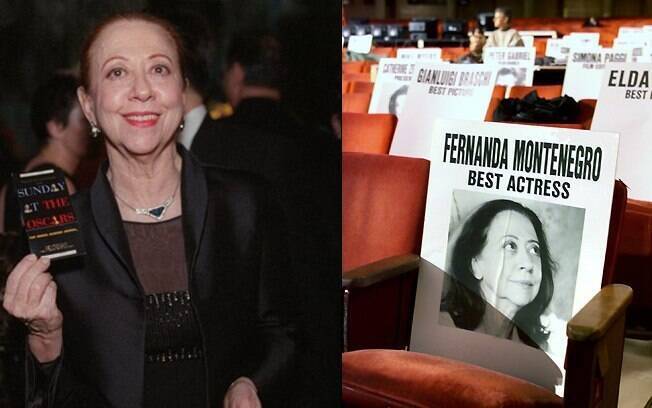
A retomada do cinema brasileiro começa oficialmente em 1995. Em 1999, uma surpresa agradável: além de “Central do Brasil” ter sido indicado como Filme em Língua Estrangeira, a maior atriz do país, Fernanda Montenegro, foi indicada ao prêmio de Melhor Atriz. Cate Blanchett era a favorita, mas em uma noite esquisita, foi Gwyneth Paltrow que ganhou a estatueta, gerando um ódio que muitos cinéfilos brasileiros alimentam contra ela até hoje. Quanto ao Melhor Filme em Língua Estrangeira, o prêmio ficou com “A Vida é Bela”, e arrisco dizer que, se este comovente filme de Roberto Benigni não estivesse na competição naquele ano, teríamos um Oscar para chamar de nosso.

Brazilian cinema is officialy reborn in 1995. In 1999, a pleasant surprise: besides being nominated as Best Foreign Language Film, “Central Station” also led Fernanda Montenegro, considered the finest actress of the country, to be nominated as Best Actress. Cate Blanchett was the favorite, but in a weird night, Gwyneth Paltrow won the award, generating a hatred that many Brazilian cinephiles still have against her. For the Best Foreign Language Film, the award went to “Life in Beautiful”, and I dare to say that, if this moving film by Roberto Benigni wasn’t competing that year, we’d have an Oscar to call ours. 


Em 2002, “Cidade de Deus” não foi indicado na categoria Filme em Língua Estrangeira, mas conseguiu indicações para Edição, Roteiro Adaptado, Fotografia e Diretor, iniciando uma carreira internacional para o diretor Fernando Meirelles. Lembre-se também de que outro brasileiro de sucesso no exterior é Carlos Saldanha, que trabalhou no curta-metragem ganhador do Oscar “Bunny” em 1998, criou o esquilo Scrat da franquia “A Era do Gelo” e dirigiu outro curta-metragem indicado à estatueta, “Gone Nutty” (2002).

In 2002, “City of God” wasn’t nominated among the foreign films, but was in categories such as Editing, Adapted Screenplay, Cinematography and Director, igniting diretor Fernando Meirelles’s international career. Another Brazilian who is successful abroad is Carlos Saldanha, who worked in the Oscar-winning short “Bunny” in 1998, created Scrat the squirrel from the “Ice Age” franchise and directed another short nominated for an Oscar, “Gone Nutty” (2002).

Excluindo os indicados na categoria mais óbvia, o Brasil também já esteve na disputa nas categorias Documentário (com “Lixo Extraordinário”, 2010, e “O sal da Terra”, 2014), Canção Original (quando a animadíssima “Real in Rio” perdeu para “Man or Muppet”, uma música bem ao gosto americano) e Curta-Metragem Live-Action (com “Uma História de Futebol” em 2000). Em 2016, “O Menino e o Mundo” foi indicado na categoria Animação e fez uma grande e bem-sucedida campanha de crowdfunding, mas é provável que o ganhador seja o favorito “Divertida Mente”, elogiado filme da Pixar.

Excluding the nominees in the most obvious category, Brazil was also nominated in the categories Documentary (with “Waste Land”, 2010, and “The Salt of the Earth”, 2014), Original Song (when the groovy “Real in Rio” lost for the shaped-for-American-taste “Man or Muppet) and “Live-Action Short (with “Uma História do Futebol” in 2000). In 2016, “Boy and the World” was nominated in the Animation category and made a successful crowdfunding campaign, but the winner will probably be the favorite “Inside Out”, the acclaimed Pixar movie.

Nós ainda não ganhamos o Oscar. Mas filmes importantes, provocativos e surpreendentemente sensíveis estão sendo produzidos e exportados pelo Brasil, como “Hoje eu quero voltar sozinho / The way he looks” (2014) e “Que horas ela volta? / The Second Mother” (2015). A ditadura tentou destruir a criatividade do cinema brasileiro, mas nossos cineastas se reergueram e estamos evoluindo. Um dia ainda realizaremos o sonho da estatueta dourada – e eu quero estar lá para ver isso acontecer.

We haven’t got an Oscar yet. But importante, provocative and surprisingly sensitive films are being made and exported by Brazil, like “The way he looks” (2014) and “The Second Mother” (2015). The dictatorship tried to destroy the creativity in Brazilian film, but our filmmakers persevered and we’re evolving. One day we’ll fullfil the dream to have the Golden statue – and I will want to be there to witness it. 

Um dia o meme vai acabar!

This is my contribution to the 31 Days of Oscar Blogathon, hosted by the mighty trio Aurora, Kellee and Paula at Citizen Screen, Outspoken & Freckled and Paula’s Cinema Club.
Related Posts Plugin for WordPress, Blogger...