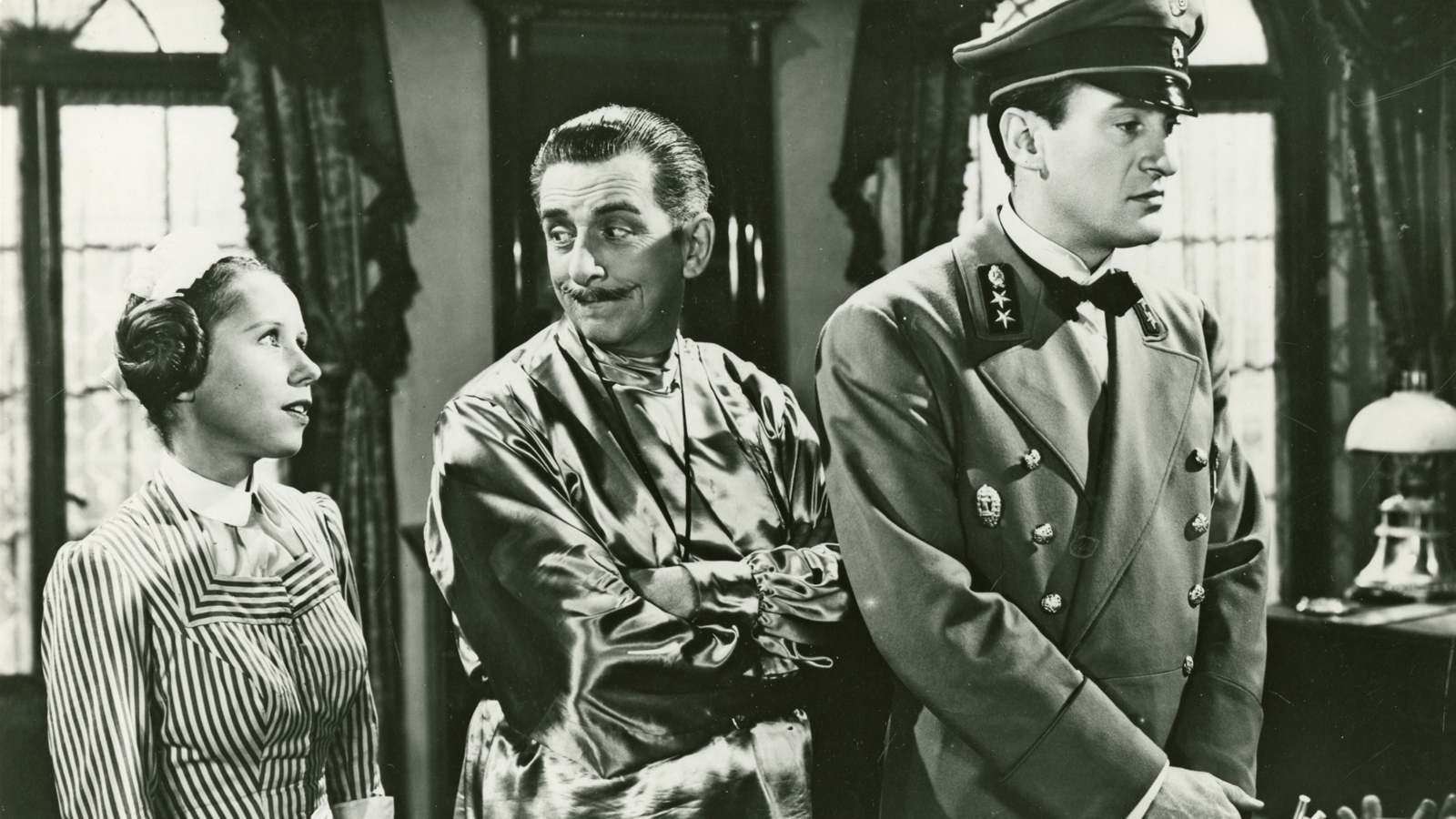
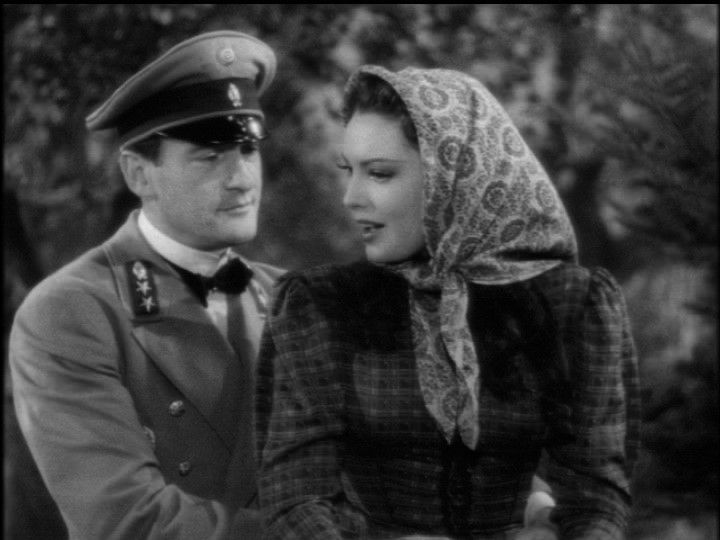
Pordenone é parte da minha história – pois eu fiz
parte do Collegium em 2020. Eu sou parte da história de Pordenone – pois ganhei
o prêmio do Collegium em 2021, no primeiro empate da história. Quando falo em “Pordenone”
estou me referindo, obviamente, à Le Giornate del Cinema Muto, ou o Festival de
Cinema Mudo de Pordenone. Mais uma vez, participei da Giornate online,
interessadíssima na rica oferta de filmes restaurados acompanhados por músicos
incríveis. E, mais uma vez, me diverti muito.
Pordenone is part of my story – as I was in the 2020 Collegium. I am
part of Pordenone’s history – as I won the 2021 Collegium Prize, in its
first-ever tie. The Pordenone I’m referring to is, of course, Le Giornate del
Cinema Muto, or the Pordenone Silent Film Festival. Once again, I followed the
Giornate online, interested in their rich offering of restored movies
accompanied by amazing musicians. And, again, I had a blast.

Um dos curtas-metragens da atração de abertura, a
série Transatlantic Echoes, foi “Rudi Sportsman”, filme de 1911 vindo do então
Império Austro-Húngaro. Nele um homem, interpretado pelo diretor Emil Artur
Longen, tenta praticar diversos esportes, falhando sempre. Eu fiquei imaginando
se este Rudi era um personagem recorrente de Longen, como Marcel Perez tinha
com seu Robinet e André Deed com seu Cretinett – um de seus curtas, “Cretinetti
che Bello” (1909), também fez parte do programa. Eu gostei de saber que vários
filmes do estúdio Kinofa do período compreendido entre 1908 e 1912 ainda
existem. Um par de curtas deste programa já havia aparecido na Silent Comedy
Watch Party, o que retirou o ineditismo deles para mim, mas mesmo assim foi
divertido revê-los. A conexão com a Silent Comedy Watch Party é óbvia, porque
um dos apresentadores da Party, meu amigo Steve Massa, foi um dos curadores do
programa em Pordenone.
One of the shorts from the opening attraction, the Transatlantic Echoes
series, was “Rudi Sportsman”, a 1911 flick from what was then Austria-Hungary.
It has a man, played by the director Emil Artur Longen, trying and failing at
several sports. I could only wonder if this Rudi was a recurring character
Longen had, like Marcel Perez did with his Robinet and André Deed with
Cretinetti – one of his shorts, “Cretinetti che Bello” (1909), was also part of
the program. I was pleased to learn that several films from the Kinofa studios
from the 1908-1912 period still exist. A couple of the shorts from this program
had already appeared at the Silent Comedy Watch Party, so they weren’t new to
me, but it was fun revisiting them. The connection to the Silent Comedy Watch
Party is obvious, since one of the hosts of the Party, my friend Steve Massa,
was a co-curator of the Pordenone program.

"Rudi Sportsman"
Nós frequentemente falamos em filmes perdidos
quando o assunto é cinema mudo. “The Fox” (1921) era considerado um filme
perdido, mas uma cópia foi encontrada num arquivo em Praga, na República
Tcheca. Este filme forma parte de uma série sobre uma “estrela brilhante do céu
dos primórdios do faroeste”: Harry Carey. Em “The Fox”, Carey interpreta Santa
Fe, um andarilho que se torna ajudante do xerife de maneira curiosa – depois de
ser preso duas vezes! – e ajuda a desmantelar uma gangue escondida no Deserto Mojave,
onde o filme foi rodado. Curiosidade: este filme tem quase 150 cartelas de
títulos, embora tenha apenas 77 minutos de duração – são quase duas cartelas
por minuto!
We often talk about lost movies when the issue is silent cinema. “The
Fox” (1921) was a film deemed lost, but a copy was found at a film archive in
Prague, Czech Republic. This film is part of a series about “a bright star of
the early Western sky”: Harry Carey. In “The Fox”, Carey plays Santa Fe, a
wandering man who becomes the sheriff’s helper in an unconventional way – after
being arrested twice! – and helps dismantling a gang hiding in the Mojave
Desert, location where the film was shot. Curious info: this film has almost
150 title cards, despite being only 77 minutes long – it’s almost two title
cards per minute!

Eu havia ouvido falar no sub-gênero “Filmes de
Montanha” do período de Weimar, mas nunca havia assistido a um destes filmes. Isso mudou com “The Mountain of Destiny /Der Berg des Schicksals” (1924). Filmado sem um roteiro, o protagonista
deste filme foi um campeão olímpico em esqui alpino! Hannes Schneider
interpreta um alpinista fanático que morre tentando chegar ao topo de uma
montanha altíssima, a Guglia del Diavolo. Anos depois, o filho deste homem (Luis
Trenker, um famoso alpinista) e sua namorada Hella (Hertha von Walther) tentam
escalar a mesma montanha. Foi um prazer e uma surpresa ver minha querida Von
Walther aqui, e num papel importante: ela é uma de minha atrizes subestimadas favoritas
do cinema mudo alemão.
I had heard about Weimar’s Mountain Films sub-genre, but had never
watched one yet. “The Mountain of Destiny / Der Berg des Schicksals” (1924) changed
that. Shot without a screenplay, this film’s lead was an Olympic champion in
alpine skiing! Hannes Schneider plays a fanatic mountain climber who dies
trying to reach the top of a very high mountain, Guglia del Diavolo. Years
later, this man’s son (Luis Trenker, a famous alpinist) and his girlfriend
Hella (Hertha von Walther) try to climb the same mountain. It was a pleasure
and a surprise to see my dear Von Walther here, and in a prominent role: she is
one of my favorite underrated performers of the German silent movies.

Uma das melhores coisas em Pordenone é redescobrir
estrelas esquecidas. Isso aconteceu este ano com o ator, diretor, produtor e
roteirista alemão Harry Piel: ele foi até mesmo citado como um dos atores mais
populares em um jornal brasileiro de 1922 publicado em Recife, de acordo com o
diretor de Pordenone, Jay Weissberg, em sal introdução ao programa duplo Harry
Piel. Muitas cópias dos filmes de Piel foram perdidas em bombardeios na Segunda
Guerra Mundial e o fato de ele ter se juntado ao partido nazista também não
deve ter ajudado em sua carreira pós-guerra.
One of the best things in Pordenone is rediscovering forgotten stars.
This year this happened with German actor, director, producer and screenwriter
Harry Piel: he was even cited as one of the most popular actors in a 1922 Brazilian
newspaper from Recife, according to Pordenone director Jay Weissberg in his
introduction to the Harry Piel double program. Many copies of Piel’s films were
lost in the WWII bombings and the fact that he joined the Nazi party probably
didn’t help keep his career alive either.

O primeiro filme de Piel, “A Journalist’s
Adventure / Das Abenteuer eines Journalisten”, estreou em novembro de 1914 e
nele encontramos o tema da guerra. Um cientista chamado Cleavaers está
desenvolvendo uma tecnologia para detonar minas submarinas sem o uso de fios, e
é sequestrado por uma sociedade secreta de nome Medusa que quer roubar a
invenção e receber uma recompensa do Ministério da Marinha. O salvador do
cientista será um jornalista chamado Harrison (Ludwig Trautmann), namorado da
filha que Cleavaers detesta. Embora o filme esteja incompleto, podemos acompanhar
a aventura e há várias perseguições emocionantes.
The first Harry Piel film, “A Journalist’s Adventure / Das Abenteuer
eines Journalisten” premiered in November of 1914 and the war theme is there. A
scientist named Cleavaers is developing a technology for wireless detonation of
submarine mines and is kidnapped by a secret society named Medusa that wants to
steal his invention and receive a reward from the Ministry of the Navy. His
savior will be a journalist named Harrison (Ludwig Trautmann), his daughter’s
boyfriend who he dislikes. Even though the print is incomplete, we can follow
the adventure and there are plenty of exciting chases.

Tendo estreado em 1918, “The Rolling Hotel / Das
Rollende Hotel” não tem nada a ver com a guerra. Uma questão sobre casamentos –
Parker, o guardião de Miss Addy (Käthe Haack), dará a mão dela para Tom ou
Johnson? – se transforma em uma disputa entre detetives quando Joe Deebs
(Heinrich Schroth) leva Addy para viver num hotel rodante – isto é, num trailer
– até que ela atinja a maioridade e possa se casar com quem desejar. Parker
contrata o detetive Scharf para ajudá-lo a encontrar Addy – já que “Scharf” em
alemão significa “apimentado”, ele com certeza apimenta as coisas no filme!
Também uma cópia incompleta, como o filme anterior, as partes faltantes foram
reconstruídas graças ao libreto da peça original. A sequência da corda-bamba nos
Alpes – filmada em locação – é o destaque deste segundo filme dirigido pelo “Douglas
Fairbanks alemão”.
Released in 1918, “The Rolling Hotel / Das Rollende Hotel” has nothing
to do with war. An issue about weddings – will Parker, Miss Addy’s (Käthe
Haack) guardian, give her hand to Tom or Johnson? – becomes a dispute between
detectives when Joe Deebs (Heinrich Schroth) takes Addy to live in a rolling
hotel – that is, a trailer – until she comes of age and can marry whoever she
wants to. Parker hires detective Scharf to help him find Addy – being “Scharf”
the German word for “spicy”, he surely is one to spice things up in the movie!
Also an incomplete print, like the previous film, the missing parts were
reconstructed thanks to the libretto for the original play. The tightrope
sequence at the Alps – shot in location – is the highlight from this second
film directed by “the German Douglas Fairbanks”.

Nós reencontramos Harry Piel, como diretor, produtor
e ator, em “The Miracle of Tomorrow / Rivalen”, de 1923. Interpretando o que
uma crítica da época chamou de “uma combinação de Casanova e Cagliosgtro”,
Harry Piel é Harry Peel – um personagem autorreferente constante em sua obra -,
um aventureiro que deve proteger sua amada Evelyn Evans (Inge Helgard) de
Ravello (Charly Berger) durante um baile de máscaras. Ravello teve sua invenção
recusada pelo pai de Evelyn, um industrialista que também se recusou a dar a
mão de Evelyn para Ravello. Ao seu lado Ravello tem a vamp Julietta (Maria
Wefers) – ou ao menos acha que a tem – e o cientista Chilton (Karl Platten),
equipado com um robô gigante. Um filme emocionante, completo com perseguições e
perigos para Harry Peel, ele tem o final em aberto, pois a conclusão do
conflito viria em um filme posterior, “Der Letzte Kampf”.
We meet again Harry Piel, as director, producer and actor, in “The
Miracle of Tomorrow / Rivalen”, from 1923. Playing what a review of the time
called “a combination of Casanova and Cagliostro”, Harry Piel plays Harry Peel
– a constant self-referential character from his oeuvre -, an adventurer who
must protect his beloved Evelyn Evans (Inge Helgard) from Ravello (Charly
Berger) during a masquerade. Ravello has had his invention refused by Evelyn’s
father, an industrialist who also refused when Ravello proposed to Evelyn. By
his side Ravello has the vamp Julietta (Maria Wefers) – or at least thinks he
has – and the scientist Chilton (Karl Platen), equipped with a giant robot. An
exciting film, complete with chases and dangers for Harry Peel, it has an open
ending, as the resolution of the conflict would happen in a posterior film,
“Der Letzte Kampf”.

Italia Vitaliani foi prima da grande dama do
teatro Eleonora Duse. Contrariando as populares divas de seu tempo, Vitaliani
performa de maneira mais contida, como mostrado em “La Madre” (1917) – a comparação
foi ainda mais clara pois foi exibido, antes do filme, um fragmento de um filme
com a diva Leda Gys. Em “La Madre”, usando uma peruca e maquiagem pesada,
Vitaliani interpreta Mamãe Roan, cujo único filho, Emanuel (Giuseppe Sterni,
também diretor do filme), é um aspirante a pintor. Emanuel vai para a cidade
grande, onde ele conhece a proto-femme fatale Isabella, uma modelo – com ênfase
no “proto”. Preocupada, a mãe vai atrás dele para salvá-lo das garras de
Isabella e para inspirá-lo a pintar sua obra-prima. “La Madre” foi o último
filme de Vitaliani, que escolheu focar nos palcos e ensinar, continuando o
legado da prima famosa.
Italia Vitaliani was the cousin of the great dame of theater Eleonora
Duse. Contrary to the popular divas of her time, Vitaliani’s acting is more
constrained and it shows in “The Mother / La Madre” (1917) – the comparison was
clearer as a fragment of a film starring the diva Leda Gys was shown before the
main feature. In “La Madre”, wearing a wig and heavy make-up, Vitaliani plays
Mother Roan, whose only son, Emanuel (Giuseppe Sterni, also the director), is
an aspiring painter. Emanuel goes to the city, where he meets the proto-femme
fatale Isabella, a model – emphasis on “proto”. Worried, his mother goes after
him to save him from Isabella and then inspires him to paint his masterpiece. “La
Madre” was Vitaliani’s last film, as she decided to focus on stage acting and
also on teaching, continuing her famous cousin’s legacy.

Da Filmoteca de Catalunya, em Barcelona, veio uma compilação
de 20 filmes britânicos do primeiro cinema. Nestes filmes curtíssimos, temos um
vislumbre de como era a vida há mais de cem anos – incluindo uma competição
muito louca chamada de “paper chase”, mas também oferecendo uma visão de
atividades divertidas nos Alpes, uma trupe de macacos ensinados, elefantes
tomando banho no Ceilão e órfãos sincronizados. Os curtas de ficção mostraram
alguma sofisticação para a época, como “Eccentric Burglary” (1905) com todos
aqueles shots reversos. Meu favorito do programa foi “An Affair of Honour”
(1904), um retrato muito engraçado de um duelo que deu errado.
From the Filmoteca di Catalunya, in Barcelona, came a compilation of 20 early
British films. These very short movies offer a snippet of how life was over a
century ago – including the very weird competition called “paper chase”, but
also offering a view of fun in the Alps, a troupe of educated monkeys,
elephants bathing in Ceylon and synchronized orphans. The fiction shorts showed
some sophistication for the time, like “Eccentric Burglary” (1905) with all
those reverse shots. My favorite of the bunch was “An Affair of Honour” (1904),
a very funny portrait of a duel gone wrong.

"Sangers Circus Passing Through Inverness" (1900)
Outra compilação no programa trouxe quarenta e um
filmes caseiros em 9,5mm vindos do mundo todo, feitos entre 1923 e 1960. Com
filmes sobre coisas como comida e crianças brincando, o programa foi mais um
que ofereceu uma vista d’olhos para um passado recente. Houve até espaço para
alguns curtas mais experimentais!
Another compilation in the program brought forty-one 9,5mm home movies
from all over the world, spanning the years 1923 to 1960. With movies about
things such as food and children playing, the program was another one that
offered a sneak peek of how lives were in the recent past. There was even room
for some more experimental shorts!

Você se lembra de Silistria e outros reinos da Ruritânia
na Giornate do ano passado? Eles estão de volta em 2023, e um filme da série é “A
Woman of Distinction / Eine Frau Von Format” (1928). Ele conta as aventuras da
Embaixatriz da Turquísia, Dschilly Zileh Bey (Mady Christians), que vai para a
Silistria e conhece a Princesa (Diana Karenne) do reino. Dschilly está lá para comprar
uma ilha, e assim inicia uma disputa diplomática com o Conde Geza (Peter
Leska). Este raro filme centrado em personagens femininas foi acompanhado pela
pianista Elaine Loebenstein e é muito divertido, contando até com cross-dressing.
Do you remember Silistria and other Ruritanian kingdoms from last year’s Giornate? They are back in 2023, and one film from the series is “A Woman of
Distinction / Eine Frau Von Format” (1928). It follows the adventures of the
Ambassador of Turquisie, Dschilly Zileh Bey (Mady Christians), as she goes to
Silistria and meets the Princess (Diana Karenne) of the kingdom to buy an
island, initiating a diplomatic dispute with Count Geza (Peter Leska). This rare
female-centered movie was also accompanied by a female pianist, Elaine
Loebenstein, and was a lot of fun, complete with cross-dressing.

Mae Murray brilha e mostra alguns passos de dança
radicais em “Circe the Enchantress” (1924), um conto da era do jazz dirigido
por Robert Z. Leonard, então marido de Mae. Neste filme, ela interpreta a
socialite Cecilie que, embora seja amada por Jeff Craig (William Haines),
decide seduzir seu vizinho, o doutor Van Martyn (James Kirkwood). Com incríveis
sequências de festas, o filme toma um caminho melodramático perto do fim –
típico da época em que foi feito.
Mae Murray shines and shows some rad dance moves in “Circe the
Enchantress” (1924), a tale of the Jazz Age directed by Robert Z. Leonard, then
Mae’s husband. In this film, she plays society girl Cecilie who, despite being
loved by Jeff Craig (William Haines), decides to seduce her neighbor, Dr Van
Martyn (James Kirkwood). With amazing party sequences, the film takes a
melodramatic turn near the end – typical of its time.

O cinema de Weimar recebeu destaque na Giornate
deste ano. Três gêneros de filmes de Weimar foram exemplificados: o Filme de
Montanha (com “The Mountain of Destiny”), os filmes de aventura (de Harry Piel)
e os Filmes de Rua com “The Street / Die Straβe” (1923). Este foi a
obra-prima do diretor Karl Grune e uma influência para todos os filmes que têm
uma cidade como personagem, caso de alguns filmes noir. A história – contada com
um mínimo de cartelas de texto – é sobre um Marido (Eugen Klöpfer) que sai uma
noite e se apaixona por uma Vamp (Aud Egede Nissen) e se mete em encrenca na
casa dela. Quase irreconhecível, Max Schreck (mais conhecido como Nosferatu)
interpreta um homem cego.
Weimar cinema was
ostensibly showcased in this year’s Giornate. There were three genres of Weimar
films
exemplified: the Mountain Film (with “The Mountain of Destiny”), the adventure
films (Harry Piel’s films) and the Street Film with “The Street / Die Straβe”
(1923). This latter was director Karl Grune’s masterpiece and an influence for
all films that have a city as a character, like some noirs. The story – told
with minimum use of title cards – is about a Husband (Eugen Klöpfer) who goes
out one night and falls for a Vamp (Aud Egede Nissen) and finds trouble in her
house. Almost unrecognizable, Max Schreck (aka Nosferatu) plays a blind
man.

O filme que encerrou a 42a Giornate
online foi “Conrad in Quest of His Youth”, um filme de 1920 de William C. DeMille
– irmão de Cecil B. Conrad Warrener (Thomas Meighan) retorna da guerra e se
sente nostálgico, por isso decide reencontrar velhos conhecidos para reviver os
bons e velhos tempos – mas nada sai como ele esperava.
The film that closed the online 42nd Giornate was “Conrad in
Quest of His Youth”, a 1920 film by William C. DeMille – Cecil B.’s brother.
Conrad Warrener (Thomas Meighan) returns from the war and feels nostalgic, so
he decides to reconnect with old acquaintances to relive the good old times –
but nothing comes out as expected by him.

Muitas cópias este ano vieram do Bundesarchiv
alemão, o que foi ótimo porque pude testar meu alemão lendo cartelas de texto.
O arquivo tcheco Národní Filmový Archiv também colaborou muito, oferecendo
filmes como “The Fox”, “Circe the Enchantress” e, no festival presencial, um
filme perdido de 1918 sobre o Rio Amazonas aqui do Brasil.
Many prints this year came from the German Bundesarchiv, which was great
because I could test my German reading intertitles. The Czech archive Národní
Filmový Archiv also was a big player, offering films such as “The Fox”, “Circe
the Enchantress” and, in the in-person festival, a missing film from 1918 about
the Amazon River here in Brazil.

"The Mountain of Destiny" (1924)
Uma mudança muito boa feita no festival online
este ano foi que os filmes ficaram disponíveis por 48 horas, não mais 24 como
nas edições anteriores. Esta janela de tempo maior me ajudou muito e fez que eu
e, como pude ler nas redes sociais, muitos outros pudéssemos aproveitar todas
as sessões.
One very good change in this year’s online festival is that the movies were available for 48 hours, not 24 like in the previous editions. This bigger time window really helped me and, as I could read on social media, others fully enjoy the screenings.

"A Woman of Distinction" (1928)
Houve mais programas na Giornate presencial que não
entraram na edição online, como a muito antecipada exibição de fragmentos de
filmes que ecoam assuntos feministas. Para a Giornate online, entretanto, eu
não consigo me decidir e escolher uma atração favorita, pois adorei tudo. Prova
de que é possível para uma pessoa
assistir só filmes mudos pelo resto da vida sem se cansar, a Giornate del
Cinema Muto mais uma vez trouxe alegria e conhecimento para nós ao redor do
mundo.
There were more programs in the in-person Giornate that didn’t make the
online edition, like a very anticipated screening of film fragments that echo
feminist issues. For the online Giornate, however, I can’t come to terms and
choose a favorite attraction, as I enjoyed it all immensely. Proof that one can
watch only silent movies for the rest of one’s life and not be bored, the
Giornate del Cinema Muto once again brought joy and knowledge to us all over the
world.