} Crítica Retrô

Tradutor / Translator / Traductor / Übersetzer / Traduttore / Traducteur / 翻訳者 / переводчик

Tuesday, August 9, 2016

Alberto Cavalcanti: brasileiro de nascimento, cidadão do mundo através do cinema

Alberto Cavalcanti: Brazilian by birth, citizen of the world through film

(Clique nos infográficos para vê-los em tamanho maior)
(Click in the infographics to enlarge them) 

Alguns anos atrás, a noite de sexta-feira tinha um só propósito: descobrir o cinema brasileiro dos anos 50. Era uma sessão cinemateca especial, exibida na TV Justiça e que provavelmente tinha apenas eu como público. Mas foi ali que eu descobrir excelentes filmes brasileiros. E foi ali que um nome chamou minha atenção: Alberto Cavalcanti.

A few years ago, Friday nights had only one goal: they were for me to discover the Brazilian films of the 1950s. It was a special movie session on Justice TV, and I was probably their only viewer. But it was there that I discovered excellent Brazilian movies. And it was there that a name called my attention: Alberto Cavalcanti.

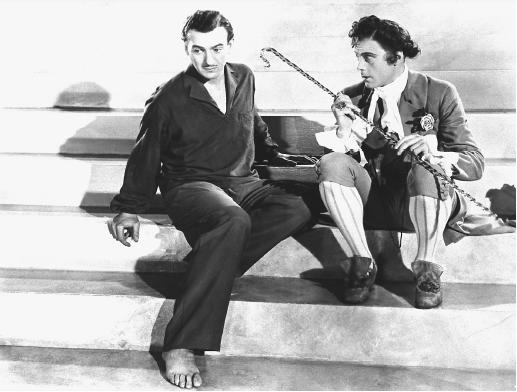
Eu já sabia que muitas pessoas haviam emigrado da Europa para o Brasil nos anos 50 e foram trabalhar na indústria cinematográfica. Entre eles estava o diretor inglês Tom Payne. Por isso, pensei que Alberto Cavalcanti fosse um italiano radicado no Brasil. Pouco depois, vi que Alberto dirigiu também uma sequência inesquecível do ventríloquo do filme “Na solidão da noite” (1945). E é aí que descubro: Alberto era brasileiro!

I was already aware that many people had emigrated from Europe to Brazil in the 1950s to work in the film industry. Among them was English director Tom Payne. So, I imagined Alberto Cavalcanti was an Italian living and working in Brazil. A little time later, I realize that Alberto was also the director of the unforgettable ventriloquist sequence from “Dead of Night” (1945). And then I find out: Alberto was Brazilian!

Mas Alberto fez cinema no mundo inteiro. Ele fez de tudo, de figurines a produção e direção. Começou a carreira na França dos anos 1920, passou as décadas de 30 e 40 na Inglaterra e voltou ao Brasil na década de 50. Depois, passou pela Itália, Alemanha, Inglaterra e França novamente, morrendo em 1982 em Paris, aos 85 anos. Com ele, não havia blockbusters: só cinema independente. Só arte.

But Alberto worked in films all over the world. He did everything, from costume design to producing and directing. He started in France, in the 1920s, spent the 1930s and 1940s in England and came back to Brazil in the 1950s. Then, he worked in Italy, German, England and France again, dying in 1982 in Paris. With him, there was no chance for blockbusters: only independent cinema. Only art.


Alberto de Almeida Cavalcanti nasceu no Rio de Janeiro em 1897. Era filho de um matemático, entrou para a faculdade aos 15 anos, e pouco depois foi expulso por discutir com um professor. O pai de Alberto o mandou então para Genebra para estudar arquitetura. Aos 18 anos Alberto foi para Paris trabalhar como arquiteto e designer de interiores. Ele se correspondia com o vanguardista Marcel L’Herbier, e em 1920 o amigo por correspondência chamou Alberto para trabalhar no cinema.

Alberto de Almeida Cavalcanti was born in Rio de Janeiro in 1897. He was the son of a prominent mathematician, entered college at 15 and soon was expelled after an argument with a teacher. Alberto’s father sent him to Geneva to study Architecture. At 18 Alberto moved to Paris to work as an architect and interior designer. He exchanged letters with avant-garde artist Marcel L’Herbier, and in 1920 the pen pal asked Alberto to work with him in the movies.

Nos anos seguintes, Alberto trabalhou com figurinos, design de cenários e como diretor assistente. Em 1926 ele dirigiu seu primeiro filme, o documentário “Rien que les heures”, que logo na estreia foi aclamado pela crítica.

In the following years, Alberto worked with costume design, set design and as assistant director. In 1926 he directed his first film, the documentary “Rien que les heures”, and was highly acclaimed by the critics.


Seu lindo curta-metragem “La p'tite Lili” (1927) é a adaptação de uma canção popular francesa para o cinema, e conta com Jean Renoir e a esposa Catherine Hessling no elenco. O efeito granulado que vemos em algumas cenas não é fruto da ação do tempo, mas de uma ideia do próprio Alberto, que colocava pedaços de seda em frente a câmera para criar o efeito etéreo que ele queria imprimir na protagonista.

His gorgeous short film “La p’tite Lili” (1927) is the adaptation of a popular French song to the screen, and has Jean Renoir and wife Catherine Hessling in the cast. The granulated effect we see in some scenes was not caused by the passage of time, but was an idea from Alberto himself, who used to hang pieces of silk in front of the camera in order to create an otherworldly effect for the leading character. 


Se você já viu “Como era verde o meu vale” (1941), deve saber como a vida dos mineradores de carvão é sofrida. Seis anos antes, Alberto nos mostrou isso em um documentário de apenas 11 minutos, “Coal Face”, embalado por uma canção popular dos mineiros e muito sofrimento. Ao contrário do documentarista Robert Flaherty, amigo de Cavalcanti, o brasileiro preferia fazer o documentário nu e cru, sem romantismo.

If you have ever seen “How Green Was My Valley” (1941), you must know how hard the life of coal miners is. Six years before the release of this film, however, Alberto showed us the same thing in a documentary only 11 minutes long, “Coal Face”, with a miner’s song serving as soundtrack. Contrary to his good friend Robert Flaherty, Cavalcanti wanted to make raw documentaries, without romantism.


Em 1949, ele voltou ao Brasil e se tornou o primeiro diretor-geral da famosa Companhia Cinematográfica Vera Cruz. Alberto modernizou o jeito brasileiro de fazer cinema, produziu documentários do diretor Lima Barreto e acumulou as funções de diretor, redator e produtor na Cinematográfica Maristela.

In 1949, He came back to Brazil and became the first general director in the Vera Cruz Cinematographic Company. Alberto modernized the Brazilian movie-making system, served as producer for director Lima Barreto’s documentaries and worked as both director, writer and producer at Maristela Cinematographic Co.

Aquele primeiro filme de Alberto que eu vi foi “Simão, o caolho” (1952), que é até hoje minha comédia brasileira favorita. É uma maravilhosa comédia de costumes sobre Simão (Mesquitinha) que acredita que apenas não atingiu todo seu potencial porque lhe falta um olho – e lhe sobra um filho, que ele teve fora do casamento e que sustenta sem que sua esposa desconfie de nada.

Tht first Alberto film I saw was “Simon, the one-eyed” (1952), and it still is my favorite Brazilian comedy. It is a marvelous situation comedy about Simon (Mesquitinha), who believes he only has not achieved everything he could because he has an eye missing – oh, and also a son born out of wedlock, who he supports without his wife’s awareness.


Mas, às vezes, a pior coisa que alguém pode fazer é voltar para casa. Alberto queria fazer filmes sérios, que pudessem ser apreciados no mundo inteiro. A Vera Cruz não queria. Alberto desempenhava muito bem várias funções. Ninguém gostava disso. Os críticos brasileiros desdenharam dele, os “cidadãos de bem” o acusaram de ser comunista e, em 1954, Alberto deixou o Brasil. E sua carreira nunca mais foi a mesma.

But, sometimes, the worst thing someone can do is come home. Alberto wanted to make serious films that could be appreciated all over the world. Vera Cruz didn’t. Alberto excelled at anything he did. Nobody liked that. Brazilian critics treated him with disdain, the “good citizens” accused him of being a communist and, in 1954, Alberto left Brazil. And his career was never the same again.

Alberto passou por vários países em seus últimos anos, trabalhando em documentários, filmes de ficção e até em uma animação. Seu último trabalho foi um longo documentário, 160 minutos, sobre... ele mesmo. Parecia que Alberto sabia que o mundo ainda havia de redescobrir sua genialidade.

Alberto lived in several countries in his last years, working in documentaries, fictions and even an animated feature. His last work was a long documentary, 160 minutes long, about… himself. It was like if Alberto knew that the world would still rediscover his geniality.


Quando Cavalcanti morreu, em 1982, um jornal o chamou de “gênio mal-amado”. Geoff Brown, do BFI, disse que “se Cavalcanti não tivesse existido, seria necessário inventá-lo” por ser personagem essencial do cinema inglês. Precisamos redescobrir Cavalcanti. Eu já fiz minha parte. Agora é sua vez.

Whant Cavalcanti died, in 1982, a newspaper called him “the unloved genius”. Geoff Brown, from the BFI, said that “if Calvalcanti hadn’t existed, it would be necessary to invent him”, because he was an essential piece in English cinema. We need to rediscover Cavalcanti. I already did it. Now it’s your turn.

This is my contribution to the Classic Movie History Project, hosted by Fritzi, Aurora and Ruth at Movies, Silently, Once Upon a Screen and Silver Screenings.

Friday, August 5, 2016

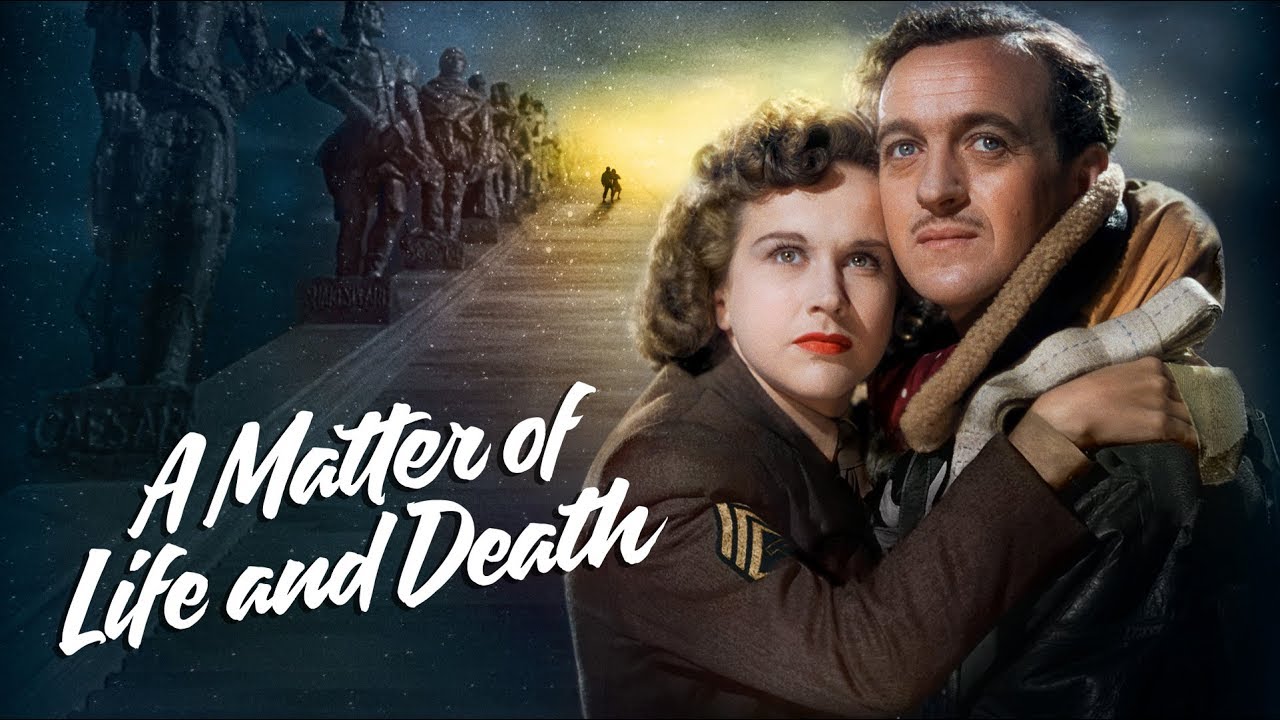
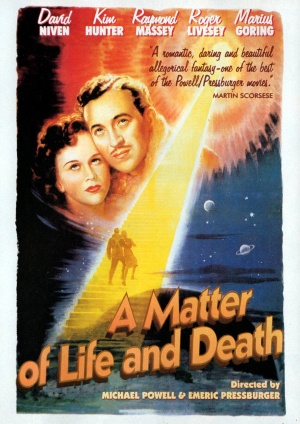
Neste Mundo e no Outro (1946) / A Matter of Life and Death (aka Stairway to Heaven, 1946)

Eu nunca vou me esquecer da emoção que senti quando vi “Os Sapatinhos Vermelhos” (1948) pela primeira vez. Uma verdade pouco repetida é que a cor é algo muito poderoso a ser usado no cinema, e com este musical os ingleses Michael Powell e Emeric Pressburger atingiram seu auge de criação e execução técnicas. Mas Powell e Pressburger fizeram outros belos filmes antes de contar a jornada da bailarina em 1948. Escolhi um deles, “Neste mundo e no outro” (1946) como um dos 12 clássicos que quero ver em 2016. E é curioso que em um filme em que as cores são tão importantes, a primeira pergunta feita é: “seria possível se apaixonar por uma voz?”.

I’ll never forget the emotion I felt the first time I saw “The Red Shoes” (1948). A truth not often told if that color is a very powerful element in the cinema, and with this musical the English gentlemen Michael Powell and Emeric Pressburger had their greatest technical achievement. But Powell and Pressburger made other wonderful movies before telling the ballerina’s journey in 1948. I chose one of them, “A Matter of Life and Death” (1946) as one of the 12 classic films I want to see in 2016. And it is curious that a movie in which colors are so important begins with the question: “can someone fall in love with a voice”?


Logo na sequência inicial, o avião de Peter Carter (David Niven) está em chamas, e seu rosto é iluminado apenas pelo fogo. Ele estabelece contato com a base aérea, e dita para a controladora June (Kim Hunter) um telegrama que ela deve enviar para a mãe dele. Ele quer tão somente que a mãe saiba que ele a amava. E, anotando o recado, June tem seus olhos cobertos, a boca e o microfone iluminados, e fica em choque com a tranquilidade de Peter, que está prestes a pular do avião sem paraquedas.

In the opening sequence, Peter Carter’s (David Niven) plane is on fire, and his face is lightened only by fire. He is able to contact the aerial base, and dictates to American WAC June (Kim Hunter) a telegram she is supposed to send his mother. He only wants his mother to know how much he loved her. And, taking the note, June has her eyes covered by darkness, the mouth and the microphone lightened, and is disturbed by Peter’s calm, after all, he is about to jump without a parachute.


Peter deveria chegar ao céu. Deveria. O céu é todo em preto e branco, muito organizado, um lugar onde não há mais hierarquia militar: no céu, todos são irmãos. Mas Peter não chega ao céu por causa de um erro do Condutor 71 (Marius Goring, com muito batom), que então precisa ir até a Terra para corrigir seu erro.

Peter should go to Heaven. He should. Heaven is all in black and white, a very organized place, a place where there is no more military hierarchy: in Heaven, all men are brothers. But Peter doesn’t go to Heaven due to a mistake made by Condutor 71 (Marius Goring, with a lot of lipstick). The Conductor now must visit Earth to correct his mistake.


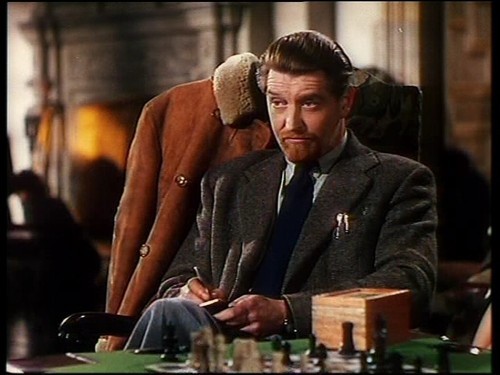
Peter pulou do avião, mas caiu no mar e foi levado pelas ondas até à praia. Ele estava pronto para morrer, mas vive e vai atrás de June. É amor à primeira vista. Mas a felicidade é perturbada pelas duas visitas do Condutor, e June decide pedir ajuda ao doutor Reeves (Roger Livesey), um neurologista, para tratar das “alucinações” de Peter.

Peter jumped from the airplane, but he fell at the sea and was taken by the waves to the beach. He was ready to die, but he lives and goes after June. It is love at first sight. But their happiness is disturbed by the Conductor, and June decides to ask doctor Reeves (Roger Livesey), a neurologist, for help with Peter’s “hallucinations”.


Há uma esperança: o caso de Peter será julgado no tribunal celestial, e o doutor Reeves arranja um ótimo cirurgião para fazer uma complicada cirurgia cerebral em Peter. O julgamento não será nada fácil com Abraham Farlan (Raymond Massey) na promotoria, e o caso será muito mais sobre a rivalidade entre ingleses e americanos que sobre o caráter de Peter. É muito interessante notar isso num filme inglês, feito no último grande momento de supremacia da Inglaterra como superpotência mundial.

But there is hope: Peter’s case will be judged in Heavenly court, and doctor Reeves convinces a great surgeon to operate Peter’s brain, even though it is a complicated procedure. The judgment won’t be easy with Abraham Farlan (Raymond Massey) as the prosecutor, and the case will be much more about the rivalry between the English and the American than about Peter’s character. It is very interesting to notice such a conflict in an English movie made in the last great moment of England’s world dominance.


Em um mundo em guerra, cinzento e insuportável, esperava-se que o céu ao menos fosse colorido e alegre. Mas não no caso de Peter: ao conhecer June ele voltou a ver beleza neste mundo, e o outro representa apenas a separação deles. O que a defesa de Peter precisa provar? Que ele e June se amam de verdade, e que é o amor a única coisa que constrói no mundo: uma mensagem fundamental em tempos tão sombrios.

In a world that was at war and everything was gray and sad, it was expected that at least Heaven would be colorful and bright. But not in Peter’s case: when he met June he once again saw beauty in this world, and the other world represents to him only a painful separation. What must Peter’s defense prove? That he and June truly love each other, and that love is the only thing that can build in the world: a fundamental message in somber times.


Além do uso das cores, a trilha sonora é o destaque. A música também é diferente no céu e na terra, e cada nota traduz perfeitamente as emoções dos personagens. Mas só cores, sons e a história juntos podem criar aquele que o próprio Michael Powell apontou como o favorito de seus filmes. Você ainda não viveu a magia do cinema se não viu “Neste mundo e no outro”.

Besides the use of colors, the soundtrack is also outstanding. The music is different for Heaven and Earth, and each not translates perfectly what the characters are feeling. But only colors, sounds and the story put together could create the movie appointed by Michael Powell himself as the favorite of his filmography. You haven’t lived true cinematic magic if you haven’t watched “A matter of life and death”.

This is my contribution to the 3rd Annual British Invaders Blogathon, hosted by my friend Terence at A Shroud of Thoughts.

Friday, July 29, 2016

Redimida / Letty Lynton (1932)

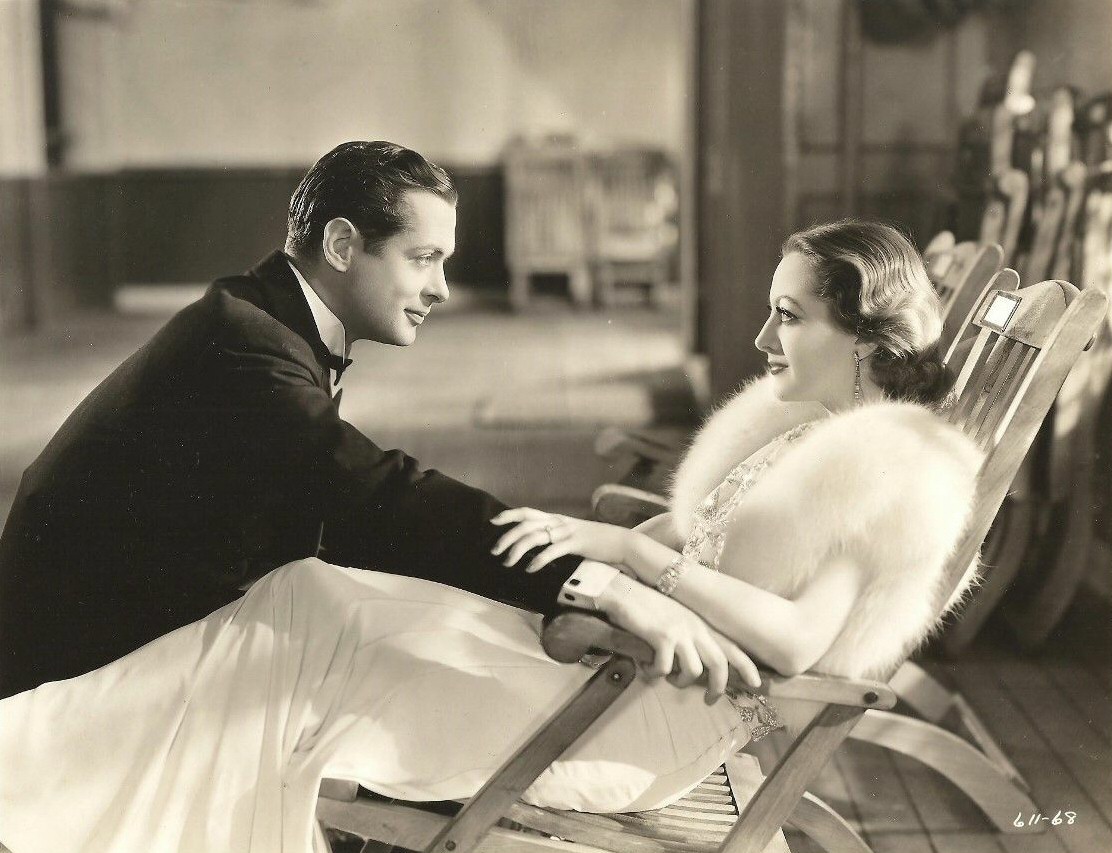
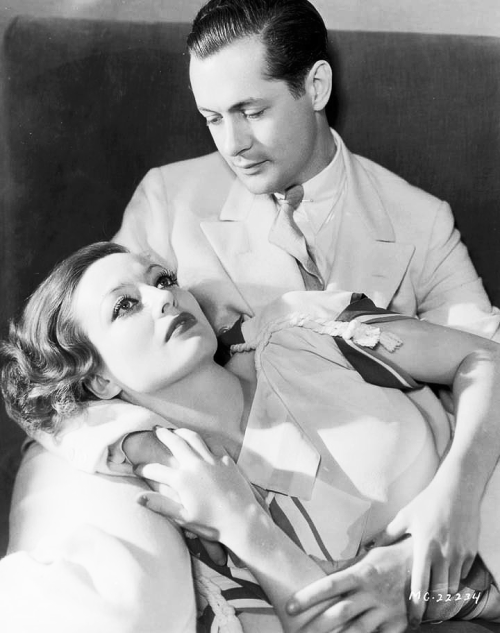
Em 2013, o responsável pela programação do canal TCM Charlie Tabesh nos revelou que um dos filmes mais solicitados pelo público é “Redimida” (1932). E foi por esta recomendação indireta que eu procurei o filme, e não me decepcionei. Porque é Joan Crawford. E é pre-Code.

In 2013, TCM’s vice-president of programming Charlie Tabesh said that one of the most requested films to be shown on the channel is “Letty Lynton” (1932). And it was because of this indirect recommendation that I looked for the movie, and wasn’t disappointed. Because it has Joan Crawford. And it is a pre-Code!
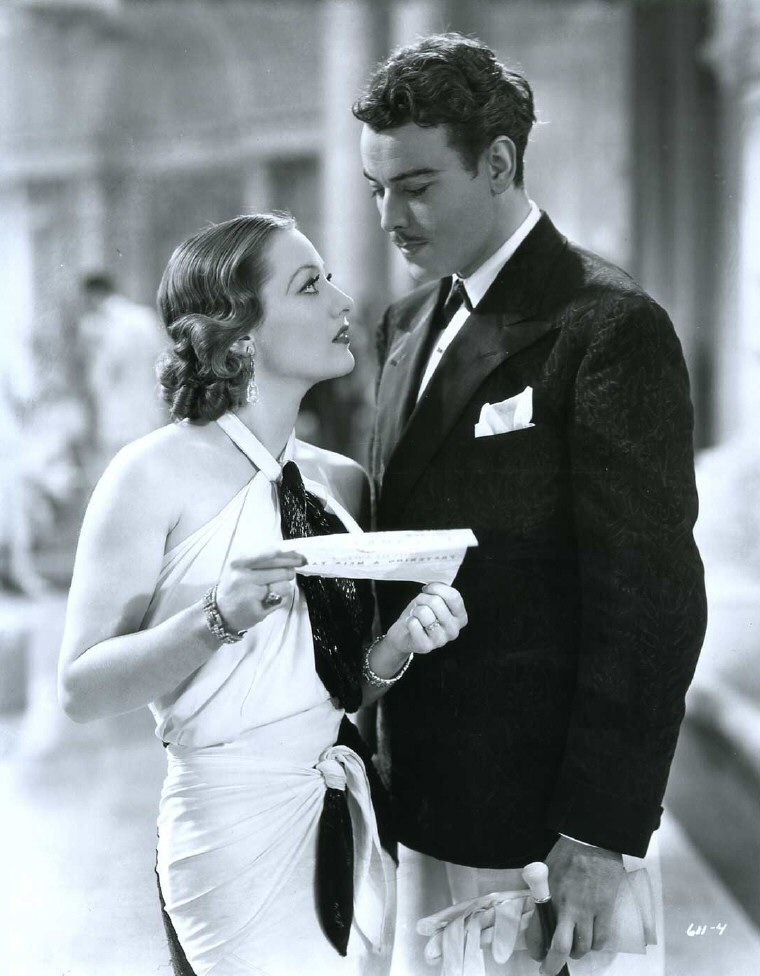
Letty (Joan Crawford) está em Montevidéu com seu amante, Emile (Nils Asther), mas está decidida a embarcar em um navio de volta para casa. Nas cenas com ele, Joan se comporta de maneira afetada e com ares aristocráticos, lembrando Greta Garbo. E isso não é de se espantar, se considerarmos que o diretor de “Letty Lynton”, Clarence Brown, dirigiu sete filmes com Garbo, incluindo o maravilhoso “A Carne e o Diabo” (1926). E Nils Asther, por sua vez, foi criado na Suécia, descoberto por Mauritz Stiller, mentor também de Garbo, e trabalhou com Greta em dois filmes de 1929.

Letty (Joan Crawford) is in Montevideo with her lover, Emile (Nils Asther), but she has made up her mind and will board a ship back home. In her scenes with Emile, Joan behaves in an affected manner and has an aristocratic look, reminding us of Greta Garbo. And this is something to notice, considering that the director Clarence Brown directed Garbo in seven films, including the wonderful “Flesh and the Devil” (1926). And Nils Asther, in turn, was raised in Sweden, discovered by Mauritz Stiller, also Garbo’s mentor, and worked with Greta in two films from 1929.
No navio, ela conhece Jerry (Robert Montgomery), e os dois conversam. Letty é agora autêntica e risonha, do jeito que estamos acostumados a ver Joan Crawford no começo dos anos 30.

In the ship, she meets Jerry (Robert Montgomery) and they chat. Letty is now authentic and all smiles, in the way we are used to see the early 1930’s Joan Crawford.

Jerry a pede em casamento, na proposta mais simples da história do cinema, e ela aceita. Entretanto, chegando em Nova York, ela reencontra Emile, que a ameaça. E este não é o único problema de Letty: ela precisa retomar a relação com a mãe, de quem se afastou para viver com Emile.

Jerry asks her to marry him, in the simplest proposal in all film history, and she says yes. However, when they arrive in New York, she meets again with Emile and is blackmailed by him. And this is not Letty’s only problem: she needs to fix her relationship with her mother. They are estranged since Letty left home to live with Emile.
Algo que me encanta no pre-Code e que não foi totalmente recuperado até hoje é a ausência de falsos moralismos. Só porque Letty viveu uma relação com um canalha abusivo, significa que ela não merece ser feliz? Uma mulher que “peca” não merece uma segunda chance? No cinema pre-Code, ela merece. No mundo real, na sociedade hipócrita, nem sempre.

Something that pleases me in the pre-Code era (and something that was not yet totally recovered) is the absence of fake moralism. Only because Letty had an abusive relationship with an asshole, does it mean that she will never deserve to be happy?  A woman who sins doesn’t deserve a second chance? In pre-Code cinema, she does. In the real world, in the hypocritical society, not always.  
O filme fica excitante em sua última meia hora. São estes minutos, em especial os finais, que atestam que o filme foi feito na era pre-Code. O final levou o filme a ser banido na Inglaterra, mas esta não foi a maior punição de “Letty Lynton”.

The film becomes exciting in its last half hour. Those minutes, especially the last ones, guarantee that we are watching a pre-Code. The ending made the film be banished in England, but this was not the biggest punishment for “Letty Lynton”.
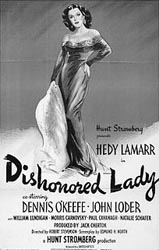
Em 1936, uma decisão judicial tirou o filme de circulação devido a uma acusação de plágio por parte dos autores da peça “Dishonored Lady”. Desde então o filme é difícil de encontrar: não foi restaurado ou lançado em VHS, DVD ou Blu-Ray, e as cópias disponíveis na internet têm som e imagem de baixa qualidade. “Dishonored Lady” foi legalmente adaptada para o cinema em 1947, em um filme estrelando Hedy Lamarr.

In 1936, a court decision took the film out of circulation because of a plagiarism accusation made by the authors of the play “Dishonored Lady”. Since then the film is hard to find: it wasn’t restored nor released in VHS, DVD or Blu-Ray, and the copies available in the internet have low quality sound and image. “Dishonored Lady” was legally adapted to the screen in 1947, in a film starring Hedy Lamarr.
E toda essa confusão impediu que várias gerações conhecessem o famoso vestido feito por Adrian para Joan em “Letty Lynton’’. Ela o usa quando Jerry a pede em casamento, e o vestido causou uma corrida às lojas. Adrian quis devolver a feminilidade aos figurinos, e conseguiu isto com enormes mangas de organza e uma cintura bem marcada.

And all this confusion prevented several generations from knowing the famous dress made by Adrian to Joan in “Letty Lynton”. She wears it when Jerry proposes, and the dress caused a race to stores in search for copies. Adrian wanted to give femininity back to outfits, and succeeded with huge organza sleeves and a very marked waist.
É uma pena que “Letty Lynton” não esteja disponível para todos. Passados os primeiros minutos monótonos, é um bom filme, com Joan magnífica. Seria ótimo se, à moda pre-Code, a velha lei fosse revista e este filme voltasse a ser exibido.

It is a shame that “Letty Lynton” is not availabe for us all. After the first monotonous minutes, the film becomes good, with a magnificent Joan. It’s be great if, in pre-Code fashion, the old law was reconsidered and this film was once again shown.

This is my contribution to the Joan Crawford Blogathon, hosted by Crystal at In the Good Old Days of Classic Hollywood.

Saturday, July 9, 2016

Monstros / Freaks (1932)

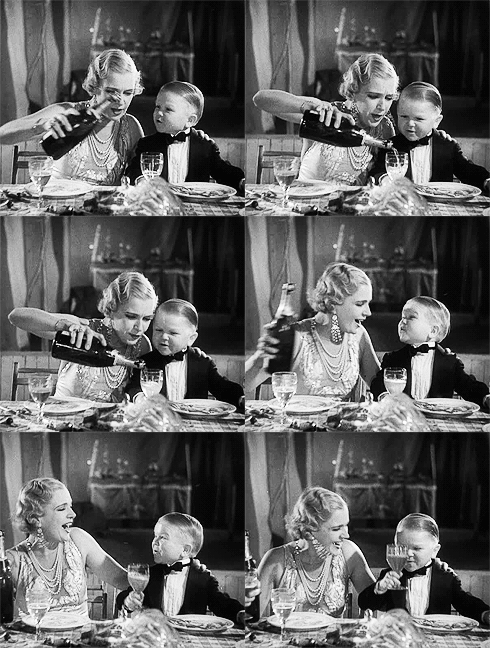
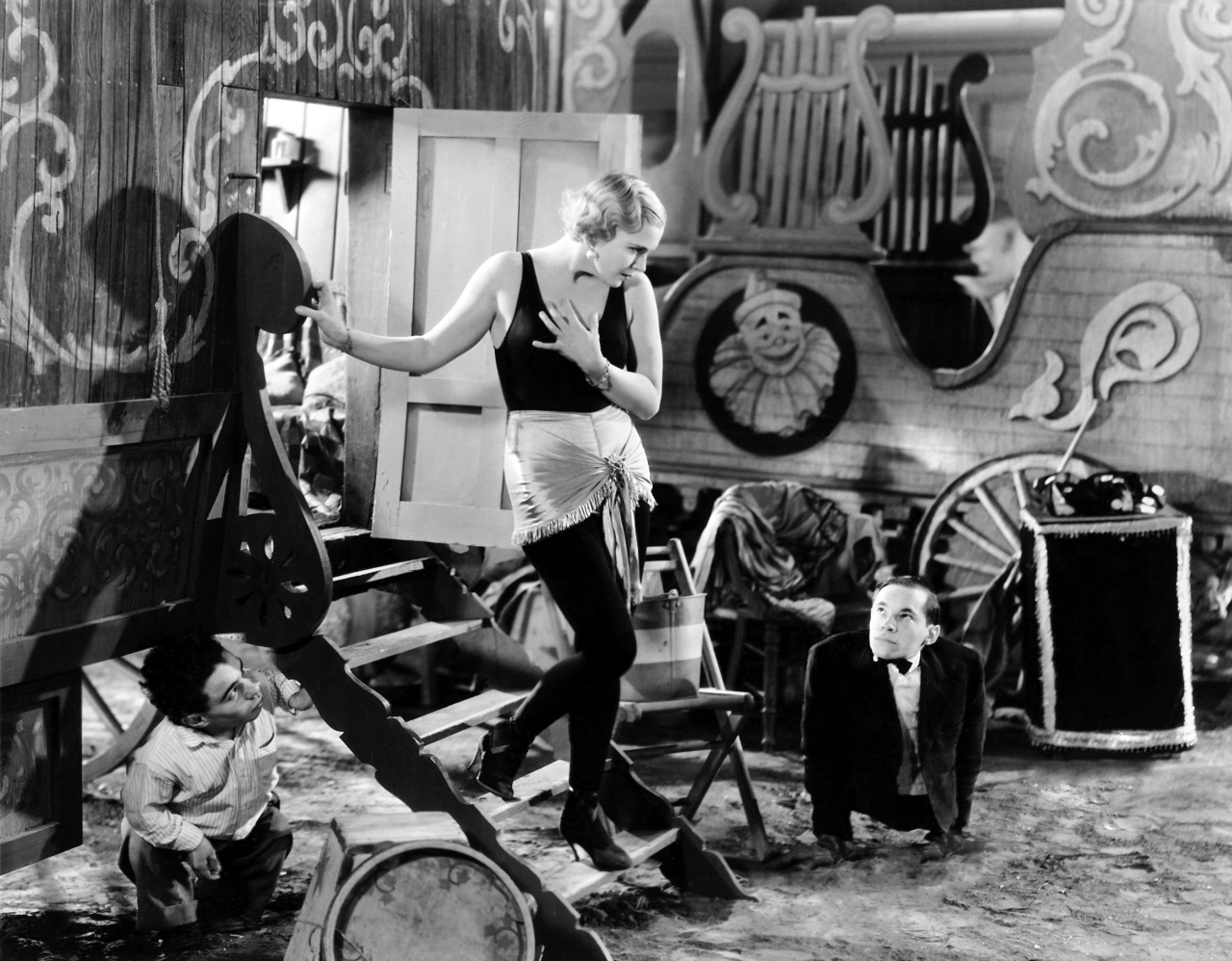
O ano era 2009, e eu era uma recém-chegada no mundo do cinema. Tinha 16 anos e era fácil de impressionar. Não sei por que abri uma lista com o título “os 10 filmes mais impressionantes da história”. Lá, na 10ª posição, uma imagem já me assustou: o Homem-Torso de “Monstros”, um estranho filme de 1932 que eu desconhecia. Era um filme sobre um circo de horrores, feito com membros do circo de horrores. Eu fui perseguida por aquela imagem durante um bom tempo – e, claro, resolvi não assistir ao filme quando ele passou na televisão.

The year was 2009, and I was a newcomer to the film world. I was 16 and easily impressed. I don’t know why I opened a list with the title “the 10 most horrifying films ever”. There was, in the 10th place, an image that scared me: the Living Torso from “Freaks”, a weird 1932 film I hadn’t heard about until then. It was a film about a freak show, with real freak show attractions as actors. I was haunted by that image for a good time – and, of course, I decided not to watch the film when it was on TV. 


Mas chega uma hora em que temos de enfrentar nossos medos – mesmo que eles estejam na figura de um filme de mais de 80 anos e apenas uma hora de duração. De 2009 até hoje, enfrentei outros medos – e inclusive vi American Horror Story: Freak Show, que se passa em um show de horrores com muito sangue.

But there comes a time when we have to face our fears – even if they appear to us as an 80 year-old, 60 minute-long film. From 2009 until today, I faced other fears – and even watched American Horror Story: Freak Show, that is set in a circus with a lot of blood. 


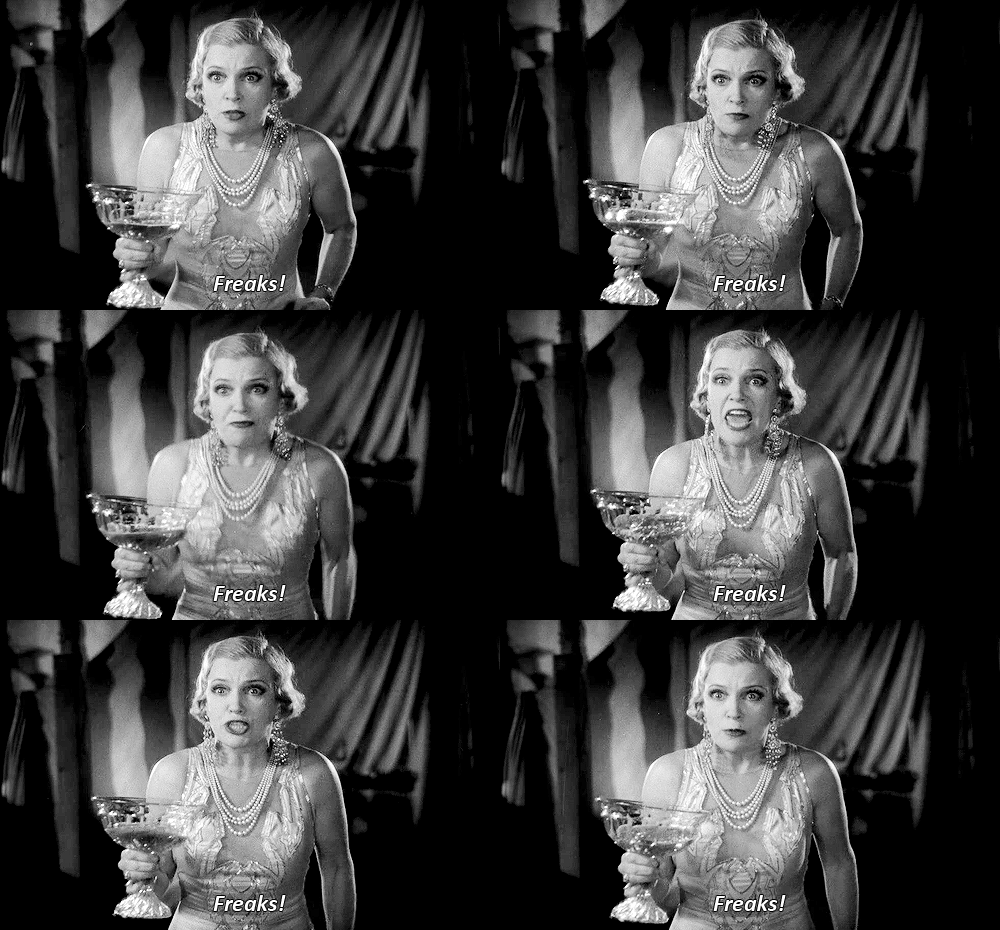
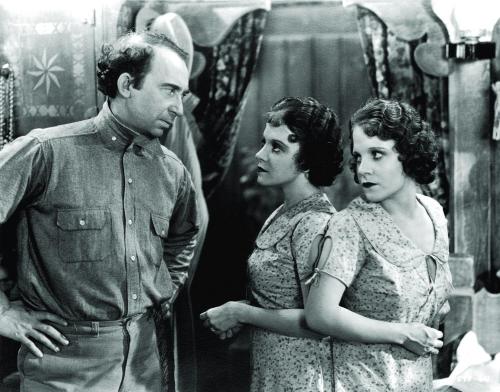
Em geral, os mais assustadores filmes de terror não têm nenhum monstro ou atividade paranormal: o horror surge quando nos damos conta do que um ser humano é capaz de fazer com o outro. O que o diretor Tod Browning queria que assustasse o público é a maneira fria como a trapezista Cleopatra (Olga Baclanova) e seu parceiro Hercules (Henry Victor) planejam ficar com a fortuna do anão Hans (Harry Earles), que está apaixonado por Cleopatra.

In general, the scariest horror films don’t have any monster or supernatural activity: the source of horror is what a human being is willing to do with another human being. The one thing director Tod Browning wanted to cause repulsion in the audience was the way trapeze girl Cleopatra (Olga Baclanova) and her partner Hercules (Henry Victor) plan to get the money from the dwarf Hans (Harry Earles), who is in love with Cleopatra.


O filme sofre um pouco por não ter atores profissionais nos papéis de Hans e Daisy. Entretanto, as lágrimas de Daisy na cena do casamento compensam todos os erros, e dão início à cena mais emblemática do filme. Como Pauline Kael disse, “Monstros” é ótimo, mas teria sido ainda melhor e mais poderoso se fosse um filme mudo.

The film suffers a little because Hans and Daisy are not played by Professional actors. However, Daisy’s tears in the wedding scene compensate all the mistakes, and mark the beginning of the most emblematic scene in the film. As Pauline Kael said, “Freaks” is great, but would have been better and more powerful had it been a silent film.


Como um longo texto que precede o filme nos conta, a humanidade sempre amou a beleza – e talvez você, cinéfilo, conhece alguém que se recusa a ver um filme que “não seja bonito”. Mas o que pode ser considerado “bonito”? A beleza não está nos olhos de quem a vê?

As a long text before the movie tells us, the humanity has always loved beauty – and maybe you, cinephile, know some people who won’t watch a movie because “it’s not beautiful”. But what can be considered “beautiful”? Isn’t beauty in the eyes of the beholder?

O problema é que as pessoas normalmente não conseguem ver além das aparências. Esta é a lição do filme: algumas pessoas podem ser lindas por fora, mas são podres por dentro.

The problem is that people can’t usually see through the appearance. This is the lesson of the film: some people can be beautiful on the outside, but rotten inside.


Mas o público e o alto escalão da MGM ficaram chocados com as “aberrações”. Há, sim, situações chocantes, como por exemplo o casamento de uma das irmãs siamesas, sendo que a outra não gostava do noivo... mas teria de dividir a cama com ele e sentir as mesmas coisas que a irmã.

But the audience and MGM’s high chiefs were shocked only with the “freaks”. There are shocking moments, indeed, like when one of the conjoined twins gets married and the other twin, who doesn’t like her sister’s groom, has to share the bed with him and feel everything the sister does with him.


O resultado do escândalo foi um longo corte no filme, com 30 minutos extras hoje considerados perdidos, e que certamente fariam toda a diferença na narrativa. Mais uma vez, a intolerância e a hipocrisia ganharam. Não duvido que as pessoas que mais reclamaram do filme não estavam enojadas com as “aberrações”, mas sim consigo mesmas e com seu comportamento em relação àqueles deficientes.

The result of the scandal was a long second cut, with 30 extra minutes that today are considered lost, and that certainly would shine a new light in the storytelling. Once again, intolerance and hypocrisy won. I have no doubt that the people who complained the most about the film weren’t disgusted by the “freaks”, but by themselves and their behavior towards those handicapped people.


Se você já sofreu bullying, ou se já foi chamado de aberração, este filme será doloroso de assistir. Em 2009, ano em que ouvia falar pela primeira vez deste filme, estava no pior momento da minha vida. Infelizmente, eu não tinha um grupo de amigos com um código de honra, prontos a se vingarem por mim. Foi bom eu não ter visto o filme naquela época. E, quando finalmente o vi, não precisei aprender a lição: eu já sabia que o segredo da vida é tolerância, sempre.

If you’ve ever been bullied, if you’ve been ever called a freak, this film will be painful to watch. In 2009, the year I first heard about this film, I was in the lowest point of my life. Unfortunately, I didn’t have a group of friends with an honor code to avenge me. It was good that I didn’t watch the film back then. And, when I finally saw it, I didn’t have to learn the lesson: I already knew that the secret of a good life is tolerance, always.

This is my contribution to the Hot and Bothered: the films of 1932 blogathon, hosted by Aurora and Theresa at Once Upon a Screen and CineMaven’s Essays from the Couch.

Wednesday, July 6, 2016

Helena de Troia / Helen of Troy (1956)

Páris (Jacques Sernas) é um sujeito orgulhoso. Ele tem a missão de fazer um acordo para que não haja exploração econômica entre Esparta e Troia. Além disso, ele diz não adorar nenhum deus (apenas “admira” Afrodite), mesmo vivendo dentro de uma cultura politeísta, e acredita que mulher alguma será capaz de interferir em seu destino. Só sua predileção por Afrodite mostra que Páris prefere o romance à razão, e logo todas as suas convicções serão destruídas.

Paris (Jacques Sernas) is a proud guy. He has the mission to make an economical agreement between Sparta and Troy. Besides that, he has the petulancy to not adore any god (he only “admires” Aphrodite), even though he lives in a polytheistic society, and he also believes that no woman can interfere in his destiny. His love of Aphrodite alone shows that Paris prefers heart to brains, and soon all his convictions will be destroyed.
Páris é atingido por um raio durante uma tempestade e, desacordado vai parar em uma praia. Lá ele é resgatado por Helena (Rossana Podestà), que ele logo associa à figura de Afrodite. Helena se apaixona à primeira vista, mas mente, dizendo que é uma escrava e não a rainha de Esparta. Ela aconselha Páris a voltar para Troia, mas ele está decidido a ir ao palácio.

Paris is struck by lightning during a thunderstorm and, unconscious, he goes on to wake up in an island. There he is greeted by Helen (Rossana Podestà), who he thinks not only resembles Aphrodite, but is the goddess herself. It’s love at first sight for Helen, but she lies saying she is a slave, and not the queen of Sparta. She tells Paris to go back to Troy, but he is affirmative about talking to the king at the palace.
Páris se torna prisioneiro no palácio, e consegue escapar com a ajuda de Helena e da escrava dela, Andraste (Brigitte Bardot).  Mas Páris não volta sozinho para Troia: apaixonada, Helena o acompanha. E o marido de Helena, o rei Menelau (Niall MacGinnis), se revolta ao saber que a esposa foi “levada” pelo troiano, e declara guerra à Troia.

Paris becomes prisoner at the palace, and manages to escape with the help of Helen and her slave, Andraste (Brigitte Bardot). But Paris doesn’t return alone to Troy: infatuated, Helen joins him. And Helen’s husband, king Menelaus (Niall MacGinnis), becomes mad when he finds out that his wife was “taken” by the Trojan, and then the war is declared.
É a história da guerra de Troia, que talvez você já conheça bem por ter estudado na escola ou, se for mais maluco (tipo eu), por ter lido a Ilíada. Mas o mais interessante é o foco nos perdedores, algo que quase nunca acontece nos filmes de guerra. Ora, a própria história normalmente se encarrega de apagar e menosprezar os perdedores das guerras, então por que um filme vai focar no ponto de vista deles?

It is the story of the Trojan War, one that you might already know well because you studied about it at school or, if you were a bit crazier (like me), because you read The Iliad. But the most interesting point is the focus on the losers, something that almost never happens in war movies. Well, history itself manages to erase and underestimate the ones who lose the war, so why would a movie focus on a loser point of view?
Simples: porque o filme é sobre Helena de Troia, a mulher que causou uma guerra apenas porque teve vontade própria e abandonou seu marido para fugir com Páris. Em momento algum perguntaram para Helena se ela foi raptada ou acompanhou Páris de livre e espontânea vontade. E, por acreditarem que uma mulher não deve ter vontade própria, milhares de vidas foram perdidas, incluindo a do herói Aquiles (Stanley Baker).

Simple: because the film is about Helen of Troy, the woman who caused a war just because she had her own will and left her husband to run away with Paris. Nobody asked Helen if she was kidnapped or if she went with Paris because she just wanted to. And, because it was believed that a woman couldn’t have desires or opinions, thousands of lives were lost, including the hero Achilles (Stanley Baker).
Sem o apelo de outros épicos, o filme ainda consegue ser interessante e tem breves, mas grandiosas, cenas de batalha. Ajudando Robert Wise na direção estavam Raoul Walsh e um jovem italiano chamado... Sergio Leone. Versátil, Wise já havia editado “Cidadão Kane” (1941) e ficaria mais conhecido por dirigir “Amor, Sublime Amor” (1961) e “A Noviça Rebelde” (1965).

Without the appeal of other epic movies, this one still can be interesting and has brief, yet huge, battle scenes. Helping Robert Wise direct were Raoul Walsh and a young Italian man called… Sergio Leone. The versatile Wise had already been the editor in “Citizen Kane” (1941), but would be better remembered for directing “West Side Story” (1961) and “The Sound of Music” (1965).
Hoje, é estranho imaginar que não seja a estonteante Brigitte Bardot a interpretar Helena de Troia. O diretor Robert Wise considerou diversas belas atrizes, incluindo Ava Gardner, mas escolheu a italiana Rossana Podestà, relativamente desconhecida em Hollywood. Rossana é linda e exibe belas tranças ao longo do filme. Brigitte, no mesmo ano, seria revelada para o mundo com o filme “E Deus Criou a Mulher”, também sobre uma moça cheia de vontade própria.

Today, it’s hard to believe that gorgeous Brigitte Bardot didn’t play the leading role. Director Robert Wise considered several beautiful actresses for the role, including Ava Gardner, but he at last chose the relatively unknown (at least in Hollywood) Italian actress Rossana Podestà. Rossana is gorgeous and has a strong braid game throughout the movie. In the same year, Brigitte would be revealed to the world with the movie “And God Created Woman”, also about a lady who has her own free will.
No começo do filme, a irmã sacerdotisa de Páris, Cassandra (Janette Scott), o aconselha a não fazer a viagem para Esparta. Ninguém acredita na visão dela, e ela é tomada como louca. Mais tarde no filme, ela aconselha os troianos a não aceitarem o grande cavalo de madeira deixado pelos espartanos. Eles novamente a ignoram – e você já sabe o que acontece. Se há uma coisa que aprendemos com “Helena de Troia”, é “nunca subestime as mulheres”.

At the beginning of the movie, Paris’s sister, Cassandra (Janette Scott), advises him not to travel to Sparta. Nobody believes that she had foreseen something bad, and she is considered crazy. Later in the movie, she advises the Trojans to not bring inside the city the huge wooden horse left by the Spartans. They once again ignore her – and you already know what happens. If there is one lesson we learn from “Helen of Troy”, it is “never underestimate women”.

This is my contribution to The Sword and Sandal blogathon, hosted by Debra at Moon in Gemini.
Related Posts Plugin for WordPress, Blogger...