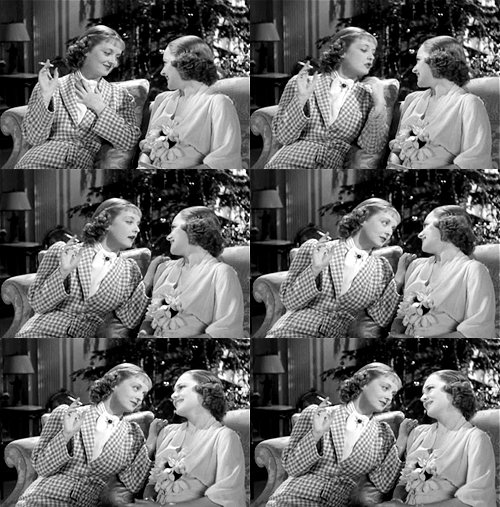
} Crítica Retrô: Leslie Howard

Tradutor / Translator / Traductor / Übersetzer / Traduttore / Traducteur / 翻訳者 / переводчик

Showing posts with label Leslie Howard. Show all posts

Sunday, April 7, 2019

Escravos do Desejo (1934) / Of Human Bondage (1934)


ESTA CRÍTICA TEM SPOILERS

THIS REVIEW HAS SPOILERS
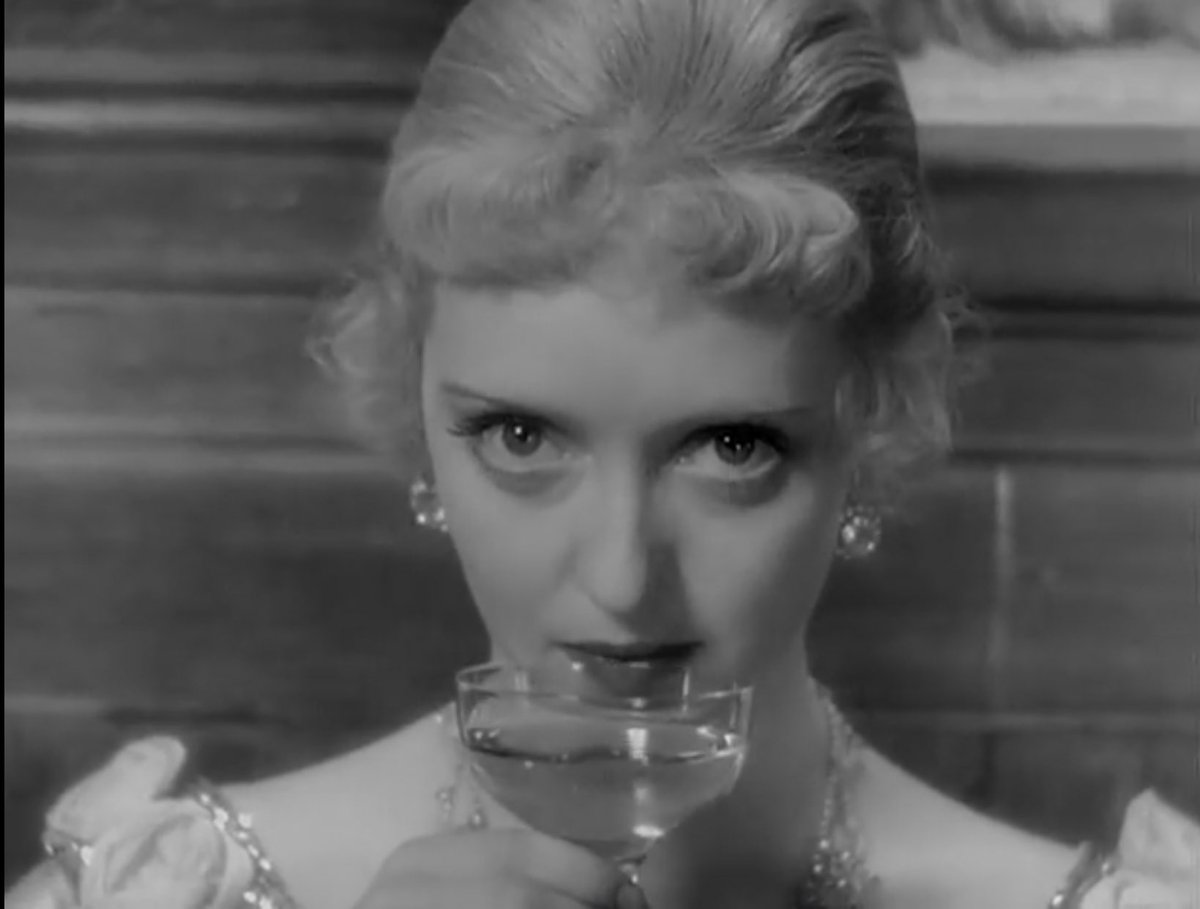

Quase todos os artistas, não importa qual arte façam, têm um trabalho considerado aquele que muda tudo. O livro que se tornou um best-seller e deu a seu autor muitos prêmios. A pintura que foi vendida a uma grande galeria e deu a seu pintor notoriedade. Ou o filme que fez o mundo todo olhar para um ator ou atriz e dizer: “que talento!”. Para Bette Davis, o filme que mudou tudo foi “Escravos do Desejo”, de 1934 - por vezes também chamado de “Servidão Humana” - o 23º filme da carreira dela em Hollywood - o que prova que são necessários muitos anos para fazer sucesso da noite para o dia.

Almost all artists, no matter the art they make, have one work labeled as a “big break”. That book that became a best-seller and gave its author many prizes. That painting that was sold to a big gallery and gave its painter notoriety. Or that movie that made everybody look at an actor or actress and say: “what a talent!”. For Bette Davis, the big break came with 1934’s “Of Human Bondage”, the 23rd film of her career in Hollywood - proving that it takes many years to become an overnight sensation.


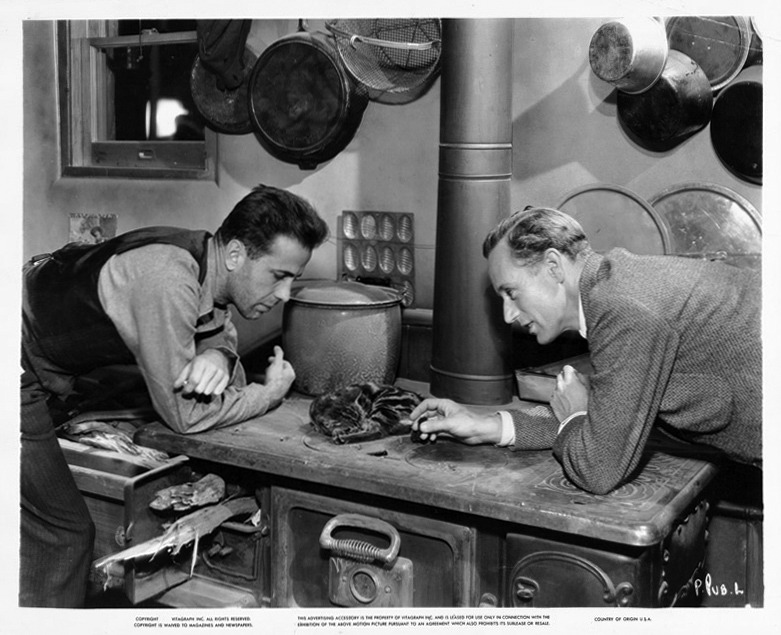
Em Paris, Philip Carey (Leslie Howard) pergunta a seu professor de pintura se algum dia ele será um grande pintor. O professor é sincero: seu pupilo pode conhecer a técnica, mas lhe falta a criatividade de um gênio. Desapontado, Philip decide voltar para Londres e seguir a mesma carreira do pai, tornando-se médico. Detalhe importante: Philip manca por causa d dum defeito de nascença, e isso o envergonha muito.

In Paris, Philip Carey (Leslie Howard) asks his painting teacher if someday he would be a great painter. The teacher is sincere: his pupil may know the technique, but lacks the creativeness of a genius. Bummed, Philip decides to go back to London to follow his father’s footsteps and become a doctor. An important detail: Philip has a limp due to a birth defect and is very self-conscious about it.


Já em Londres, um amigo pede que ele o ajude a conquistar uma garota - por causa de sua estadia em Paris, o amigo acredita que Philip tem mais experiência com as mulheres. A garota em questão é a garçonete Mildred Rogers (Bette Davis). Ela e Philip trocam farpas no primeiro encontro - e Philip usa a péssima cantada “você deveria sorrir mais”. Mildred se enoja com o defeito físico dele.

Once in London, he is asked to help a friend conquer a girl - because he lived in Paris, his friend thinks Philip has more experience with girls. The girl in the picture is waitress Mildred Rogers (Bette Davis). She and Philip end up being rude with each other in their first meeting - with Philip even using, ugh, the pick-up line “you should smile more”. Mildred is disgusted by his limp.


Philip a convida para jantar, e ela aceita. Ele sonha com ela, a convida para sair muitas outras vezes. Philip está obcecado. Mas Mildred é livre - ela é o tipo de personagem feminina livre que o Código Hays mataria muito em breve. Ela flerta com outros clientes, sai com eles e parece não se importar com convites porque recebe muitos deles, o tempo todo.

Philip invites her to go out for dinner, and she accepts. He dreams about her, he invites her out again and again. Philip is obsessed. But Mildred is free - she is the kind of free female character that the Production Code would soon kill. She flirts with other customers, goes out with them and seems unbothered by any invitation because she receives so many so often.
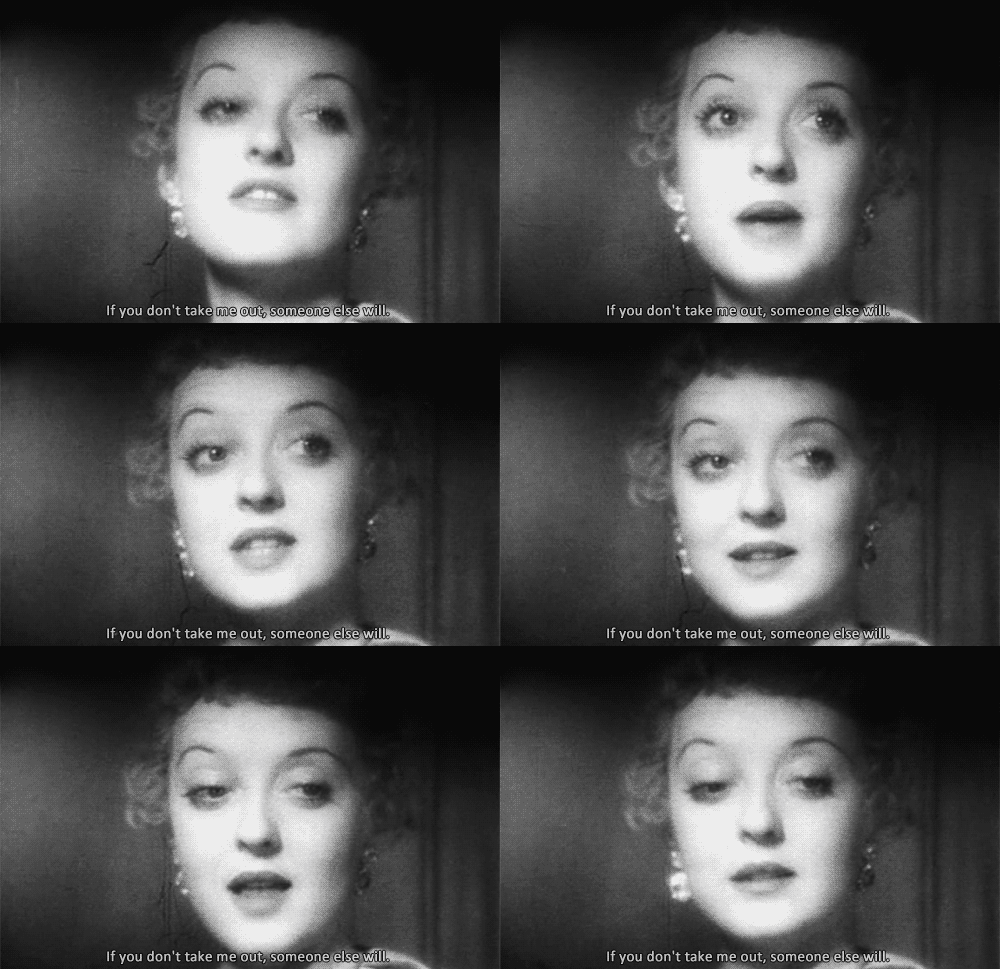

Philip tenta esquecer Mildred saindo com a escritora Norah (Kay Johnson). Agora a situação é inversa: enquanto Philip era apaixonado por Mildred e ela não o amava, agora temos Norah apaixonada por Philip sem ser correspondida. Um dia, Mildred volta - e eu adoraria ver a versão de Norah da história toda, porque temos filmes demais sobre mulheres que arruinaram a vida dos homens, mas poucos sobre mulheres que superaram um amor não correspondido.

Philip tries to forget Mildred by dating writer Norah (Kay Johnson). Now the situation is the inverse: while Philip was devoted to Mildred and she didn’t love him, now we have Norah being devoted to Philip but not being loved by him. Eventually, Mildred comes back - and I’d love to see Norah’s version of the whole story, because there are so many stories of women who ruined men’s lives, but so few of the women who got over loving someone and not being loved back.


Reginald Owen interpreta Thorpe Athelny, um homem que é paciente de Philip, e depois se torna seu amigo e casamenteiro. Ele é construído para ser interessante e criar uma atmosfera acolhedora, mas acaba sendo apenas chato e inconveniente. A filha de Athelny, Sally, é interpretado por Frances Dee. Sally é uma garota doce cuja chance de romance com Philip é arruinada pela, adivinhe, volta de Mildred.

Reginald Owen plays Thorpe Athelny, a man who is first Philip’s patient, then becomes kind of a friend and matchmaker. He is built to be amusing and create a cozy atmosphere, but ends up being only annoying and inconvenient. Athelny’s daughter, Sally, is played by Frances Dee. Sally is a sweet girl whose chance with Philip is ruined by, you guessed it, Mildred’s return.


“Escravos do Desejo” é baseado num romance de W. Somerset Maugham. O autor também escreveu “O Fio da Navalha”, que deu origem a um filme brilhante de 1946. Enquanto “O Fio da Navalha” é uma obra mais espiritual, “Escravos do Desejo” trata dos sentimentos mais crus, como amor, luxúria, desespero, nojo e raiva.

“Of Human Bondage” is based on a romance by W. Somerset Maugham. The author also wrote “The Razor’s Edge”, which was the basis for a brilliant film made in 1946. While “The Razor’s Edge” is a more spiritual work, “Of Human Bondage” is all about the rawest feelings, like love, lust, despair, disgust and anger.
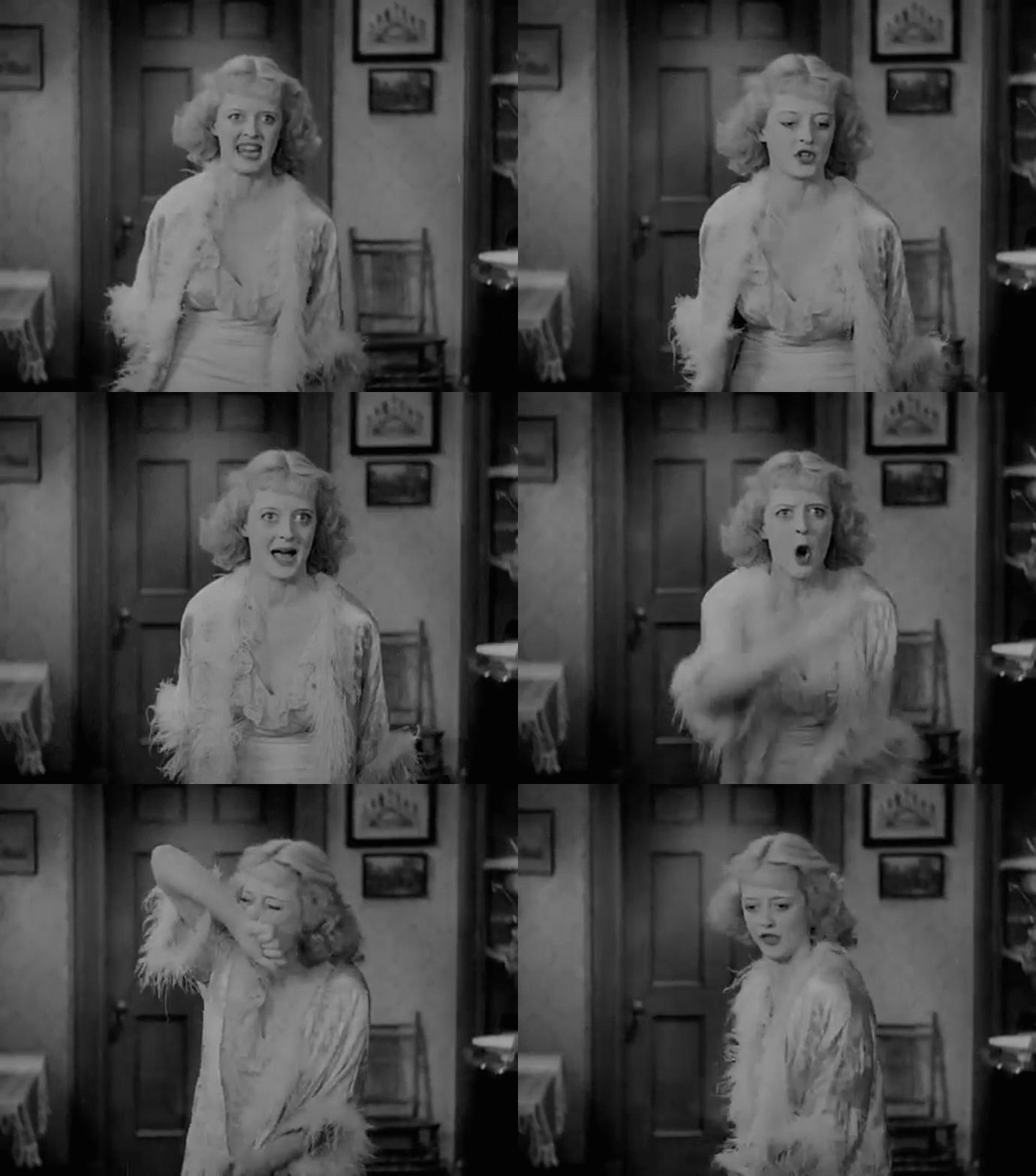

Bette Davis está simplesmente sublime neste filme. Ela é má, mas profundamente humana, e sua transformação é admirável - mas não no bom sentido. Por isso, foi um choque quando ela não foi indicada ao Oscar de Melhor Atriz. No começo dos anos 1930, a Academia permitia que novos candidatos fossem adicionados à cédula na hora da votação, e ela também revelava em que posição os indicados ficaram depois da votação - primeiro, segundo, terceiro lugar e assim por diante. Bette Davis foi tão constante na indicação informal que acabou em terceiro lugar, à frente de Grace Moore, indicada oficialmente pela Academia. O Oscar foi para Claudette Colbert naquele ano e, quando um candidato indicado extra-oficialmente ganhou o prêmio - o que aconteceu na categoria de Melhor Fotografia em 1935 - a Academia proibiu esse tipo de indicação.

Bette Davis is nothing but sublime in this movie. She is vile, but true to the human character, and her transformation is one to admire - not in the good sense. So, it was a shock when she wasn’t nominated for a Best Actress Oscar. Back in the early 1930s, the Academy allowed write-in votes, and it also revealed the positions the nominees eventually came in - first, second, third places and so on. Not only Bette was a write-in in the category, but she also came in third place, in front of real nominee Grace Moore. The Oscar went to Claudette Colbert that year and, when a write-in candidate actually on the award - the Cinematography award in 1935 - the Academy forbade the practice.
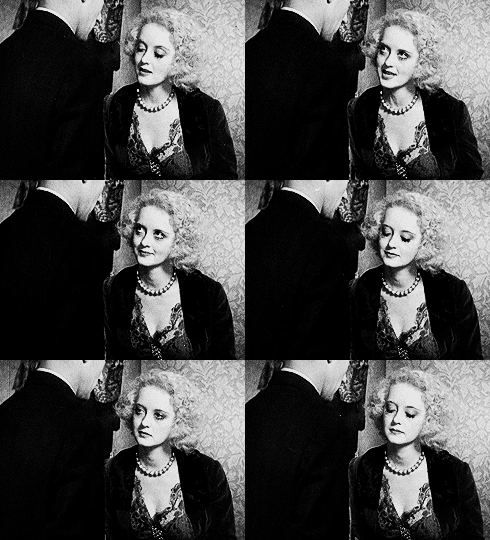

Bette Davis estava procurando papéis mais substanciais do que os que lhe eram oferecidos na Warner Brothers. Ela encontrou o que procurava em “Escravos do Desejo”, da RKO, e no final os executivos da Warner fizeram campanha contra ela na corrida do Oscar. Este filme foi um ponto de virada na carreira de Bette, e a prova de que ela nunca teve medo: ela não teve medo de interpretar personagens antipáticas como Mildred, não teve medo de ficar “feia” se isso fosse feito pelo realismo do papel, e nunca teve medo de exagerar – ou ser maior do que a própria vida.

Bette Davis was looking for juicier roles than the one she was being offered at Warner Brothers. She found what she was looking for in RKO’s “Of Human Bondage”, and eventually Warner executives campaigned against her at the Oscar race. This film was a turning point in Davis’s career, and the proof that the actress was never afraid: she was not afraid of playing unsympathetic roles like Mildred, not afraid of becoming “ugly” for a role if it demanded realism, and never afraid to be over the top – or larger than life.

This is my contribution to the Fourth Annual Bette Davis blogathon, hosted by Crystal at In the Good Old Days of Classic Hollywood.


Saturday, April 7, 2018

A Floresta Petrificada (1936) / The Petrified Forest (1936)

Quantos filmes interessantes começam em um posto de gasoline / restaurante? Vejamos: “Beija-me, Idiota” (1964) é o primeiro que me vem à mente. Também há “Fuga do Passado” (1947) e muitos outros filmes noir. Mas em quantos ótimos filmes a ação acontece quase totalmente em um posto de gasolina que está literalmente no meio do nada? “A Floresta Petrificada”, que se passa em um posto na desértica Black Mesa, Arizona, é o único filme que me vem à mente.

How many interesting movies start in a gas station / restaurant? Let’s see: “Kiss Me, Stupid” (1964) is the first I think about. Also “Out of the Past” (1947) and some other noir films. But how many great films are basically fully set in a gas station literally out of nowhere? “The Petrified Forest”, set in a gas station in the desert place of Black Mesa, Arizona, is the only one that comes to my mind. 
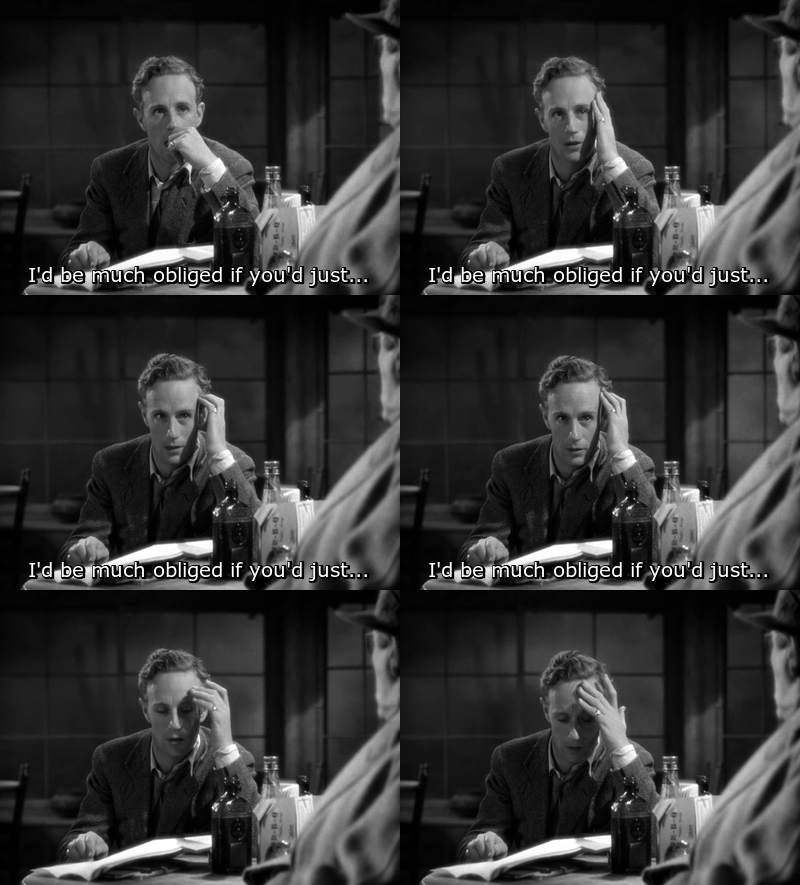
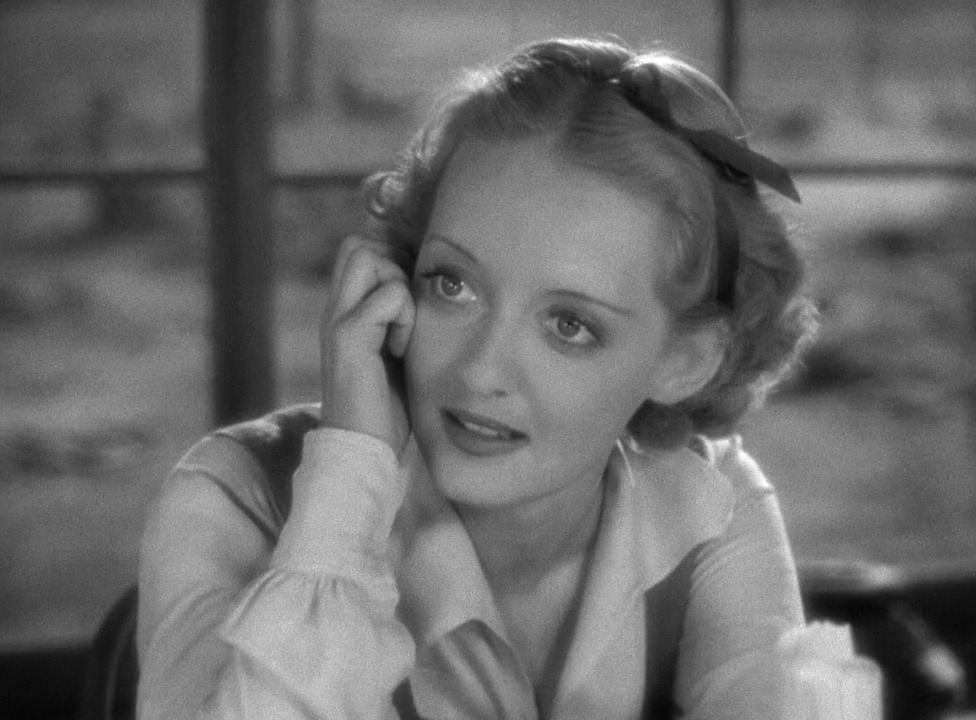
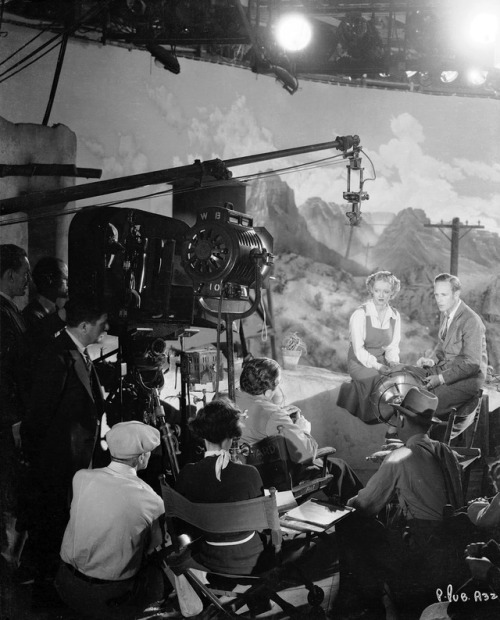
Tudo começa com a chegada de um estranho: Alan Squier (Leslie Howard, tão magro e pálido que se parece com Stan Laurel). Squier é um escritor charmoso que está cruzando os EUA após se divorciar, e ele logo conquista a garçonete do restaurante, a ingênua e sonhadora Gabrielle (Bette Davis).

Everything starts with the arrival of an odd man: Alan Squier (Leslie Howard, so slim and pale that he looks like Stan Laurel). Squier is a charming writer crossing the country after a divorce, and he instantly conquers the restaurant’s waitress, naïve dreamer Gabrielle Maple (Bette Davis).
Mas chega a hora de dizer adeus. Alan pega uma carona com o casal Chisholm (Genevieve Tobin e Paul Harvey) e o motorista deles. Quando eles estão na estrada, escutam no rádio a descrição da aparência do gângster fugitivo Duke Mantee (Humphrey Bogart) e qual carro ele e seus comparsas estão usando para a fuga. Na curva seguinte o casal Chisholm tem uma surpresa: é o próprio Duke Mantee que os para e rouba o carro.

But time has come to say goodbye. Alan gets a lift from the Chisholms (Genevieve Tobin and Paul Harvey) and their driver. When they are on the road the radio describes how runaway gangster Duke Mantee (Humphrey Bogart) looks like and which car he and his mates are using. On the next curve the Chisholms have a surprise: it’s Duke Mantee himself, who stops them and steals their car.
Enquanto o casal tenta consertar o carro de Duke para continuarem com a viagem, Alan, muito nervosa, volta para o restaurant, sabendo que Duke está prestes a encontrar Gabrielle. Duke chega lá. E Alan também. Agora, temos Gabrielle, Alan, o funcionário do posto Boze (Dick Foran) e o avô de Gabrielle (o divertido Charley Grapewin) são reféns de Duke e seus capangas. Com todos no restaurante, eles só podem ter conversas profundas sobre a vida, amor, dinheiro e dúvidas existenciais. E, sim, o casal Chisholm e o motorista também acabam sendo feitos reféns.

While the Chisholms try to fix Duke’s broken car to go on with their trip, a very nervous Alan walks back to the restaurant, knowing that Duke is about to hit the place. Duke does that. And so does Alan. Now, we have Gabrielle, Alan, the gas station employee Boze (Dick Foran) and Gabrielle’s grandfather (a very funny Charley Grapewin) held hostage by Duke and his evil crew. With all in the restaurant, they can only have deep conversations about life, love, money and existential doubts. And, yes, the Chisholms and the driver eventually arrive there, too.
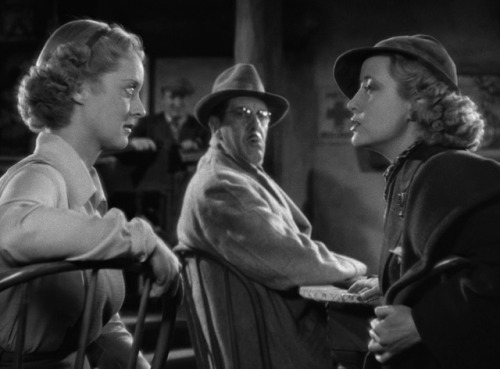
A principal tarefa de Bette Davis em “A Floresta Petrificada” é ser adorável. Gabrielle é uma garota sensível que deseja visitar sua cidade natal na França e adora ler poesia. Alan é um par perfeito para ela. Como Alan, Leslie Howard tem de dizer coisas bonitas e intelectuais que também sejam provocativas para nós, espectadores. E Genevieve Tobin tem um monólogo FANTÁSTICO.

Bette Davis’s main job in ‘The Petrified Forest” is to be adorable. Gabrielle is a sensitive girl who wants to visit her birthplace in France and loves to read poetry. Alan is a perfect match for her – even though Boze is insistent about seducing her. As Alan, Leslie Howard has to say beautiful, intellectual things that are provocative for us, viewers. Oh, and Genevieve Tobin has a FANTASTIC monologue.
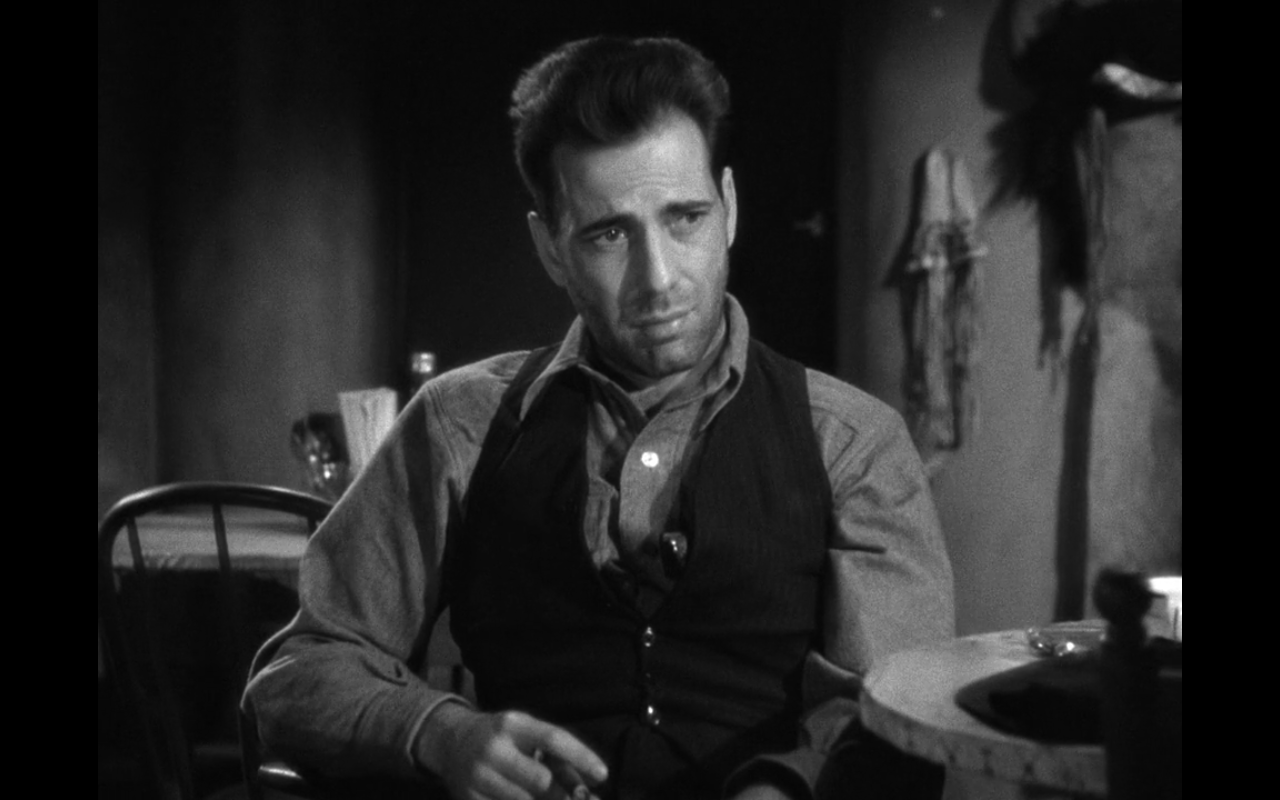
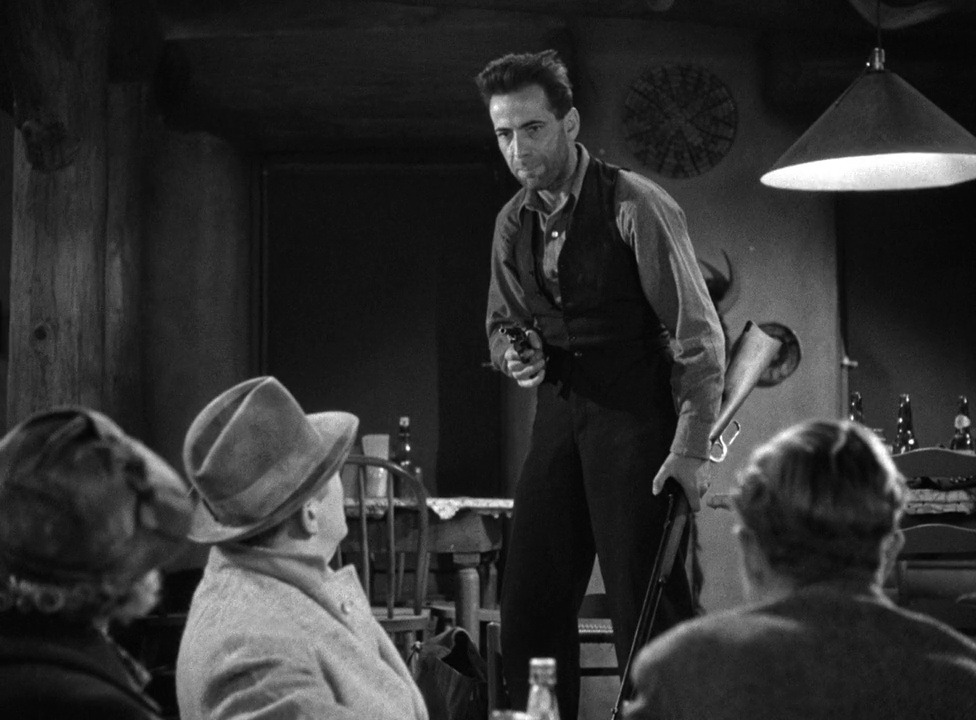
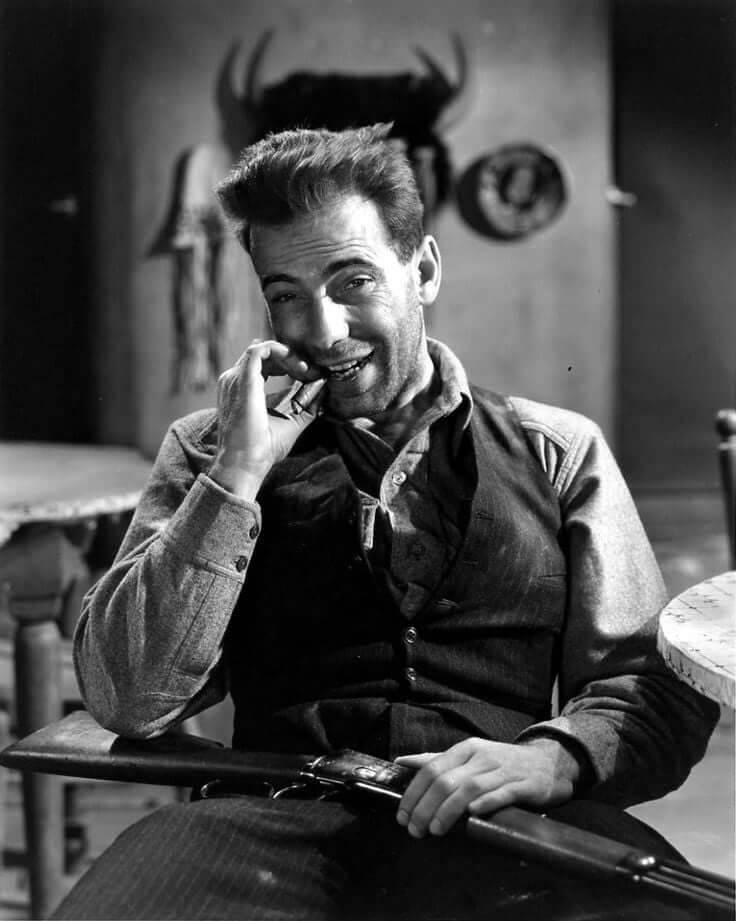
Humphrey Bogart interpreta um gângster barra-pesada com um minúsculo coração de manteiga. Na primeira fase de sua carreira, que vai de 1930 a 1941, ele foi mal aproveitado pela Warner Bros, que lhe dava só pequenos papéis – seu nome é só o quarto nos créditos deste filme – e papéis de vilão – no ano seguinte ele interpretaria um membro da Ku Klux Klan. É interessante notar, em Duke Mantee, este momento em particular, quando a câmera – por causa de uma tomada precisa planejada pelo diretor Archie Mayo – captura a alma do personagem:

Humphrey Bogart plays a heavy gangster with a tiny soft spot in his heart. In the first phase of his career, that goes from 1930 to 1941, he was mostly “undercast” by Warner Bros, who gave him small roles – he’s the fourth billed here – and roles of villains – he would play a Ku Klux Klan member in a 1937 movie. It’s interesting to notice, about Duke Mantee, this moment in particular, when the camera –because of a precisely planned shot by director Archie Mayo – captures the character’s soul:
“A Floresta Petrificada” foi primeiro apresentada como peça, com Howard, Davis e Bogart nos três papéis principais. Quando o estúdio Warner adquiriu os direitos da peça, os executivos planejaram dar o papel de Duke para Edward G. Robinson, mas Leslie insistiu em contracenar com Bogart. Por causa deste apoio, Bogart foi para sempre grato para com Howard, e inclusive deu o nome de Leslie à sua filha. E Bogart teve a chance de interpretar Duke Mantee mais uma vez em 1955, em uma adaptação para a TV, com Lauren Bacall como Gabrielle e Henry Fonda como Alan.

“The Petrified Forest” was first presented as a play, with Howard, Davis and Bogart in the three main roles. When it acquired the play rights, Warner planned to cast Edward G. Robinson for the role of Duke, but Leslie Howard insisted on working with Bogart. Because of this support, Bogart was forever grateful to Howard, and even named his daughter Leslie after him. And Bogart had the chance to play Duke Mantee once more in 1955, in a TV adaptation, with Lauren Bacall as Gabrielle and Henry Fonda as Alan.       
Sem dar spoilers, posso dizer que o filme pega um caminho muito incomum por causa do amor de Alan por Gabrielle. E, se você imaginou que um filme de 1936 traria uma lição moral machista e antiquada sobre as razões para a vida de um homem ou uma mulher, eu digo: você está muito enganado! Agora basta apenas conferir este excelente filme.

Without spoiling it, I can say that the film goes through a very unusual path thanks to Alan’s love for Gabrielle. And, if you presumed that a 1936 movie would bring a sexist, old-fashioned moral lesson about the reason behind a man’s or a woman’s existence, I must say: boy, you are wrong! Now go on and watch this wonderful movie.

This is my contribution to the Third Annual Bette Davis blogathon, hosted by Crystal at In the Good Old Days of Classic Hollywood.

Wednesday, August 16, 2017

Uma Alma Livre / A Free Soul (1931)

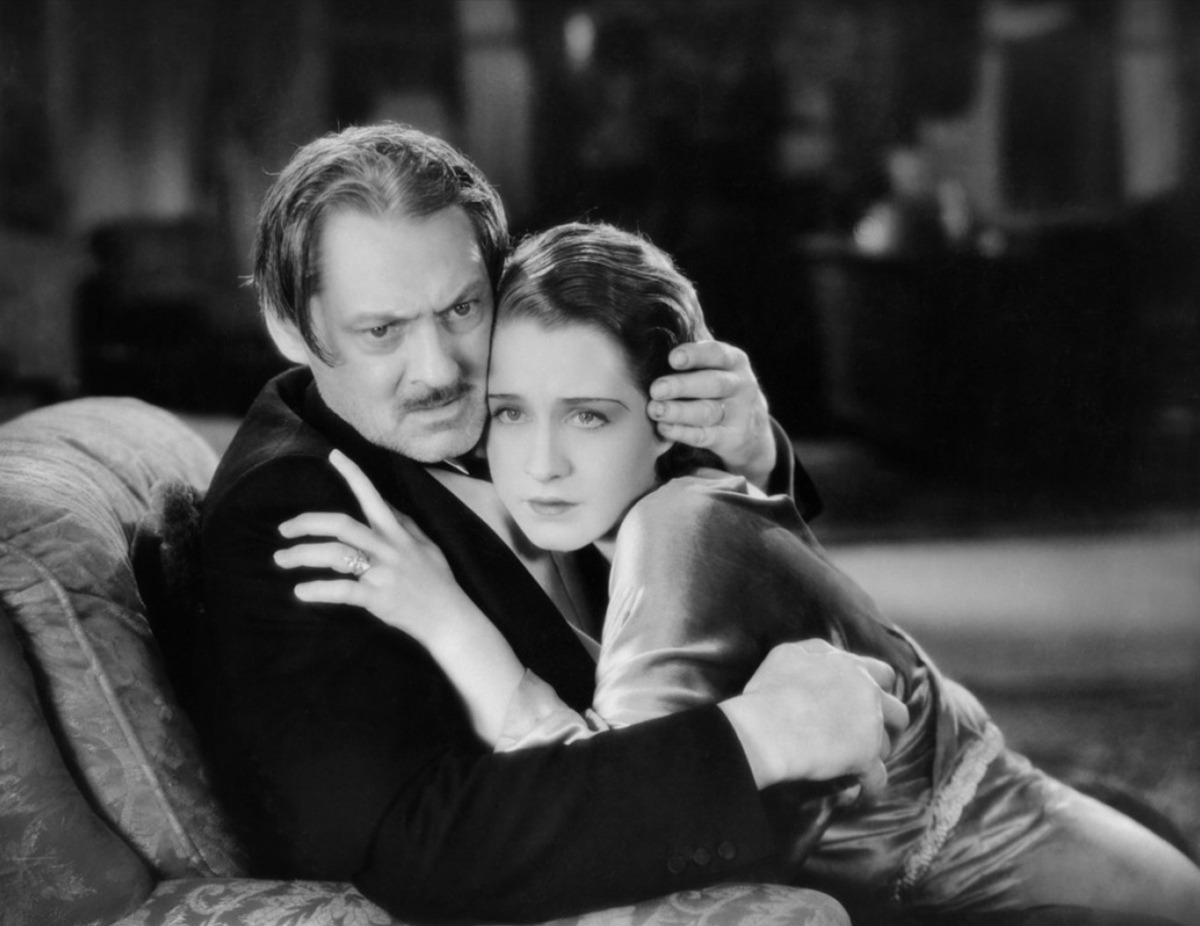
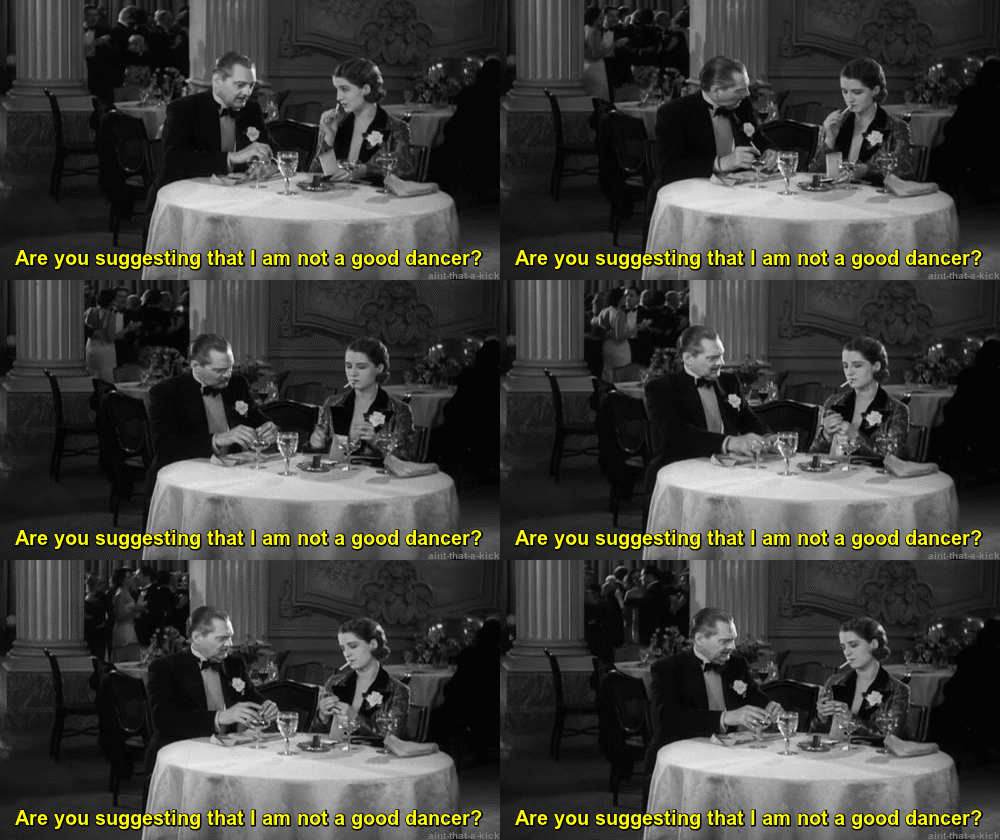
É San Francisco, a cidade do pecado! Um homem (Lionel Barrymore) está lendo um jornal quando a sombra de uma mulher se projeta na parede do banheiro. A mulher está nua e pede para ele trazer a lingerie até ela. Ele faz isso, e podemos ver um belo sutiã sendo exibido. A garota (Norma Shearer) sai do banheiro e toma o café da manhã mais rápido da história enquanto fala que ambos “não são respeitáveis”. Nós descobrimos que eles são Stephen e Jan Ashe, pai e filha, e felizmente não outra coisa, como imaginamos.

It's San Francisco, the Sin City! A man (Lionel Barrymore) is reading the newspaper when a woman's shadow appears in the bathroom walls. The woman is naked and asks him to bring her undergarments. He does that, and we can see a bra being exhibited. The girl (Norma Shearer) goes out of the bathroom and has the quickest breakfast in history while saying that they both “are not respectable”. We learn that they are Stephen and Jan Ashe, father and daughter, and thankfully not something else as we were lead to believe.
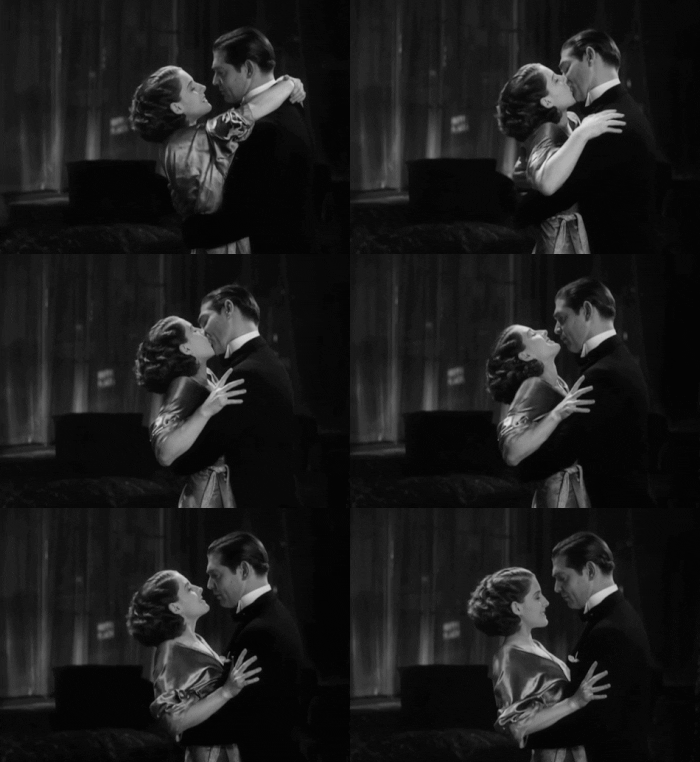
Stephen é um advogado brilhante. Infelizmente, ele também é alcoólatra – algo para que todos ao seu redor literalmente viram as costas. O cliente a defender naquele dia é o jogador Ace Wilfong (Clark Gable sem bigode), um homem cuja vida depende de um chapéu como evidência. Jan e Ace se interessam um pelo outro quando trocam o primeiro olhar.

Stephen is a brilliant lawyer. Unfortunately, he is also a hevay drinker – something everybody around him literally turn their backs to. His client of the day is gambler and bootlegger Ace Wilfong (Clark Gable sans moustache), a man whose life depends on a hat as an evidence. Jan and Ace get interested in each other in the moment their eyes meet.
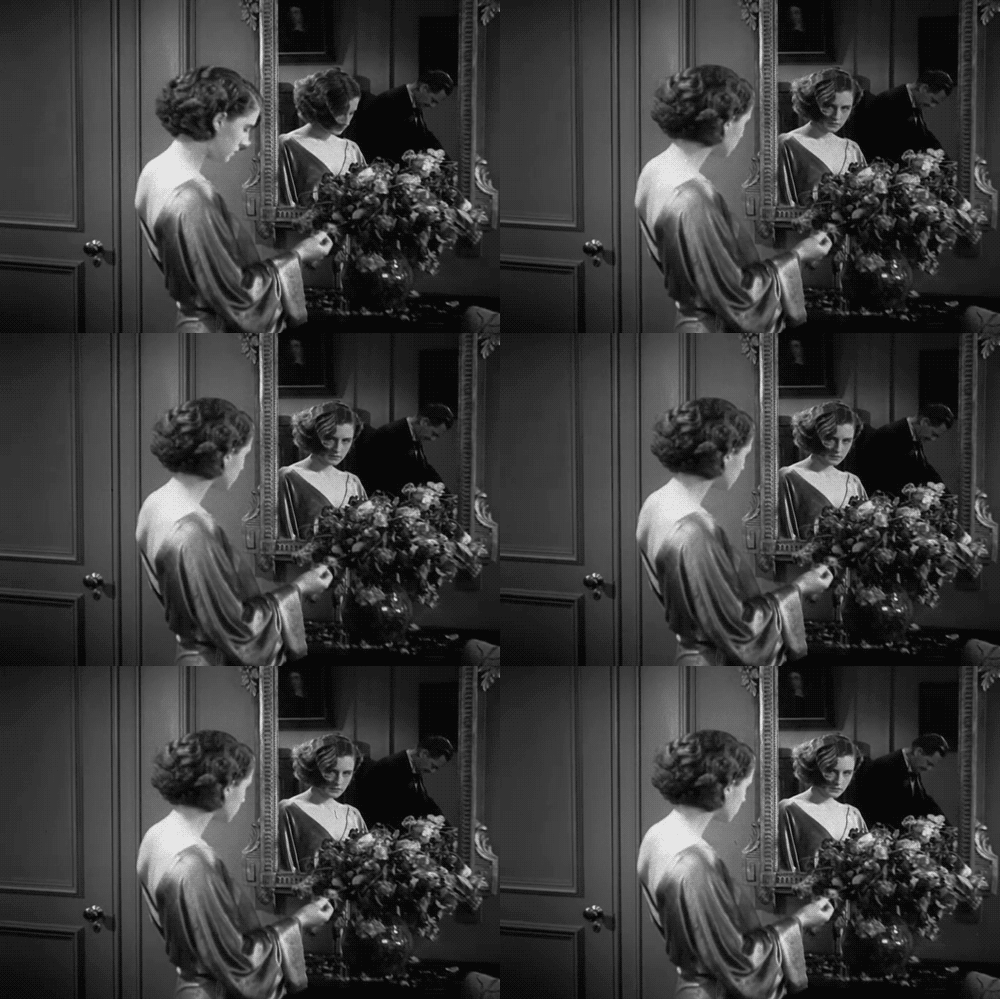
Mas Jan recentemente ficou noiva de Dwight Winthrop (Leslie Howard), um homem insistente que é aprovado por todos da esnobe família dela, incluindo o pai dela. Mas ela não quer aprovação: ela quer amor e prazer. Quando seu pai demonstra que não está feliz com o relacionamento, ela propõe uma troca: Jan vai parar de se encontrar com Ace se Stephen parar de beber.

But Jan has recently got engaged to Dwight Winthrop (Leslie Howard), an insistent man who her whole snob family, including her father, approves. But she doesn't want approval: she wants love and pleasure. When her father shows he isn't happy with her relationship, she sets a deal: Jan will stop seeing Ace if Stephen stops drinking.
Jan é dona de si. Ele é adorável, charmosa, provocante. Ela veste lindas roupas – desenhadas por Adrian! - e ama seu pai mais que tudo no mundo. Norma Shearer e Lionel Barrymore estão ótimos juntos. Eu adorei a cena em que Stephen vê pela primeira vez Jan e Ace juntos: em completo silêncio, nós podemos perceber a vergonha e frustração nos olhos deles.

Jan is a free woman. She is adorable, charming, provocative. She has wonderful clothes – designed by Adrian! - and loves her father more than anything in the world. Norma Shearer and Lionel Barrymore are great together. I loved the scene in which Stephen first saw Jan with Ace: it's completely silent, but we can see the shame and disappointment in their eyes.
Lionel Barrymore é o primeiro de uma lista de atores que ganharam o Oscar interpretando bêbados. Ele também é um dos atores que ganharam o Oscar interpretando um advogado – veja o diagrama de Venn abaixo. Suas cenas durante a crise de abstinência são poderosas, mas não tanto quanto as de Ray Milland em “Farrapo Humano” (1945). Seu grande final no tribunal é cheio de honra e culpa ultrapassadas, mas é ali que ele mostra a que veio.

Lionel Barrymore is the first in a list of actors who won the Oscar playing drunk characters. He is also one of the actors who won the Oscar playing a lawyer – see the Venn diagram below. His scenes during abstinence are powerful, but not as powerful as Ray Milland in “The Lost Weekend” (1945). His grand finale in the courtroom is filled with outdated honor and guilt, but it is here that he nails it.
P.S.: Click to enlarge
O filme é cheio de elementos dos pre-Codes e toques eróticos. Ele certamente deu dor de cabeça para a censura. Se você gosta de dramas com surpresas e toques ousados, “Uma Alma Livre” é um filme que você não pode perder.

The film is full with pre-Code elements and erotic touches. It was certainly a headache for the censors. If you like dramas with plot twists and naughty touches, “A Free Soul” is definetely a film not to be missed.

This is my contribution to the Third Annual Barrymore Trilogy Blogathon, hosted by Crystal at In the Good Old Days of Classic Hollywood.
Sunday, July 2, 2017

Somos do Amor / It's Love I'm After (1937)

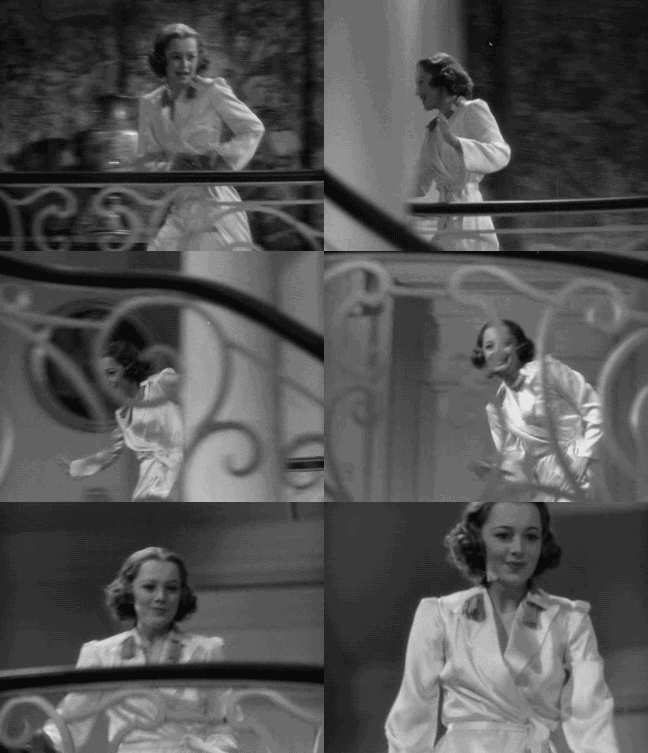
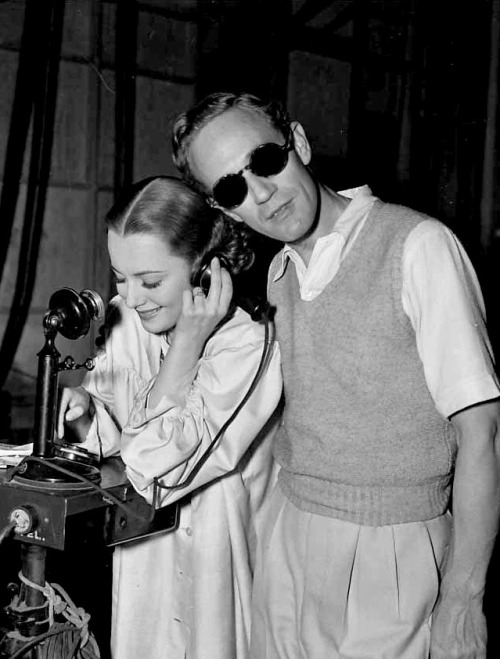
Você pode imaginar Bette Davis fazendo comédia? E Olivia de Havilland e Leslie Howard? Se isto é difícil de imaginar, sem problemas: você pode ver o trio com seus próprios olhos na comédia “Somos do Amor”.

Can you think about Bette Davis doing a screwball comedy? How about Olivia de Havilland and Leslie Howard? If this is hard to imagine, no problems: you can see the trio with your own eyes in “It's Love I'm After”.
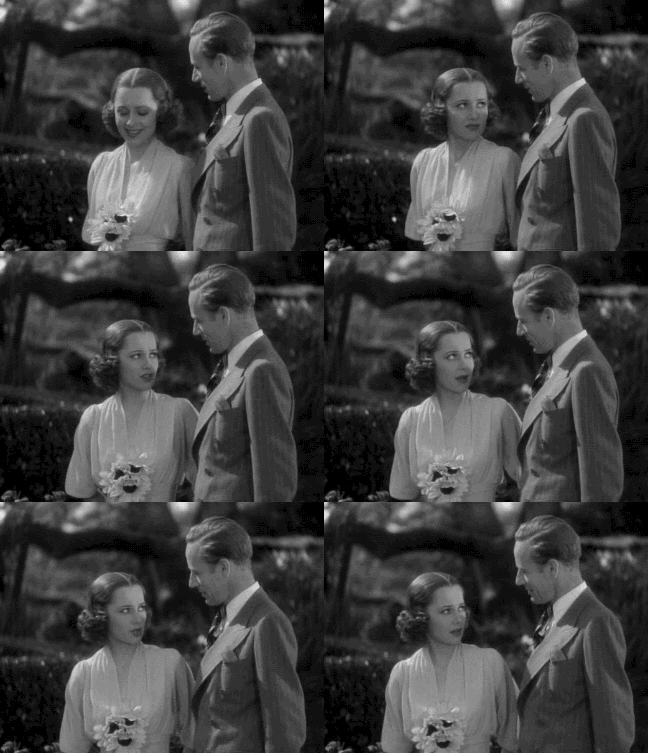
Marcia West (Olivia de Havilland) é uma super fã que ama o ator shakespeariano Basil Underwood (Leslie Howard). Este amor incomoda o noivo dela, Henry Grant Jr (Patrick Knowles). Henry confronta Basil na véspera de Ano Novo, e tem uma ideia quando Basil cita uma peça.


Marcia West (Olivia de Havilland) is a super fan who loves Shakespearian actor Basil Underwood (Leslie Howard). This love bothers her fiancé, Henry Grant Jr (Patrick Knowles). Henry confronts Basil on New Year's Eve, and is inspired by a play Basil mentions.
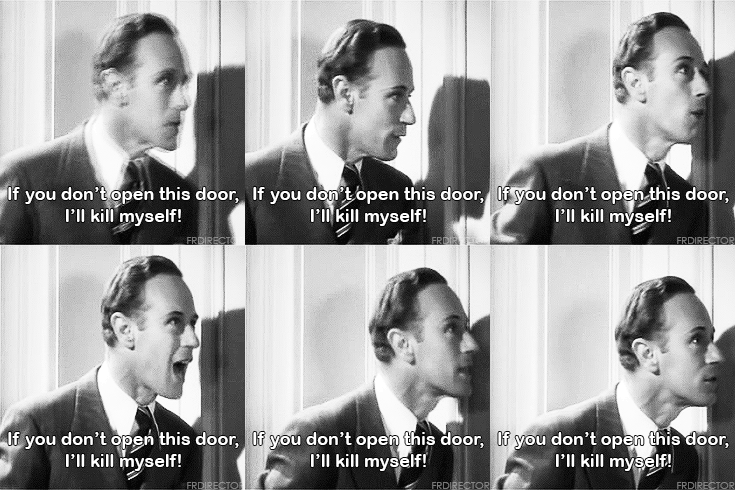
Henry pede que Basil encontre Marcia e faça-a cair na real e deixar de amar o ator. Basil vê o plano como uma chance de se tornar uma pessoa melhor. Mas, para isso, ele tem de adiar mais uma vez o casamento com sua co-estrela dos palcos, Joyce Arden (Bette Davis).


Henry asks Basil to meet Marcia and make her fall out of love with the actor. Basil sees the plan as a chance to become a better person. But, for this, Basil has to postpone once more his marriage to his co-star of the stages, Joyce Arden (Bette Davis). 
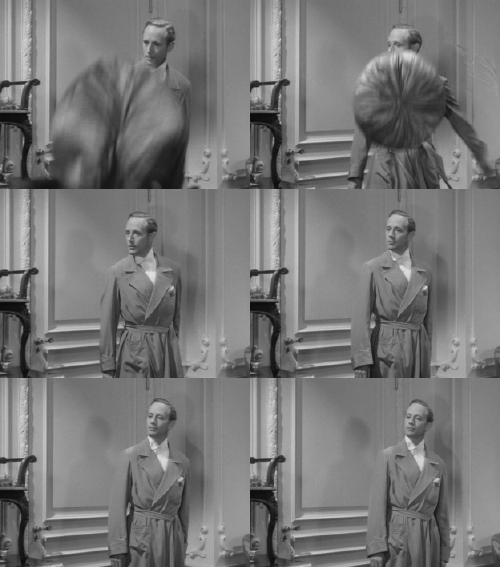
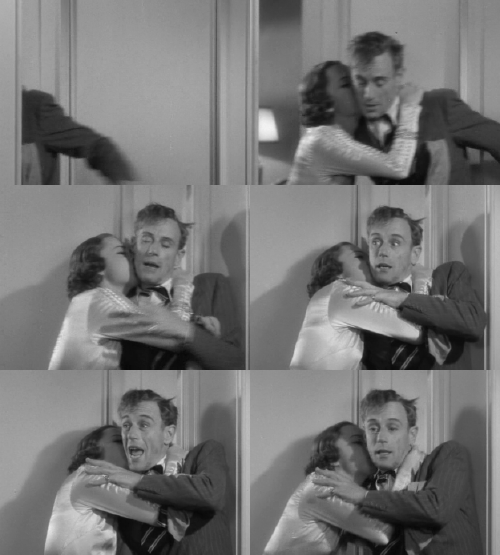
Fingindo ser um verdadeiro canalha, Basil chega à casa dos West no meio da noite, pensando que este incômodo será suficiente para completar sua missão. Porém, ele reconhece Marcia: ele é a doce garota que foi até seu camarim e confessou seu amor e admiração por ele, tudo com muita educação. Ele fica triste por ter de destruir a imagem que Marcia tem dele, mas ela é mais rápida e mente, dizendo à família que convidou o ator para passar o fim de semana.


Pretending to be a real asshole, Basil arrives at the West house in the middle of the night, thinking it'd be enough to complete his mission. But he recognizes Marcia: she is the sweet girl who went to his dressing room after Romeo and Juliet and confessed her love and admiration for him, in the most polite way. He is sad to have to disappoint Marcia, but she is quicker and lies, telling her family she has invited him to stay for the weekend.
No dia seguinte, Basil faz de tudo para parecer uma diva antipática – e até usa algumas falas de peças clássicas para isso. Mas a cada atitude horrível dele, Marcia fica mais encantada.


The following day, Basil does everything to be seen as a diva – and even uses some lines from classic plays along the way. But with each awful deed he does, Marcia gets more enchanted by him. 
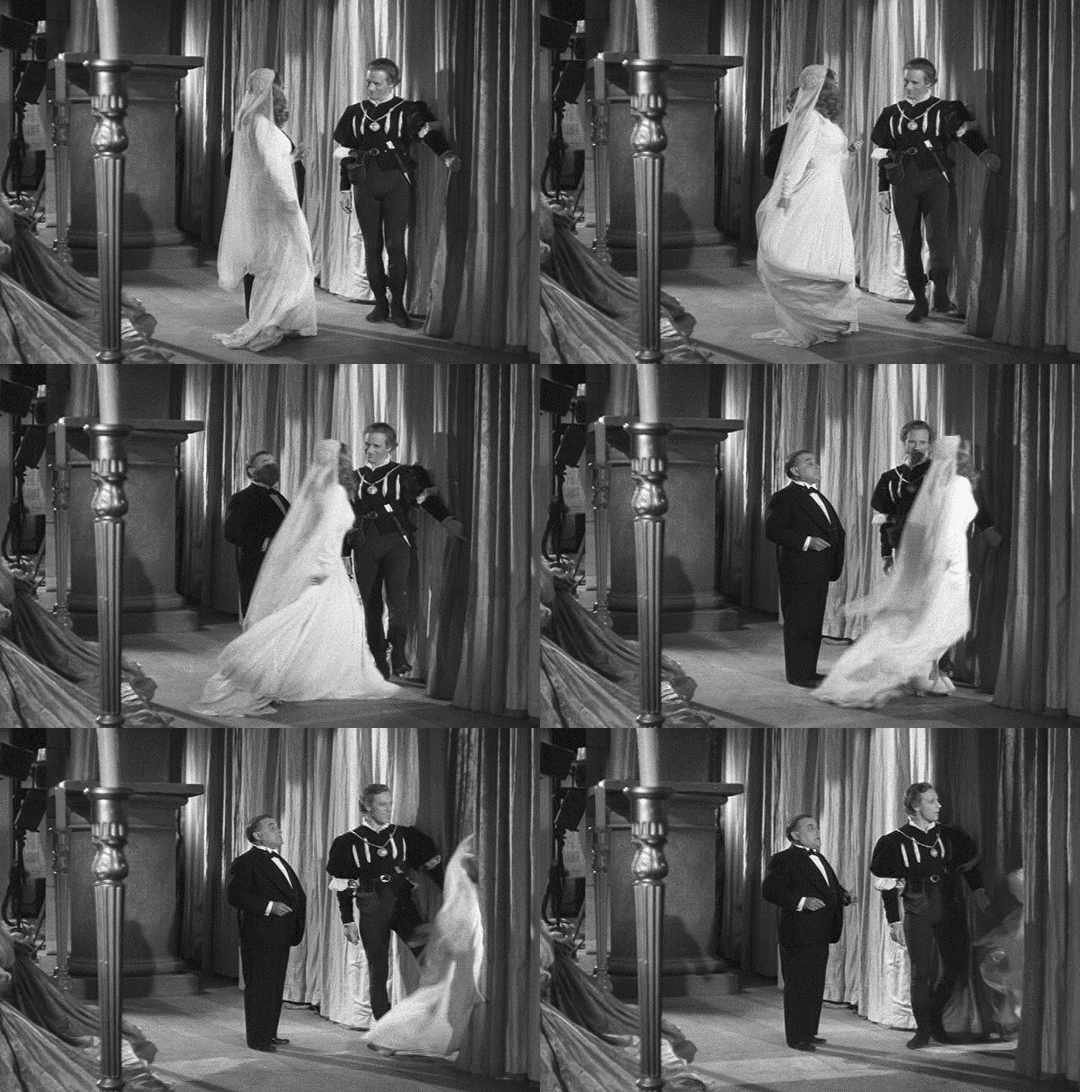
Nada é sagrado na screwball comedy, nem mesmo Shakespeare. Nas primeiras cenas, Basil e Joyce estão interpretando a cena da morte de Romeu e Julieta. Cheios de animosidade, eles se insultam em um tom de voz mais baixo, para que o público não os ouça. É uma cena hilário.


Nothing is sacred in screwball (see what I did here?), not even Shakespeare. In the opening sequence, Basil and Joyce are doing Romeo and Juliet's death scene. Full of animosity, they insult one another in a lower tone of voice, so the audience can't hear them. It's a hilarious scene.
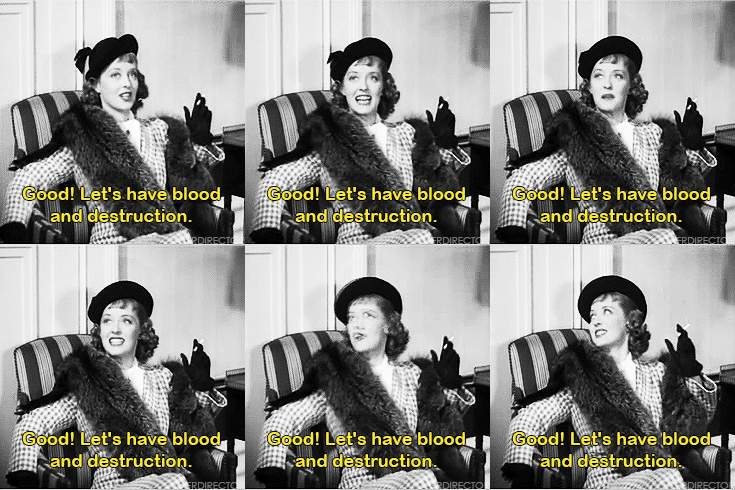
Na primeira metade, Bette Davis é quase esquecida interpretando uma mulher que se torna insegura quando o assunto é amor. Ela já sofreu muitas vezes por causa de Basil, e agora esconde seus sentimentos reais e apenas o insulta. Na segunda metade, entretanto, ela volta a interpretar a forte Bette Davis que conhecemos e amamos.


In the first half, Bette Davis is practically wasted playing a woman who becomes insecure when the subject is love. Because she was disappointed so many times by Basil, now she hides her feelings and only treats him with insults. In the second half, however, she is back to the strong Bette Davis we all know and love.
O excelente coadjuvante Eric Blore é o melhor como Digges, estilista e melhor amigo de Basil. Ao fazer cenas teatrais, ele atua junto com Basil, fazendo até os papéis femininos, e mostrando que ele sabe todas as falas de diversas peças. Ah, e Digges é perito na arte de fazer e desfazer as malas.


Amazing character actor Eric Blore is the best as Digges, Basil's dresser and best friend. When performing scenes, he acts alongside Basil, doing even female roles and showing that he knows all the lines from several plays. Oh, and Digges is an expert on the art of packing and unpacking.
Leslie Howard está incrivelmente bom em um papel cômico que exige que ele esteja em cena o tempo todo. Um ponto negativo é Bonita Granville interpretando uma garotinha irritante que nem faria falta no filme. Bem, nem todos os atores mirins podem ser engraçados como Virginia Weidler em “Núpcias de Escândalo” (1940).


Leslie Howard is incredibly good in a comic role, and he is on the screen for most of the movie. On a negative note, we have a very young Bonita Granville playing an obnoxious child who doesn't even add to the plot. Well, not all kid actors can be funny like Virginia Weidler in “The Philadelphia Story” (1940).
Não podemos negar que Bette e Olivia foram escolhas estranhas – mesmo percebendo que elas se saem bem com seus papéis, em especial Olivia, que tinha apenas 21 anos. Eu fiquei imaginando como este filme poderia ter sido melhor com um roteiro mais sólido e duplas diferentes: tipo, Jean Harlow como Marcia e Myrna Loy como Joyce, ou Carole Lombard como Marcia e Jean Arthur como Joyce.


We can't deny that Bette and Olivia were odd choices – even though they played their parts well, especially Olivia, who is just 21 here. I kept imagining how this film could have been better with a more solid screenplay and different duos: like, Jean Harlow as Marcia and Myrna Loy as Joyce, or Carole Lombard as Marcia and Jean Arthur as Joyce.
É uma pena que “Somos do Amor” não seja tão conhecida. Pode não ser uma das melhores screwball comedies de todos os tempos, mas é uma farsa charmosa com uma performance adorável de Olivia, uma boa de Bette, uma divertida de Leslie e mais uma inesquecível de Eric Blore.


It's a shame that “It's Love I'm After” isn't better known. It may not be among the best screwball comedies of all times, but it is a charming farce and has a lovely performance by Olivia, a nice one by Bette, a funny one by Leslie and another unforgettable one by Eric Blore.

This is my contribution to the Second Annual Olivia de Havilland + Errol Flynn blogathon, hosted by Crystal at In the Good Old Days of Classic Hollywood and Laura at Phyllis Loves Classic Movies.
Related Posts Plugin for WordPress, Blogger...