} Crítica Retrô: gangster

Tradutor / Translator / Traductor / Übersetzer / Traduttore / Traducteur / 翻訳者 / переводчик

Showing posts with label gangster. Show all posts

Wednesday, April 17, 2019

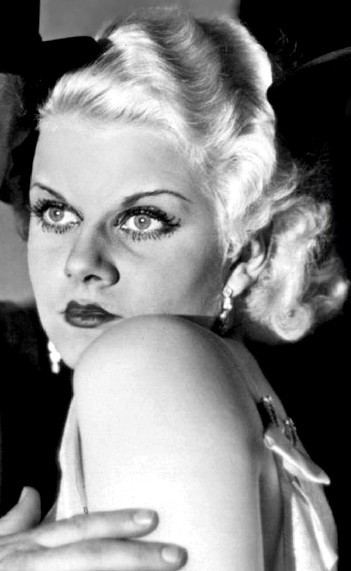
A Fera da Cidade (1932) e a gênese da femme fatale

The Beast of the City (1932) and the genesis of the femme fatale

Podemos traçar as origens de muitos traços dos filmes noir para mais de uma década antes que o primeiro “noir verdadeiro” – “O Falcão Maltês”, de 1941 – chegasse aos cinemas. Muitas escolhas de fotografia usadas no noir vêm do Expressionismo Alemão dos anos 1920, por exemplo. Mas e quanto aos personagens do noir? De onde vêm os detetives durões e as femme fatales? Nosso foco hoje serão as mulheres más do noir e do proto-noir.

We can trace the origins of many film noir traits back to over a decade before the first “true noir” – aka “The Maltese Falcon”, 1941 – hit the screens. Many cinematography choices used in noir date from the German Expressionism from the 1920s, for instance. But what about the noir characters? Where do hard-boiled detectives and femme fatales come from? Our focus today will be only the evil dames of noir and proto-noir.


As origens das femme fatales do noir podem ser encontradas nas vamps dos filmes mudos. Em Hollywood, algumas das vamps mais icônicas foram Theda Bara em diversos filmes e Nita Naldi em “Os Dez Mandamentos”, de 1923. Nos anos 30, considerando o começo do cinema falado, o período pre-Code e o período com o Código Hays já em vigor, houve um período nebuloso para as mulheres más. Foi um momento em que a vamp se metamorfoseava e se transformava na femme fatale – e houve mais mulheres independentes nas telas do que nos 70 anos seguintes.

The origins of the noir femme fatales can be found in the silent film vamps. In Hollywood, some of the most iconic vamps were Theda Bara in many of her films and Nita Naldi in “The Ten Commandments”, from 1923. In the 1930s, considering beginning of the sound era, the pre-Code period and the Code period per se, there was a nebulous time for bad women. It was a moment when the vamp was metamorphosing into the femme fatale – and there were more independent women on screen than there would be for the next 70 years or so.
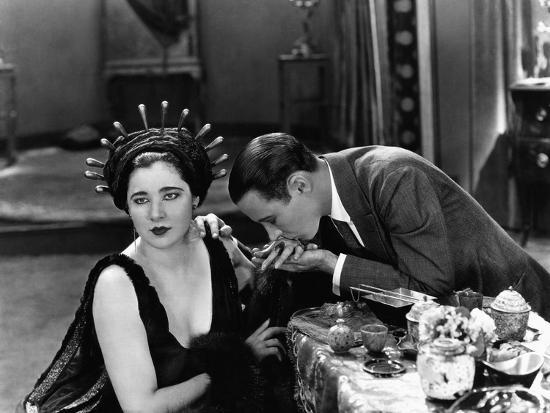
 
Nita Naldi in "The Ten Commandments"
“A Fera da Cidade” começa com uma mensagem que parece uma provocação da MGM para os estúdios Warner. A mensagem é sobre como a sociedade deve parar de glorificar gângsteres e começar a glorificar os policiais que perseguem estes gângsteres. Assim que a mensagem acaba, descobrimos que ela foi dita pelo então presidente Herbert Hoover.

“The Beast of the City” starts with a message that sounds like a provocation MGM is making to the Warner studios. The message is about how society should stop glorificating gangsters and start glorificating the policemen who fight those gangsters. As the message ends, we find out it was uttered by the then president Herbert Hoover.
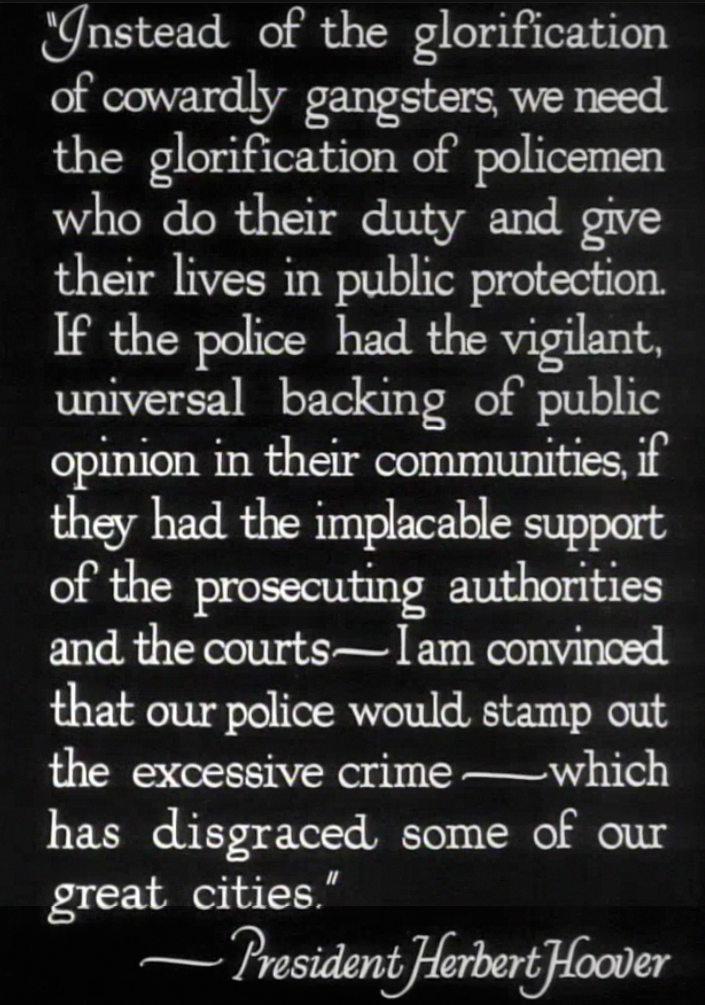
 
Via PreCode.com
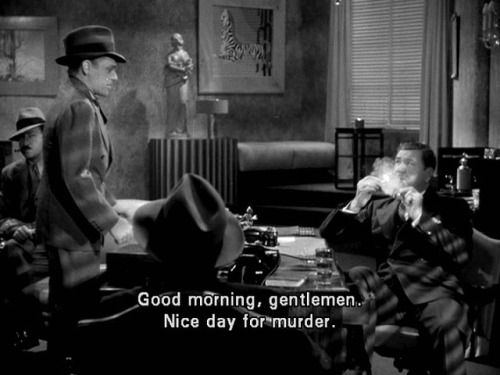
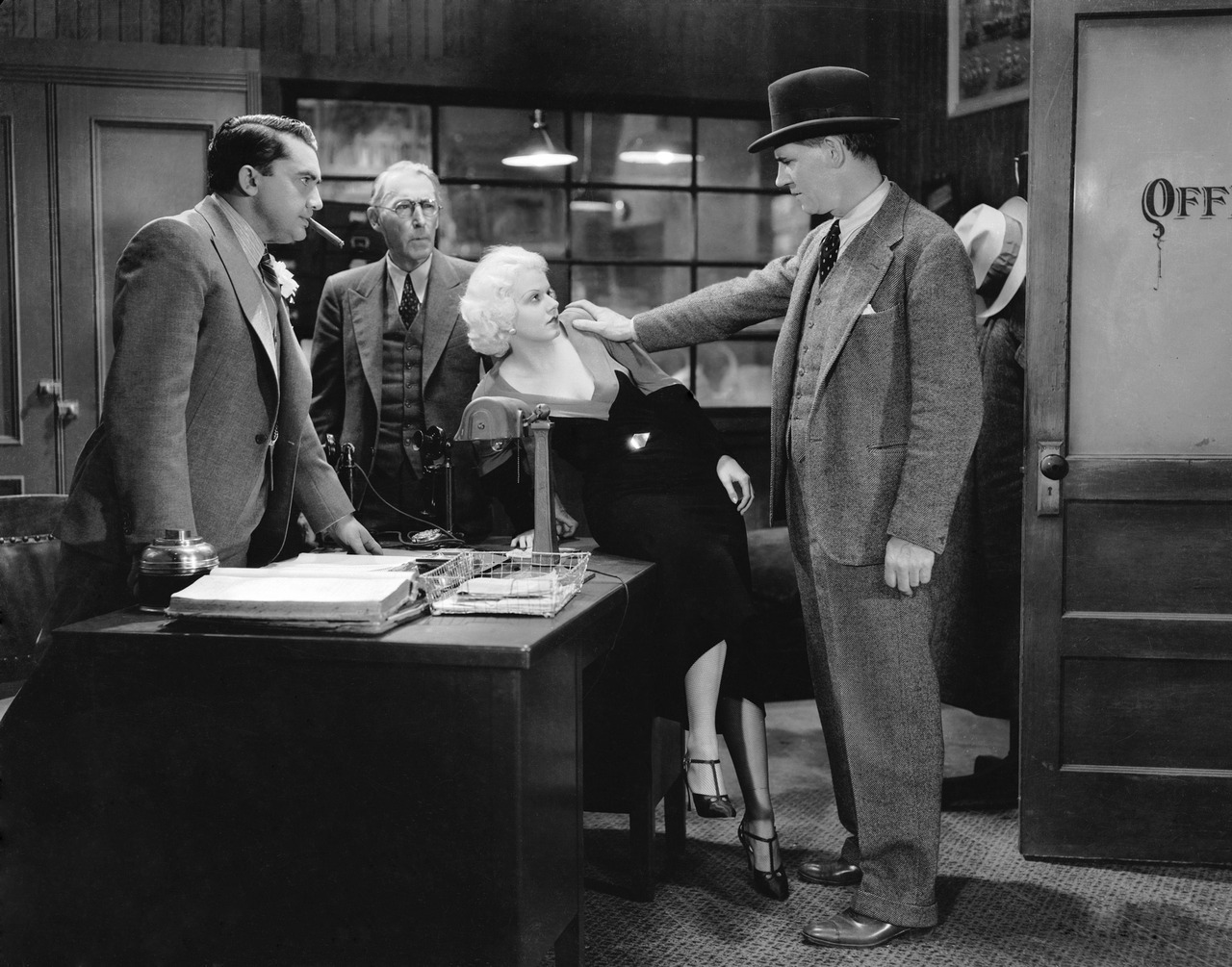
O capitão Jim ‘Fitz’ Fitzpatrick (Walter Huston) e seu time estão investigando o enforcamento de quatro pessoas. Jim já tem um suspeito: o famoso malfeitor Sam Belmonte (Jean Hersholt). No escritório de Belmonte, Jim vê Daisy (Jean Harlow) pela primeira vez, mas não dá atenção a ela.

Captain Jim 'Fitz' Fitzpatrick (Walter Huston) and his team are investigating the hanging of four people. Jim has one suspect already: well-known wrongdoer Sam Belmonte (Jean Hersholt). At Belmonte's office, Jim sees Daisy (Jean Harlow) for the first time, but doesn’t pay attention to her.

A próxima vez que nós e a polícia vemos Daisy, ela é uma suspeita esperando para ser reconhecida pela vítima de um acidente de carro. O policial Ed Fitzpatrick (Wallace Ford), irmão de Jim, se interessa por ela, mesmo estando claro que ela não teve nada a ver com o acidente. Ela, entretanto, já esteve presa por seis meses e, ao sair da sala de interrogatório, ela desrespeita um policial que fala com ela.

The next time we and the police see Daisy, she is held as a suspect waiting to be recognized by a victim of a road accident. Policeman Ed Fitzpatrick (Wallace Ford), Jim's brother, gets interested in her, even though it's clear she had nothing to do with the road accident. She, however, had already been in jail for six months, and as she leaves the police station room, she shows no respect for the policeman who talks to her.


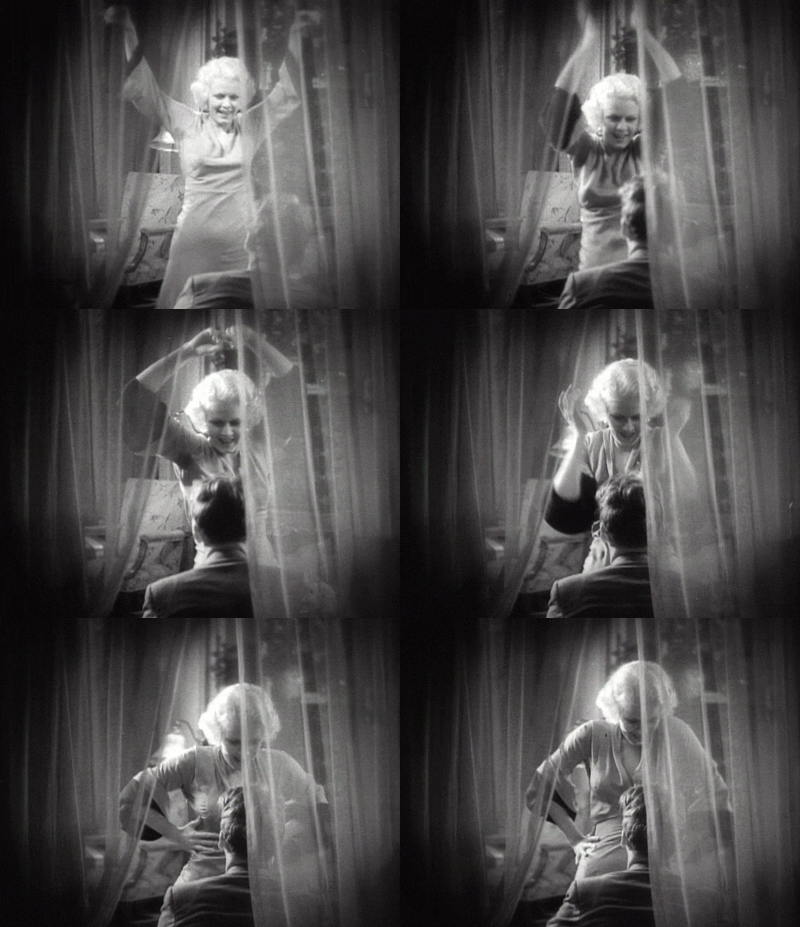
Ed segue Daisy até o apartamento dela e fala com a moça. Quando eles estão entrando no imóvel, há um breve momento com as sombras de ambos emolduradas pela sombra da porta – um frame que é puro noir. Dentro do apartamento, eles bebem cerveja, - Ed fica muito bêbado – Daisy dança e eles se beijam.

Ed follows Daisy to her apartment and talks to her. As they're entering the place, there is a brief moment with only their shadows framed by the shadow of the door – a moment that is pure noir. Inside the apartment, they drink beer, – Ed gets so drunk – Daisy dances and they kiss.

Enquanto isso, Jim e sua família – esposa, filhas gêmeas e filho mais novo interpretado por Mickey Rooney – têm de se mudar porque ele foi transferido para outra estação. Sua reação rápida ao roubo de um banco, além de deixá-lo ferido, leva-o a ser nomeado Chefe de Polícia. Ed, por outro lado, fica chateado porque Jim se recusa a promovê-lo a tenente.

Meanwhile, Jim and his family – wife, twin daughters and young son played by Mickey Rooney – have to move as he is transferred to another station. His quick response to a bank robbery leaves him wounded, but gives him the status of Chief of Police. Ed, on the other hand, gets sour because Jim refuses to promote him to lieutenant.


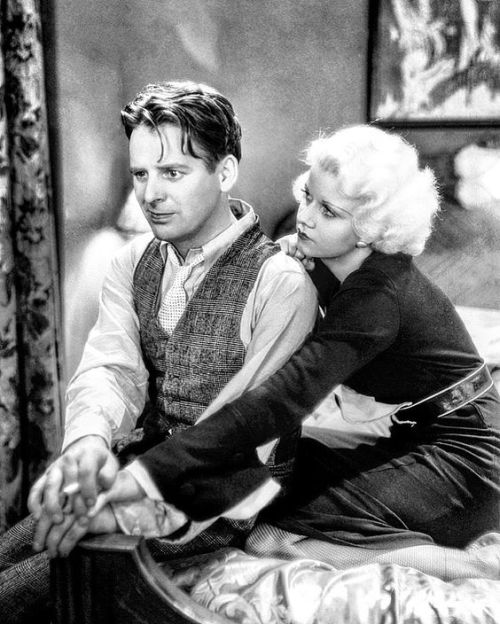
Daisy, querendo mais poder e dinheiro, pergunta a Ed sobre a promoção sem parar. Vendo que nada vai acontecer, ela apresenta Ed a Sam Belmonte, e convence Ed a investir seu dinheiro com o gângster. Ao mesmo tempo, Jim manda Ed para uma importante missão de escolta de um caminhão de dinheiro, mas Ed conta tudo sobre a missão a Daisy, que por sua vez conta os detalhes para outro gângster, sócio de Belmonte, Cholo (J. Carrol Naish) – e então convence Ed a se juntar ao crime.

Daisy, wanting money and power, asks Ed all the time about when he will be promoted. Seeing that nothing is going to happen, she introduces Ed to Sam Belmonte, and convinces Ed to invest his money with the gangster. At the same time, Jim sends Ed in an important mission to escort a truck full of money, but Ed spills the beans about the mission to Daisy, who in her turn tells everything to another gangster, Belmonte's partner Cholo (J. Carrol Naish) – and then she convinces Ed to take part in the crime.

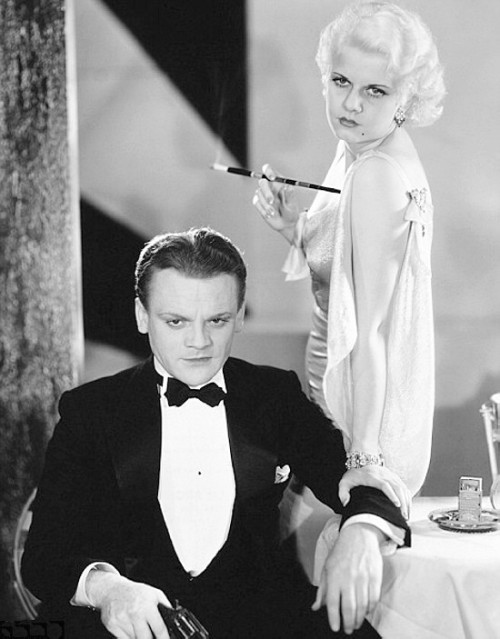
Se considerarmos que uma femme fatale é qualquer personagem feminina que é muito independente, interessada em riqueza e faz algum mal a um protagonista do gênero masculino, podemos encontrar mais femme fatales em filmes proto-noir do que era de se esperar. Por exemplo, a personagem Marie Woods de Glenda Farrell em “O Fugitivo” (1932) pode ser considerada uma femme fatale, enquanto a Gwen Allen de Jean Harlow em “Inimigo Público” (1931) não pode, porque Marie prejudica o protagonista, mas Gwen não.

If we consider a femme fatale any female character that is very independent, interested in riches and does any harm to a male protagonist, we can find more femme fatales in proto-noir films than expected. For instance, Glenda Farrell's Marie Wood in “I was a Fugitive from a Chain Gang” (1932) can be considered a femme fatale, while Jean Harlow’s Gwen Allen in “The Public Enemy” (1931) can’t, because Marie harms the lead, but Gwen doesn’t.
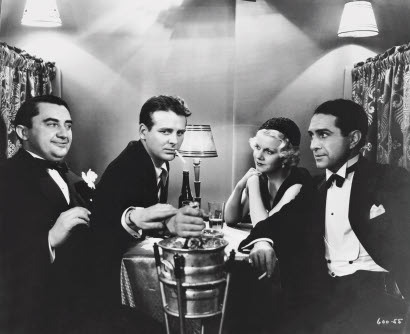

Se Jean Harlow tivesse vivido mais tempo, eu duvido que ela interpretaria muitas femme fatales. Nos últimos dois anos de sua vida e carreira, ela explorou mais seu lado cômico, e com sucesso. Eu acredito que ela teria seguido o caminho da comédia e se tornado uma rainha do screwball comedy, com poucas incursões por papéis mais dramáticos.

If Jean Harlow had lived longer, I doubt she would play many femme fatales. In the last two years of her career and life, she explored more her comedienne side, and with success. I believe she would have followed the funny path and became a screwball queen, with a few incursions into more dramatic roles.
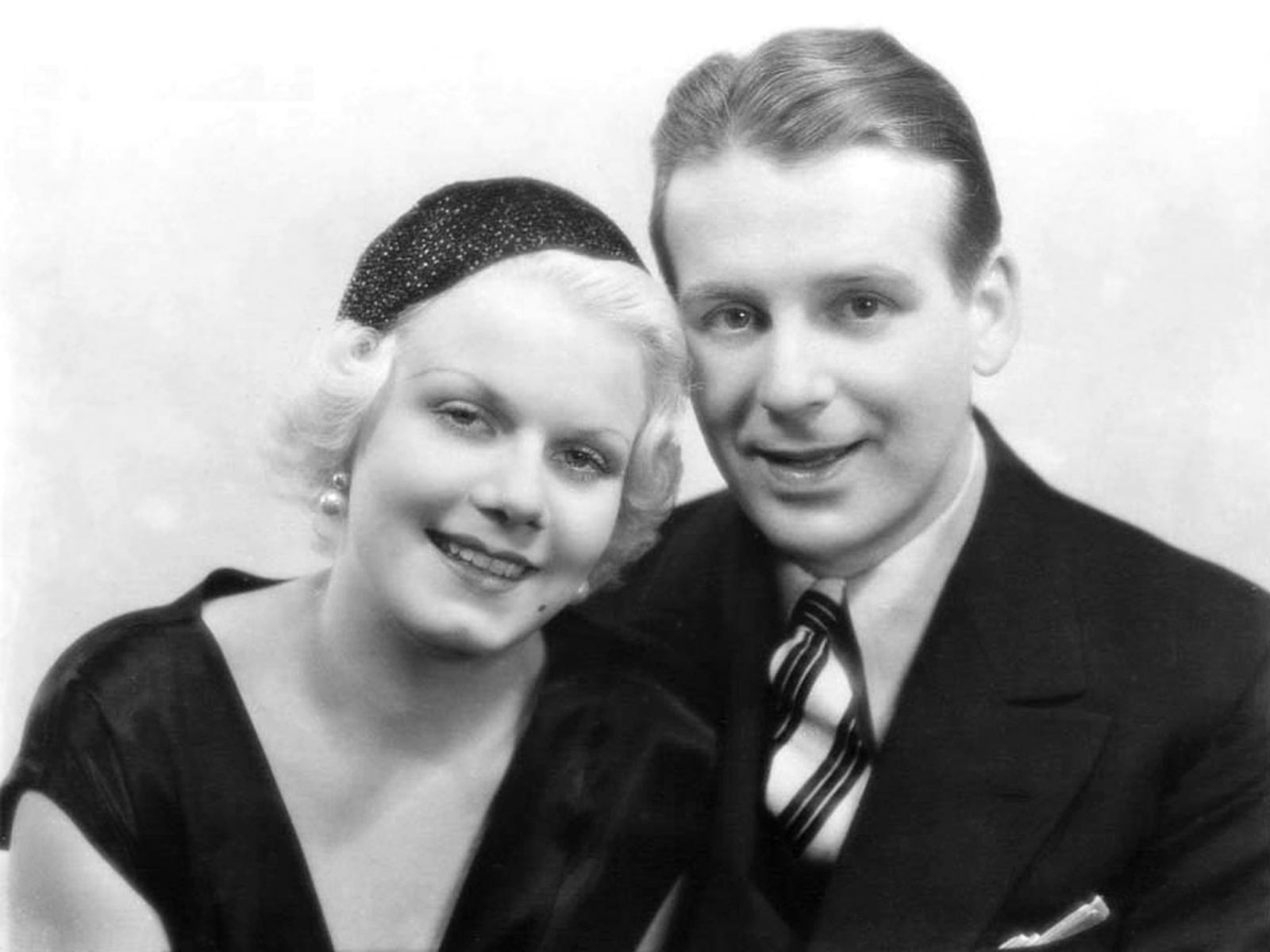

Não há dúvidas de que a Daisy de Jean Harlow é uma femme fatale no ótimo e duro proto-noir “A Fera da Cidade” – um filme que passei a conhecer quando ele foi citado no livro “Cine Negro”, de Alain Silver e James Ursini. O esquema dela traz desgraça a muitas pessoas, pois há várias mortes no confronto final – incluindo a dela própria. Daisy foi uma femme fatale cujos atos foram fatais para ela mesma. E haveria algo pior do que isso?

There is no doubt Jean Harlow's Daisy is a femme fatale in the great and raw proto-noir “The Beast of the City” – a film I first heard about when it was mentioned in the book “Cine Negro”, by Alain Silver and James Ursini. Her scheme disgraces many lives, as in the final confrontation there are a lot of deaths – including her own. Daisy was a femme fatale whose acts were fatal to herself. And could there be anything worse than that?

This is my contribution to the Femme / Homme Fatales of Film Noir blogathon, hosted by the Classic Movie Blog Association.


Saturday, January 12, 2019

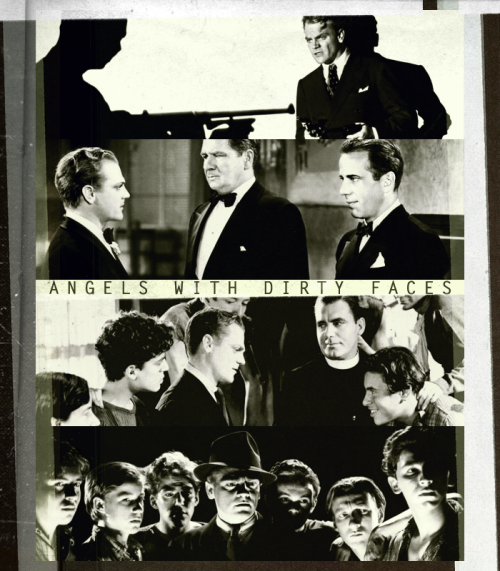
Anjos de Cara Suja (1938) / Angels with Dirty Faces (1938)


Nós começamos a moldar nosso futuro ainda na juventude. Os amigos Jerry e Rocky aprendem essa lição do jeito mais difícil. Depois de roubarem canetas da carga de um trem, apenas Rocky é pego, e ele pede que Jerry fique calado e simplesmente siga em frente, para não ser condenado. Rocky é enviado para um centro de detenção para delinquentes juvenis e Jerry segue em frente. Como a prisão não regenera ninguém – algo que já vimos em “O Fugitivo” – Rocky passa a cometer crimes mais sérios e fica preso mais e mais tempo. Logo se passam 15 anos.

It's from a young age that we start molding our future. Friends Jerry and Rocky learn this the hard way. After robbing fountain pens from a train, only Rocky gets caught, and he tells Jerry to not tell anything and just move on with his life. Rocky is sent to a juvenile delinquents' detention center, and Jerry moves on. Since the detention doesn't help anyone – hey, we've seen this in “I am a Fugitive from a Chain Gang” – Rocky only graduates to more serious crimes and longer times in jail. Soon, 15 years have passed.


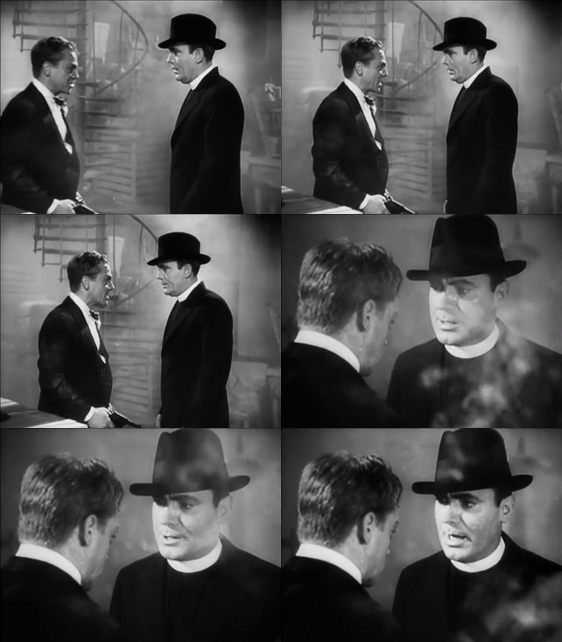
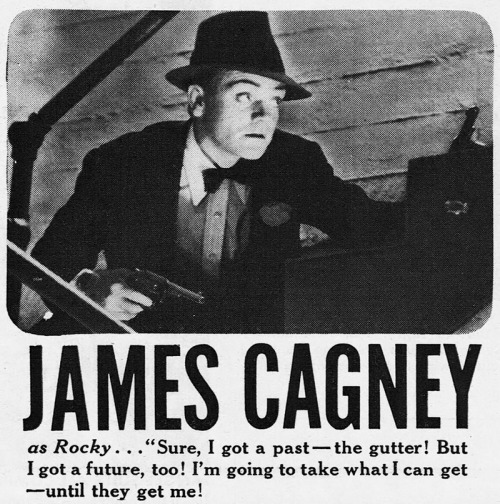
Rocky Sullivan (James Cagney) está finalmente livre depois de 15 anos preso. A primeira coisa que ele faz depois de sair da prisão é procurar pelo amigo Jerry (Pat O’Brien), que realmente se regenerou e agora é padre na igreja do bairro em que os dois cresceram. Rocky, entretanto, não saiu do mundo do crime, pois tem uma “parceria” com seu advogado James Frazier (Humphrey Bogart).

Rocky Sullivan (James Cagney) is finally free after 15 years. His first step once out of prison is to look for his friend Jerry (Pat O'Brien) who got truly reformed and is now a priest at their local church on the neighborhood they grew up in. Rocky, however, is not out of the crime world, as he has a “partnership” with his lawyer James Frazier (Humphrey Bogart).


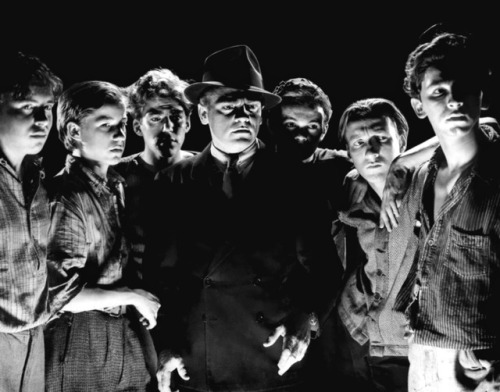
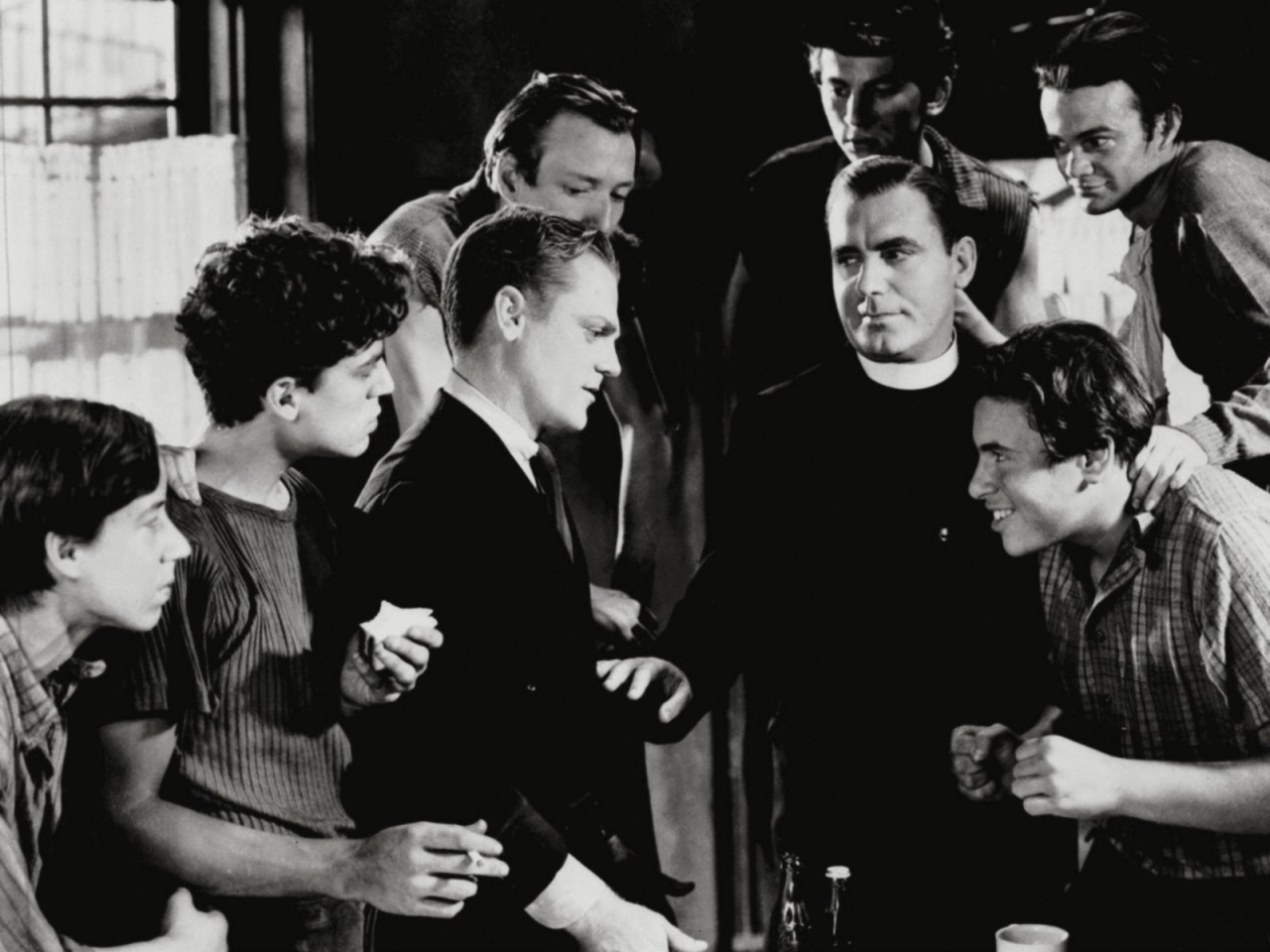
O carisma de Rocky conquista a nova geração de delinquentes juvenis, um grupo de garotos sem futuro comandados por Soapy (Billy Halop). Rocky consegue convencer os meninos a praticar esportes no ginásio do padre Jerry e ao mesmo tempo ele dá aos meninos dinheiro roubado em troca de um favor. Vendo a influência que Rocky tem nas crianças, o padre Jerry começa uma cruzada contra os gângsteres da cidade – incluindo Rocky.

Rocky's charisma attracts the next generation of juvenile delinquents, a group of “dead end” kids commanded by Soapy (Billy Halop). Rocky is able to convince the kids to practice sports in Father Jerry's gym and at the same time also gives the kids stolen money in exchange of a favor. Seeing his bad influence in the kids, Father Jerry starts a crusade against the mobsters of the town – Rocky included.


Quando alguém tenta acabar com a máfia, tudo o que se encontra é corrupção por todo lado, inclusive entre aqueles que deveriam manter a lei e a ordem. O padre Jerry então percebe que os gângsteres controlam a cidade, e este poder paralelo é forte porque eles pagam e, mais comumente, ameaçam a polícia. Esta é uma descoberta que pode ser feita por muitas pessoas que buscam justiça ainda hoje.

When someone tries to dismantle the mob, all they can find is corruption, everywhere, even coming from the ones who should obey the law and keep the order. Father Jerry then realizes that the gangsters are the ones who control the town, and their parallel power is stronger because they bribe and, more often, intimidate the police. This is a realization that could be made by many people seeking justice even today.


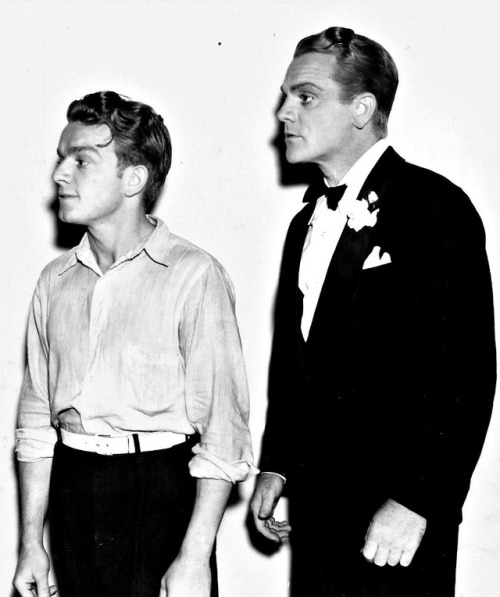
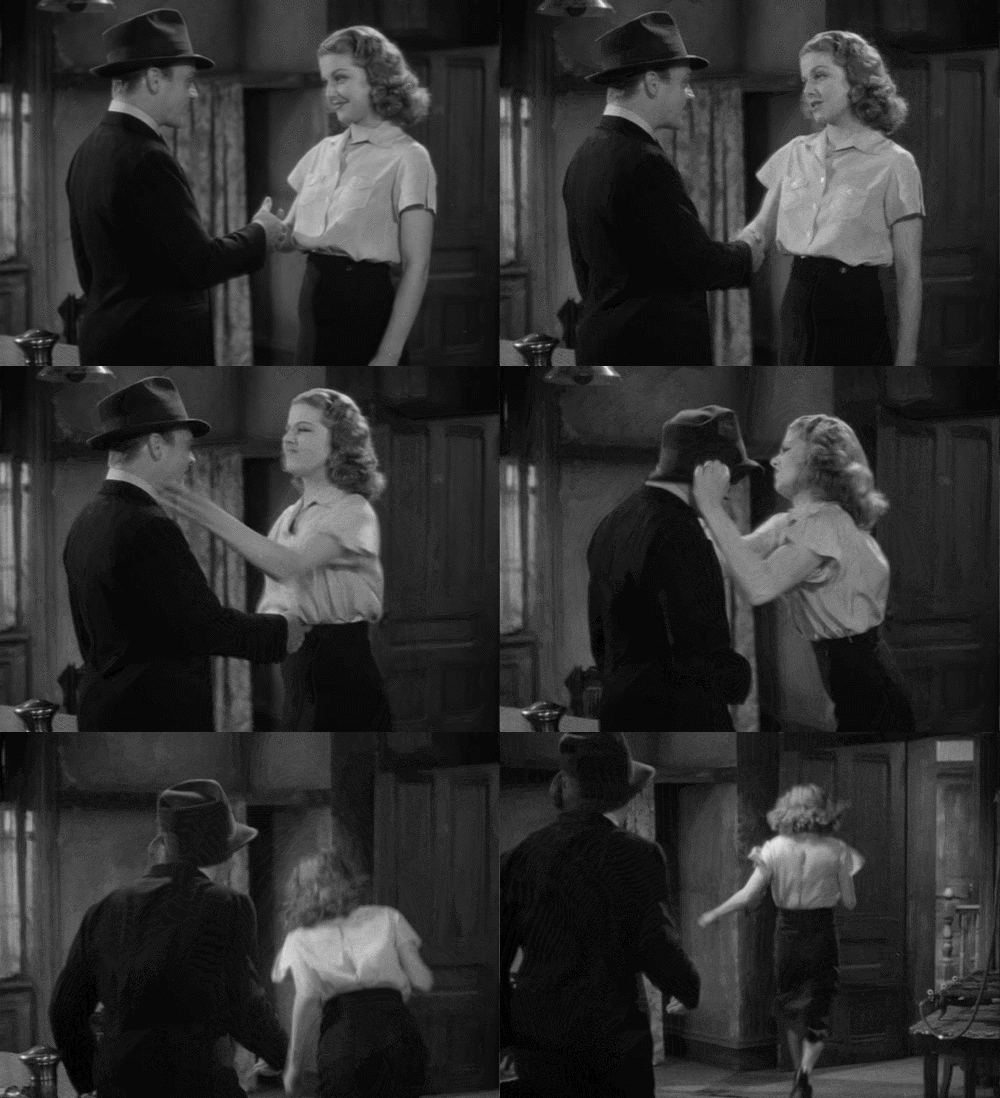
O ator que interpreta o jovem Rocky, Frankie Burke, tem incrível semelhança física e vocal com James Cagney – experimente fechar os olhos e você perceberá que as vozes de ambos são quase iguais. Outro membro do elenco que merece sua atenção é Ann Sheridan, que interpreta Laury Martin, o interesse amoroso de Rocky – embora ele esteja mais interessado no crime do que em romance. Ann me lembrou de uma Rita Hayworth jovem, pré femme fatale, e é uma pena que Ann seja pouco lembrada – Cagney se referiu a ela como “uma garota muito bacana, Annie”.

The actor who plays the young Rocky, Frankie Burke, has remarkable physical and vocal similarities with James Cagney – I mean, close your eyes and you'll realize their voices are almost equal. Another player to take notice is Ann Sheridan, who plays Laury Martin, Rocky’s love interest – although he is more interested in crime than in love. Ann reminded me of a young, pre-femme fatale Rita Hayworth, and it’s a shame Ann is so little remembered – Cagney called her “a mighty nice gal, Annie”.
Frankie and Jimmy
Jimmy and Annie
Os garotos do grupo chamado de “Dead End Kids” eram um grupo de jovens que estrelaram a peça “Dead End” e a adaptação dela para o cinema em 1937. Estes jovens rapazes vinham realmente das vizinhanças barra-pesada de Nova York – assim como Cagney – e frequentemente faziam bagunça no set de filmagem – mas não com Cagney, que se mostrou mais durão que eles. O sexteto original fez três filmes, e com o tempo e com muitas formações diferentes, o grupo sobreviveu com outras séries de filmes e sob os nomes de Little Little Tough Guys,  East Side Kids e Bowery Boys. Com o passar do tempo, alguns dos meninos seguiram carreira solo e outros abandonaram o cinema.

The “dead end kids” were a group of young boys who starred in a play called “Dead End” and in the film adaptation of the same name in 1937. Those young boys were really from the New York tough neighborhoods – just like Cagney – and often caused trouble on the set – but not with Cagney, who proved to be tougher than them. The original sextet did three movies together, and with time and with several formations, the group went on with film series such as Little Tough Guys, the East Side Kids and the Bowery Boys. In this time, some boys went solo and others retired from the screen.


Em sua autobiografia “Cagney by Cagney”, James Cagney chama seu amigo e colega de cena Pat O'Brien de “inesquecível em mais de um sentido”, descrevendo como Pat estava sempre alegre, otimista e cheio de energia para trabalhar. No livro Cagney também diz que o roteiro era meia-boca, e ele e O'Brien tinham de improvisar, pois os roteiristas judeus não sabiam nada sobre os rituais da Igreja Católica. Além disso, Cagney diz que se inspirou em um criminoso que conheceu na juventude para compor o personagem Rocky, copiando seus maneirismos e até a maneira hoje icônica de cumprimentar.

In his autobiography “Cagney by Cagney”, James Cagney calls his friend and co-star Pat O’Brien “remarkable in more than one way”, describing how Pat was always cheerful, optimistic and full of energy to work. In the book Cagney also says that the script was kind of bad, which led to him and O’Brien improvising as the Jewish writers knew nothing about the rituals of the Catholic Church. Furthermore, Cagney says that he modeled Rocky over a fellow he used to know in his youth in New York, a pimp who greeted people the way Cagney does in the picture.


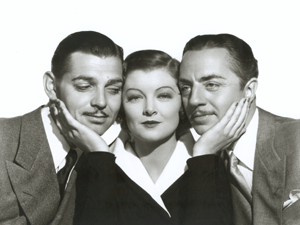
Outro filme em que dois amigos de infância seguem caminhos muito diferentes é “Vencido pela Lei”, de 1934. Neste filme, Blackie Gallagher (Clark Gable) se torna um gângster, e seu amigo de infância Jim Wade (William Powell) se torna advogado. Eles se apaixonam pela mesma mulher, Eleanor, interpretada por Myrna Loy. Em “Anjos de Cara Suja”, o que aproxima os amigos e mais tarde os afasta é a maneira como eles tratam os meninos delinquentes.
 
Another film in which two childhood friends follow very different paths in life is “Manhattan Melodrama”, from 1934. On this film, Blackie Gallagher (Clark Gable) turns into a gangster, and his childhood friend Jim Wade (William Powell) becomes an attorney. They fall in love for the same woman, Eleanor, played by Myrna Loy. In “Angels with Dirty Faces”, what makes the friends closer and later push them apart is how they handle the dead end boys.

“Anjos de Cara Suja” termina com uma dúvida que ainda é debatida entre os fãs de cinema clássico – eu particularmente acredito que Rocky só fingiu estar com medo para satisfazer seu amigo. Além disso, o filme trouxe uma das performances mais icônicas e imitadas de Cagney. De acordo com a Wikipedia, este foi o nono filme com maior bilheteria em 1938. De acordo com o site Ultimate Movie Rankings, ele foi o quinto. Não importa a posição no ranking, “Anjos de Cara Suja” foi um filme popular que permaneceu na memória do público e, ao ser assistido hoje, ainda se mostra interessante.

“Angels with Dirty Faces” ends with a doubt that is still debated by classic film fans – I particularly believe Rocky only pretended to be scared to satisfy his friend. Moreover, the movie brought one of the most iconic and mimicked Cagney performances. According to Wikipedia, it was the 9th highest grossing film of 1938. According to the website Ultimate Movie Ranings, it was the fifth. No matter the position in the ranking, “Angel with Dirty Faces” was a popular film that remained in the public's memory for decades and is still interesting when watched today.

This is my contribution to the Made in 1938 blogathon, hosted by Robin and Crystal at Pop Culture Reverie and In the Good Old Days of Classic Hollywood.


Sunday, December 9, 2018

Revisitando o “Inimigo Público” (1931) / Revisiting “The Public Enemy” (1931)


ESTE ARTIGO TEM SPOILERS
THIS ARTICLE HAS SPOILERS

Assim como a maioria dos adolescentes, eu era rebelde e nem sempre me dava bem com a minha família. Ao contrário da maioria dos adolescentes, cinema clássico era minha válvula de escape. A história que contarei hoje começa em janeiro de 2010, quando eu briguei com a minha família por causa de uma sobremesa que eu havia preparado – uma “brevidade” que ficou dura demais. Eu estava com raiva e fui ao shopping naquela tarde. Quando eu cheguei em casa, era tarde demais para ver minha sitcom favorita, “The Big Bang Theory”, no horário das oito. Eu teria de esperar pela reprise à meia-noite. Para a hora passar, eu decidi ver um filme que estava começando: “Inimigo Público”. De certa maneira, este filme mudou minha vida.

Like most teenagers, I was rebellious and not always got along with my family. Unlike most teenagers, classic films were my escape. The story I'll tell today starts in January 2010, after I argued with my family over one dessert I had backed – a cake called “brevidade” that actually ended up too hard. I was sour and spent the evening at the mall. When I arrived home, it was too late to catch my favorite sitcom, “The Big Bang Theory”, at the 8 P.M. showing time. I had to wait for the rerun at midnight. Until then, I decided to watch a film that was starting: “The Public Enemy”. In a sense, this film changed my life.


Eu decidi assistir ao filme por causa de Jean Harlow. Eu já tinha ouvido falar sobre ela, que morreu com apenas 26 anos, mas nunca a tinha visto em um filme. No final, Jean esteve OK, mas James Cagney foi quem me surpreendeu e impressionou. Eu apreciei tanto sua performance e a trama do filme que, naquele mesmo ano, eu vi “Inimigo Público” mais duas vezes. E por oito anos eu não o revi – e aqui estão minhas impressões depois de revisitar meu querido filme de gângster.

I decided to watch it because of Jean Harlow. I had heard about her, who had died at only 26, but never had seen her in anything. In the end, Jean was OK, but James Cagney was the one that surprised and amazed me. I enjoyed his performance and the overall plot so much that, in that same year, I rewatched “The Public Enemy” twice. And for eight years I haven't rewatched it – and here are my impressions after revisiting my beloved gangster flick.


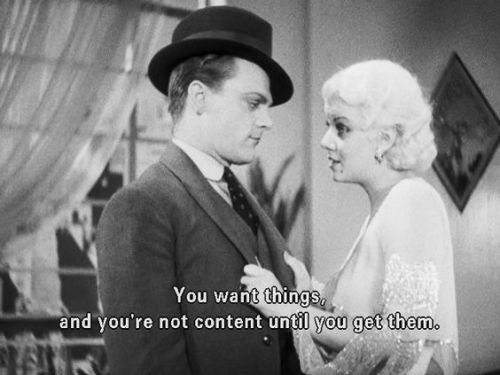
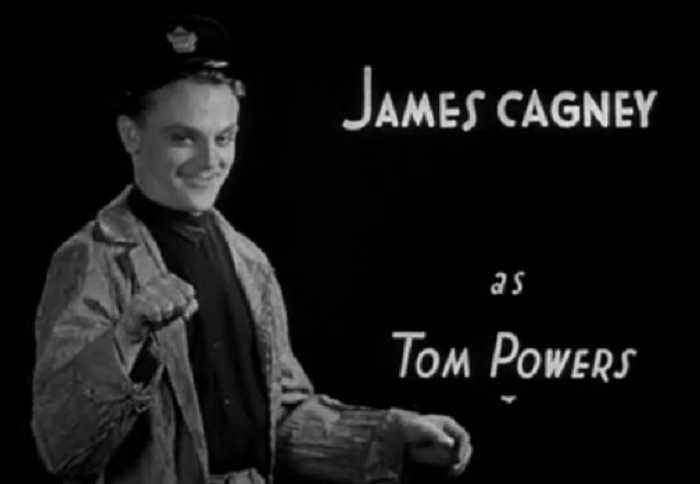
Eu me lembro bem dos créditos iniciais. Eu amo estes créditos dos pre-Codes com a imagem de cada ator e o nome do personagem. Eu me lembro perfeitamente de Cagney socando o ar e Harlow sorrindo nestes créditos iniciais. Eu também amo o realismo que a Warner tentou imprimir nestes filmes com os textos sobre como tudo era baseado em histórias reais...

I remember the opening credits well. I love those pre-Code credits with each actor and their character's name. I vividly remember Cagney punching the air and Harlow smiling in these opening credits. I also love the realism Warner tried to imprint their films with as they added those texts about how the facts here presented are happening right now...


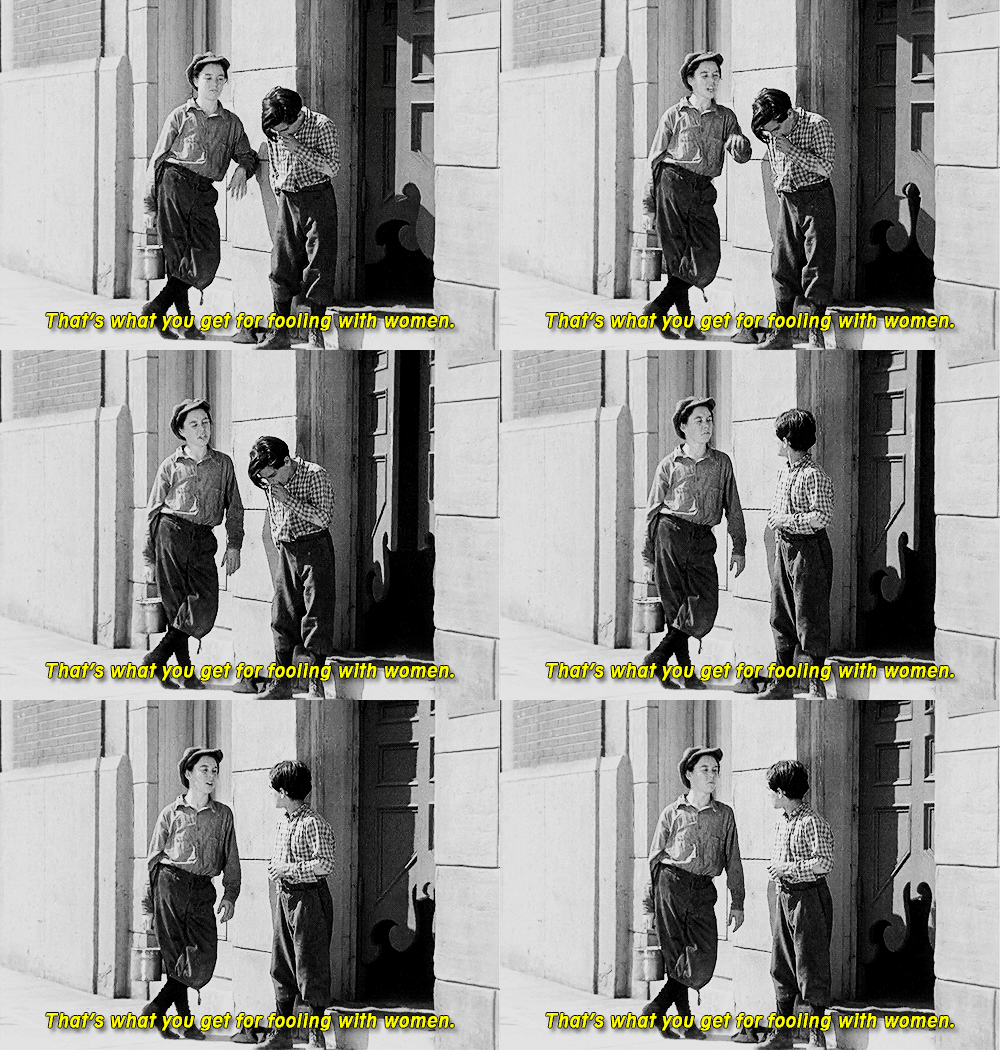
O “Inimigo Público” é Tom Powers (Cagney), alguém que nasceu para se meter em encrencas. Eu me lembrava pouco das cenas da infância dos personagens, mas não entendo como Tom pôde crescer tanto, indo de pré-adolescente até a fase James Cagney, em apenas seis anos. A partir de 1915 na linha do tempo do filme, já podemos ver Cagney.

“The Public Enemy” is Tom Powers (Cagney), a natural-born troublemaker. I remembered a little of his childhood phase as shown in the movie, but I don't understand how Tom could grow from his pre-teen phase to the James Cagney stage in only six years. By 1915 in the film's timeline, Cagney can already be seen.


Desde a infância, Tom e seu melhor amigo Matt Doyle (Eddie Woods) estavam envolvidos em atividades ilícitas, como roubos. Quando chega 1920 e a proibição da venda de bebidas alcoólicas é promulgada, eles veem uma nova oportunidade com o dono de bar Paddy (Robert O’Connor) e o grande contrabandista Nails Nathan (Leslie Fenton) – um novo trabalho que permite que Cagney intimide e cuspa cerveja no rosto de um homem.

Since childhood, Tom and his best friend Matt Doyle (Eddie Woods) have been involved in illicit activities like stealing. When they reach 1920 and the Prohibition arrives, they see a new opportunity with bar owner Paddy (Robert O’Connor) and master bootlegger Nails Nathan (Leslie Fenton) – a new job that allows Cagney to intimidate and spit beer to a man’s face.


Tom e Matt têm êxito, mas Tom não conta à sua querida mãezinha (Beryl Mercer) que ele está envolvido com atividades ilegais. Quando seu irmão Mike (Donald Cook) volta da guerra, uma briga começa: Mike acha que o que Tom faz é horrível, mas Tom também condena Mike por ter matado pessoas na guerra. Eu não me lembrava desta sequência interessante, mas a linha do tempo histórica me incomodou – quem esperaria de 1918, quando a guerra acabou, até 1920 para voltar para casa?

Tom and Matt thrive, but Tom doesn’t tell his beloved mother (Beryl Mercer) that he is involved with illegal activities. When his brother Mike (Donald Cook) comes back from the war, an argument starts: Mike thinks what Tom does is hideous, but Tom also condemns Mike for killing innocent people in the war. I didn’t remember this very interesting sequence, but the historical timeline kind of bothered me here – who waited from 1918, when the war ended, to 1920 to come home?


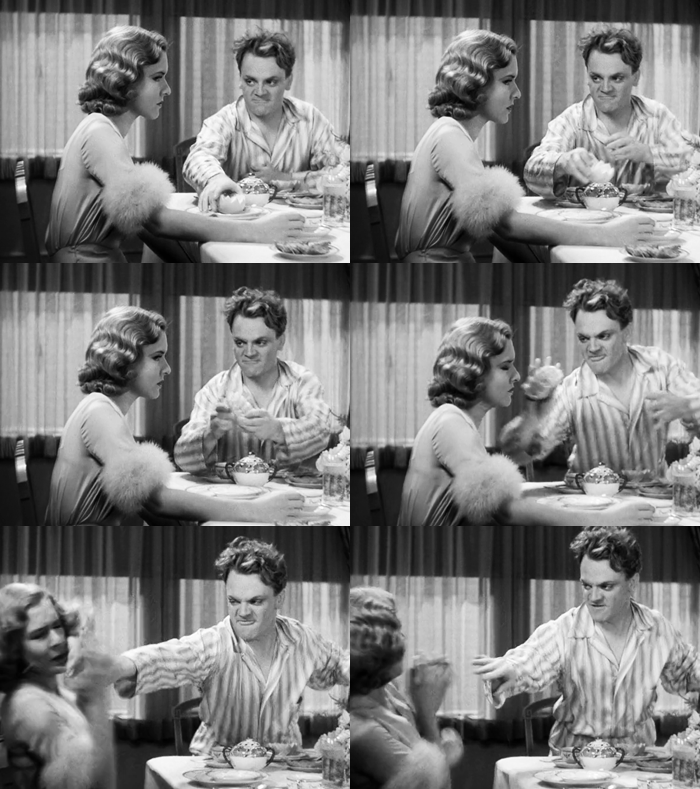
O que se segue é a famosa cena do grapefruit, depois que Tom confessa a Nathan que já está de saco cheio de sua namorada, Kitty (Mae Clarke, não creditada). Depois deste episódio, Matt e Tom conhecer Gwen (Jean Harlow) e dão uma carona a ela – Harlow tem uma entrada simples, mas memorável.

What follows is the famous grapefruit scene, after Tom confesses to Nathan that he is already fed up with his girl, Kitty (an uncredited Mae Murray). After the episode, Matt and Tom meet Gwen (Jean Harlow) and give her a ride – Harlow has a simple but memorable entrance.


Matt se casa com Mamie (Joan Blondell) e Tom começa a sair com Gwen. Na noite de núpcias de Matt, ele tem de deixar sua esposa e acompanhar Tom em uma missão para matar um velho conhecido. Tom age como se nada tivesse acontecido depois que o “trabalho” é feito, mas Matt fica muito perturbado com o que viu. O hábito de Tom de socar o rosto das pessoas como cumprimento também começa a incomodar sua mãe, que imita o gesto de maneira desconfortável.

Matt marries Mamie (Joan Blondell) and Tom starts dating Gwen. On Matt’s wedding night, he has to leave his wife and accompany Tom in a mission to kill an old acquaintance. Tom acts as if nothing happened after the job is done, but Matt is deeply disturbed by what he witnessed. Tom’s habit of punching people’s faces as a greeting also starts bothering his mother, who mimics the gesture once in an uncomfortable way.

Tom recebe a notícia de que Nails Nathan morreu enquanto Gwen está declarando seu amor por ele. Tom a deixa no mesmo minuto para buscar vingança – um tipo chocante de vingança, que eu nunca esqueci. Gwen fica sozinha, refletindo se ela significa para Tony o mesmo que ele significa para ela.

Tom receives the news that Nails Nathan died while Gwen was declaring all her love for him. Tom leaves her in the same minute to seek revenge – a shocking kind of revenge, one I never forgot. Gwen is left thinking if she means to Tom as much as he means to her.


Tom Powers pode não ser o chefe dos gângsteres agora, mas é parte de uma briga de gangues, e não deixará que atos de violência contra seus amigos passem sem vingança. Vingança é o tema dos últimos 20 minutos do filme, quando você aprende que violência só leva a mais violência.

Tom Powers may not be the top gangster now, but he is part of a mob war, and won’t let acts of violence against his fellows pass without revenge. Revenge is the theme of the last 20 minutes of the film, when you learn that violence only leads to more violence.


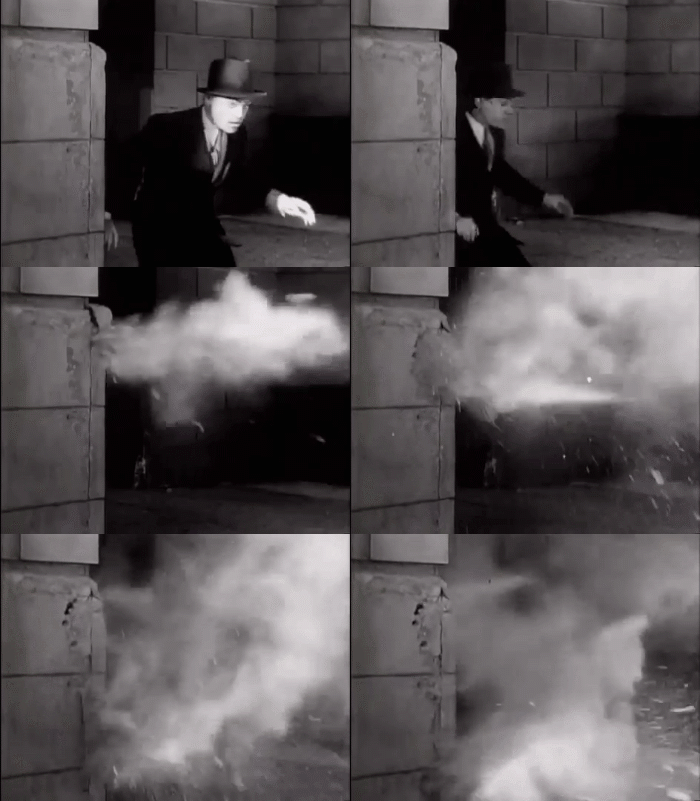
E quão poderoso é o final? Eu fiquei sem fala, com os olhos arregalados, naquela noite fatídica em janeiro de 2010, quando eu vi o filme pela primeira vez. Agora, eu espero pelo final com animação. Na verdade, como eu já vi o filme antes, em muitos momentos eu pude perceber o suspense crescendo, e pude ver os muitos elementos interessantes – como o som de carvão sendo despejado de um caminhão – que foram usados para criar o suspense que culmina no clímax.

And how powerful is that ending? I was just speechless, with my eyes wide open, in that fatidic night in January 2010, when I watched the film for the first time. Now, I expect the ending with anticipation. Actually, because I had seen the film before, in many moments I could feel the suspense in a crescendo, and the many interesting elements – like the sound of coal being poured from a truck – that were used to create the suspense until the climax.

Eu me lembro de que o homem que comentava este filme na TV disse que o segredo de Cagney era energia – ele disse isso enquanto passavam cenas de Cagney andando na chuva e sorrindo. Eu concordo, mas devo acrescentar que seus momentos mais sutis, de fragilidade – como quando ele é ferido – são igualmente poderosos. E não podemos nos esquecer de Beryl Mercer interpretando a Mamãe Powers, uma personagem tão simplória que é quase patética, mas de quem gostamos e cujo sofrimento nos faz também sofrer.

I remembered that the man commenting this film on TV said that Cagney’s secret was energy – he said that while they were showing footage of Cagney walking in the rain and grinning. I agree, but I must add that his more subtle moments of fragility – like when he’s hurt – are equally powerful. And we can’t forget Beryl Mercer as Ma Powers, playing that character as such a simpleton that she is almost pathetic, but we can’t help liking her and suffering when she suffers.


Eu discordo das pessoas que dizem que “Inimigo Público” foi um produto de seu tempo, quando o som ainda era novo em Hollywood. De maneira alguma o filme é primitivo: a história é ótima, as performances são naturais e perfeitas, os cenários e os sons são muito bons. “Inimigo Público” é um filme excelente mesmo depois de todos estes anos, e depois de revê-lo eu posso dizer que ele ainda está entre meus preferidos.

I disagree when people say that “The Public Enemy” was a product of its time, when sound was still new in Hollywood. In no ways the film is primitive: the storytelling is great, the performances are natural and on point, the sets and sound are very good. William A. Wellman is truly a master of cinema. “The Public Enemy” is a terrific movie even after all those years, and after rewatching it I can say it still belongs in my top five.


Se eu não tivesse brigado com a minha família e perdido “The Big Bang Theory”, eu teria assistido a “Inimigo Público” em circunstâncias muito diferentes, e talvez eu não tivesse ficado tão hipnotizada e maravilhada com o filme. Talvez eu não gostasse tanto de filmes de gângster e de William A. Wellman – e talvez James Cagney não fosse meu ator favorito. Graças e Deus, eu fui uma adolescente rebelde – e que fazia péssimos bolos.

If I hadn't argued with my family and missed “The Big Bang Theory”, I would have watched “The Public Enemy” under very different circumstances, and maybe I wouldn't have been so amused and thrilled. Maybe then I wouldn't like gangster movies and William A. Wellman so much – and maybe James Cagney wouldn't be my favorite actor. Thank God I was a rebellious teenager – and one who baked terrible cakes.

This is my contribution to The Unexpected Blogathon, hosted by Rebecca at Taking Up Room.

Saturday, April 7, 2018

A Floresta Petrificada (1936) / The Petrified Forest (1936)

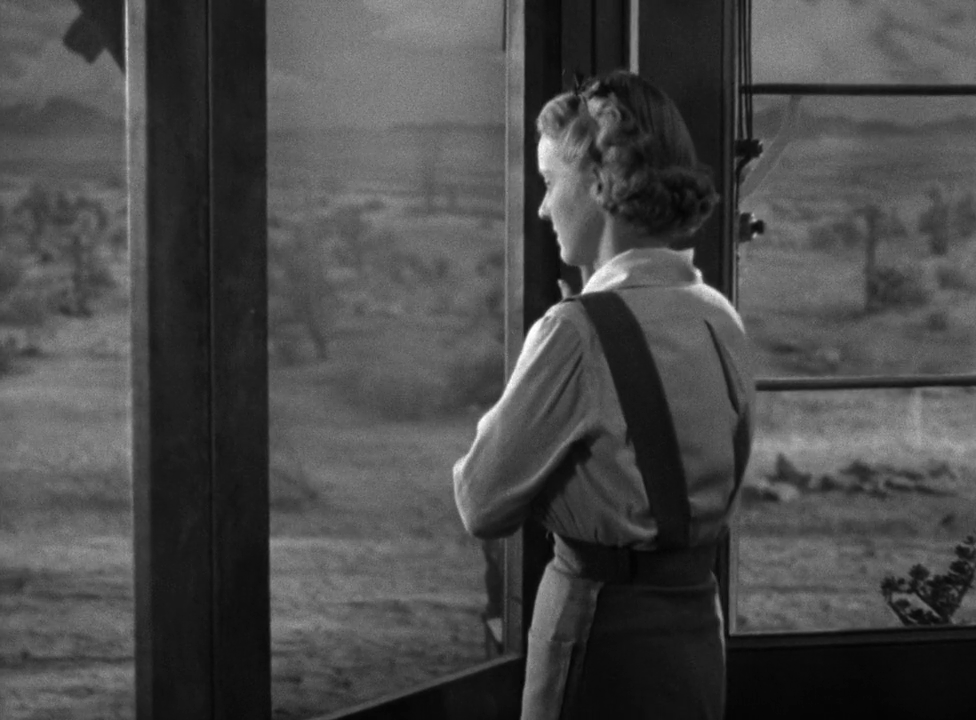
Quantos filmes interessantes começam em um posto de gasoline / restaurante? Vejamos: “Beija-me, Idiota” (1964) é o primeiro que me vem à mente. Também há “Fuga do Passado” (1947) e muitos outros filmes noir. Mas em quantos ótimos filmes a ação acontece quase totalmente em um posto de gasolina que está literalmente no meio do nada? “A Floresta Petrificada”, que se passa em um posto na desértica Black Mesa, Arizona, é o único filme que me vem à mente.

How many interesting movies start in a gas station / restaurant? Let’s see: “Kiss Me, Stupid” (1964) is the first I think about. Also “Out of the Past” (1947) and some other noir films. But how many great films are basically fully set in a gas station literally out of nowhere? “The Petrified Forest”, set in a gas station in the desert place of Black Mesa, Arizona, is the only one that comes to my mind. 
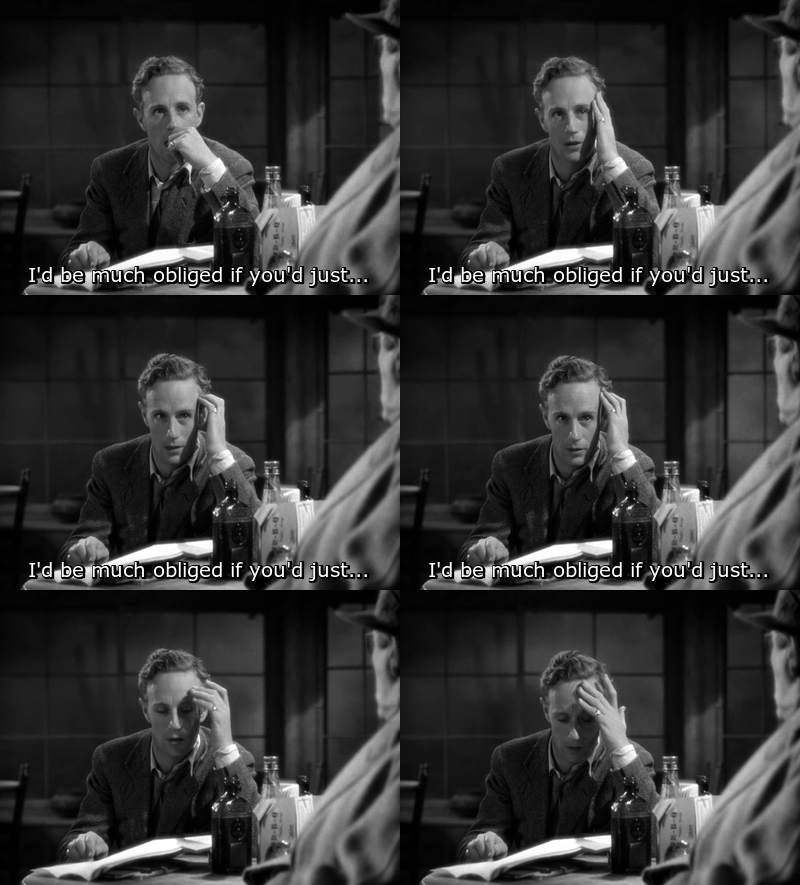
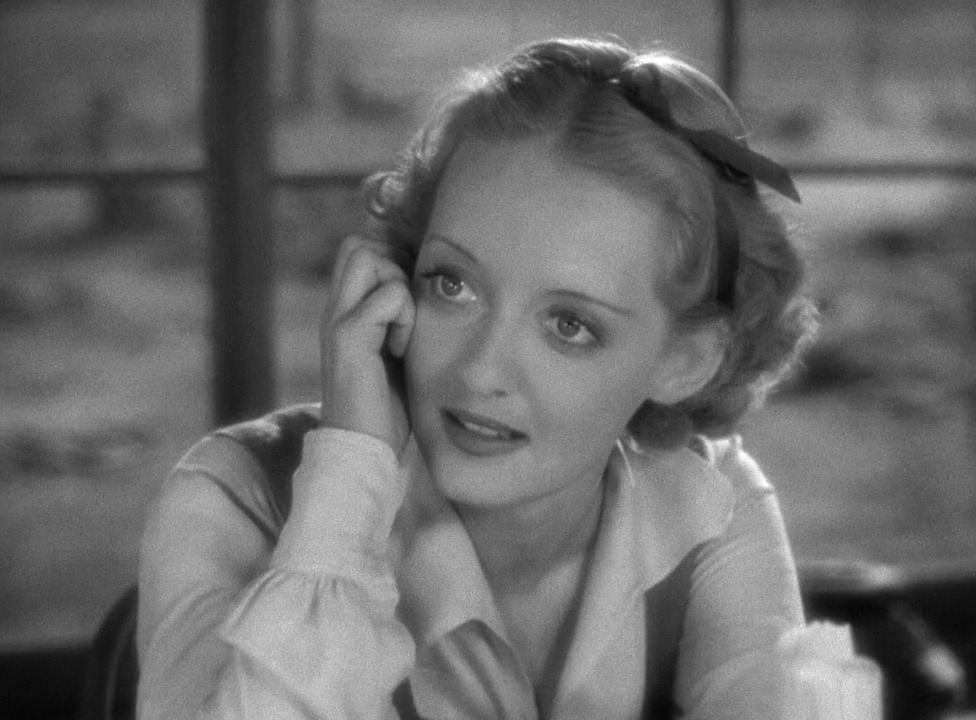
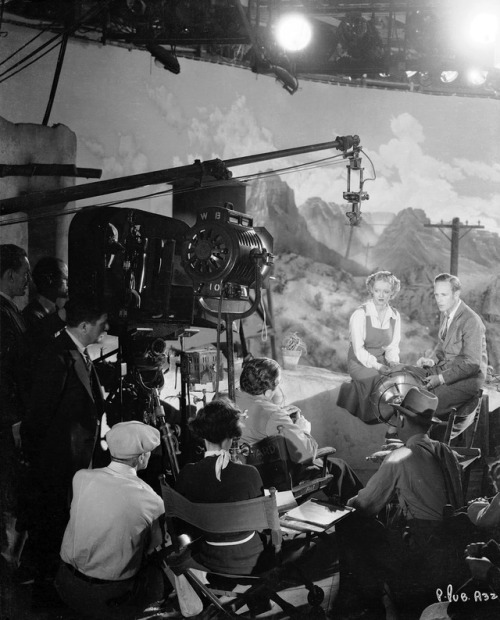
Tudo começa com a chegada de um estranho: Alan Squier (Leslie Howard, tão magro e pálido que se parece com Stan Laurel). Squier é um escritor charmoso que está cruzando os EUA após se divorciar, e ele logo conquista a garçonete do restaurante, a ingênua e sonhadora Gabrielle (Bette Davis).

Everything starts with the arrival of an odd man: Alan Squier (Leslie Howard, so slim and pale that he looks like Stan Laurel). Squier is a charming writer crossing the country after a divorce, and he instantly conquers the restaurant’s waitress, naïve dreamer Gabrielle Maple (Bette Davis).
Mas chega a hora de dizer adeus. Alan pega uma carona com o casal Chisholm (Genevieve Tobin e Paul Harvey) e o motorista deles. Quando eles estão na estrada, escutam no rádio a descrição da aparência do gângster fugitivo Duke Mantee (Humphrey Bogart) e qual carro ele e seus comparsas estão usando para a fuga. Na curva seguinte o casal Chisholm tem uma surpresa: é o próprio Duke Mantee que os para e rouba o carro.

But time has come to say goodbye. Alan gets a lift from the Chisholms (Genevieve Tobin and Paul Harvey) and their driver. When they are on the road the radio describes how runaway gangster Duke Mantee (Humphrey Bogart) looks like and which car he and his mates are using. On the next curve the Chisholms have a surprise: it’s Duke Mantee himself, who stops them and steals their car.
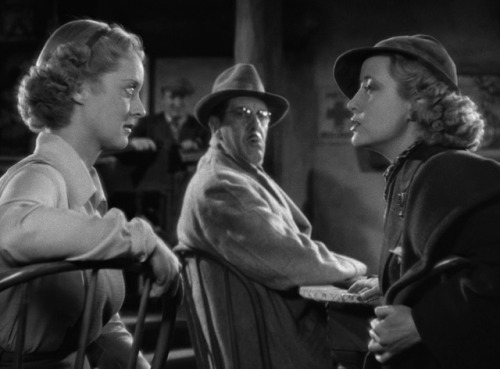
Enquanto o casal tenta consertar o carro de Duke para continuarem com a viagem, Alan, muito nervosa, volta para o restaurant, sabendo que Duke está prestes a encontrar Gabrielle. Duke chega lá. E Alan também. Agora, temos Gabrielle, Alan, o funcionário do posto Boze (Dick Foran) e o avô de Gabrielle (o divertido Charley Grapewin) são reféns de Duke e seus capangas. Com todos no restaurante, eles só podem ter conversas profundas sobre a vida, amor, dinheiro e dúvidas existenciais. E, sim, o casal Chisholm e o motorista também acabam sendo feitos reféns.

While the Chisholms try to fix Duke’s broken car to go on with their trip, a very nervous Alan walks back to the restaurant, knowing that Duke is about to hit the place. Duke does that. And so does Alan. Now, we have Gabrielle, Alan, the gas station employee Boze (Dick Foran) and Gabrielle’s grandfather (a very funny Charley Grapewin) held hostage by Duke and his evil crew. With all in the restaurant, they can only have deep conversations about life, love, money and existential doubts. And, yes, the Chisholms and the driver eventually arrive there, too.
A principal tarefa de Bette Davis em “A Floresta Petrificada” é ser adorável. Gabrielle é uma garota sensível que deseja visitar sua cidade natal na França e adora ler poesia. Alan é um par perfeito para ela. Como Alan, Leslie Howard tem de dizer coisas bonitas e intelectuais que também sejam provocativas para nós, espectadores. E Genevieve Tobin tem um monólogo FANTÁSTICO.

Bette Davis’s main job in ‘The Petrified Forest” is to be adorable. Gabrielle is a sensitive girl who wants to visit her birthplace in France and loves to read poetry. Alan is a perfect match for her – even though Boze is insistent about seducing her. As Alan, Leslie Howard has to say beautiful, intellectual things that are provocative for us, viewers. Oh, and Genevieve Tobin has a FANTASTIC monologue.
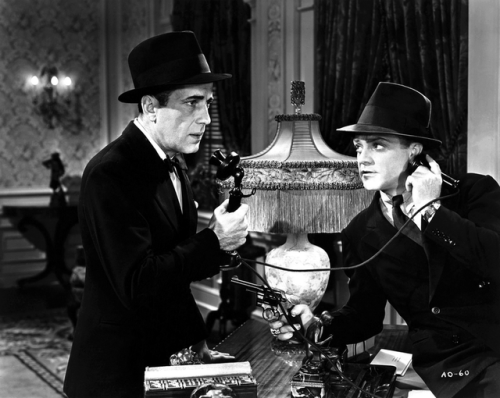
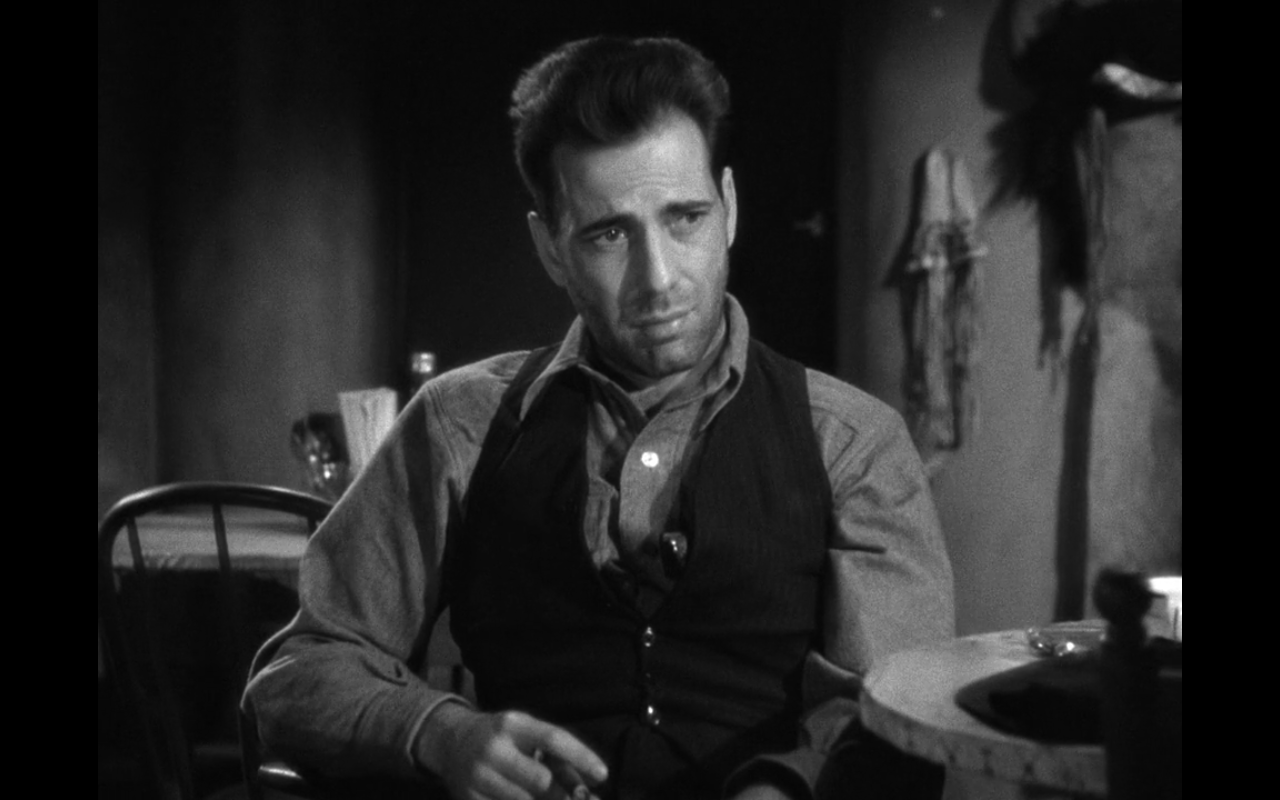
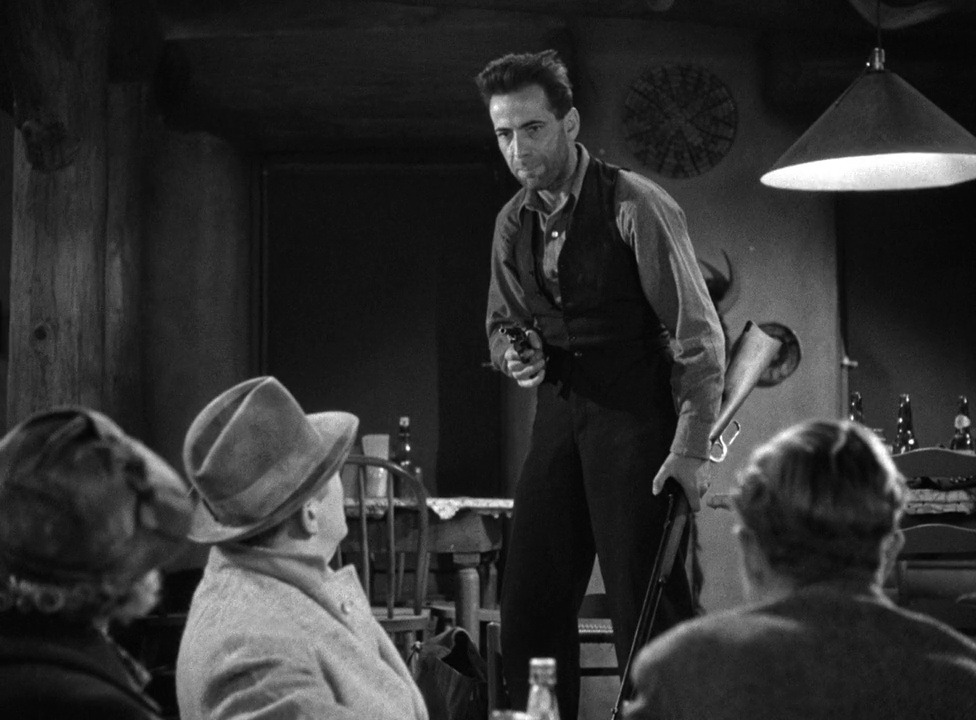
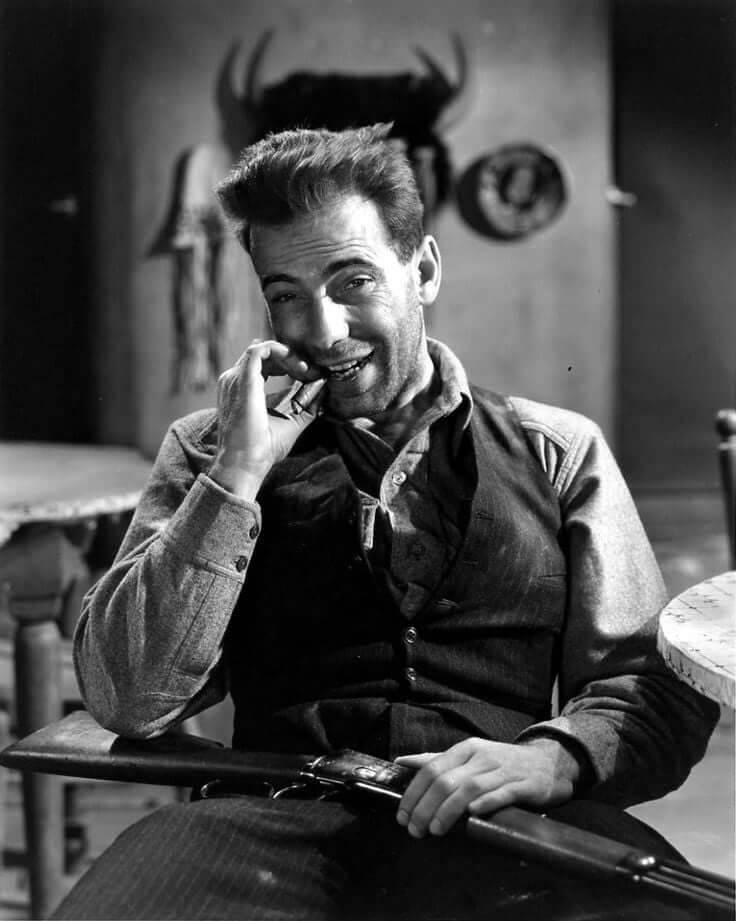
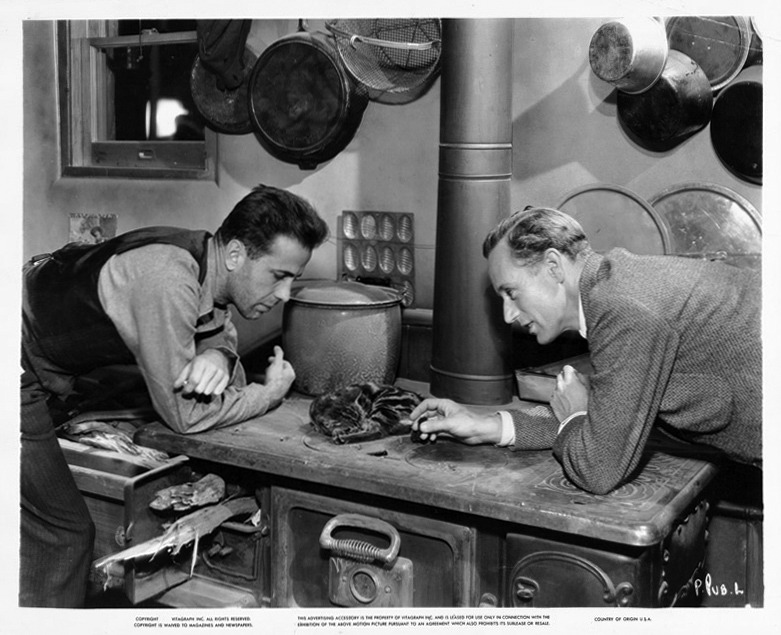
Humphrey Bogart interpreta um gângster barra-pesada com um minúsculo coração de manteiga. Na primeira fase de sua carreira, que vai de 1930 a 1941, ele foi mal aproveitado pela Warner Bros, que lhe dava só pequenos papéis – seu nome é só o quarto nos créditos deste filme – e papéis de vilão – no ano seguinte ele interpretaria um membro da Ku Klux Klan. É interessante notar, em Duke Mantee, este momento em particular, quando a câmera – por causa de uma tomada precisa planejada pelo diretor Archie Mayo – captura a alma do personagem:

Humphrey Bogart plays a heavy gangster with a tiny soft spot in his heart. In the first phase of his career, that goes from 1930 to 1941, he was mostly “undercast” by Warner Bros, who gave him small roles – he’s the fourth billed here – and roles of villains – he would play a Ku Klux Klan member in a 1937 movie. It’s interesting to notice, about Duke Mantee, this moment in particular, when the camera –because of a precisely planned shot by director Archie Mayo – captures the character’s soul:
“A Floresta Petrificada” foi primeiro apresentada como peça, com Howard, Davis e Bogart nos três papéis principais. Quando o estúdio Warner adquiriu os direitos da peça, os executivos planejaram dar o papel de Duke para Edward G. Robinson, mas Leslie insistiu em contracenar com Bogart. Por causa deste apoio, Bogart foi para sempre grato para com Howard, e inclusive deu o nome de Leslie à sua filha. E Bogart teve a chance de interpretar Duke Mantee mais uma vez em 1955, em uma adaptação para a TV, com Lauren Bacall como Gabrielle e Henry Fonda como Alan.

“The Petrified Forest” was first presented as a play, with Howard, Davis and Bogart in the three main roles. When it acquired the play rights, Warner planned to cast Edward G. Robinson for the role of Duke, but Leslie Howard insisted on working with Bogart. Because of this support, Bogart was forever grateful to Howard, and even named his daughter Leslie after him. And Bogart had the chance to play Duke Mantee once more in 1955, in a TV adaptation, with Lauren Bacall as Gabrielle and Henry Fonda as Alan.       
Sem dar spoilers, posso dizer que o filme pega um caminho muito incomum por causa do amor de Alan por Gabrielle. E, se você imaginou que um filme de 1936 traria uma lição moral machista e antiquada sobre as razões para a vida de um homem ou uma mulher, eu digo: você está muito enganado! Agora basta apenas conferir este excelente filme.

Without spoiling it, I can say that the film goes through a very unusual path thanks to Alan’s love for Gabrielle. And, if you presumed that a 1936 movie would bring a sexist, old-fashioned moral lesson about the reason behind a man’s or a woman’s existence, I must say: boy, you are wrong! Now go on and watch this wonderful movie.

This is my contribution to the Third Annual Bette Davis blogathon, hosted by Crystal at In the Good Old Days of Classic Hollywood.
Related Posts Plugin for WordPress, Blogger...