} Crítica Retrô

Tradutor / Translator / Traductor / Übersetzer / Traduttore / Traducteur / 翻訳者 / переводчик

Tuesday, November 12, 2019

The Luso World Cinema Blogathon begins


Bem-vindo!

Welcome!


Beth Gallagher from Spellbound by Movies and me here from Crítica Retrô are happy to be hosting the Luso World Cinema Blogathon. We are excited to see so many bloggers writing about cinema made in Portuguese and also paying a tribute to film performers from Portuguese ancestry.
Without further ado, let’s start with the chica-chica-boom-chic!

Day 1 entries


Ruth from Silver Screenings writes about the fashion influence of Carmen Miranda.


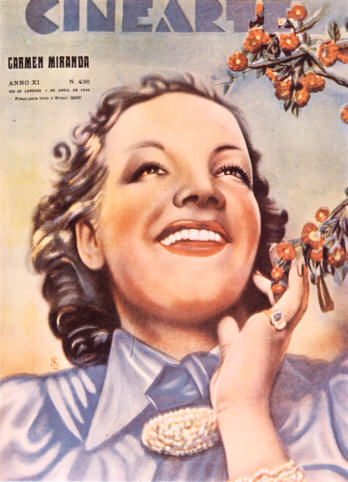
My co-hostess Beth talks about the beautiful art deco covers of Cinearte magazine.


Maddy writes a tribute to Lena Horne, talking about her life, work and her involvement with the civil rights activism.


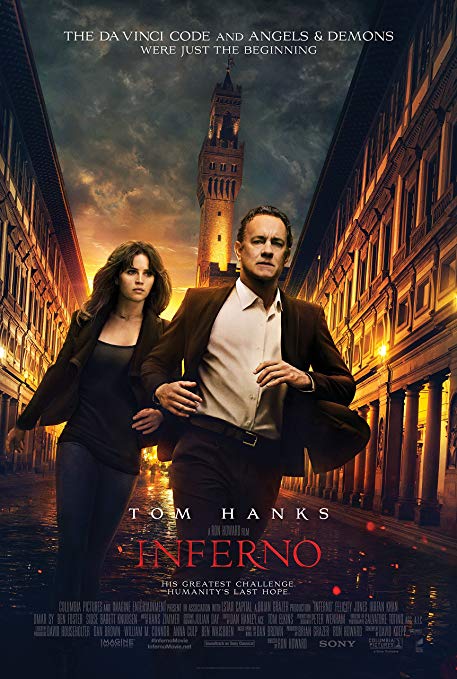
MovieRob is here with his first contribution: a review of 2016’s “Inferno”, starring Tom Hanks, an actor from Portuguese heritage.


Quiggy from The Midnite Drive-In writes about the unique Portuguese horror “Os Olhos da Minha Mãe / The Eyes of My Mother”


Terence from A Shroud of Thoughts writes about the morals scrutinized in Manoel de Oliveira’s “Aniki Bobó”.


Day 2 entries

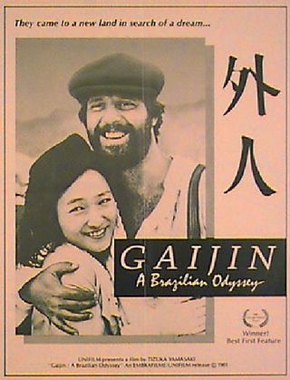
Dan from Crimson Kimono reviews “Gaijin– A Brazilian Odyssey” (1980) and finds some things in common with Japanese people who migrated to Brazil in 1908.


Rebecca from Taking Up Room reviews “The Miracle of Our Lady of Fatima” (1952), a B-movie about the appearance of the Virgin Mary to three children in 1917.


Annette from Hometowns to Hollywood gives us a view of Mary Astor’s life and the places she lived in.


MovieRob is back with a guy everybody likes: Keanu Reeves, who is from Portuguese heritage. Rob now reviews“The Devil’s Advocate” (1997).


Be sure to visit Spellbound by Movies for Days 3 and 4 of the blogathon!


Monday, November 11, 2019

Entrevistando Grace Kelly / Grace Kelly interviewed

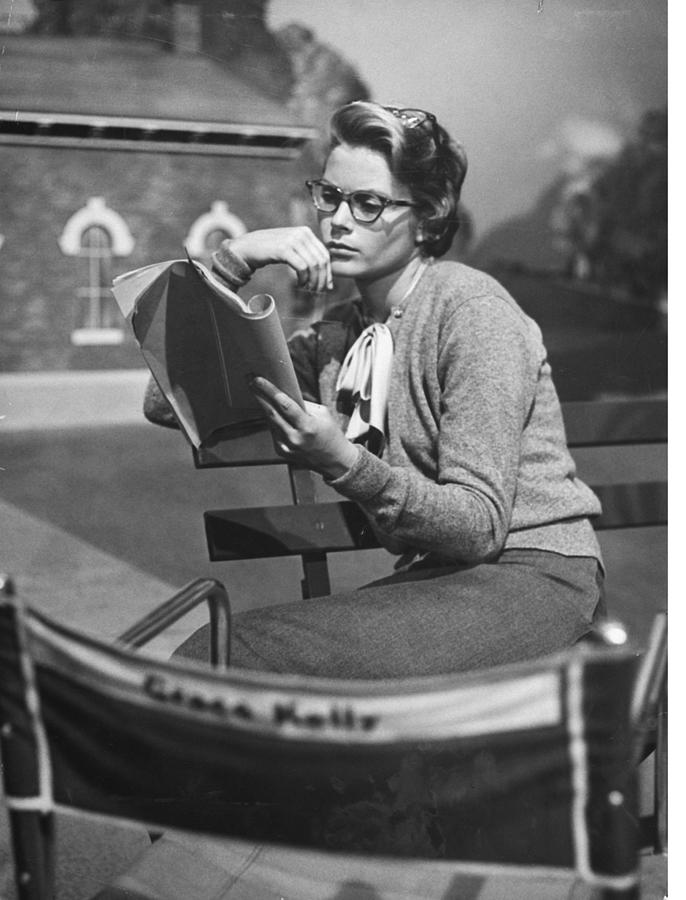
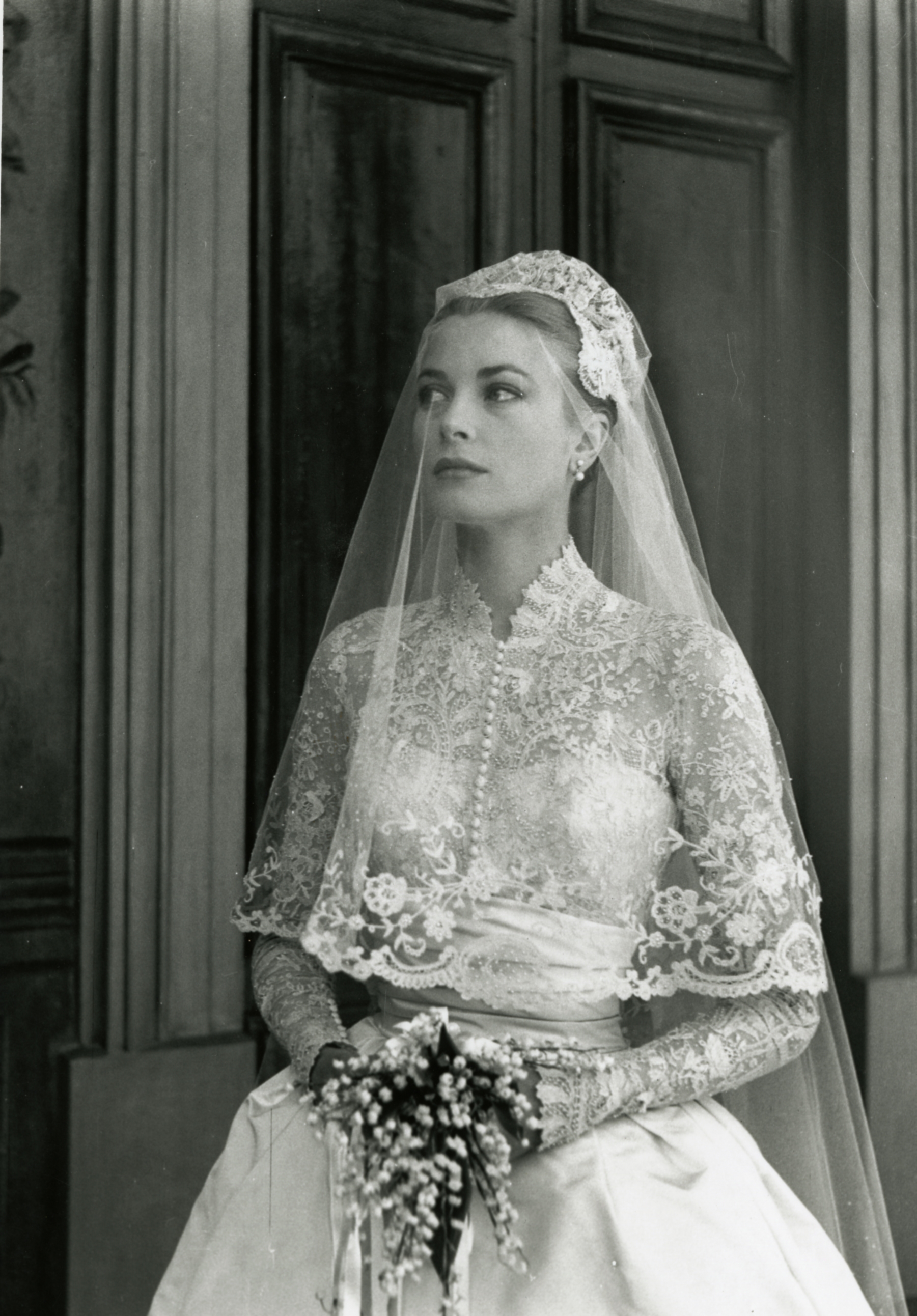
Grace Kelly foi uma das pessoas mais famosas do século XX. Milhares de fotos dela foram tiradas, centenas de artigos foram escritos sobre ela, sua vida e seus filmes. Em jornais e revistas do mundo todo havia especulações sobre sua vida amorosa, seu estilo, seus próximos filmes, e então sobre as preparações do seu casamento com o Príncipe Rainer de Mônaco e mais especulações sobre se ela voltaria ou não para Hollywood. Mas era só de vez em quando que a própria Grace sentava-se com jornalistas e respondia às suas perguntas.

Grace Kelly was one of the most famous people of the 20th century. Thousands of photos were taken of her, hundreds of articles were written about her, her life and her films. In newspapers and magazines all over the world, there were speculations about her love life, her style, her upcoming film projects, then the preparations for her wedding with Prince Rainer of Monaco and more speculations about whether or not she would go back to Hollywood. But it was only once in a while that Grace herself sat with journalists and answered their questions. 


Uma das revistas mais populares do século XX no Brasil se chamava “O Cruzeiro”. Ela foi publicada semanalmente entre 1928 e 1985, e tratava de diversos assuntos, incluindo cinema. A revista inclusive tinha vários correspondentes estrangeiros escrevendo diretamente dos EUA e da Europa.

One of the most popular magazines of the 20th century in Brazil was called “O Cruzeiro”. It was published weekly between 1928 and 1985, and it dealt with several subjects, including cinema. The magazine even had several foreign correspondents writing directly from the US and Europe. 


Estes correspondentes nem sempre eram bondosos com as estrelas de cinema – em quatro de dezembro de 1954, por exemplo, um correspondente chamado Álvares da Silva foi duro em sua crítica a Grace Kelly, dizendo que ela tinha “muita água e pouco açúcar”, ou seja, que ela não tinha talento nem sex appeal. O autor também diz que Hollywood estava tentando transformar Grace em uma nova Ingrid Bergman.

Those correspondents were not always kind to the movie stars – on December 4th 1954, for instance, a correspondent called Álvares da Silva was strong in his criticism of Grace Kelly, saying she had “too much water and too little sugar”, that is, that she had neither talent nor appeal. The author also says that Hollywood was trying to turn Grace into a new Ingrid Bergman.


Mas nem todos os jornalistas são duros com Grace Kelly. Em 1955, ele foi mencionada muitas vezes em “O Cruzeiro”. Grace havia acabado de ser eleita a atriz mais popular do mundo pelos correspondentes estrangeiros, e ganhou um troféu batizado de “Henrietta”. Um jornalista escreve um longo artigo comparando Grace e Gina Lollobrigida, e não consegue chegar a um veredicto sobre qual das duas é mais bela.

But not all journalists are hard to Grace Kelly. In 1955, she was mentioned several times in “O Cruzeiro”. Grace had just been named the most popular actress in the world by foreign correspondents, and won a trophy called “the Henrietta”. One journalist writes a long article comparing Grace and Gina Lollobrigida, and can’t reach a verdict about which one is prettier. 


Grace também aparece em décimo lugar numa lista de mulheres mais bem vestidas de 1955. Curiosamente, empatada com ela está a rainha Frederica da Grécia, e a revista traz os dizeres: “uma rainha de verdade empata em elegância com uma rainha de mentira”. Eles nem imaginavam que Grace iria se tornar uma princesa de verdade! Em 1956, Grace foi escolhida como a mulher mais elegantedo mundo.

Grace also appears in 10th in a list of best dressed women of 1955. Curiously, tied with her there is Queen Frederica from Greece, and the magazine says: “a real queen ties in elegance with a fake queen”. Little did they know that Grace would become a real princess! In 1956, Grace was voted as the most elegant woman in the world.


Mais tarde em 1955 o jornalista Pedro Lima foi indiscreto e escreveu sobre todos os casos que se dizia que Grace teve em Hollywood. Ele diz que, “sem ser realmente bonita”, Grace estava envolvida em muitos triângulos amorosos. Sim, a revista era cheia de fofocas e críticas!

Later in 1955 journalist Pedro Lima was indiscreet and wrote about all affairs Grace was said to have had in Hollywood. He says that, “without being really beautiful”, Grace was involved in several love triangles. Yes, the magazine was full of gossip and criticism!


Felizmente, também havia alguns jornalistas mais profissionais escrevendo para “O Cruzeiro”. A correspondente brasileira mais famosa em Hollywood era Dulce Damasceno de Brito, e ela preferia se encontrar com as estrelas em vez de repetir fofocas. Ela começa seu artigo sobre Grace Kelly dizendo que ela e Marilyn eram as duas atrizes mais populares naquele ano – mas não se podia compará-las, porque elas eram completamente diferentes.

Fortunately, there were some more professional journalists writing for “O Cruzeiro” as well. The most famous Brazilian correspondent in Hollywood was Dulce Damasceno de Brito, and she preferred to meet the stars before repeating gossip. She starts her article about Grace Kelly saying that she and Marilyn were the most popular actresses of the year – but there couldn’t be a comparison, because they were completely different.

Dulce Damasceno de Brito

Então, Dulce divulga alguns pensamentos que Grace teve durante a filmagem de “Amar é Sofrer” (1954): “[…] confesso que sentia medo ante a responsabilidade de substituir Jennifer [Jones, que teve de abandonar a produção por estar grávida], principalmente porque a Paramount insistira tanto para que a Metro me emprestasse... E eu receava desapontá-la. Passei noites em claro estudando o papel”.

Then, Dulce shares some thoughts Grace had during the filming of “The Country Girl” (1954): “[…] I confess that I was afraid of the responsibility to replace Jennifer [Jones, who had to abandon the project when she got pregnant], mainly because Paramount insisted so much so Metro could lend me… And I was afraid of disappoint them. I spent nights awake studying the role”.


Finalmente Dulce lhe pergunta sobre a noite em que ela ganhou o Oscar. Grace confessa: “Eu nunca poderia explicar a emoção de receber um Oscar. A gente sente vontade de rir, de chorar, de gritar... e de ficar parada, deixando apenas as lágrimas rolarem pelo rosto abaixo! Jamais poderia imaginar tal emoção. Só passando por isso é que se avalia o tremendo valor daquela estatueta!”.

Finally Dulce asks her about the night she won her Oscar. Grace confesses: “I could never explain the emotion of receiving an Oscar. We feel like laughing, crying, screaming… and like standing still, letting only the tears go down our face! I could never imagine such a feeling. Only by going through it you can evaluate the huge value of that statue!”


Dulce então conta ao leitor que Grace fala mansamente e é doce, e às vezes se parece com uma adolescente conversando animadamente sobre a escola. O assunto muda para o primeiro papel de Grace no cinema: “Consegui esta ponta no cinema depois de haver participado de 70 peças na televisão em New York!” Dulce fala um pouco sobre a vida amorosa de Grace e sobre como ela estava sendo vista com o estilista Oleg Cassini. Dulce termina a entrevista dizendo que a doce Grace Kelly estava de partida para Cannes.

Dulce then telling the reader that Grace speaks softly and is sweet, and sometimes looks like a teenager talking happily about school. The subject changes to Grace’s first film role: “I got this bit role in a film after I had been in 70 TV plays in New York!” Dulce then talks a little about Grace’s love life and how she was then being seen with stylist Oleg Cassini. Dulce ends the interview saying that the sweet Grace Kelly was leaving for Cannes.


Dulce entrevistou Grace uma segunda e última vez quando ela estava prestes a se casar e deixar Hollywood. Nesta ocasião, entre outras coisas, Dulce perguntou a Grace quando exatamente ela se apaixonou por Rainer. Ela respondeu: “Exatamente no dia de Natal de 1955, na casa de meus pais, em Filadélfia. Foi uma espécie de amor à segunda vista”.

Dulce interviewed Grace a second and final time when she was about to get married and leave Hollywood. In this occasion, among other things, Dulce asked Grace when exactly she fell in love with Rainer. She answered: “Exactly on Christmas Day, 1955, at my parents’ house, in Philadelphia. It was kind of love at second sight”. 


Ela também perguntou a Grace se ela queria prosseguir com sua carreira no cinema. A resposta foi: “Não. Da mesma forma com que me dediquei intensamente à carreira artística por pura vocação, pretendo dedicar-me de corpo e alma aos deveres sociais e de estado de uma princesa, posição esta que assumo por verdadeiro amor”. Ela também disse que as duas coisas que mais tinha em comum com o príncipe eram “senso de humor e religião”.

She also asked Grace if she wanted to go on with her film career. The answer was: “No. The same way that I have immensely dedicated myself to the artistic career because of a calling, I intend to dedicate myself, body and soul, to the social and Estate duties a princess has, as I claim this position with true love”.


Depois do casamento de Grace com o príncipe Rainer de Mônaco, ela continuou sendo assunto na revista. Um artigo de 1956 especulava se ela estava grávida de gêmeos. Outro artigo afirma que a história de amor de Grace foi uma história da moça que vai da pobreza à riqueza, porque o pai dela era pedreiro – o que não é verdade. Ao todo, há 179 menções a Grace Kelly na revista “O Cruzeiro”.

After Grace’s wedding with Prince Rainer of Monaco, she kept on being a subject in the magazine. A 1956 article speculated if she was pregnant with twins. Another article claims that Grace’s love story was a real rags to riches tale, because her father was a bricklayer – which he definitely wasn’t. There are, at total, 179 mentions to Grace Kelly in the “O Cruzeiro” magazine.


Grace também esteve na revista “O Cruzeiro” em uma propaganda de sabonete – que você pode ver abaixo – e esteve também na capa da revista. Como um dos rostos mais reconhecíveis do século XX, Grace Kelly foi presença constante em revistas por todo o mundo.

Grace also appeared at the “O Cruzeiro” magazine in an ad for soap – you can see it below – and she was on the cover of the magazine as well. As one of the most recognizable faces of the 20th century, Grace Kelly was a constant presence in magazines all over the world.


This is my contribution to the 5th Wonderful Grace Kelly blogathon, hosted by Samantha, Emily and Virginie at Musings of a Classic Film Addict, The Flapper Dame and The Wonderful World of Cinema.


Thursday, November 7, 2019

A Águia Azul (1926) / The Blue Eagle (1926)


Há filmes mudos de todos os tamanhos e durações. Além disso, não é regra que, quando um diretor começa a fazer longas-metragens, ele pare de fazer filmes mais curtos. Veja John Ford, por exemplo. Ford começou como diretor em 1917 e, em 1926, ele já havia dirigido dezenas de filmes, incluindo o impressionante épico “O Cavalo de Ferro”, de 1924, que tem mais de duas horas de duração. Ford não teve vergonha de voltar a fazer filmes menores e mais intimistas, e foi exatamente isso que ele fez em 1926 com “A Águia Azul”.

Silent film comes in all shapes and sizes. Furthermore, it’s not a rule that, once a director graduates to feature films, he never comes back to shorter films. Take John Ford, for instance. Ford started directing movies in 1917 and, in 1926, he had already directed dozens of films, including the impressive epic “The Iron Horse”, from 1924, that is over two hours long. Ford wasn’t ashamed to go back to more intimate films, made in a smaller scale, and this was exactly what he did in 1926 with “The Blue Eagle”.


George Darcy (George O'Brien, completamente lambuzado com óleo para parecer que está suando) e Big Tim Ryan (William Russell, igualmente lambuzado com óleo) estão servindo no mesmo navio na Primeira Guerra Mundial, mas eles são rivais na cidade natal. Juntos na guerra, eles vivenciam as batalhas, a adrenalina e a perda de companheiros. Mas assim que a guerra acaba, a velha rivalidade ressurge.

George Darcy (George O’Brien, completely covered in oil to look like he’s sweating) and Big Tim Ryan (William Russell, equally covered in oil) are shipmates during World War I, but back at home they’re rivals. Together at war, they experience the battles, the adrenaline and the loss of shipmates. But once the war is over, the old grudge comes back.


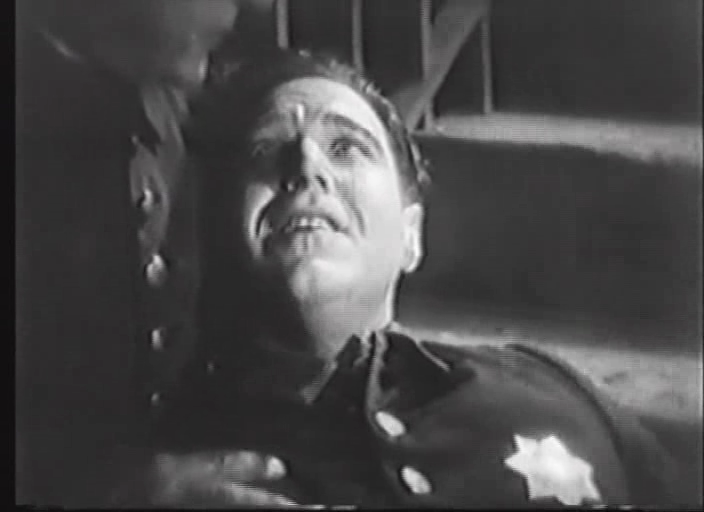
Darcy e Ryan vivem perto das docas, em um bairro pobre dominado por gangues rivais, algo que também pode ser visto em “Anjos de Cara Suja” (1938) e “Sindicato de Ladrões” (1954). Darcy e Ryan pertencem a gangues rivais – Darcy aos Terriers e Ryan aos Rats – e ambos estão apaixonados pela mesma mulher, Rose Kelly (Janet Gaynor), filha do policial Sargento Kelly (Lew Short). No bairro deles, problemas com drogas estão crescendo, e o Padre Joe (Robert Edeson), também ex-marinheiro, decide pedir para Darcy e Ryan ajudarem a polícia a prender os traficantes.

Darcy and Ryan are from the waterfront – a rather poor neighborhood dominated by rival gangs, something that can be seen in films like “Angels with Dirty Faces” (1938) and “On the Waterfront” (1954). Darcy and Ryan belong to rival gangs – Darcy’s Terriers and Ryan’s Rats – and they both are in love with the same woman, Rose Kelly (Janet Gaynor), daughter of police Sergeant Kelly (Lew Short). In their neighborhood, problems with drugs are on the rise, and Father Joe (Robert Edeson), also a former Marine, decides to ask both Darcy and Ryan to help the police arrest the smugglers.


Num mundo em que traficantes têm um SUBMARINO e gangues são formadas apenas para intimidar parte de um bairro, é de se esperar que haja uma mistura de gêneros, algumas subtramas que não vão a lugar algum – qual a importância dos irmãos gêmeos de Rose na narrativa? - e conclusões rápidas. Afinal, “A Águia Azul” tem menos de uma hora de duração!

In a world where drug dealers have a SUBMARINE and gangs are formed only to intimidate part of a neighborhood, it's expected a mix of genres, a few subplots that go nowhere – what is the use of Rose's twin brothers in the narrative? - and quick conclusions. After all, “The Blue Eagle” is less than one hour long!


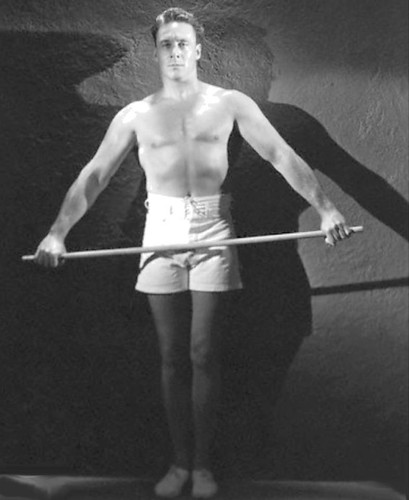
George O'Brien foi um galã popular na década de 1920 e estrela de faroestes nos anos 30, e seu filme mais famoso é a obra-prima “Aurora” (2927), também com Janet Gaynor. Foi através do filme “O Cavalo de Ferro” de Ford que O'Brien alcançou o estrelato – embora ele desejasse, quando chegou em Hollywood, ser operador de câmera!

George O'Brien was a popular leading man in the 1920s and western star in the 1930s, and his most famous film is the masterpiece “Sunrise” (1927), also with Janet Gaynor. It was through Ford's “The Iron Horse” that O'Brien achieved stardom – although his only wish when he went to Hollywood was to become a cameraman!


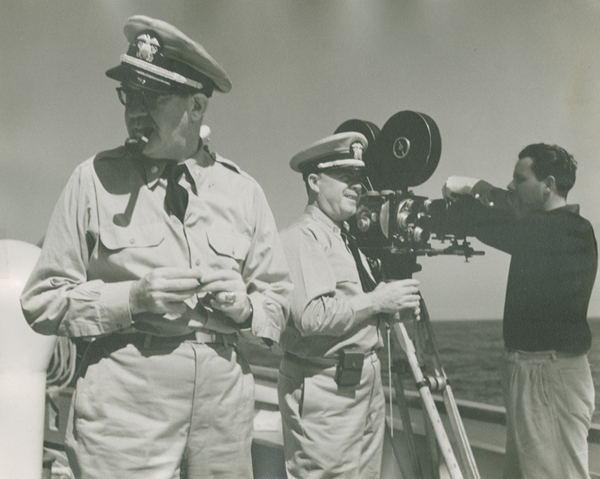
As aventuras anteriores de George O'Brien ajudaram-no muito em “A Águia Azul”: ele serviu na Marinha norte-americana durante a Primeira Guerra Mundial, e foi condecorado por bravura, e depois da guerra ele se tornou campeão de boxe. Ele se alistou novamente na Marinha durante a Segunda Guerra. O título do filme “A Águia Azul” vem do fato de os marinheiros norte-americanos serem conhecidos como “águias azuis”. George O'Brien tinha orgulho de seu serviço na Marinha e deste filme em particular porque, mais tarde, lhe foi perguntado que filme ele queria que fosse exibido em uma mostra retrospectiva de sua carreira, e ele escolheu “A Águia Azul”.

George O'Brien's previous life adventures helped him a lot in “The Blue Eagle”: he had been in the US Navy during World War I, and was decorated for bravery, and after the war he became a boxing champion. He re-enlisted in the Navy during World War II. The title of the film “The Blue Eagle” comes from the fact that the US Marines are often referred to as Blue Eagles. George O'Brien was fond of his time at the Navy and of this film in particular because, later in his life, he was asked which film he wanted to see showed in a career retrospective festival honoring him, and he chose “The Blue Eagle”.

John Ford também teve uma ligação íntima com a Marinha, mas apenas depois de fazer “A Águia Azul”. Durante a Segunda Guerra Mundial, Ford trabalhou com a Marinha fazendo documentários de guerra. Um destes documentários é “A Batalha de Midway” (1942), ganhador de um Oscar. Ford foi uma testemunha ocular do Dia D em 1944, mas a maioria das imagens que ele filmou do Dia D foi considerada forte demais para ser exibida para o público.

John Ford also had a close link with the Navy, but only after making “The Blue Eagle”. During World War II, Ford worked with the Navy Department doing war documentaries. One of these documentaries is “The Battle of Midway” (1942), that won an Oscar. Ford was an eyewitness of the D-Day in 1944, but most of his footage shot on D-Day was considered too gruesome to be released to the public.


Janet Gaynor também fez outro filme com John Ford em 1926, “A Folha do Trevo”. Este é mais um pequeno filme que mistura comédia, drama e esporte – desta vez, corrida de cavalos. Com Janet Gaynor em um papel mais substancial e também um pouco de racismo, “A Folha do Trevo” é considerado o primeiro filme de John Ford que se passa na Irlanda.

Janet Gaynor also appeared in another John Ford film from 1926, “The Shamrock Handicap”. This is another small scale film that mixes drama, romance and sports – this time, it’s horse race. With Janet Gaynor in a more substantial role and also a bit of racism, “The Shamrock Handicap” is considered  the first John Ford film set in Ireland.
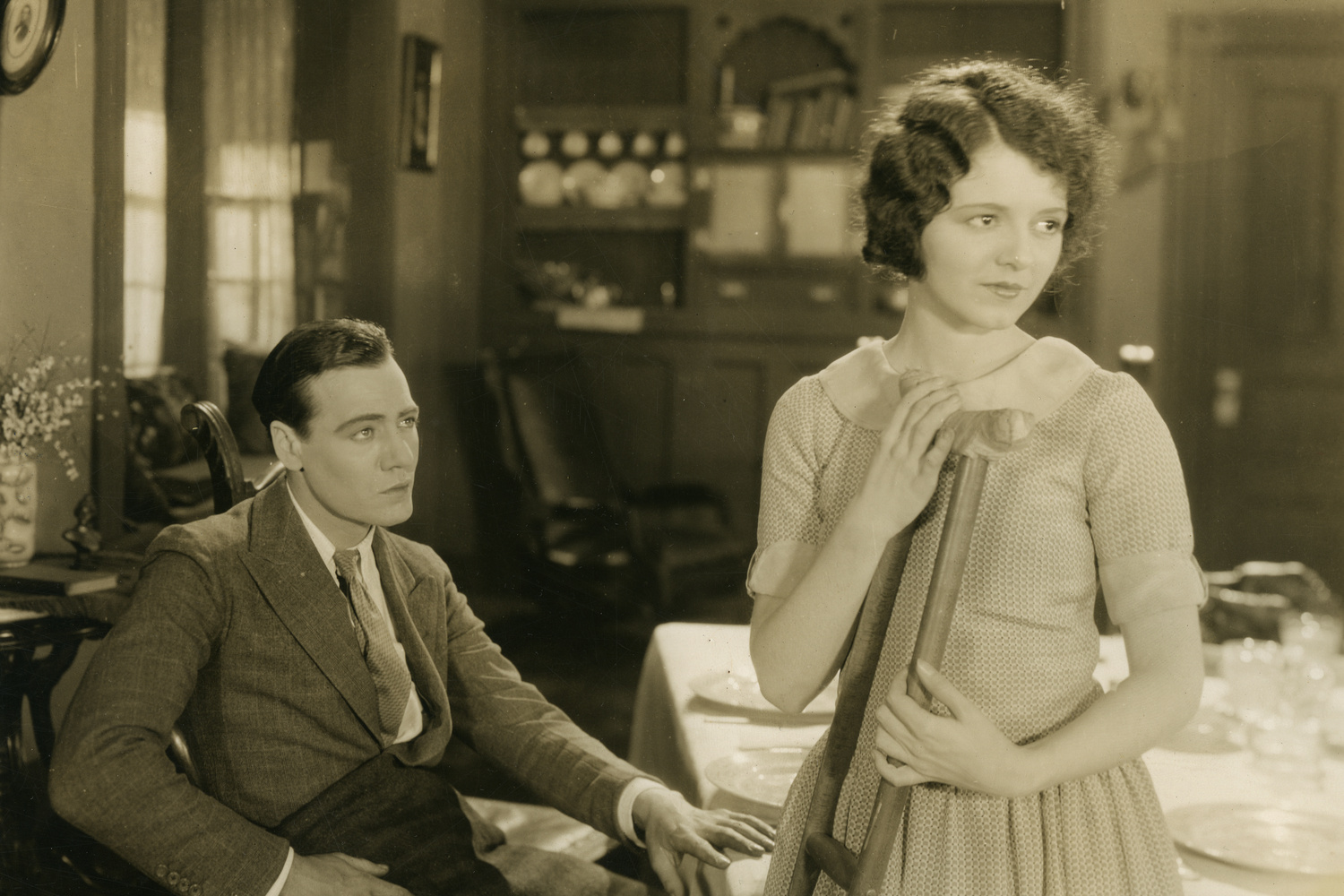
 
The Shamrock Handicap
Dois personagens muito importantes – aqueles que convencem Darcy e Ryan a declararem uma trégua – são o irmão deficiente de Darcy, Limpy (Philip Ford, sobrinho de John Ford), e o amigo bobão de Ryan, Dizzy (David Butler). Tanto Ford quanto Butler tiveram carreiras curtas como atores e mais tarde se tornaram prolíficos diretores.

Two very important characters – the ones that convince Darcy and Ryan to declare a truce – are Darcy’s handicapped brother, aptly named Limpy (Philip Ford, John Ford’s nephew), and Ryan’s good and dumb friend Dizzy (David Butler). Both Ford and Butler had brief careers as actors and later became prolific directors.


“A Águia Azul” tem atrativos para todos os públicos: romance, ação na guerra, drama urbano, um pouco de humor e até uma luta de boxe. Além disso, amantes de belos cenários, prestem atenção às luzes da cidade quando os personagens estão no cais. Infelizmente, as cenas com as batalhas navais ainda estão perdidas, o que torna o filme menos emocionante de ver hoje do que foi quando estreou. Mesmo assim, o filme nos traz o mais próximo que temos de um filme de gângster de John Ford, e por isso já merece ser visto.

The Blue Eagle” has something for everyone in the audience: romance, war action, urban drama, a bit of humor and even a boxing match. Also, lovers of beautiful scenery, pay attention to the city lights when the characters are on the waterfront. Unfortunately, the scenes with the sea battles are currently lost, which makes the film less exciting to see today than when it was originally released. Nevertheless, it brings the closest we have from a John Ford gangster picture, and for this alone it is worth a watch.

This is my contribution to the Send in the Marines blogathon, hosted by Gill and J-Dub at RealWeegieMidget Reviews and Dubsism.


Thursday, October 31, 2019

O Vampiro (1932) / Vampyr (1932)


Somos seres altamente sugestionáveis. Os que se assustam facilmente são capazes de pular ao ouvir qualquer barulho ou ver uma sombra. Os entusiastas do horror também acabam se tornando sugestionáveis, pois quanto mais eles aprendem sobre o sobrenatural, mais tênue se torna a linha entre a realidade e o sobrenatural. É exatamente isso que acontece com nosso herói, Allan Gray, no filme “O Vampiro” (1932), de Carl Theodor Dreyer.

We’re highly suggestible beings. The easily scared jump whenever they hear a sound or see a shadow. The horror enthusiasts also end up becoming suggestible, because the more they learn about the supernatural, the more blurred the line between reality and the supernatural becomes. This is exactly what happens with our hero, Allan Gray, in Carl Theodor Dreyer’s “Vampyr” (1932).


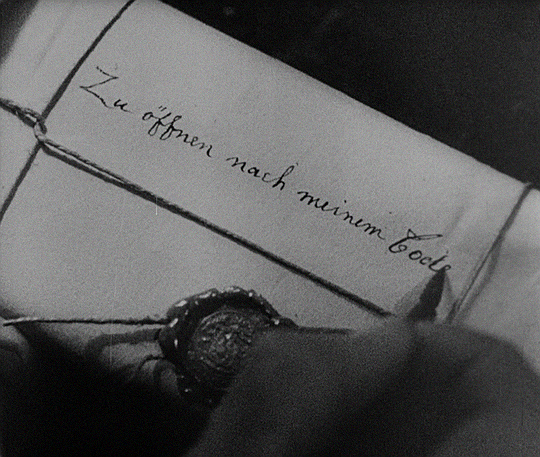
Allan Gray (Julian West) é um estudante do sobrenatural. Uma tarde, ele está passeando distraído quando encontra uma hospedaria em uma pequena vila, onde ele decide passar a noite. Seus terrores noturnos não são mostrados, mas descritos por uma longa cartela de títulos. Pela manhã, um homem entra no quarto de Allan, diz a ele que “ela não pode morrer” e deixa um pacote escrito “que só pode ser aberto após sua morte”.

Allan Gray (Julian West) is a student of the supernatural. One evening, he’s wandering around when he finds a small inn in a village, where he decides to spend the night at. His nightly terrors are not shown, but described in a long title card. In the morning, a man enters Allan’s bedroom, tells him that “she mustn’t die” and leaves a package “to be opened when he is dead”.


Mais tarde, Allan segue algumas sombras sem corpos e testemunha a morte do homem. Logo após o homem morrer, Allan abre o pacote e lá encontra um livro sobre vampiros. Allan então vê a filha do homem, Léone (Sybille Schmitz), ser mordida no pescoço. Um médico muito suspeito chega para cuidar dela. Agora Allan precisará impedir que Léone viva a eternidade como vampiro.

Later, Allan follows a few shadows without bodies and witnesses the man’s death. Right after the man dies, Allan opens the package and there he finds a book about vampires. Allan then witnesses the man’s daughter, Léone (Sybille Schmitz), being bitten on the neck. A very suspect doctor arrives to take care of her. Now Allan will be needed to save Léone from living eternity as a vampire.


O texto constante e enorme na tela quebra o ritmo do filme e, embora seja didático e importante para a história, atrapalha mais do que ajuda. “O Vampiro” foi concebido como um filme mudo, mas os planos mudaram durante a produção e o diálogo teve de ser gravado após as filmagens. Ainda assim há pouco diálogo no filme, o que, junto com a música de tensão, ajuda a criar suspense.

The constant and huge text in the screen breaks the film’s pace and, although didactical and important to the story, it bothers more than it helps. “Vampyr” was conceived as a silent movie, but the plans changed during production and the dialogue had to be recorded after shooting. There is still very little dialogue in the final film, which, along with the tense music, builds suspense.


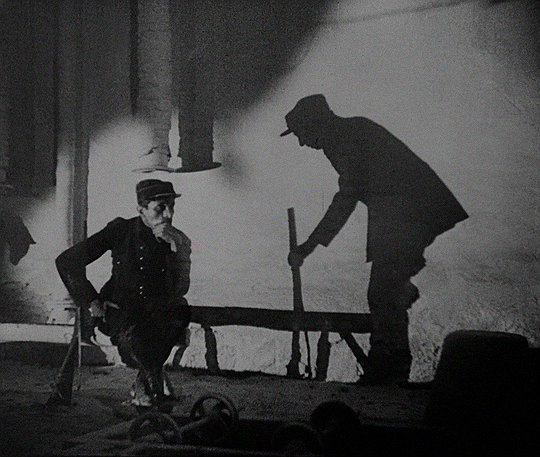
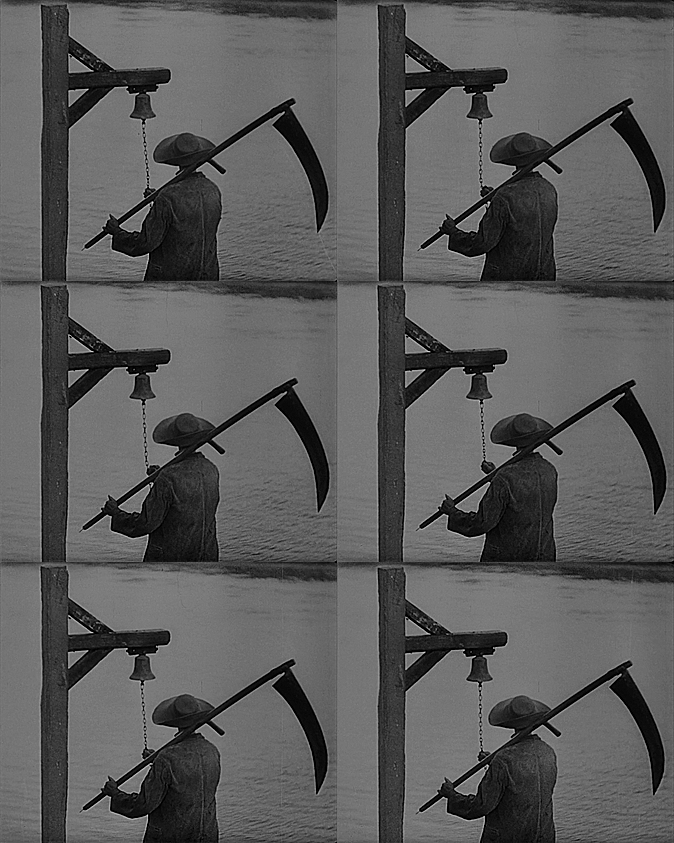
O destaque em “O Vampiro” é, sem dúvida, uma sequência muito claustrofóbica num caixão, filmada do ponto de vista da pessoa que está no caixão. Visualmente, todo o filme é hipnotizante, e outras sequências brilhantes incluem sombras, corpos que são quase transparentes e uma sequência de sonho com um esqueleto. O diretor de fotografia Rudolph Maté – de “A Paixão de Joana D’Arc” (1928), também de Dreyer – fez maravilhas ao filmar estas sequências.

The highlight of “Vampyr” is, without a doubt, a very claustrophobic coffin scene, filmed from the perspective of the person in the coffin. Visually, the whole film is hypnotizing, and other brilliant sequences include shadows, bodies that are nearly transparent and a dream sequence with a skeleton. Cinematographer Rudolph Maté – from Dreyer’s previous film, “The Passion of Joan of Arc” (1928) – did wonders while shooting these scenes.


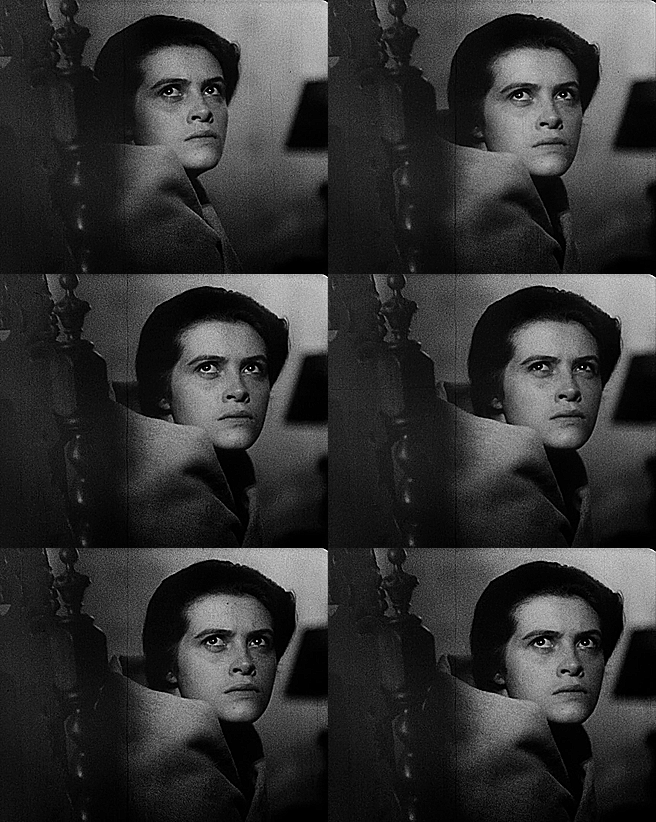
Assim como na maioria dos filmes de Carl Theodor Dreyer, quase todos os atores são amadores. Uma exceção importante em “O Vampiro” é Léone, a protagonista, interpretada por Sybille Schmitz. Nascida na Alemanha, ela trabalhou no teatro com Max Reinhardt e se tornou bastante popular na década de 1930. Em “O Vampiro”, sua expressão de desejo por sangue é ao mesmo tempo assustadora e fascinante. Sybille continuou trabalhando no cinema durante o Terceiro Reich, mas em papéis menores e fazendo femme fatales, porque ela não parecia “ariana o suficiente”. Por causa de seu vínculo empregatício sob o governo de Hitler, ela caiu no ostracismo a partir de 1945, e começou a abusar das drogas e do álcool. Sybille cometeu suicídio em 1955, e seus últimos anos serviram de base para o brilhante filme de 1982 “O Desespero de Veronika Voss”, de Rainer Werner Fassbinder.

Like in most Carl Theodor Dreyer films, almost all actors are amateurs. One important exception in “Vampyr” is Léone the leading lady, played by Sybille Schmitz. Born in German, she worked in theater under famous director Max Reinhardt and became quite popular in the 1930s. In “Vampyr”, her expression of lust for blood is at the same time scary and fascinating. Sybille kept on working in film during the Third Reich, but in smaller roles and as femme fatales, because she didn’t look “Aryan enough”. Because of this continuous employment under Hitler, she was ostracized after 1945, and started abusing drugs and alcohol. Sybille committed suicide in 1955, and her final years were the basis for the brilliant 1982 film “Veronika Voss”, by Rainer Werner Fassbinder.
 
Sybille Schmitz

Veronika Voss, 1982
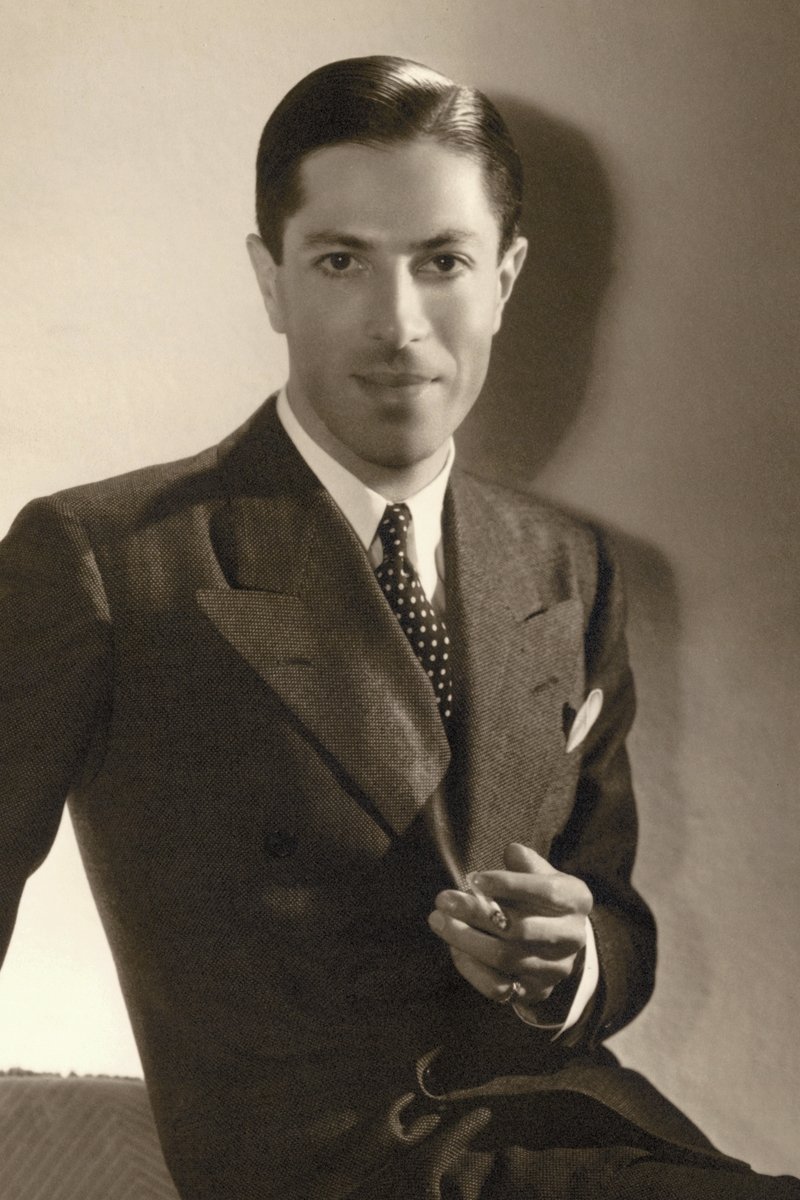
Nicolas de Gunzburg, um herdeiro francês vindo de uma família nobre russa, financiou o filme com uma condição: ele deveria ser escolhido para o papel principal. Foi assim que Nicolas adotou o nome artístico Julian West. Nicolas / Julian nunca fez outro filme, mas se tornou famoso no mundo da moda como editor de revistas de moda como Vogue e Harper’s Bazaar. Aliás, você percebeu como ele e H.P. Lovecraft se pareciam?

Nicolas de Gunzburg, a French heir from a noble Russian family, financed the film with one condition: he should be given the leading role. That’s how Nicolas adopted the stage name of Julian West. Nicolas / Julian never made another film, but he became a famous figure in the fashion world as editor of fashion magazines such as Vogue and Harper’s Bazaar. By the way, do you see how much he and H.P. Lovecraft look alike?

Nicolas / Julian
H.P. Lovecraft
Como acontecia nos primeiros filmes falados, em “O Vampiro” o diálogo foi gravado em diversas línguas para que o filme pudesse ser exportado para vários países. A versão em inglês foi perdida – embora alguns estudiosos digam que tal versão não foi sequer finalizada. Cópias em alemão e francês foram usadas para restaurar o filme à versão que temos hoje, com 73 minutos de duração. Ainda há algumas sequências perdidas.

Like it was common with early talkies, in “Vampyr” the dialogue was also recorded in several languages in order to export the film to several countries. The English version is lost – although some scholars claim that this version was never even completed. Prints in German and French were used to restore the film to the version we have today, and it is 73 minutes long. There are still some sequences lost.


Carl Theodor Dreyer disse que, com “O Vampiro”, ele quis “fazer um filme diferente de todos os outros filmes” e “criar um sonho na tela e mostrar que o horror não é encontrado nas coisas ao nosso redor, mas em nosso subconsciente”. Ele conseguiu fazer as duas coisas, mas pagou um preço alto: “O Vampiro” foi um fracasso de bilheteria e esgotou o diretor emocional e financeiramente. Dreyer fez apenas mais quatro filmes, se aposentando em 1964. Mas “O Vampiro” resistiu ao teste do tempo, e agora é considerado um clássico experimental e cult, e suas imagens ainda assombram nossas mentes.

Carl Theodor Dreyer said that, with “Vampyr”, he wanted to “make a film different from all other films” and “to create a dream on scream and show that horror is not to be found in the things around us but in our own subconscious”. He ended up achieving both, but paid a high price: “Vampyr” was a box-office failure and drained the director emotionally and financially. Dreyer made only four more films, retiring in 1964. But “Vampyr” stood the test of time, and now it’s highly regarded as a cult, experimental classic, and its images are still hunting our minds.

This is my contribution to the Dark and Deep: The Gothic Horror Blogathon, hosted by Gabriela at Pale Writer.

Related Posts Plugin for WordPress, Blogger...