Em
1927, William A. Wellman dirigiu “Asas”, famoso por ter sido o primeiro
ganhador da história do Oscar de Melhor Filme. Dez anos depois, Wellman
trabalhava para David O. Selznick, que tinha ambições multicoloridas naquele
ano de 1937. Foi o ano em que a parceria Wellman/Selznick rendeu dois filmes:
“Nasce uma Estrela / A Star is Born” (meu filme favorito de todos os tempos) e
“Nada é Sagrado / Nothing Sacred”. Enquanto o primeiro é um drama, o segundo é
uma das melhores screwball comedies de
todos os tempos. E, bônus: em glorioso Technicolor!
In 1927, William A. Wellman directed “Wings”, a film famous because it was the frist ever to win
the Best Picture award at the Oscars. Ten years later, Wellman worked for David
O. Selznick, who had colorful ambitions for the year of 1937. It was the year
in which the Wellman/Selznick partnership originated two movies: “A Star is
Born” (my favorite film of all time) and “Nothing Sacred”. While the first one
is a drama, the later one is one of the best screwball comedies ever made. And
with a bonus: it is in glorious Technicolor!

Wally
Cook (Fredric March) é um jornalista que não averiguou bem suas fontes e acabou
levando um falso sultão a um grande jantar. Como punição, ele passa a trabalhar
na sessão de obituários, mas não por muito tempo: Wally sabe fazer boas
reportagens, de “interesse humano”, e convence seu chefe a deixá-lo voltar à
ativa para cobrir um caso de contaminação por rádio.
Wally Cook (Fredric
March) is a journalist who hasn’t checked his sources and took a fake sultan to
a dinner party. As a reprimand, he is sent to the obituaries section, but not
for long: Wally knows how to identifies good news and top report things of “human
interest”, and that’s how he convinces his boss to send him to cover a case of
radium contamination.
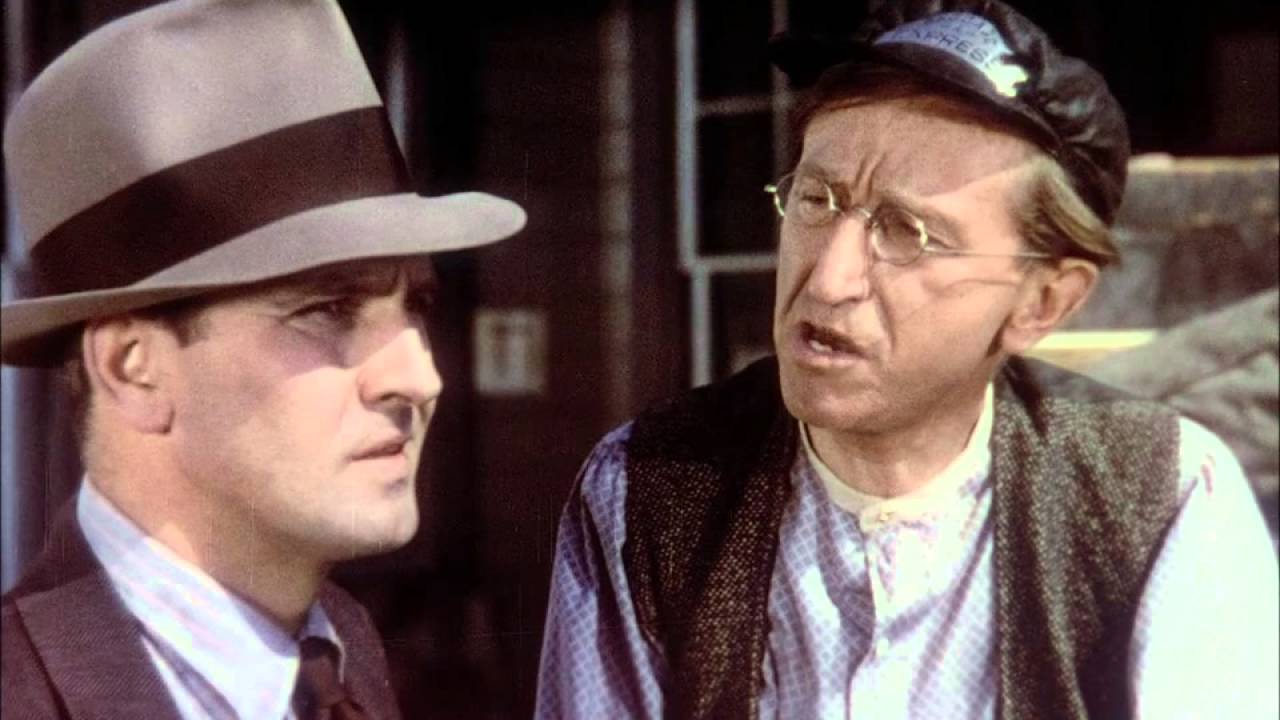
Apesar
da pouca simpatia dos habitantes da pequena cidade de Warsaw, Wally por fim
encontra Hazel Flagg (Carole Lombard), a moça que tem pouco tempo de vida por
causa da contaminação. Ele a convence a ir para Nova York, mas há segundas
intenções: enquanto Hazel quer se divertir, Wally e a equipe do jornal pensam
em explorar o drama dela a qualquer custo. Entretanto, a própria Hazel e o
médico excêntrico que a acompanha, o doutor Enoch Downer (Charles Winninger),
guardam um segredo.
Although he is not met
with niceness by the population of the little town of Warsaw, he eventually
finds Hazel Flagg (Carole Lombard), the lady who has little time to live
because she was contaminated. He convinces her to go to New York, but with
second intentions: while Hazel wants to have fun, Wally and the newspaper team
want to explore her drama to the most. However, Hazel and the doctor who is
travelling with her, doctor Enoch Downer (Charles Winninger), are keeping a
secret.

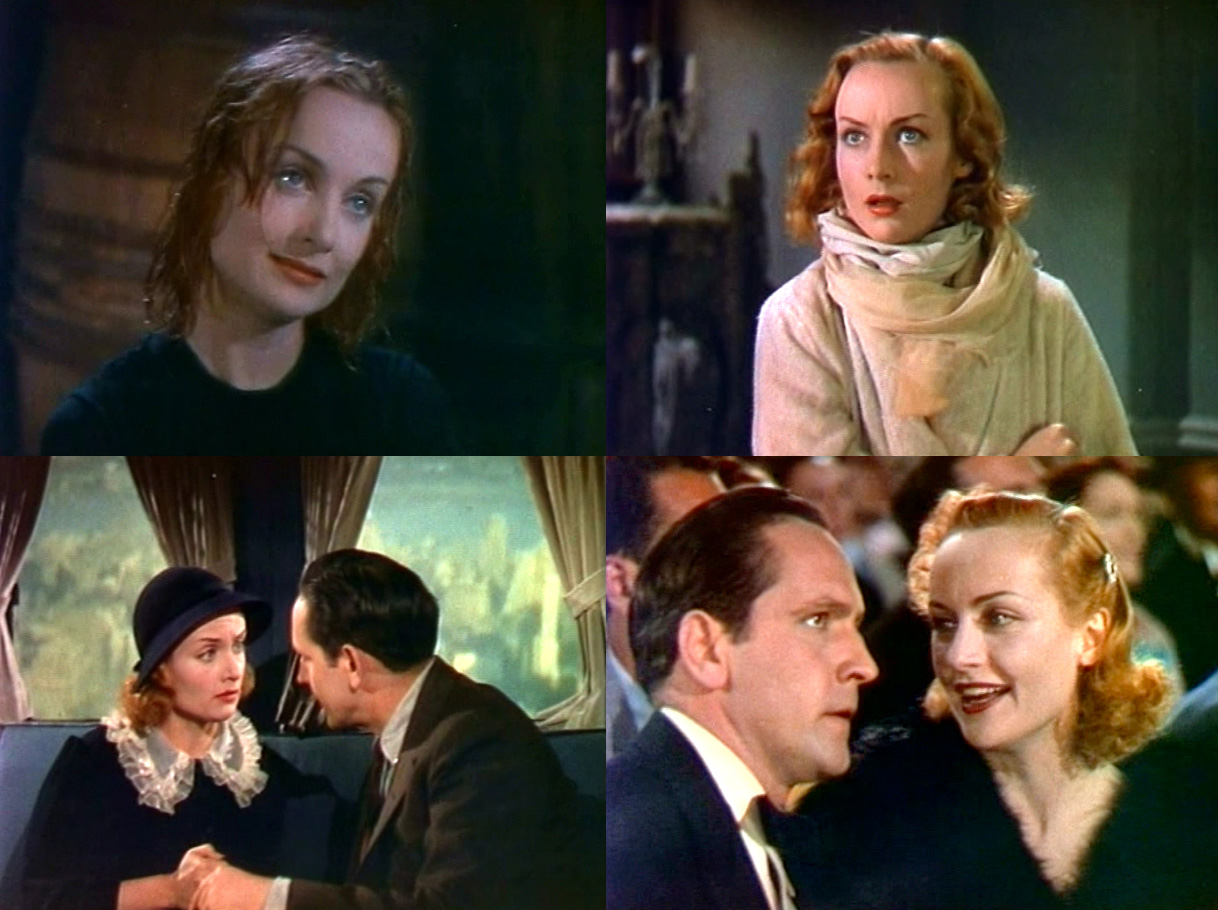
Carole
Lombard está, como sempre, ótima. Como Hazel, ela fala rápido, age
despretensiosamente e tem expressões faciais impagáveis, melhor ainda captadas
em Technicolor. Seu papel havia sido pensado para Janet Gaynor, que
contracenara com March em “Nasce uma Estrela / A Star is Born”, obtendo muito
sucesso. Apesar do grande talento de Janet, é inegável que não havia melhor
escolha que Carole. “Nada é Sagrado / Nothing Sacred” pode não chegar ao nível
de maestria de outros filmes da atriz, como “Irene, a Teimosa / My Man Godfrey”
(1936), mas está quase lá.
Carole Lombard is great,
as always. As Hazel, she is a fast talker who acts carelessly and has amazing
facil expressions – that look even better in Technicolor. Her role was intended
to be played by Janet Gaynor, who acted alongside Fredric Marc in “A Star is
Born” with great success. Even though Janet was talented, we can’t deny that
Carole was the best choice. “Nothing Sacred” may not be as good as her other
films, like “My Man Godfrey” (1936), but it is in her TOP 5.
Talvez
se William Powell interpretasse o jornalista Wally Cook (e eu consigo
visualizá-lo perfeitamente no papel) o filme seria ainda melhor. Mas ele não
deixa de ser bom, e deve isso a Carole e ao roteirista Ben Hecht. Hecht recebeu
das mãos de Val Lewton, então um jovem subordinado de Selznick, um conto de
James H. Street e decidiu adaptá-lo para o cinema. Hecht criou um personagem
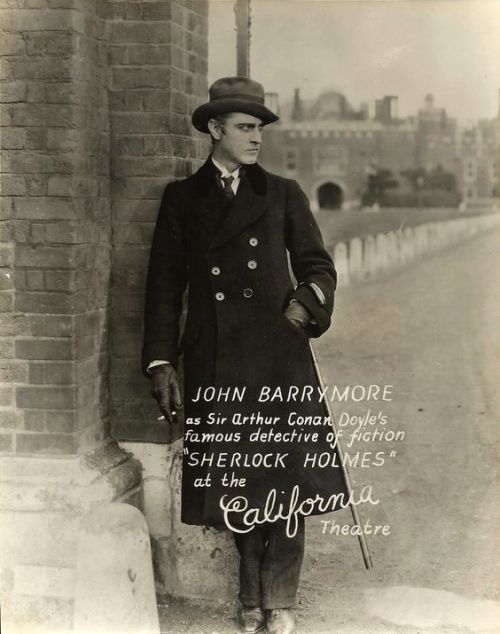
para John Barrymore, seu grande amigo, mas Selznick se recusou a trabalhar com
o ator, então nos últimos anos de sua carreira e de sua batalha com o
alcoolismo. Hecht abandonou o projeto (embora ainda receba crédito), Selznick
fez algumas mudanças no roteiro, os dois fizeram as pazes e trabalharam em mais
filmes juntos.
Maybe, if William Powell had
played Wally Cook (and I can perfectly envision him in the role), the film
would have been even better. But it is a nice movie, thanks to Carole and
screenwriter Ben Hecht. Hecht received from Val Lewton, then a Selznick subordinate,
a short story written by James H. Street and decided to adapt it to the screen.
Hecht wrote the character to John Barrymore, his good friend, but Selznick
refused to work with the actor, who was then in the last years of his career
and figtning alcoholism. Hecht abandoned the projet (even though he received
credit in the movie), Selznick made some changes in the script, the two became
friends again and worked togheter in many other films.
 |
| É impossível agradar a todos / You can't please them all |
Mas
precisamos falar sobre o subestimado diretor William A. Wellman. Em minha
opinião, Wellman merece um lugar entre os melhores diretores de todos os
tempos, junto com Hitchcock, Fellini, Truffaut, Leo McCarey e W.S. Van Dyke.
Mas, assim como os dois últimos, Wellman não se tornou um auteur. Wellman não tinha uma marca registrada, não trabalhava com
um só gênero ou só um grupo de atores, mas dominava as técnicas de sua arte.
Basta uma cena do filme para percebermos isso: quando Wally e Hazel estão
andando pelas ruas de Warsaw, eles ficam um longo momento com os rostos
encobertos por um tronco de árvore. Como todas as tomadas dos filmes são
planejadas, não se trata de um erro, mas sim de um truque de Wellman: filmar
uma cena com bom enquadramento é fácil, difícil é filmar uma cena que esconda o
rosto dos protagonistas – que estão eles mesmos escondendo suas verdadeiras
intenções – de um jeito tão íntimo e revelador.
But we really need to
talk about underrated director William A. Wellman. In my opinion, Wellman
deserves to be cited among the best directors of all times, next to Hitchcock,
Fellini, Truffaut, Leo McCary and W.S. Van Dyke. But, just like the two last
ones, Wellman didn’t become an auteur. Wellman didn’t have a registered mark,
didn’t work in only one genre or with a small group of actors, but he knew all
about the film techniques. In one scene we can realize his status as a master:
when Wally and Hazel are walking by the streets of Warsaw, they stay a long
while with their faces covered by a tree trunk. Since all the film shots are
planned, it is not a mistake, but a trick by Wellman: to shoot a scene with a
good framing is easy, but it is difficult to shoot a scene in which the leads’
faces are hidden – because the leads are, themselves, hiding their true
intentions – in such an intimate and revealing way.

Em
Technicolor, Carole Lombard nunca esteve tão bonita – nem tão frágil. É
doloroso pensar que a comédia trata de uma moça destinada a morrer jovem,
quando sabemos que o destino de Carole foi a morte em um acidente aéreo em
1942, quando ela tinha apenas 33 anos. Mas esqueçamos por um momento a vida e
vamos nos concentrar na arte: porque só Carole Lombard (com uma ajudinha de
Wellman, que foi inclusive colocado em uma camisa-de-força em uma brincadeira
da atriz) poderia fazer um filme tão delicioso quanto este.
In Technicolor, Carole Lombard
never looked so beautiful – or so fragile. It’s painful to think that the
comedy is about a woman who is going to die young, when we know that Carole
died in a plane crash in 1942, when she was only 33. But let’s forget real life
for a moment and pay attention to fiction: because only Carole Lombard (with a
little help from William Wellman, who was even put in a straightjacket by
Carole in a prank) could make such a delightful film.
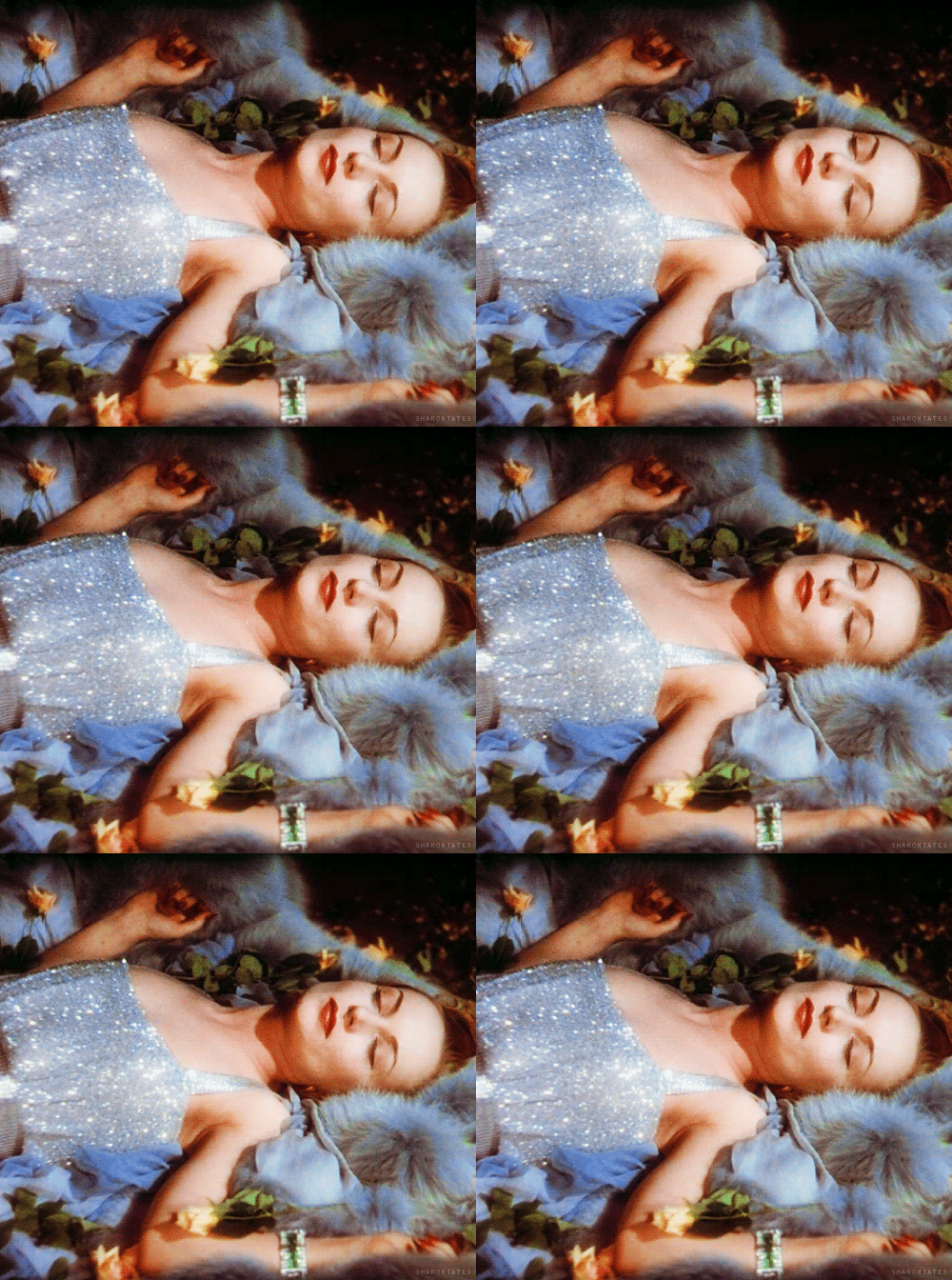 |
| Carole está DESMAIADA / Carole has FAINTED |
“Nada é Sagrado
/ Nothing Sacred” (1937) está disponível no YouTube e no Internet Archive. Aproveite!
“Nothing Sacred” (1937)
is available on YouTube and Internet Archive. Enjoy!
This is my contribution to the William Wellman
Blogathon, hosted by Liz at Now Voyaging.



















-large-picture.jpg)